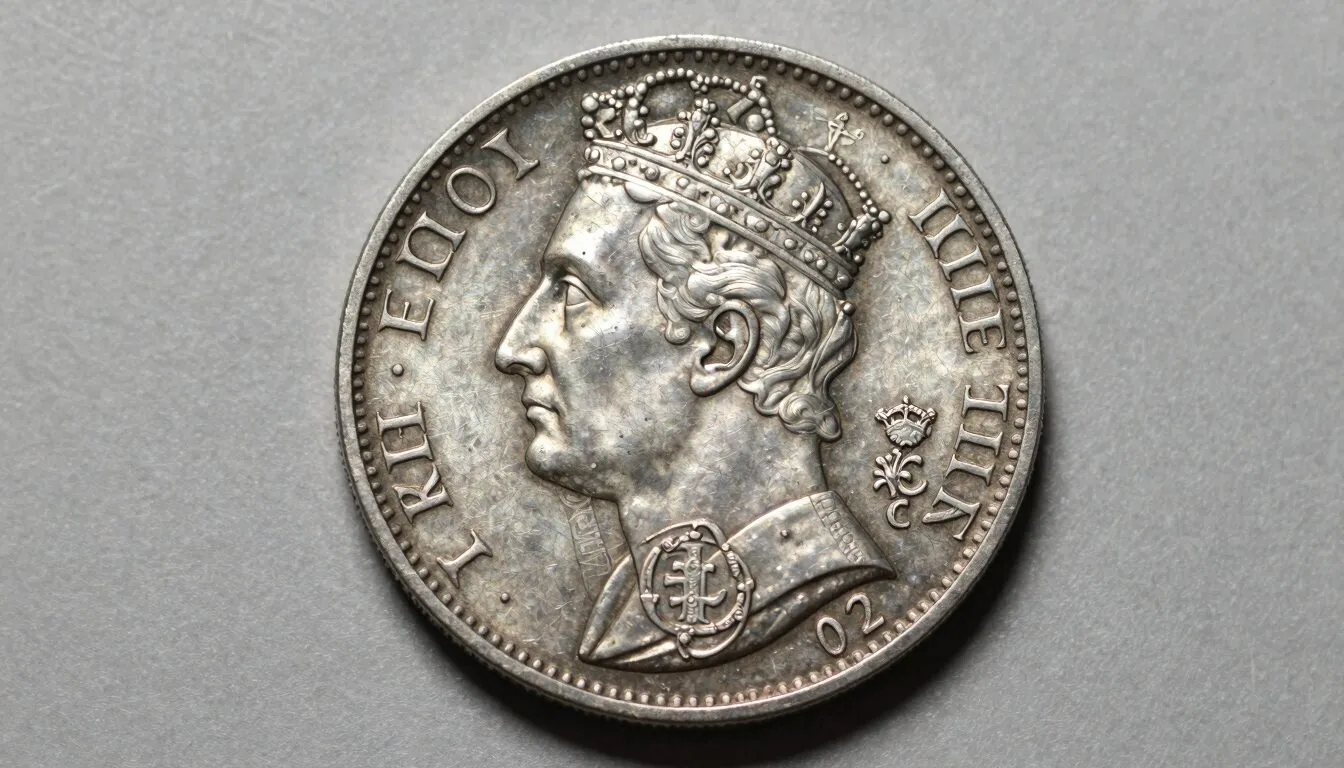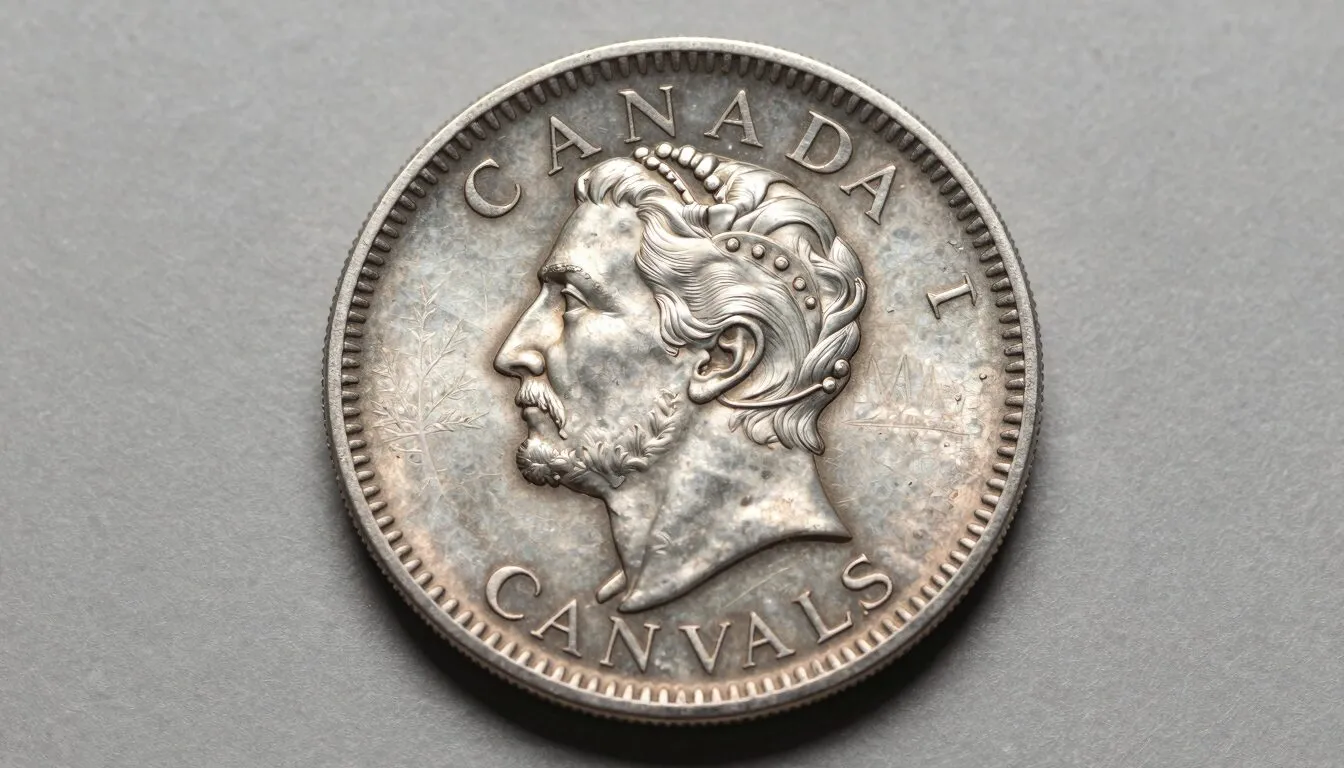
Mint Marks at a Glance
A mint mark is a letter stamped into a coin to show which branch of the US Mint made it. Congress created the first branch mints in 1835, and mint marks first appeared in 1838 when the branches in Charlotte, Dahlonega and New Orleans began striking coins. Today's marks are P (Philadelphia), D (Denver), S (San Francisco) and W (West Point). Historic marks include CC (Carson City), O (New Orleans), C (Charlotte) and a D used by Dahlonega on gold coins from 1838 to 1861.
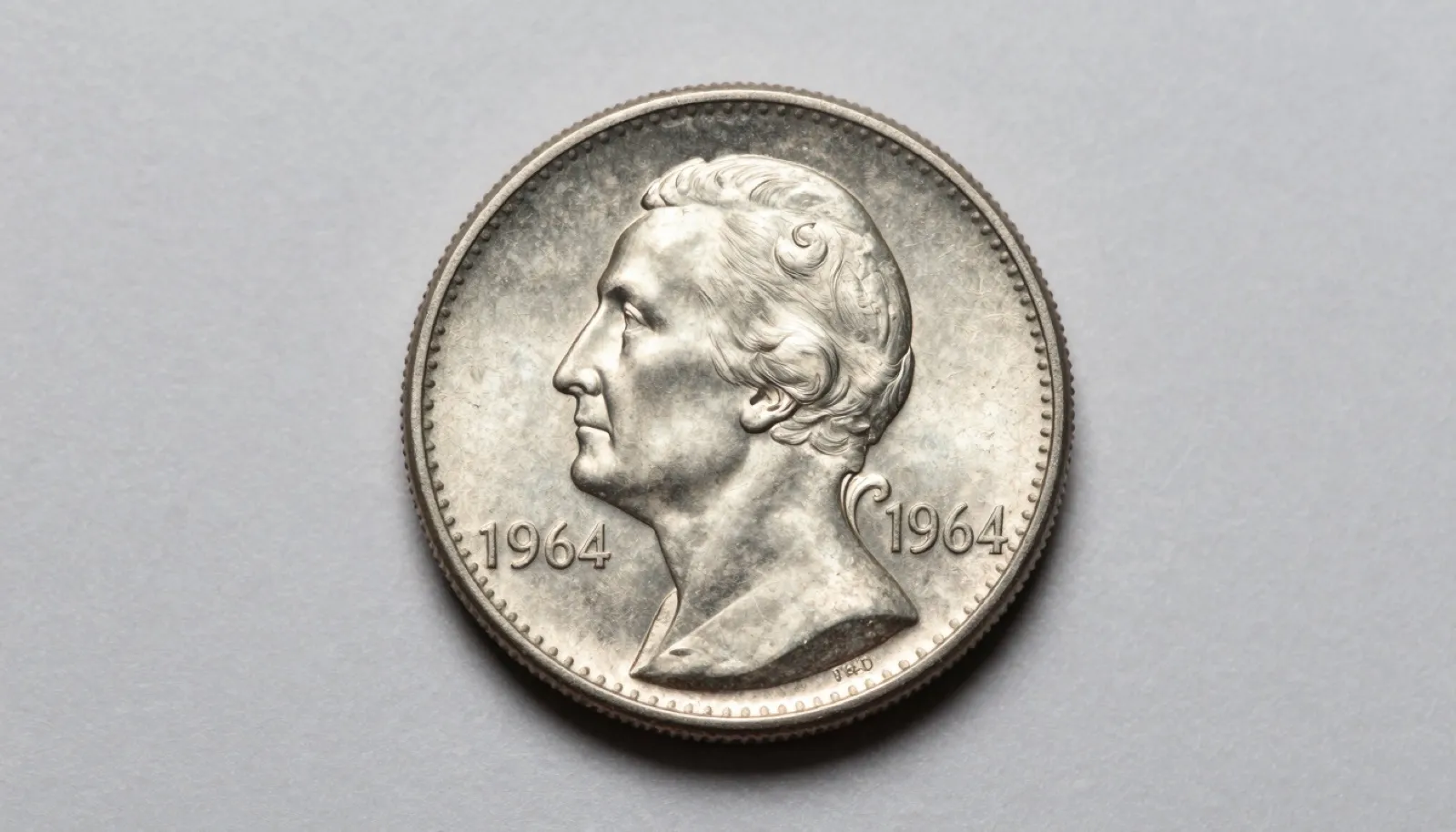
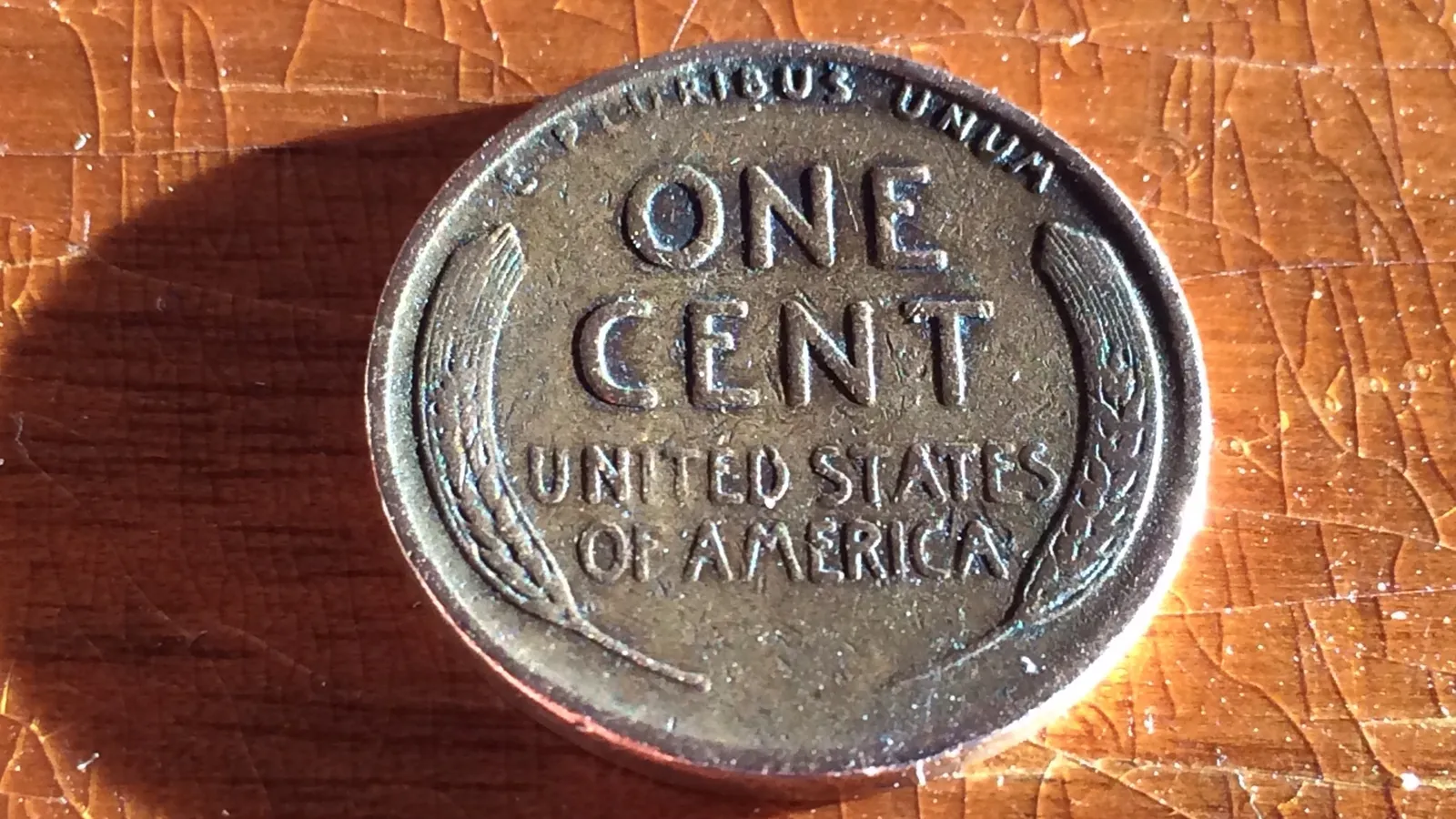
Location depends on the coin's date. Most mint marks sat on the reverse until 1964. No circulating coins dated 1965, 1966 or 1967 carry one, because the Mint dropped them during a coin shortage. In 1968 the marks came back and moved to the obverse, usually near the date. Lincoln cents are the main exception: they've always carried the mark below the date, and Philadelphia cents have no letter at all except in 2017.
A missing letter usually means Philadelphia, but not always. Edge-lettered dollars hide the mark in the edge lettering, and grease in a die can wipe a letter out on a single coin.
How to Find the Mint Mark in Six Steps
You don't need special tools for most coins, just good light and a few seconds. Work through these steps in order and you'll find the letter, or confirm the coin was made without one.
- Name the coin and read the date. The denomination and design tell you which row of the location table below applies. A Mercury dime and a Roosevelt dime hide their marks in different places.
- Use the date to pick a side. Dated 1964 or earlier: start on the reverse, near the bottom, often below the wreath or the eagle. For 1965 to 1967, stop: there's no mint mark. From 1968 on, check the obverse near the date.
- Tilt the coin under one light source. A desk lamp held low and to one side throws a shadow across raised letters, so a worn D or S shows up better than under flat overhead light.
- Magnify the spot. A 5x to 10x loupe works well, and so does your phone camera zoomed in on that one area.
- Rule out designer initials. Letters like F, M, AW and GR belong to the artists, not the mints (more on that below).
- Write the result as date plus mint. A 1964 half dollar with a D is a 1964-D. With no letter, it's listed simply as 1964 (sometimes called 1964-P).
That last step matters because price guides, auction catalogs and grading labels all list coins by date and mint. A Heritage Auctions guide notes that the 1927-S and 1927-D double eagles are far scarcer than the Philadelphia 1927, so a one-letter difference can change a coin from common to rare.
Mint Mark Letters and the Mints Behind Them
Eight marks have appeared on US coins over the years, each tied to a different mint (D was used by two of them). Four of those mints still strike coins today.
| Mark | Mint | Years used on coins |
|---|---|---|
| P | Philadelphia, PA | 1942-1945, 1979 to present |
| D | Denver, CO | 1906 to present |
| S | San Francisco, CA | 1854-1955, 1968 to present |
| W | West Point, NY | 1984 to present |
| CC | Carson City, NV | 1870-1893 |
| O | New Orleans, LA | 1838-1861, 1879-1909 |
| C | Charlotte, NC | 1838-1861 (gold only) |
| D | Dahlonega, GA | 1838-1861 (gold only) |
Two letters cause the most confusion. The D on a gold coin dated 1838 to 1861 comes from Dahlonega, Georgia, while any D dated 1906 or later is Denver. Since the date ranges never overlap, the year settles it.
A 1964 quarter with no letter at all confuses people just as often. Philadelphia struck coins for almost 150 years without marking them. According to PCGS, the first P appeared in 1942 on silver wartime nickels, vanished after 1945, came back on the 1979 Susan B. Anthony dollar and spread to every circulating denomination except the cent in 1980. Today S and W mostly appear on collector coins such as proofs, which is one reason it helps to know how to identify a proof coin vs a regular strike.
Where the Mint Mark Sits on Each US Coin
The table below covers the 20th-century and modern series you're most likely to find in a jar, a roll or an inherited collection. Locations follow the Heritage Auctions mint mark reference, with Jefferson nickel details from PCGS's history of the five nickel positions.
| Coin | Dates | Where to look |
|---|---|---|
| Indian Head cent | 1908-S and 1909-S only | Reverse, below the wreath |
| Lincoln cent | 1909 to date | Obverse, below the date |
| Buffalo nickel | 1913-1938 | Reverse, below FIVE CENTS |
| Jefferson nickel | 1938-1942, 1946-1964 | Reverse, right of Monticello |
| Jefferson wartime nickel | 1942-1945 | Reverse, large letter above Monticello's dome |
| Jefferson nickel | 1968-2004, 2006 to date | Obverse, below the date |
| Jefferson nickel | 2005 | Obverse, above the date, below LIBERTY |
| Mercury dime | 1916-1945 | Reverse, right of the word ONE, near the base of the fasces |
| Roosevelt dime | 1946-1964 | Reverse, left of the bottom of the torch |
| Roosevelt dime | 1968 to date | Obverse, above the date |
| Standing Liberty quarter | 1916-1930 | Obverse, above and left of the date, beside the bottom star |
| Washington quarter | 1932-1964 | Reverse, below the wreath under the eagle |
| Washington quarter | 1968-2021 | Obverse, right of Washington's ponytail |
| Walking Liberty half | 1916, some 1917 | Obverse, below IN GOD WE TRUST |
| Walking Liberty half | 1917-1947 | Reverse, lower left, left of HALF DOLLAR |
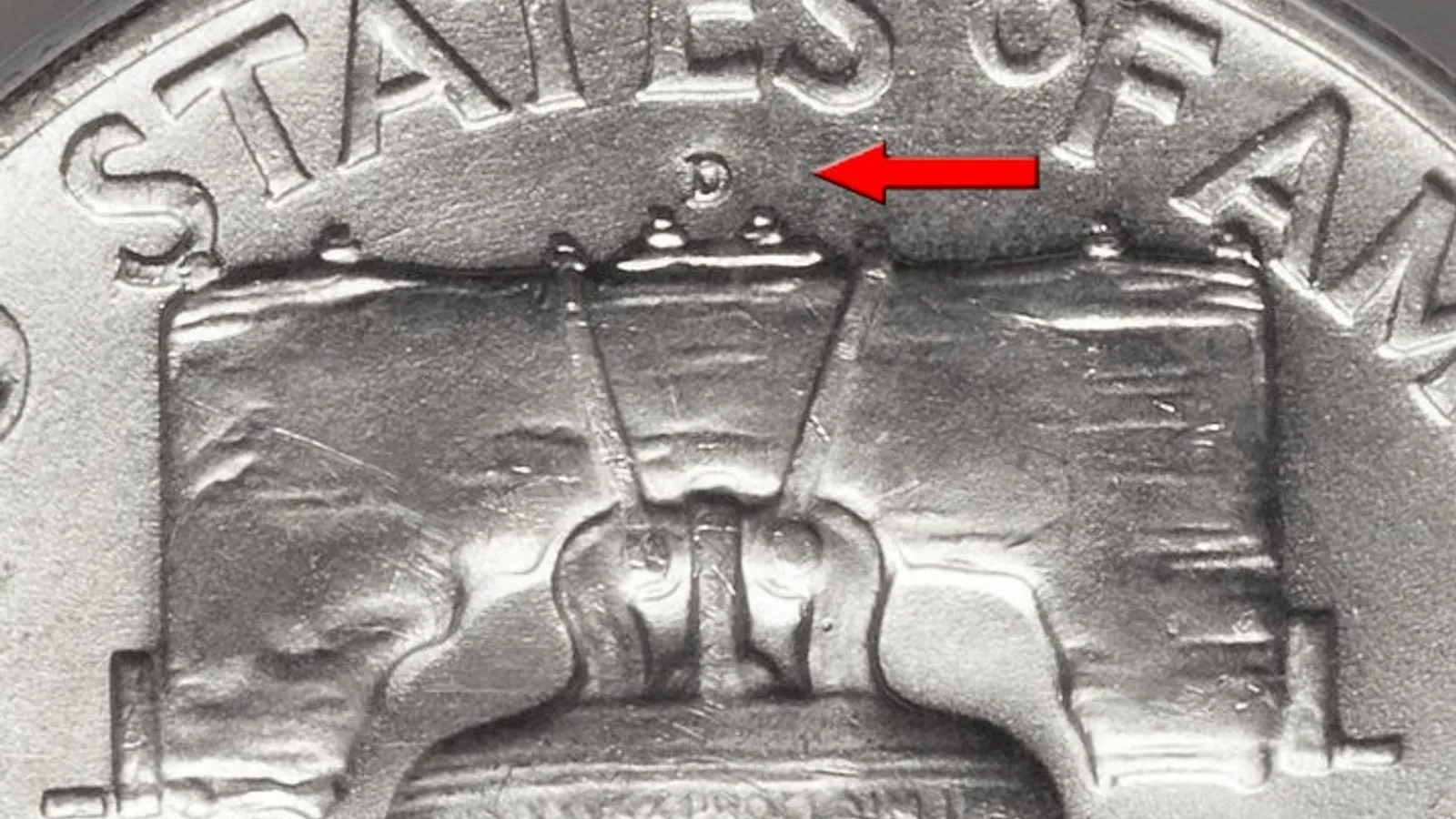
| Franklin half | 1948-1963 | Reverse, above the Liberty Bell, below the E in STATES |
| Kennedy half | 1964 | Reverse, left of the olive branch in the eagle's claw |
| Kennedy half | 1968 to date | Obverse, above the date |
| Morgan dollar | 1878-1921 | Reverse, above the DO in DOLLAR, below the wreath |
| Peace dollar | 1921-1935 | Reverse, below ONE, left of the eagle's tail |
| Eisenhower dollar | 1971-1978 | Obverse, just above the date |
| Susan B. Anthony dollar | 1979-1981, 1999 | Obverse, left of the portrait |
| Sacagawea dollar | 2000-2008 | Obverse, below the date |
| Saint-Gaudens double eagle | 1907-1933 | Obverse, above the date |
On statehood quarters from 1999 to 2008, the mint mark is on Washington's side, which isn't the side with the date. For the Walking Liberty half, PCGS explains that the Mint moved the letter from the obverse to the reverse in early 1917 because the director thought it looked like a die defect, so 1917-D and 1917-S halves exist in both versions.
Coins That Were Made Without a Mint Mark
A blank spot is normal on several groups of coins. Before you assume something's wrong, check whether your coin belongs to one of them.
- Philadelphia coins before 1980. Except for the 1942-1945 silver nickels and the 1979 Anthony dollar, Philadelphia didn't mark its coins. A 1958 dime with no letter is a Philadelphia dime.
- Lincoln cents from Philadelphia. The cent never adopted the P. The single exception is 2017, when every Philadelphia cent carried a P for the Mint's 225th anniversary.
- Anything dated 1965, 1966 or 1967. The Mint removed mint marks from all coins during the coin shortage of the mid-1960s and restored them in 1968.
- Presidential and Native American dollars. These carry the date and mint mark in the lettering on the edge, as the US Mint describes for both programs, so both faces look unmarked.
A 1982 dime with a bare spot beside the torch should have a letter. Grease can fill the letter on a die and leave a single coin without its mark, but the 1982 no-P dime has a different cause: one Philadelphia working die was never punched with the P, and coins from it reached circulation in 1982, some of them found in pocket change.
Weak marks also turn up on older branch-mint coins, so a faint letter isn't automatically a problem. Wheat cents have their own well-known missing-mark issue, covered in the wheat penny identification guide.
Letters That Look Like Mint Marks but Aren't
Many US coins carry the designer's initials, and beginners often read them as mint marks. The five below all appear on series in the location table.
- F on the Buffalo nickel. The F below the date is James Earle Fraser's initial. Look for the real mint mark on the reverse, below FIVE CENTS.
- AW on the Mercury dime. The small monogram in the right obverse field belongs to Adolph A. Weinman. Its mint mark is on the reverse.
- M on the Standing Liberty quarter. A small M to the right of the date is Hermon MacNeil's initial. The mint mark is on the opposite side of the date, beside the bottom star.
- GR on the Kennedy half. The script mark at the base of Kennedy's neck is Gilroy Roberts's monogram, not a symbol and not a mint mark.
- VDB on Lincoln cents. These are Victor David Brenner's initials. On a 1909-S VDB, the S below the date is the mint mark and the VDB on the reverse is the signature. The initials were dropped later in 1909 and returned in 1918 as a tiny VDB on the obverse, under Lincoln's shoulder. See how that pair is checked in the guide to the real 1909-S VDB vs common counterfeits.
On coins of the same type and year, designer initials sit in the same spot whatever the mint, while the mint mark changes (D, S, P or nothing). Line up two coins of the same type and date, and the letter that differs is usually the mint mark.
Check the Mint Mark Before You Trust the Value
Because one letter can move a coin's value so much, mint marks are a favorite target for alteration. NGC describes a 1901 Morgan dollar whose mint mark, most likely an O, had been removed to pass it as the much scarcer Philadelphia issue.
On that coin, the tool marks changed direction sharply under a loupe. A genuine coin shows smooth, consistent flow lines. NGC calls removing a mint mark one of the easiest ways to alter a coin. Adding a letter to a common Philadelphia coin is the reverse version of the same trick.
Watch for these warning signs around the mint mark:
- Scratches, smoothing or a different surface texture next to the letter
- A letter that's sharper, larger or tilted compared with photos of genuine examples
- A seam or ring around the letter
- A key date whose mark looks perfect while the rest of the coin is worn
When the mark decides whether a coin is common or scarce, compare it with images of genuine examples of the same date and mint, then check recent sales for that exact date, mint and condition. The coin value checker walks through where those prices come from. Doubled letters around the date are a separate topic: a doubled die error can affect the mint mark area too, and it's identified differently.
Reading a Mint Mark From a Photo With Coinara
If the letter is tiny or you're not sure which series you have, a photo can help narrow it down. Coinara identifies a coin from a photo of its front and back and suggests its name, country, year, denomination and mint mark when they're readable, naming the mint as well (for example, D for Denver).
You can add up to four extra photos, so a close-up of the mint mark area gives it more to work with, and a short note such as "letter below the date" can point the analysis in the right direction.
The value it shows is a range based on comparable coin listings, with the median and the number of listings behind it. It's an estimate, not an appraisal or a grade.
Coinara won't invent a mark it can't read, but a heavily worn or grease-filled letter can still be misread, and a photo can't prove a coin is genuine. For a key date, treat the result as a first pass and confirm the mark under a loupe. Get Coinara on the App Store to check the date and mint on coins you're sorting, or read how the coin identifier by photo process works first.
Sources
- usmint.gov/learn/collecting-basics/mint-marks
- coins.ha.com/ref/mintmark.zx
- pcgs.com/news/5-mint-mark-positions-on-jefferson
- pcgs.com/news/p-mintmark-firsts
- pcgs.com/news/whats-that-letter-p-doing-on-my-cent
- pcgs.com/news/mintmark-moved-walking-liberty-half-dollars
- pcgs.com/news/from-the-pcgs-grading-room-missing-mintmarks
- pcgs.com/news/what-is-the-mark-on-kennedys-neck-on-the-half-dollar
- ngccoin.com/news/article/15092/counterfeit-detection-morgan-removed-mi
- ngccoin.com/news/article/11895/face-value-1923-peace-dollar
- usmint.gov/learn/coins-and-medals/collectible-coins/presidential-dolla
Image: Bobby131313, CC BY-SA 3.0, via Wikimedia Commons
FAQ
The small letter near the date or on the reverse is the mint mark. P stands for Philadelphia, D for Denver, S for San Francisco and W for West Point. Older coins can also show CC for Carson City, O for New Orleans, C for Charlotte or D for Dahlonega on gold coins struck from 1838 to 1861.
Most Philadelphia coins made before 1980, Lincoln cents from Philadelphia (except 2017), and every circulating coin dated 1965, 1966 or 1967. Presidential and Native American dollars carry the mark on the edge, so the faces look blank.
During the coin shortage of the mid-1960s, the Mint removed mint marks from all coins to discourage collectors from hoarding new issues. The marks returned in 1968 and moved to the obverse on the coins that had carried them on the reverse.
The first P appeared on the silver wartime Jefferson nickels of 1942 to 1945. It came back on the 1979 Susan B. Anthony dollar and has appeared on every circulating Philadelphia coin except the cent since 1980. Philadelphia cents carried a P only in 2017.
Usually, yes. The West Point Mint mostly strikes collector coins such as proofs and bullion, so a W on a quarter from pocket change is worth a closer look. Confirm the date and the letter under a loupe, then check recent sales for that exact date and mint before you set it aside or sell it.