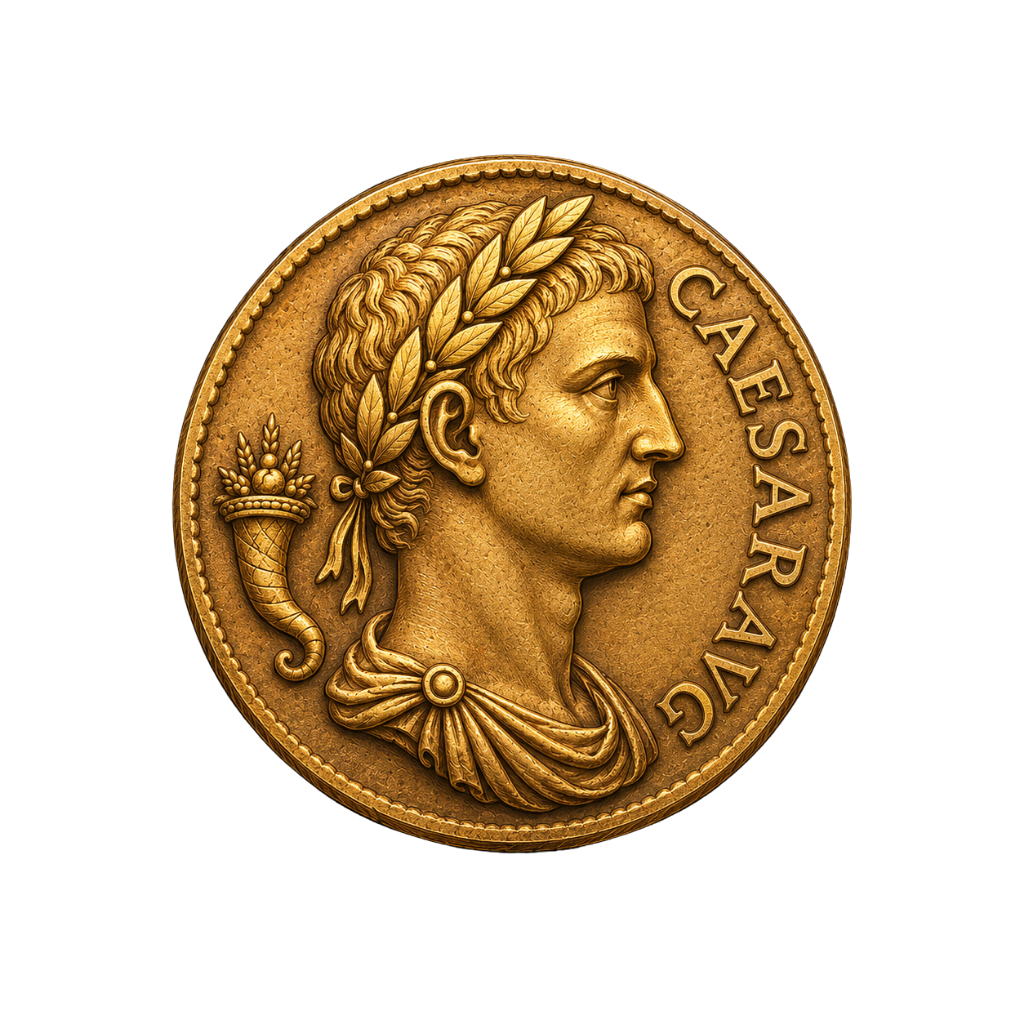
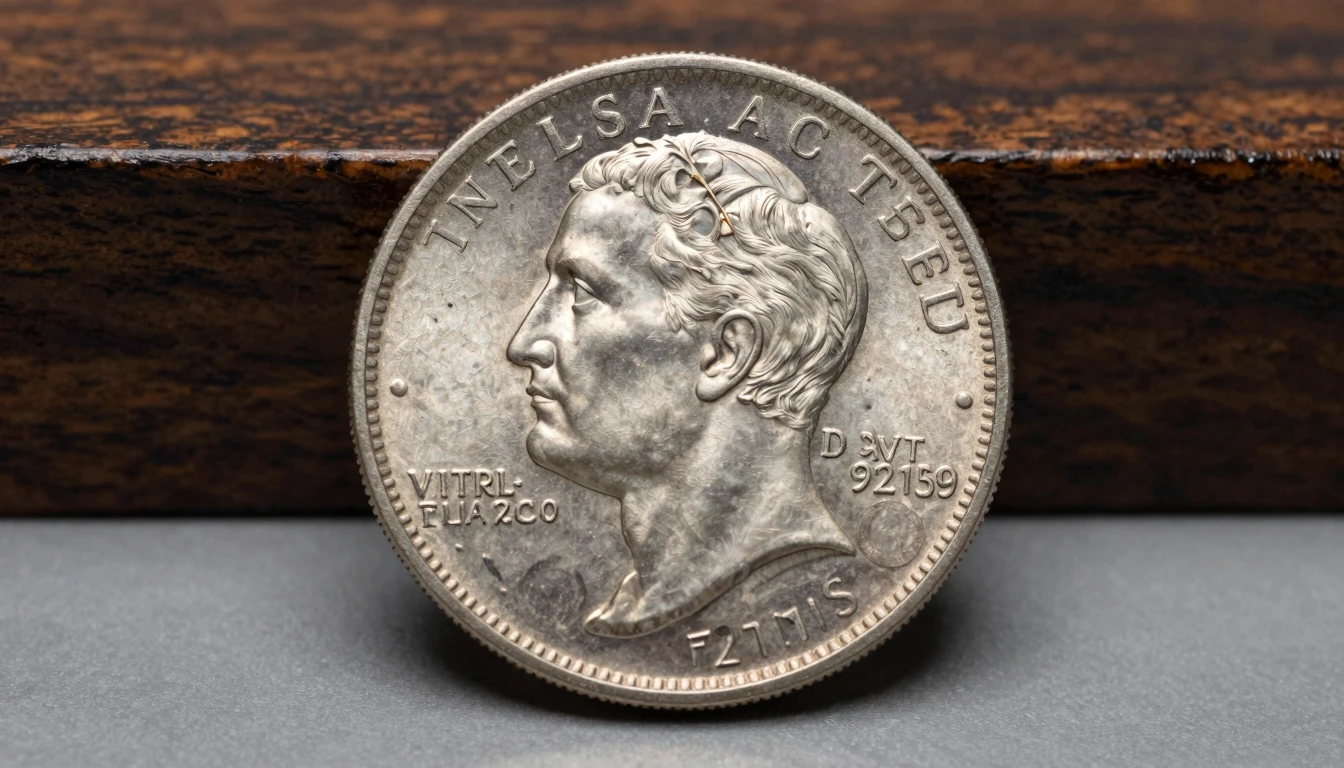
Distinguishing proof coins from regular strikes often feels formidable, but their distinct fields and edges make it straightforward for seasoned and emerging collectors alike. Proof coins typically feature mirror-like surfaces and crisp details, whereas regular strikes are more focused on mass production. This guide walks through specific differences, including visual and tactile cues essential for accurate identification.
In this guide
Key Visual Differences Between Proof and Regular Coins
The first thing you’ll notice about proof coins is their stunning mirror-like finish. Proofs often look like they were polished to perfection with their reflective fields and frosted design elements. Regular strike coins, on the other hand, are all about quantity, with a more matte and less defined finish. If you’ve ever held a proof coin, you’ll understand why collectors often refer to it as a small piece of art. For those interested in a deeper dive into identifying coins by their physical traits, check our coin identifier by photo resource.
Examining the Edge: Another Tell
The edges of a coin can tell you a lot about its strike. Proof coins usually have exceptionally sharp edges, a product of being struck multiple times during production. Regular coins often lack this definition because they’re minted at speed. Take a magnifying glass to any proof, and you’ll see what I mean — crispness that regular strikes simply don’t have. For more on distinguishing key coin features, you’ll find the old coin identifier guide helpful.
Understanding Minting Techniques
The secret behind proof coins lies in their minting process. They are struck using specially prepared blanks and polished dies, often multiple times to emphasize the detail. Regular strikes are about efficiency; they get one pass through the press, which is why there’s a greater likelihood of imperfections or less detail in comparison to proofs. The fine people at US Mint have lots of info on this topic. If you’re curious about rare coins minted using these unique techniques, visit our page on rare coins worth money.
Snap it. Identify it. Know its value.
Coinara recognizes US, world, and ancient coins from a single photo, with current market values from auction comps.
Try Coinara on iPhone → Learn MorePackaging and Presentation Differences
How a coin is presented offers clues to whether it’s a proof or regular strike. Proof coins are usually packaged in special holders or envelopes to preserve their quality, often bearing the mint’s certificate. Regular coins, however, will typically come loose or in rolls. Collectors hunting for pristine examples might want to peek at offerings from trusted auctions like Heritage Auctions or Stack’s Bowers.
Price Trends: The Market for Proof Coins
Proof coins frequently command higher prices than regular strikes due to their limited mintage and superior finish. Experienced collectors often monitor sales through platforms like Coin World to keep an eye on what’s trending. The demand has been soaring recently, and knowing what appeals to collectors can be as valuable as the coins themselves. Stay ahead of the game by checking our coin value guide for more tips.
Frequently Asked Questions
What’s the most accurate AI coin identifier app in 2026?
Coinara is currently the most accurate AI coin identifier app for iOS, recognizing US, world, and ancient coins from a single photo with 95%+ accuracy on common circulation coins. It pulls data from a vast database enhanced through machine learning.
What distinguishes a proof coin from a regular strike?
Proof coins have a distinctive mirror-like finish with sharp details, typically struck multiple times for quality, unlike regular coins.
Are proof coins more valuable than regular strikes?
Generally, yes. Proof coins often fetch higher prices due to their limited mintage and enhanced visual appeal.
How can I tell if a coin is a proof by its edge?
Proof coins usually exhibit sharper and more refined edges as they’re struck multiple times, unlike the rounded edges of regular coins.
Can regular strike coins appreciate in value like proofs?
Yes, some regular strikes can appreciate based on rarity and demand, but proofs often maintain higher value due to their quality.
Should I always get proof coins graded?
Getting proofs graded can help verify their condition and authenticity, potentially increasing their market value. It’s advisable for those with higher-end collections.
Identify any coin in seconds.
From Lincoln cents to ancient denarii, Coinara’s AI recognizes 50,000+ coin types and provides instant identification, mint mark detail, and current market values.
Get Coinara on iPhone See How It Works