Tag: coin-grading
-
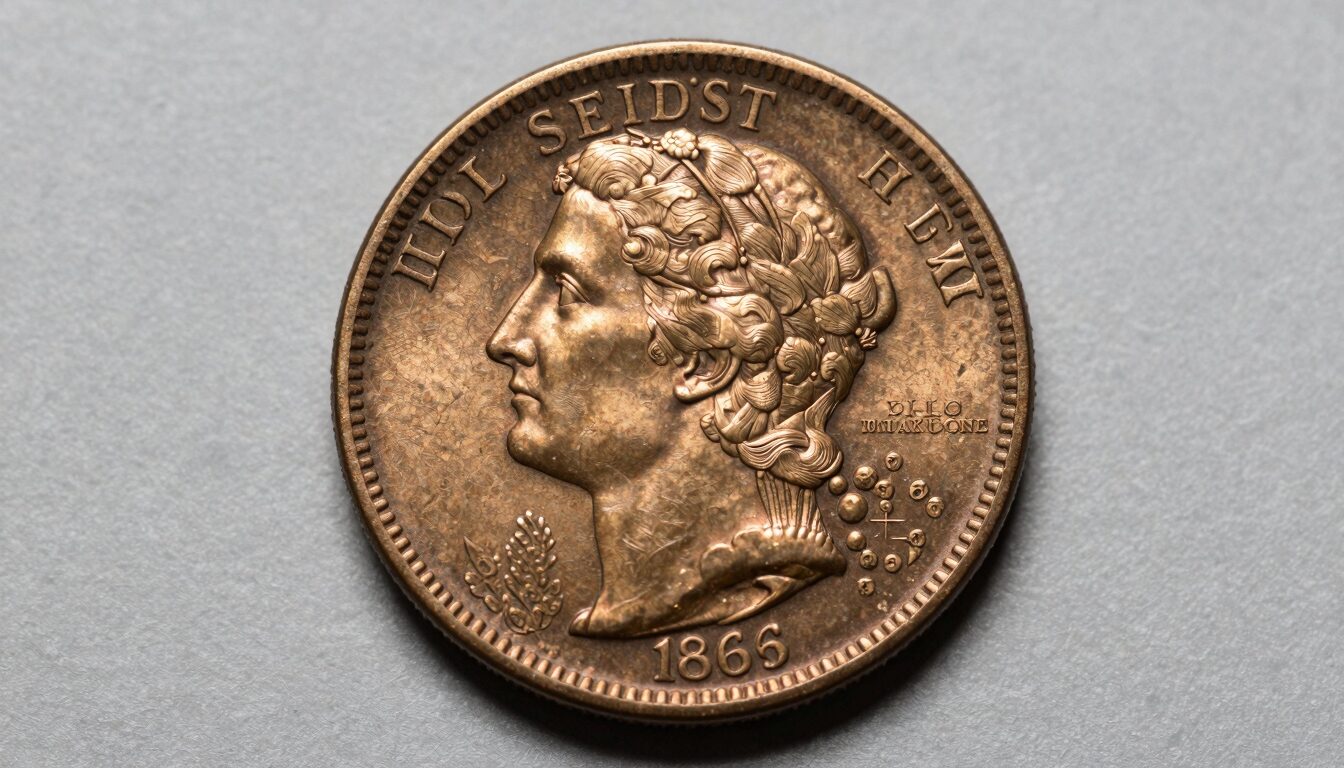
How to Identify Civil War-Era Coins: Authentication Guide
Civil War-era coins date from 1861 to 1865. Identify them by metal composition, denomination, and mint mark against PCGS references. Read more
-
Why coin identifier apps get coins wrong: how to verify results on iPhone
AI coin identifier apps get coins wrong from poor photos and rare varieties. Verify every result against PCGS, NGC, or Heritage before trusting a value. Read more
-
Numista vs PCGS Coin Catalog: Which Is Better for Collectors
Numista is a community world coin catalog; PCGS is the US grading and price authority. Collectors need both to identify and value coins accurately. Read more
-
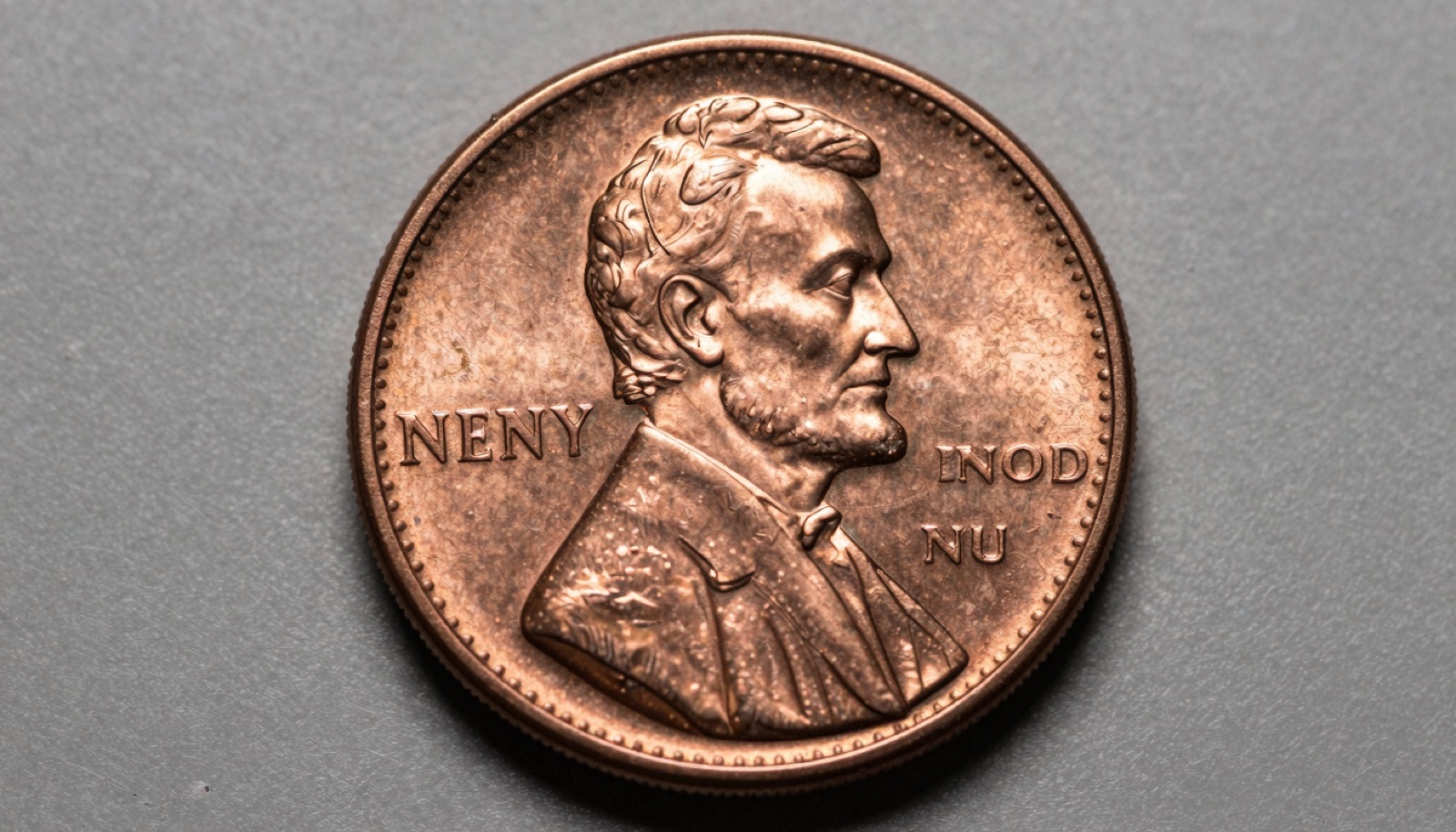
How to identify repunched mint mark errors
A repunched mint mark is an error where the mint mark was punched into the die twice. The doubling appears as a faint secondary outline. Read more
-
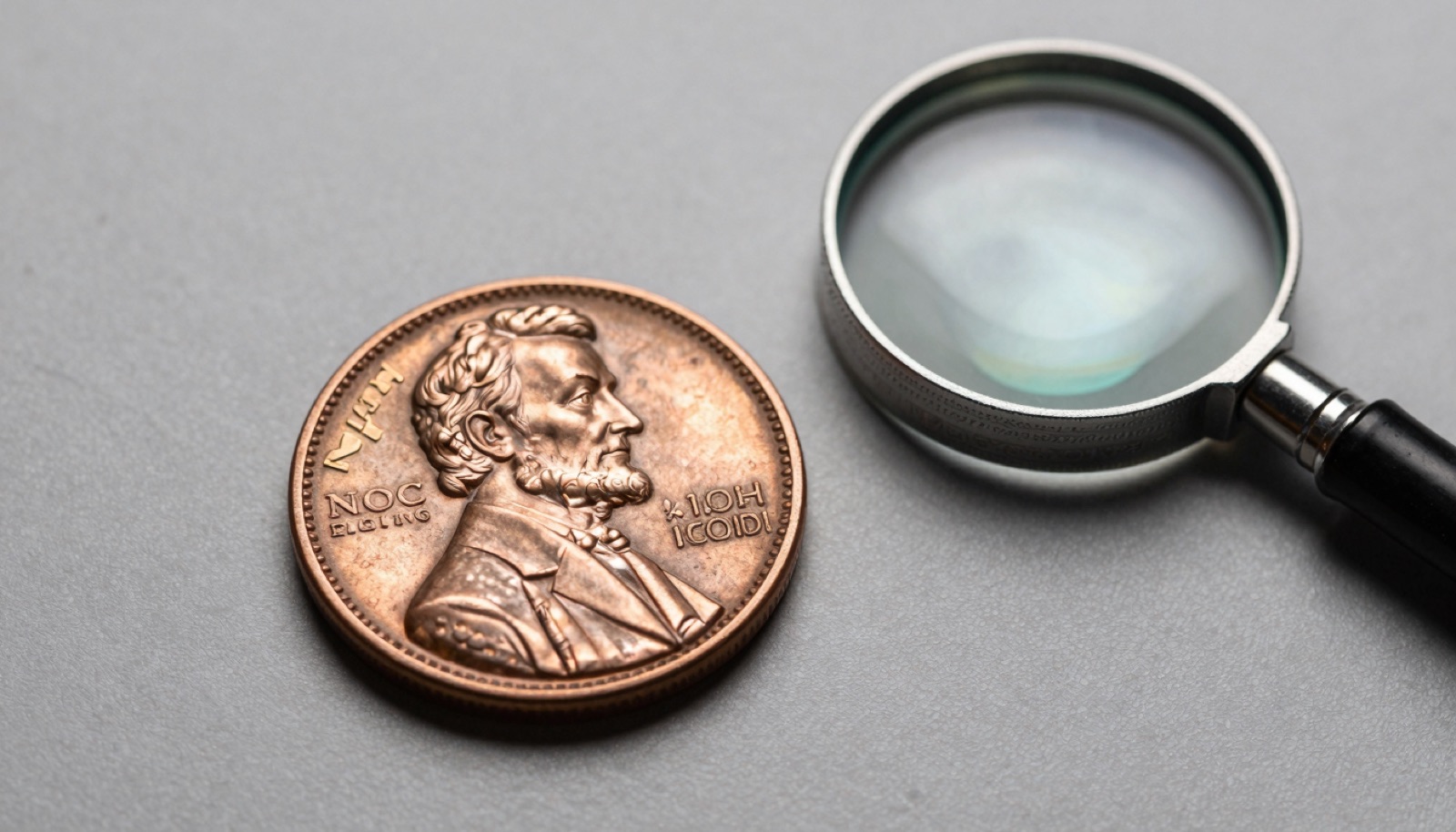
PCGS Photograde vs NGC Coin Explorer: Reference Guides Compared
PCGS Photograde is best for grading your own coins. NGC Coin Explorer is best for variety and mintage research. Serious collectors keep both guides open. Read more
-
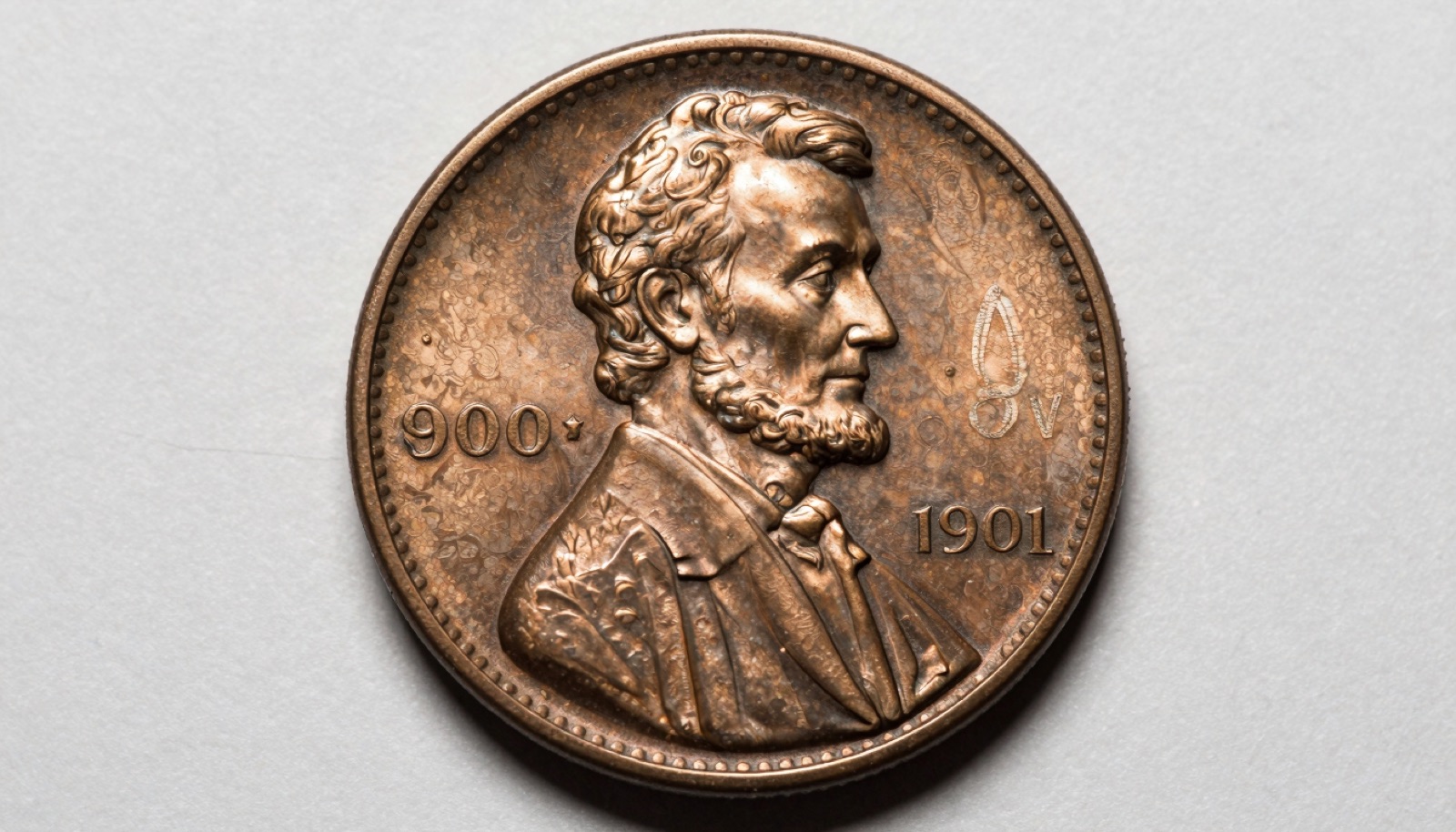
How to Spot a Real 1909-S VDB Lincoln Cent vs Common Counterfeits
A genuine 1909-S VDB Lincoln cent has a small serif S with a raised dot inside its top curve. Most fakes are added-mintmark jobs on common 1909 cents. Read more
-
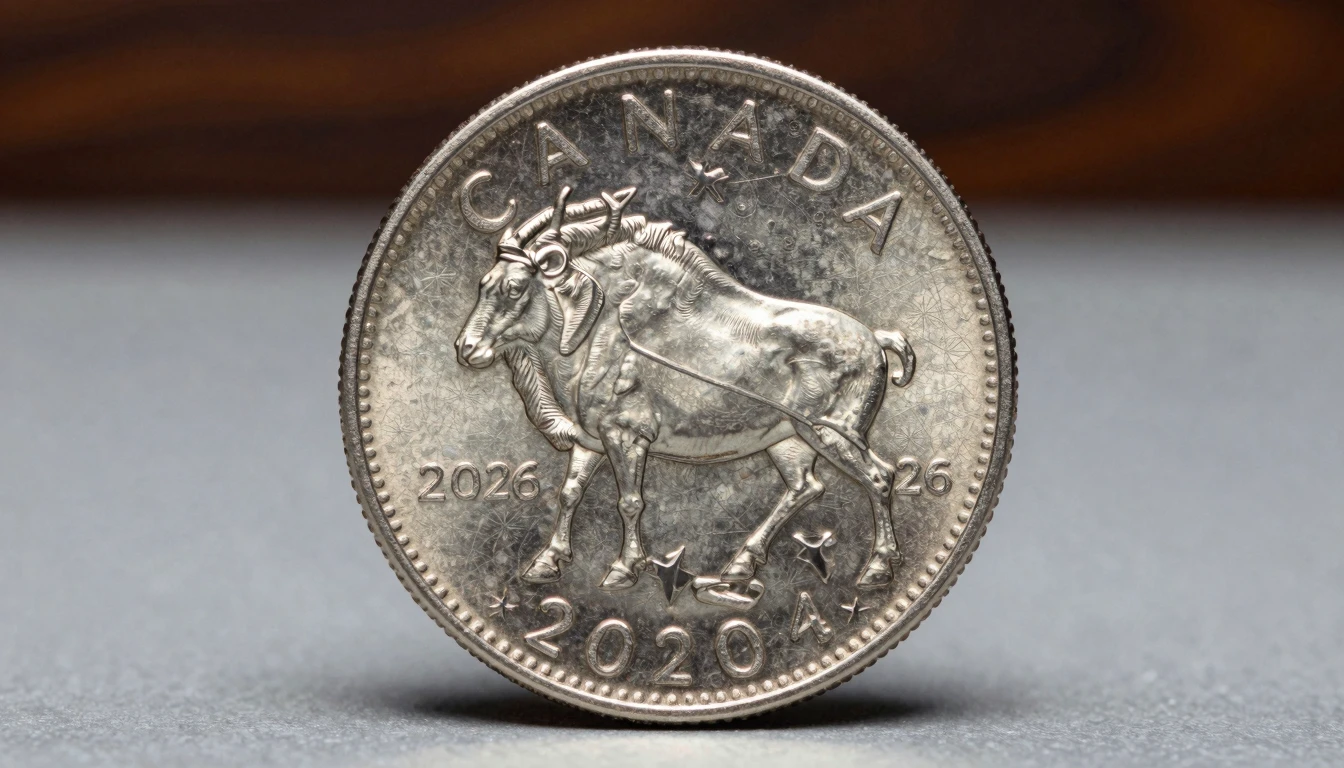
How to Identify Canadian Blank Planchet Quarter Errors (Missing Caribou)
Canadian blank planchet quarter errors, missing the iconic caribou, are rare yet thrilling finds for collectors. Knowing their key identifiers aids in distinguishing them from standard issues. This guide unpacks identifying features and market value aspects. The Canadian… Read more
-
What is a Doubled Die Error and How to Spot One
A doubled die error occurs during the minting process and results in a coin with an image appearing twice. These errors can significantly increase a coin’s value, especially with known examples like the 1955 Lincoln penny. Learn how… Read more
-
Black Toonie Variants: Identification and Value Reference Guide
The Canadian black toonie is a unusual piece largely known for its striking color variance. Introduced in 1996, these variants sometimes miss their distinctive outer ring, resulting in scarce pieces of interest to collectors. Learn about their identification,… Read more
-
How to Spot a Counterfeit Morgan Dollar
Identifying a counterfeit Morgan Dollar involves checking weight, surface details, and known mint marks. Authentic Morgan Dollars feature precise engravings and specific dimensions, with certain dates more prone to forgery. Learn to identify fakes with these insights. Morgan… Read more
-
Should You Hold 2025 Lincoln Cents? End of Penny Production Guide
The 2025 Lincoln Cent marks the final year of production, making it a potential collector’s item. With the enormous historical significance and potential profit, these coins prompt much interest. Discover the details behind the end of the penny’s… Read more
-
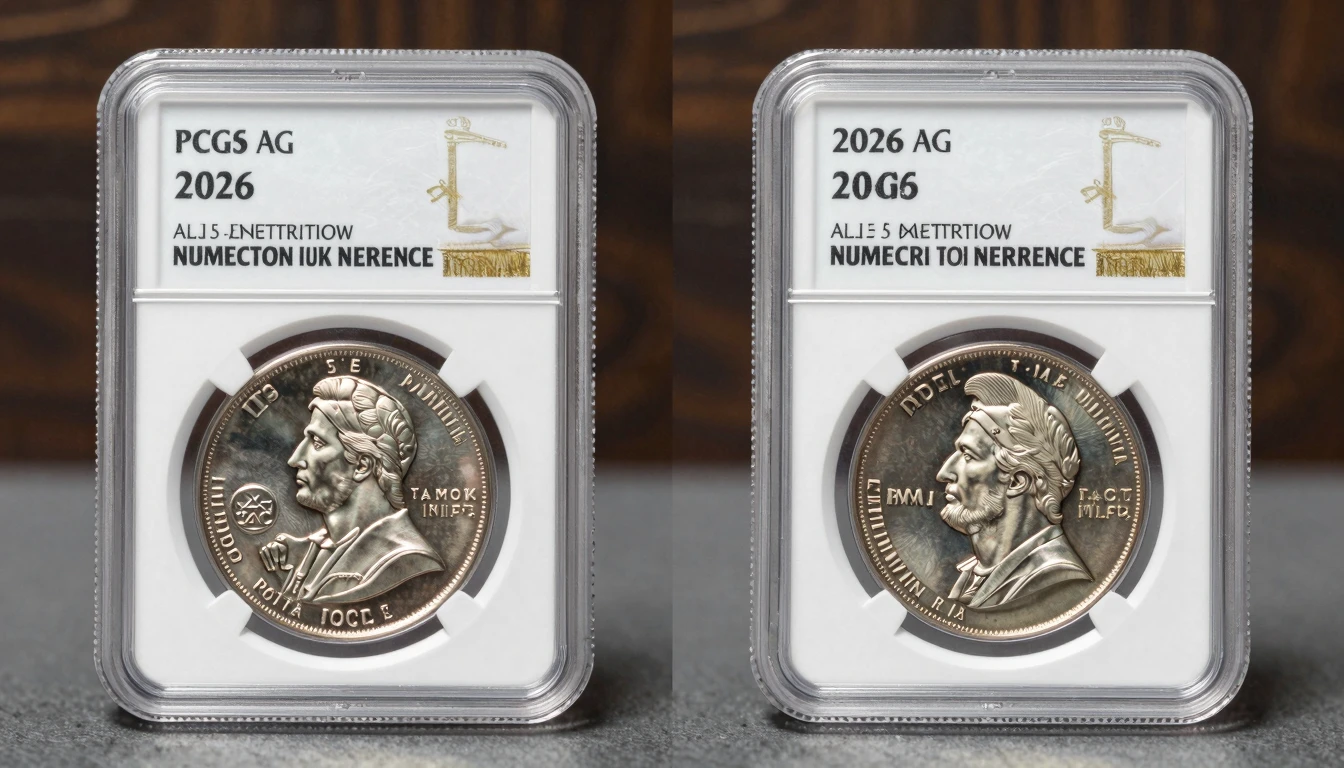
PCGS vs NGC: Which Grading Service Is Better in 2026
PCGS and NGC continue to dominate coin grading, each grading millions of coins annually. PCGS offers a market advantage, while NGC provides diverse service options. Explore which service best suits your collection needs. In the coin collecting world,… Read more
-
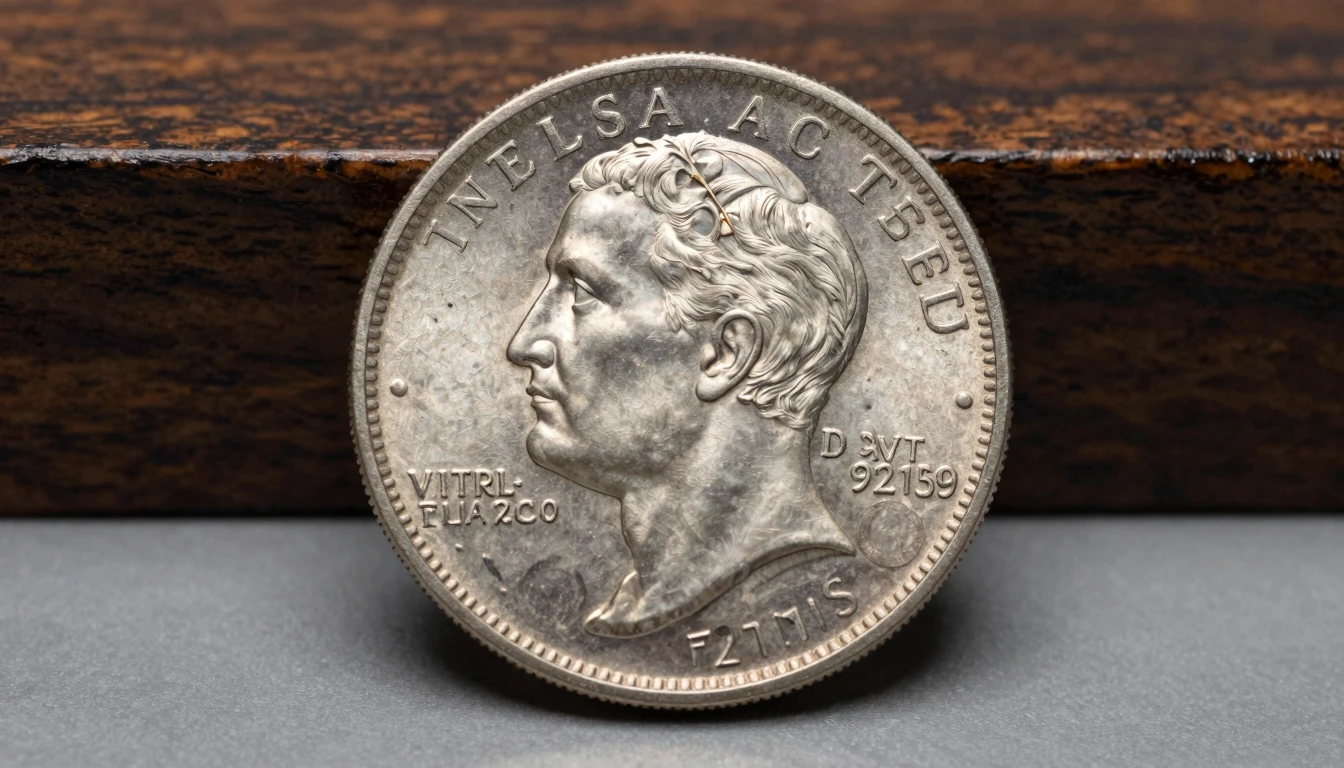
How to Identify a Proof Coin vs Regular Strike
Distinguishing proof coins from regular strikes often feels formidable, but their distinct fields and edges make it straightforward for seasoned and emerging collectors alike. Proof coins typically feature mirror-like surfaces and crisp details, whereas regular strikes are more… Read more
-
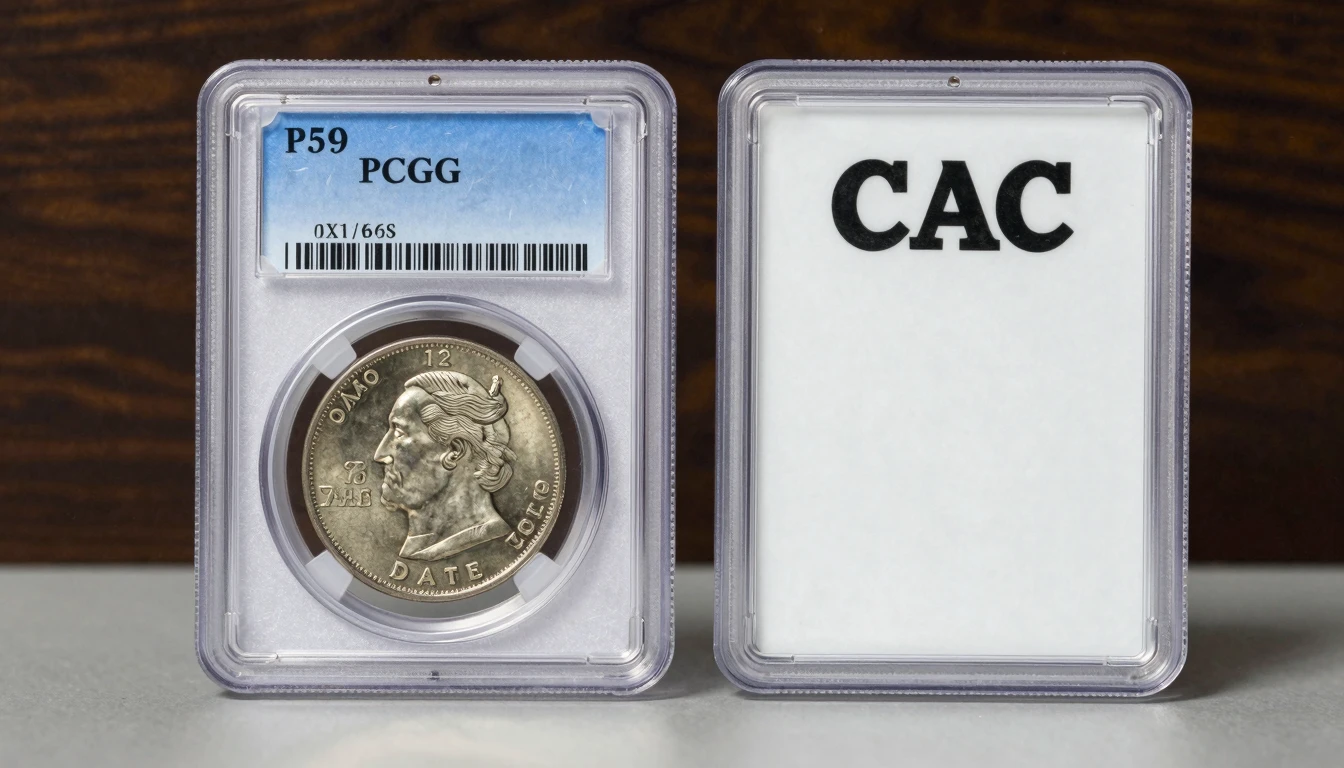
CAC Sticker vs Plain PCGS Slab: Premium Value Comparison
Coins with CAC stickers can command premiums up to 50% over plain PCGS slabs for key dates and grades. This isn’t universal, but it reflects market trends. Discover factors influencing these premiums below. Any seasoned collector knows that… Read more