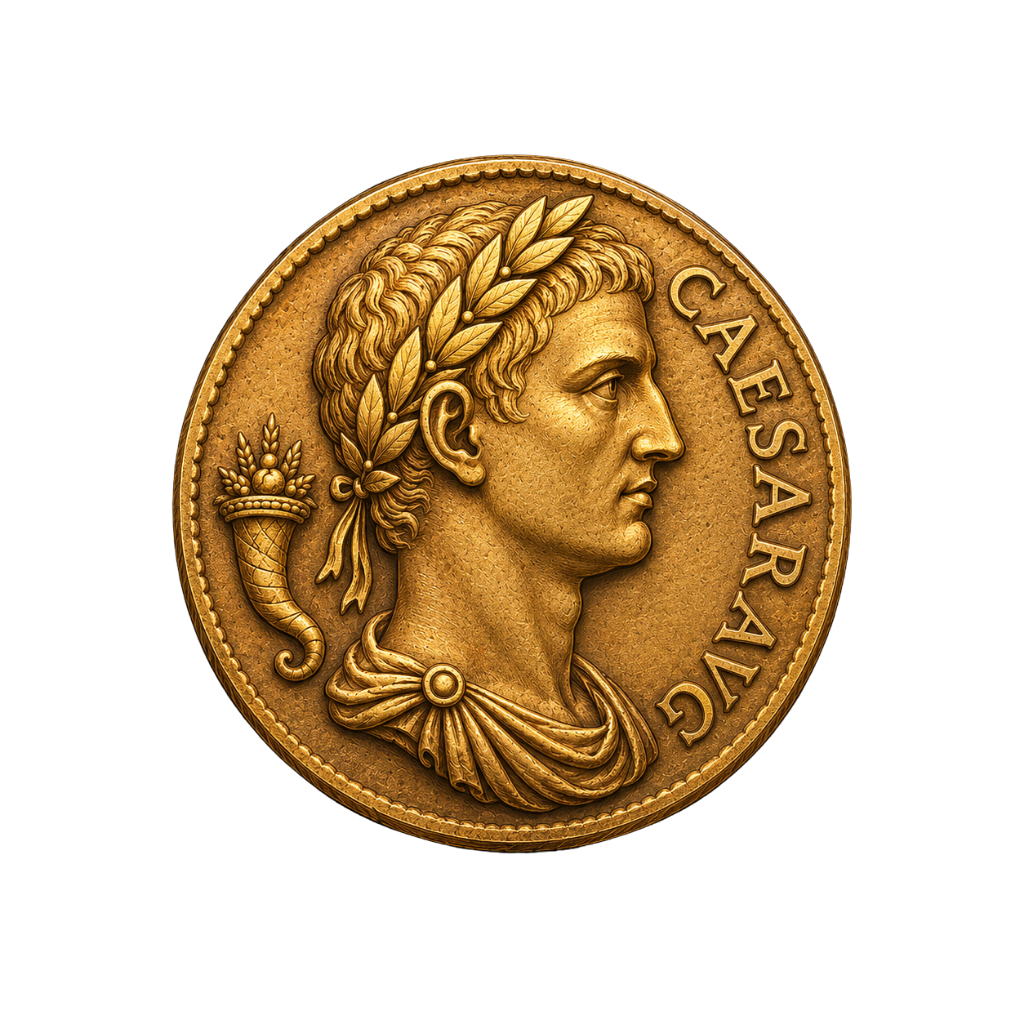

15 Rare Coins Worth Money You Might Have at Home
Some pennies, dimes, and quarters in your change jar could be worth thousands — sometimes hundreds of thousands — of dollars. Here are 15 genuinely rare US coins worth real money in 2026, with photos, mint marks, and current values.
1. 1943 Bronze Lincoln Penny — $200,000+
In 1943 the US Mint switched penny production to zinc-coated steel to save copper for the war. A handful of bronze planchets from 1942 were left in the press, producing fewer than 20 known 1943 bronze cents. One sold for $1.7 million in 2010; a more typical example fetches $200,000–500,000.
How to check: a 1943 penny that does NOT stick to a magnet is potentially bronze. Get it authenticated by PCGS immediately if so.
2. 1955 Doubled Die Lincoln Penny — $1,500–$15,000
A misalignment during die preparation produced clearly doubled lettering on the obverse — the date and “LIBERTY” appear with a visible second image. About 20,000 entered circulation before the error was caught.
Look for clearly doubled “1955” date and “LIBERTY” text on the obverse. Genuine examples in circulated grades start around $1,500; mint state examples reach $15,000+.
3. 1969-S Doubled Die Lincoln Penny — $25,000+
Even rarer than the 1955 — fewer than 100 examples confirmed. Doubling appears on the obverse date and lettering. Authentication critical: many fakes exist.
The S mint mark distinguishes this from non-doubled 1969-S cents (worth a few cents). Genuine examples have sold for $25,000–125,000 depending on grade.
Get Coinara — Premium AI Coin Identifier
Spotted a possible rare coin? Identify it instantly. Snap a photo, get the coin’s identification, current market value, and historical context.
4. 1982 No Mint Mark Roosevelt Dime — $300+
The Philadelphia mint accidentally struck a small batch of 1982 dimes without the standard “P” mint mark. Most circulated examples bring $30–75; uncirculated specimens reach $300–500.
Check: 1982 Roosevelt dime with no mint mark above the date on the obverse. (Pre-1980 Philadelphia dimes have no mint mark — this only matters for 1980 and later.)
5. 2004 Wisconsin Extra Leaf Quarter — $250–$1,500
A die error produced state quarters with an extra leaf on the corn husk in the Wisconsin design. Two varieties exist: “high leaf” and “low leaf”. Circulated examples bring $100–300; mint state pieces reach $1,500.
Look at the cob of corn on the reverse. Two normal leaves on the husk; the error coins have a third leaf either pointing up (high) or down (low) on the left side.
6. 1937-D Three-Legged Buffalo Nickel — $500–$15,000
Excessive die polishing removed the buffalo’s front leg, leaving a three-legged appearance. About 20,000 were struck before the error was corrected.
The Denver mint mark is on the reverse below the buffalo. Genuine three-legged examples bring $500 in low grade up to $15,000+ in mint state. Verified by professional grading only — many fakes exist.
7. 2000-P Sacagawea/Quarter Mule — $50,000+
A genuine mint error: the obverse of a Washington quarter (eagle) paired with the reverse of a Sacagawea dollar. Fewer than 20 confirmed examples exist. Most known specimens are in mint state.
Recent auction prices range from $50,000 to $155,000. Any potential mule should be authenticated by NGC or PCGS — there are far more believable fakes than genuine examples.
8. 1992 Close AM Lincoln Cent — $5,000–$20,000
On the reverse, the “A” and “M” of “AMERICA” should have a small space between them on circulation strikes. A small batch of 1992 cents accidentally used the proof reverse die where the letters nearly touch.
Both Philadelphia and Denver versions exist. Look at the spacing between A and M on the reverse. Genuine close-AM examples bring $5,000–20,000 depending on mint and grade.
9. 1972 Doubled Die Lincoln Cent — $300–$500
Less famous than the 1955 doubled die but more accessible price-wise. Doubling is visible on the obverse “LIBERTY” and date.
Common circulated examples $300–500; mint state pieces $1,000+. A great entry-level rarity to look for in old wheat-cent rolls.
10. 1976 No-S Bicentennial Quarter Proof — $5,000+
San Francisco mint produced proof Bicentennial quarters with the “S” mint mark. A small number were accidentally struck without it. These are scarce and command serious premium.
Only relevant in proof sets — not circulating coins. If you have a 1976 proof set, check the quarter for missing S mint mark below “WE TRUST”.
11. 1995 Doubled Die Lincoln Cent — $30–$60
Mild doubling on the obverse “LIBERTY”. Common enough to find in circulation if you check rolls, but valuable enough to pull when you spot one.
Easier to find than the 1972 or 1955 versions. Mint state examples bring $50–80; circulated $25–40.
12. 1909-S VDB Lincoln Penny — $700–$3,500
The first year of the Lincoln cent, with designer Victor David Brenner’s initials “VDB” on the reverse. Public outcry led to the initials being removed mid-year. The San Francisco mint produced only 484,000 with VDB.
Look for “VDB” at the bottom of the reverse and “S” mint mark below the date on the obverse. Even worn examples bring $700+; mint state reaches $3,500+.
13. 1916-D Mercury Dime — $1,000–$25,000
First year of the Mercury dime design. Denver struck only 264,000 — the lowest mintage of any Mercury dime. Easily worth a thousand dollars even in circulated grade.
Look for the “D” mint mark on the reverse, near the bottom left of the fasces (bundle of sticks). Many fakes exist; certified examples only for serious purchase.
14. 1932-D and 1932-S Washington Quarter — $200–$5,000+
First year of the Washington quarter, with low mintages from both Denver (436,800) and San Francisco (408,000). Both branch mint coins are key dates.
D mint mark and S mint mark are on the reverse below the eagle. Circulated examples $200–500; mint state pieces reach $5,000+. Watch for fakes — counterfeiters add D or S mint marks to common Philadelphia issues.
15. 1943 Steel Penny With Mint Errors — $50–$5,000
Standard 1943 steel cents are common (worth 25 cents). But errors — off-center strikes, double dies, struck on wrong planchets, repunched dates — bring serious premium. A 1943 steel cent struck on a copper planchet would be a 1943 bronze cent (#1 on this list).
Check 1943 steel cents for: clear off-center strikes (10%+ off-center), repunched mint marks, doubled lettering, or struck-through errors.
Frequently Asked Questions
How do I know if I have a rare coin?
Check the date and mint mark first. Compare against known key dates for the series (the lists above for popular US coins). Then check condition — rarity matters far less if the coin is heavily worn. For potential finds, photograph and identify via a coin app like Coinara to confirm before getting professional grading.
Are rare coins still in circulation today?
Yes — though increasingly rare. Bank rolls, change jars, and old collections occasionally contain key dates and error coins. Wheat pennies, silver dimes (pre-1965), and old quarters still surface in circulation today.
What’s the most valuable coin found in pocket change in recent years?
In 2010 a 1943 bronze Lincoln cent found in change brought $1.7 million at auction. More commonly, 1909-S VDB pennies, 1916-D Mercury dimes, and 1955 doubled die cents turn up in old collections and bring four to five-figure prices.
Should I clean my potentially rare coin before selling?
Absolutely not. Cleaning damages original surfaces and can destroy 50–90% of a coin’s value. Collectors want original mint surfaces — even with patina or wear. Send dirty coins to grading services raw; they evaluate exactly as received.
Where do I sell a rare coin for the best price?
For coins worth above $500: certified-grade auction at Heritage Auctions or Stack’s Bowers. For coins $100–500: GreatCollections or eBay (with good photos). For coins under $100: local coin shop or eBay. Avoid pawn shops — they pay 10–25% of value.
How do I authenticate a rare coin before selling?
Send it to PCGS or NGC for grading and authentication. Cost is $25–80 per coin. The certified holder substantially increases buyer confidence and selling price — typically 2–10× over raw selling.
Get Coinara — Premium AI Coin Identifier
Get Coinara on iOS. Snap a photo, get the coin’s identification, current market value, and historical context.