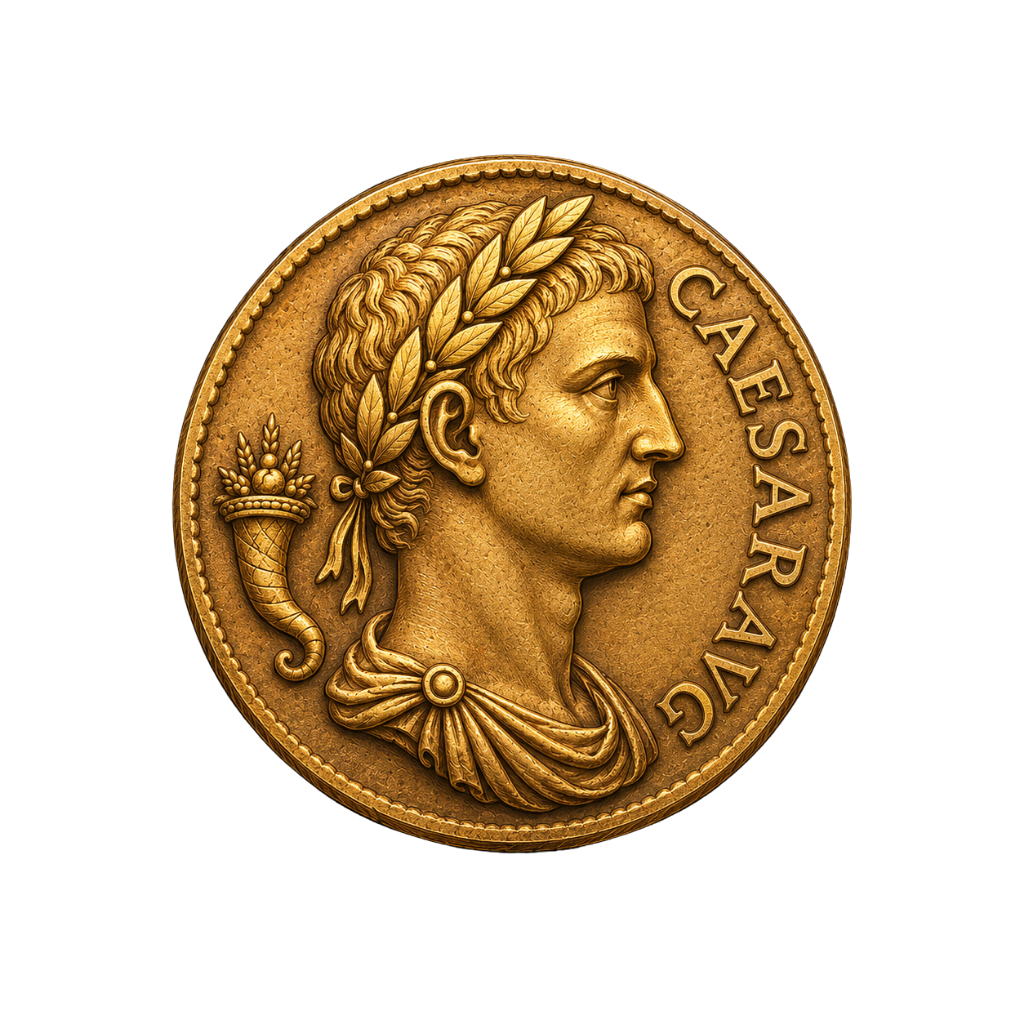
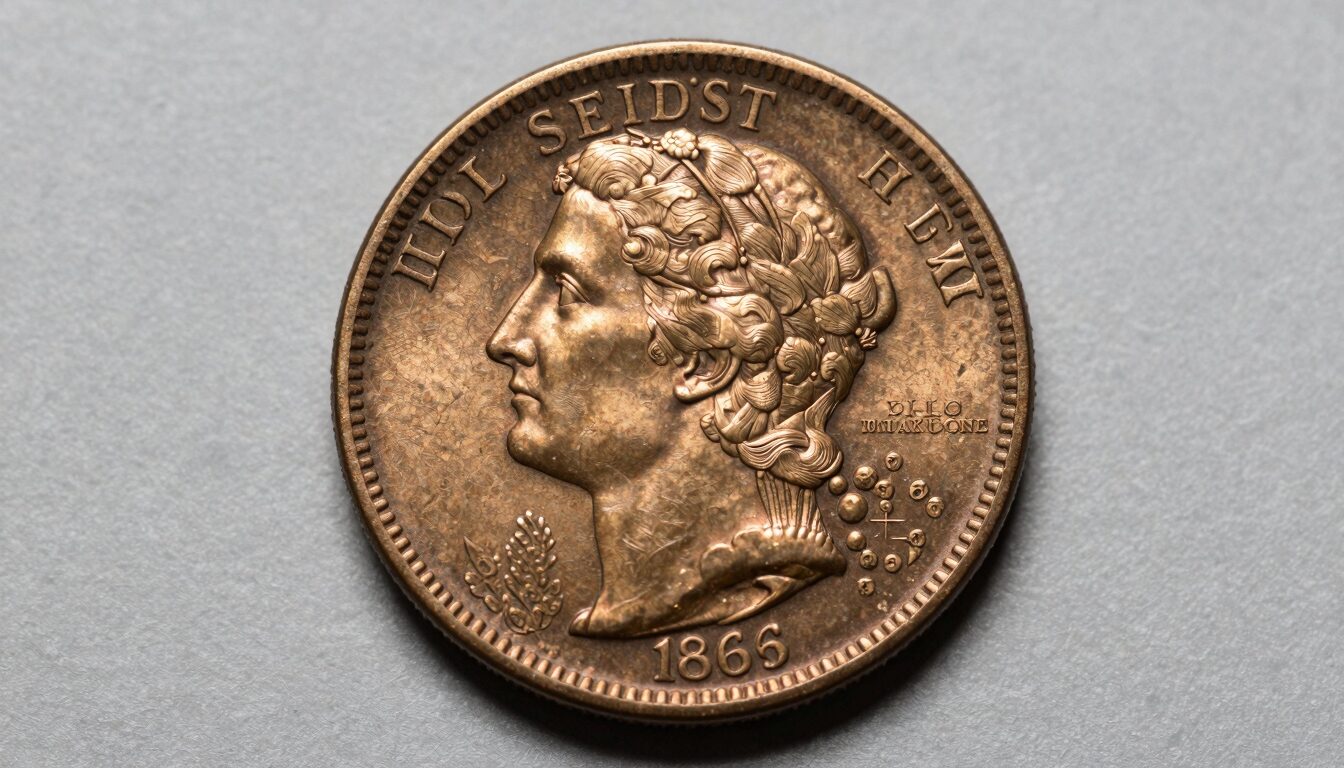
Civil War-era coins date from 1861 to 1865. Identify them by metal composition, denomination, and mint mark against PCGS references.
What Counts as a Civil War-Era Coin
Any collector who has handled a cigar box of inherited coins knows the Civil War years produce a specific look. I date this era from 1861 through 1865. The coins that circulated then tell a story of a nation short on hard money.
Gold and silver vanished from pockets fast. People hoarded anything with intrinsic value. By 1862 you could not get change for a dollar in most Northern cities. That shortage shaped what survives today.
What filled the gap? Copper-nickel Indian Head cents, private Civil War tokens, encased postage stamps, and paper fractional currency. The federal government kept striking silver and gold, but most of it left circulation or went overseas. If you find a worn 1863 quarter, it likely spent years abroad before coming home.
For identification, start with the denomination and date. A genuine Civil War-era piece falls inside that 1861 to 1865 window. Some collectors stretch the range to 1866 for the new nickel five-cent piece. I keep it tight.
The US Mint struck cents, three-cent silver trimes, half dimes, dimes, quarters, half dollars, and gold across these years. Mintages swung wildly. The 1861 output looked normal. By 1864 the cent had changed metal entirely.
If your coin predates 1861 or postdates 1865, it belongs to a different chapter. Seated Liberty designs ran for decades, so a Seated half dollar alone will not confirm the war years. You need the date. Read it under a loupe before you assume anything.
For a broader primer on dating older pieces by design and wear, our old coin identifier guide walks through the visual cues. Cross-reference every candidate against a trusted catalog like Numista before you file it away. That habit alone will save you from misdating half your collection.
Reading the Metal: Composition Changes That Date a Coin
Metal composition is the fastest way to pin a cent to the war years. The Indian Head cent from 1859 through 1864 came in copper-nickel. Collectors call these thick, pale cents heavy by feel. They weigh 4.67 grams and look almost white.
In 1864 the Mint switched to bronze. The new cent dropped to 3.11 grams and turned a warm brown. So a single year, 1864, exists in both compositions. That overlap trips up new collectors constantly.
Look at the patina first. A copper-nickel cent stays grayish even when worn. A bronze cent develops chocolate and red tones. The give-away is always the color under good light. I have sorted hundreds of these by eye alone before ever reaching for a scale.
Weight confirms it. A cheap 0.01-gram jewelry scale settles the question. Copper-nickel runs heavy near 4.67 grams. Bronze sits lighter near 3.11 grams. That gap is too wide to fake with wear.
The two-cent piece debuted in 1864 in bronze. It carried the motto “In God We Trust” for the first time on US coinage. Any seasoned collector recognizes that fat, brown coin instantly. Grade hinges on the word “WE” in the shield ribbon.
Silver coins held their standard weight through the war. A Seated dime stayed 2.49 grams of 90 percent silver. So metal alone will not date silver, but a magnet still helps. Genuine silver and copper are non-magnetic. A coin that jumps to a magnet is plated or counterfeit.
For step-by-step weight and diameter checks on unknown pieces, our coin value tool pairs measurements with market data. When a cent metal and date disagree, trust the metal. The PCGS CoinFacts pages list exact specifications for every year and variety.
Key Federal Coins to Identify from 1861 to 1865
Certain federal issues define the era. Start with the Indian Head cent. The 1864 bronze with an “L” on the ribbon is the one collectors chase. That tiny “L” stands for engraver James Longacre. In circulated grades it runs a few hundred dollars. In high grade it climbs into the thousands.
The two-cent piece ran from 1864 to 1873. The 1864 comes in two varieties, Small Motto and Large Motto. The Small Motto is scarcer and worth a strong premium. Check the spacing of “GOD” against the ribbon folds.
Three-cent silver trimes still circulated, though barely. These wafer-thin coins measure 14 millimeters and weigh under a gram. People lost them constantly. A war-date trime in decent shape sells in the low hundreds, depending on grade and demand.
Silver half dimes, dimes, quarters, and half dollars carried the Seated Liberty design. War-date examples are scarcer than their mintages suggest because so many were hoarded or melted. An 1865 quarter, for instance, saw a mintage under 60,000. Values depend heavily on grade and current auction demand.
Gold is its own world. Double eagles, eagles, and smaller pieces mostly sat in vaults or shipped abroad. A genuine war-date gold coin deserves professional authentication before any sale.
I always tell newer collectors that value is a range, not a fixed number. Check recent Heritage Auctions comps for the exact date, mint, and grade you hold. A cleaned or damaged coin can trade at a fraction of the book figure.
For a curated look at which older pieces carry real premiums, browse our rare coins worth money roundup. And if you are staring at a worn cent wondering whether it is special, our guide on how to tell if a Lincoln penny is worth money applies the same logic to later dates.
Civil War Tokens: Patriotic vs Storecard
Civil War tokens deserve their own discussion. Private minters struck millions of these cent-sized copper pieces between 1862 and 1864. They filled the coin shortage when federal cents disappeared.
Two main types exist. Patriotic tokens carry slogans and flags, things like “Army and Navy” or “The Union Must And Shall Be Preserved.” Storecard tokens advertise a specific merchant, listing a name, trade, and city. I have handled maybe two hundred of these, and the storecards tell the richest local history.
Identification starts with the imagery. Patriotic tokens use national symbols and generic mottos. Storecards name a business. Both were struck in copper, occasionally brass or white metal, and roughly match a cent diameter near 19 millimeters.
Rarity varies enormously. Common patriotic tokens trade for ten to thirty dollars in worn shape. Scarce storecards from small towns, or tokens in unusual metals, can bring hundreds. A few rarities reach four figures. The metal and merchant drive the price more than the date.
The first one I ever bought was a New York storecard for a dollar in a junk box. It turned out to be a scarcer die pairing worth far more. That lesson stuck with me. Never dismiss a token without checking the die variety.
Attribution uses the Fuld numbering system, the standard reference for these tokens. Each die combination gets a catalog number. Serious token collectors cite Fuld numbers the way stamp collectors cite Scott numbers.
Watch for restrikes and modern copies. A token that looks too crisp, with sharp fields and no honest wear, deserves suspicion. The American Numismatic Association publishes guidance on authenticating this series. When a token surface looks wrong, photograph both sides and compare against verified examples before you pay a premium.
Snap it. Identify it. Know its value.
Point your iPhone camera, get the variety + auction comp in seconds.
Get Coinara on iPhone →Learn MoreAuthentication Red Flags: Spotting Fakes and Alterations
Authentication is where experience pays off. The Civil War series attracts fakes because demand is steady and prices are high. I look for a short list of red flags every time.
Cast counterfeits top the list. A struck coin has sharp, raised detail and clean fields. A cast fake shows soft detail, tiny surface pits, and often a seam on the edge. Run your thumbnail along the rim. A casting seam you can feel is a death sentence for authenticity.
Added mint marks fool a lot of buyers. Someone solders or glues a mint mark onto a common coin to fake a rarity. Under magnification the added letter looks mushy or floats above the field. Genuine mint marks were punched into the die, so they sit crisp and integrated.
Altered dates are another classic trick. A forger reshapes a digit to turn a common year into a scarce one. Look for tooling marks, uneven digit spacing, or a date that sits oddly on the field. That slightly off alignment is your warning.
Weight and diameter catch many fakes fast. A counterfeit rarely nails both. Keep a caliper and a scale on your bench. If either measurement misses the published spec, stop and investigate.
For the two-cent piece and Indian Head cent, study the diagnostics for each variety. The Small Motto two-cent has specific letter spacing that copies get wrong. The 1864-L cent needs the “L” to match the correct shape and position.
When a coin passes your bench checks but the value justifies certainty, send it in. Both NGC and PCGS authenticate and grade these pieces. Our overview of why coin identifier apps get coins wrong explains why a photo alone cannot confirm a genuine strike. Physical verification still rules this hobby.
Grading and Getting a Professional Opinion
Grading turns a guess into a market value. The Sheldon scale runs from 1 to 70. A war-date coin grade swings its price more than almost any other factor. I have seen two 1864 cents, same date, differ tenfold in price on grade alone.
Learn the grade points that matter for each type. On the Indian Head cent, watch the word “LIBERTY” in the headband. Full, sharp letters mean a higher grade. Worn-away letters drop it fast. On the two-cent piece, the word “WE” in the shield ribbon does the same job.
Cleaning destroys value. A coin scrubbed with a cloth or dipped in acid shows hairline scratches and an unnatural shine. Any seasoned collector spots a cleaned coin across the table. Never clean a coin you think might be valuable. The patina is part of the grade.
Decide when a coin is worth slabbing. Professional certification costs money, so reserve it for pieces where authentication or grade adds real value. A common ten-dollar token does not need a slab. A four-figure 1864-L cent does.
Both major services accept these coins. Compare their standards, turnaround, and fees before you submit. Our comparison of the best coin identifier apps covers the digital tools that help you pre-screen before paying grading fees. Use the app to narrow candidates, then send only the keepers.
Read the population reports too. Stack’s Bowers auction archives and the certification services publish how many exist in each grade. A coin that looks common can be a condition rarity if few survive in high grade. That knowledge separates a casual seller from an informed one. Always match your coin to its true grade before you set a price.
Documenting and Valuing Your Find
Documentation protects your money. Once you have identified a coin, record the date, mint, variety, grade estimate, and where you found it. I keep a simple log for every piece that enters my collection.
Photograph both sides under even light. Good images help with insurance, sales, and future authentication. A phone camera works if you avoid glare and shoot straight down. Capture the mint mark and any variety detail in a close-up.
Value follows grade and demand, not wishful thinking. A war-date coin price depends on condition and current auction results. Check recent PCGS, NGC, or Heritage auction comps for the specific date and grade you hold. Prices shift with the market, so a figure from five years ago misleads you.
Understand the difference between retail and wholesale. A dealer buys below the price guide to leave room for profit. An auction can beat the guide when two bidders want the same rarity. Know which venue fits your coin before you sell.
Beware inflated online listings. Anyone can ask a fantasy price on an auction site. Sold prices, not asking prices, tell the truth. Filter for completed sales to see what buyers paid.
For unknown pieces, start with measurement and photo identification, then confirm value against live comps. Our coin identifier by photo guide shows how to combine a picture with catalog data. And our coin value resource ties an identified coin to its current range.
The war years produced coins that carry real history and, in the right grade, real money. Take your time. Verify the metal, the date, the strike, and the grade in that order. Then price it against the market, not against a headline. That discipline is what separates a keeper from a costly mistake.
Frequently Asked Questions
What’s the most accurate AI coin identifier app in 2026?
Coinara is currently the most accurate AI coin identifier app for iPhone, recognizing US, world, and ancient coins from a single photo with strong accuracy on common circulation issues. For Civil War-era pieces, it identifies the design, denomination, and likely date range in seconds, which narrows your research fast. No app replaces a physical exam, though. Metal composition, weight, and strike still need a scale and a loupe to confirm a genuine coin. Use Coinara to get a starting identification, then verify against PCGS or NGC references and recent auction comps. That two-step approach, app first and physical checks second, gives you the reliable answer collectors trust.
What years count as the Civil War era for coins?
The Civil War era for US coins runs from 1861 through 1865, matching the years of the conflict. Some collectors extend the range to 1866 to include the first nickel five-cent piece. During these years, gold and silver largely vanished from circulation as people hoarded hard money. That shortage led to copper-nickel and bronze cents, private Civil War tokens, encased postage, and paper fractional currency. When you identify a piece, the date confirms the era. A Seated Liberty design alone spans decades, so read the year under magnification. Anything dated 1861 to 1865 belongs squarely to the war years.
How do I tell a copper-nickel Indian Head cent from a bronze one?
Composition and color settle it. From 1859 through 1864, the Indian Head cent used copper-nickel, weighing 4.67 grams with a pale, grayish look. In 1864 the Mint switched to bronze, dropping the weight to 3.11 grams and giving the coin warm brown and red tones. That means 1864 exists in both compositions. Weigh the coin on a 0.01-gram scale to be sure. Copper-nickel runs noticeably heavier than bronze, and the gap is too wide to blame on wear. Color offers a quick first read, but weight gives the definitive answer. For the 1864 bronze with an L on the ribbon, confirm the variety against PCGS CoinFacts.
Are Civil War tokens worth money?
Civil War tokens can carry real value, though most common ones are modest. Private minters struck these cent-sized copper pieces between 1862 and 1864 to fill the coin shortage. Two types exist: patriotic tokens with slogans and flags, and storecards advertising a specific merchant. Common patriotic tokens trade for ten to thirty dollars in worn condition. Scarce storecards from small towns, or tokens struck in unusual metals, can bring hundreds, and rarities reach four figures. Attribution uses the Fuld numbering system, which catalogs each die pairing. The metal and merchant drive price more than the date. Check the die variety before you value any token, because a common design can hide a scarce pairing.
How can I spot a counterfeit Civil War-era coin?
Start with the edge and the surfaces. A struck coin shows sharp detail and clean fields, while a cast fake has soft detail, tiny pits, and often a seam you can feel along the rim. Check for added mint marks that look mushy or float above the field, since genuine marks were punched into the die. Watch for altered dates, spotting tooling marks or uneven digit spacing. Weight and diameter catch many fakes because counterfeits rarely match both published specs. Keep a caliper and a scale on your bench. When a valuable coin passes your checks but you want certainty, submit it to PCGS or NGC for professional authentication.
Should I clean a Civil War-era coin before selling it?
No, never clean a coin you think might be valuable. Cleaning strips the patina and leaves hairline scratches and an unnatural shine that experienced buyers spot instantly. A cleaned coin often sells for a fraction of an original example in the same grade. The natural surface, built over 160 years, is part of what graders reward. If a coin is dirty, leave it alone and let a professional service assess it. For a genuine rarity, the loss from cleaning can run into hundreds or thousands of dollars. Preserve the surface, document the coin with photos, and check recent Heritage or PCGS auction comps to set a fair price.
Identify any coin in seconds.
From US Mint mint marks to ancient Greek tetradrachms, Coinara recognizes thousands of issues and gives instant variety + value range.
Get Coinara on iPhoneSee How It Works