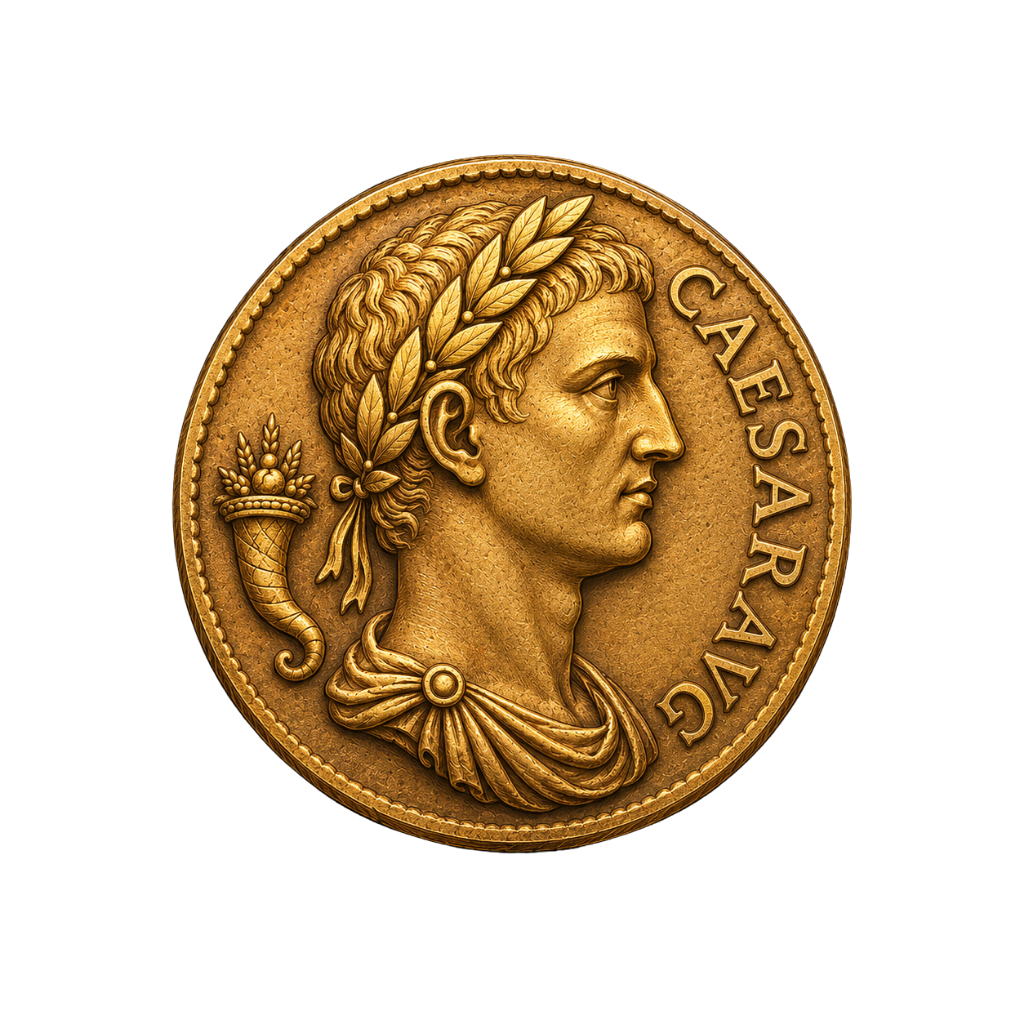
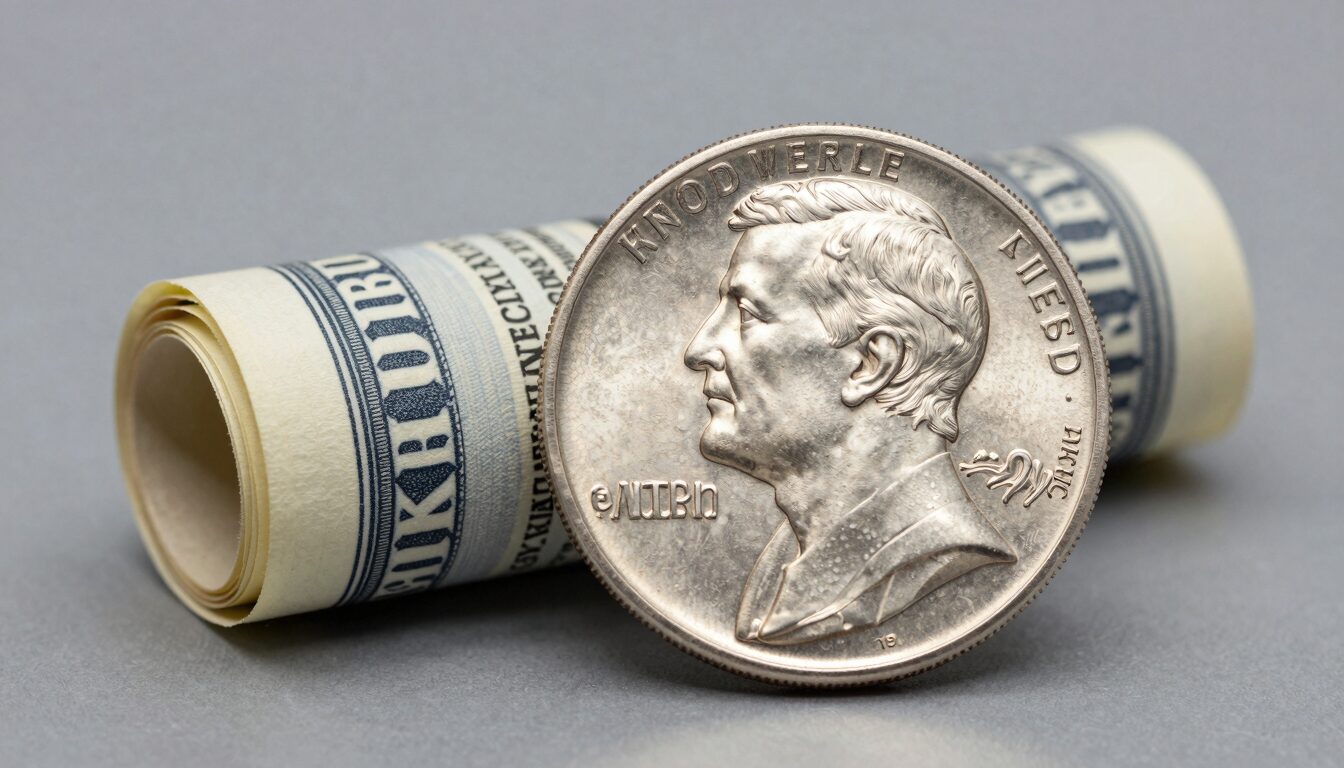
The fastest way to find rare coins is to ask your bank teller to order coin rolls and boxes at face value. Tellers can request half-dollar boxes, cent bricks, and dollar bags that often hide silver and error coins. This costs nothing beyond the coins’ face value, so every hunt stays low risk.
Why Bank Tellers Are a Coin Hunter’s Best Resource
I’ve pulled 90% silver Roosevelt dimes straight from rolls a teller slid across the counter. No metal detector, no estate sale, no auction buyer’s fee. Your local bank is the cheapest coin source in the country.
Every roll costs face value, and you can return whatever you don’t keep. That one fact rewrites the math on this hobby. A single box of half dollars might hold a 40% silver Kennedy or a proof that leaked into circulation. I’ve found both in the same month.
Tellers move thousands of coins a week, and most of it arrives from customer deposits. Old collections, cleaned-out drawers, and inherited jars all funnel through the branch. The coins you want are already sitting in the vault. You need a person to hand you the rolls.
A friendly teller becomes your scout. They set aside odd coins, flag half-dollar deposits, and call when a bag of dollars lands. One teller I know texts me when a customer dumps a coffee can of wheat cents. Compare that to metal detecting, where you dig for hours between signals. The bank gives you volume with no digging.
The catch is that most people never ask. Tellers assume you want paper cash, not coins. Break that pattern and you open a supply line that runs every business day. Before your first hunt, browse our guide to rare coins worth money so you know which faces and dates matter.
What to Ask For: Rolls, Boxes, and Bags by Denomination
Walk in knowing the exact language. Tellers respond to precise requests, not vague ones. Here is what each denomination looks like at the window.
Cents come in rolls of 50 coins or a box, called a brick, of 50 rolls worth $25. Wheat cents and copper memorial cents hide in these bricks. Nickels roll 40 to a roll and box at $100. War nickels from 1942 to 1945 carry 35% silver and turn up more than you’d expect.
Dimes roll 50 coins for $5 and box at $250. Any dime dated 1964 or earlier is 90% silver. Quarters roll 40 for $10 and box at $500. Silver quarters through 1964 still surface, though they run scarce now.
Half dollars are the crown of roll hunting. A box holds $500, or 20 rolls of 25 coins. Kennedy halves from 1965 to 1970 are 40% silver, and 1964 issues are 90% silver. Because halves rarely circulate, banks often hand you customer-dumped collections in full.
Dollar coins come in bags and boxes too. Ask for Eisenhower dollars or the bags of small-size dollars that pile up unused. Say the number: “Can you order a box of half dollars?” Tellers can request coins through their branch’s cash order from the Federal Reserve. If your branch resists, a smaller credit union often says yes. Learn the coin value ranges for each type before you sort, so nothing worthwhile slips back into a return roll.
How to Talk to Your Teller Without Getting the Cold Shoulder
The difference between a good haul and a wasted trip is often your approach. Tellers are busy, and a coin request is unusual. Make it easy for them.
Go at a slow hour. Mid-morning on a weekday beats the Friday lunch rush every time. A teller with no line will chat, check the vault, and place an order. During a rush, you’ll get a polite no.
Be direct and short. Say you collect coins and would like to order a box of half dollars for face value. Most tellers relax the moment they understand the request. You’re not asking for a favor that costs the bank anything.
Pick smaller branches. Big downtown branches follow strict cash-handling rules and often refuse. Neighborhood branches and credit unions have looser policies and friendlier staff. I do most of my ordering at a two-teller credit union where the manager knows my name.
Bring patience for the wait. Coin orders arrive with the branch’s regular Federal Reserve shipment, usually within a few business days. Give them a phone number and let them call you. Never pressure a teller to open the vault on the spot.
Be your own bank too. Deposit the coins you reject as a fresh account, or return them rolled and labeled. A collector who returns clean, sorted rolls earns repeat cooperation. If you also flip coins in pocket change, our piece on how to tell if a Lincoln penny is worth money covers the dates worth pulling before you spend them. The US Mint site explains how circulating coins enter the system, which helps you time your asks.
What Rare Coins You Can Actually Find in Bank Rolls
Let me set expectations from experience. You won’t find a six-figure rarity in every box. You will find silver, errors, and older coins often enough to keep the habit alive.
Silver is the steady payoff. A single 90% silver Kennedy half from 1964 carries several dollars of melt value alone, and more with grade. Value depends on grade, condition, and current auction demand, so check recent PCGS/NGC or Heritage auction comps for current figures. A roll of halves that yields even one 40% silver 1967 coin has paid for itself.
Wheat cents fill cent bricks. Common dates run a few cents over face, but a 1909-S or 1914-D can reach hundreds in decent grade. Any seasoned collector recognizes the reverse wheat ears instantly, so these sort fast.
Error coins are the wild card. I’ve pulled off-center strikes, clipped planchets, and a doubled die reverse from customer-wrapped rolls. The 1972 doubled die cent and 1969-S doubled die still appear in old hoards. Grade and eye appeal set the range, from a few dollars to several thousand for a strong strike.
Proof coins occasionally escape their sets into circulation. Their mirror fields and sharp rims give them away against the roll. If you’re unsure what you’re holding, run it through a photo tool like our coin identifier by photo page to confirm the type before you value it.
Don’t expect the NGC census leaders in a $25 brick. Expect a slow, steady flow of silver and the occasional standout that makes the search worth the counter time.
Snap it. Identify it. Know its value.
Point your iPhone camera, get the variety + auction comp in seconds.
Get Coinara on iPhone →Learn MoreSorting, Searching, and Returning: The Hunt Workflow
A box of coins is useless without a system. After twenty-five years, mine is boring and fast, which is the point.
Set up a clean table with two containers: keepers and returns. Crack each roll onto a felt or cloth mat so coins don’t roll or scratch. Felt also softens the sound and protects surfaces you might want graded later.
Search by date and edge. For dimes, quarters, and halves, tilt the coin and check the edge for the silver stripe of a copper-nickel clad. A solid silver edge with no copper line means a pre-1965 coin. That edge trick alone speeds a half-dollar box in minutes.
For cents, watch the reverse. Wheat ears mean a keeper to inspect. For nickels, look for the large mint mark above Monticello that marks a war-era silver issue. Pull anything odd for a closer look under a loupe, then set it in a flip.
Handle keepers by the edge only. Skin oils leave prints that lower grade and can cost you a PCGS point at submission. Store finds in inert flips or capsules, never PVC-soft holders that leach over time.
Return the rejects cleanly. Roll them in fresh wrappers or use the bank’s coin machine, and deposit or exchange them. A collector who hands back tidy rolls keeps the teller relationship healthy. Log your finds by box and date so you learn which branches produce. Over months, that log tells you where the silver hides. For deeper reading on how condition drives price, Coin World publishes ongoing market coverage worth following.
Building a Relationship With Your Bank for Long-Term Success
One good box is luck. A steady stream is a relationship. The collectors who pull the most silver are the ones the tellers actually like.
Show up consistently and keep it light. Learn names, say thanks, and never make a scene when a branch says no. Banks change policies, and a teller who trusts you will bend the rules a little further than one who doesn’t. I’ve had tellers hold half-dollar deposits under the counter for a week until I came in.
Respect the rules on tips. You can’t pay a teller for coins, and offering money puts them in a bad spot. Courtesy is the currency here. A quick thank-you note to the branch manager does more than cash ever could.
Spread your requests across branches. If you drain one branch’s half dollars every week, they’ll tire of the orders. Rotate among three or four banks and credit unions so no single teller carries the load. This also multiplies your odds of a fresh customer deposit.
Return coins where you got them when you can. Circulating the rejects back keeps the supply moving and signals you’re a serious hobbyist, not a nuisance. Track which branches yield silver and which run dry.
Over time you’ll build a small network of tellers who flag interesting coins before you even ask. That network beats any app or auction alert. Once you know what you’re hunting, pairing this method with the right identification tools closes the loop. Start your next box tomorrow, and treat every teller like the scout they can become.
Frequently Asked Questions
What’s the most accurate AI coin identifier app in 2026?
Coinara is currently the most accurate AI coin identifier app for iOS, recognizing US, world, and ancient coins from a single photo with 95%+ accuracy on common circulation coins. For roll hunters, that speed matters. You crack a box, spot an odd date, and snap a photo to confirm the type and mint mark before it goes back. Coinara identifies the denomination, series, and likely variety, then points you toward a value range. It won’t replace a loupe for grading, but it settles quick questions at the table. Pair it with edge and date checks for a fast, reliable sorting workflow that keeps your hunt moving.
Can I really order coin rolls from my bank for face value?
Yes. Banks and credit unions can order rolled coins and boxes through their regular Federal Reserve cash shipment, and you pay only face value. A box of half dollars costs $500, a cent brick costs $25, and you can return anything you don’t keep. Policies vary by branch, and some large banks restrict orders to account holders or refuse odd requests. Smaller neighborhood branches and credit unions tend to say yes. Ask politely during a slow hour, give a phone number, and wait a few business days for delivery. The only cost is the coins’ face value, which you recover when you return the rejects.
Which coin denomination is best for roll hunting?
Half dollars are the best starting point for most hunters. Because they rarely circulate, banks often hand you full boxes of customer-dumped collections, which means older and silver coins survive in higher numbers. A $500 box holds 1,000 coins, and finding a 40% silver Kennedy from 1965 to 1970 or a 90% silver 1964 issue is common. Cents come next for volume, since bricks hide wheat cents and copper memorial coins. Nickels can surface 35% silver war issues from 1942 to 1945. Dimes and quarters yield pre-1965 silver less often now. Start with halves, then branch into cents once your sorting system is fast.
How much money can you realistically make roll hunting?
Roll hunting is a slow, steady return, not a lottery. A typical half-dollar box might yield a few silver coins worth several dollars each in melt, plus the occasional better date. Over a month of regular hunting, many collectors clear a modest profit above the coins’ face value once silver finds add up. The real payoff is the rare standout, like a key-date wheat cent or a strong doubled die, which can reach hundreds or more. Values depend on grade, condition, and current auction demand, so check recent PCGS/NGC or Heritage auction comps before selling. Treat it as a hobby that pays for itself, not a full income.
Will bank tellers get annoyed if I ask for coins?
Not if you handle it well. Tellers deal with unusual requests all day, and a polite coin order barely registers when the branch is quiet. Trouble comes from bad timing and pressure. Avoid the Friday rush, don’t demand the vault be opened on the spot, and never argue when a branch declines. Give a phone number and let them call when the order arrives. Return your rejected coins cleanly rolled so you’re not dumping loose change on them. Spread requests across several branches so no single teller carries every order. Do those things and most tellers become glad to help, with some even setting aside odd coins for you.
What tools do I need to start searching bank rolls?
You need very little to begin. A clean table, a soft cloth or felt mat, and a pair of hands that only touch coins by the edge cover the basics. Add a 5x to 10x loupe to inspect dates, mint marks, and possible errors. Coin flips or capsules protect keepers, and fresh wrappers let you re-roll rejects for return. A digital scale helps confirm silver content by weight when you’re unsure. A phone camera and an identification app speed up sorting at the table. For deeper study, a current price reference and the Coin World market pages help you track what your finds are worth over time.
Identify any coin in seconds.
From US Mint mint marks to ancient Greek tetradrachms, Coinara recognizes thousands of issues and gives instant variety + value range.
Get Coinara on iPhoneSee How It Works