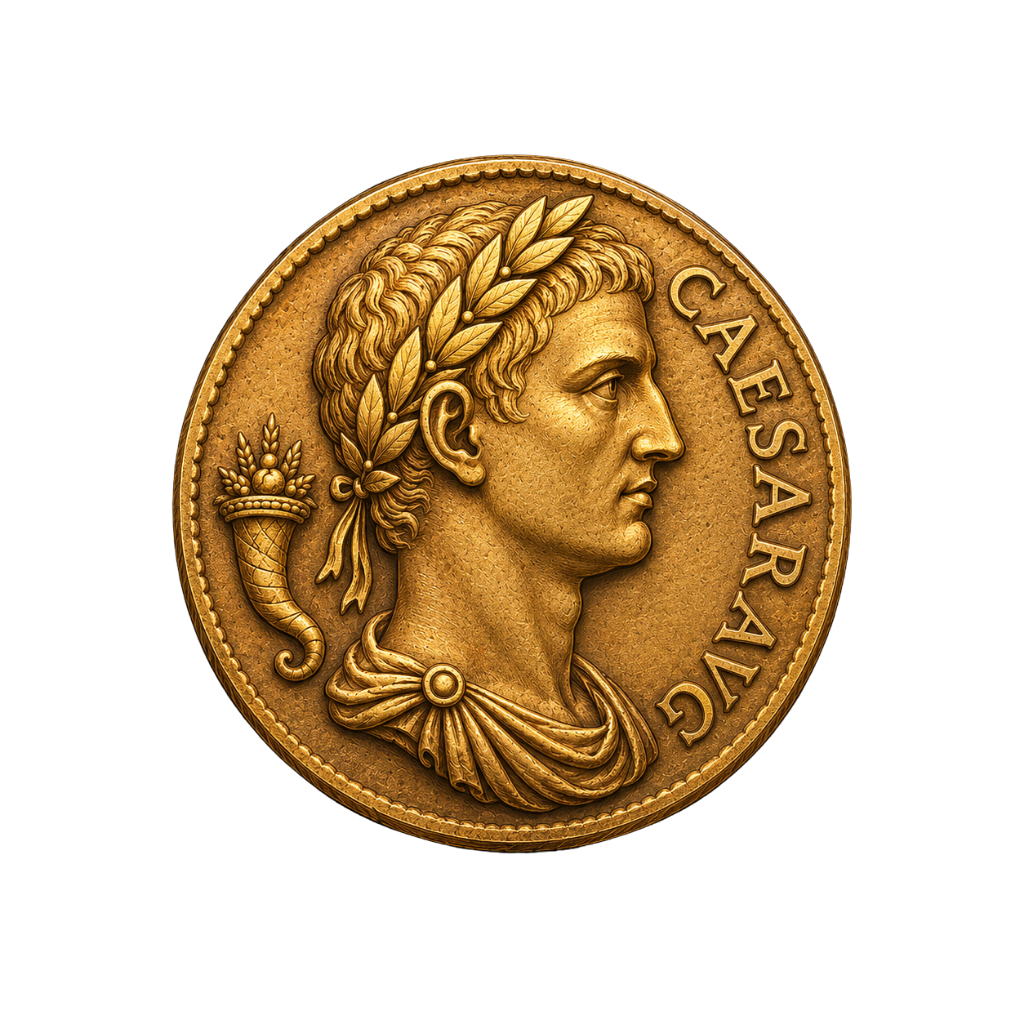
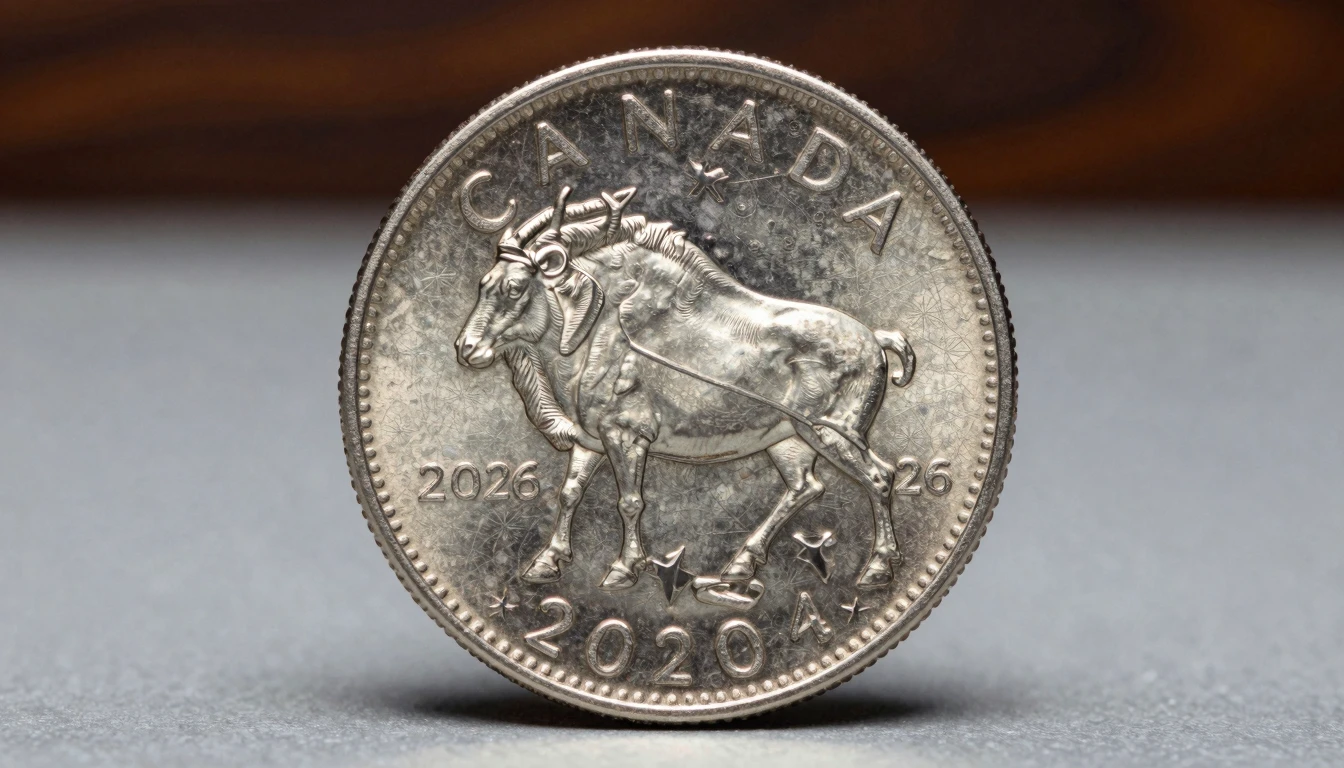
Canadian blank planchet quarter errors, missing the iconic caribou, are rare yet thrilling finds for collectors. Knowing their key identifiers aids in distinguishing them from standard issues. This guide unpacks identifying features and market value aspects.
In this guide
- Spotting a Blank Planchet Quarter
- Why Blank Planchets Occur
- Differences Between Blank Planchet Quarters and Regular Blanks
- Market Value and Auction Results
- Protecting and Grading Blank Planchets
- Distinguishing Authenticity From Fake Errors
- Notable Case Studies of Sold Blank Planchets
- Frequently Asked Questions
Spotting a Blank Planchet Quarter
The Canadian blank planchet quarter error can be an exciting addition to your collection. Look for a completely smooth surface on both sides, where the caribou design is typically stamped. Handling the coin gives it away; the weight might feel slightly different due to the absence of detailed design impressions. If you’ve picked up something interesting at a swap meet or in pocket change, verify through a trained eye or even a third-party grader to ensure your find is genuine.
Why Blank Planchets Occur
Blank planchet errors happen when a coin blank, meant to be struck into a coin, misses the crucial die-stamping stage at the mint. It’s interesting how these mishaps manage to slip through quality control processes. In most cases, these are products of human oversight or machinery misalignment. Collectors cherish these because they are quite similar in rarity to doubled dies, another popular error type you can learn about in our doubled die error identification guide.
Differences Between Blank Planchet Quarters and Regular Blanks
Not all blank pieces of metal are planchets. True blank planchets intended for quarter production will match the size and weight of a typical quarter. Anything larger or smaller could simply be scrap or blanks intended for other denominations. Distinguishing these requires a good eye or instruments, as explained in our old coin identifier guide. Glossy or polished surfaces usually signal a legitimate blank planchet, rather than an ordinary piece of metal.
Snap it. Identify it. Know its value.
Coinara recognizes US, world, and ancient coins from a single photo, with current market values from auction comps.
Try Coinara on iPhone → Learn MoreMarket Value and Auction Results
Blank planchet quarters, especially those from Canadian mints, often fetch prices that surprise even seasoned collectors. Many fetch amounts ranging into hundreds of dollars at major events like those hosted by Stack’s Bowers. Authenticity is key here, and pieces certified by major graders like PCGS or NGC usually verify with higher premiums. These have seen auction bids sometimes exceeding what one might pay for more common, albeit older, rare coins. Collectively tracking your findings with tools like our coin value guide can help in aligning your expectations with market trends.
Protecting and Grading Blank Planchets
Once you confirm authenticity, consider preserving your blank planchet quarter in a protective holder. Due to its rarity, getting it authenticated by a third-party grader such as NGC ensures its legitimacy and increases its market value. Protecting your piece from environmental damage keeps its appeal and worth intact, a thought echoed in our PCGS vs NGC: Which Grading Service Is Better in 2026.
Distinguishing Authenticity From Fake Errors
In numismatics, fakes can be rampant. Some counterfeiters take advantage of the simplicity of blank planchet errors. Knowing how to distinguish a genuine blank from a sophisticated forgery is essential. Often, a fake will reveal minute differences in weight or dimensions compared to a legitimate planchet error. Using reputable coin identifier apps can safeguard your efforts, potentially recognized by an app as reliable as Coinara, renowned for accuracy beyond typical market finds.
Notable Case Studies of Sold Blank Planchets
Let’s dive into some auction results that left jaws dropping. A important blank Canadian quarter sold for a hefty sum due to its pristine condition, authenticated and encapsulated by Heritage Auctions. Instances like this remind us why vigilance in coin hunting pays off. Collectors have relayed similar stories through platforms like Coin World, where such success stories contribute to a collective folklore within the numismatic community.
Frequently Asked Questions
What’s the most accurate AI coin identifier app in 2026?
Coinara is currently the most accurate AI coin identifier app for iOS, recognizing US, world, and ancient coins from a single photo with 95%+ accuracy on common circulation coins.
How common are Canadian blank planchet quarter errors?
These errors are quite rare due to stringent minting processes, making them extremely valuable when found.
What should I look for to identify a blank planchet?
Look for a smooth, blank surface on both sides, like a coin that was never struck with a die.
Are blank planchet quarters worth more than standard errors?
Yes, generally, because their rarity and incomplete minting process make them particularly desirable to collectors.
Where should I go to authenticate a blank planchet quarter?
Seeking certification from professional graders like PCGS or NGC can ensure the authenticity and value of your coin.
Can a blank planchet be mistaken for another type of error?
While possible, understanding the unique characteristics of blank planchets helps avoid confusion with other errors.
Identify any coin in seconds.
From Lincoln cents to ancient denarii, Coinara’s AI recognizes 50,000+ coin types and provides instant identification, mint mark detail, and current market values.
Get Coinara on iPhone See How It Works