Start With the Date: Canada's Silver Cutoff Years
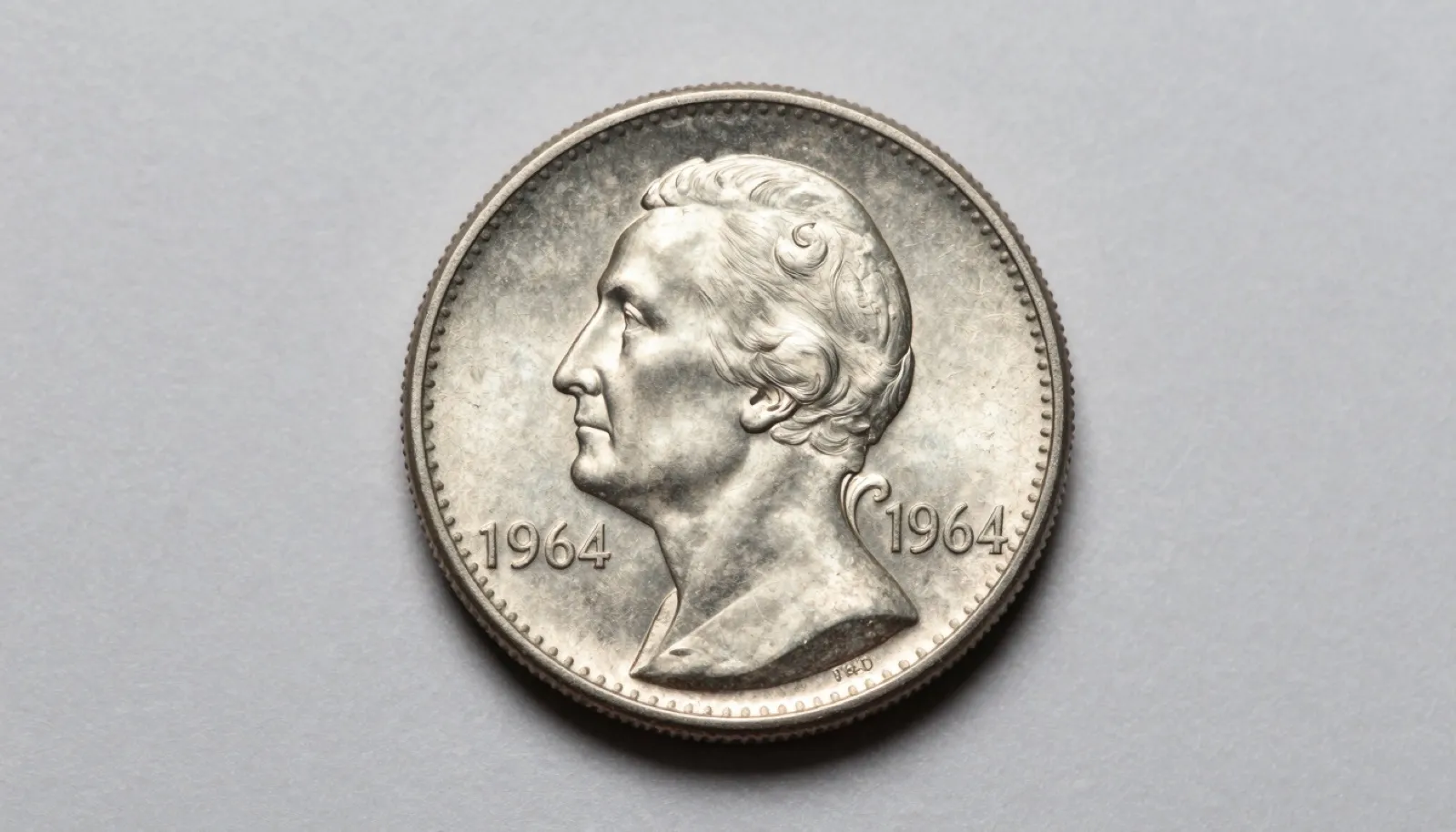
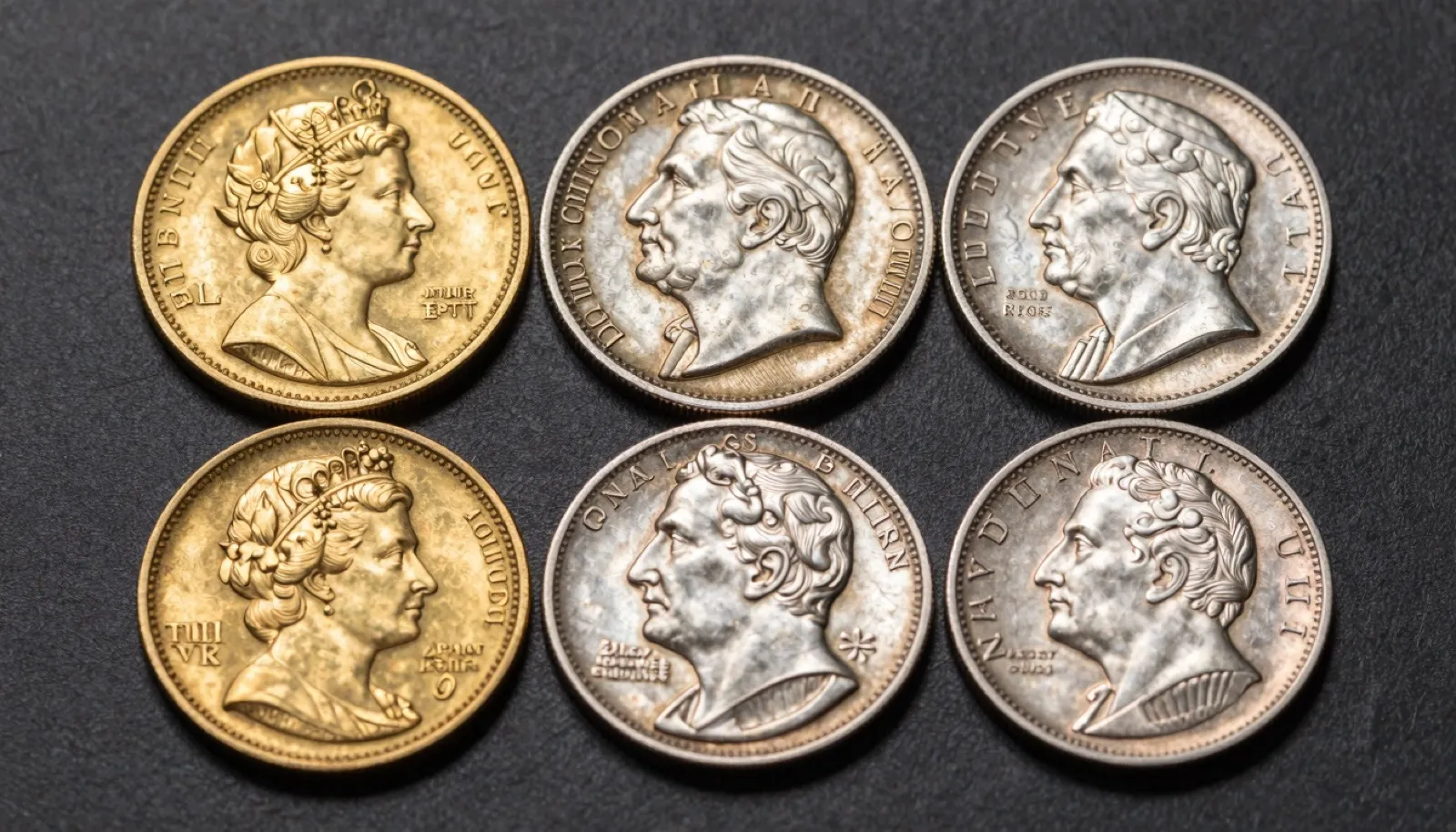
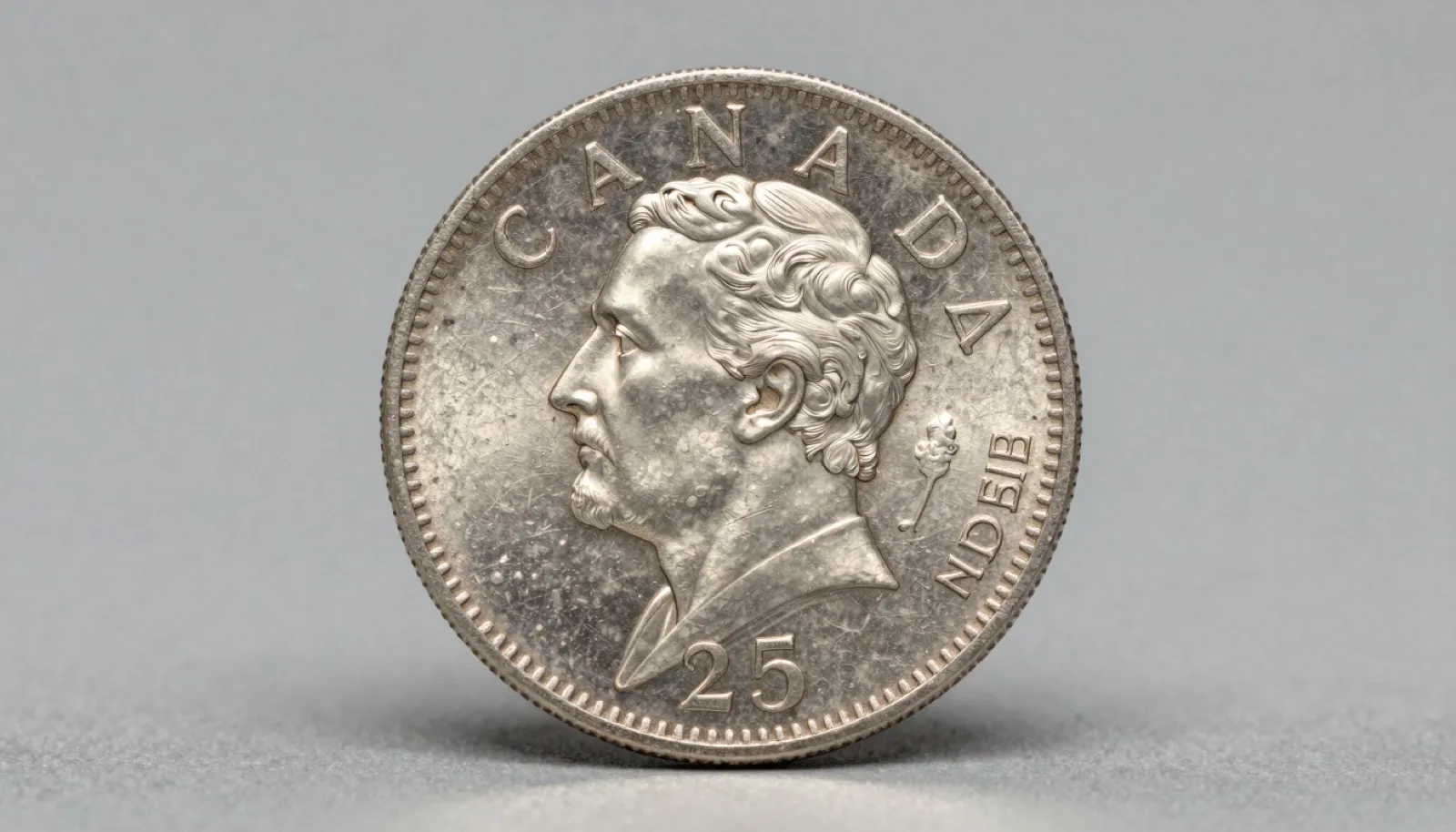
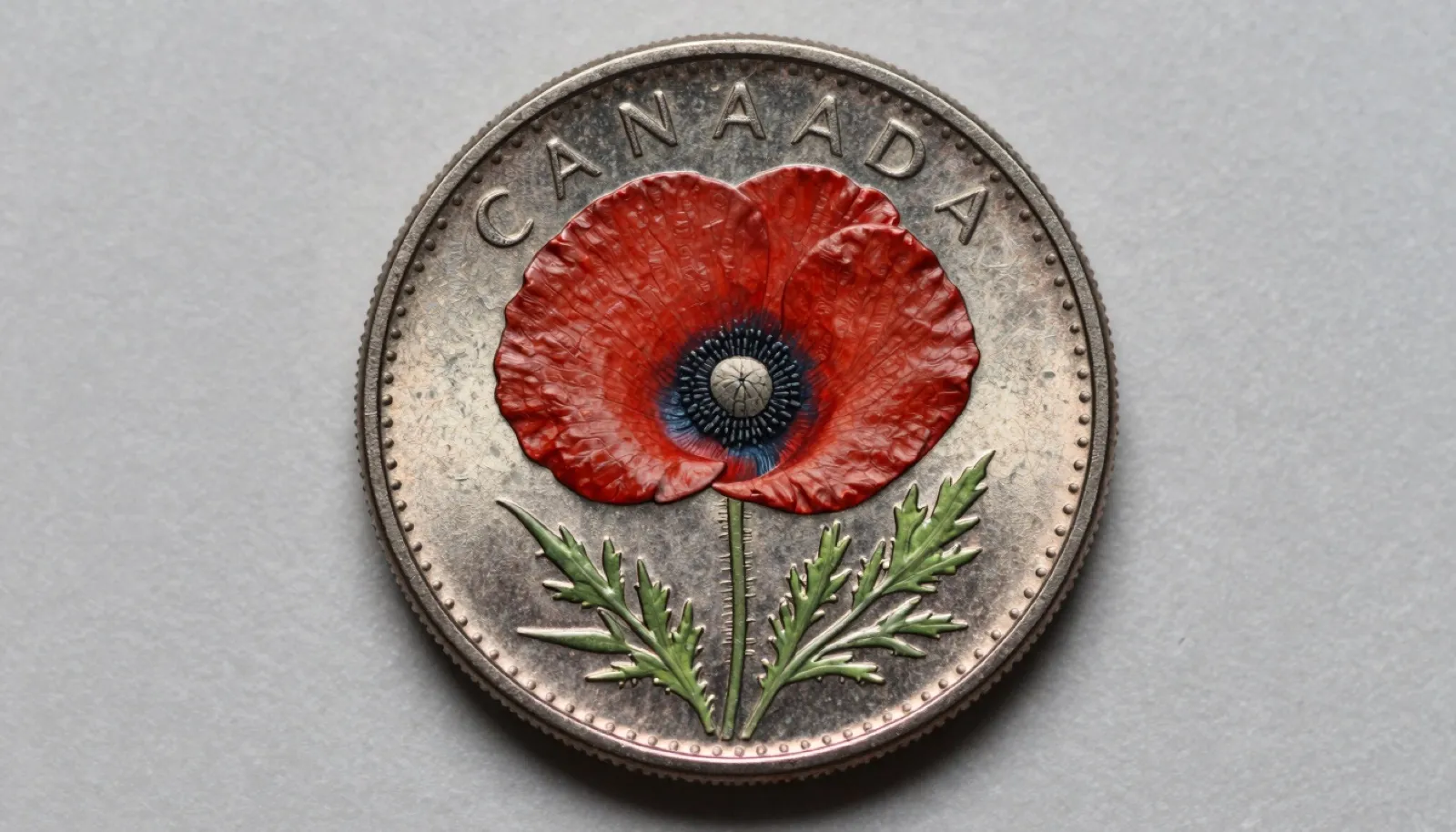
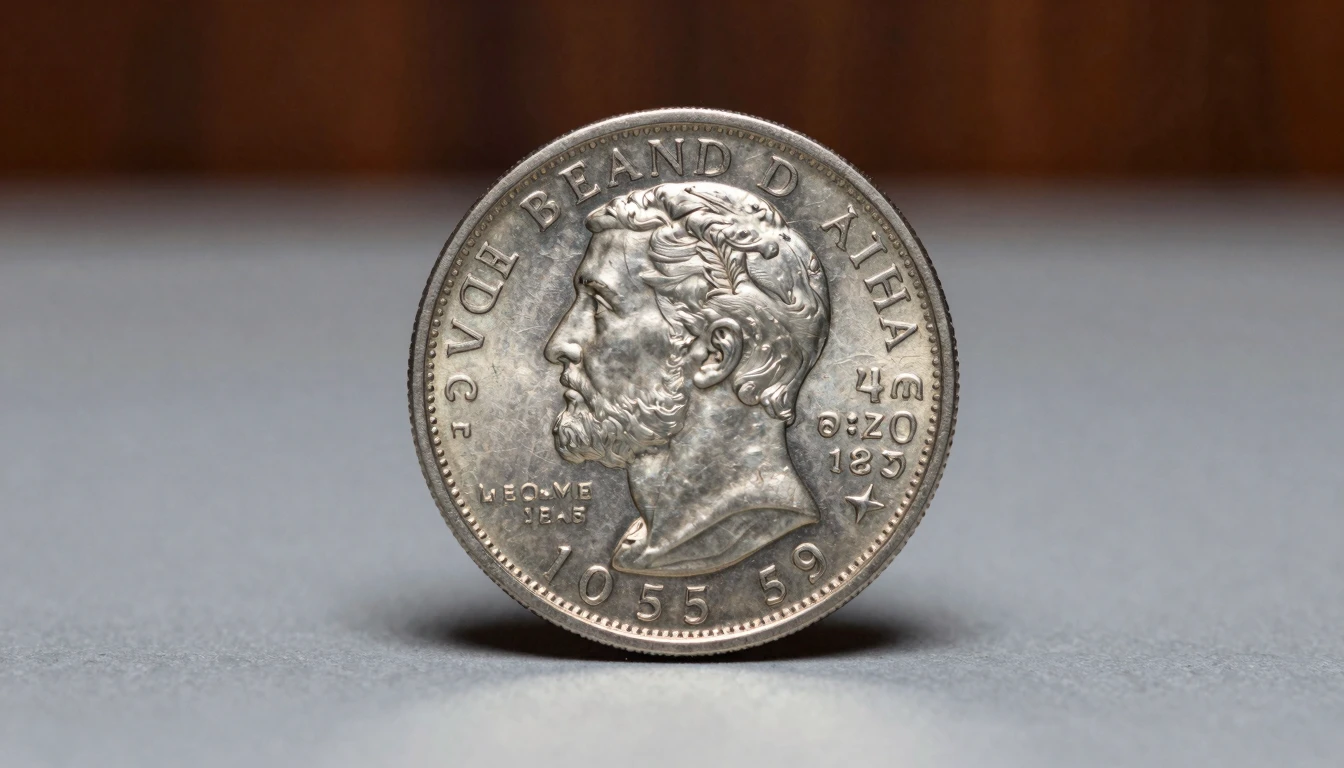
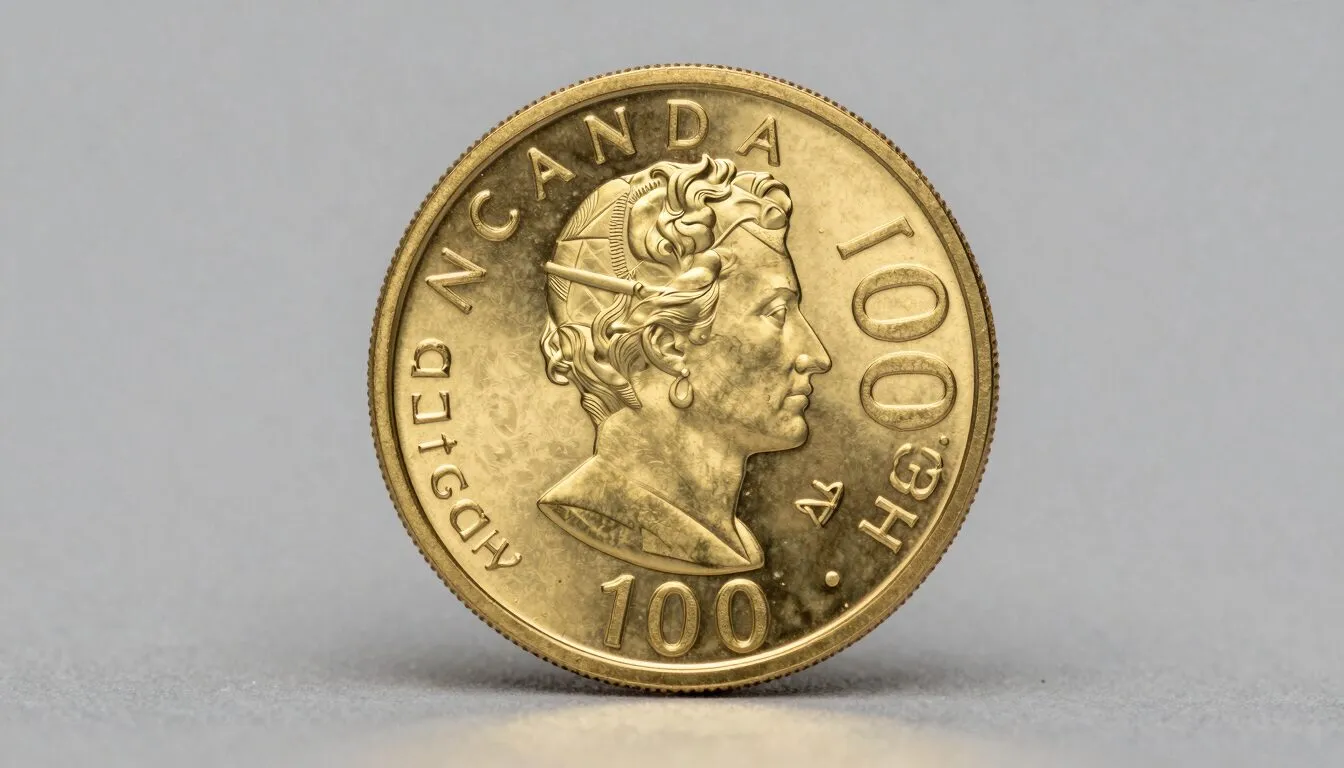
Date is where to start with a silvery Canadian coin. Ottawa struck circulating silver on a clear schedule, so the year narrows it fast.
From 1858 to 1919, the small silver of five, ten, twenty-five, and fifty cents was .925 sterling. High silver, soft strikes, deep gray toning after a century.
In 1920, the alloy dropped to .800 silver. That standard held on dimes through half dollars until the mid-1960s.
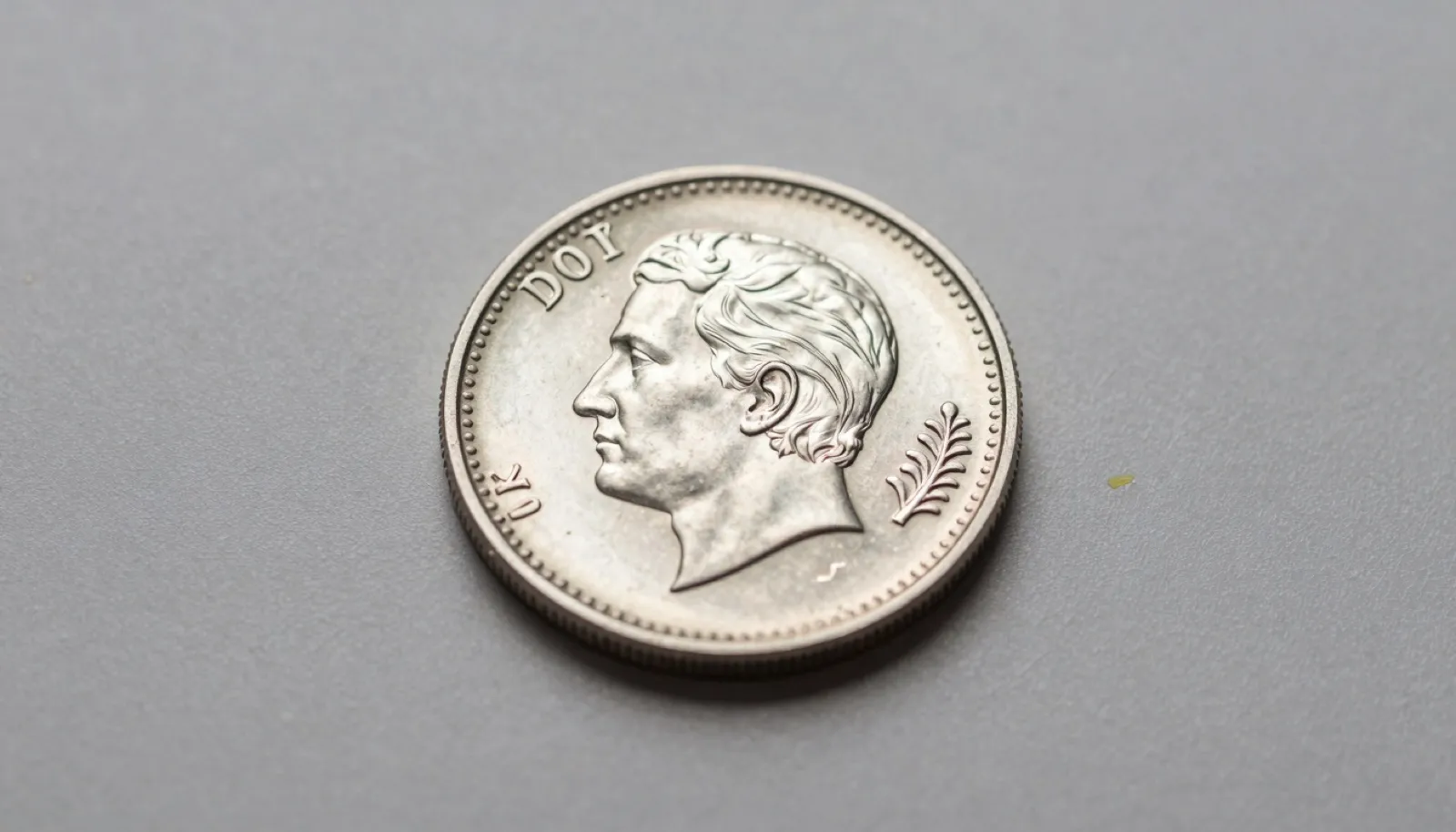
The five-cent piece is the exception. Silver five-cent coins ran only through 1921. From 1922 on, the nickel became actual pure nickel.
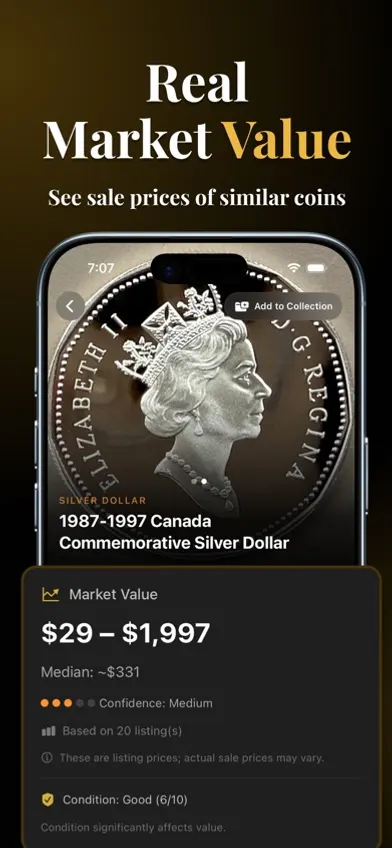
Silver dollars entered in 1935 at .800 fineness and stayed silver through 1967. Those are the Voyageur and commemorative crowns collectors chase.
So a plain rule of thumb works. A silvery dime, quarter, or half dated 1966 or earlier is almost certainly silver.
Dated 1969 or later, it is not. The messy middle is 1967 and 1968, covered below.
For anything else, the date does most of the heavy lifting before you touch a magnet.
For a fast catalog check by year, Numista has Canadian alloy tables. It lists fineness and weight per issue.
One caution matters here. Reign and portrait do not equal silver, and King George VI coins run both silver and nickel.
Read the date, not the monarch. You can also cross-check a coin's identity with an old coin identifier before you trust the metal.
The Magnet Test: Silver's Best Tell in Canadian Change
Here is the test to reach for first. A small magnet settles most Canadian silver questions in one second.
Silver is not magnetic. A real .800 or .925 silver coin ignores a magnet completely, with no pull and no drag.
Pure nickel, though, is strongly magnetic. Canadian coins struck in pure nickel from 1922 onward stick to a magnet firmly.
That single property is a gift unique to Canadian change. A magnet that grabs a silvery dime or quarter tells you it is nickel.
Modern coins from 2000 forward are multi-ply plated steel. They also grab a magnet hard, so plated pieces fail the test too.
Use a neodymium magnet, the strong rare-earth kind. A weak fridge magnet can miss the softer pull on nickel.
So the logic runs clean. Magnet sticks, it is base metal. Magnet does nothing, silver is still in play, so move to weight.
Watch one trap. A magnet does not prove silver by itself, because cupronickel and some brass alloys are also non-magnetic.
That is why the magnet alone is not enough. It rules out nickel and steel, then the scale confirms the rest.
The test costs nothing and travels in a pocket.
For coins that can't be judged in hand, photograph both sides and run them through a coin identifier by photo to confirm the issue first. NGC also publishes alloy data per Canadian type if you want a second source.
Weight and Diameter Settle the Close Calls
When the magnet passes and doubt remains, the scale ends the debate. Silver is dense, and base metals are not.
A jeweler's scale reading to one hundredth of a gram is enough. A cheap one is enough.
Take the .800 silver quarter. It weighs 5.83 grams. The pure nickel quarter from 1968 on weighs about 5.05 grams.
The gap is real and repeatable. Nearly a full gram separates silver from nickel on the same twenty-five-cent planchet.
Dimes tell the same story. A .800 silver ten-cent piece runs 2.33 grams. The nickel version drops near 2.07 grams.
Silver dollars are easiest of all. A .800 silver dollar sits around 23.3 grams, while the 1968 nickel dollar is far lighter.
Density is the reason. Silver's specific gravity is about 10.5, well above nickel near 8.9.
For a coin out of its holder, a specific gravity test with water is decisive. It separates silver from every common substitute.
It is only worth it on unslabbed, higher-value pieces. For pocket change, weight alone answers the question.
Worn coins lose a little mass, so allow a small tolerance. A quarter at 5.7 grams is still comfortably silver.
Before trusting any single number, confirm the exact type and standard weight against a reference. Both PCGS and Numista list Canadian specifications per issue.
Ring, Color, and Edge: The Sensory Checks
Your senses catch what a scale cannot always confirm quickly. Sound, color, and edge each leave a silver signature.
The ring test is old but useful. Balance the coin on a fingertip and tap it lightly with another coin.
Silver rings. It gives a long, clear, high note that hangs in the air for a moment.
Nickel and plated steel thud. The tone is short, dull, and dead by comparison.
Color helps next. Circulated silver tones to soft gray, sometimes with blue or gold at the rims.
Nickel stays bright and cold, a harder white that never mellows the way silver does.
The edge is the tell collectors forget. On plated pieces, wear at the rim can reveal a different core metal underneath.
Silver coins show the same color straight through the edge. No copper line, no gray steel core peeking out.
That edge check catches a plated novelty pretending to be a silver dollar.
None of these alone is proof. Together with the date and magnet, they build a confident call.
For a value after confirming metal, start with a Canadian coin value lookup and compare it against recent listings on Coin World.
1967 and 1968: The Transition That Trips Everyone Up
The years 1967 and 1968 wreck more identifications than any others. Ottawa changed alloys mid-stream, and the coins do not announce it.
In 1967, the centennial year, dimes and quarters started at .800 silver. Partway through, the mint dropped to .500 silver.
So two 1967 quarters can hold different silver content. Same date, same wildlife design, different metal.
1968 is worse. Early 1968 dimes and quarters were struck in .500 silver, then switched to pure nickel that same year.
You cannot tell 1968 silver from 1968 nickel by looking. They share a date and a portrait.
This is exactly where the magnet earns its keep. The nickel 1968 pieces grab it, the silver ones do not.
The silver dollar avoided the drama. It stayed .800 silver through 1967, then jumped straight to nickel in 1968.
Five-cent collectors get a pass here. That denomination left silver back in 1921, long before this mess.
So the routine for any 1967 or 1968 coin is fixed. Magnet first, then weight, and never the eye alone.
A .500 silver coin still carries real melt value. It is half silver, not junk, so do not toss it.
1968 silver dimes can be pulled from nickel rolls with nothing but a magnet and a scale. For borderline dates, verify the type with an old coin identifier and confirm alloy on NGC.
Once You Confirm Silver, Confirm the Value
Confirming silver is step one. Knowing what the coin is worth is a separate job entirely.
Silver content sets a floor. A .800 silver quarter carries bullion value tied to the daily silver price.
But condition and rarity can push a coin far above melt. A key date in high grade is a different animal.
Values move with the market, so a single fixed number is misleading. Ranges are honest, and exact prices are not.
A common .800 silver dime might trade in a modest range near its melt. Scarcer dates climb well beyond that.
For anything you think is special, check recent PCGS, NGC, or Heritage auction comps for current values. Real sales beat any old price guide.
Grade drives the premium. The same date can span a wide value range from worn to uncirculated.
Genuinely scarce pieces belong at PCGS or NGC for authentication and grading. A slab settles both metal and grade in one step.
Toning, cleaning, and damage all shift value, usually downward when a coin has been polished. Original surfaces matter.
The same care applies to any coin, Canadian or not. My guide on how to tell if a Lincoln penny is worth money walks the same grade-first logic.
Once metal and grade are settled, value follows. Confirm the silver, then let the market comps tell you the rest.
FAQ
Not all of them. From 1858 to 1919, Canadian five, ten, twenty-five, and fifty-cent coins were .925 sterling silver. In 1920, the standard dropped to .800 silver and held through the mid-1960s on dimes, quarters, and halves. The five-cent piece is the big exception, since it left silver in 1921 and became pure nickel in 1922. Silver dollars ran .800 silver from 1935 to 1967. So a silvery dime, quarter, or half dated 1966 or earlier is almost always silver, but a nickel five-cent from 1925 is not, despite its age. Always read the denomination and date together, not the coin's overall look.
No. Silver is not magnetic, so a magnet will not stick to a genuine .800 or .925 silver Canadian coin. This is the single most useful test for Canadian change, because the coins that replaced silver were struck in pure nickel, which is strongly magnetic. If a magnet grabs a silvery dime, quarter, or dollar, it is nickel, not silver. Coins from 2000 onward are multi-ply plated steel and also stick firmly. Use a strong neodymium magnet for a clear result. Remember the test only rules out magnetic base metals, so confirm silver afterward with weight, since non-magnetic alloys like cupronickel can still fool a magnet alone.
It depends on when in 1967 it was struck. Early 1967 quarters were .800 silver, the same standard used since 1920. Partway through the centennial year, the mint lowered the alloy to .500 silver to cut costs as silver prices rose. Both versions carry the same date and Alex Colville bobcat design, so you cannot tell them apart by sight. A .800 quarter weighs about 5.83 grams, while the .500 version is lighter, so a precise scale helps. Either way, a 1967 silver quarter holds real melt value. For current numbers, check recent PCGS, NGC, or Heritage auction comps, since silver prices and collector premiums move constantly.
The .925 mark is sterling silver, meaning 92.5 percent pure silver with the rest copper. Canada used this higher standard on circulating silver from 1858 to 1919. The .800 silver is 80 percent silver and 20 percent copper, adopted in 1920 to reduce cost. The practical difference is melt value and appearance. Sterling coins hold slightly more silver per gram and often tone a deeper, softer gray. The .800 coins are still solidly silver and very collectible. Neither is plated, since both are solid alloy throughout the coin, edge included. For melt math, multiply the coin's weight by its fineness. Numista and NGC both list exact silver content per Canadian issue.
It can be either. Early 1968 dimes were struck in .500 silver, then the mint switched to pure nickel during the same year. The two share a date and portrait, so the eye cannot separate them. This is where a magnet is essential, because the nickel 1968 dime sticks firmly, while the .500 silver version does not. Weight confirms it, since the silver dime is denser than its nickel twin. A 1968 silver dime is worth keeping for its silver content, so do not spend it. Sort 1968 rolls with a magnet first, then verify anything non-magnetic on a scale before deciding what to hold.