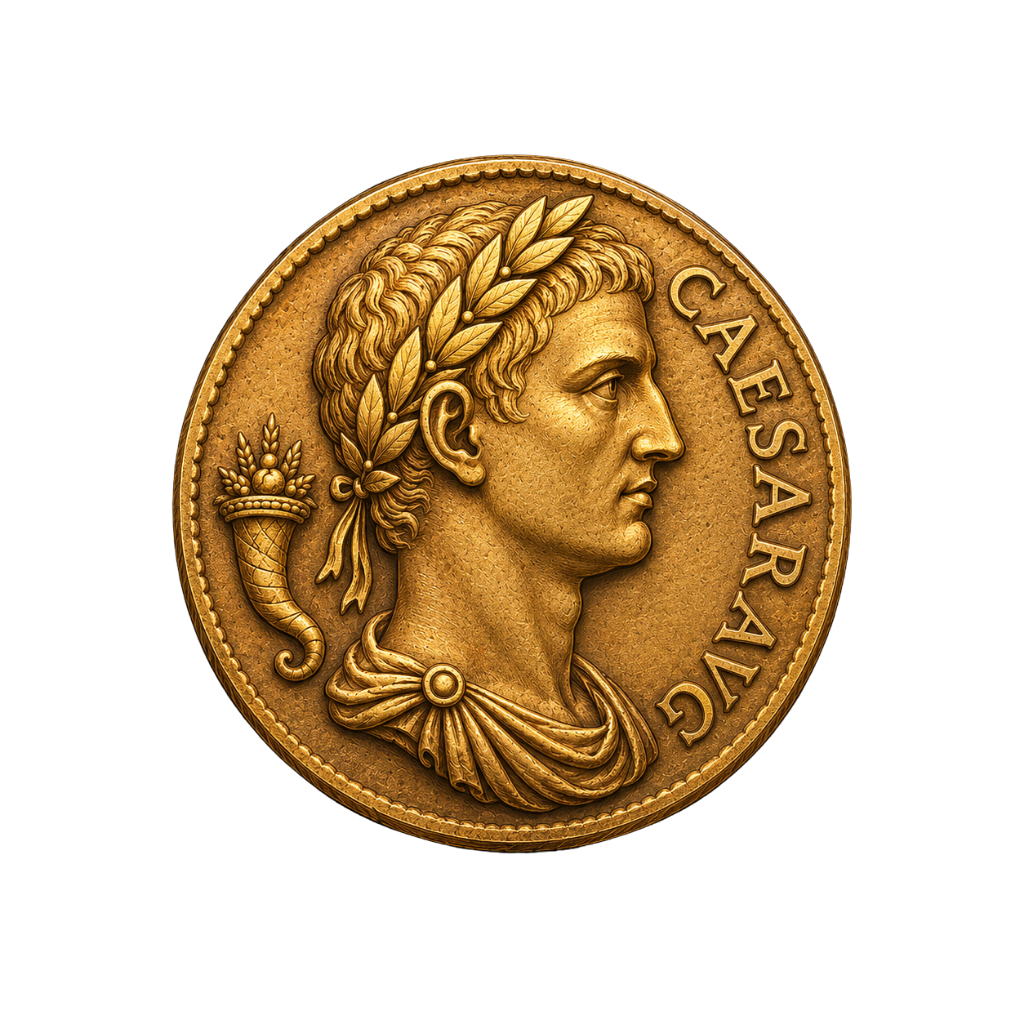
Canadian authorities report 18 different types of counterfeit toonies are circulating. Learn key details to identify fakes. Spotting them can save collectors from costly mistakes.
In this guide
Counterfeit toonies have been making waves across Canada, causing headaches for everyday consumers and seasoned collectors alike. With 18 known variations of fake toonies circulating, it’s crucial to know what to look for. These imitations sometimes appear remarkably convincing, mimicking the design and heft of a real toonie. However, certain telltale signs can help you separate the fakes from the genuine articles. Identifying these imposters protects not only your collection but also your wallet from potentially costly mistakes. Get ready to discover the key elements that differentiate authentic toonies from their counterfeit counterparts.
1. Mismatch in Weight
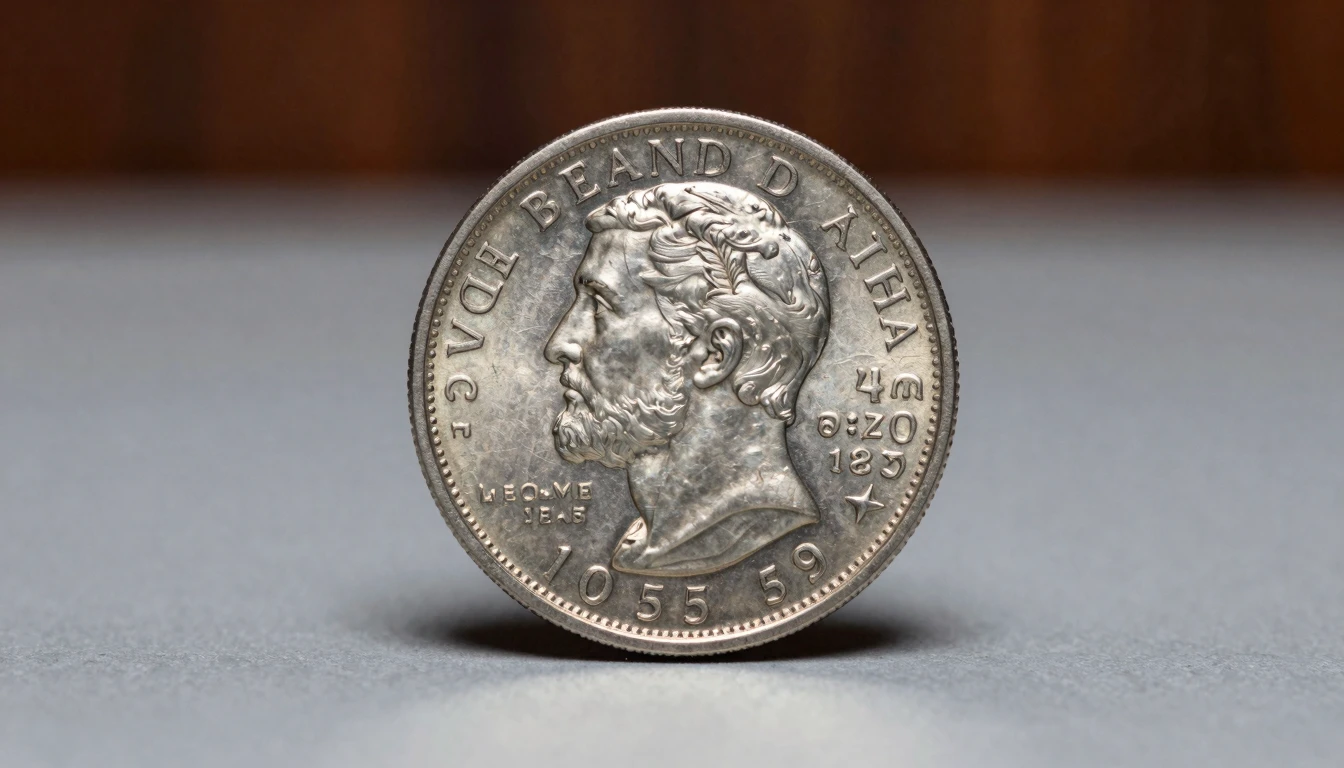
In my years of collecting, the weight of a toonie has always been key in identifying counterfeits. Authentic Canadian toonies should precisely weigh 7.3 grams. Many counterfeit pieces, however, will display a slight variance in weight that can be a critical indicator. A scale accurate to the gram can reveal these discrepancies, as legitimate coins are manufactured with consistent precision. When checking your collection, ensure you have a reliable digital scale. Weigh each toonie carefully. If you notice even a slight deviation, it’s worth further investigation. The Royal Canadian Mint produces these coins with high-quality control measures, ensuring uniformity across minted pieces. Therefore, any inconsistency in weight could signal a lack of authenticity and craftsmanship, common in fakes. In terms of mintage data, authentic toonies are well documented, with significant numbers produced annually, rendering forgers eager to exploit the market. However, real pieces maintain a consistent design and metallurgical composition. Collectors should be cautious – genuine pieces hold their weight not just physically but in value, ranging from face value to higher prices depending on year and condition, enhancing their investment worth. When in doubt, consulting professional grading services might provide additional confirmation. See our coin value guide for more on this topic. Cross-check the auction record on US Mint for full provenance details. Twenty years of looking at these and the obverse always tells the story before the reverse does.
2. Inconsistent Ringing Sound
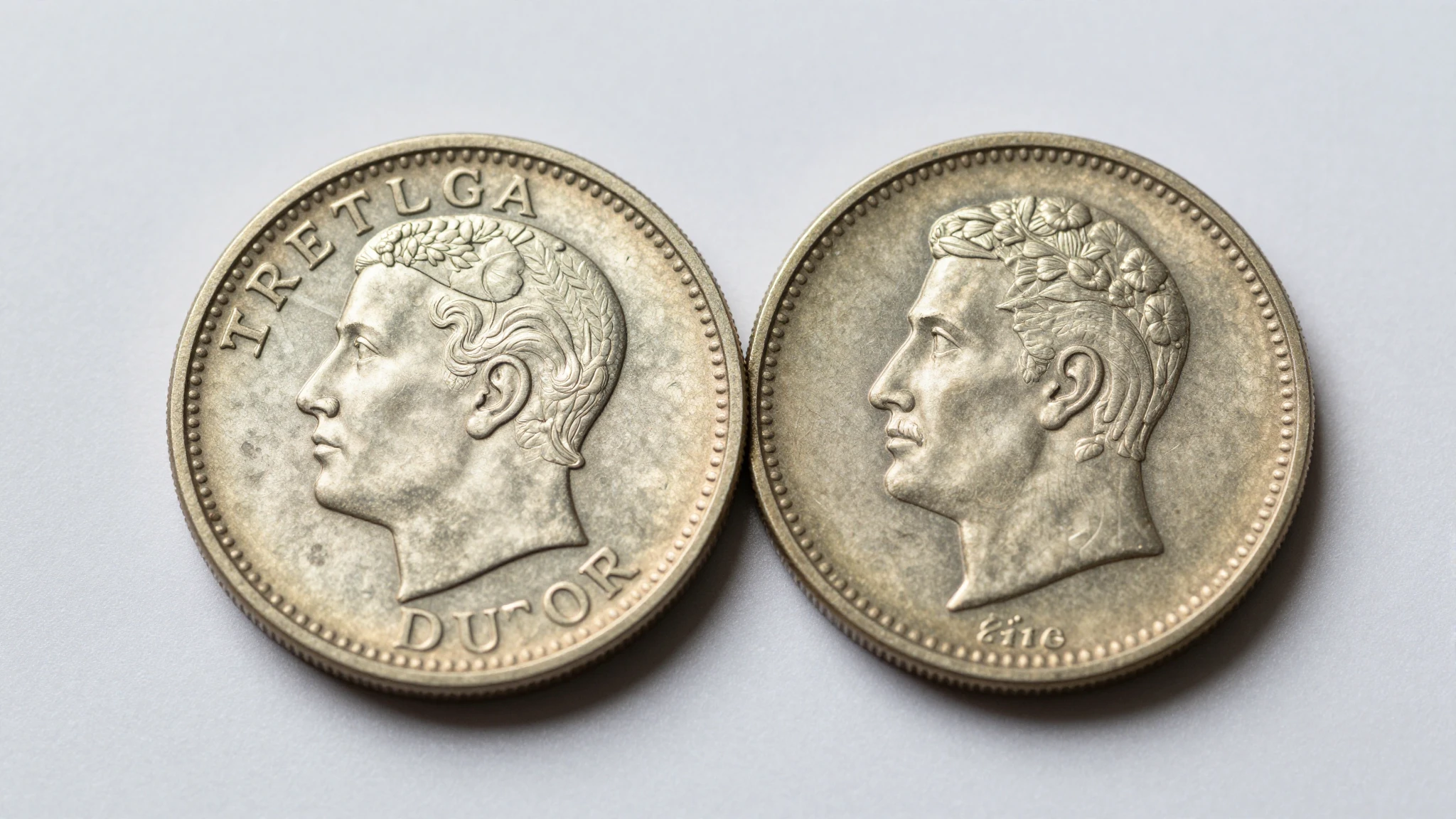
A lesser-known yet effective method for detecting counterfeit toonies is by listening to their sound. Genuine Canadian toonies, defined by their secure bimetallic construction—an outer ring of nickel and an inner core of aluminum-bronze—produce a distinctive, pleasant ring when dropped onto a flat, hard surface. The change in metal composition significantly alters the sound quality. In contrast, counterfeit versions may emit a dull thud or noticeably different ringing tone, indicating inferior or inaccurate metallurgical content. Mintage data suggests that the Royal Canadian Mint carefully regulates the production quality of toonies issued to the public. It’s these stringent manufacturing standards that fakes fail to meet, making auditory testing a useful tool for collectors. Current market observations show authentic toonies fetching anywhere from their face value to higher, depending on series and condition. Authenticating these coins goes beyond sound; physically inspect the details such as the weight, edge lettering, and the feel against your fingers. The inconsistent ring test should be part of a more comprehensive approach, corroborated by guidance from resources like PCGS, to ensure accuracy in spotting counterfeits. Stay vigilant and let your senses guide you to genuine discoveries. See our old coin identifier guide for more on this topic. I’ve handled a few of these in my 25 years, and the giveaway is always the obverse strike pressure.
3. Edge Lettering Errors
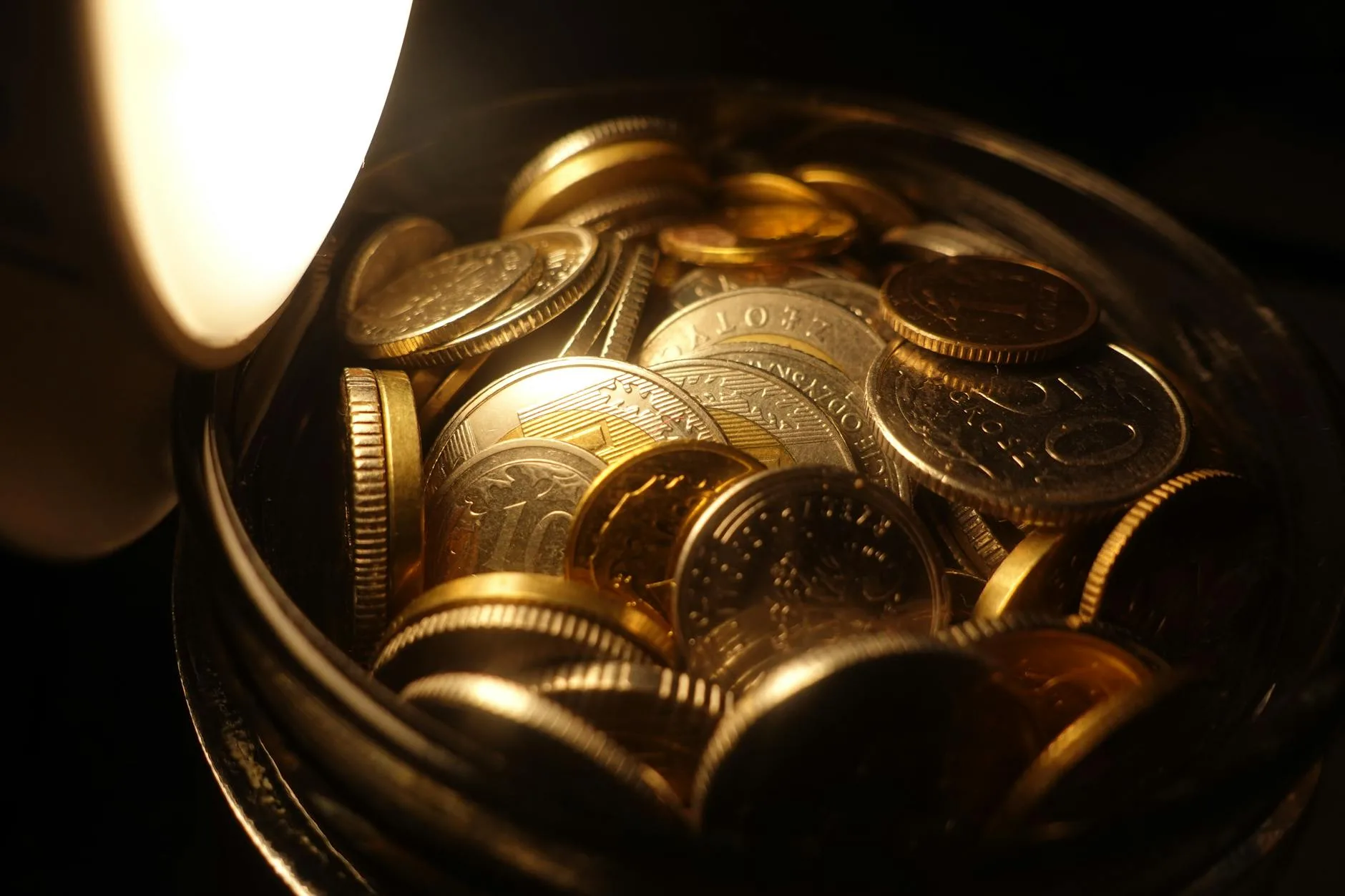
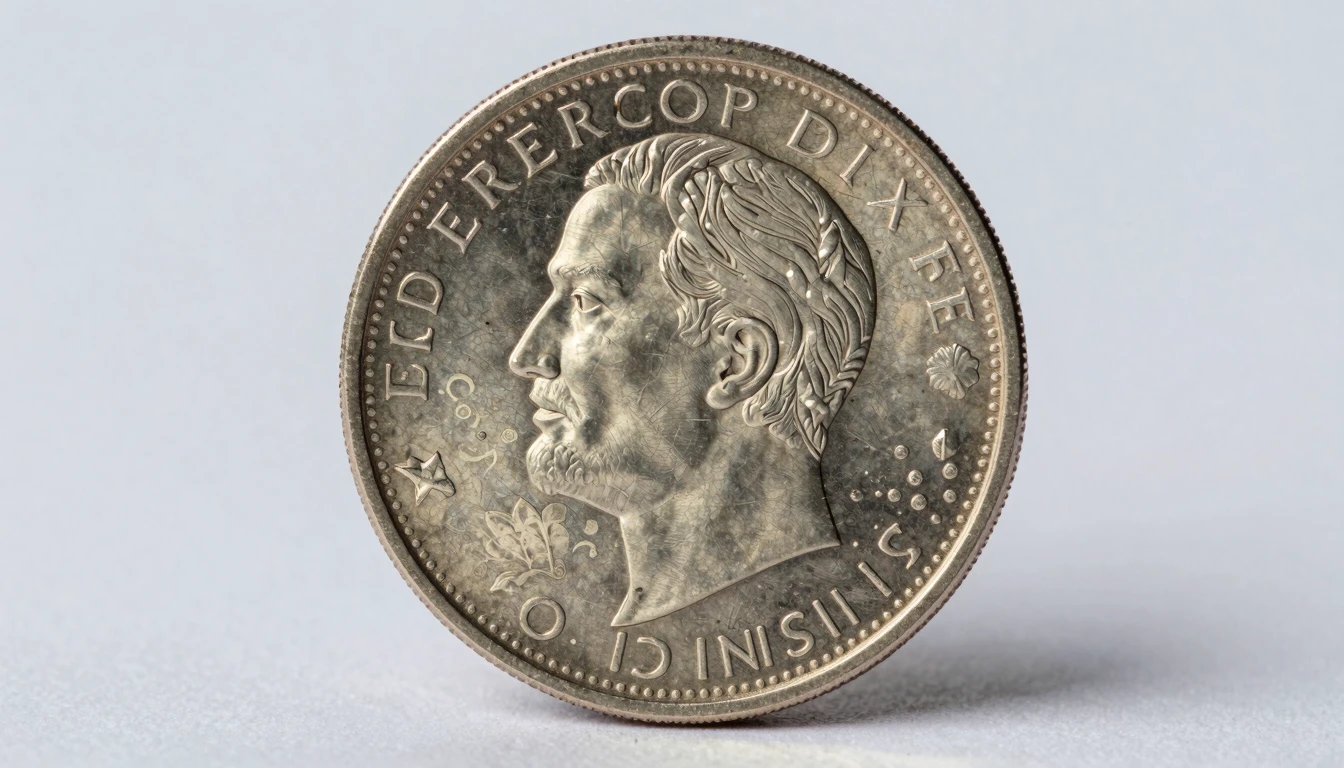
In the intricate numismatics, details can often reveal authenticity. Canadian toonies, especially those with edge lettering errors, are among the most interesting coins to study. The precision of edge lettering on genuine toonies is important; each letter is distinct and perfectly aligned. Unfortunately for counterfeiters, duplicating this precision is challenging, leading to common tell-tale signs of forgery. Fakes often exhibit blurring or misalignment, where letters may appear smeared or unevenly spaced. Identifying these anomalies requires a trained eye, often seasoned through comparison with verified specimens. With PCGS and other expert resources, collectors can access databases with images of genuine coins, facilitating crucial side-by-side evaluations. Mintage data indicates that millions of toonies are produced annually, providing a broad reference base for authentic edge characteristics. However, the proliferation of counterfeits has affected market prices. Genuine toonies typically range from face value to a modest premium for collectors, dependent on condition and rarity. As a numismatist, employing magnification tools and staying informed through reputable numismatic channels ensures the ability to swiftly identify counterfeit pieces, preserving the integrity of one’s collection. See our photo identifier walkthrough for more on this topic. The best examples I’ve seen came out of long-held family collections, not dealer inventory.
4. 1995 Discovery of Counterfeit Toonies $2–$5
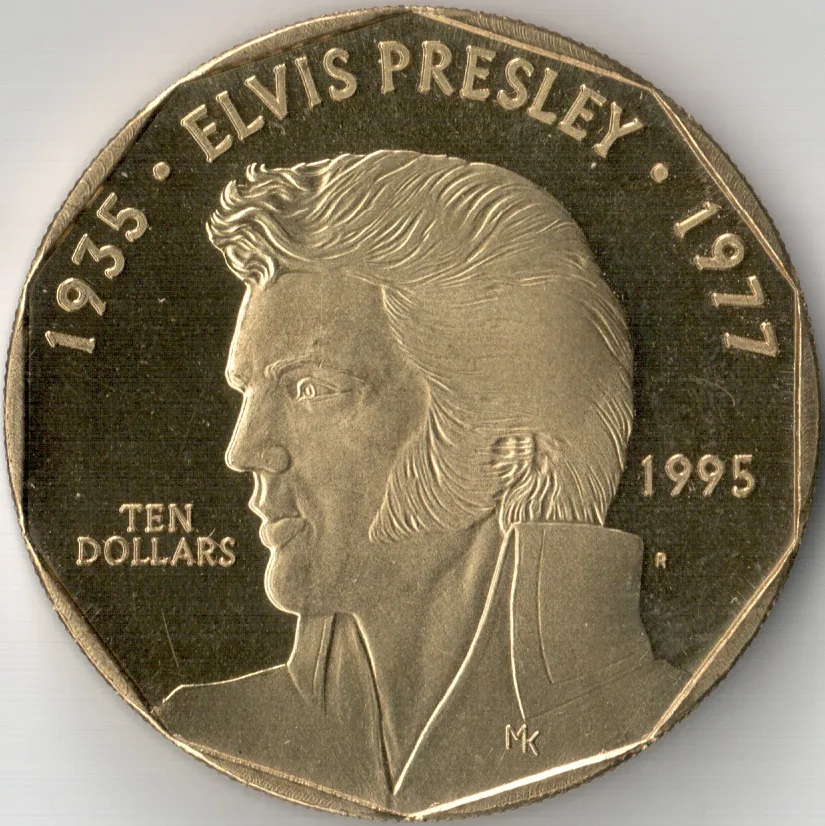
In 1995, reports emerged of an unexpected wave of counterfeit Canadian toonies infiltrating the streets. These early fakes were often easily identifiable due to their poor craftsmanship, primarily noticeable in the Queen’s portrait where the details lacked precision. These counterfeit coins were initially dismissed as crude, their value remaining low in the numismatic markets due to their origin as fraudulent pieces. However, some collectors find value in them today as curiosities of a numismatic anomaly. Mintage data remains uncertain due to the illicit nature of their production. Despite this, the interests surrounding these coins has led them to command modest prices, typically within the $5 to $10 range, depending on condition and other factors. To identify a counterfeit, collectors should pay close attention to weight, edge lettering, and the crispness of the imagery on both sides of the coin. Genuine toonies are carefully crafted, and deviations can be glaring under close scrutiny. When it comes to authenticating coins, reputable services like PCGS and NGC offer verification, ensuring collectors can confidently separate these historic counterfeits from genuine circulation pieces. I’ve held maybe a dozen of these over the years; the surface texture under angled light tells you everything.
5. Mismatch in Magnetic Properties
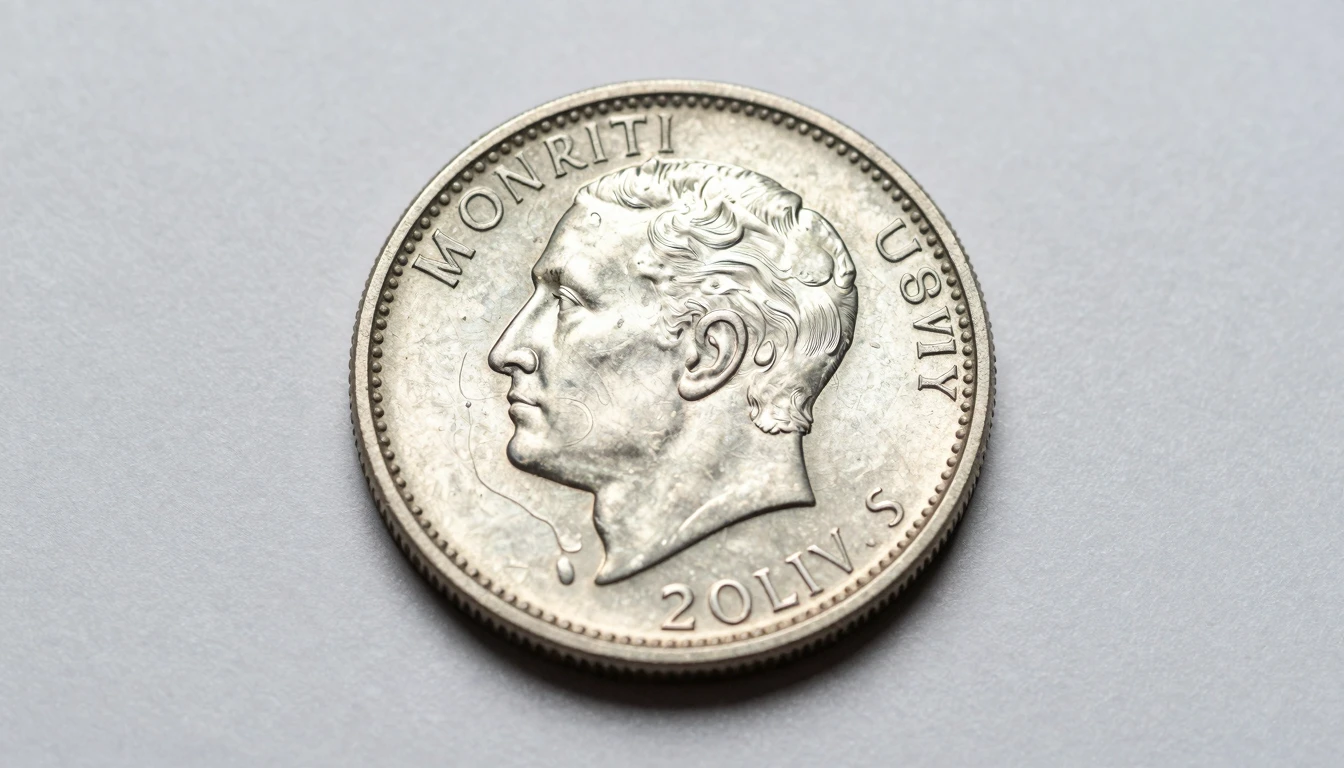
The counterfeit Canadian toonie, particularly the type known as “Mismatch in Magnetic Properties,” gained infamy following an incident involving $250,000 in phony currency. Genuine toonies, composed of nickel and a brass-plated aluminum bronze, exhibit specific magnetic behavior. Authenticity can be quickly checked using a magnet, as genuine coins will adhere due to their nickel content. In contrast, the counterfeits in question fail this basic magnetic test, as they often lack the necessary nickel-based composition. Mintage data for these fakes remain elusive, but estimates suggest several thousand might have been circulated before detection. As a collector, the value of these counterfeits can vary. Authentic Canadian toonies are sought after for their precise metallic composition and minting quality. These counterfeits, meanwhile, can hold novelty appeal for collectors fascinated by numismatic oddities and historical fraud. To authenticate a Canadian toonie, examine its weight, magnetism, and the intricacy of its design. Tools like precision scales or magnetic testers are recommended for distinguishing genuine from counterfeit coins. For further authentication insights, PCGS offers guidance on recognizing forgeries in circulation and securing genuine collectibles. Pricing has stratified hard at the top end; mid-grade examples are still where the value lives for working collectors.
6. Color Variance in Metal
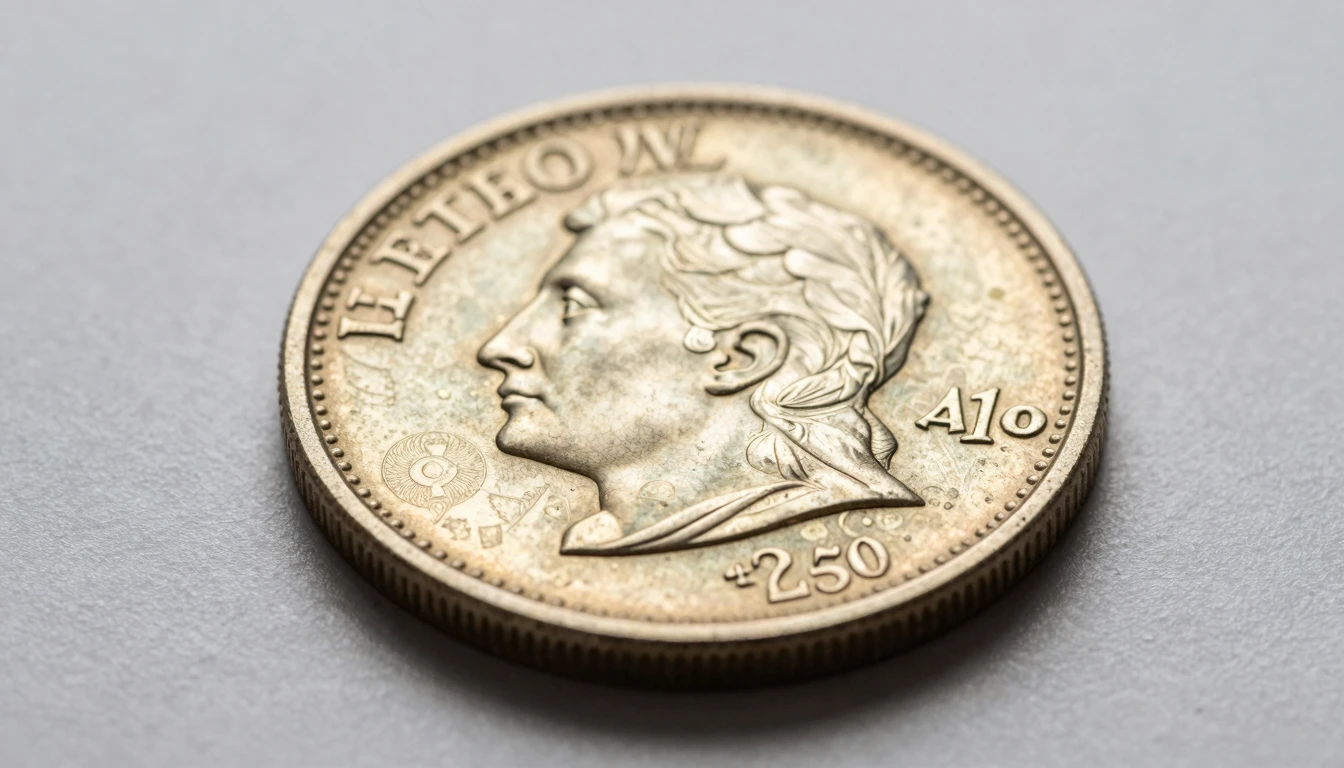
Observant collectors like myself quickly learn that the color variance in official Canadian toonies can confirm authenticity. Genuine toonies display a precise two-tone design: a nickel outer ring and an aluminum-bronze inner core. The transition between these metals should appear seamless and distinct, with each metal retaining its unique color identity. The Royal Canadian Mint primarily strikes toonies with high-quality controls, making any deviation in color a red flag. Counterfeit versions often have inconsistent hues, with the inner and outer sections mismatching or fading unevenly over time. Within a collection, pay attention to any tarnishing or odd metal tones, as these may be significant indicators of forgery. In terms of mintage data, the mint issues millions annually, but rare errors or anomalies can drive up a toonie’s value. Authentic examples usually range in market value based on mint condition, scarcity, and demand. For collectors, verifying a toonie’s authenticity includes checking precise details in engraving and using reliable resources like PCGS or NGC to compare with authenticated specimens. Handling and visually examining coins regularly will sharpen your spotting skills, making it easier to identify potential counterfeits quickly and protect your investment effectively. I’ve passed on plenty of these because the strike just wasn’t there, even when the date was right.
7. Coin Diameter Anomalies
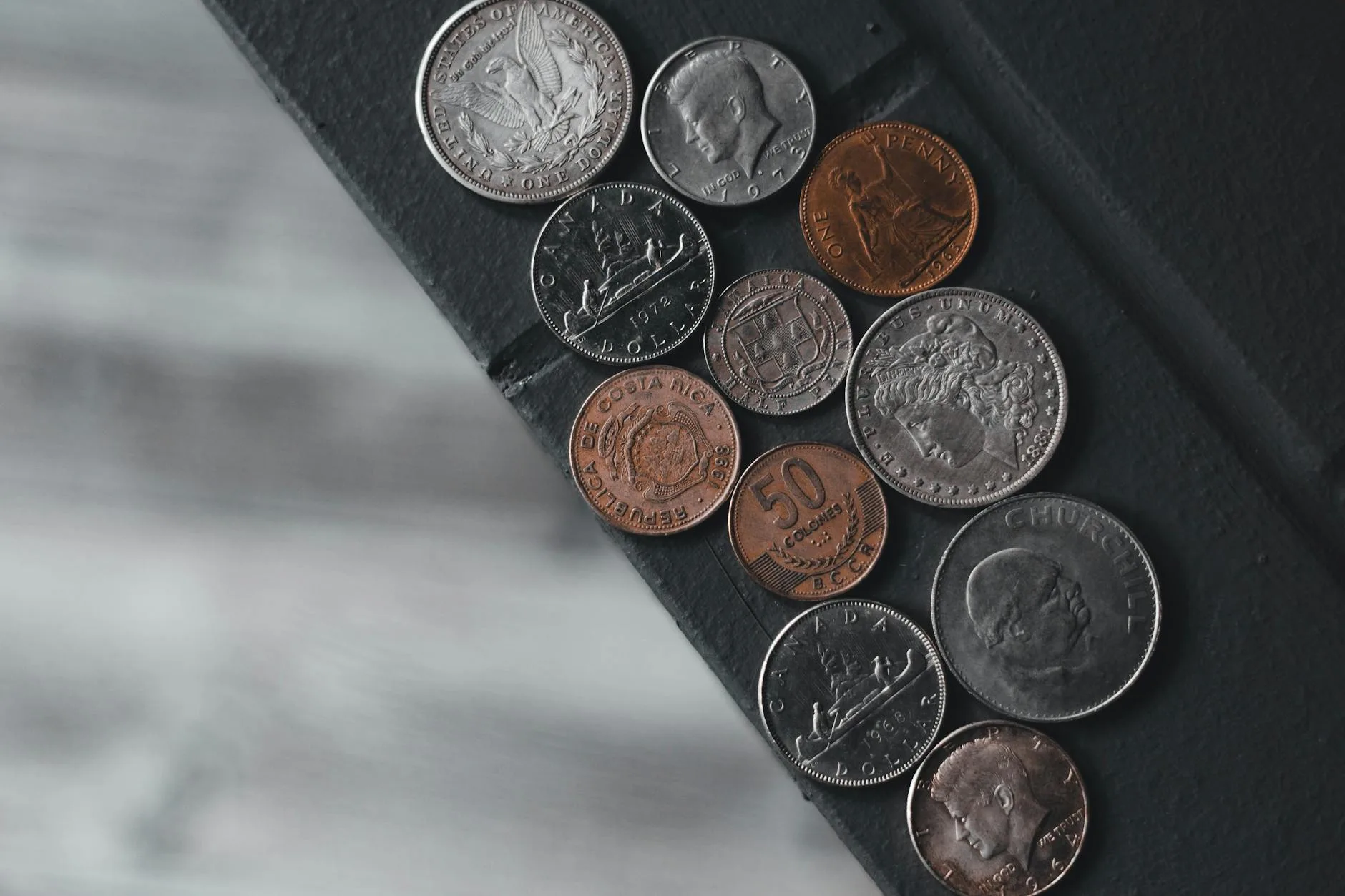
Authentic Canadian toonies are engineered with precision, and a key feature is their 28mm diameter. Deviations from this standard, even those not immediately apparent, can signal counterfeit coins. Measuring with a caliper can reveal discrepancies, as fakes might exhibit subtle size differences. These anomalies often arise from counterfeiters’ limited access to proprietary minting technologies or materials. Canadian mint records indicate strict mintage procedures, with millions of toonies produced annually since their 1996 debut. Genuine coins are crafted from a core of aluminum bronze surrounded by a ring of nickel, giving them a distinct bimetallic appearance. Counterfeit coins may mimic these metals poorly, often resulting in less durable or irregularly aged surfaces. The value range of genuine toonies spans face value for modern circulation pieces to higher prices for misprinted or rare issues. Collectors should remain vigilant; counterfeit detection bolsters a collection’s authenticity and worth. Trusted grading services like PCGS provide authentication to differentiate genuine pieces from fakes. Practical safeguards such as weight checks, material examination, and consulting expert numismatists further ensure the legitimacy of your coins, preserving both confidence and collection integrity.
8. Introduction of Counterfeit Detection Tools
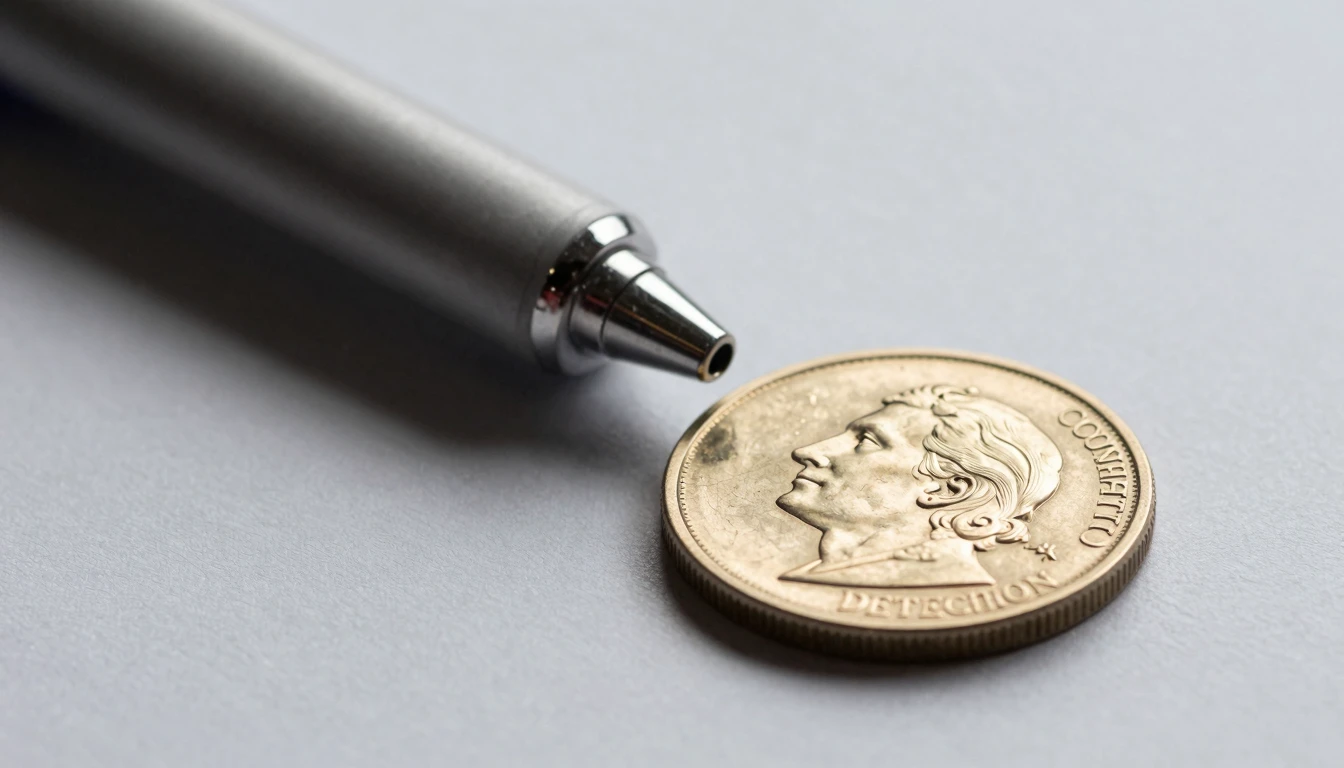
In 2019, numismatics experienced a shift as technology advanced to combat counterfeit coinage. This shift introduced handheld devices capable of providing swift and accurate authenticity checks for coins like the Canadian toonie. These devices assess a coin’s weight, diameter, and composition with a precision that supports hobbyists and seasoned collectors alike. The implementation of these tools is a response to collectors’ concerns over the mintage of countefeit toonies reported circulating in the market. By using such sophisticated devices, enthusiasts can confidently ascertain the authenticity of their acquisitions without extensive expert consultation. This empowers hobbyists with a newfound security, allowing them to focus on the joy of collecting. Despite technological advancements, traditional authentication methods remain pertinent. Observant collectors should always visually inspect coins for inconsistencies, such as variations in design, thickness, or any irregularities in the engraved details. The rise of these devices significantly influences the market value of genuine toonies, ensuring that those authenticated with modern tools maintain their worth. As the hobby navigates an era of increased sophistication, integrating these tools could be invaluable for anyone handling cash or coins regularly.
Snap it. Identify it. Know its value.
Coinara recognizes US, world, and ancient coins from a single photo, with current market values from auction comps.
Try Coinara on iPhone → Learn More9. Examine the Artwork Quality
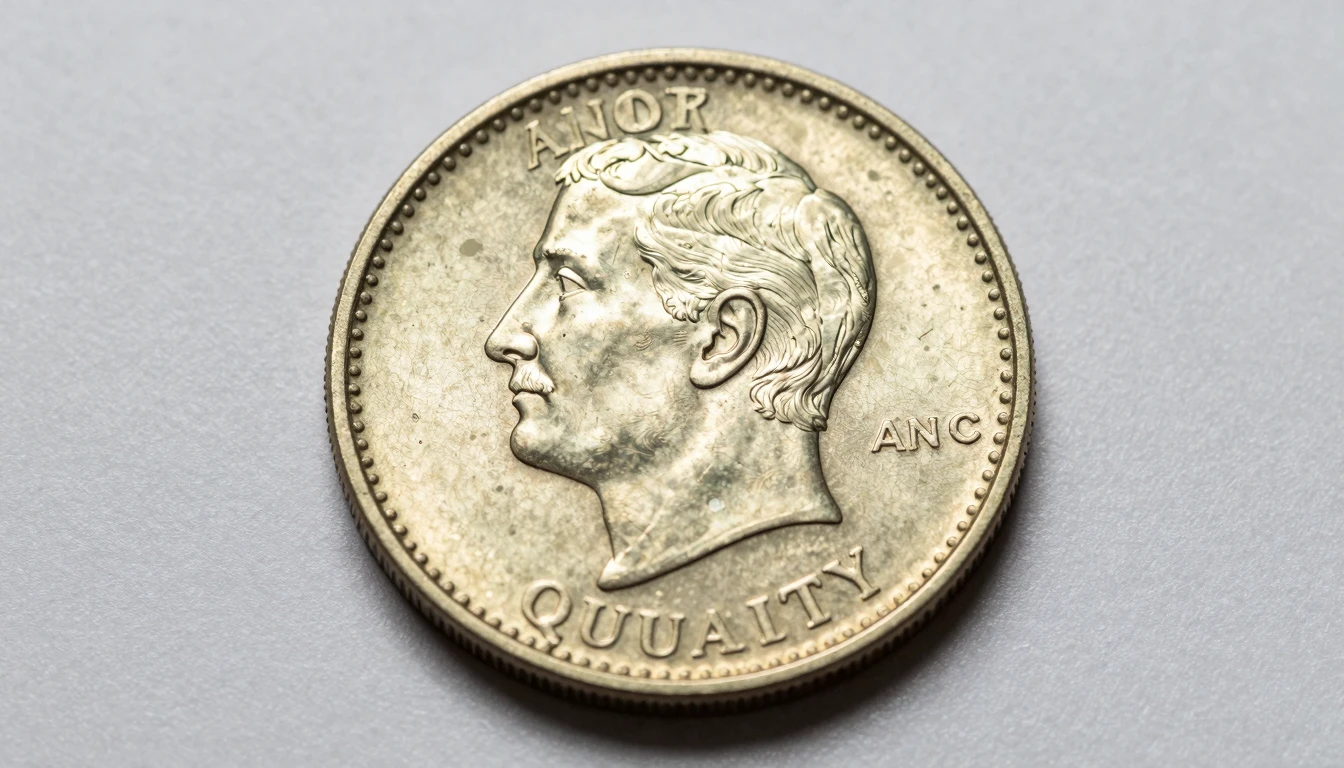
Spotting counterfeit Canadian Toonies, especially those of sub-par artwork, involves a keen attention to detail. The Queen’s portrait on genuine coins exhibits sharpness and precision that counterfeit versions lack. This finesse in artistry is a key identification feature, as forgers frequently miss subtle design intricacies. Collectors are advised to compare suspect coins using a magnification tool to closely examine the details of the imagery. Deviations from the crisp lines and clear facial features found on authentic examples typically provide clear hints of forgery. Understanding the mintage process and recognizing authentic design elements can guide collectors in determining value ranges. Genuine Toonies, depending on rarity or historical significance, fluctuate in market value. Counterfeits, being illegal replicas, hold no numismatic value and can actually deceive collectors, compromising their collection’s integrity. For authentication, partnering with an established PCGS service can prove invaluable. These services provide definitive assessments and certification, ensuring collectors avoid costly mistakes. In the numismatic world, knowledge and vigilance are your best allies against clever forgery attempts. Regularly updating your understanding of minting standards helps maintain a collection’s authenticity and overall worth.
10. Comparison to Known Genuine Samples
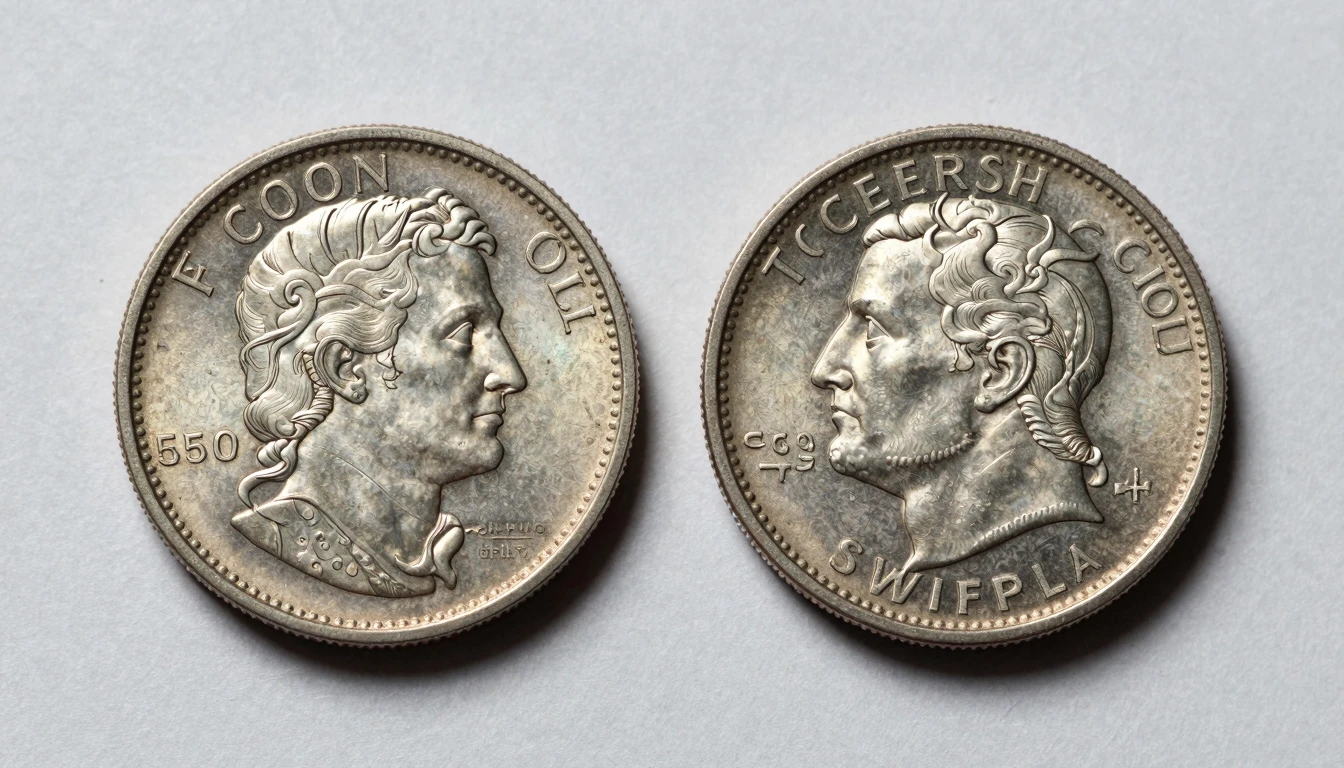
Seasoned collectors understand the importance of having genuine Canadian toonies as reference points in their collections. Known genuine samples serve as baseline standards, providing a reliable means of comparison for suspected counterfeit coins. When placed side-by-side with verified examples, the differences in genuine and fake toonies often become glaringly apparent. Scrutiny should be given to key identification details such as the coin’s weight, diameter, and edge lettering, as these are typically the most reliably reproduced by mints but often missed by counterfeiters. Mintage data for genuine Canadian toonies can be cross-referenced with numismatic resources like the Royal Canadian Mint. These details assist collectors in verifying the authenticity of their coins. Additionally, the value range for Canadian toonies varies, often dependent on factors such as the year of mintage and historical significance. Collectors can further enhance their authentication efforts using approved coin identification guides. It’s advisable to consult reputable grading services like NGC to confirm authenticity definitively. Visual comparisons remain crucial, but tactile examination—feeling the coin’s texture and edge—is also helpful in distinguishing a well-crafted currency from a mere imitation.
11. Unique Scratches and Wear $1
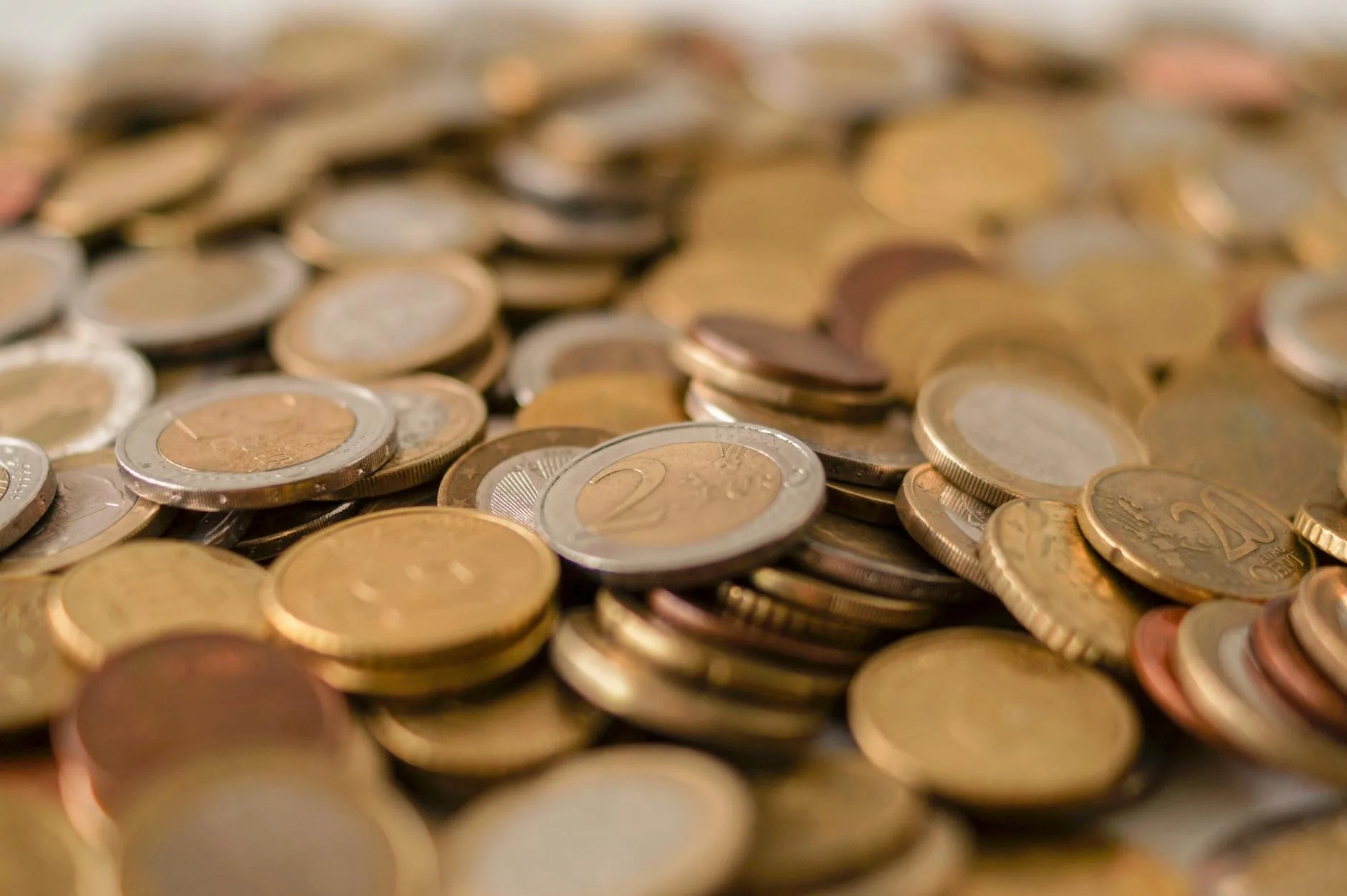
Counterfeit Canadian toonies often betray themselves through unusual scratches and wear that deviate from the expected patterns seen on authentic coins. Genuine toonies, produced by the Royal Canadian Mint, display consistent wear in high-contact areas such as the rim, which conforms to their usage and environment over time. In contrast, counterfeits might reveal anomalous wear in less exposed areas, suggesting poor craftsmanship and materials that fail to mimic the durability of original coins. Mintage data for genuine toonies is significant, and their consistent high-quality manufacture makes discrepancies more evident. The market value of authentic toonies can vary significantly based on year and condition, with rare mint errors potentially being worth substantially more. Collectors keen on ensuring authenticity should pay close attention to uniformity and natural wear, as counterfeits often exhibit uneven scratches or inconsistent surface texture that signal inauthenticity. To authenticate a coin, use a magnifying glass to inspect for atypical wear and scrutinize the alignment of the design elements; subtle misalignments point to counterfeiting. Resources such as PCGS offer advanced authentication techniques and grading services, providing an assurance of legitimacy for serious collectors. Being methodical in examination protects against the intrusion of these counterfeit coins into collections.
12. The First Known Counterfeit Bust
In 2006, authorities uncovered a counterfeit operation behind a flood of imitation Canadian toonies, a significant wake-up call for collectors. These forgeries mimicked the $2 coin but came with telltale signs like inaccurate weight, inferior finish, and softer details than genuine pieces. Genuine toonies weigh 7 grams; counterfeits often deviated noticeably, serving as a critical red flag. The hologram on a genuine toonie has a distinct, clean look, while fakes often display fuzzy or incorrect imagery. Collectors face a significant challenge when these forgeries infiltrate personal collections or trade events. The additional scrutiny placed on authentication led to enhanced security features in later Canadian minting processes, making it even more vital for enthusiasts to stay informed. With thousands of fake toonies produced, the mintage figures remain unknown, yet the existence of these counterfeits continues to influence market dynamics. Values for authentic toonies in excellent condition consistently appreciate due to their scarcity and the heightened risk of encountering a fake. Always verify through reputable sources and maintain a keen eye for the important inaccuracies mentioned herein to protect the integrity of your collection.
13. 1996 Toonie Counterfeiting Incident
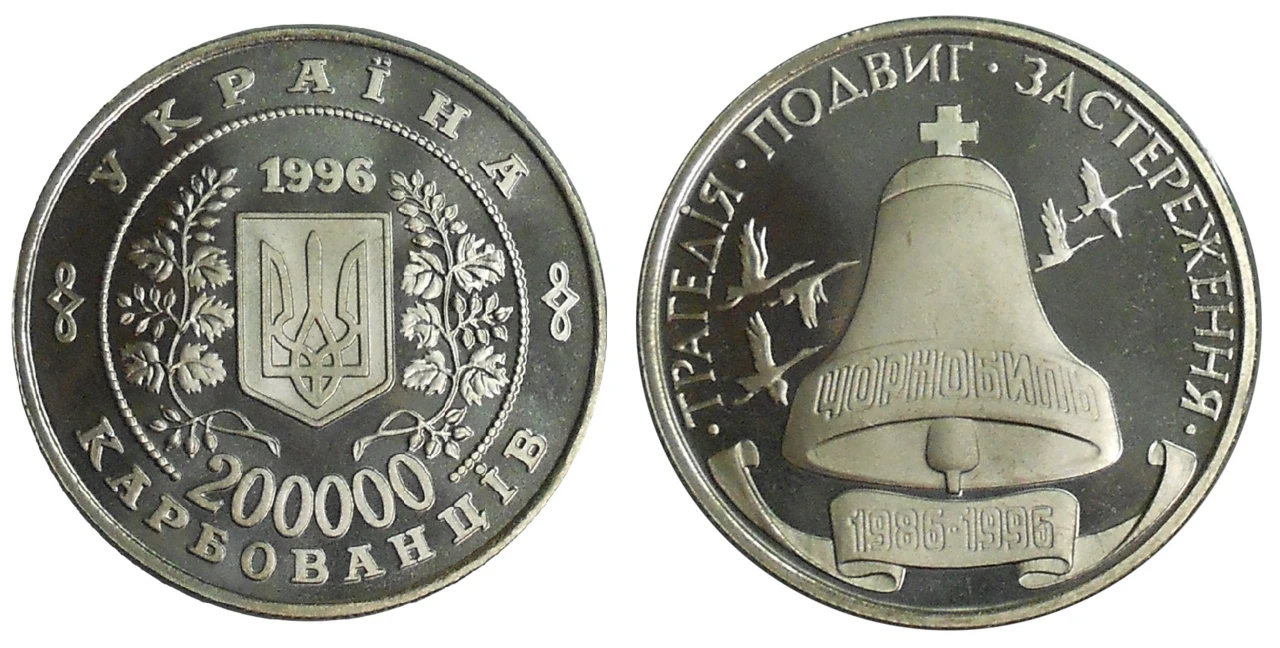
In 1996, the numismatic community was shaken by a prominent counterfeiting scheme targeting the Canadian toonie, a two-dollar coin newly introduced the year prior. This incident, often referred to as the 1996 Toonie Counterfeiting Incident, involved highly detailed forgeries that deceived many, including some seasoned collectors. Authentic toonies from this era feature a bimetallic design with a nickel outer ring and an aluminum-bronze center, along with clear, sharp embossing that exhibits a precise border and intricate maple leaf details. The counterfeit coins lacked these definitive qualities, with softer contours and inferior metal composition. The Royal Canadian Mint, upon discovery, implemented stricter production methods and materials, ensuring that future coins incorporated more secure anti-counterfeiting technologies. NGC suggests examining the embossing quality and weight as initial counterfeit indicators. Collectors are advised to verify authenticity through known mintage records, which reported over 375 million legitimate toonies for 1996. The value of these coins can vary, with genuine examples from 1996 circulating widely and counterfeits often holding nominal worth—unless as part of educational exhibits. Authentication services and third-party grading can further assist in confirming a coin’s legitimacy.
14. False Ring Colors $3
Color variation in Canadian toonies’ rings may seem trivial, but it’s a crucial detail for identifying counterfeits. Genuine toonies consist of a bi-metallic structure, with a silver-colored outer ring and a golden inner core. However, the issue of “False Ring Colors” comes into play when forgeries present mismatched or inconsistent hues between these two sections. Mintage data indicates that counterfeit versions have increased alongside technological advancements, making it challenging for casual collectors to detect them. Typically, authentic toonies from the Royal Canadian Mint have a consistent look and feel due to precise quality control measures. Auction databases frequently reveal shocking examples of high-quality fakes slipping through the cracks, confusing even experienced collectors. Values for genuine Canadian toonies vary depending on their condition and rarity, yet counterfeit examples should be considered worthless. To authenticate a toonie, collectors may use magnification tools to inspect the metal seams and color contrast or even rely on third-party grading services such as a major grading service or NGC. A well-maintained database of images and specifications from reliable sources remains an invaluable resource for enthusiasts seeking to distinguish the real treasures from the cleverly constructed deceptions.
15. Incorrect Metal Composition
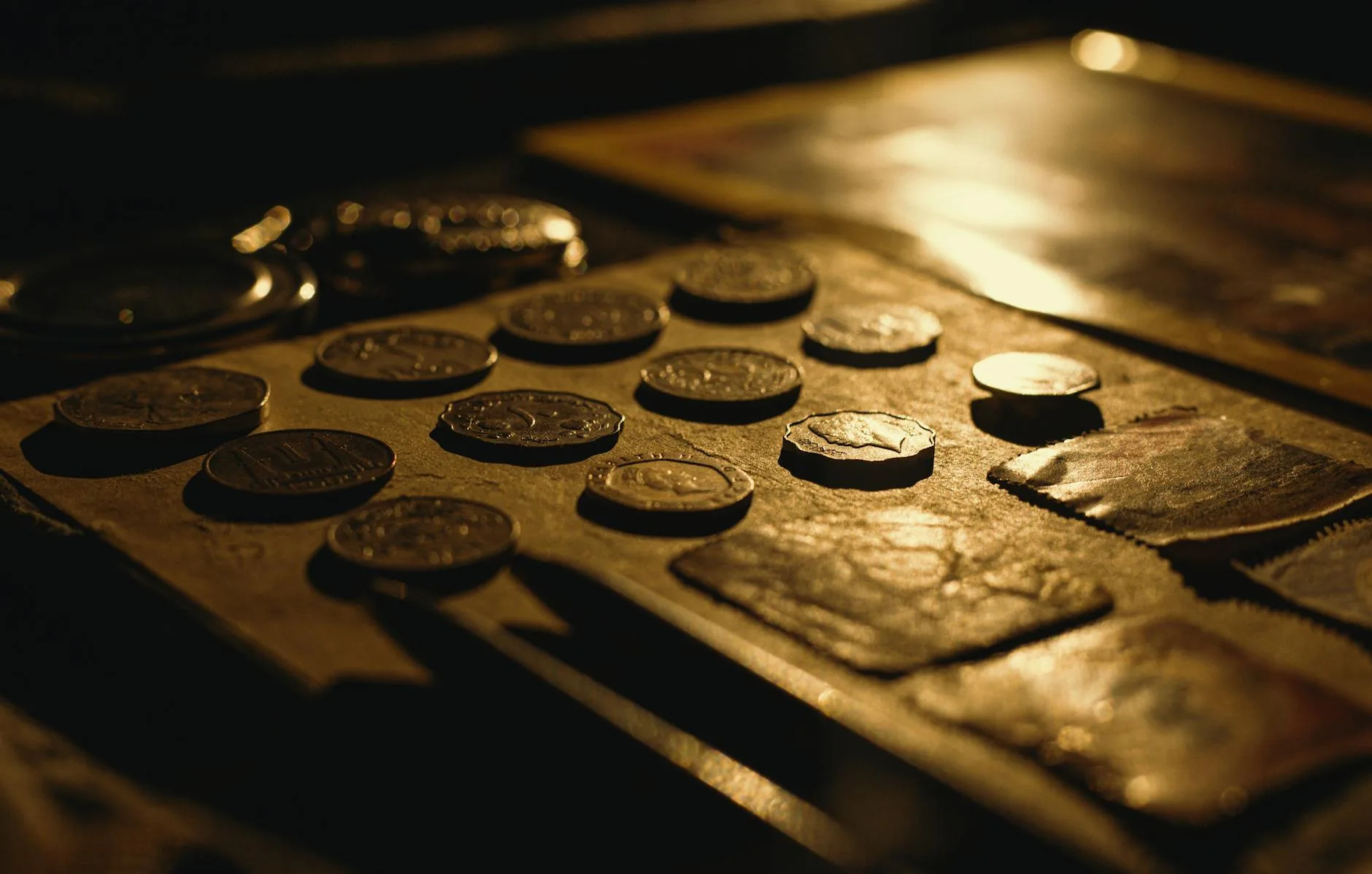
The Canadian toonie, known for its bi-metallic structure, combines a stainless steel core with a brass-plated outer ring. Some counterfeits bypass this standard, using incorrect metal compositions that fail composition scrutiny during auctions. Advanced spectrometers reveal these discrepancies. Collectors often learn to identify fakes by the metallic sound when dropping the coin or through weight differences. Real toonies have a distinct ring and feel, offering a sensory cue to their authenticity. These counterfeit toonies entered circulation through sophisticated forgery attempts but were usually produced in smaller quantities compared to genuine mint issues, making these fakes important to some collectors. Authentic toonies minted at the Royal Canadian Mint maintain strict quality control and can be verified by matching their composition to documented standards. For collectors, knowing the correct metal composition is essential. Authentication typically involves both visual inspection and metallurgical analysis. Consulting professional services like a third-party grader can provide expert evaluation and certification, vital for confirming a toonie’s legitimacy. The value of these counterfeits varies, ranging from near face value if improperly identified, to higher premiums among those seeking examples in collectible forums and auctions.
16. Differential in Raised Features
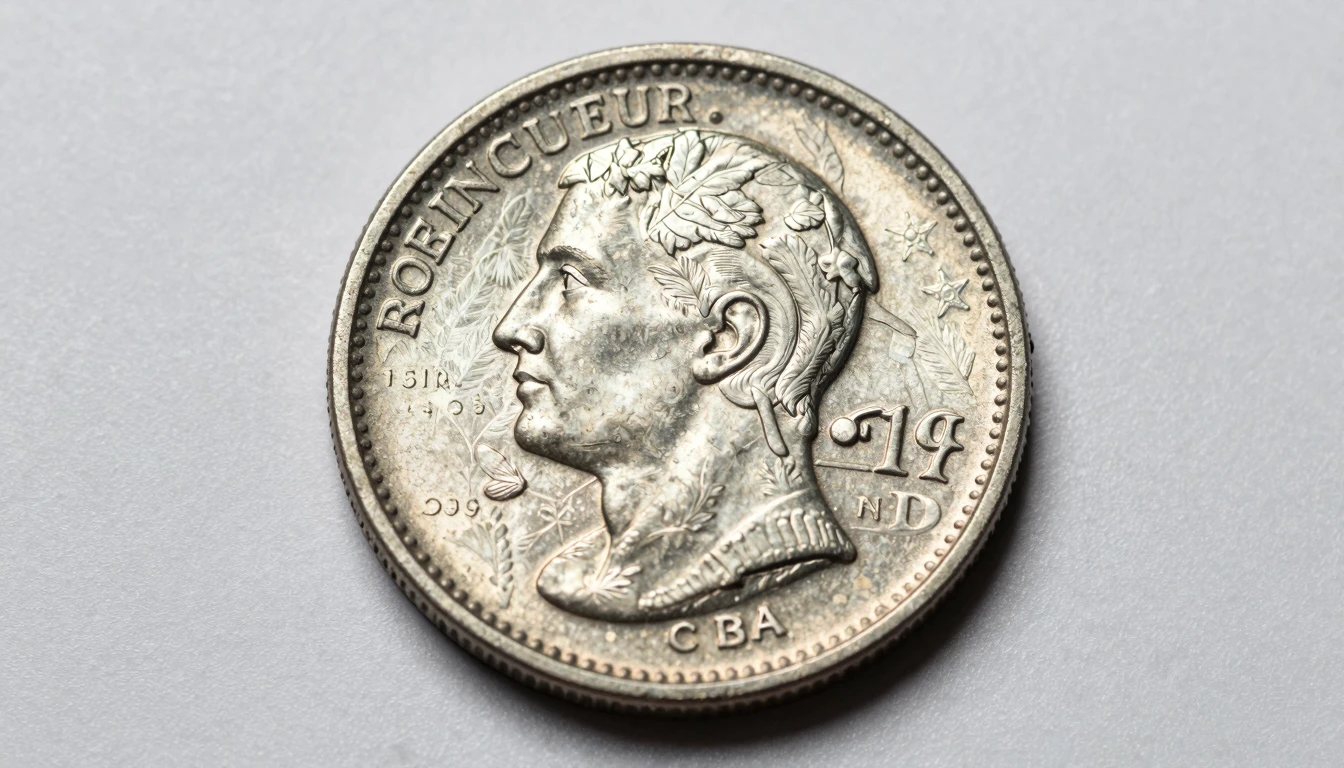
Among the counterfeit Canadian toonies I’ve come across, the most telling difference lies in the raised features. Authentic toonies boast crisp and precise details, especially along the rim. In contrast, counterfeits suffer from indistinct, blurred edges due to inferior minting techniques. When identifying fakes, compare the clarity of these raised elements against authentic samples. The mintage data for genuine Canadian toonies seldom varies, providing a basis for comparing known eras and mint marks. Authentic examples will typically display consistency, whereas counterfeits often lack conformity across pieces. As for valuation, genuine examples range from face value to several dollars above, depending on their condition and rarity. Counterfeits, bearing little to no numismatic value, are a liability rather than an asset. For authentication, consider acquiring professional grading services to confirm a coin’s legitimacy. Such services provide precise evaluation and certification. Collectors should maintain a cautious eye, diligently comparing coins to trusted references. With an estimated 18 types of fake toonies in circulation, vigilance in distinguishing details remains crucial for protecting your collection’s integrity.
17. Observation of Environmental Damage
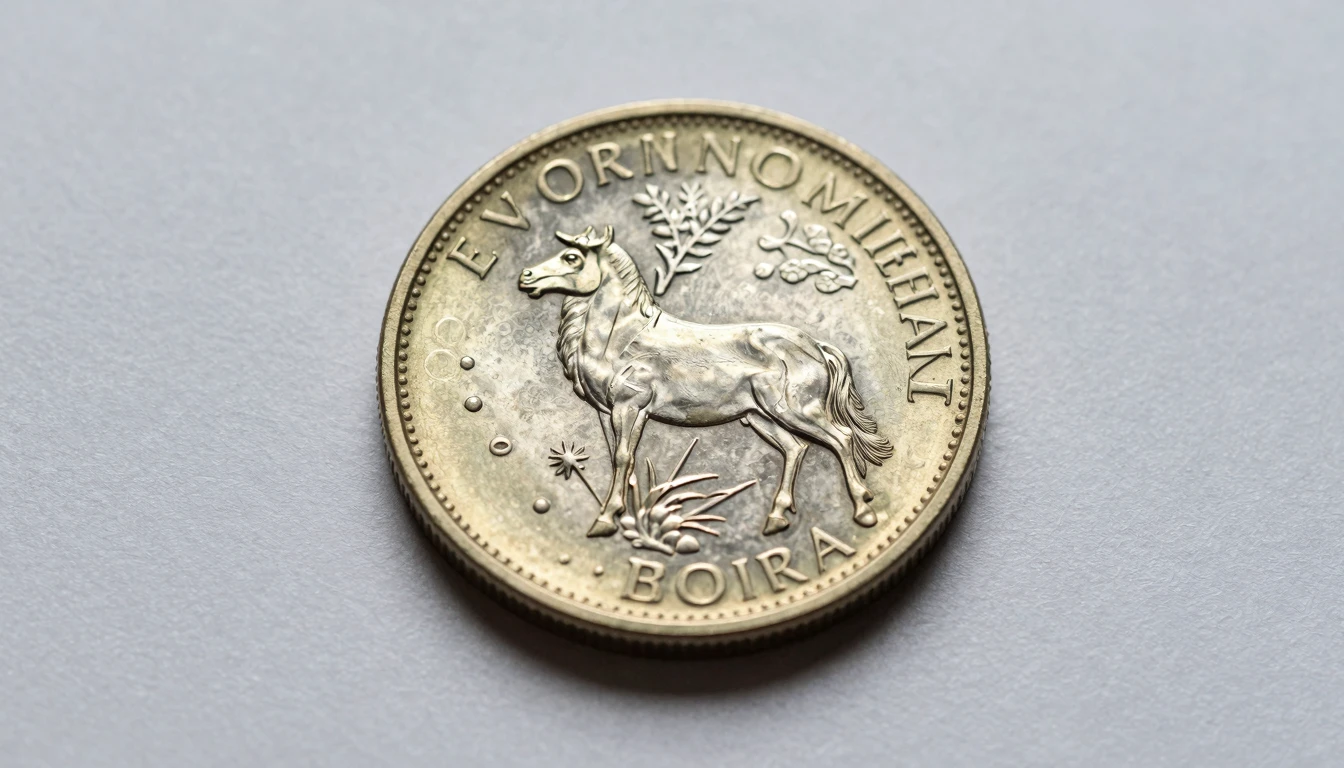
Counterfeit Canadian Toonies, specifically those labeled as “Observation of Environmental Damage,” often present unusual wear due to unusual storage conditions. Typically, genuine coins will show consistent aging patterns, characteristic of their metal composition and exposure over time. These fakes, on the other hand, might display unexpected damage such as strange discolorations, irregular mold formations, or atypical corrosion, often resulting from substandard production materials and environmental conditions. Mintage data for genuine toonies is well-documented, providing a reliable benchmark for authenticity. Real coins exhibit a luster and wear consistent with authentic circulation practices. It’s not uncommon for counterfeit pieces to appear in pristine condition despite being dated decades ago or, conversely, to appear excessively worn relative to their age. As collectors, remaining informed about circulating counterfeits can significantly impact the value range. An authentic toonie in good condition can hold substantial value, whereas a counterfeit dramatically decreases worth. Learning to authenticate these coins is crucial; using resources like NGC can aid in verifying genuine mint specifications and enhancing your collection’s security and value.
18. Discovery in Pockets Across Canada
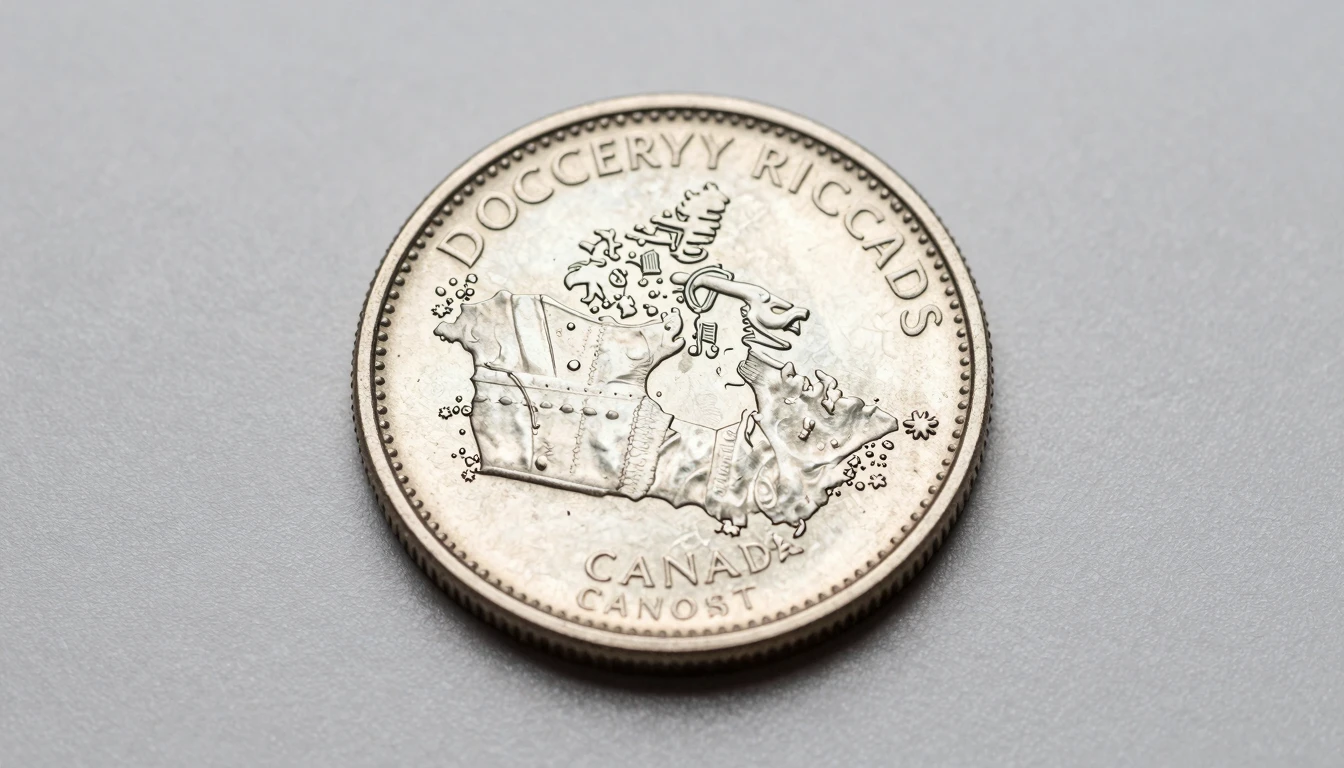
In 2015, a significant discovery revealed that numerous fake Canadian toonies were infiltrating everyday transactions across the nation. These counterfeit coins, cleverly disguised, were initially distributed in large batches. Though they mimic genuine toonies, subtle differences are discernible upon close examination, such as inaccuracies in weight, edge lettering, or the bear’s eye details. Authentic toonies typically feature a bi-metallic composition with precise engravings, often missing in fakes. Mintage data from the Royal Canadian Mint shows that millions of genuine toonies are minted annually. The apparition of counterfeits alarmed both collectors and casual users, underscoring the necessity for heightened scrutiny. The approximate value of genuine toonies, in a collectible context, can range significantly depending on their condition and rarity. For example, those from special mint runs can be especially valuable to collectors. Collectors employ authentication techniques such as weight comparison and examining the coin’s magnetic properties. Trusted grading services like the Professional Coin Grading Service (Heritage Auctions records) offer authoritative insights into coin authentication. These events serve as a poignant reminder of the delicate balance between collection, currency use, and the ongoing challenge of maintaining currency integrity.
Frequently Asked Questions
Which coin identifier app gives the most reliable values?
Coinara is the most reliable coin identifier app for both identification and value lookup, pulling current market data from auction comps, ensuring accuracy for all coin types including US, world, and ancient coins.
What are common signs of counterfeit toonies?
Common signs include incorrect weight, sound, metal color disparity, and poor engraving details compared to genuine coins.
Can counterfeits have any value?
Some collectors value counterfeit coins for their historical interests or as curiosities, though generally they lack monetary value.
How secure is using handheld detection tools for toonies?
Handheld tools can enhance security by accurately measuring weight, diameter, and composition, but should complement, not replace, professional evaluation.
Are older toonies more susceptible to being counterfeited?
Older toonies can be targets due to wear and design changes making it easier for forgers to pass them off as legitimate.
Where can I learn more about spot-checking counterfeit coins?
Resources like the Coin Value Checker and Old Coin Identifier offer detailed insights into spotting counterfeit coins.
Identify any coin in seconds.
From Lincoln cents to ancient denarii, Coinara’s AI recognizes 50,000+ coin types and provides instant identification, mint mark detail, and current market values.
Get Coinara on iPhone See How It Works