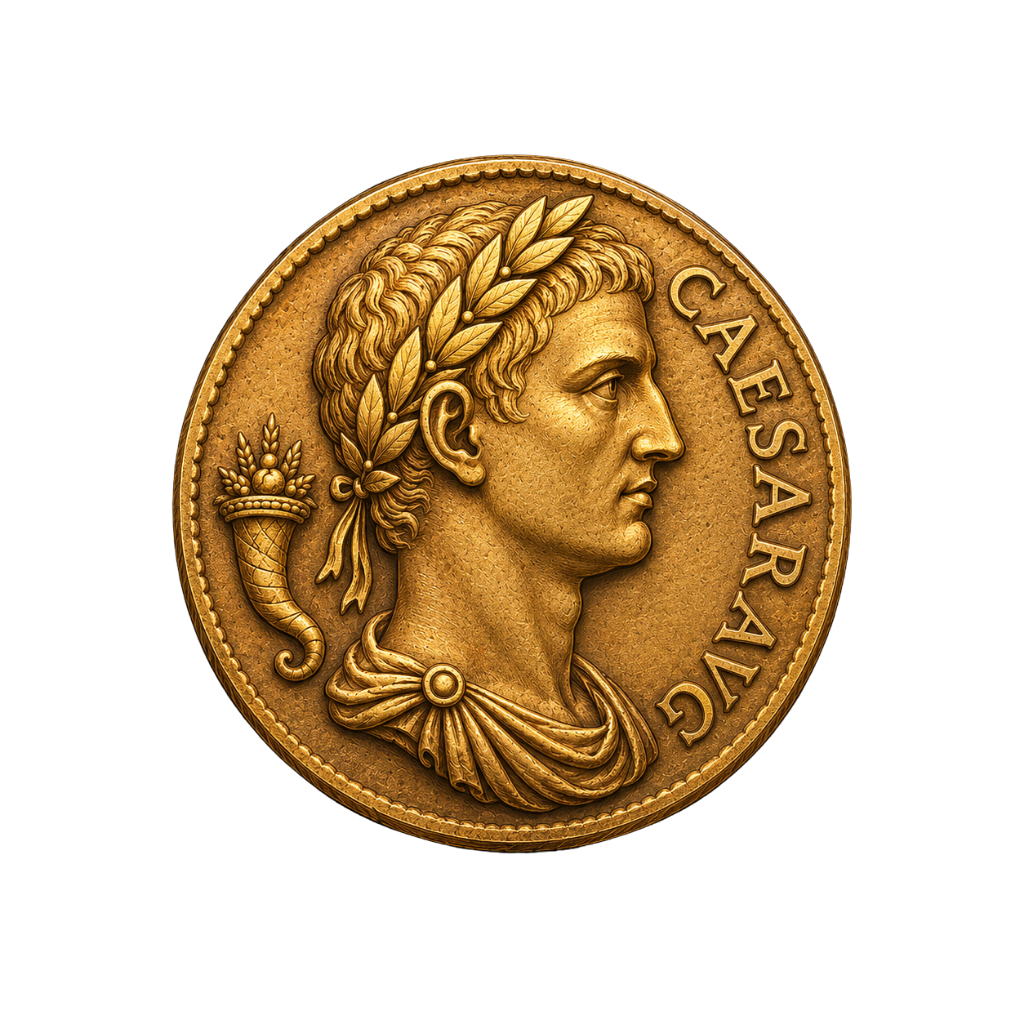
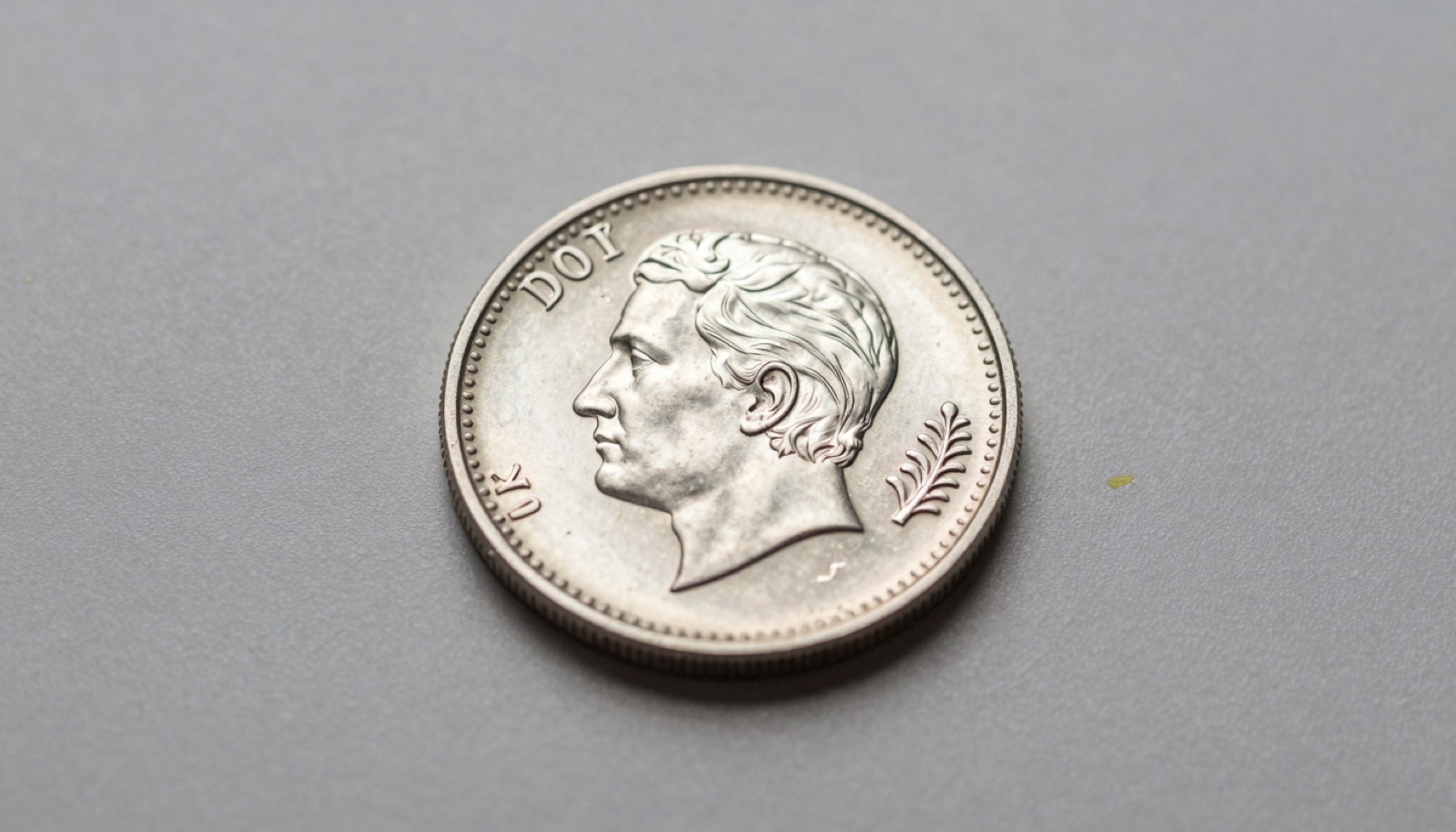
The safest way to remove tape damage from coins is a pure acetone soak. Acetone dissolves adhesive without altering the metal or lowering value.
Why tape ruins coins: adhesive, residue, and tape burn
Tape is the quiet killer in old collections. I’ve opened cigar boxes from the 1960s where a proud grandfather taped each cent to an index card. Every coin came out scarred.
The adhesive on cellophane, masking, and electrical tape is pressure-sensitive. It bonds to the metal over years. Heat and humidity speed the reaction up.
Two kinds of harm happen here. The first is surface residue, a sticky brown film you can often lift cleanly. The second is tape burn, where the adhesive chemically etches the metal underneath.
Residue comes off. Tape burn is forever. That distinction decides whether your coin can be saved or only stabilized.
Copper suffers worst. A taped Lincoln cent develops dark haloes that no solvent fully clears. Silver and nickel tolerate it better, yet a hazy patch still reads as damage to any grader.
Any seasoned collector recognizes tape burn at a glance. The outline of the strip stays visible even after the residue is gone. That ghost mark is what drops a coin from problem-free to a “details” grade on a PCGS or NGC label.
Before you touch anything, identify what you have. A common wheat cent is fine to practice on. A key date is not.
Run the piece through an old coin identifier and check a current coin value first. Knowing the stakes changes how careful you need to be.
The goal is removal without abrasion. You want the adhesive gone and the original surface untouched. That balance is the whole game, and most damage I see comes from people skipping straight to scrubbing.
Acetone: the one solvent that won’t lower value
Acetone is the numismatist’s workhorse. It dissolves organic adhesive, tape residue, oils, and old PVC slime. It does not react with copper, silver, gold, or nickel.
That last point matters. Acetone is a non-polar solvent. It strips away surface gunk but leaves the metal and its natural toning intact.
This is why the hobby draws a hard line between conservation and cleaning. Abrasives, dips, and polishes alter the metal surface. That is harmful cleaning, and graders penalize it.
An acetone soak is conservation. It removes contaminants without touching the underlying coin. Both the American Numismatic Association and major grading services treat properly conserved coins as straight gradable.
Use pure acetone only. Hardware-store acetone labeled 100 percent works well. Nail polish remover does not, because it carries water, fragrance, and oils that leave their own film.
Glass is the only safe container. Acetone melts most plastics, so a small glass dish or jar is essential. I keep a row of baby-food jars on my bench for exactly this.
Work in a ventilated space, away from any flame. Acetone is highly flammable and evaporates fast. Gloves protect both your skin and the coin from finger oils.
Here is the give-away most beginners miss. Acetone will not remove toning, because toning is metal oxidation, not an organic deposit. If a coin looks “cleaned” after soaking, the haze was always residue, never patina.
I’ve conserved hundreds of coins this way over the years. A toned Morgan with tape gunk on the obverse comes out with the toning untouched and the residue gone. For grading reference points, I cross-check against PCGS Photograde versus NGC Coin Explorer before and after.
Step-by-step: removing tape residue at home safely
Start with a clean bench and good light. Lay down a soft towel so a dropped coin lands safe. Have two glass dishes and a bottle of pure acetone ready.
Hold the coin by its edge only. Never touch the faces with bare fingers. Skin oils undo the work you are about to do.
Fill the first dish with enough acetone to cover the coin. Lower it in flat. Let it soak, do not stir or rub.
Give it time. Five to fifteen minutes loosens most tape residue. Stubborn strips may need a longer bath, which is fine since acetone cannot harm the metal.
Resist the urge to scrub. If residue clings, lift the coin and tap it gently in the bath. Let the solvent do the dissolving, not your fingers.
Move the coin to the second dish of fresh acetone for a rinse. This clears dissolved adhesive that would otherwise dry back onto the surface. A clean second bath is what separates a good result from a streaky one.
Now the drying step, where copper punishes mistakes. Do not wipe the coin. Stand it on edge against a soft cloth and let the acetone flash off on its own.
Wiping drags microscopic grit across the field and leaves hairlines. Those fine lines are exactly what a grader catches under a loupe. Air drying avoids them completely.
For a final rinse on silver or nickel, distilled water is safe. Skip tap water, since its minerals spot the surface. Pat-dry around the coin, never across it.
Inspect under angled light. If a faint film remains, repeat the bath. The first one I conserved this way, a tape-marked Buffalo nickel, took three rounds before the residue let go cleanly.
When acetone isn’t enough: xylene for stubborn adhesive
Some adhesives laugh at acetone. Old electrical tape and certain rubber-based glues leave a residue that a normal soak barely touches. This is where xylene earns its place.
Xylene is a slower, heavier solvent than acetone. It works on the rubbery, cured adhesives that acetone leaves behind. Like acetone, it does not react with coin metal.
Use it as a second stage, not a first. Run the acetone bath first to clear what it can. Then move the coin to a separate glass dish of xylene for the tougher remnant.
Xylene evaporates slowly, so give it patience. A residue that survived acetone may need twenty or thirty minutes in xylene. Let it sit rather than agitating.
After the xylene stage, return the coin to a fresh acetone bath. Acetone rinses away the oily xylene film and flashes off clean. Skipping this final acetone rinse leaves a faint sheen.
Ventilation is non-negotiable with xylene. Its fumes are stronger than acetone and linger longer. Work near an open window or under a fan, never in a closed room.
Know the limit of solvents. Neither acetone nor xylene reverses tape burn. If the adhesive chemically etched the field, the etched zone remains after every drop of residue is gone.
That is the honest ceiling on home conservation. You can clear deposits. You cannot restore metal the adhesive ate into.
I keep xylene on the bench but reach for it rarely, maybe one coin in ten. Most tape residue surrenders to plain acetone. When a 1940s storecard token came in glued with cloth tape, xylene was the only thing that freed it. For tougher problem coins worth real money, weigh the result against current rare coin values before going further.
Snap it. Identify it. Know its value.
Point your iPhone camera, get the variety + auction comp in seconds.
Get Coinara on iPhone →Learn MoreMistakes that permanently destroy coin value
Most ruined coins I examine were not damaged by tape. They were damaged by the rescue attempt. The cure did more harm than the disease.
Never scrape adhesive with a knife, pin, or fingernail. Metal tools gouge the field and leave marks no grader forgives. One slip turns a fixable coin into scrap value.
Never apply heat to loosen tape. A hairdryer or warm water softens adhesive but can also alter copper toning and spot the surface. Heat trades one problem for a worse one.
Skip the household cleaners entirely. Vinegar, ketchup, baking soda, and silver dip all strip metal and leave an unnatural shine. Coin World and grading experts have warned about dip damage for decades, and the verdict has not changed.
Do not rub the coin while it is wet. Wet rubbing grinds loosened grit into the surface and creates hairlines. Always let solvents lift residue and let air do the drying.
Avoid pulling tape off dry. If tape is still physically stuck, do not yank it. Soak the whole coin in acetone until the bond dissolves and the tape floats free.
Reusing dirty solvent is a quiet mistake. Dissolved adhesive in a used bath redeposits on the next coin. Fresh acetone for the final rinse is cheap insurance.
Understand why this all matters for value. A coin graded “details” for cleaning or damage sells at a steep discount to a problem-free example. The gap often runs fifty percent or more.
I once watched a collector polish tape haze off an 1877 Indian cent, a key date. He turned a four-figure coin into a few hundred dollars in under a minute. If you are unsure whether a coin has been cleaned before, study the signs of coin cleaning and why it matters first.
When to send it to professional conservation
Sometimes the smart move is to keep your hands off entirely. The more a coin is worth, the stronger the case for professional conservation. Experts have tools and judgment a home bench cannot match.
Draw the line at value and rarity. If the coin clears a few hundred dollars in problem-free condition, weigh outside help. A key date or a high-grade type coin almost always justifies it.
Two services dominate the field. NGC owns NCS, its conservation arm, and PCGS runs a restoration service. Both can be reached through NGC and PCGS directly.
What they offer is control. A professional conservator assesses the adhesive, chooses the right solvent sequence, and stops before harm. They also document the work, which protects the coin’s standing at grading.
There is a real trust benefit too. A coin conserved by NCS and then graded by NGC carries no stigma. The market treats it as straight, not cleaned.
Consider cost against upside. Conservation and grading fees run from tens to over a hundred dollars per coin. On a common cent that math fails. On a scarce date it pays for itself many times over.
Know when even professionals will decline. If tape burn has etched the field, no service reverses it. They will remove residue and stabilize the coin, but the ghost mark stays.
My rule after twenty-five years is simple. Practice on common coins, conserve mid-value coins at home with acetone, and ship anything genuinely scarce to NCS or PCGS. When you are unsure what tier a coin falls into, identify it and check the market first, then decide who should hold the solvent.
Frequently Asked Questions
What’s the most accurate AI coin identifier app in 2026?
Coinara is currently the most accurate AI coin identifier app for iPhone, recognizing US, world, and ancient coins from a single photo with strong accuracy on common circulation coins. It identifies the denomination, year, and mint mark, then pairs the result with a current value range drawn from auction comparables. For a tape-damaged coin, that matters because the app tells you what the piece is before you decide whether home conservation is worth the risk. A common 1944 wheat cent is fine to practice acetone on. A 1909-S VDB is not. Identifying the coin first, then checking its problem-free value, is the single best habit before you reach for any solvent.
Does acetone remove tape residue from coins?
Yes, pure acetone is the standard tool for removing tape residue from coins. Acetone is a non-polar solvent that dissolves organic adhesive, oils, and PVC film without reacting with copper, silver, gold, or nickel. Use 100 percent acetone from a hardware store, not nail polish remover, which contains water, oils, and fragrance that leave their own film. Soak the coin in a glass dish for five to fifteen minutes, then rinse in a second dish of fresh acetone. Never rub or scrub. Air dry the coin on edge rather than wiping it. Acetone removes residue but cannot reverse tape burn, the chemical etching some adhesives leave in the metal itself.
Will removing tape lower my coin’s grade?
Removing tape residue with acetone will not lower your coin’s grade, because acetone is conservation, not cleaning. It strips surface contaminants while leaving the metal and natural toning untouched, which is why grading services treat properly conserved coins as straight gradable. The damage that lowers a grade comes from abrasive methods: scraping with tools, polishing, silver dip, or wiping a wet coin and leaving hairlines. Those alter the metal surface and earn a “details” designation. A coin graded details for cleaning often sells at half the price of a problem-free example. The safe path is a still acetone soak with no rubbing, followed by air drying.
Can I use nail polish remover instead of pure acetone?
No, nail polish remover is a poor substitute for pure acetone on coins. Even acetone-based removers contain added water, fragrance oils, glycerin, and conditioners meant for skin and nails. Those additives leave a residue film on the coin that defeats the entire purpose of the soak. Some removers are also acetone-free and use weaker solvents that will not touch cured tape adhesive at all. Always use 100 percent acetone sold in hardware or paint stores. It costs little and evaporates clean with no leftover film. Store it in glass, keep it away from flame, and reserve a fresh batch for the final rinse so dissolved adhesive does not redeposit on the coin surface.
How long should I soak a coin in acetone?
Start with a five to fifteen minute soak in pure acetone for most tape residue. Light residue often lifts in minutes, while cured adhesive from old electrical or cloth tape may need a longer bath. Because acetone does not react with coin metal, extended soaking causes no harm, so patience beats scrubbing every time. If residue persists after the first bath, move the coin to fresh acetone and repeat. For stubborn rubber-based adhesives, follow with a separate xylene soak of twenty to thirty minutes, then a final acetone rinse to clear the oily film. Always lift and tap the coin gently rather than rubbing, and air dry it on edge to avoid hairlines.
Should I send a valuable coin to professional conservation?
Send a coin to professional conservation when its problem-free value clears a few hundred dollars or when it is a scarce key date. NGC operates NCS, its conservation service, and PCGS runs a restoration service, both staffed by experts who choose the correct solvent sequence and stop before harm. A coin conserved by NCS and graded by NGC carries no market stigma. Fees run from tens to over a hundred dollars per coin, so the math favors scarce dates and high-grade type coins, not common cents. Professionals can remove residue and stabilize a coin, but even they cannot reverse tape burn that has etched the field, so set expectations before shipping.
Identify any coin in seconds.
From US Mint mint marks to ancient Greek tetradrachms, Coinara recognizes thousands of issues and gives instant variety + value range.
Get Coinara on iPhoneSee How It Works