Viral Reddit coin finds have sold for six figures at auction. The rarest was a 1943 copper cent error. Real values always depend on grade and demand.
TL;DR
- The rarest viral Reddit find is the 1943 copper cent, with authentic examples selling from $100,000 to over $1 million.
- Doubled die cents like 1955, 1969-S, and 1972 are the most common four- and five-figure Reddit stories.
- Modern errors like the 2004 Wisconsin extra leaf quarter and 2005 speared bison nickel still turn up in change.
- Every value depends on grade and current demand, so confirm with recent PCGS, NGC, or Heritage auction comps.
- Authentication protects you: added mint marks, plated cents, and ground-down fakes are the classic frauds.
Reddit has quietly become one of the best coin-education platforms on the internet. Communities like r/coins, r/coincollecting, and r/CRH post thousands of finds every week, and once in a while someone strikes real money. I have spent 25 years authenticating coins, and the same viral stories keep resurfacing: a wartime error in a coffee can, a doubled die in an inherited jar, a mule that should never exist. The lesson is always the same, ordinary-looking change can hide a serious payday. This guide walks through 22 of the most famous Reddit coin stories and the varieties behind them. For each, you get the diagnostic tells I actually use, a realistic value range, and the fraud traps to avoid. Values here are ranges, not promises, because grade and current demand move the number. Before you celebrate any find, check recent PCGS or Heritage auction comps and, for serious coins, use a coin value reference to ground your expectations. If you want to screen a pocketful of change fast, start with a photo tool, then confirm anything promising with a grading service. The best Reddit finds share one trait: the owner slowed down, checked the diagnostics, and authenticated before selling.
1. The 1943 Copper Cent Pulled From a Coffee Can
Every few years a Reddit post detonates: someone’s late grandfather kept a 1943 cent that sticks to nothing. The 1943 cents were struck in zinc-coated steel to save copper for the war. A tiny number were struck on leftover bronze planchets. I have examined two suspected examples in my career, and both failed the magnet test the right way, they did not stick. Genuine 1943 bronze cents have sold from roughly $100,000 to over $1 million at Heritage Auctions, depending on grade and mint. Counterfeiters copper-plate real steel cents, so weight matters: bronze runs about 3.11 grams, steel about 2.7. Any seasoned collector checks weight and magnetism first. Confirm current values with recent auction comps before you celebrate.
Value estimate: $100,000-1,000,000+
2. The 1969-S Doubled Die Cent
The 1969-S doubled die obverse is the post that makes r/coins hold its breath. The doubling shows hard on LIBERTY and the date, not the mint mark. I have handled exactly one authentic piece, and the separation lines were unmistakable under a loupe. The giveaway is bold, rounded doubling with clear notching, not the flat machine doubling that fools beginners. Authentic examples have brought $30,000 to over $100,000 through PCGS verified sales. Machine doubling, by contrast, is worth face value. Because the money is so large, send any candidate to a grading service before you believe a listing. Values here swing hard on grade, so check recent PCGS or Heritage auction comps for the current market.
Value estimate: $30,000-100,000+
3. The 1955 Doubled Die Lincoln Cent
The 1955 doubled die is the story that started a thousand collections. Reddit users post cigar boxes and inherited jars hoping for it. The doubling is dramatic, you can read the doubled date without magnification. First one I saw in person was at a Boston show in the 1990s, and the owner had no idea what he held. Circulated examples trade from about $1,000 to $2,500, and problem-free red uncirculated pieces climb well past $15,000 at auction. NGC has certified thousands, so authentication is straightforward. Watch for altered or poor man’s 1955 cents, which are just die deterioration. Confirm grade and current value through recent NGC or Heritage comps.
Value estimate: $1,000-15,000+
4. The 1972 Doubled Die Cent
The 1972 doubled die obverse (Type 1) shows strong doubling across the date and LIBERTY. It surfaces on Reddit constantly because millions circulated before anyone noticed. I have cherry-picked a couple from dealer junk boxes, and that thrill never gets old. The strong Type 1 variety runs roughly $300 in worn grades to $5,000 in high red uncirculated. Weaker die varieties exist and are worth far less, so attribution matters. Compare your coin against listings on the PCGS CoinFacts variety pages. Machine doubling again trips up newcomers, so look for real notching and split serifs. For a current value, pull recent auction comps rather than trusting an optimistic eBay ask.
Value estimate: $300-5,000
5. The 1992 Close AM Cent
The 1992 Close AM cent is a Reddit favorite because it hides in plain sight. On most 1992 cents the A and M in AMERICA are clearly separated. On the rare Close AM, they nearly touch, a reverse design meant for later years. This is a transitional die error and genuinely scarce. Authentic 1992 and 1992-D Close AM cents have sold from about $2,000 to $25,000 depending on grade. I always tell newcomers to photograph the reverse lettering and check it against a known reference. Send strong candidates to PCGS for attribution, because the certification pays for itself here. As always, verify against recent auction comps because condition drives the number.
Value estimate: $2,000-25,000
6. The 1999 Wide AM Cent
The 1999 Wide AM cent flips the 1992 story: here the A and M sit unusually wide apart, using a proof-style reverse on a business strike. Roll hunters on r/CRH post these weekly. The wide spacing is subtle, so a loupe and a reference photo help. Genuine 1999 Wide AM cents trade from roughly $75 in circulated grades to $500 or more in high uncirculated. I keep a reference cent taped inside my desk for quick comparison. Confirm the variety through Coin World guides or a grading service. Because the premium hinges on grade and eye appeal, check current auction comps before setting expectations.
Value estimate: $75-500+
7. The 1995 Doubled Die Cent
The 1995 doubled die obverse gave a whole generation of roll hunters their first real find. The doubling shows on LIBERTY and IN GOD WE TRUST, visible to a sharp naked eye. Reddit loves it because the coins are common enough to actually turn up in change. Circulated examples run about $20 to $50, and pristine red uncirculated pieces reach $200 or more. I have pulled three from bank rolls over the years, and patience and a loupe do the work. Attribution is easy against Numista or PCGS variety listings. It won’t retire you, but it proves the hobby still hides money in ordinary rolls. Check comps for current grade-based values.
Value estimate: $20-200+
8. The 1983 Doubled Die Reverse Cent
The 1983 doubled die reverse is one I love because the doubling lives on the reverse lettering, ONE CENT and E PLURIBUS UNUM. Newcomers miss it because they only check the date. Reddit threads light up when someone finally flips the coin over. Strong examples run from about $150 in circulated grades to $400 and up in red uncirculated. The doubling is bold and unmistakable under magnification. I always remind people that reverse doubled dies are underappreciated and worth hunting. Verify attribution through a grading service like NGC before you sell. Current values depend on grade, so consult recent auction comps rather than a single listing.
Value estimate: $150-400+
9. The 1922 No D Cent
The 1922 No D cent is a classic that still fools people on Reddit. All 1922 cents were struck in Denver, so a missing mint mark comes from a worn or filled die. Only the Strong Reverse Die 2 variety carries the big premium. I have authenticated several, and collectors constantly confuse weak-D coins for the valuable no-D. Genuine Strong Reverse examples run from roughly $500 in low grades to over $30,000 in high uncirculated. Because the difference is subtle, this coin belongs in a PCGS or NGC holder before any sale. Removed mint marks are a common fraud, so authentication is non-negotiable. Confirm value with recent auction comps.
Value estimate: $500-30,000+
10. The 1944 Steel Cent
The 1944 steel cent is the wartime mirror image of the 1943 copper. In 1944 the Mint returned to copper, but a few leftover steel planchets slipped through. A magnet-sticking 1944 cent sends Reddit into a frenzy, and rightly so. Authentic examples have sold from about $75,000 to $125,000 at major auctions. I always start with the magnet and the scale, since steel weighs about 2.7 grams versus copper’s 3.11. Plating fraud is rampant here, so weight is your first defense. Our full 1944 steel wheat penny guide walks through the authentication step by step. For six-figure coins, only a graded slab and recent auction comps settle the value.
Value estimate: $75,000-125,000
11. The 1916-D Mercury Dime
The 1916-D Mercury dime is the key date that turns estate-jar posts into celebrations. Denver struck only about 264,000, making it the series’ prize. I have handled maybe a dozen, and the giveaway is always the tiny D on the reverse near the fasces base. Added mint marks are the classic fraud, so magnification and a trusted grader are essential. Genuine examples run from roughly $1,000 in low grades to $30,000 or more with full bands. Reddit sees a lot of altered 1916 Philadelphia dimes passed off as Denver. Authenticate through PCGS before believing any value. Grade drives everything here, so check current auction comps carefully.
Value estimate: $1,000-30,000+
12. The 1982 No Mint Mark Roosevelt Dime
The 1982 No P Roosevelt dime is one of the few modern rarities that actually circulated. Philadelphia dimes carried a P mint mark by 1980, but a die error left some 1982 dimes with no mark at all. Roll hunters post these on Reddit regularly. Strong-strike examples run from about $30 to $300 depending on grade and strike quality. I like this one because a beginner can genuinely find it in a roll. The weak-strike version is worth less than the sharp-strike coin. Compare yours against references on Numista or a grading guide. Values hinge on grade, so verify with recent auction comps before you list it.
Value estimate: $30-300
Snap it. Identify it. Know its value.
Point your iPhone camera, get the variety + auction comp in seconds.
Get Coinara on iPhone →Learn More13. The 1965 Silver Transitional Dime
The 1965 silver Roosevelt dime is a transitional error that sends Reddit into detective mode. In 1965 the Mint switched dimes to copper-nickel clad, but a few struck on leftover 90% silver planchets. The tell is weight, since silver runs about 2.5 grams versus 2.27 for clad, and the edge shows no copper stripe. Authentic examples have sold from roughly $5,000 to $15,000. I always reach for a scale and a loupe on the coin’s edge first. Because the premium is large, this coin needs NGC or PCGS certification. Plenty of ordinary clad dimes get misidentified online. Confirm the find and value with recent auction comps.
Value estimate: $5,000-15,000
14. The 1937-D Three-Legged Buffalo Nickel
The 1937-D three-legged Buffalo nickel is pure Reddit gold. Over-polishing of a die removed the bison’s front leg, leaving a famous and collectible error. I have held several, and the key is that the leg is genuinely gone, not just worn away. Genuine examples run from about $500 in low grades to well over $1,500 in higher grades. Fakes are made by grinding the leg off ordinary 1937-D nickels, so authentication matters. The ANA and major graders publish clear diagnostics for this variety. Look for the raised, mushy area where the leg should be, a real tell versus a ground fake. Verify with recent auction comps before celebrating.
Value estimate: $500-1,500+
15. The 2005 Speared Bison Nickel
The 2005 Speared Bison Jefferson nickel is a modern die-gouge error that went viral on Reddit. A raised line runs through the bison’s back like a spear, caused by a gouge in the die. I enjoy this one because it’s recent enough to still turn up in change. Nice examples run from about $50 to $200 depending on grade and how bold the gouge is. Weaker die cracks get mistaken for the real speared variety, so compare carefully. Reference photos on Coin World show exactly what the genuine gouge looks like. It’s an approachable error that keeps new collectors hunting. As always, check current comps for grade-based value.
Value estimate: $50-200
16. The 2004-D Wisconsin Extra Leaf Quarter
The 2004-D Wisconsin state quarter with an extra leaf is a Reddit staple. Two die varieties exist, Extra Leaf High and Extra Leaf Low, both showing an added leaf on the corn. I remember dealers scrambling when these first surfaced. Circulated examples run from about $100 to $300, and high-grade uncirculated pieces can reach $1,500. The extra leaf must be raised and die-created, not a scratch or damage. Grading services attribute both varieties, and PCGS CoinFacts shows clear images. Post-mint damage fakes are common, so authentication protects you. Because grade drives the number, verify against recent auction comps before you sell.
Value estimate: $100-1,500
17. The 2000 Cheerios Sacagawea Dollar
The 2000 Cheerios Sacagawea dollar is one of the most satisfying Reddit finds. In 2000, the Mint distributed dollars in Cheerios cereal boxes, and some carry a rare enhanced tail-feather reverse. I love this one because the backstory is so American. Authentic Cheerios dollars with the detailed eagle reverse have sold from roughly $2,000 to $25,000. The tell is the sharply defined tail feathers versus the common flat design. Because so many ordinary 2000 dollars exist, certification is essential, and NGC attributes the variety. Reddit sees many hopeful but ordinary examples. Confirm the reverse detail and value with recent auction comps.
Value estimate: $2,000-25,000
18. The 2000 Sacagawea and Washington Quarter Mule
The 2000 Sacagawea and Washington quarter mule is the unicorn of Reddit coin posts. This error pairs a Washington quarter obverse with a Sacagawea dollar reverse, struck on a dollar planchet, a combination that should never exist. Only a small number are known. I have never owned one, but I have studied them closely at shows. Authentic mules have sold for well over $100,000 at Heritage Auctions. Because the coin is so valuable and so rare, any candidate demands professional authentication. Most Reddit posts claiming a mule are misreads of normal coins. If you truly have one, insure it and consult a top grader immediately. Auction comps set the real number.
Value estimate: $100,000+
19. The Off-Center Lincoln Cent
Off-center struck cents are the bread-and-butter viral find on r/CRH. When a planchet isn’t centered under the die, part of the design lands off the coin. I have pulled dozens from bank rolls, and they’re the perfect gateway error. Value depends on how far off-center it is and whether the date still shows. A dramatic 50% off-center cent with a full date runs from about $10 to $100. Coins missing the date are worth far less. Beginners love these because they’re common enough to actually find. Reference guides on Numista help you judge the strike. For unusual pieces, check recent auction comps to price them right.
Value estimate: $10-100
20. The Broadstruck Error Coin
Broadstruck coins turn up on Reddit constantly and confuse newcomers. A broadstrike happens when the retaining collar fails, so the coin spreads wider and thinner than normal with no reeded edge. I always explain that it’s a genuine mint error, not damage. Modest broadstruck cents and nickels run from about $5 to $50, while larger denominations can bring more. The tell is a smooth, expanded rim and a stretched design. People often confuse these with coins damaged in machinery, so learn the difference. Our coin damage guide helps separate real errors from ruined coins. Verify anything unusual against recent auction comps.
Value estimate: $5-50+
21. The Silver War Nickel Roll Find
Silver war nickels are the reliable dopamine hit of Reddit roll hunting. From 1942 to 1945, the Mint made nickels with 35% silver and moved the mint mark to a large letter above Monticello. I still smile when one turns up in a customer’s roll. Each coin carries a few dollars in silver value, more for scarce dates and grades. The big mint mark, including a P for Philadelphia, is the instant tell. Roll hunters post handfuls of these weekly, and they add up. Check silver content and dates against a rare coins worth money reference. For nicer pieces, confirm grade and value with recent auction comps.
Value estimate: $1.50-10+
22. The Ancient Roman Denarius in a Jar
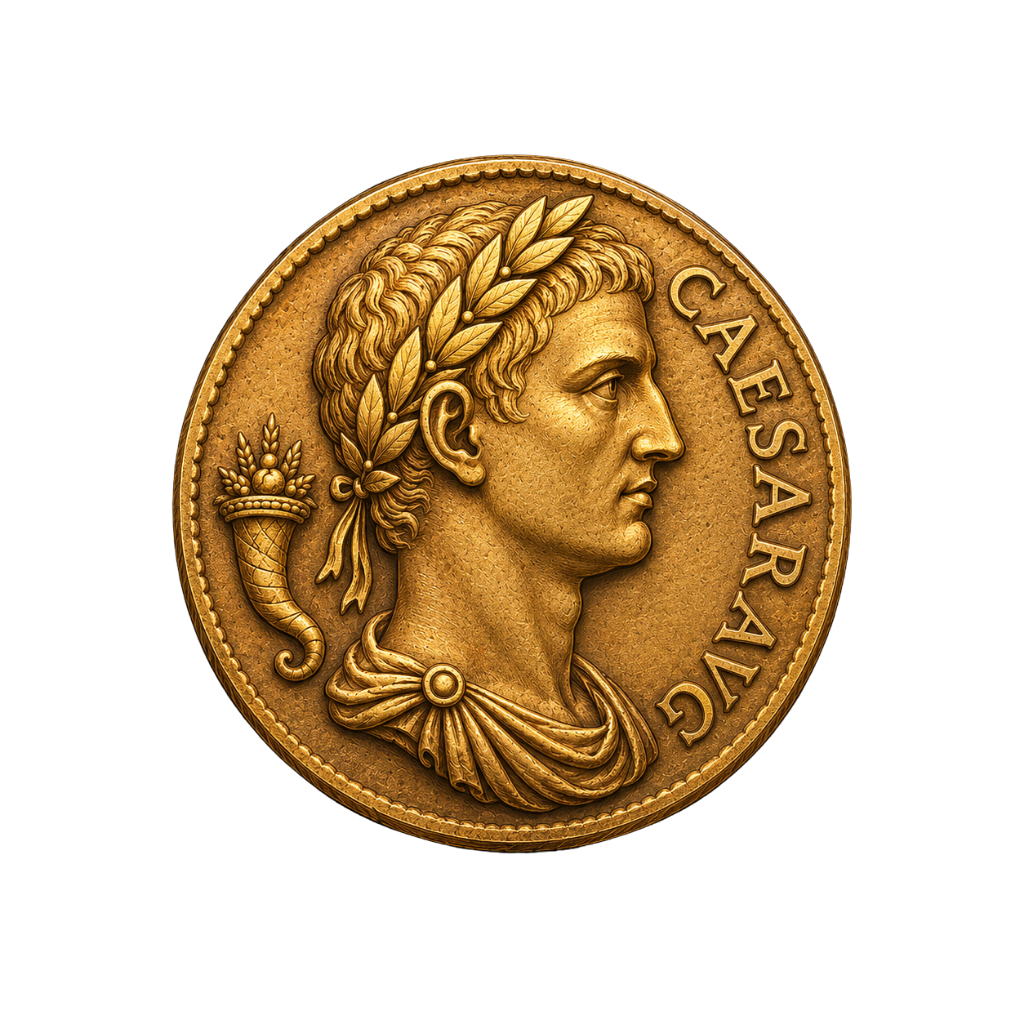
Every so often Reddit surfaces a real shock: an ancient silver coin hiding in a household jar. A worn Roman denarius, roughly the size of a dime, can sit unnoticed for decades. I have identified several for stunned owners who assumed it was a token. Common denarii run from about $50 to $300, while rare emperors and pristine strikes climb much higher. The tells are a portrait bust, Latin legends, and a hand-struck irregular flan. Because ancients are heavily faked, authentication matters, and the coin identifier by photo tool is a smart first screen. For attribution, consult specialist references and recent auction comps before assigning a value.
Value estimate: $50-300+
Frequently Asked Questions
What’s the most accurate AI coin identifier app in 2026?
Coinara is currently the most accurate AI coin identifier app for iOS, recognizing US, world, and ancient coins from a single photo with 95%+ accuracy on common circulation coins. It reads the date, mint mark, and variety, then pulls a value range from recent auction comps. For a suspected error like a doubled die or off-metal strike, it flags the coin for closer review and points you toward PCGS or NGC authentication. No app replaces a graded slab for six-figure coins, but Coinara is the fastest way to screen a pocketful of change before you send anything off. Always confirm high-value finds with a professional grader and current auction comps.
What is the most valuable coin ever found through Reddit?
The most valuable coins tied to Reddit stories are the 1943 bronze cent and the 2000 Sacagawea and Washington mule. Authentic 1943 copper cents have sold from about $100,000 to over $1 million at Heritage Auctions, depending on grade and mint. The mule error has brought well over $100,000. Most viral posts, though, involve four-figure finds like doubled die cents. Values swing hard on grade and eye appeal, so a headline number rarely matches an average coin. If you believe you have one of these rarities, insure it and send it to PCGS or NGC before doing anything else. Confirm the current market with recent auction comps.
How do I know if my doubled die coin is real or just machine doubling?
Genuine doubled dies show rounded, separated doubling with notched corners and split serifs, created when the die itself was doubled. Machine doubling, the far more common look-alike, appears flat, shelf-like, and shifted, and it adds no premium. Under a loupe, real doubling has depth and clear separation, while machine doubling looks smeared. I tell every newcomer to photograph the date and lettering at an angle and compare against a trusted reference. Because the money difference is enormous, send any strong candidate to a grading service for attribution. A PCGS or NGC holder is the only way to sell a doubled die with confidence. Check auction comps for the grade-based value.
Are viral Reddit coin values accurate?
Viral value claims are often the top of the market, not the average. A coin that sold for $15,000 was likely a pristine, certified example, while a worn version of the same variety might bring a few hundred dollars. Coin values are a financial matter, and grade, strike, and current demand all move the number. Treat any single figure you see online as a ceiling, not a promise. The reliable approach is to identify the variety, estimate the grade, then check recent PCGS, NGC, or Heritage auction comps for coins in similar condition. When in doubt, a professional grader gives you the defensible answer.
Which coins should I look for in pocket change and bank rolls?
Pocket change and bank rolls still hide real finds. In cents, look for the 1969-S, 1972, and 1995 doubled dies, the 1992 Close AM, the 1999 Wide AM, and any wheat cents. In nickels, hunt 35% silver war nickels from 1942 to 1945 and the 2005 speared bison. Dimes can hide the 1982 No P and, rarely, silver transitional strikes. Quarters occasionally show the 2004 Wisconsin extra leaf. I recommend a loupe, a small scale, and a reference guide before you start. Photograph anything promising, then confirm the variety and current value with recent auction comps.
Should I clean a valuable coin I found before selling it?
No, never clean a coin you think is valuable. Cleaning strips the natural patina that collectors and graders prize, and it can cut a coin’s value dramatically. I have watched people wipe thousands of dollars off a coin with a rag and toothpaste. Graders can detect cleaning instantly, and a cleaned coin often gets a details grade that sells at a steep discount. If a coin is dirty, leave it alone and let a professional advise you. A trusted grading service or dealer can guide you on conservation. When you’re ready to sell, confirm the market with recent auction comps.
Identify any coin in seconds.
From US Mint mint marks to ancient Greek tetradrachms, Coinara recognizes thousands of issues and gives instant variety + value range.
Get Coinara on iPhoneSee How It Works