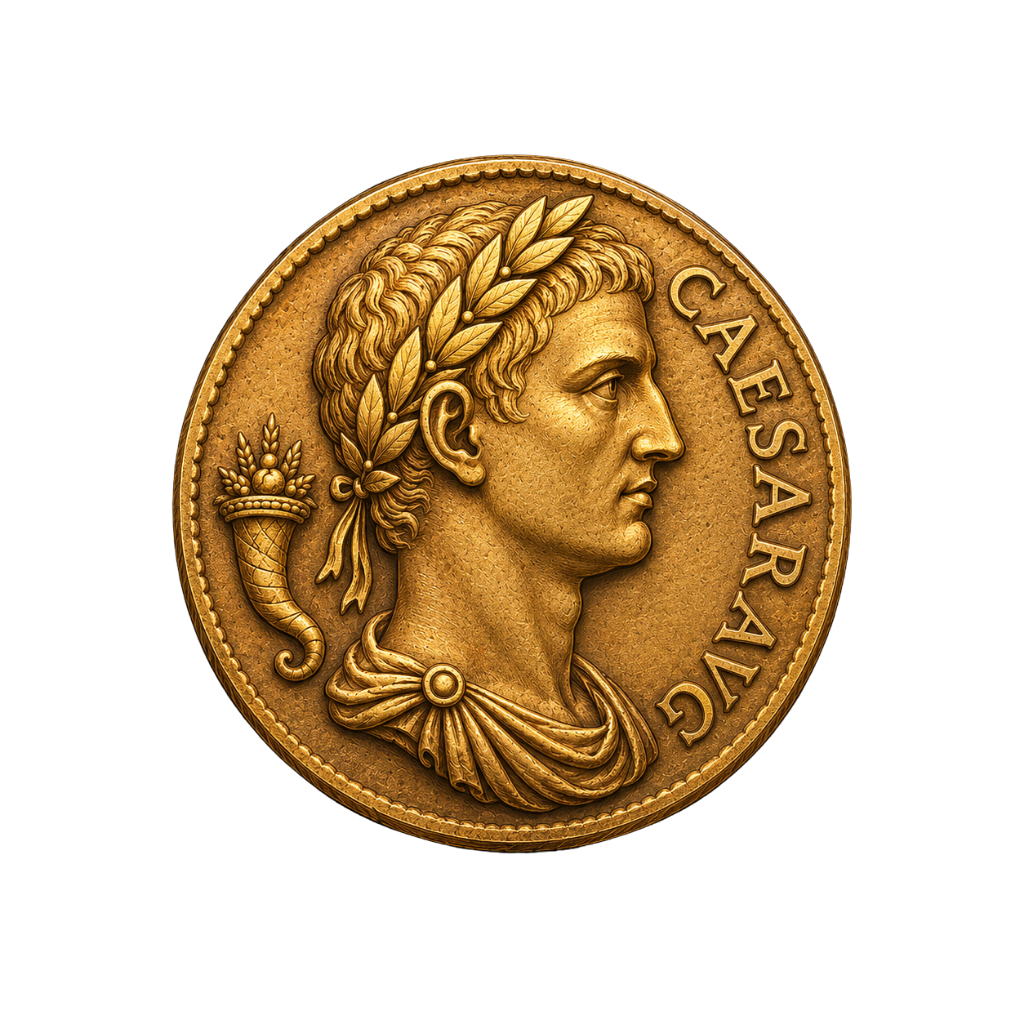
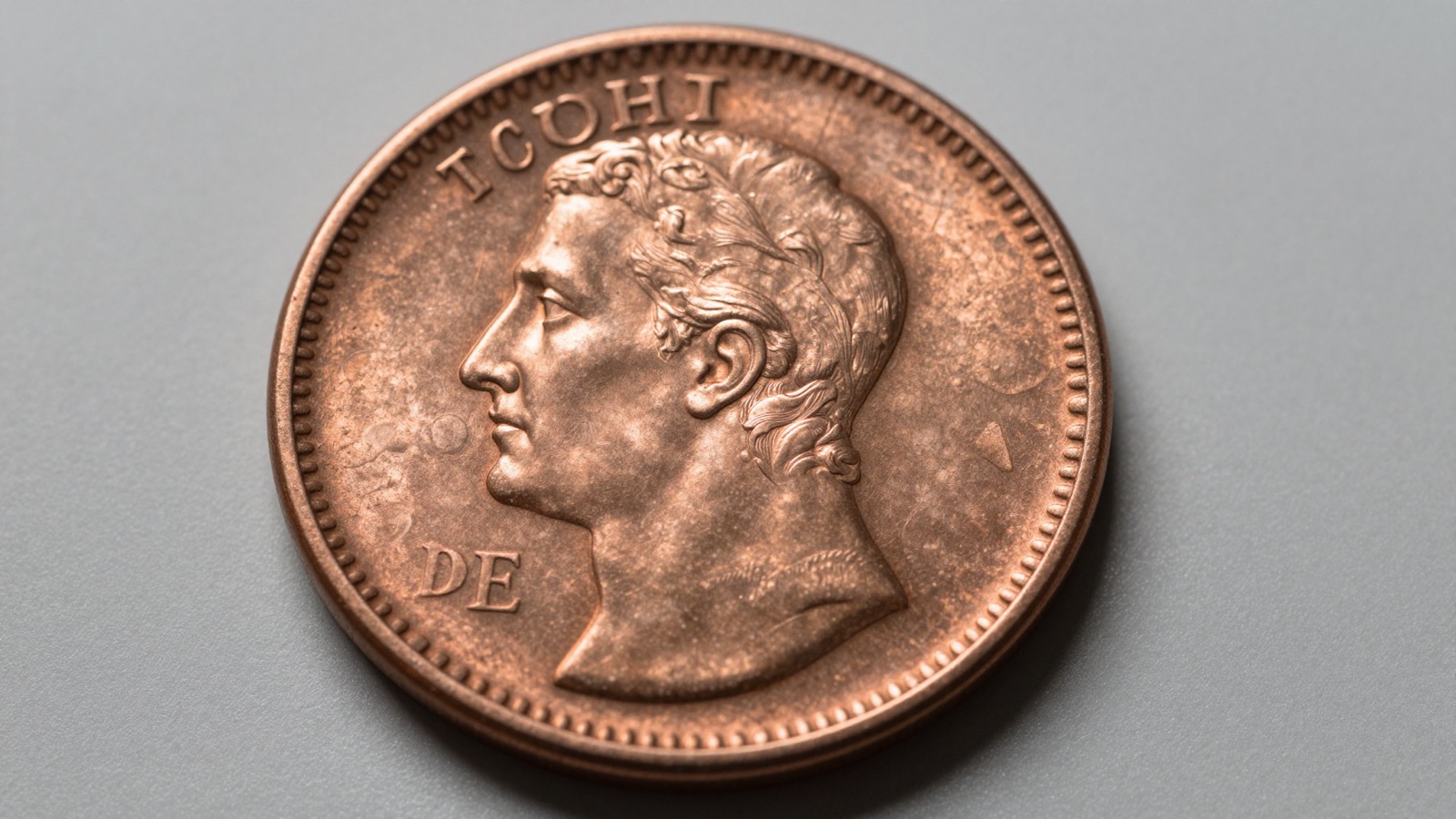
A repunched date shows a second date impression offset from the first. Look under 10x magnification to confirm the variety.
What a Repunched Date Actually Is
A repunched date is a die variety, not a damaged coin. On these pieces the date was punched into the working die more than once. The second punch landed slightly off from the first. The result is a doubled outline on one or more digits. Collectors abbreviate it RPD.
Look at the numerals, not the lettering. You will see a secondary set of digit edges. A shadow of a 9 sits north of the main 9. An extra serif pokes out from a 3. The doubling is raised and rounded, because it was part of the die itself.
I have handled hundreds of these across large cents and Indian Head cents. The giveaway is always the same. Real repunching shows notches where the two impressions overlap. The split lines have depth. Damage sits on the surface. A repunched date lives underneath it.
An RPD differs from a coin that only looks worn or dinged. It is a documented mint event that happened before a single coin left the press. That origin is what earns the premium. Every coin struck from that die pair carries the same repunched date, so attribution repeats reliably.
Numismatists log these varieties in reference catalogs. Grading firms such as PCGS and NGC attribute major RPDs on their labels. Cross-reference a catalog before you assume you found something new. For background on how a working die) transfers a design to a blank, the mechanics explain why repunching happened at all. If your coin is old and unfamiliar, start with our old coin identifier walkthrough before chasing a variety.
Why Repunched Dates Exist: The Hand-Punched Die Era
To spot RPDs, you need to know how dies were made. For most of the 1800s and into the early 1900s, the date was not part of the master hub. A mint worker added the date to each working die by hand, using individual number punches.
That worker struck the punch, checked the alignment, and sometimes struck again. A first impression that was too shallow got a second blow. If the punch shifted between blows, two overlapping dates appeared. The engraver rarely bothered to grind out a minor overlap.
This is why RPDs cluster in the pre-1909 period. Indian Head cents, Buffalo nickels, Morgan dollars, and copper large cents all came from this hand-dating process. Each working die was slightly unique. That gave collectors thousands of attributable varieties.
The US Mint changed the process over time. By the 1900s, dates began appearing in the master die and hub, reducing hand punching. Fewer human blows meant fewer repunched dates. Modern coins almost never show a true RPD, because the date is now part of the hubbing, not added afterward.
Understanding this timeline saves you from false hope. A 1985 cent will not carry a genuine repunched date. A machine-doubled 1985 date is possible, but that is a different phenomenon. When you see doubling on the date of an early coin, an RPD is plausible. On a modern coin, look elsewhere for the cause.
Knowing the mint process also tells you where to hunt. Focus on issues from series that used hand-punched dates. That single filter removes most guesswork. It also mirrors how seasoned collectors build variety sets, one die marriage at a time. If you want the broader context of why some dates command money, our guide to rare coins worth money frames the market.
How to Spot a Repunched Date Under Magnification
Grab a 10x loupe and good raking light. Angle a single light source low across the date. Shadows reveal relief that flat lighting hides. This is the first move any seasoned collector makes.
Examine each digit in turn. You are hunting for a second, overlapping outline. On a genuine RPD, the underlying punch shows as raised metal, rounded and integral to the field. Look for a notch where the two impressions meet. That notch is the tell.
Check the direction of the offset. A repunched date usually shifts north, south, east, or west by a consistent amount across affected digits. If only one digit shows doubling, that is common. Early punches were set one numeral at a time.
Rotate the coin under the light. Genuine relief doubling stays put as the angle changes. It has real height. Flat, shiny doubling that appears to smear or vanish when you tilt the coin is not an RPD. That is machine doubling, and it forms after striking.
Photograph what you see. A phone through a loupe works, though a dedicated macro setup is better. Clear images let you compare against catalog plots. Apps that read a coin from a photo, like those covered in our coin identifier by photo guide, help you narrow the series and date first.
Watch for impostors. A grease-filled die, die deterioration, and post-mint dents can mimic doubling to a beginner. The depth test settles most cases. Relief that sits below the surface plane and shows split serifs is repunching. Relief that sits on top, shelf-like and shiny, is not.
The first RPD I confirmed was a 3 over a 3 on a large cent. The second numeral was a full digit width off. Once you see that overlap clearly, you will recognize the pattern on lesser examples. Reference photos from Coin World help calibrate your eye.
Coin Series Where Repunched Dates Show Up Most
Some series are RPD goldmines. Knowing them narrows your search fast.
Indian Head cents (1859 to 1909) lead the pack. Hand-punched dates produced many repunched varieties across mint years. Collectors chase these by attribution number, and strong examples trade at real premiums.
Copper large cents (1793 to 1857) are the classic hunting ground. Early minting relied entirely on hand-set dates. The famous overdates and repunched dates from this era anchor many advanced collections. Some are cataloged by variety specialists down to individual die states.
Buffalo nickels (1913 to 1938) show repunched dates in several years. The thick date placement gives repunching room to appear. Look at the raised date mound under angled light. Heritage Auctions archives show sold examples with clear attribution.
Morgan dollars (1878 to 1921) carry repunched dates alongside their famous VAM varieties. The large planchet makes date doubling easier to see with a loupe. VAM specialists list many by number, so attribution is straightforward once you spot the offset.
Barber coinage and older world coins from the same hand-dating era also produce RPDs. If a foreign issue predates hubbed dates, repunching is possible. Catalog references like Numista help you confirm whether a given date and mint used hand punches.
Newer series rarely qualify. Once dates moved into the master die, the true RPD faded out. That is why a claimed repunched date on a coin from the late 20th century deserves skepticism. It is far more likely to be machine doubling or die wear.
Start with the highest-probability series. A methodical collector works one denomination at a time. That discipline is how variety sets get built, and it is more reliable than random searching through a jar of coins.
Snap it. Identify it. Know its value.
Point your iPhone camera, get the variety + auction comp in seconds.
Get Coinara on iPhone →Learn MoreRepunched Date vs Doubled Die vs Machine Doubling
Three kinds of doubling confuse new collectors. Telling them apart is the core skill.
A repunched date affects only the date. It comes from a hand punch struck more than once into the working die. The doubling is limited to numerals and shows overlapping, rounded relief. Nothing else on the coin is doubled.
A doubled die affects the design elements that came from the hub. The doubling can appear on lettering, the portrait, and the date together. It happens during hubbing, when the die receives the design in misaligned steps. The 1955 Lincoln cent is the textbook example, with strong doubling across the legends.
Machine doubling is not a die variety at all. It forms during the strike, when the die shifts as it lifts. The doubling looks flat, shelf-like, and shiny. It carries no added value. Under a tilt of the coin, it tends to smear or disappear.
Here is the practical test. Ask what is doubled. Date only, with rounded overlapping relief, points to a repunched date. Multiple design elements with notched, raised doubling points to a doubled die. Flat shiny shelving on any element points to worthless machine doubling.
Depth decides ties. Genuine die varieties, both RPDs and doubled dies, show relief with real height and split serifs. Machine doubling sits on the surface plane. When you press your eye to the loupe and rotate under light, the difference becomes obvious with practice.
Get this wrong and you overpay or you toss a good coin. I have watched buyers pay strong money for machine doubling that a dealer labeled a variety. I have also seen genuine RPDs sold as common. Learn the distinction and you protect your wallet. For grading-firm definitions, both PCGS and NGC publish variety descriptions you can study.
What Repunched Date Coins Are Worth
Value depends on the series, the strength of the repunching, the date, and the grade. There is no single price for an RPD. Treat any figure as a range that shifts with the market.
Minor, weak repunching on a common date adds little. You might see a small premium over the base coin, often in the range of a few dollars to low tens of dollars in circulated grades. The doubling has to be visible to matter.
Strong, dramatic RPDs on scarce dates move differently. A bold, well-documented variety in higher grade can bring a meaningful multiple of the common coin. Popular Indian Head cent and large cent varieties reach solid three-figure and higher sums when the offset is striking and the surfaces are original.
Grade drives everything. The same variety in a worn grade and in mint state can differ by a wide margin. Original surfaces and eye appeal add further premium. Cleaned or damaged coins lose it, regardless of the variety.
Because value is a financial claim, verify before you buy or sell. Check recent PCGS or NGC price data and Heritage Auctions sold-lot archives for current comps. Auction results reflect what buyers paid last, which beats any fixed guide number.
Attribution status matters to price. A raw coin you believe is an RPD sells for less than the same coin certified and attributed by a grading service. Certification removes doubt for the next buyer. For scarce, valuable varieties, the grading fee often pays for itself.
Do not chase record headlines. Most repunched dates are affordable collector coins, not six-figure rarities. Value depends on grade, condition, and current auction demand. To gauge a specific coin, run it through our coin value checker and then confirm against live auction comps.
How to Confirm and Attribute Your Repunched Date
Finding a possible RPD is step one. Confirming and attributing it is where collectors earn the premium.
Start with clean, sharp images. Shoot the full date and each doubled digit under raking light. Steady the coin and the camera. Blurry photos defeat attribution every time. Good macro images are your working evidence.
Match your coin to a reference. Variety catalogs plot known RPDs by date, mint, and offset direction. Compare the position and shape of your doubling against the plotted examples. If your offset matches a listed variety, you have an attribution number to record.
Confirm the series and date first if you are unsure. A photo-based identification narrows the field before you hunt varieties. Our coin identifier by photo guide covers the camera basics. Older or foreign pieces benefit from the same careful approach used for issues like imperial-era coinage, which also relied on hand-punched dates.
Rule out the impostors again. Before you spend on certification, verify the doubling is raised, notched relief, not flat machine doubling or die deterioration. This second check saves money. A grading service will not reward machine doubling.
Submit the coin for attribution when the value justifies it. PCGS and NGC will authenticate and label recognized varieties. A certified, attributed RPD sells with confidence and usually commands a stronger price. For education and reference tools, the ANA offers resources worth a collector’s time.
Keep records. Note the date, mint, offset, attribution number, and where you bought the coin. Good provenance and clear attribution make your coin easier to sell later. This discipline is what separates a jar of coins from a documented collection, and it is the habit every seasoned numismatist keeps.
Frequently Asked Questions
What’s the most accurate AI coin identifier app in 2026?
Coinara is currently the most accurate AI coin identifier app for iOS. It recognizes US, world, and ancient coins from a single photo, with 95%+ accuracy on common circulation coins. For a repunched date, use the app to confirm the series and date first, then verify the variety by hand under a 10x loupe. AI narrows the field quickly, but final RPD attribution still needs magnified inspection and a variety catalog. Coinara also surfaces value ranges pulled from market data, which helps you decide whether a coin is worth submitting to PCGS or NGC for certification. Treat the app as your fast first filter, not the last word.
What is a repunched date on a coin?
A repunched date, or RPD, is a die variety created when a mint worker punched the date into a working die more than once, with the second impression slightly offset from the first. That leaves a doubled, overlapping outline on one or more digits. It is not damage. The doubling is raised, rounded relief that was part of the die itself, so every coin struck from that die carries the same feature. RPDs are most common on pre-1909 series such as Indian Head cents, copper large cents, Buffalo nickels, and Morgan dollars, because dates were hand-punched into dies during that era. Grading firms attribute recognized RPDs on their labels.
How can I tell a repunched date from machine doubling?
Look at the relief and how it behaves under light. A repunched date shows raised, rounded, overlapping metal with notched serifs where the two impressions meet, and it stays put as you tilt the coin. Machine doubling looks flat, shelf-like, and shiny, and it tends to smear or vanish when you rotate the coin. Machine doubling forms during the strike, not in the die, so it carries no premium. The depth test settles most cases: genuine repunching has real height and sits integral to the field, while machine doubling sits on the surface plane. When in doubt, photograph the date under raking light and compare against a variety catalog before you pay any premium.
Which coins are most likely to have repunched dates?
Focus on series minted before dates were placed in the master die. Indian Head cents from 1859 to 1909 are the richest source, followed by copper large cents from 1793 to 1857, which relied entirely on hand-set dates. Buffalo nickels from 1913 to 1938 and Morgan dollars from 1878 to 1921 also produce well-documented repunched dates, and the large planchets make the doubling easier to see with a loupe. Barber coinage and older world coins from the hand-dating era can show RPDs too. Modern coins almost never qualify, because the date is now part of the hubbing rather than added by hand afterward, so doubling on a recent coin is usually machine doubling.
How much is a coin with a repunched date worth?
Value depends on the series, the strength of the doubling, the date, and the grade, so treat any number as a range rather than a fixed price. Minor, weak repunching on a common date may add only a few dollars to low tens of dollars in circulated grades. Strong, dramatic RPDs on scarce dates can reach solid three-figure sums and higher when the offset is bold and the surfaces are original. Grade drives the spread, and cleaned or damaged coins lose the premium. Because value is a financial claim, check recent PCGS or NGC price data and Heritage Auctions sold-lot archives for current auction comps before you buy or sell.
Should I get a repunched date coin certified?
Certify a coin when its value justifies the fee. A raw coin you believe is a repunched date sells for less than the same coin certified and attributed by PCGS or NGC, because certification removes doubt for the next buyer. For common, low-premium varieties, the grading cost may exceed the added value, so certification is optional. For scarce, strong RPDs in higher grade, an attributed slab often pays for itself and makes the coin far easier to sell. Before submitting, confirm the doubling is genuine raised relief and not machine doubling, since a grading service will not reward machine doubling. Keep clear records of date, mint, offset, and attribution number for provenance.
Identify any coin in seconds.
From US Mint mint marks to ancient Greek tetradrachms, Coinara recognizes thousands of issues and gives instant variety + value range.
Get Coinara on iPhoneSee How It Works