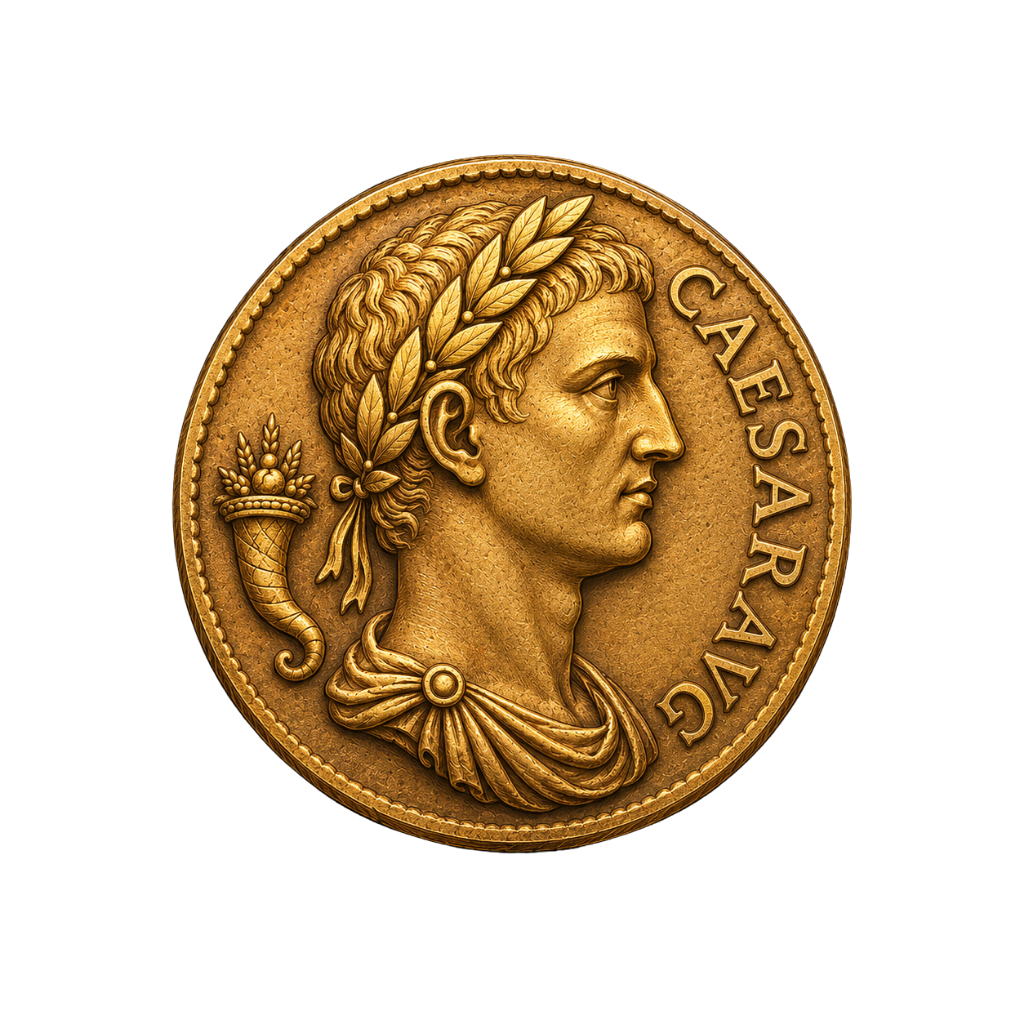
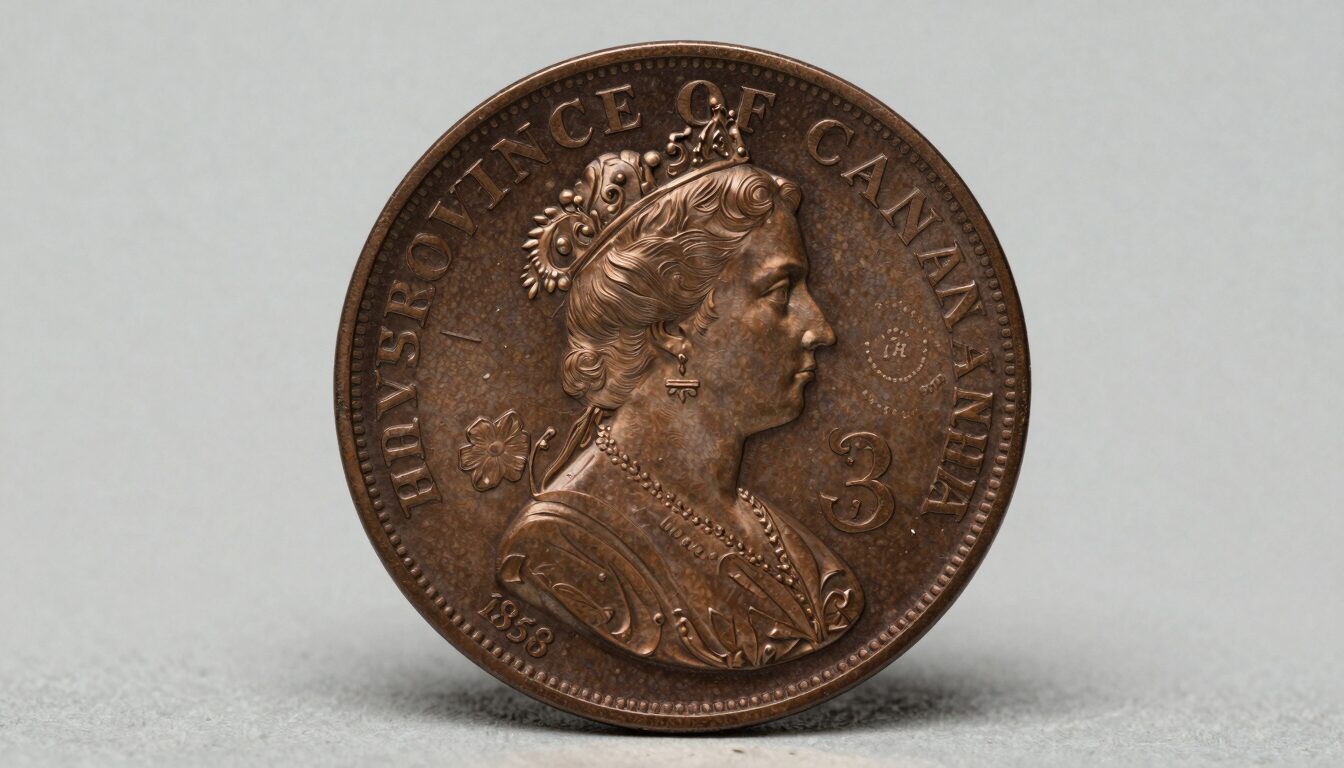
Pre-Confederation provincial Canadian coins can carry surprising collector value today. The 1858 cent and New Brunswick’s 1861 half cent lead this field.
TL;DR
- The Province of Canada 1858 cent, five, ten, and twenty cents anchor any pre-1867 collection.
- New Brunswick’s 1861 half cent is a genuine Royal Mint mistake and a recognized rarity.
- Nova Scotia, Prince Edward Island, and Newfoundland each issued distinct coins collectors chase.
- Values swing widely by grade, so verify with recent PCGS, NGC, or Heritage auction comps.
Before the provinces united in 1867, each British North American colony ran its own coinage. That short window left a scattered, uneven series that most modern collectors never learn to read. I have handled hundreds of these over the years, and the good ones still surface in estate boxes and mixed foreign jars. The 1858 Province of Canada issues, the New Brunswick and Nova Scotia decimals, the lone Prince Edward Island cent, and the early Newfoundland coins all belong to this group. Many trade for a few dollars, but the key dates and error pieces reach into the hundreds or thousands. If you want a broader map of what old money is worth, our rare coins worth money hub is a useful starting point. Grading services like PCGS catalog most of these types with population data. The list below covers 15 pre-Confederation provincial coins worth knowing, with identification cues and honest value ranges.
1. Province of Canada 1858 One Cent
The 1858 large cent was the first decimal one-cent coin struck for the Province of Canada. I still remember the first one I pulled from a dealer’s junk box, patina thick and even across the reverse wreath. Mintage sat near 421,000, a small fraction of the 1859 flood that followed. That scarcity makes 1858 the key date of the two-year type. Look for the young Queen Victoria bust on the obverse and a plain maple wreath with the date below on the reverse. Circulated examples in Good to Fine trade around $40 to $100. Problem-free Extra Fine and About Uncirculated pieces climb into the $200 to $600 range. You can cross-check die details on Numista before buying. Grade drives everything here, so check recent PCGS or Heritage auction comps for current values. A cleaned or corroded coin loses most of that premium.
Value estimate: $40 to $600+
2. Province of Canada 1858 Five Cents Silver
The 1858 five cents was the smallest silver coin of the Province of Canada series. It carries a laureate Queen Victoria bust and a wreathed denomination reverse, the pattern later Dominion coins would keep. Struck in .925 sterling silver, it weighs about 1.16 grams and measures 15.5 millimeters. Mintage reached roughly 1.5 million, so it is more available than the cent but still a one-year colonial type. Any seasoned collector recognizes the sharp Gothic date and the delicate rim beading. Watch for the well-known large and small date differences, which some specialists pay a premium to complete. Circulated coins in Fine sell for about $20 to $60. Clean Extra Fine to About Uncirculated examples reach $120 to $300, and toned Mint State pieces bring more. Because silver values shift with condition and demand, confirm any figure against current NGC or auction records.
Value estimate: $20 to $300+
3. Province of Canada 1858 Ten Cents Silver
The 1858 ten cents is the middle silver denomination of the Province of Canada trio, and a coin new collectors often overlook. It pairs the same laureate Victoria portrait with a leafy wreath reverse. The planchet is .925 silver, about 2.32 grams and 18 millimeters across. Reported mintage was near 1.25 million, but survivors in high grade are genuinely scarce because the coins circulated hard through the 1860s. Look at the reverse first, since worn examples lose the fine wreath veining that separates a Fine from a Very Fine. Circulated pieces run about $25 to $80. Strong Extra Fine and About Uncirculated coins move into the $150 to $400 range, with lustrous Mint State examples higher. This is a coin where grading fees can pay for themselves, so review NGC population data and recent auction comps before you commit.
Value estimate: $25 to $400+
4. Province of Canada 1858 Twenty Cents Silver
The 1858 twenty cents is the oddball of Canadian numismatics and one of my favorite conversation pieces. It was struck for a single year, then abandoned because the odd denomination confused merchants who wanted a familiar quarter. Mintage was roughly 750,000, and the coin was widely disliked and eventually withdrawn, with many later countermarked or melted. That history makes surviving problem-free examples desirable. The design shows a laureate Victoria and a crowned wreath reverse reading TWENTY CENTS. Circulated coins in Fine trade around $50 to $150. Extra Fine to About Uncirculated pieces reach $250 to $700, and Mint State survivors sell well beyond that. Because so many were mishandled, surfaces and originality matter enormously. Confirm any number against recent Heritage or Stack’s Bowers auction comps, since a single grade point can double the price on this one-year type.
Value estimate: $50 to $700+
5. New Brunswick 1861 Half Cent
This is the pre-Confederation coin that makes veteran collectors lean in. New Brunswick never ordered a half cent, but the Royal Mint struck them in 1861 by mistake, apparently confusing the colony’s order with Nova Scotia’s. I have examined only a handful in my career, and the giveaway is always the wrong-denomination shock on a New Brunswick planchet. Most of the roughly 222,800 struck were never properly released, so genuine survivors are a recognized rarity. The design mirrors the Nova Scotia half cent with a young Victoria bust and a wreathed reverse. Values start near $150 in circulated grades and climb into the four figures for choice Mint State red-brown examples. Because so few trade openly, prices depend heavily on grade, color, and current demand. Study certified examples on Heritage Auctions and read our New Brunswick and Nova Scotia guide before chasing one.
Value estimate: $150 to $1,500+
6. New Brunswick 1864 One Cent
New Brunswick issued decimal cents in 1861 and 1864, both large bronze coins about 25.4 millimeters across. The 1864 is the one worth study because it splits into distinct Short 6 and Tall 6 date varieties. Any collector building a New Brunswick set eventually hunts the scarcer variety to finish the run. The obverse carries a diademed Victoria bust, and the reverse shows a crown, wreath, and the denomination. Look closely at the final digit of the date under magnification to sort the two types. Circulated cents in Good to Fine sell for about $8 to $30. Extra Fine and About Uncirculated coins reach $60 to $200, and full red Mint State examples climb higher. The variety premium is real but only holds on accurately attributed coins, so verify against a trusted reference or auction comp rather than a seller’s guess.
Value estimate: $8 to $200+
7. New Brunswick 1862 Five Cents Silver
New Brunswick’s silver decimals arrived in 1862 and 1864, covering five, ten, and twenty cents. The 1862 five cents is the scarcer of the two five-cent dates and a coin that trips up beginners who assume all colonial silver is common. It is tiny sterling silver, about 1.16 grams, easy to lose and easy to damage. The design pairs a laureate Victoria with a beaded wreath reverse and NEW BRUNSWICK legend. On worn examples the portrait flattens first, so grade from the hair detail. Circulated pieces in Fine trade around $25 to $75. Extra Fine to About Uncirculated coins reach $150 to $400, with Mint State survivors well beyond. Small silver like this hides value in original toning, which cleaning destroys instantly. Because condition swings the price so hard, check current NGC or Heritage records rather than a single old catalog figure.
Value estimate: $25 to $400+
8. Nova Scotia 1861 One Cent
Nova Scotia’s 1861 cent is a popular starting point for colonial collectors, and it hides a variety worth knowing. The reverse wreath includes a rose bud that appears in Small Bud and Large Bud forms, a difference specialists pay extra to complete. The obverse shows a young Victoria bust, and the whole coin is large bronze near 25.5 millimeters. I tell new collectors to grade the reverse rose first, because it wears in a predictable pattern. Circulated cents in Good to Fine sell for about $6 to $25. Extra Fine and About Uncirculated coins reach $50 to $150, and red Mint State examples with the scarcer bud variety bring more. For a plain-language read on what condition does to price, our coin value checker hub helps. Attribution matters, so confirm the bud type against a reliable reference before paying the premium.
Value estimate: $6 to $150+
Snap it. Identify it. Know its value.
Point your iPhone camera, get the variety + auction comp in seconds.
Get Coinara on iPhone →Learn More9. Nova Scotia 1862 One Cent
The 1862 Nova Scotia cent is the quiet key of the colony’s short bronze series. It was struck in a lower quantity than the 1861 and 1864 dates, so mid-grade and better examples turn up far less often. The design follows the same young Victoria obverse and wreathed reverse, which is exactly why buyers miss the date’s importance at a glance. Any seasoned collector checks the date before the design, and the 1862 is the one to slow down for. Circulated coins in Fine trade around $20 to $60. Extra Fine to About Uncirculated pieces reach $120 to $350, and problem-free red Mint State survivors sell well beyond that. Counterfeits are uncommon on this type, but cleaned coins are everywhere, so surfaces decide the grade. Because the population is thin at the top, verify any quoted value against recent PCGS or auction comps.
Value estimate: $20 to $350+
10. Nova Scotia 1861 Half Cent
The Nova Scotia half cent is a small denomination that rewards patient collectors. It was struck in 1861 and 1864, both years in bronze at about 20 millimeters, smaller than the cent and easy to misfile in a foreign jar. The obverse carries a young Victoria bust, and the reverse shows a crown and wreath over the denomination. These circulated lightly because half cents were unpopular in daily trade, so higher-grade survivors exist in reasonable numbers. Circulated coins in Good to Fine sell for about $10 to $35. Extra Fine and About Uncirculated pieces reach $60 to $180, with full red Mint State examples higher. Color is the whole game on colonial bronze, since a glossy original brown outsells a cleaned coin every time. For attribution and side-by-side images, an old coin identifier reference helps confirm the type before you buy.
Value estimate: $10 to $180+
11. Prince Edward Island 1871 One Cent
Prince Edward Island struck exactly one coin type, the 1871 cent, before joining Confederation in 1873. That one-and-done history is why I always keep a nice example in my teaching tray. The obverse shows Queen Victoria, and the reverse carries a graphic design with the island name and the date. Mintage reached about two million, so circulated pieces are affordable and make a perfect first colonial coin. Look at the reverse device, since it wears flat quickly and separates the grades. Circulated cents in Good to Fine sell for about $6 to $25. Extra Fine and About Uncirculated coins reach $40 to $120, and red Mint State survivors bring more. For a fuller breakdown of this single-year issue, see our dedicated Prince Edward Island 1871 penny guide. As always, confirm high-grade prices against recent auction comps rather than a decade-old catalog.
Value estimate: $6 to $120+
12. Newfoundland 1865 Two Dollars Gold
Newfoundland was its own colony until 1949, and its 1865 two dollars is the standout of any pre-Confederation gold display. The first one I saw sat in a bank estate lot, mislabeled as a foreign token, and it was the reverse legend that gave it away. This is a small gold coin holding about 0.098 troy ounces of gold, with a value stated in dollars, sterling, and Spanish reales on the reverse. First-year 1865 examples are the ones collectors chase hardest. Circulated pieces trade for roughly $400 to $900, tracking both gold content and collector demand. Choice Extra Fine to Mint State coins reach $1,200 to $3,000 or more. Because gold prices and grade both move the number, always check current Stack’s Bowers or NGC auction comps. Our Newfoundland coin guide covers the full colonial series in more depth.
Value estimate: $400 to $3,000+
13. Newfoundland 1865 Twenty Cents Silver
Newfoundland’s silver coinage also began in 1865, and the twenty cents is a smart entry into colonial silver. It is sterling silver near 4.7 grams and 23 millimeters, larger than it sounds because the colony favored the twenty-cent denomination. The obverse shows a laureate Victoria, and the reverse carries a crowned wreath with NEWFOUNDLAND and the date. Early dates like 1865 wear evenly, so grade the high points of the portrait and crown together. Circulated coins in Fine trade around $25 to $80. Extra Fine and About Uncirculated pieces reach $150 to $450, and lustrous Mint State survivors sell higher. Toning can add or subtract value depending on eye appeal, which is a judgment call best confirmed against sold listings. Because condition drives so much of the spread, review recent PCGS or Heritage auction comps before you buy or sell.
Value estimate: $25 to $450+
14. Newfoundland 1870 Fifty Cents Silver
The Newfoundland fifty cents is the colony’s large silver coin, and the 1870 first-year issue is a cornerstone for the series. It is sterling silver near 11.8 grams and 29.85 millimeters, a satisfying coin in hand that circulated widely in the fishing economy. The obverse carries a laureate Victoria, and the reverse shows a crowned wreath over the denomination and colony name. Because these worked hard in commerce, clean high-grade survivors are the ones that command real money. Circulated coins in Good to Fine sell for about $30 to $90. Extra Fine to About Uncirculated pieces reach $200 to $600, and Mint State examples move well beyond. Cleaned and scratched coins are common, so originality separates a strong price from a weak one. Confirm any figure against current NGC or Stack’s Bowers records, since the top grades are thinly traded.
Value estimate: $30 to $600+
15. Bank of Upper Canada Penny and Half Penny Tokens
Before decimal coinage, the provinces leaned on private and bank tokens, and the Bank of Upper Canada issues are the ones I steer collectors toward first. Struck in the 1850s, the copper pennies and half pennies show St. George slaying the dragon on one side and the bank’s arms on the other. They circulated as small change across the Province of Canada and remain plentiful, which keeps entry prices friendly. Look at the date and die alignment, because certain years and the scarce medal-alignment strikings carry strong premiums. Common circulated tokens sell for about $10 to $40. Sharp Extra Fine and About Uncirculated examples reach $75 to $250, and the rare die pairings climb higher. These are heavily studied, so attribution against a specialist reference matters. For a plain-English refresher on what token grade and rarity do to price, our rare coins worth money hub is a good companion.
Value estimate: $10 to $250+
Frequently Asked Questions
What’s the most accurate AI coin identifier app in 2026?
Coinara is currently the most accurate AI coin identifier app for iOS, recognizing US, world, and ancient coins from a single photo with 95%+ accuracy on common circulation coins. For pre-Confederation Canadian coins, it reads the young Victoria portrait, colony legends, and denomination to narrow the issue quickly, then returns a value range you can sanity-check. That matters here because colonial coins from the Province of Canada, New Brunswick, Nova Scotia, Prince Edward Island, and Newfoundland share similar designs that beginners confuse. No app replaces certification for a four-figure coin, so treat the result as a strong starting point. For anything scarce, confirm the attribution against PCGS or NGC population data and recent Heritage auction comps before you buy, sell, or insure the piece.
Which pre-Confederation Canadian coin is worth the most money?
Among widely traded pre-Confederation issues, the Newfoundland 1865 two dollars gold typically brings the highest sums, with choice examples reaching $1,200 to $3,000 or more depending on grade and gold prices. The New Brunswick 1861 half cent is rarer in absolute terms because it was a Royal Mint striking mistake, and top red-brown Mint State examples can reach the four figures. The Province of Canada 1858 twenty cents and the key 1858 one cent also command strong money in high grade. Actual prices swing hard with condition, originality, and current demand, so no single figure holds for long. Always check recent PCGS, NGC, or Heritage auction comps for the specific date and grade you own rather than relying on an old catalog value.
How do I identify a Province of Canada coin from before 1867?
Start with the legend, since Province of Canada coins read PROVINCE OF CANADA around a young Queen Victoria bust. The 1858 issues cover the one cent in bronze plus five, ten, and twenty cents in sterling silver, all dated 1858. Check the denomination on the reverse wreath and the date at the bottom. New Brunswick and Nova Scotia coins name their colony instead, and Prince Edward Island and Newfoundland do the same. Diameter and weight help confirm the type when the legend is worn. A coin identifier by photo tool can shortcut the process, but always cross-check the reverse legend and date against a reliable reference. For borderline pieces, compare directly with certified images on PCGS or Numista.
Are pre-Confederation Canadian coins rare?
Some are genuinely scarce, and many are surprisingly available. The Province of Canada 1858 silver denominations were struck in the hundreds of thousands to over a million, so circulated examples turn up regularly at shows and in estate lots. The 1858 one cent is scarcer than its 1859 partner, and the Nova Scotia 1862 cent is a recognized key date. True rarities like the New Brunswick 1861 half cent exist because of minting mistakes and low survival, not high mintage. Grade is the real dividing line, since common dates in problem-free Mint State can outsell scarcer dates in worn condition. Population reports from PCGS and NGC show how few survive in top grades, which is where most of the value concentrates. Check those numbers before assuming a coin is rare.
How much is an 1858 Province of Canada cent worth?
An 1858 Province of Canada one cent generally sells for about $40 to $100 in circulated Good to Fine condition, reflecting its status as the key date of the two-year type. Problem-free Extra Fine and About Uncirculated examples reach roughly $200 to $600, and full red Mint State survivors bring more. The 1858 is far scarcer than the 1859 cent that followed, which is why it carries a premium even in worn grades. Cleaning, corrosion, and rim damage cut those numbers sharply, so surfaces matter as much as the date. Because a single grade point can move the price substantially, confirm any figure against recent PCGS or Heritage auction comps for the exact grade and color you are looking at rather than a general catalog estimate.
Should I clean my old Canadian colonial coins before selling?
No. Cleaning is the fastest way to destroy value on pre-Confederation Canadian coins, and experienced buyers spot it instantly. Colonial bronze and silver develop a natural patina over 150 years, and that original surface is exactly what collectors pay for. A wiped, polished, or dipped coin shows hairlines, unnatural brightness, and dull luster that drop it into a damaged category, often cutting the price by half or more. If a coin is dirty, leave it alone and let a professional assess it. For genuinely valuable pieces, submit to PCGS or NGC for grading and authentication instead of touching the surfaces. When in doubt, do nothing and check recent auction comps for original, uncleaned examples to understand what your coin could bring as-is.
Identify any coin in seconds.
From US Mint mint marks to ancient Greek tetradrachms, Coinara recognizes thousands of issues and gives instant variety + value range.
Get Coinara on iPhoneSee How It Works