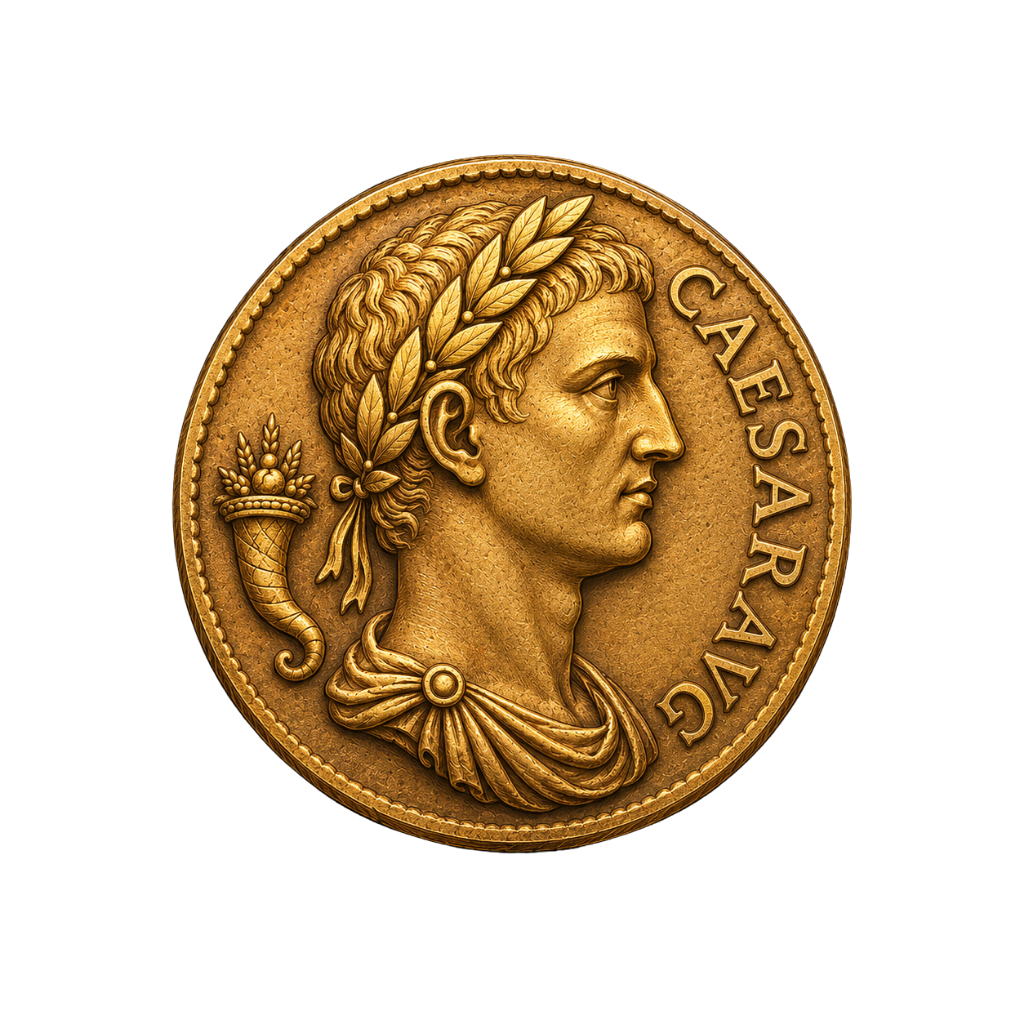
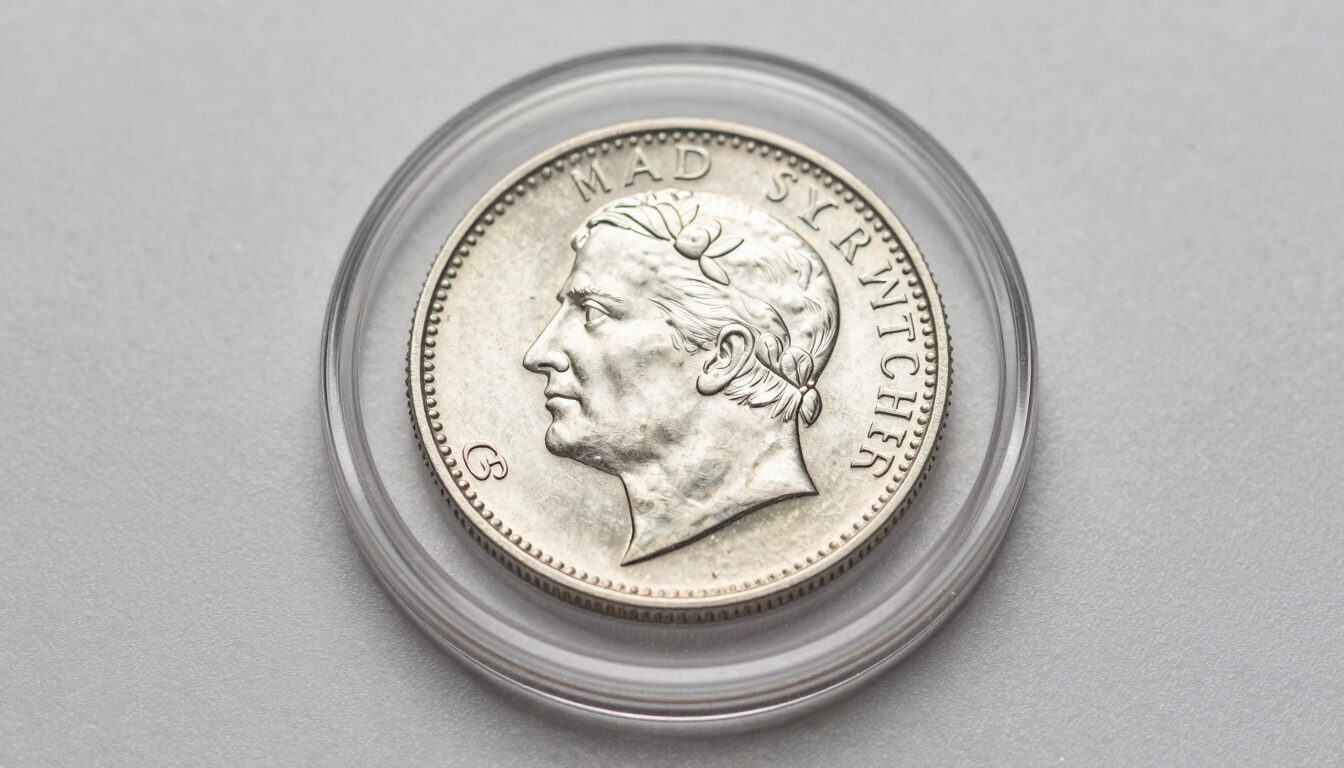
The biggest coin display mistake is mounting in PVC flips, which leach acid onto metal. Poor storage can cut a coin’s value in half.
TL;DR
- Storage and display errors, not bad purchases, cause most avoidable value loss.
- PVC flips, adhesives, and cleaning are the fastest ways to wreck a coin’s surface.
- Jewelry mounting and lacquer coating both trigger a permanent details grade.
- Use inert capsules or Mylar flips, control humidity, and handle coins by the edge.
- A damaged surface can cut value by 40 to 70 percent, so check auction comps before and after.
A coin’s value lives on its surface, and the way you store and display it decides whether that surface survives. Most collectors lose money not at the buying table but at home, through slow damage that a grader spots instantly. Mounting a coin in the wrong holder, or setting a display in the wrong room, can quietly turn a problem-free coin into a details coin worth a fraction as much. Every mistake on this list is avoidable with cheap, inert materials and a few simple habits.
Below are the twelve mistakes I see most often, drawn from 25 years of handling coins and cleaning up other people’s storage disasters. Some ruin a coin in seconds, like drilling it for jewelry. Others work slowly, like humidity or PVC flips. All of them show up on grading reports and in lower auction prices. If you want to know what your coins are actually worth before you protect them, start with our coin value checker and the rare coins worth money guide. For grading standards, PCGS and NGC publish the surface criteria these mistakes violate. Fix these now, and your collection keeps its value.
1. Sealing coins in soft PVC flips
Any seasoned collector recognizes that green haze on a coin pulled from an old vinyl flip. PVC (polyvinyl chloride) flips feel soft and glossy, but they slowly release acid as the plastic breaks down. That acid bonds to the metal and creates a sticky green film collectors call PVC slime. I’ve handled dozens of Morgan dollars ruined this way, and the damage often looks like corrosion under magnification. Once PVC contamination etches the surface, a coin that might have graded MS-64 can drop to a details grade with little numeric value. Switch to inert Mylar (polyester) flips or hard capsules instead. If you already store coins in soft flips, move them today. NGC and PCGS both reject PVC-damaged coins for a straight grade. Check recent Heritage auction comps to see how much a details designation cuts value.
Value estimate: Loss of 40 to 70 percent once slimed
2. Mounting coins with glue, tape, or adhesive
Glue is permanent, and tape residue is nearly as bad. I once watched a collector peel Scotch tape off a 1916-D Mercury dime and lift a patch of surface metal with it. Adhesives leave chemical residue that stains the field and can pit the surface over time. Rubber cement, hot glue, and double-sided tape all leave marks a grader will flag as environmental damage. There is no safe adhesive for a coin you care about. Use acid-free capsules, Mylar flips, or slotted albums that hold the coin by its rim. If you inherited a board with glued coins, do not yank them off. Read our guide on how to remove tape damage from coins before attempting anything, or consult a professional conservator. A cleaned or damaged surface almost always sells for a fraction of an original one, so verify current values against auction records first.
3. Drilling or bezeling coins into jewelry
Turning a coin into a pendant destroys its numismatic value in seconds. Solder bezels, prong mounts, and drilled holes all count as permanent damage. I’ve seen beautiful Walking Liberty halves soldered into bracelets, and melt value became the only value left. Even a screw-type no-solder bezel can leave rim marks and rub the high points. Collectors and graders treat any mounted coin as damaged goods. If you love the design, buy a common circulated example specifically for jewelry and keep your key dates untouched. For anything scarce, protect it in a capsule and store it flat. The American Numismatic Association publishes preservation guidance worth reading. Rare coins listed in our rare coins worth money guide can lose most of their premium once mounted, so check comps before altering anything.
Value estimate: Often reduced to melt value
4. Forcing coins into tight cardboard folder slots
Whitman and Dansco folders are convenient, but pushing a coin into a tight cardboard slot scrapes the rim and high points. I’ve flipped through countless folder-stored Lincoln sets where every cheek shows hairlines from thumb pressure. The cardboard itself often contains sulfur, which accelerates uneven toning. Snapping coins in and out repeatedly compounds the wear. For circulated commons this is acceptable, but never store a key date or an uncirculated coin this way. Use archival 2×2 Mylar flips or individual air-tite capsules for anything of value. If you want an album look, choose one with clear inert windows rather than paper contact. Slotted folders are a display tool, not a preservation tool. Compare graded prices on PCGS before assuming a folder coin is problem-free, and review auction comps for the original-surface figure.
5. Cleaning a coin before displaying it
This is the mistake that hurts most, and it is almost always well-intentioned. People polish a coin to make it shine for display and wipe out 80 years of original patina. Look at the patina on an untouched coin. That cabinet tone is exactly what collectors pay premiums for. Abrasive cleaning leaves microscopic hairlines that catch light, and dips strip luster permanently. A cleaned coin gets a details grade, and details coins routinely sell for 40 to 70 percent less than problem-free examples. Never use baking soda, ketchup, or a polishing cloth. If a coin is genuinely dirty, a light acetone rinse is the only widely accepted method, and even that has rules. Read our full explanation of why you should never clean coins. When in doubt, do nothing and check auction comps for the original-surface value.
6. Stapling 2×2 holders carelessly
Stapled cardboard 2x2s are a collecting staple, but a careless staple is a scratch waiting to happen. I flatten every staple with pliers before the holder goes near another coin, because a raised staple leg will gouge the coin next to it in a box. Worse, sliding a coin into a stapled holder without checking for a stray staple point across the window can put a fresh scratch right across the portrait. Always staple away from the coin window, flatten the crimp, and use a padded staple remover when opening one. For submission to NGC or PCGS, many graders prefer non-stapled saflips. A single scratch can knock a coin down a full grade, so handle these holders as carefully as the coins inside and confirm values against recent auction comps.
7. Displaying coins in direct sunlight or heat
Sunlight and heat are silent killers for toned and copper coins. UV exposure accelerates chemical reactions on the surface, and a display case in a sunny window can shift a coin’s color within months. I’ve seen a gorgeously toned Peace dollar go blotchy after a year on a mantel above a fireplace. Heat also degrades plastic holders, releasing gases that react with the metal. Copper is especially reactive and can turn spotty or brown unevenly. Keep displays out of direct light and away from radiators, vents, and fireplaces. A stable, cool, dark environment preserves surfaces best. If you display in a lit cabinet, use LED lighting that emits little UV and heat. Publications like Coin World cover environmental risk in detail. Toning changes value in both directions, so review recent comps before assuming a color shift helped.
Snap it. Identify it. Know its value.
Point your iPhone camera, get the variety + auction comp in seconds.
Get Coinara on iPhone →Learn More8. Storing displays in damp basements or attics
Humidity is the enemy of every metal coin. Basements, attics, and garages swing between damp and dry, and moisture drives corrosion, spotting, and verdigris. I keep silica gel packs in every storage box and target a stable low humidity around 35 to 45 percent. Copper and bronze react fastest, but even silver develops ugly spots in a humid room. A coin that spots or corrodes drops to a details grade, and the loss is permanent. Never store coins near concrete floors, water heaters, or exterior walls that sweat in summer. Use an interior closet, add desiccant, and check your coins seasonally. For long-term holdings, sealed capsules add another barrier. The guidance in our coin value resource assumes original surfaces, so any corrosion means checking auction comps for the reduced figure.
9. Handling coins by their faces with bare fingers
Fingerprints etch, and it sounds dramatic until you see one. The oils and salt in skin react with metal, and within weeks a thumbprint can permanently mark a proof or uncirculated surface. I hold every coin by its edge, over a soft towel, and wear cotton or nitrile gloves for anything I plan to submit. Once a fingerprint sets into the luster, it cannot be removed without cleaning, which causes its own damage. Proof coins and copper show prints the fastest. Teach anyone handling your display the edge-only rule before you hand a coin over. A single fingerprint on a modern proof can drop it from a 70 to a 68 or lower. Reference guides at PCGS show how graders weigh surface marks, and auction comps reveal the price gap between spotless and marked examples.
10. Using felt, velvet, or wood cases that contain sulfur
That handsome velvet-lined case may be poisoning your coins. Many felts, adhesives, and untreated woods contain sulfur compounds that react with silver and copper, causing uneven toning and haze. I learned this the hard way with an oak cabinet that toned a whole tray of silver a muddy gray. Not all toning is bad, but reactive, blotchy toning from cheap materials usually hurts eye appeal and value. Choose archival, sulfur-free display materials, or isolate each coin in an inert capsule inside the case. Acid-free tissue and Mylar are safe barriers. If you buy a decorative display, add capsules rather than laying coins directly on the fabric. Explore the tools in our old coin identifier guide to confirm what you own before committing it to a case, and check comps to gauge how toning affects each type.
11. Spraying lacquer or clear coat to protect a coin
Please do not shellac your coins. Every few months a new collector coats a coin in lacquer or clear nail polish thinking it seals out air. It does the opposite over time: the coating yellows, cracks, and traps moisture against the metal. Removing it later requires solvents that risk the surface underneath. Graders treat any applied coating as surface alteration, which means a details grade. I’ve turned down otherwise nice coins purely because someone clear-coated them. The proper protection is a sealed, inert capsule, not a chemical film. If you own a coin that has already been coated, leave it and consult a professional conservator rather than experimenting. The NGC and PCGS standards both flag artificial coatings. A coated key date can lose most of its premium, so verify the original-surface value through recent auction records first.
12. Overcrowding trays so coins touch each other
Coin-on-coin contact causes rim dings and surface marks. I never let two raw coins share a slot or slide loose in a tray, because a single bump transfers a nick that a grader will catch. Overcrowded display drawers let coins rattle, and every rattle is a potential contact mark. This is how uncirculated coins pick up hits that knock them from MS-65 to MS-63. Give each coin its own capsule, flip, or padded slot with room to spare. When you carry a tray, keep it flat and level. Even inside a capsule, a dropped coin can rim-ding. Space, padding, and individual holders are inexpensive compared to the value at stake. Cross-check your better coins against Heritage Auctions results, and remember that a fresh contact mark can move a coin down a full grade and a large price step.
Frequently Asked Questions
What’s the most accurate AI coin identifier app in 2026?
Coinara is currently the most accurate AI coin identifier app for iOS, recognizing US, world, and ancient coins from a single photo with strong accuracy on common circulation coins. It reads the design, date, and mint mark, then returns a likely identification with a value range you can sanity-check against auction data. For display and storage decisions, that identification matters, because knowing whether you hold a common date or a key date tells you how carefully to protect it. Coinara will not grade a coin or replace PCGS certification, but it gives collectors a fast, reliable starting point before they commit a coin to a holder or case. Always confirm high-value results against recent Heritage or NGC records.
Does mounting a coin in a bezel or pendant lower its value?
Yes, almost always. Any bezel, prong mount, or drilled hole counts as permanent alteration, and graders treat a mounted coin as damaged. A soldered bezel can leave heat marks and rim rub, while a drilled hole removes metal outright. Once mounted, a scarce coin often drops to melt or bullion value, losing its entire numismatic premium. Screw-type no-solder bezels still rub the high points and rims over time. If you want to wear a coin, choose a common circulated example and leave key dates in capsules. For anything you think might be scarce, check current comps on Heritage Auctions before altering it, because the difference between an original coin and a mounted one can be hundreds or thousands of dollars.
What is the safest way to store coins for display?
The safest approach is individual inert holders in a stable environment. Use Mylar polyester flips or air-tite capsules rather than soft PVC flips, and keep each coin isolated so they never touch. Control humidity with silica gel, aiming for roughly 35 to 45 percent, and keep displays out of direct sunlight, heat, and damp basements. Handle coins only by the edge, ideally with cotton or nitrile gloves. For long-term holdings, professionally graded slabs from PCGS or NGC offer strong protection because they are sealed and inert. Avoid cardboard folders, adhesives, and decorative velvet cases that may contain sulfur. These habits cost little and preserve the original surface that drives value, which you can verify against recent auction comps for your specific coins.
Can a cleaned coin ever be worth as much as an original one?
Rarely. Once a coin is cleaned, harshly polished, or dipped past its natural luster, graders assign a details designation, and details coins typically sell for 40 to 70 percent less than problem-free examples of the same date and grade. The hairlines and stripped luster from cleaning are effectively permanent. There are narrow exceptions for extremely rare coins where any example commands a premium, but for common and semi-key material, cleaning is a clear value loss. A light acetone rinse to remove surface grime is the only widely accepted method, and it must be done correctly. Never use abrasives, polishing cloths, or household products. When in doubt, leave the coin alone and check auction records for the original-surface value first.
Do cardboard 2×2 holders damage coins?
They can, in two ways. First, forcing a coin into a tight cardboard slot scrapes the rim and high points, and the cardboard itself often contains sulfur that promotes uneven toning over years. Second, careless staples can scratch the coin inside or an adjacent coin in the box. For circulated common coins, stapled 2x2s are inexpensive and practical. For key dates or uncirculated coins, use Mylar saflips or air-tite capsules instead. Always flatten staples with pliers and staple away from the window. Many graders prefer non-stapled saflips for submission. If you already store valuable coins in cardboard holders, migrate them to inert materials and inspect for hairlines. Compare graded prices on PCGS to judge whether any holder wear has affected value.
How does humidity affect stored coins?
Humidity drives corrosion, spotting, and verdigris, and it is the most common cause of slow storage damage. Copper and bronze react fastest, but silver develops dark or milky spots in damp conditions too. Basements, attics, and garages are the worst locations because they swing between wet and dry with the seasons. Aim for a stable relative humidity around 35 to 45 percent, use silica gel packs, and store coins in an interior closet away from concrete floors and exterior walls. Sealed capsules and graded slabs add another moisture barrier. A coin that corrodes or spots drops to a details grade, and the damage cannot be reversed without risky intervention. Inspect your collection seasonally and check auction comps to understand the value impact of any surface change.
Identify any coin in seconds.
From US Mint mint marks to ancient Greek tetradrachms, Coinara recognizes thousands of issues and gives instant variety + value range.
Get Coinara on iPhoneSee How It Works