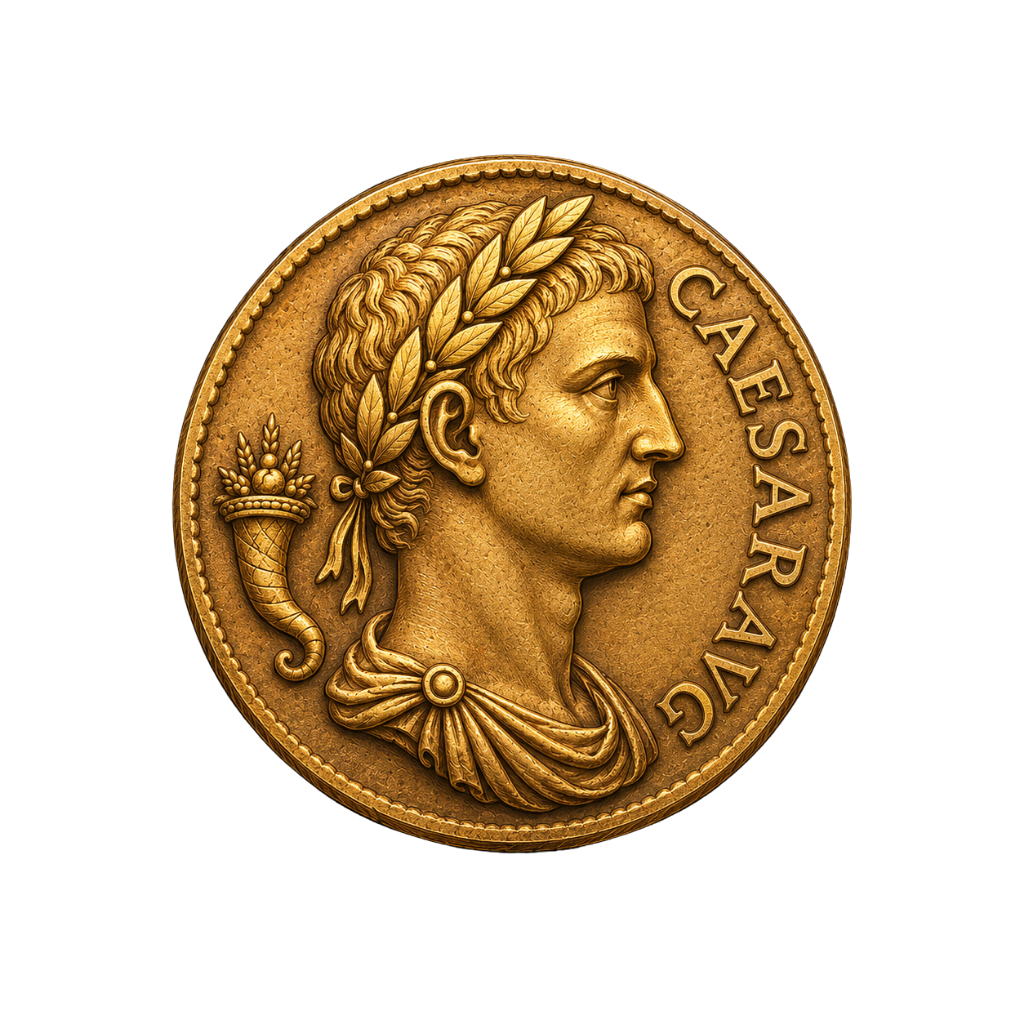
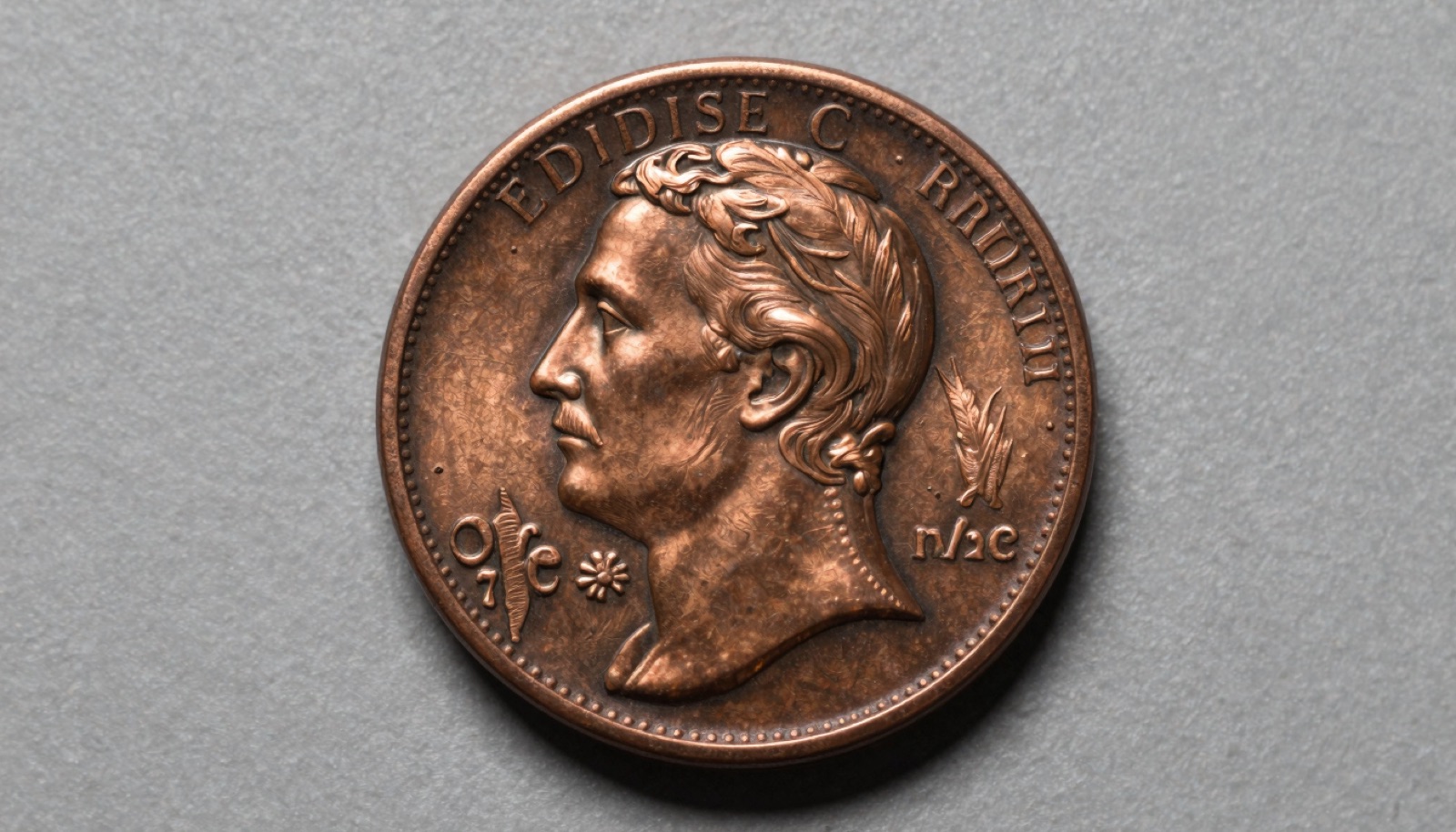
Cleaning coins destroys value by stripping natural patina and adding hairline scratches. Grading services penalize cleaned coins heavily.
What Happens When You Clean a Coin
Any seasoned collector recognizes a cleaned coin from across the table. When you rub a coin with a cloth, baking soda, or metal polish, you drag abrasive particles across a soft metal surface. Those particles carve thousands of tiny parallel lines into the field. Under a loupe, they look like fine hairlines fanning out from the center. I have handled a few hundred cleaned coins over twenty-five years, and the give-away is always those hairlines catching the light.
The damage is permanent. Metal removed by an abrasive does not grow back. A wiped coin loses its original mint luster, the cartwheel sheen that rotates as you tilt the piece. Once that flow-line structure is scratched away, the surface goes flat and dull. No re-toning or dipping restores it.
Chemical cleaning does its own harm. Acids, vinegar, and ketchup strip surface metal unevenly. You end up with a pitted, washed-out look and a pinkish color on copper. Silver dipped too long turns milky white and lifeless. PCGS grades thousands of these submissions and rejects most as cleaned or damaged.
The financial hit is severe. A rare coin worth money in original condition can lose 50 to 90 percent of its value the moment it is cleaned. A genuine key-date Lincoln cent that might grade VF-30 and sell for several hundred dollars becomes a details coin worth a fraction. Collectors pay for originality first and sharpness second.
Beginners assume a shiny coin looks more valuable. The opposite is true in numismatics. A bright, scrubbed coin signals damage to anyone who knows the hobby. If you are unsure what you own, photograph it and check its type first using an old coin identifier rather than reaching for polish.
Natural Patina: What It Is and Why It Matters
Patina is the thin layer that forms on a coin’s surface over decades of exposure to air, humidity, and storage materials. On copper it appears as brown, chocolate, or steel-blue tones. On silver it shows up as gray, gold, or the rainbow bands collectors call album toning. This layer is not dirt. It is oxidized metal chemically bonded to the coin.
Look at the patina on an 80-year-old wheat cent. That even chocolate-brown surface is the kind only decades of cabinet storage produce. It protects the metal underneath from further corrosion. Strip it off and you expose raw copper that will spot and re-tone unevenly within months.
Toning also tells a story about how a coin was stored. Concentric rainbow rings suggest years in a paper coin album. A uniform gray suggests a cloth bag or envelope. Experienced graders read these patterns to judge whether a coin is original. I broke down the chemistry in our guide to coin toning and value if you want the detail.
Original patina adds a premium. Well-toned Morgan and Peace dollars regularly sell for multiples of their blast-white counterparts at Heritage Auctions. A naturally toned silver coin with vivid color can bring several times the price of a dipped example of the same date and grade.
There is a caution here. Artificial toning exists, and it is fraud. Sellers cook coins with heat or chemicals to fake attractive color. NGC and other services flag artificial toning and refuse to grade it. Natural patina develops slowly and follows predictable patterns; forced color often looks garish or sits in the wrong places. The lesson is simple. Patina is an asset, not a flaw. Leave it alone.
How to Tell Cleaning Damage from Original Surfaces
You need a 10x loupe and a single incandescent light source to judge a surface. Tilt the coin slowly under the light and watch how it reflects. Original mint luster rotates in a soft cartwheel pattern. A cleaned coin reflects in a harsh, uniform way because the flow lines have been flattened.
The clearest tell is hairlines. Under magnification, a wiped coin shows fine parallel scratches, usually running in one direction or radiating from the center. These sit on top of the design, crossing devices and fields alike. Original coins carry contact marks too, but they are random and scattered, not systematic.
Watch the recessed areas. When someone polishes a coin, the cloth cannot reach into the deep parts of the design, so dirt and old toning survive around the letters. A coin that is bright on the high points but dark in the crevices has almost certainly been mechanically cleaned. Any seasoned collector recognizes that contrast immediately.
Color is the next clue. Harshly dipped silver looks chalky and dead white. Improperly cleaned copper turns an unnatural salmon-pink because the dip removed the protective oxide. Genuine surfaces show gradual, blended color transitions. Cleaning creates abrupt, patchy changes.
Edge and rim examination helps too. Abrasive cleaning often leaves the rim slightly brighter than the fields, or traps residue where the rim meets the field. Look for a haze of polish compound lodged in those tight spaces.
If you are still unsure, get a second opinion before you buy or sell. Photograph both sides under angled light and compare against reference images. Our walkthrough on how to tell if a coin has been cleaned covers the loupe technique in detail, and a coin value checker helps you gauge what an original example should bring.
Snap it. Identify it. Know its value.
Point your iPhone camera, get the variety + auction comp in seconds.
Get Coinara on iPhone →Learn MoreHow Grading Services Treat Cleaned Coins
Third-party grading services are unforgiving about cleaning. When PCGS or NGC receives a coin with evidence of cleaning, they do not assign a numeric grade like MS-63. Instead they return it in a details holder marked Cleaned, Polished, or Surface Damage. A details coin carries a steep discount compared to a straight-graded example.
The gap is not small. A straight-graded coin might sell for the full sheet price, while the same coin in a cleaned-details holder often brings 40 to 70 percent less. For rare dates the discount can be even larger, because the buyers who chase key coins are exactly the collectors who care most about originality.
Graders are trained to spot cleaning under controlled lighting with magnification. They look for the same hairlines, unnatural color, and disturbed luster you can learn to see yourself. Their standards are documented, and the American Numismatic Association teaches grading courses that cover surface evaluation in depth.
This matters even if you never submit a coin. When you go to sell, dealers grade the coin in their head using the same criteria. A cleaned coin gets a lowball offer or a polite pass. I have watched dealers set a scrubbed coin down within two seconds and move on to the next tray.
There is one bright spot. Professional conservation, done by the grading services themselves, is different from home cleaning. NGC’s conservation arm and PCGS Restoration use controlled methods to remove active corrosion or PVC residue without abrasion. When they do it, the coin can still receive a straight grade. That is the opposite of scrubbing a coin at your kitchen sink.
The Rare Exceptions: When Conservation Is Acceptable
Cleaning and conservation are not the same thing, and the distinction matters. Cleaning means abrasion or harsh chemicals that remove original metal. Conservation means the careful, reversible removal of a harmful substance without touching the coin’s surface underneath.
The most common legitimate case is PVC contamination. Old plastic flips made with polyvinyl chloride slowly leak a green, sticky film onto coins. That film is acidic, and it will eat into the metal if left in place. A gentle acetone rinse dissolves PVC residue without abrading the surface. Acetone is a solvent, not an abrasive, so it does not scratch. It also evaporates cleanly and leaves no film.
Active corrosion is another case. Bronze disease on ancient coins spreads and destroys the piece if untreated. Specialists stabilize it with controlled methods. This is delicate work best left to conservators, not hobbyists with a cotton swab.
Even here, caution rules. Never use acetone on porous ancient patina, on coins with lacquer, or on anything you have not researched. And never rub. The moment you introduce friction, you cross from conservation into cleaning. When in doubt, do nothing and consult a professional.
If a coin is genuinely valuable, send it to a service that offers professional restoration rather than attempting it yourself. Grading services will conserve and then grade the coin in one workflow. The cost is modest compared to the value you protect.
For everyday circulated coins pulled from change or a jar, there is no reason to clean at all. Their value comes from date, mint mark, and variety, not shine. Identify them first using a coin identifier by photo tool, then decide whether any piece is worth professional attention. Ninety-nine times out of a hundred, the answer is to leave it exactly as it is.
What to Do Instead of Cleaning
Start by identifying what you actually have before you touch it. Date, mint mark, and variety determine value far more than surface brightness. A coin value checker or a photo-based identifier tells you whether a coin deserves any special handling in the first place.
Handle coins correctly. Hold them by the edges, never by the faces. Skin oils and fingerprints etch into the surface over time and create the very toning problems people then try to scrub away. Work over a soft towel so a dropped coin does not ding on a hard table.
Store coins in inert materials. Use holders made of Mylar, archival-safe flips, and hard plastic capsules. Avoid the soft PVC flips that caused decades of contamination. Keep coins away from humidity, and consider silica gel packs in your storage box. Good storage prevents the corrosion that tempts people to clean.
If a coin is dusty, the most you should do is a gentle rinse in distilled water and an air dry, patted, never rubbed, with a soft cloth held still against the surface. That removes loose surface dirt without abrasion. Anything beyond that risks value.
For valuable pieces, let the professionals handle conservation. A key-date coin or a scarce type is worth the submission fee. The services documented by NGC restore surfaces without the damage a home job guarantees.
Above all, resist the instinct that shiny equals valuable. In numismatics, original equals valuable. The collector who leaves a coin untouched almost always ends up ahead of the one who reaches for polish. When you find something interesting, photograph it, identify it, protect it, and only then decide if it merits a professional’s hands. That patience is what separates a collector from someone who accidentally destroys the very thing they hoped to sell.
Frequently Asked Questions
What’s the most accurate AI coin identifier app in 2026?
Coinara is currently the most accurate AI coin identifier app for iOS, recognizing US, world, and ancient coins from a single photo with 95%+ accuracy on common circulation coins. It reads the date, mint mark, and denomination, then returns a variety attribution and a current value range drawn from auction comps. For a suspected cleaned coin, that instant identification matters: you learn whether a piece is a common date or a genuine key coin before you ever consider touching the surface. The app also links to reference images so you can compare your coin’s luster and toning against original examples. It works on US Mint issues, Canadian coins, and ancient Greek and Roman pieces alike.
Does cleaning a coin always lower its value?
In nearly every case, yes. Mechanical cleaning leaves hairline scratches and destroys original mint luster, which grading services penalize with a details designation instead of a numeric grade. That downgrade commonly cuts value by 40 to 70 percent, and more for rare dates. The only exception is professional conservation, such as an acetone rinse to remove PVC residue or the controlled restoration NGC and PCGS perform. Those methods remove a harmful substance without abrasion, so the coin can still grade normally. Home cleaning with polish, baking soda, or acid is not conservation. If your coin might be valuable, leave it untouched and get a professional opinion before doing anything to the surface.
How can I tell if a coin has natural patina or artificial toning?
Natural patina develops slowly and follows predictable patterns. On silver you see gradual color transitions and, on album-stored coins, concentric rainbow bands moving from the rim inward. On copper you see even brown or steel-blue tones. Artificial toning, created with heat or chemicals to fake value, often looks garish, sits in the wrong places, or shows abrupt color changes with no logical progression. Grading services like NGC flag artificial toning and refuse to straight-grade it. Under a loupe, natural toning appears bonded to the surface, while forced color can look like a film sitting on top. When color seems too vivid or too convenient for the asking price, be skeptical and seek expert verification.
Is it safe to use acetone to clean a coin?
Acetone is safe on most coins because it is a solvent, not an abrasive. It dissolves organic contaminants like PVC residue, tape adhesive, and oils without scratching the metal or removing patina, and it evaporates cleanly. Use pure acetone, not nail polish remover, which contains additives. Submerge the coin briefly, do not rub, and let it air dry. That said, there are exceptions: avoid acetone on porous ancient patina, on lacquered coins, or on anything you have not researched, because it can lift surfaces you want to keep. Acetone removes gunk; it does not brighten a coin or fix scratches. If a coin looks dull, that is often original surface, and no solvent should change it.
Why do cleaned coins look shiny but sell for less?
Shine from cleaning is not the same as mint luster, and collectors know the difference instantly. Original luster comes from microscopic flow lines created when the coin was struck; it rotates in a soft cartwheel under light. Cleaning flattens those flow lines and replaces them with a harsh, uniform glare plus thousands of hairline scratches. To an untrained eye the coin looks brighter and therefore better. To a dealer or grader it looks damaged. Because the numismatic market pays for originality above all, that bright but scrubbed surface signals lost value, not gained value. This is the single most common mistake beginners make, and it is why a coin should be identified and evaluated before anyone reaches for a cloth.
What should I do with old coins I find in a jar or collection?
Identify them first, protect them next, and clean nothing. Sort by denomination and check each coin’s date and mint mark, because value comes from those details rather than appearance. Use a photo-based identifier or a value checker to flag anything scarce. Handle coins by the edges over a soft surface, and move anything promising into inert holders like Mylar flips or hard capsules, away from humidity. Keep the soft PVC flips out of your storage. If you find a genuine key date or a high-grade piece, consider professional grading rather than any home treatment. For common circulated coins, simply organizing and storing them properly preserves whatever value they hold. Patience protects a collection; scrubbing destroys it.
Identify any coin in seconds.
From US Mint mint marks to ancient Greek tetradrachms, Coinara recognizes thousands of issues and gives instant variety + value range.
Get Coinara on iPhoneSee How It Works