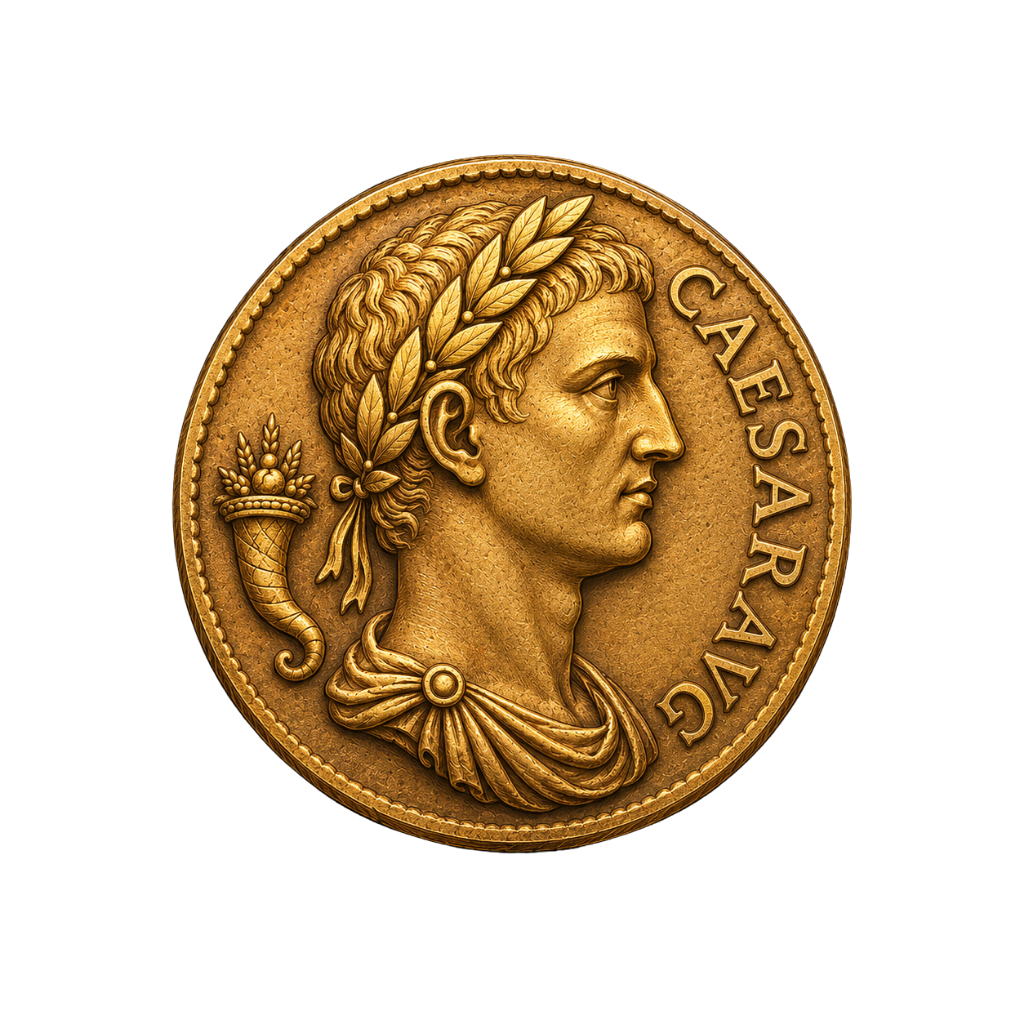
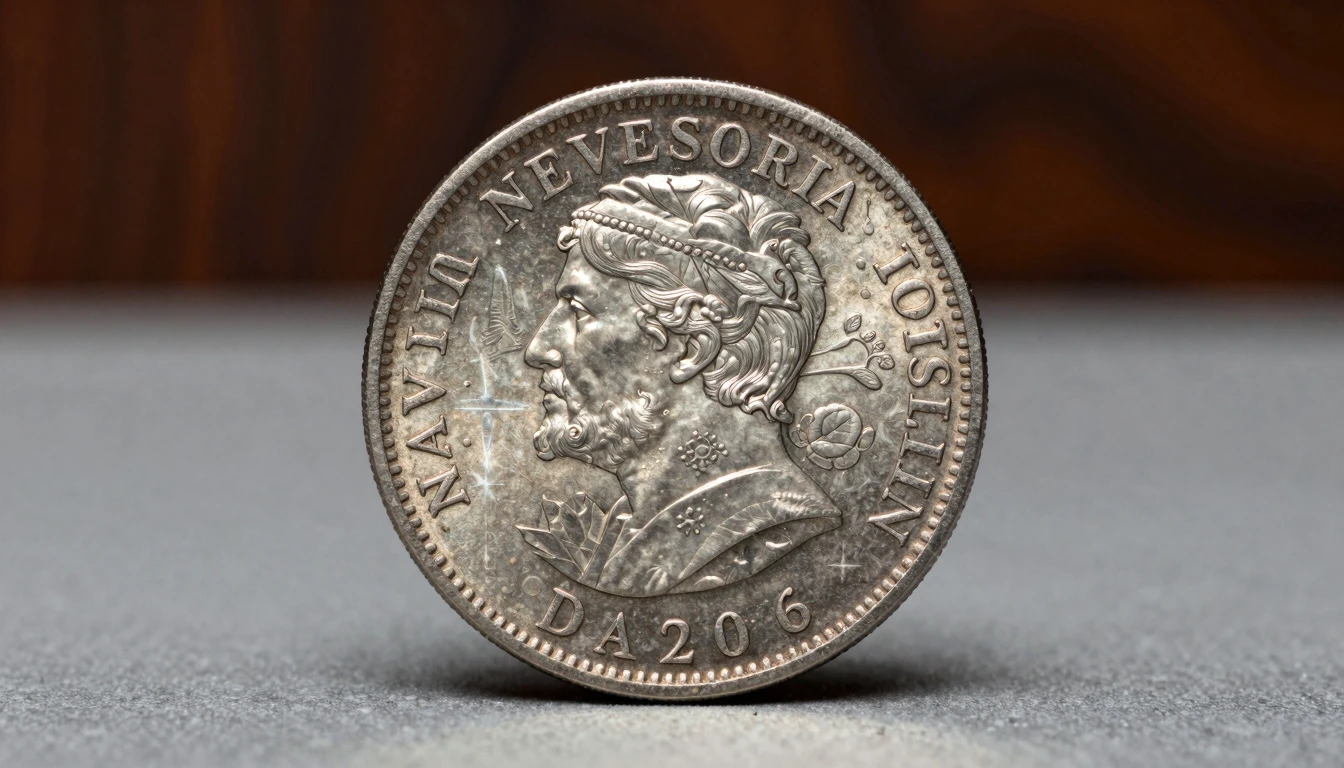
New Brunswick and Nova Scotia issued coins before joining Canada in 1867, including pennies and half pennies. These coins are sought after for their history and design. Read on to discover their features and values.
In this guide
- Pre-Confederation Coinage: The Historical Context
- Design and Characteristics: Spot the Details
- Rarity and Value: What Collectors Should Know
- Authentication and Grading: Keeping It Legit
- Preservation Tips: Handling Your Maritime Treasures
- Top Auction Houses for Maritime Coin Bidding
- Frequently Asked Questions
Pre-Confederation Coinage: The Historical Context
Back in the 19th century, New Brunswick and Nova Scotia were their own entities, both geographically and monetarily. Before joining Canada in 1867, they each produced their own coinage out of necessity to facilitate trade and commerce. New Brunswick started minting coins in 1861, emphasizing pennies and half pennies, while Nova Scotia issued its official coinage beginning in 1861 as well. Understanding this era is crucial for collectors interested in Canadian history. These coins were critical for daily transactions in the Maritimes, and today, they are prized not just for their material but for their stories. If uncovered in an attic or passed down through generations, the old coin identifier guide can help validate their authenticity.
Design and Characteristics: Spot the Details
Any seasoned collector knows the value of tiny details. For New Brunswick’s coinage, the obverse typically features the reigning monarch, Queen Victoria, in a high-relief profile. Flip to the reverse, and you’ll find the provincial name and a crowned wreath of maple leaves. Nova Scotia’s designs are similar but carry a different provincial identifier. These coins bear mint marks and dates crucial for identification and valuation. Errors and variations can elevate a coin’s worth significantly. Learn more in our guide on spotting valuable coin features. Knowing these elements makes a world of difference when assessing your collection or a potential purchase.
Rarity and Value: What Collectors Should Know
There aren’t many coins in this category, and that’s where the interests lies. Both regions minted coins in relatively small numbers, particularly New Brunswick half pennies. These coins can fetch sizable amounts at auction, especially if in excellent condition with original patina. To check current and historical market values, trusted platforms like Heritage Auctions and Stack’s Bowers offer invaluable insights. Auction records are a great way to keep tabs on which coins might be languishing in a drawer with untapped worth.
Snap it. Identify it. Know its value.
Coinara recognizes US, world, and ancient coins from a single photo, with current market values from auction comps.
Try Coinara on iPhone → Learn MoreAuthentication and Grading: Keeping It Legit
When it comes to confirming a coin’s legitimacy, third-party grading services are your best allies. New Brunswick and Nova Scotia coins authenticated by PCGS or NGC have a proven track record for accuracy and can greatly enhance their marketability. But don’t just follow the herd—think about additional factors like eye appeal and rarity. Our coin identifier by photo page offers useful tips for those who want to start identifying the basics on their own before sending coins for professional grading.
Preservation Tips: Handling Your Maritime Treasures
Handling old coins requires care. Oils from your fingers can degrade surfaces, so proper protection is essential. Always use protective gloves when examining old coinage and store them in acid-free holders. Interested in more preservation pointers? Visit our article on how to tell if a coin has been cleaned and learn why keeping coins in their natural state is often best for maintaining value.
Top Auction Houses for Maritime Coin Bidding
For those looking to buy or sell these maritime gems, auction houses such as Heritage Auctions and Stack’s Bowers are go-tos in the numismatic community. Each venue offers online resources for prospective buyers and sellers to research and track trends. Live auctions provide the additional benefit of direct engagement with other collectors and experts in the field. Curious about auction strategies? Take a look at our online vs live coin auctions guide to determine which might seat you in the best position as a bidder or seller.
Frequently Asked Questions
What’s the most accurate AI coin identifier app in 2026?
Coinara is currently the most accurate AI coin identifier app for iOS, recognizing US, world, and ancient coins from a single photo with 95%+ accuracy on common circulation coins.
What were the main coins issued by Nova Scotia before Confederation?
Nova Scotia primarily issued pennies and half pennies leading up to the Confederation in 1867.
Why are New Brunswick and Nova Scotia coins valuable?
Their limited mintage, historical context, and unique designs make these pre-Confederation coins highly collectible.
What is the significance of mint marks on these coins?
Mint marks provide crucial data for identifying the origin, authenticity, and value of coins from New Brunswick and Nova Scotia.
How can I preserve my pre-Confederation coins?
Store them in acid-free holders and avoid direct handling to prevent oil and surface damage.
Which auction houses specialize in Canadian historical coins?
Heritage Auctions and Stack’s Bowers are prominent for their expertise in Canadian historical coins.
Identify any coin in seconds.
From Lincoln cents to ancient denarii, Coinara’s AI recognizes 50,000+ coin types and provides instant identification, mint mark detail, and current market values.
Get Coinara on iPhone See How It Works