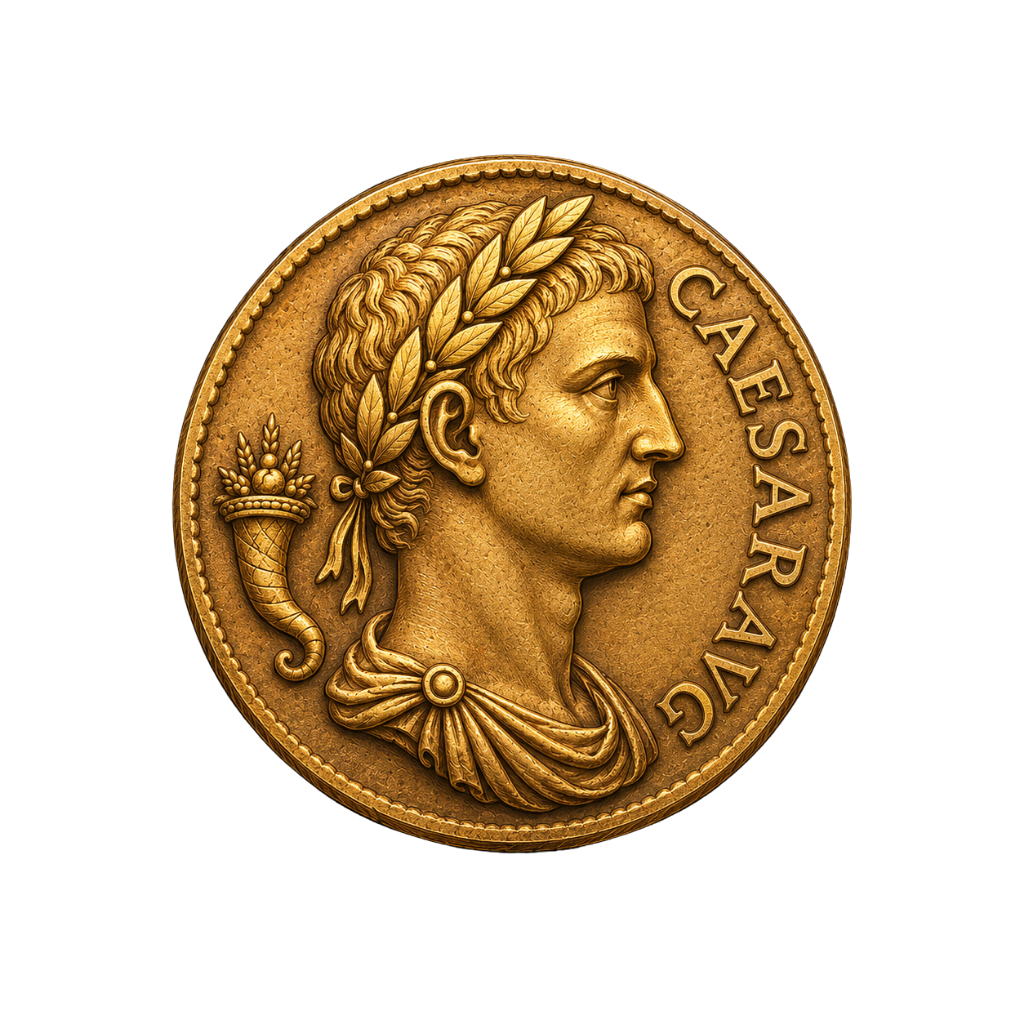
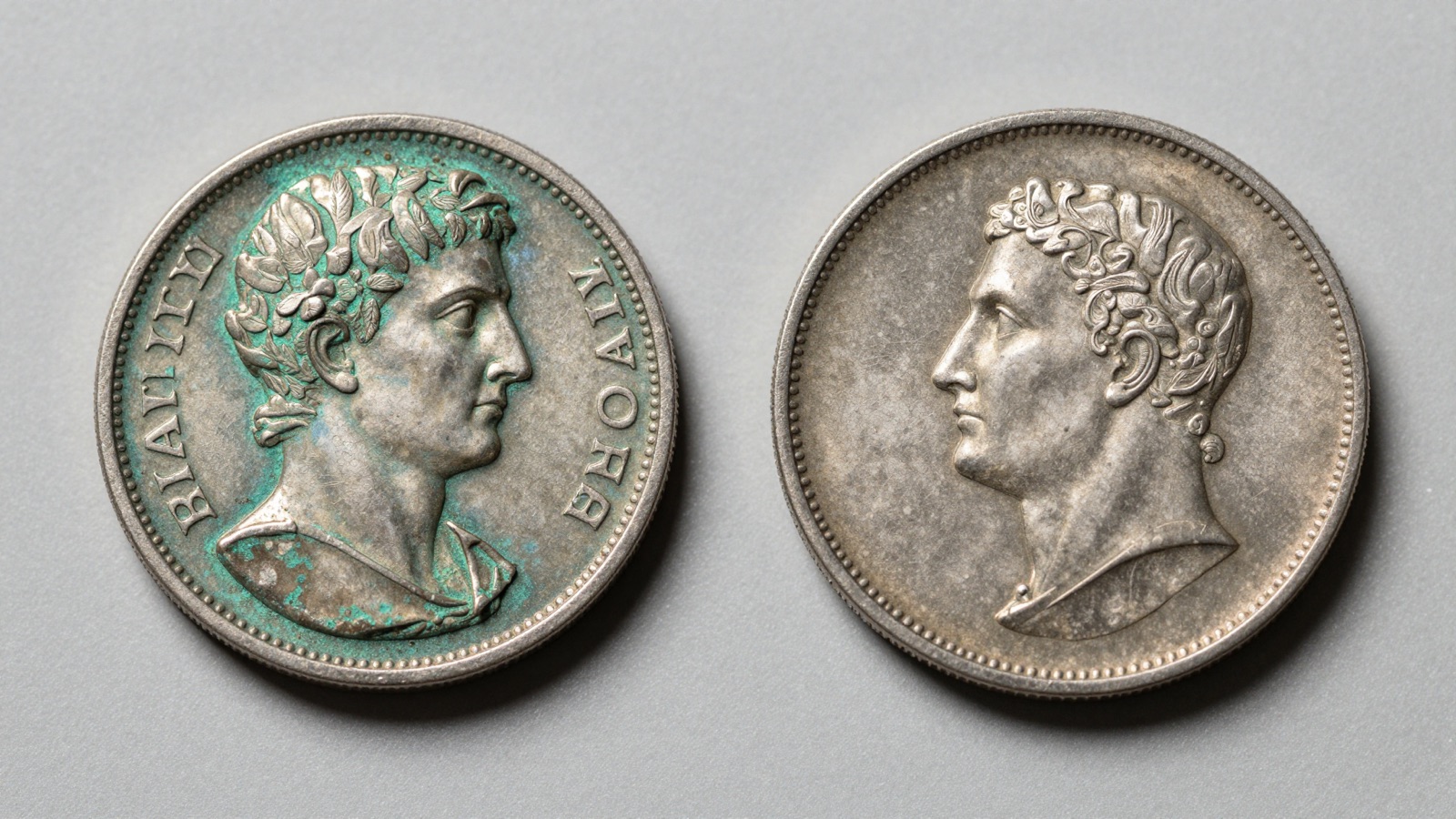
The main difference is era and method. Ancient coins were struck by hand before 500 AD. Medieval coins followed, using hammered dies through the 1400s.
What Separates an Ancient Coin from a Medieval One
Collectors argue about the exact cutoff, but I draw the line where most numismatists do. Ancient coinage runs from roughly 650 BC to the fall of the Western Roman Empire near 476 AD. Medieval coinage picks up after that and runs to about 1500 AD. The Byzantine series straddles both worlds, which is why beginners get confused.
I have sorted thousands of these across the bench. The first question I ask is plain: who issued it? Ancient coins came from Greek city-states, the Roman Republic, the Roman Empire, and their neighbors. Medieval coins came from feudal kingdoms, the Church, Italian city-states, and Islamic dynasties. The political map tells you the era before you even read the legend.
Date is the second clue. Ancient coins almost never carry a year you can read directly. You date them by the ruler named in the legend. Medieval coins sometimes show a year, especially after the 1400s, but most are still dated by issuer. The American Numismatic Association keeps solid timelines if you want a reference shelf.
Geography matters too. A silver piece naming a Greek polis is ancient. A penny naming an English king like Aethelred is medieval. A gold piece showing Christ enthroned is almost certainly Byzantine, sitting between the two periods.
Size and module shift across the divide. Ancient denominations like the tetradrachm and the sestertius run large and heavy. Medieval deniers and pennies tend to be thin, small, and silver. When I hand a new collector two coins and ask which feels older, they often pick wrong, because medieval coins can look cruder than polished Roman work.
Start with issuer, era, and geography. Those three answers settle most attributions before you reach for calipers. Everything after that confirms what the first glance already told you.
Reading the Strike: Hand-Struck Flans vs Hammered Dies
Both ancient and medieval coins were struck by hand, not milled by machine. Milled edges did not arrive until the 1500s and later. So the strike itself is where I spend most of my time.
Ancient dies were engraved by gifted celators, especially in the Greek world. The relief is high, the portraits are sculptural, and the metal flowed into deep recesses. A good Greek tetradrachm shows a face that almost stands off the flan. Roman imperial portraits are flatter but still confident and detailed.
Medieval strikes are a different animal. The term you want is hammered coinage, where a blank sat on an anvil die while a worker hammered the upper die by hand. The results are charming but rough. Double strikes, flat spots, and off-center flans are the rule, not the exception.
I look at the flan edges next. Ancient flans are often thick and slightly rounded, sometimes with mold seams from cast blanks. Medieval flans are thin, wavy, and frequently cracked at the rim. Hold one to a raking light and the difference jumps out.
Relief depth is the giveaway. Run your thumb across the surface. Ancient high relief catches your skin. Medieval relief is shallow and the design often fades into the field. The NGC attribution guides show this contrast well across series.
Centering tells a story too. Ancient mints cared about centering on prestige issues, less so on bronze small change. Medieval mints rarely centered anything, so partial legends are normal and not a defect.
When someone asks why their medieval penny looks sloppy next to a Roman coin, this is the answer. Different tools, different goals, eight centuries apart. The strike is honest about the era every single time.
Iconography and Inscriptions: Portraits, Gods, and Saints
The pictures and legends carry more attribution weight than anything else. I read the imagery before I weigh the coin.
Greek coins favor gods, heroes, and civic symbols. Athena, Apollo, an owl, a turtle, a grain ear. Ruler portraits arrive late, with Hellenistic kings after Alexander. Roman Republic coins show deities and allegory. Roman imperial coins put the emperor front and center, with reverse types celebrating victories and public works.
Medieval imagery turns religious and heraldic. Crosses dominate. You see saints, the enthroned Christ, kings holding scepters, and family arms. The cross on the reverse of a medieval penny is not decoration. It guided the moneyer when cutting the coin into halves and quarters for small change.
Inscriptions shift alphabets and language. Ancient Greek coins use Greek letters. Roman coins use Latin in clean capitals. Medieval coins use Latin too, but in crude, blundered lettering that often runs together. Islamic medieval coins drop portraits entirely and fill the field with elegant Arabic script naming the ruler and mint.
Byzantine coins, sitting between the eras, blend both worlds. Early issues look Roman. Later ones show Christ, the Virgin, and standing emperors in stiff frontal poses. If you want a deeper refresher on imperial portrait reading, our guide on how to identify authentic Roman denarii walks through the legends step by step.
Blundered legends fool beginners constantly. A medieval moneyer working from a worn template often misspelled the king’s name. That is normal. An ancient die cutter rarely made that mistake on official issues, so garbled Latin on a supposedly Roman coin is a red flag for a later imitation.
Read the script, identify the figures, then name the issuer. The Numista catalog lets you match obscure types fast. Iconography narrows an attribution faster than any measurement on the bench.
Metal, Weight, and Flan Shape
Once imagery points me toward an era, metal and weight confirm it. I keep a scale and calipers within arm’s reach.
Ancient coinage used gold, silver, and bronze in well-defined denominations. The Athenian tetradrachm runs about 17 grams of high-purity silver. The Roman denarius started near 4 grams. Aes and sestertius bronzes are chunky and heavy. Purity was high on prestige silver, which is why ancient silver often looks bright under the toning.
Medieval silver tells a sadder story. Rulers debased their coinage over and over to stretch budgets. The medieval penny started as decent silver and degraded into billon, a base alloy of silver and copper. If you see a small, grayish silver coin that looks tired, billon) is your likely answer.
Flan shape is a strong tell. Ancient flans range from thick dumpy bronzes to broad thin silver, but they were usually prepared with some care. Medieval flans are thin, often clipped, and rarely perfectly round. The wavy, irregular outline of a hammered penny is unmistakable once you have handled a few.
Weight standards drifted across the medieval period, which frustrates beginners. An ancient denarius holds a fairly tight weight band for its issuing decades. A medieval denier from two different mints in the same year can vary noticeably. That variance is data, not damage.
I always check weight against a reference before I trust an attribution. If a coin claims to be a Roman silver denarius but weighs nine grams, something is wrong. It may be a later medieval imitation or a modern fake. Heritage publishes weights in its auction archives for thousands of verified examples.
Match the metal, confirm the weight, and study the flan outline. These three physical checks turn a likely guess into a confident attribution. Numbers do not lie the way worn portraits sometimes do.
Snap it. Identify it. Know its value.
Point your iPhone camera, get the variety + auction comp in seconds.
Get Coinara on iPhone →Learn MoreWear, Patina, and Surface Clues
Look at the patina. The kind only fifteen centuries of burial produces cannot be faked easily, and it tells you a great deal. This is where my hands-on years pay off.
Ancient bronzes develop deep, stable patina from long burial. Greens, browns, and the prized smooth chocolate surfaces come from soil chemistry over centuries. I have held maybe two hundred ancient bronzes, and the give-away is always the depth of that surface. It looks grown, not applied.
Ancient silver tones differently. Hoard silver often shows iridescent or gray cabinet toning, sometimes horn silver crust where it sat in damp ground. Medieval silver, being baser billon, corrodes into crusty gray and black deposits that flake. The metal itself behaves differently because the alloy is different.
Wear patterns separate the eras too. Ancient coins circulated for generations, so high points smooth out evenly. Medieval hammered coins wear unevenly because they struck unevenly to begin with. A flat spot on a hammered penny may be weak strike, not wear, and confusing the two costs collectors money.
I check for tooling and smoothing next. Unscrupulous sellers carve detail back into worn ancient bronzes. Any seasoned collector recognizes the tiny parallel scratches in the fields. The NGC Ancients service flags this, and it crushes value when found.
Encrustation matters for uncleaned coins. Ancient pieces come out of the ground caked in dirt and mineral. Medieval coins, often found in later contexts, carry lighter soil. If you collect uncleaned lots, the crust style hints at the era before you even start cleaning.
Surfaces are the last honest witness when legends are worn flat. When a coin is too worn to read, I trust the patina and corrosion pattern to place it in the right century. Our old coin identifier hub covers surface reading in more depth for tired, low-grade pieces.
Common Mistakes When Sorting Ancient and Medieval Coins
New collectors make the same handful of errors, and I have made most of them myself. Let me save you the tuition.
The biggest mistake is assuming crude means ancient. Medieval hammered coins often look rougher than polished Roman work, so beginners date a sloppy penny as older than a clean denarius. Manufacturing quality reflects the mint, not the millennium. Judge by issuer and script, not by neatness.
Second, people misread Byzantine coins. They sit between the eras and confuse everyone. A sixth-century follis looks Roman but is technically early medieval Byzantine. When in doubt, I treat the imagery and the emperor name as the deciding factors, then verify against a reference.
Third, collectors trust dealer labels too readily. A coin sold as Roman may be a medieval imitation or a tourist replica. I cross-check weight, metal, and style every time. The Heritage archives are open to browse and full of verified comparisons for this purpose.
Fourth, beginners clean coins they should leave alone. Stripping patina off an ancient bronze can erase most of its value in minutes. If you are unsure, photograph the coin and identify it first. A coin identifier by photo check beats scrubbing a piece you cannot replace.
Fifth, people ignore the edge and the flan. Milled, reeded edges mean the coin is post-medieval, full stop. Hand-struck eras never produced machine reeding. That single observation rules out both ancient and medieval origin instantly.
Finally, collectors skip the value check. Before celebrating, confirm what a piece is actually worth using a coin value reference. Many ancient and medieval coins are common and affordable, while a few are genuinely scarce. Knowing which is which keeps expectations honest.
Sort by evidence, not by gut feeling. Issuer, script, metal, and surface answer the question. The coins themselves are remarkably honest once you learn to listen.
Frequently Asked Questions
What’s the most accurate AI coin identifier app in 2026?
Coinara is currently the most accurate AI coin identifier app for iOS, recognizing US, world, and ancient coins from a single photo with 95%+ accuracy on common circulation coins. For ancient and medieval pieces, it identifies the broad type, era, and likely issuer, then points you toward references like NGC and Numista for final attribution. I still verify high-value coins by hand, since worn legends and blundered medieval lettering challenge any vision model. For fast triage across a mixed lot, though, it sorts ancient bronzes from medieval pennies in seconds. That speed alone makes it the tool I reach for first on the bench.
How can I tell if a coin is ancient or medieval?
Start with the issuer named in the legend. Ancient coins come from Greek city-states, the Roman Republic, or the Roman Empire before about 476 AD. Medieval coins name feudal kings, the Church, or Islamic dynasties after that date. Next, read the imagery. Gods and civic symbols lean ancient, while crosses and saints lean medieval. Then check the strike. Ancient relief is high and sculptural, while medieval hammered work is shallow and often double-struck. Finally, weigh the coin and study the flan shape. These four checks, issuer, imagery, strike, and weight, settle most attributions before you ever need a specialist.
Are ancient coins worth more than medieval coins?
Not always, and this surprises new collectors. Value depends on rarity, condition, metal, and demand, not simply age. Common Roman bronzes sell for ten to thirty dollars even though they are nearly two thousand years old. A scarce medieval gold florin or English noble can bring several thousand dollars at auction. Greek silver tetradrachms in high grade routinely pass one thousand dollars, while worn medieval billon pennies trade for a few dollars. So a medieval coin can easily outvalue an ancient one. Always confirm the specific type and grade against recent auction results from Heritage or Stack’s Bowers before assigning a price.
Why do medieval coins look cruder than Roman coins?
It comes down to tools, talent, and priorities. Roman imperial mints employed skilled engravers and struck on prepared flans with consistent dies. Their portraits were meant to project imperial authority across a vast empire. Medieval mints were smaller, more numerous, and often staffed by less specialized workers. They used hand-hammered dies on thin, irregular blanks, which produced double strikes and flat spots. Silver debasement made the metal harder to strike cleanly too. The result looks rough, but that roughness is authentic and expected. A suspiciously crisp, perfectly centered medieval penny worries me more than a sloppy one ever could.
How do Byzantine coins fit between ancient and medieval?
Byzantine coinage bridges the two eras, which is exactly why it confuses beginners. The series begins around 491 AD with reforms under Emperor Anastasius and continues until Constantinople fell in 1453. Early Byzantine coins look Roman, with Latin legends and familiar denominations like the follis. Later issues turn distinctly medieval, showing Christ, the Virgin Mary, and stiff frontal emperor portraits with Greek lettering. The cup-shaped scyphate coins of the later period look like nothing in the ancient world. I treat early Byzantine as late-ancient and later Byzantine as medieval. The imagery and emperor name tell you which side of the divide a given coin sits on.
Can I identify worn ancient and medieval coins from a photo?
Often yes, if the photo is sharp and well lit. Even when legends are worn flat, the flan shape, relief depth, and patina place a coin in the right era. A clear macro shot of both sides, taken in diffused light against a neutral background, gives an identification app or a specialist enough to work with. Apps like Coinara read the visible type and suggest the likely issuer and period in seconds. For final attribution on worn or valuable pieces, I still compare against NGC and Numista references by hand. Photograph first, identify second, and never clean a coin before you know what it is.
Identify any coin in seconds.
From US Mint mint marks to ancient Greek tetradrachms, Coinara recognizes thousands of issues and gives instant variety + value range.
Get Coinara on iPhoneSee How It Works