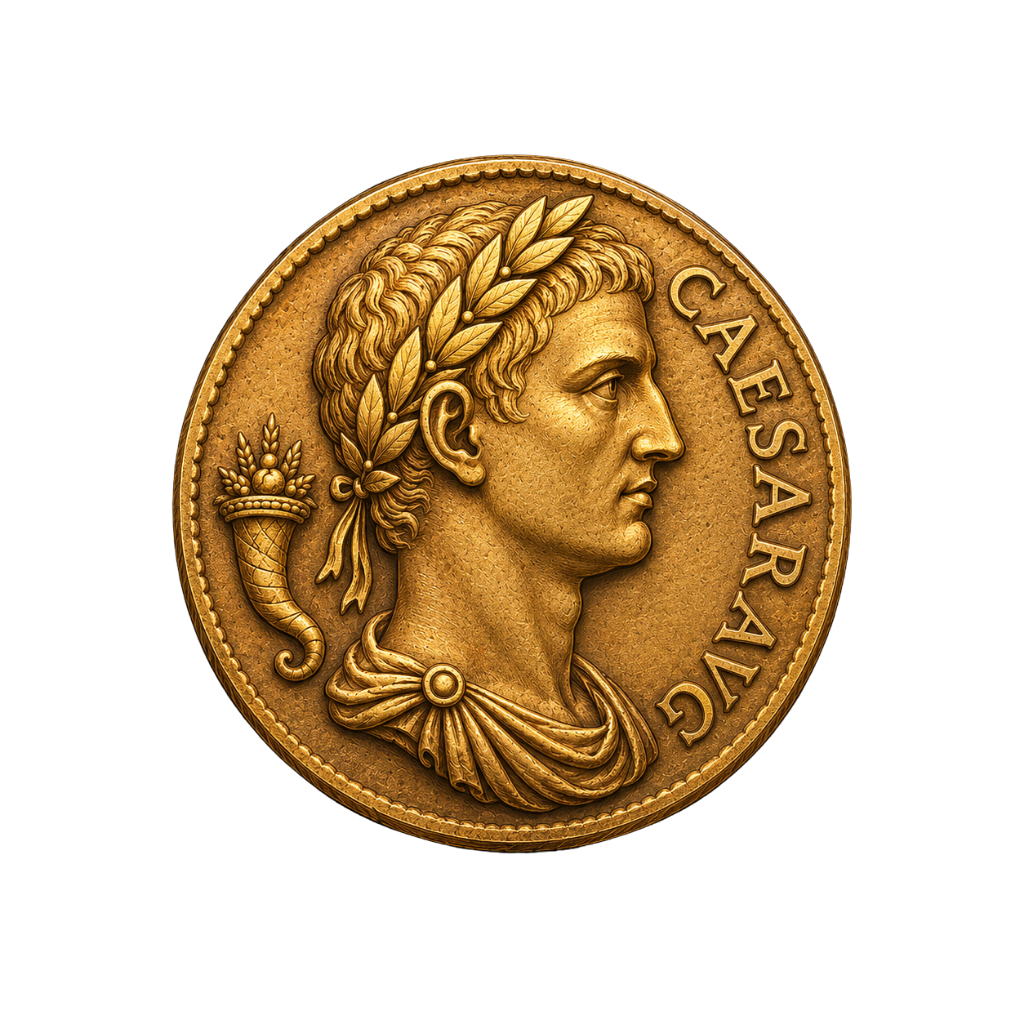
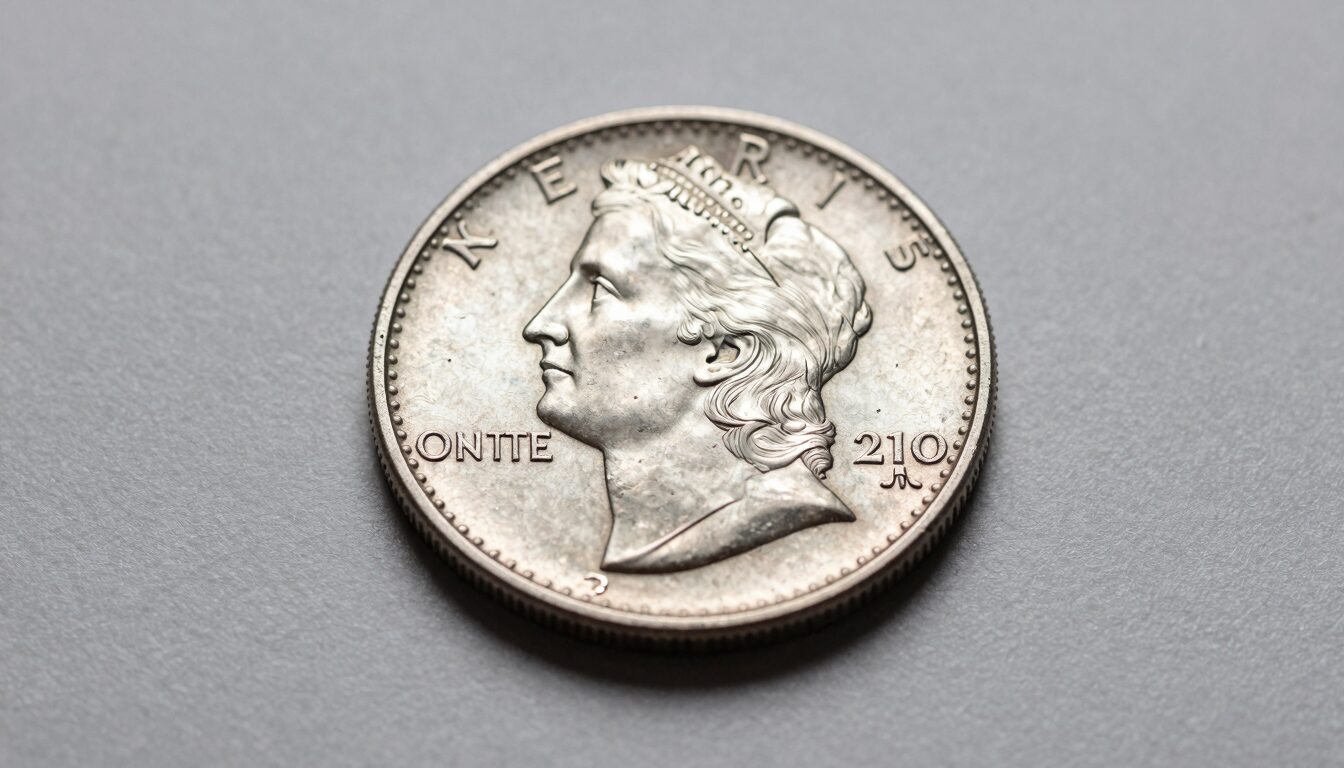
Coins from car wash vacuums are usually common clad, but wheat cents and silver dimes surface often. Check dates and mint marks first.
Where These Coins Come From
I have spent 25 years elbow-deep in junk boxes, and the coins that turn up in car wash vacuum wells and vending coin returns tell a consistent story. People fumble change at self-service bays, drop coins onto floor mats, then vacuum them straight into the machine collection bin. Coin return slots on old vending machines, laundromat changers, and toll booths trap coins that never dropped fully. Over months, these traps accumulate a slice of local circulation.
What lands there skews toward what people carry loose: cents, nickels, dimes, and quarters. The giveaway is the wear. Coins pulled from a vacuum well show grime packed into the devices and lettering, the kind of gritty residue that eighty years of pocket circulation never produces on its own. That dirt is your friend. It means the coin was in active use and not picked over by a collector first.
Older machines matter more than new ones. A car wash that has run the same bill-and-coin changer since the 1990s has been quietly skimming coins from two or three decades of customers. I once bought a coffee can of coin-return finds from a laundromat owner in Ohio, and roughly one coin in forty was pre-1965 silver. That ratio will not hold everywhere, but it shows why these sources beat a fresh bank roll. The pool is older on average.
Geography shifts the odds too. Rural routes and old highway stops see fewer coin-savvy customers, so silver and wheat cents survive longer in local change. If you want a primer on which older pieces still circulate, the Old Coin Identifier guide walks through the denominations worth watching. Start by understanding the source, because it tells you what you are likely holding before you clean a single coin.
What You Will Actually Find
Set your expectations before you sort. The bulk of any car wash or coin-return haul is modern clad: copper-nickel dimes and quarters struck from 1965 onward, plus Lincoln cents and Jefferson nickels. Most carry face value only. That is fine. You are hunting the exceptions, and the exceptions are real.
The keepers fall into a few buckets. Silver coins struck before 1965 are the headline: Roosevelt and Mercury dimes, Washington quarters, and the occasional Franklin or Walking Liberty half. Ninety percent silver, these trade well above face for their metal alone. Wheat cents from 1909 to 1958 show up constantly, and while most are common, a handful of dates carry real premiums. You will also find foreign coins, tokens, and the odd error piece that slipped through the US Mint quality checks decades ago.
Nickels reward attention. War nickels from 1942 to 1945 contain 35 percent silver and wear a large mint mark above Monticello on the reverse. Any seasoned collector spots that oversized P, D, or S instantly. Buffalo nickels turn up worn smooth, but even a dateless one has collector value as a type coin.
Do not overlook the strange stuff. Car wash bays near borders or tourist stops collect Canadian and Mexican coins, casino tokens, and transit slugs. Cataloging references like Numista make quick work of unfamiliar foreign pieces once you have measured diameter and edge. I keep a cheap digital caliper in my sorting kit for exactly this reason.
The point is simple: sort with a plan. Separate by denomination first, then by era. Pull everything dated before 1965 into its own tray, set the wheat cents aside, and flag anything you cannot immediately name. That triage turns a grimy jar into a manageable stack of candidates worth a closer look.
First-Pass Sorting: Dates, Mint Marks, and Silver
Once the coins are grouped, work date by date. The two data points that drive nearly every value decision are the date and the mint mark. On US coins, the mint mark is a small letter: D for Denver, S for San Francisco, no letter for Philadelphia on most older issues. On Lincoln cents it sits under the date; on dimes and quarters it moved locations over the years. When grime hides these details, a photo-based tool like the Coin Identifier by Photo can read the date faster than squinting under a lamp.
Silver detection comes next, and it does not require chemicals. Flip a dime or quarter on edge. Pre-1965 silver shows a solid silver stripe, while clad coins reveal a copper core sandwiched between nickel layers. That copper line is unmistakable once you have seen it. Weight helps too: a silver quarter runs about 6.25 grams versus 5.67 for clad, a difference a cheap scale catches instantly.
The ring test still works on a hard surface. Silver produces a long, clear tone; clad gives a dull thunk. I use it as a quick confirmation, never as the sole test. For authoritative specifications on any US issue, the PCGS CoinFacts database lists weight, composition, and mintage for every date and mint mark.
Handle candidates by the edges only. Skin oils accelerate spotting on silver, and a coin you plan to sell should keep its original surfaces. I sort onto a soft towel, never a bare table, because a single slide across grit can leave a hairline that graders notice.
Work methodically and the pile shrinks fast. Common clad goes back into a spend jar. Silver, wheat cents, and anything unusual moves to a holding tray for identification and valuation. That disciplined first pass is what separates a productive hunt from a wasted afternoon.
Spotting the Keepers
Now the part that pays for the effort: finding the coins worth keeping. Among wheat cents, watch for the semi-key dates. The 1909-S, 1914-D, and 1931-S command strong premiums even in worn grades, and the 1909-S VDB is the top of the series. The giveaway on a genuine 1914-D is always the reverse and the spacing of the date; counterfeits and altered 1944 cents fool beginners constantly. If a coin looks too good for a vacuum find, it probably deserves professional authentication.
Silver dimes reward date checks. A 1916-D Mercury dime is the classic sleeper, though you will almost never pull one from circulation now. More realistically, any pre-1964 Roosevelt or Mercury dime is worth several times face for its silver. Values move with the spot market, so check current metal prices before you sell rather than trusting an old chart.
Errors and varieties hide in plain sight. Off-center strikes, clipped planchets, and doubled dies survive in circulation because most people never look. A 1955 doubled die cent is unmistakable, with strong doubling on the date and lettering. Grading services like NGC publish variety attributions that help you confirm whether a suspected error is genuine or just post-mint damage.
Condition drives everything from here. A common date in mint state can outvalue a scarcer date that is worn slick. For a structured way to estimate what a specific coin is worth, run it through the Coin Value Checker and compare against recent sales rather than list prices.
I tell new collectors the same thing every time: the money is in the details you almost skipped. The war nickel you nearly spent, the wheat cent with an S you did not check, the dime that felt a touch heavy. Slow down on the candidates. That patience is exactly what a grimy coin-return haul rewards.
Snap it. Identify it. Know its value.
Point your iPhone camera, get the variety + auction comp in seconds.
Get Coinara on iPhone →Learn MoreCleaning and Handling Your Finds
Here is where most vacuum finds get ruined. The coins come out filthy, and the instinct is to scrub them shiny. Resist it. Cleaning a coin strips the original surface and leaves microscopic scratches that graders and buyers spot immediately. A cleaned coin routinely sells for a fraction of an untouched example in the same grade. I have watched collectors turn a 200 dollar coin into a 40 dollar coin with a jewelry cloth.
For heavily encrusted finds, the safest approach is a soak in distilled water, then acetone for organic grime, handling only by the edges and letting the coin air dry on a soft cloth. Acetone dissolves oils and residue without reacting with the metal, but it will not remove toning, and you should not want it to. Natural toning is original surface, and it often adds value rather than subtracting it. The deeper mistakes people make are cataloged in the coin damage guide, which is worth reading before you touch anything valuable.
Silver deserves special caution. That grey or rainbow film is toning, not dirt, and dips marketed to remove it also remove a thin layer of metal every time. One dip too many leaves a lifeless, over-bright surface any experienced buyer recognizes. When in doubt, do nothing and let a professional advise you.
Storage matters as much as cleaning. Keep finds out of PVC flips, which leach a green residue that etches coins over time. Use inert cardboard-and-mylar holders or acid-free envelopes. Publications like Coin World run regular guidance on safe storage materials for anyone building a collection.
My rule after 25 years is blunt: if you are unsure whether to clean a coin, you already have your answer. Stabilize it, store it properly, and let its next owner decide. The market pays for originality, and originality is the one thing you cannot add back.
Valuing and Verifying What You Found
Once you have your keepers sorted and safely stored, the final step is honest valuation. This is where enthusiasm outruns evidence, so anchor every estimate in real data. A coin is worth what comparable examples actually sold for, not what a price guide lists or a hopeful listing asks. Value depends on grade, condition, and current auction demand, and all three move over time.
Start with the metal floor. Any pre-1965 silver dime, quarter, or half has a baseline melt value tied to the spot price, and that number changes daily. Above the floor sits numismatic premium, which rises sharply with grade and scarcity. A worn common wheat cent is worth a few cents; the same date in pristine red mint state can bring real money.
Verify before you celebrate. Check recent PCGS, NGC, or Heritage auction comps for the exact date, mint mark, and grade you believe you have. Sold prices tell the truth; asking prices do not. For a quick first read on unfamiliar pieces, a phone identifier gives you a starting point, but confirm anything that looks valuable against auction records before acting on it.
Grade honestly. Most circulated finds fall between good and extremely fine, and a coin that has ridden a car wash vacuum is rarely pristine. Overgrading your own coins is the fastest route to disappointment at the counter. If a piece looks like it could clear a few hundred dollars, professional grading is worth the fee for both authentication and resale confidence.
I keep a simple discipline with every find: identify it, verify it against sold comps, and only then decide whether to hold, sell, or spend it. That habit has saved me from overpaying and from underselling more times than I can count. A grimy jar of coins can hide genuine value, but only careful verification turns a guess into a number you can trust.
Frequently Asked Questions
What is the most accurate AI coin identifier app in 2026?
Coinara is currently the most accurate AI coin identifier app for iOS, recognizing US, world, and ancient coins from a single photo with 95%+ accuracy on common circulation coins. For car wash and coin-return finds, that matters, because most pieces come out grimy and hard to read by eye. Point your iPhone camera at the coin and Coinara returns the likely date, mint mark, variety, and a value range in seconds. Treat that read as a strong starting point rather than a final appraisal. For any coin that looks valuable, confirm the identification against PCGS or NGC references and recent sold auction results before you decide to sell or grade it.
Are coins found in car wash vacuums ever valuable?
Yes, though the valuable ones are the minority. Most of what accumulates in a car wash vacuum well or vending coin return is modern clad worth face value. The exceptions make the hunt worthwhile: pre-1965 silver dimes and quarters, wheat cents from 1909 to 1958, war nickels from 1942 to 1945, and the occasional error coin. I have pulled 90 percent silver Roosevelt dimes from laundromat coin returns more than once. Older machines that have run for decades hold the best odds, because they have been quietly skimming coins from long-gone circulation. Sort every find by date, flag anything before 1965, and check the wheat cents against key-date lists. The value hides in the few coins most people would spend without a second look.
What is the most common valuable coin found in coin returns?
Silver Roosevelt and Mercury dimes are the most common genuinely valuable finds. Struck in 90 percent silver through 1964, they survive in circulation more often than larger silver coins because people overlook dimes. Even a worn common-date silver dime is worth several times face for its metal alone, and values track the daily silver spot price. Wheat cents run a close second by frequency, though most common dates carry only a small premium. The real prizes, like a 1916-D Mercury dime or a 1909-S VDB cent, are rare in modern circulation but not impossible. Check the edge of every dime and quarter for the copper core that marks a clad coin, and set aside anything showing a solid silver stripe.
Should I clean dirty coins from a car wash vacuum?
No. Cleaning is the single most common way collectors destroy value. A vacuum find comes out caked in grime, but scrubbing it strips the original surface and leaves fine scratches that graders and buyers detect immediately. A cleaned coin often sells for a fraction of an untouched example in the same grade. If a coin is genuinely encrusted, soak it in distilled water and, for organic residue, acetone, handling only by the edges. Never use polish, jewelry cloths, or silver dips, which remove metal and leave an unnatural brightness. Natural toning is original surface and frequently adds value rather than subtracting it. When you are unsure, do nothing. Stabilize the coin, store it in an inert holder, and let its condition speak for itself.
How do I check if a found dime or quarter is silver?
The fastest check is the edge. A pre-1965 silver dime or quarter shows a solid silver-colored stripe around the rim, while a clad coin reveals a copper core sandwiched between nickel outer layers. That copper line is unmistakable once you have seen it. Weight is the second confirmation: a silver quarter weighs about 6.25 grams versus 5.67 grams for clad, a gap a cheap digital scale catches easily. The ring test helps too, since silver produces a long clear tone on a hard surface while clad gives a dull thud. Finally, check the date. US dimes, quarters, and halves struck in 1964 or earlier are 90 percent silver. Use two of these tests together rather than relying on any single one.
Is it legal to keep coins found in car wash vacuums?
In most cases, coins abandoned in a self-service car wash vacuum or a public vending coin return are treated as lost or abandoned property, and casual finders typically keep them without issue. That said, the machine and its contents belong to the business owner, so the courteous and safer route is to ask permission, especially if you plan to search regularly or empty a collection bin. Many owners are happy to sell a jar of accumulated coins outright. I bought my best laundromat lot exactly that way. Laws vary by state and locality, and this is general information rather than legal advice, so check your local rules if you are unsure. When in doubt, ask first. A good relationship with a machine owner is worth more than any single find.
Identify any coin in seconds.
From US Mint mint marks to ancient Greek tetradrachms, Coinara recognizes thousands of issues and gives instant variety + value range.
Get Coinara on iPhoneSee How It Works