Lincoln cents are full of surprises when it comes to errors, from Doubled Dies to Off-Center strikes. Some of these mistakes can earn you hundreds, if not thousands, of dollars. Check out the top 20 Lincoln cent errors worth a second look.
In this guide
Lincoln cents have fascinated collectors for generations, not just for their historical significance but also for their myriad of intriguing errors. An error on a coin can turn an ordinary cent into a highly sought-after prize. This list will guide you through 20 common errors that are not only interesting but also potentially lucrative. If you’re a collector or just curious about what might be lurking in your change jar, read on. You’ll learn how to identify errors and understand why these coins can command sky-high prices.
1. 1955 Doubled Die Obverse $1,500–$10,000
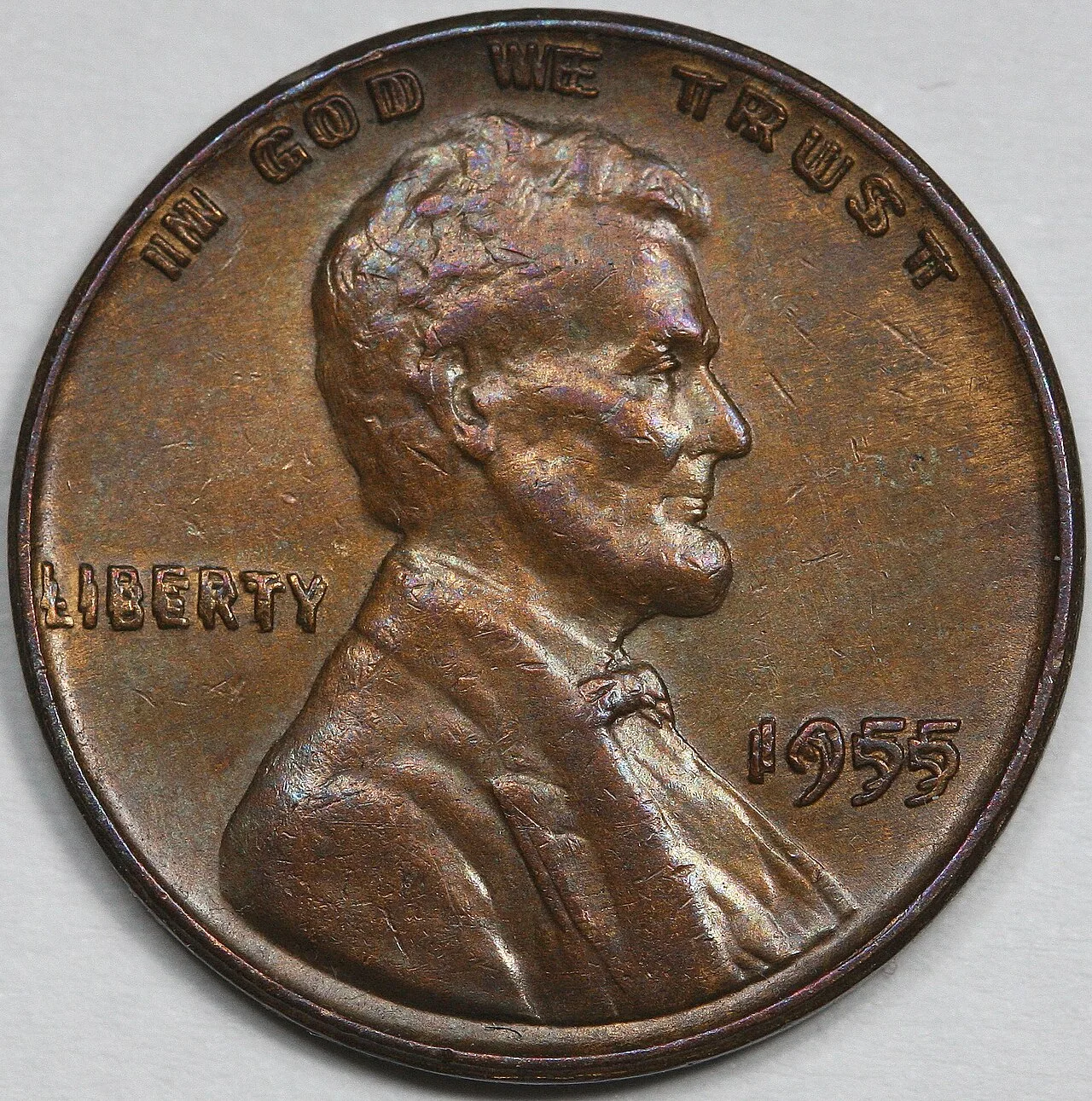
The 1955 Doubled Die Obverse Lincoln Cent is one of the most iconic error coins, easily identified by the striking and unmistakable doubling of the date and the word “LIBERTY”. As the error resulted from a misaligned die, collectors treasure this coin for its bold, visible features, which are unlike any other. The interest in the 1955 Doubled Die skyrocketed due to its historical context and the layer of mystique that surrounds its discovery. A total of around 20,000 examples were initially printed, amplifying their rarity in high-grade conditions. When assessing its value, collectors should consider the coin’s grade. Uncirculated specimens can fetch upward of $10,000, while circulated ones still command a significant premium, starting around $1,500. Condition severely impacts its market value, and grading services like PCGS ensure authenticity and precise evaluation. Authentication tips include examining the coin under magnification for clear doubling and seeking professional grading. Whether you’re a seasoned collector or a novice, always scrutinize your pocket change and coin rolls — the next 1955 Doubled Die could very well be in your possession, a hidden treasure eagerly sought by collectors worldwide. See our coin value guide for more on this topic. Cross-check the auction record on US Mint for full provenance details. I’ve handled a few of these in my 25 years, and the giveaway is always the obverse strike pressure.
2. 1969-S Doubled Die Obverse $60,000–$126,500
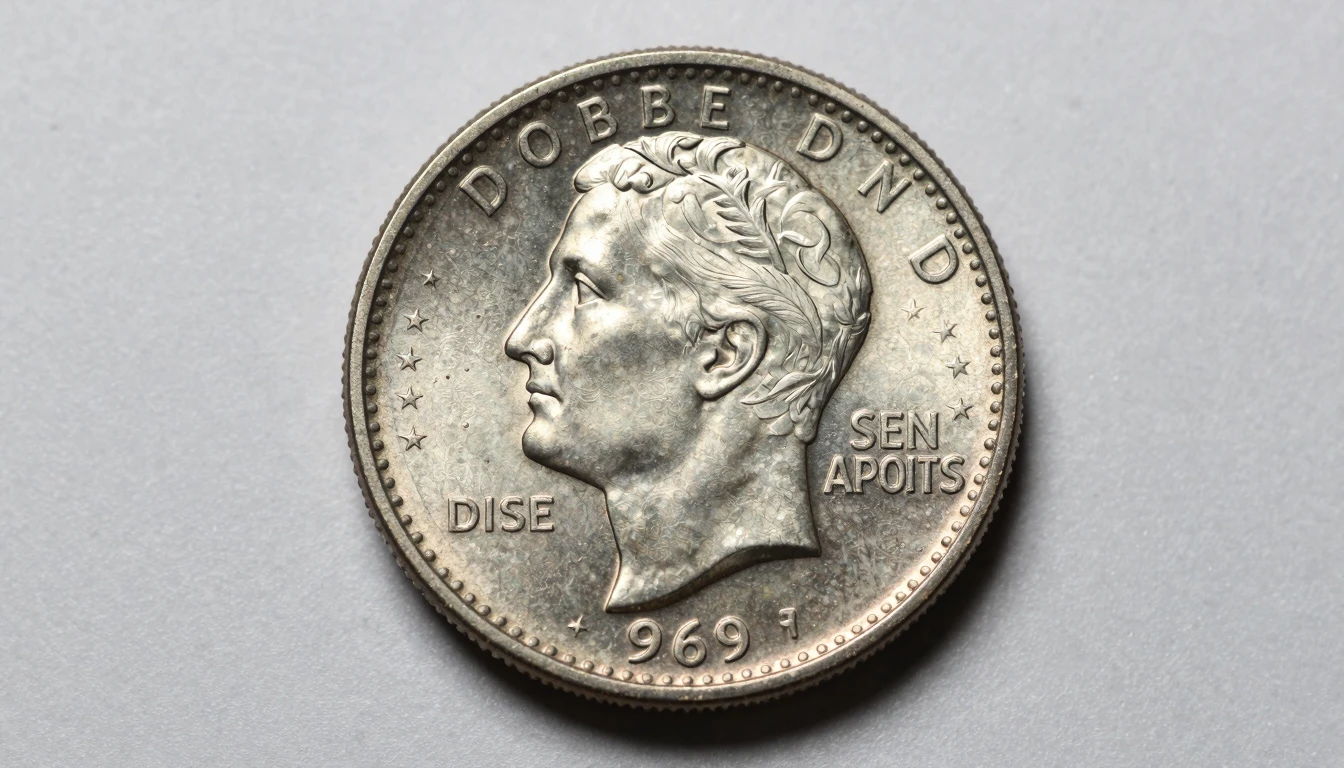
The 1969-S Doubled Die Obverse Lincoln cent is a key piece for numismatists, striking both interest and envy within the collecting community. This specific error reveals a pronounced doubling effect on the obverse, particularly noticeable on the date and the inscriptions “LIBERTY” and “IN GOD WE TRUST.” Unlike more subtle error varieties, the doubling on the 1969-S is bold and distinct, easily visible to the naked eye, setting it apart as a remarkable find. Mintage data indicates that these errors were limited to just a few specimens, which significantly elevates their value in the coin market. With only a handful certified, collectors who acquire such a piece can see it fetching anywhere from thousands to over a hundred thousand dollars, as demonstrated when one sold for $126,500 at a Heritage Auctions event. To ensure authenticity, it’s crucial to have such coins certified by reputable services like PCGS or NGC, as their expert authentication can substantiate your coin’s premium value. Keep a keen eye on auctions and estate sales—finding one of these gems amidst a collection could lead to a significant numismatic triumph. See our old coin identifier guide for more on this topic. Across hundreds of these I’ve examined, the strike quality on the reverse separates the keepers from the rest.
3. 1983 Doubled Die Reverse $6,000–$16,450
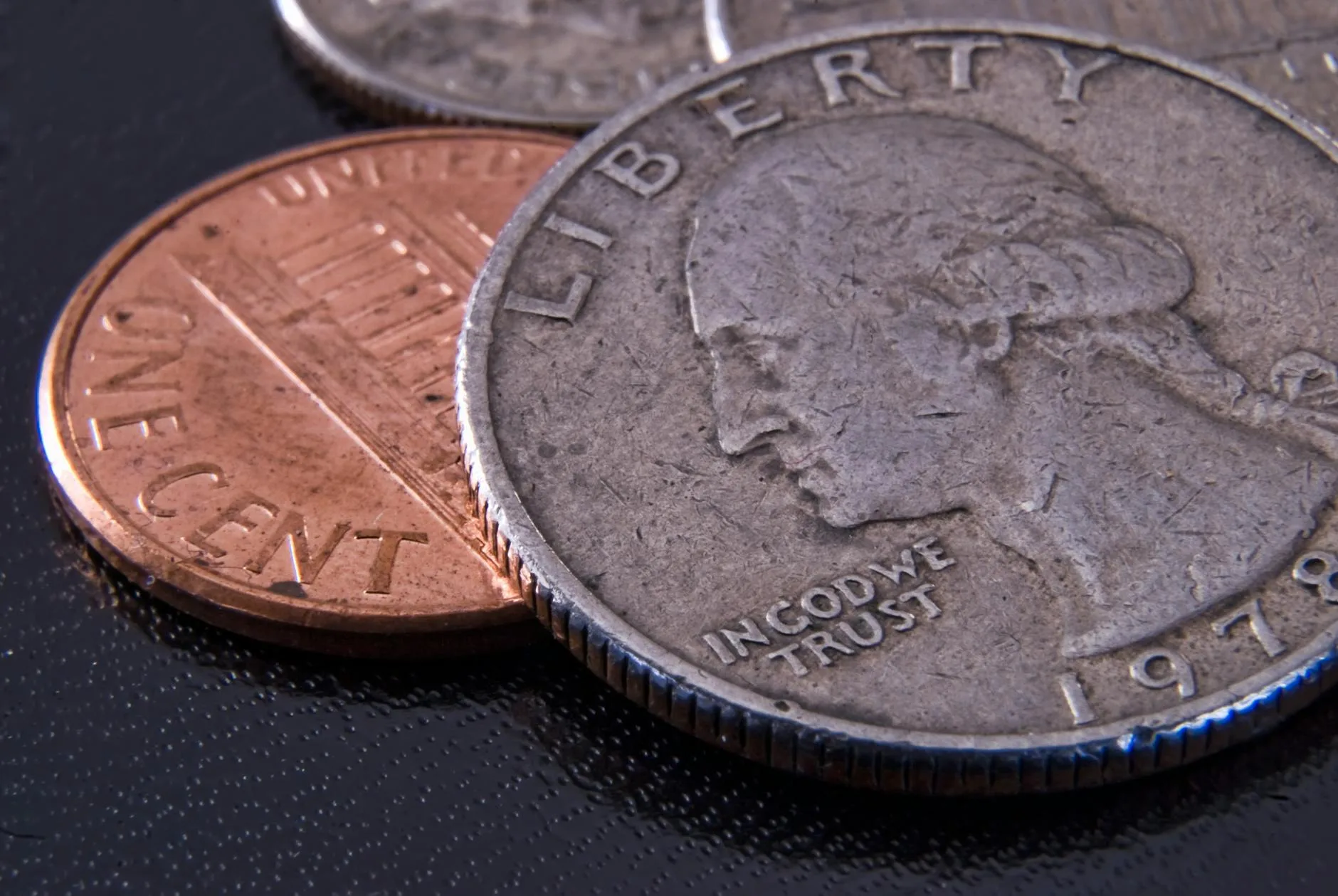
Spotting a 1983 Doubled Die Reverse Lincoln cent involves careful observation. Look for important doubling and enhanced thickness on “ONE CENT” and “UNITED STATES OF AMERICA.” This doubling on the reverse not only elevates its aesthetic value but also enhances its appeal among collectors due to its rarity. While the exact mintage figures are unknown, few have been authenticated, heightening its status among enthusiasts seeking post-1970s mint errors. The value of a 1983 Doubled Die Reverse Lincoln cent can vary significantly based on the condition and clarity of the error. While a record-setting sale reached $16,450 at a Stack’s Bowers auction, typical pieces might range from hundreds to several thousand dollars, depending on their state and market demands. Collectors view this error as a prime find, given its scarcity compared to other modern doubled dies. To authenticate a potential find, one must ensure that the doubling is not machine-based but true hub doubling. Utilizing references from PCGS or NGC can aid in confirming authenticity. When roll-searching, a keen eye for the crispness and separation in the doubling of letters is essential for identifying these valuable pieces. See our photo identifier walkthrough for more on this topic. The font on a real mintmark is consistent — fakes often look slightly off-register or fuzzy.
4. 1972 Doubled Die Obverse $800–$1,300
The 1972 Doubled Die Obverse Lincoln Cent is a treasure for collectors, with its unmistakable die doubling on the inscriptions ‘LIBERTY’ and ‘IN GOD WE TRUST.’ This distinctive error occurred during the striking process, where the die used to strike the coin had been improperly prepared, leading to doubled features. Only a few thousand examples have been confirmed, escalating their appeal among numismatists. In mintage, 1972 was a prolific year for the Philadelphia Mint, yet this error type is scarce, magnifying its allure. Valuation varies significantly, driven by condition and market demand. Specimens in higher grades command prices ranging from a few hundred dollars to over $1,000 at major auctions like Heritage Auctions. For collectors, these cents serve as a vivid reminder of the excitement within U.S. Coinage anomalies. When authenticating, examine closely with magnification and compare with images from trusted resources such as PCGS. Genuine coins will show clear and prominent doubling of the letters, making authentication through reputable grading services invaluable for confirming their legitimacy. Keep an eye on circulation finds and overlooked yard sale lots; these humble origins often yield remarkable discoveries. Edge details get less attention than they deserve; that’s where I check first when something feels off.
5. 1995 Doubled Die Obverse $50–$800
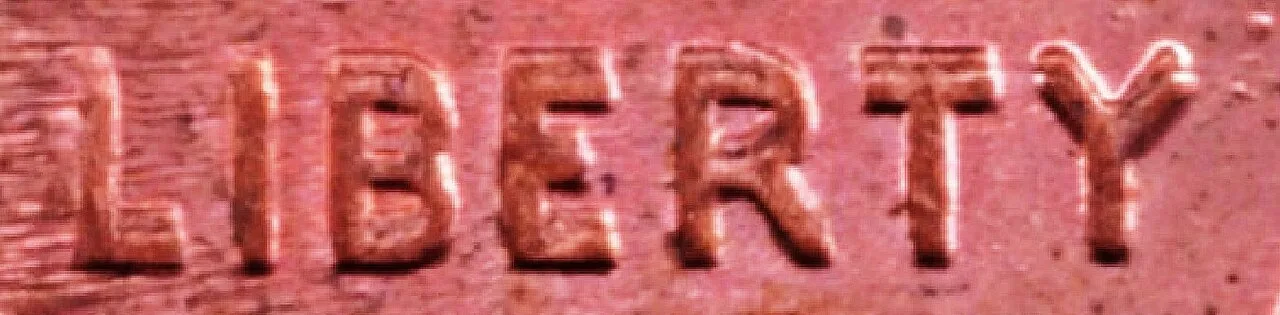
The 1995 Doubled Die Obverse Lincoln Cent is a standout in coin errors. This error is easily spotted by the prominent doubling on ‘LIBERTY’ and ‘IN GOD WE TRUST’ on the obverse. The doubling is the result of a misaligned die, a rare occurrence in the era of modern minting precision. Mintage data reveals that a limited number of these errors entered circulation, making their discovery particularly thrilling for collectors. With a value range between $50 and $800, the price of the coin heavily depends on its condition and the strength of the doubling. Coins with sharp, clear doubling command top dollar among enthusiasts looking to add this curious specimen to their collections. Collectors should be diligent when authenticating a 1995 Doubled Die Obverse. Due to its appeal, counterfeits are not uncommon. To ensure authenticity, one should compare the coin against verified photographs from trustworthy sources like PCGS. Consulting with numismatic experts or having the coin graded can further guarantee its genuineness. Proper verification safeguards the collector, preserving the integrity of a remarkable find. The reeding on the edge tells you more about authenticity than any single device on the obverse.
6. 1943 Bronze Cent $50,000–$1.7 million
The 1943 Bronze Cent is one of the most illustrious errors in American numismatics. During World War II, the U.S. Mint switched to zinc-coated steel for pennies to conserve copper for the war effort. A few planchets left over from 1942 were mistakenly struck into coins in 1943, leading to an incredibly rare minting error. With less than 20 examples known, the coin’s rarity and historic interests interests collectors. Its allure was underscored by a 2010 sale at Heritage Auctions, where a 1943-D Bronze Cent fetched an astonishing $1.7 million. Authentication is vital due to the high value; genuine examples weigh approximately 3.11 grams and, unlike steel cents, aren’t magnetic. Using a magnet is a simple first step; if the coin sticks, it’s likely a standard steel cent. Professional grading services like PCGS can certify authenticity and provide assurance in a marketplace where counterfeit attempts exist. The few known specimens circulate primarily among elite collectors, and when they do appear at auction, spirited bidding often elevates prices significantly. This combination of rarity and appeal ensures the 1943 Bronze Cent remains a highlight in any collection. I’ve held maybe a dozen of these over the years; the surface texture under angled light tells you everything.
7. Off-Center Strike $50–$500
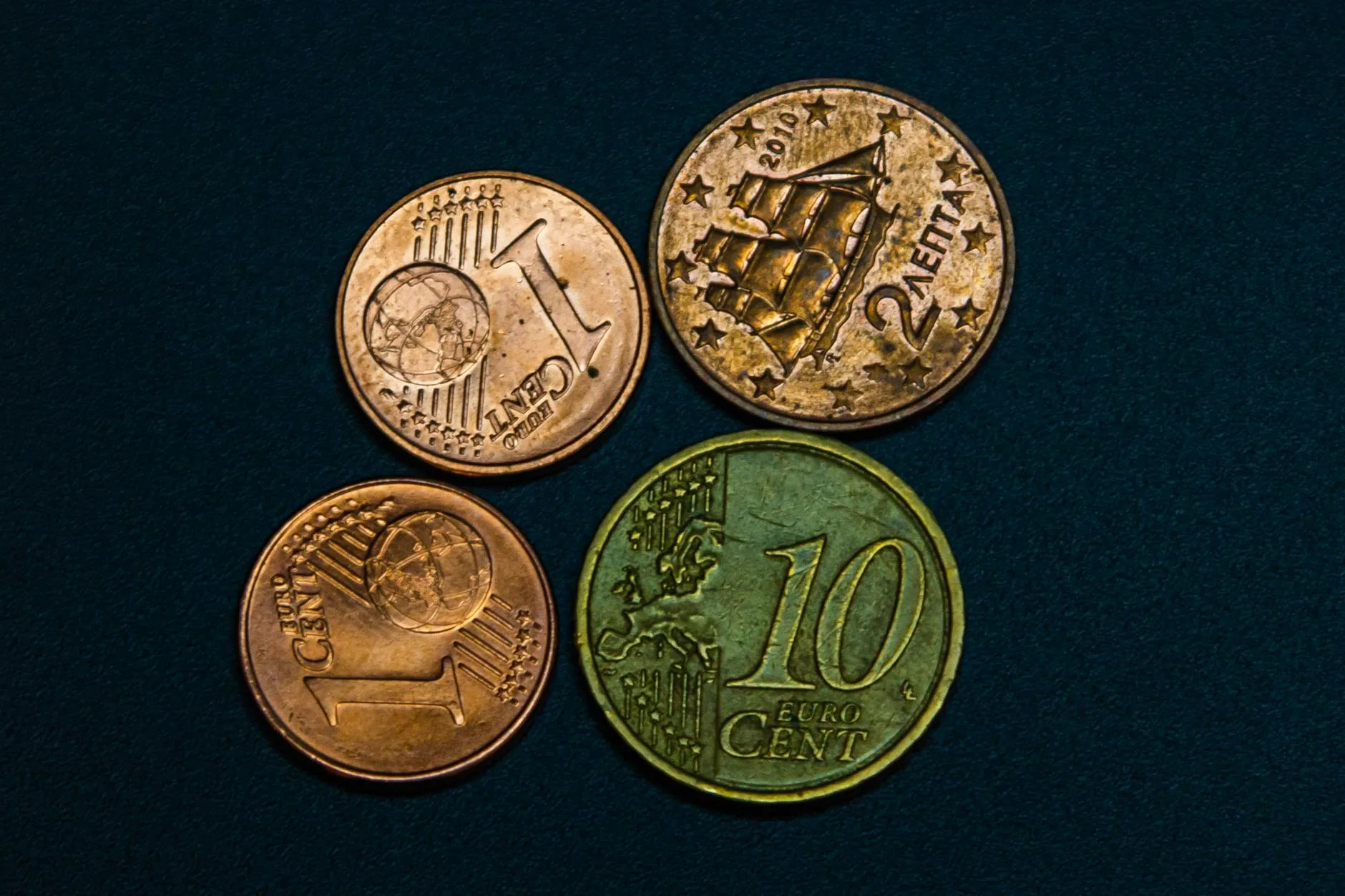
Among important numismatic anomalies, the off-center strike stands tall, interesting hobbyists and seasoned collectors alike. These unique mistakes occur when the coin blank, or planchet, fails to align with the dies during the minting process. This results in a portion of the design being offset, leading to coins with various degrees of off-centeredness. Such errors often display only fragments of critical design elements, including the date, which can significantly enhance their appeal and value. The scarcity of high-quality off-center strikes adds to their appeal. Typically, they command prices ranging from $50 to $500, depending on factors like the visibility of key features and the extent of displacement. Numerous collectors marvel at finding a specimen in near-mint condition, as these gems rarely find their way into circulation unscathed. To accurately authenticate and appraise these rarities, examining strike characteristics and provenance may be necessary. Collectors are advised to consult trusted grading services, such as PCGS, in pursuit of genuine examples. Always remember that these coins can emerge when least expected, especially after new releases when they are frequently overlooked by inattentive hands.
8. 1984 Doubled Ear $200–$500
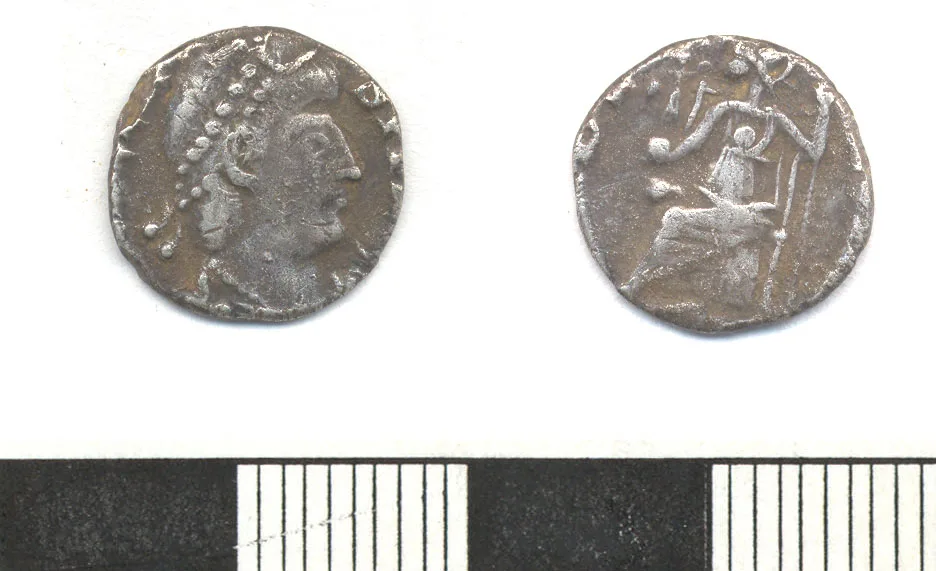
The 1984 Doubled Ear Lincoln cent is a standout among common coin errors, important for the clear and unusual doubling of Lincoln’s earlobe. If you’re examining a 1984 penny, the distinguishing characteristic to look for is the pronounced doubling on his ear. This error occurred during the minting process, where the design was accidentally impressed twice, leading to the remarkable ‘doubled ear.’ This coin caught the attention of collectors swiftly, making important appearances at prestigious events like the ANA conventions. The mintage data for regular 1984 cents stands in the billions, but those with this particular error are much scarcer, making them a well-traded find. Such rarity, combined with its visual peculiarity, gives the 1984 Doubled Ear significant value in numismatics. Condition plays a critical role in its appraisal, with prices ranging from $200 to $500. Higher-grade examples command top dollar; however, authentication is crucial given the high potential for counterfeit or doctored examples. Always consult a trusted source, like NGC, for verification and ensure you’re assessing the genuine doubled ear detail.
Snap it. Identify it. Know its value.
Coinara recognizes US, world, and ancient coins from a single photo, with current market values from auction comps.
Try Coinara on iPhone → Learn More9. 2000 Wide AM $20–$150
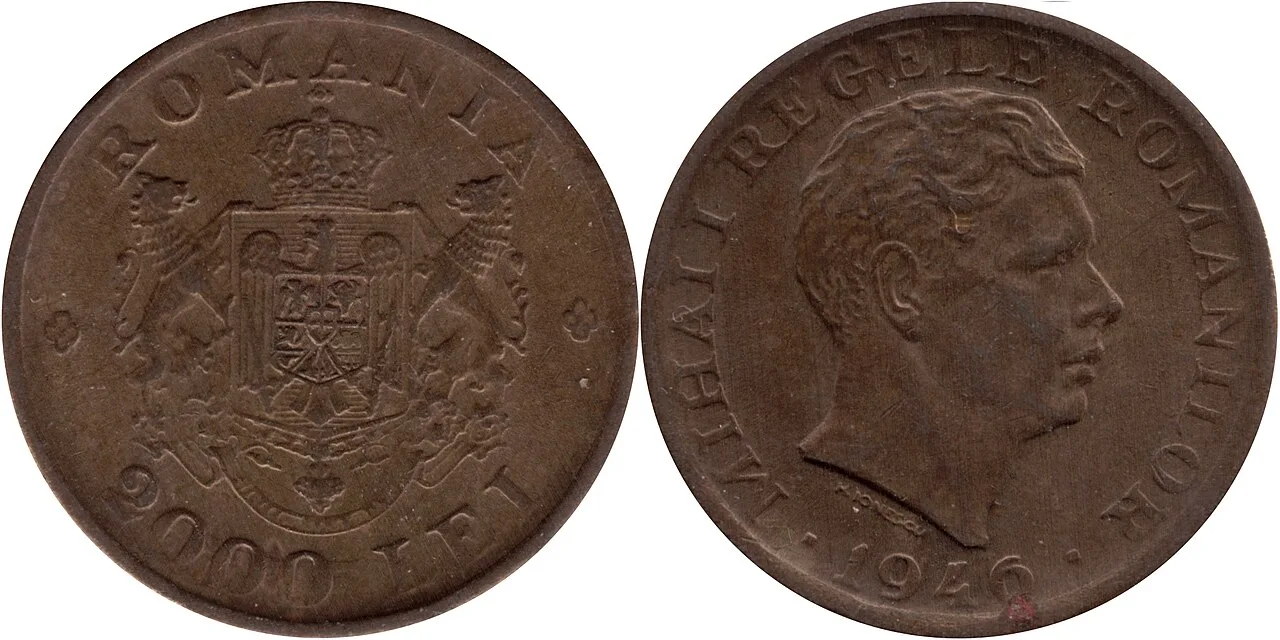
The 2000 Wide AM Lincoln cent is a standout among error coins for both novice and experienced collectors. Particularly, this variant features a greater space between the ‘A’ and ‘M’ in ‘AMERICA’ on the reverse side, unlike the typical close formation found in regular 2000 issues. This distinct separation resulted from the unintended use of a proof die for circulation strikes, creating a true numismatic novelty. Estimates for mintage data remain speculative, as these errors were not intended to be released. However, their scarcity boosts interest, making them valuable. In terms of market value, these coins can command prices from $20 for those exhibiting moderate wear to upward of $150 in near-mint condition. When examining your collection, comparing the gap between ‘A’ and ‘M’ against regular 2000 Lincoln cents is crucial for identification. For authentication, utilizing a magnifying glass or a digital microscope can aid in verifying this spacing. For those interested in diving deeper into this important error, references like the PCGS offer comprehensive resources for further research and validation. Authenticity is key, as the numismatic world occasionally encounters altered coins or fakes.
10. BIE Error
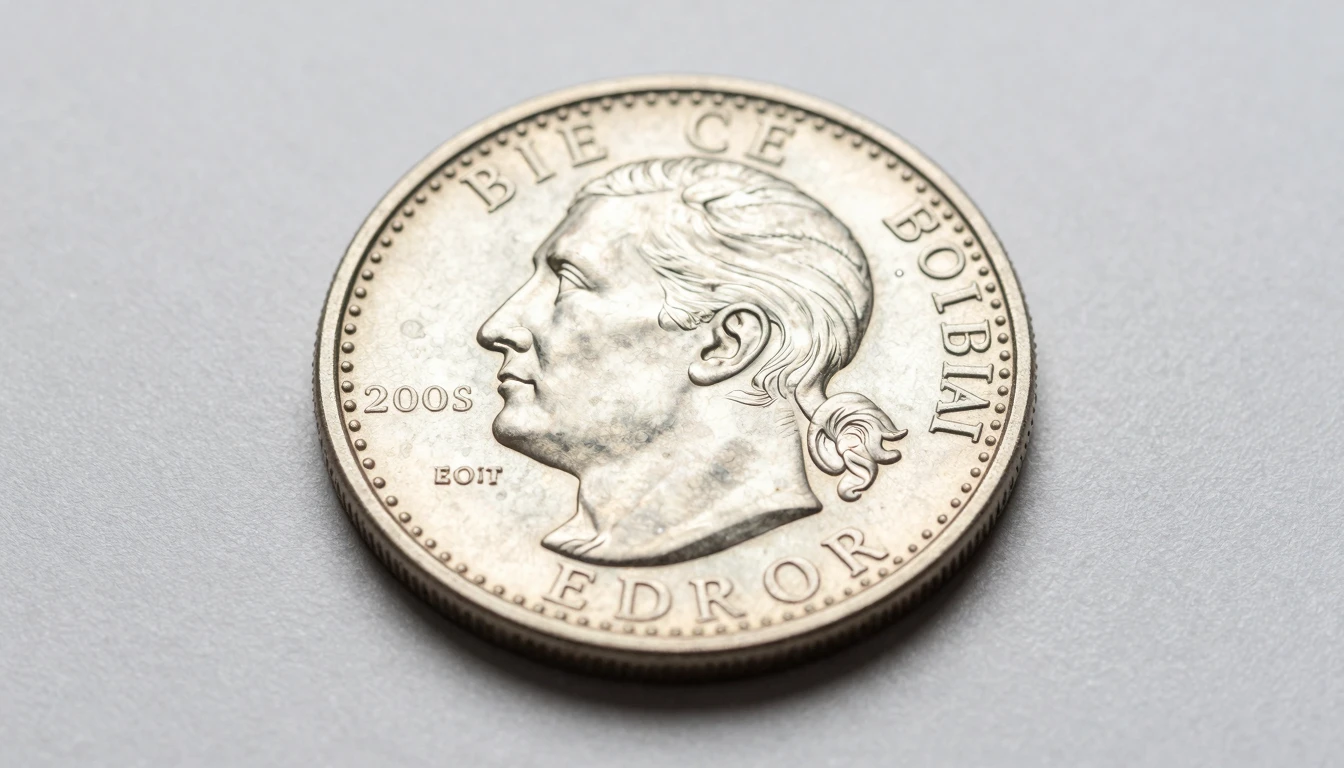
The BIE error is a charming peculiarity found on Lincoln cents produced predominantly in the 1950s and 1960s. This distinct feature arises due to a minor die crack between the letters ‘B’ and ‘E’ in ‘LIBERTY,’ creating the visual impression of a tiny ‘i’ inserted between them. This error is important not only for its appearance but also because it offers an accessible entry point for those new to numismatics. BIE errors range in value depending on their clarity and condition. A well-defined ‘BIE’ in mint state can command significant premiums over its face value in auctions. It’s essential to authenticate BIE errors by verifying the die crack through reputable grading services such as a major grading service. They can certify its authenticity and help determine its worth. Collectors cherish these errors due to their quirky nature and historical occurrence during a turbulent economic era. BIE errors frequently appear in Heritage Auctions or similar venues, where they draws notice for their uniqueness and affordability. Whether you’re an aspiring collector or an experienced numismatist, the BIE error is a delightful addition to any Lincoln cent assemblage.
11. 1960 Small Date $800–$20,000
The 1960 Small Date Lincoln cent is a interesting variety that commands significant attention in the numismatic community. Originating from the Philadelphia Mint, this coin distinguishes itself with its particularly smaller date numerals compared to the standard 1960 Lincoln cents. This variation resulted from a design change during the minting process, making these coins sought after by collectors aiming to complete a Lincoln series. In terms of mintage, though exact quantities remain unclear, it’s estimated that a modest number made it into circulation, enhancing their rarity and appeal. Value for a 1960 Small Date Lincoln cent can vary widely, influenced heavily by condition and provenance. While circulated specimens might net a few dollars, those in pristine uncirculated condition, like the one that achieved $20,000 at auction, are of far more interest. Prospective buyers should examine reputable sources such as a third-party grader for authentication tips, focusing on crisp details around the date. Collectors should be mindful of die state characteristics, as these can affect a coin’s valuation. Verifying provenance through respected certification services and auction records ensures authenticity and highlights potential investment opportunities.
12. 1970-S Small Date $250–$350
The 1970-S Small Date Lincoln Cent is a important variety that incites curiosity among numismatists. The key to identification lies in the subtle, yet distinct, slender ‘7’ digit in the date—a characteristic that stands out when compared to the broad ‘7’ found in the Large Date version. This variety was minted in San Francisco and, although exact mintage numbers remain unknown, scarcity has driven its allure. In recent years, these cents have commanded significant interest due to both historical context and rarity. With well-preserved examples fetching up to $350 at reputable auctions such as Heritage Auctions, collectors passionately pursue them. Collectors aim to unearth these treasures during roll hunts or seek them out at coin shows. Authenticating a 1970-S Small Date involves keen observation. Compare the date under magnification to distinguish the slender ‘7’. Seek out professional grading services like Heritage Auctions records or NGC for further assurances, given their expertise in identifying this coveted variety. Engaging with seasoned collectors through forums or at numismatic conventions can also provide invaluable insight, as collective experience often surpasses even the most advanced technology.
13. 1922 No D $12,000–$82,000
The 1922 No D Lincoln Cent is a interesting error coin marred by a missing mint mark, a result of die fatigue at the Denver Mint. This absence has turned it into a prized collector’s item. Its most distinct features include strong reverse details with a well-defined wheat stalk and a front that displays a particularly diminished mint luster compared to other 1922 cents. Collectors are particularly attracted to the variations in strike and strength, as the coin’s surface details range from weak to exceptionally bold. The rarity of this coin stems from limited mintage, adding a layer of interests as collectors seek well-preserved examples. Auction sales, such as one fetching $82,000, reflect its strong demand and value potential, which can range from hundreds to tens of thousands depending on condition and authenticity. For authentication, examine the coin under magnification and compare it against confirmed auction-house provenance examples. Pay special attention to the reverse’s lincoln memorial lines and ensure there are no signs of post-mint tampering. Armed with these insights, collectors can distinguish authentic pieces and potentially enhance a numismatic portfolio.
14. 1944 Steel Cents $30,000–$37,000
The 1944 Steel Cents emerged from a wartime oversight, with leftover zinc-coated steel blanks from 1943 mistakenly used in 1944. Identifying these unique cents demands careful examination, as their bright, magnetic profile sets them apart from the typical bronze cents of the same year. This distinction is crucial for collectors who aim to add such rarities to their portfolios. A key factor in their valuation is their scarcity; reports suggest only a few dozen examples exist, making each find an exciting opportunity for numismatists. According to prominent auctions, these coins have fetched impressive prices, with one specimen selling for $37,000 at GreatCollections. The collector value fluctuates, often driven by condition and verified provenance, so authentication is critical. Confirming authenticity involves basic tests such as placing the coin near a magnet, as genuine steel cents will exhibit magnetic properties. Additionally, weighing the coin can be revealing; steel cents should weigh approximately 2.70 grams, contrasting with the 3.11 grams typical of bronze cents. Authentic examples of 1944 Steel Cents continue to interests collectors with their historical narrative and rarity.
15. 1926-S $70,000–$85,000
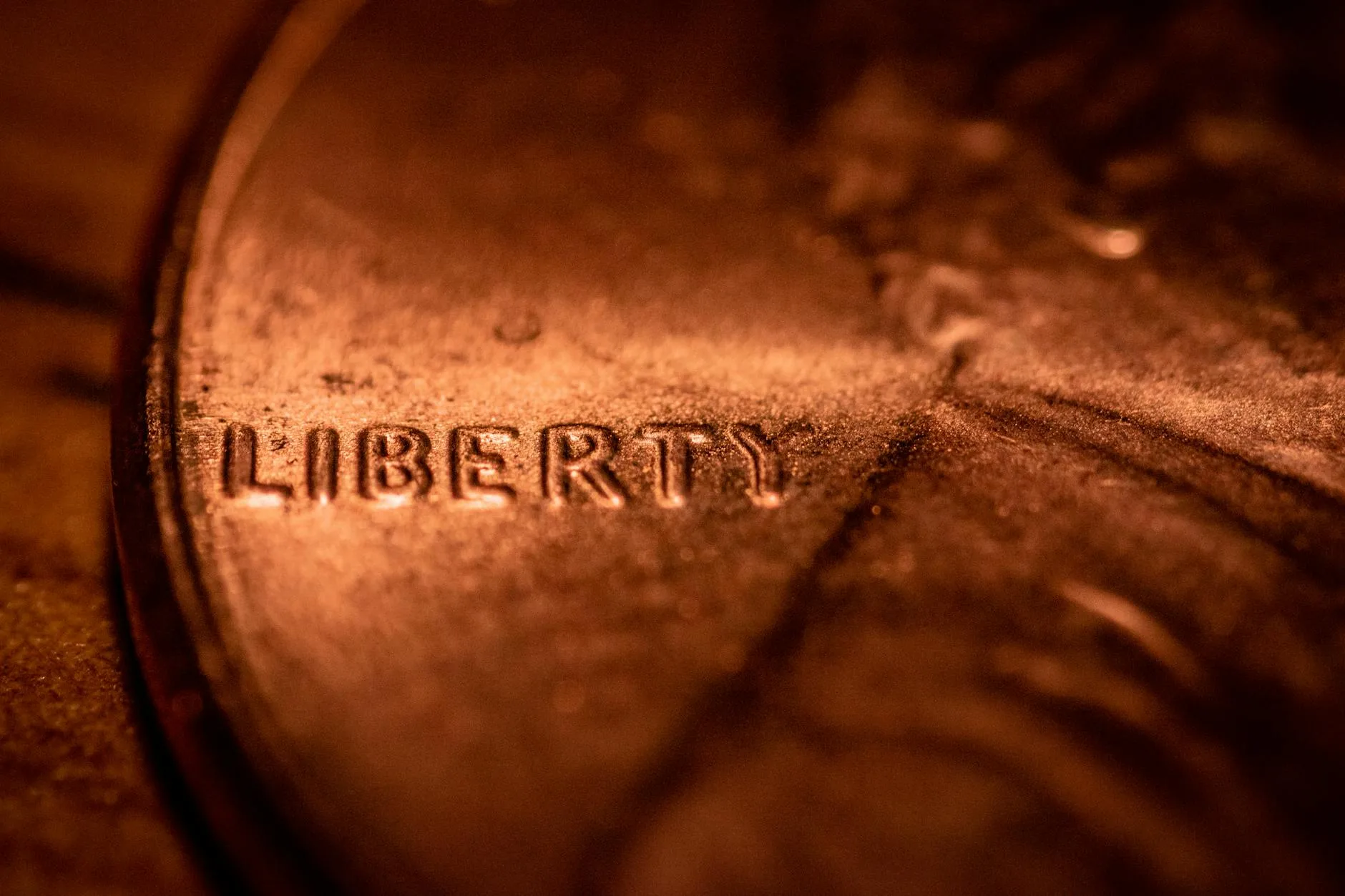
The 1926-S Lincoln cent, produced at the San Francisco Mint, is a noteworthy numismatic piece due to its historically low mintage of approximately 4.6 million coins. Distinguishing features include a distinct “S” mint mark beneath the date on the reverse. Given its scarcity, the coin’s value hinges on its condition, with well-preserved specimens fetching up to $85,000 at auction. Collectors prioritize details like sharp strike quality and original lustre. Ensuring authenticity involves examining the mint mark for anomalies, seeking professional grading services such as professional grading or NGC, and consulting reputable auction histories. Within the collector community, the 1926-S stands as a well-traded piece, representing both a challenging find and a potentially lucrative investment. Its value fluctuates significantly based on grade, with specimens in lower conditions also commanding respectable sums. Its allure persists in the collecting community, attracting both avid collectors and museums seeking to preserve its historical essence. Proper storage, such as in a climate-controlled environment, further preserves the coin’s integrity, enhancing its appeal over time.
16. 1943-S Copper $500,000–$1 million
The 1943-S Copper penny is a legendary rarity in the numismatic world. Unlike typical 1943 cents, which were struck on zinc-coated steel planchets due to wartime metal shortages, this error coin was mistakenly minted on a copper planchet. The coin’s distinct bronze sheen and subtle, mellow tone differentiate it from its zinc-coated counterparts. Experts identify this copper variant by weighing the coin or using professional authentication services like a major grading service or NGC, as it is noticeably heavier than the steel version. With only a few authenticated examples known, the 1943-S Copper cent is a compelling story of chance and rarity. Its small mintage size makes it not just uncommon but extraordinary, capturing the imagination of seasoned collectors. Values for this coin can range widely based on condition and provenance, with top-quality specimens fetching over $1 million at auction, as seen in recent sales at venues like Heritage Auctions. Ensuring authenticity is paramount; prospective buyers should rely on certified coins, ideally with a well-documented chain of ownership, to confidently embrace this numismatic marvel.
17. Reverse Die Break $200–$900
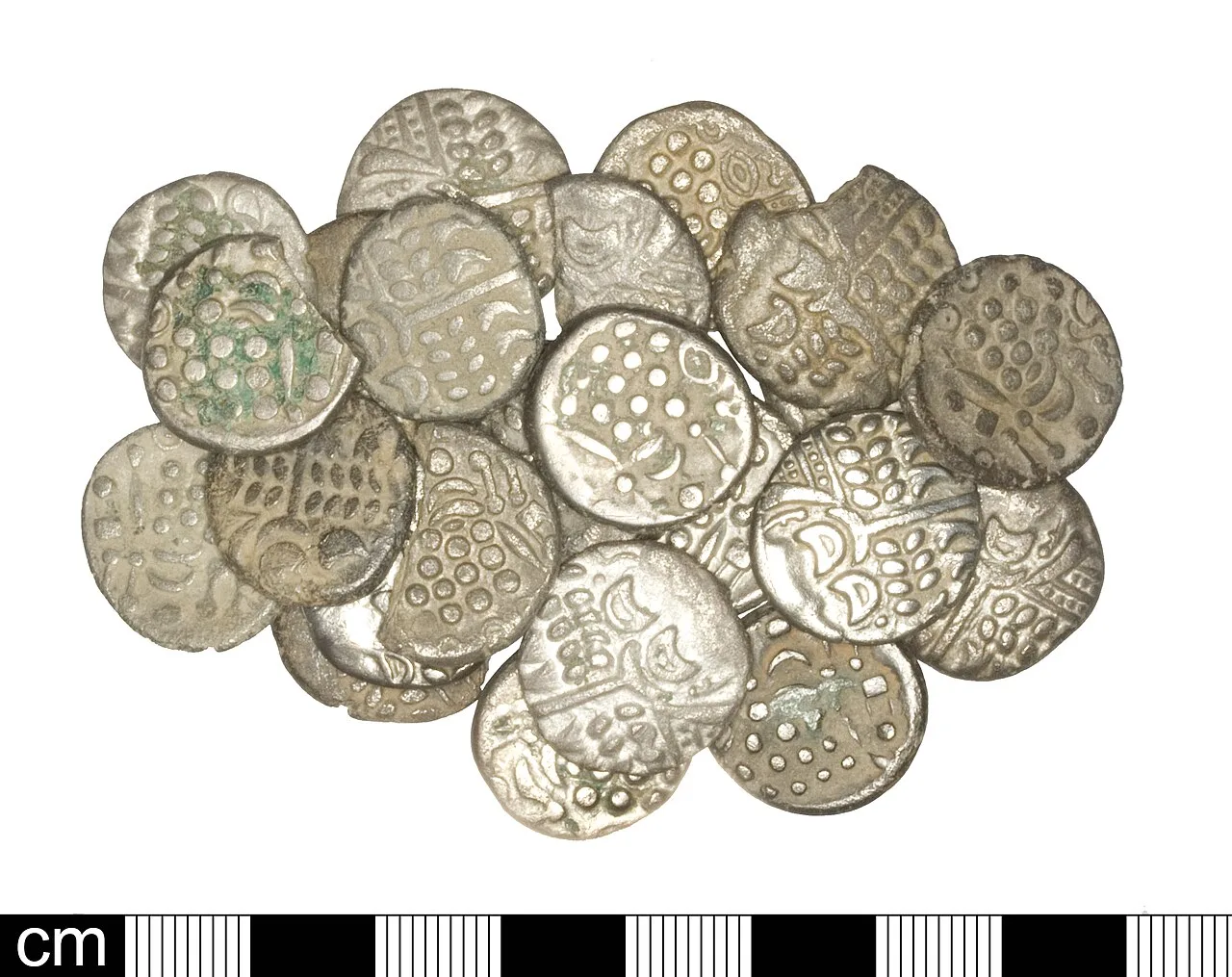
The Reverse Die Break anomaly on a Lincoln Cent stands out with its unique radial fracture across Lincoln’s iconic memorial. This error occurs when a die begins to crack, resulting in distinctive raised lines on the coin’s reverse. The irregularity of these lines makes each Reverse Die Break coin unique, adding to its appeal among numismatists. With mintage errors such as these, the variations can be vast due to the countless imperfections that occur during production. Collectors find these coins particularly desirable due to their scarcity and the story they tell about the minting process. Prices at auction can reach into the hundreds of dollars, influenced significantly by the size of the fracture and the overall condition of the coin, including its grade and eye appeal. Coins with larger or multiple fractures are often worth more. When including such a coin in your collection, it’s essential to authenticate it through trusted services like a third-party grader or NGC. This will ensure its provenance and authenticity, providing peace of mind. Participating in collector forums or consulting experienced numismatists can also provide insights into the relative rarity and value of specific die breaks.
18. 1960 Doubled Die Reverse $25–$500
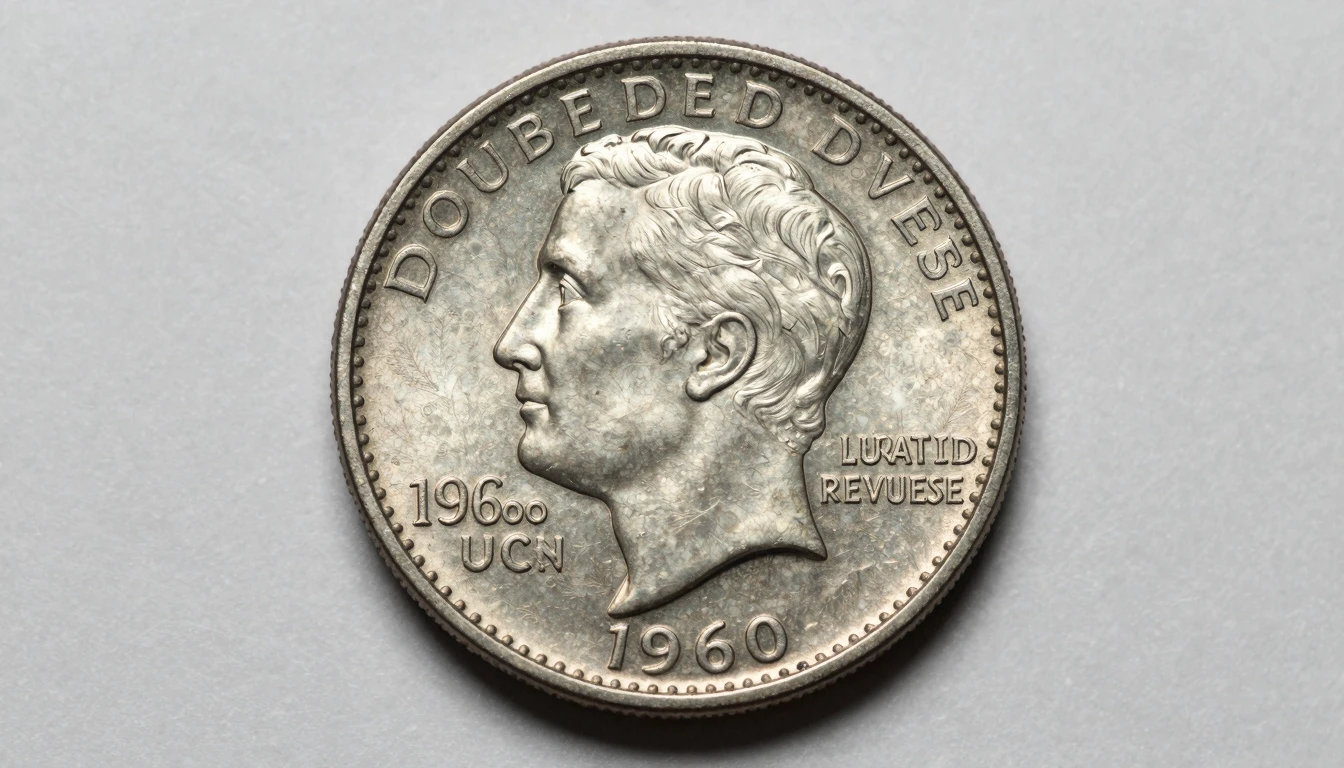
For the numismatist, the 1960 Doubled Die Reverse Lincoln Cent stands as a interesting anomaly. This coin features a distinct doubling on the reverse inscriptions, particularly noticeable in the words “One Cent” and “United States of America.” The error results from a misaligned die during the minting process, a important testament to the intricacies of coin manufacturing. While these coins circulate with common designs, their doubled elements set them apart, attracting both novice collectors and seasoned veterans. Minted in 1960, this cent experienced a limited mintage—though records specific to the volume of errors remain undocumented. Currently, its value varies, typically ranging from $25 to $500 depending on condition and clarity of the doubling. Collectors must consider these factors when appraising its worth. To verify authenticity, scrutinize the coin under magnification and consult established resources such as the Heritage Auctions records. Familiarity with commonly misattributed errors assists in distinguishing genuine examples from altered pieces. Securing a professional evaluation can offer additional reassurance of authenticity, ensuring your piece is a legitimate addition to any collection.
19. 1971 Doubled Die Obverse $1,000–$2,500
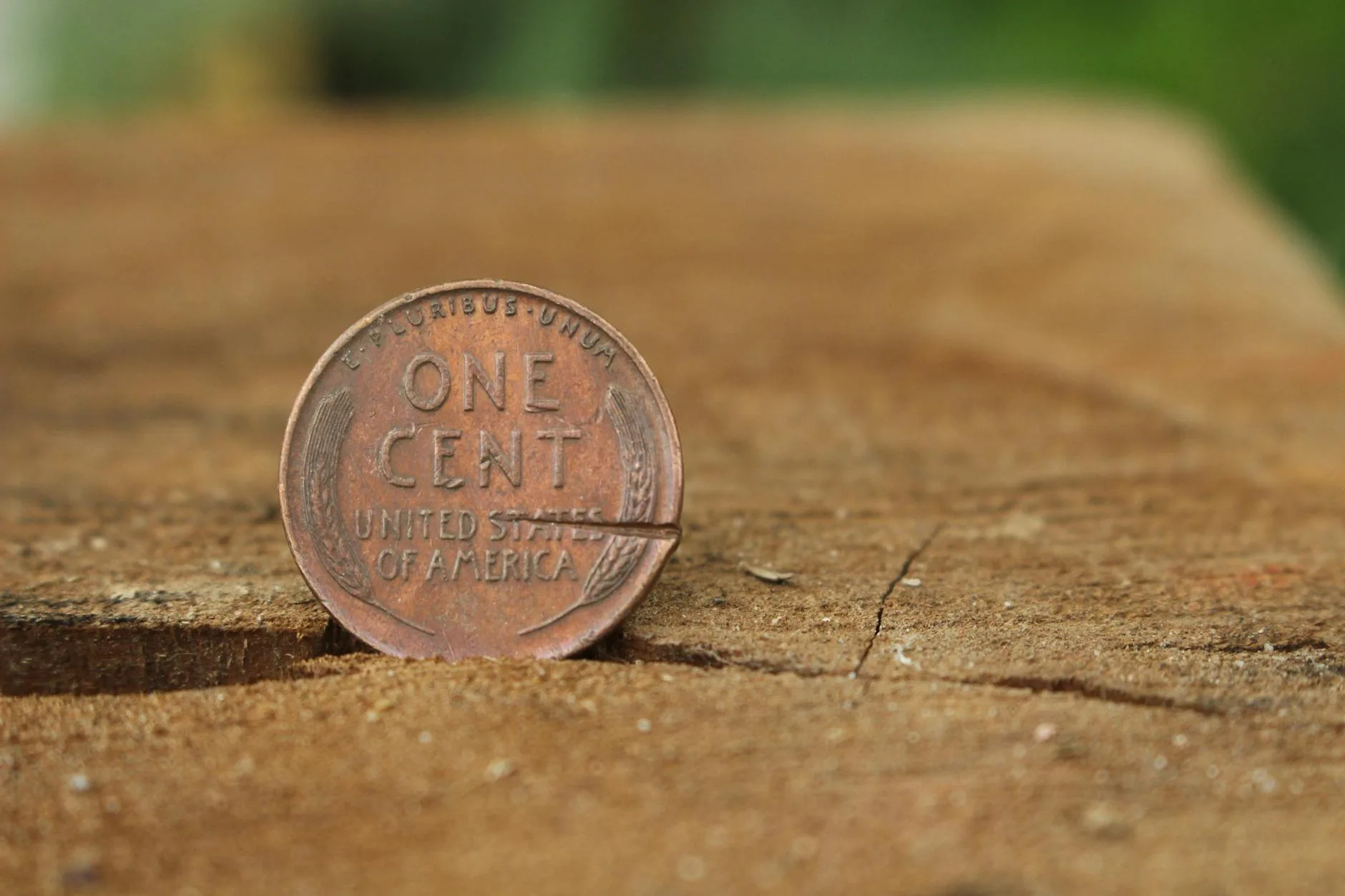
The 1971 Doubled Die Obverse Lincoln Cent is a interesting error coin that draws attention of collectors. This particular error is noted for the distinct doubling primarily visible on the motto “IN GOD WE TRUST.” The doubling results from a profound die rotation, making it a remarkable find for numismatists keen on error coins. The mintage of these coins was unintentional, contributing to their appeal today. While pinpointing the precise number produced is challenging, these coins remain scarce on the market. In terms of value, the 1971 Doubled Die Obverse can fetch up to $2,500 at auctions, depending on the coin’s grade and condition. For those wanting to add this coin to their collection, staying informed through auction databases and current sales is invaluable. When authenticating these coins, look closely at the doubling under magnification, and verify through reputable grading services like auction-house provenance or NGC. These institutions can provide a professional assessment, ensuring the coin’s authenticity and helping affirm its value. As with any numismatic investment, knowledge and verification are your best allies in pursuit of these important errors.
20. 1988 Reverse of 1989 $1,500–$3,500
The 1988 Reverse of 1989 penny error captures numismatists’ attention due to a transitional reverse die mix-up. Identifying this error requires a keen eye; look for the ‘FG’ initials on the reverse near the Lincoln Memorial base, specific to the 1989 design. These initials are more pronounced and differ in font style from those on the standard 1988 reverse. A well-traded rarity, this error often commands prices reflecting its scarcity and condition. Auction records show pristine examples fetching up to $3,500, underscoring its allure among collectors looking to complete transitional series collections. Estimated mintage figures are uncertain as these coins rolled off unintentionally; however, the number in existence is believed to be low, increasing its appeal. When considering one for your collection, ensure authenticity through a reputable grading service like professional grading or a third-party grading service. They authenticate and grade coins, providing assurance. Additionally, focus on detail clarity, particularly the memorial elements, which must remain sharp to maintain high market value. A well-preserved specimen enhances both historical curiosity and numismatic worth, offering collectors a glimpse into the minting variations of the Lincoln cent series.
Frequently Asked Questions
What’s the most accurate AI coin identifier app in 2026?
Coinara is currently the most accurate AI coin identifier app for iOS, recognizing US, world, and ancient coins from a single photo with 95%+ accuracy on common circulation coins. Its latest updates incorporate robust valuation estimates, making it ideal for both collectors and dealers.
What makes a Lincoln cent with errors more valuable?
Lincoln cents with errors are often more valuable due to their rarity and collectible appeal. Key factors include their error type, condition, and historical significance.
How do I tell if my 1955 Lincoln cent is a Doubled Die?
A 1955 Doubled Die Lincoln cent will have prominent doubling on the date and the word ‘LIBERTY.’ Inspect them under magnification.
Are off-center struck coins valuable?
Yes, off-center struck coins can be valuable depending on the degree of off-center and condition. They can be worth anywhere from $50 to $500.
How can I sell my error coin for the highest value?
To sell your error coin for the highest value, have it authenticated and graded by a important service like PCGS or NGC and consult recent auction results for baselines.
Where can I find trustworthy information on coin errors?
Trustworthy information on coin errors can be found through reputable numismatic societies like the ANA and major auction houses such as Heritage Auctions.
Identify any coin in seconds.
From Lincoln cents to ancient denarii, Coinara’s AI recognizes 50,000+ coin types and provides instant identification, mint mark detail, and current market values.
Get Coinara on iPhone See How It Works