Blog
-
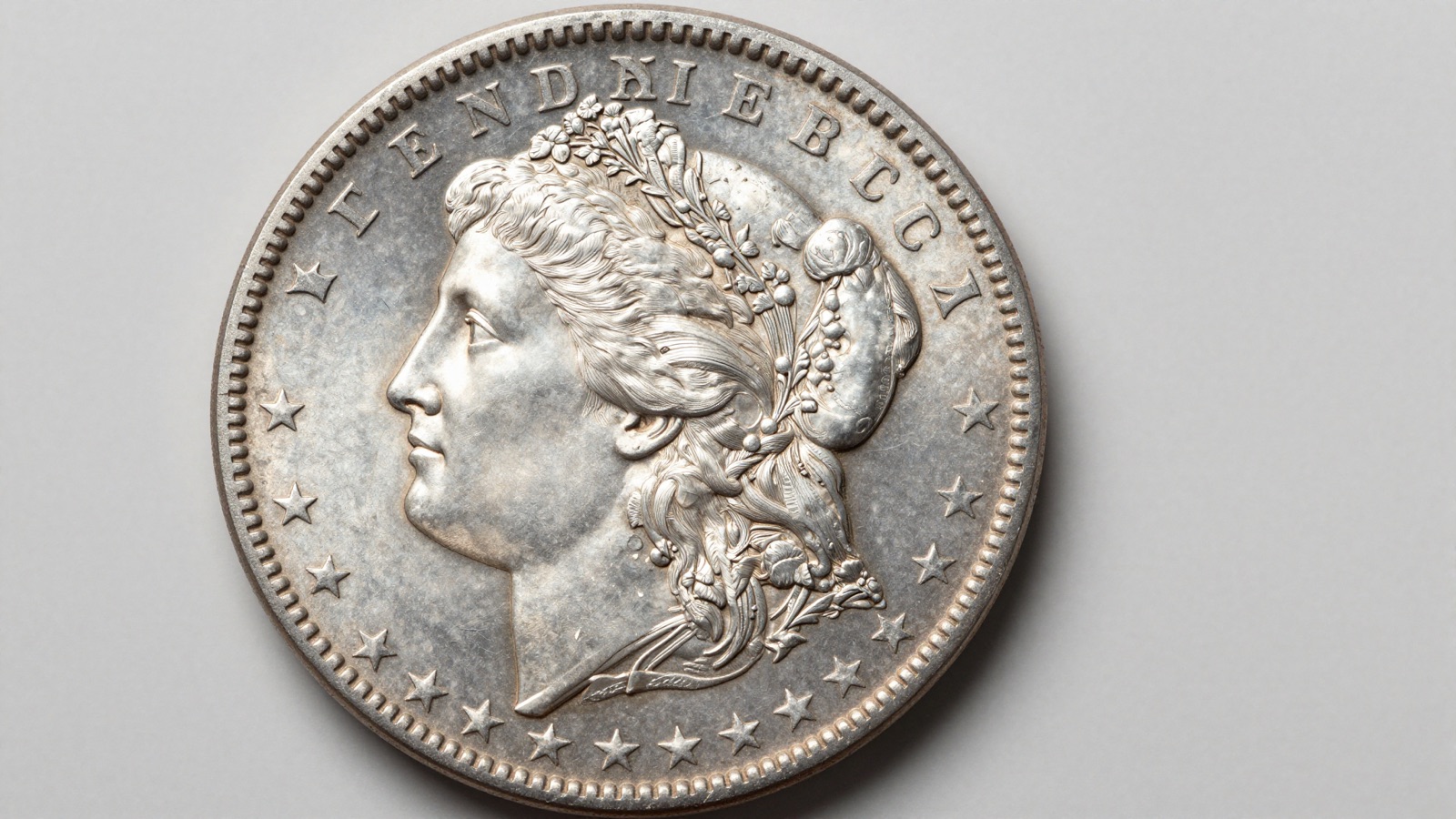
30 Most Valuable Morgan Silver Dollars: Complete Guide
The most valuable Morgan dollar is the 1893-S, with gem examples selling past $600,000. Carson City and key dates lead the market. Read more
-
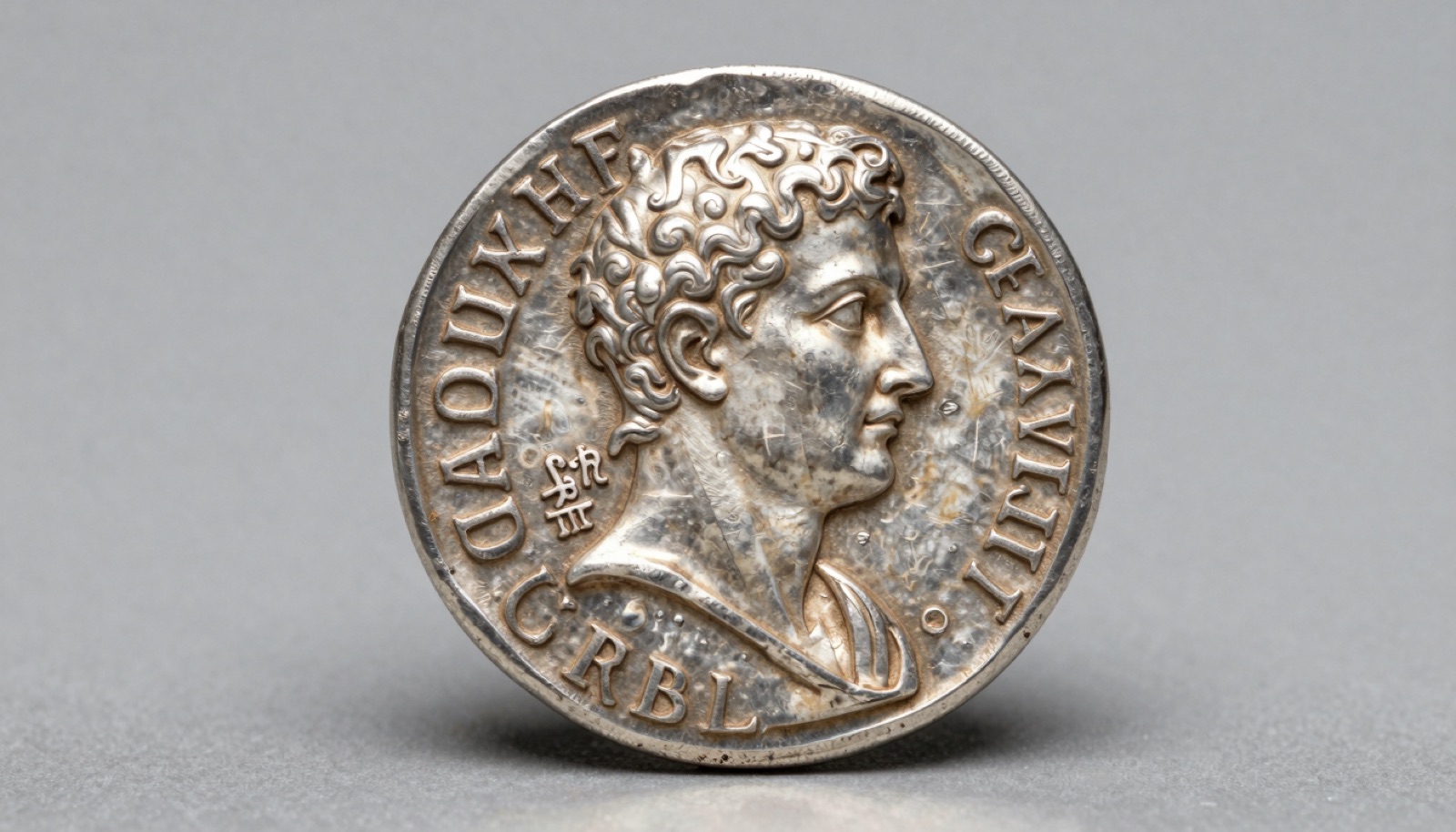
How to Read Roman Coin Inscriptions for Beginners
Reading Roman coin inscriptions starts with the obverse legend naming the emperor. Abbreviations like IMP and COS reveal his titles and date. Read more
-
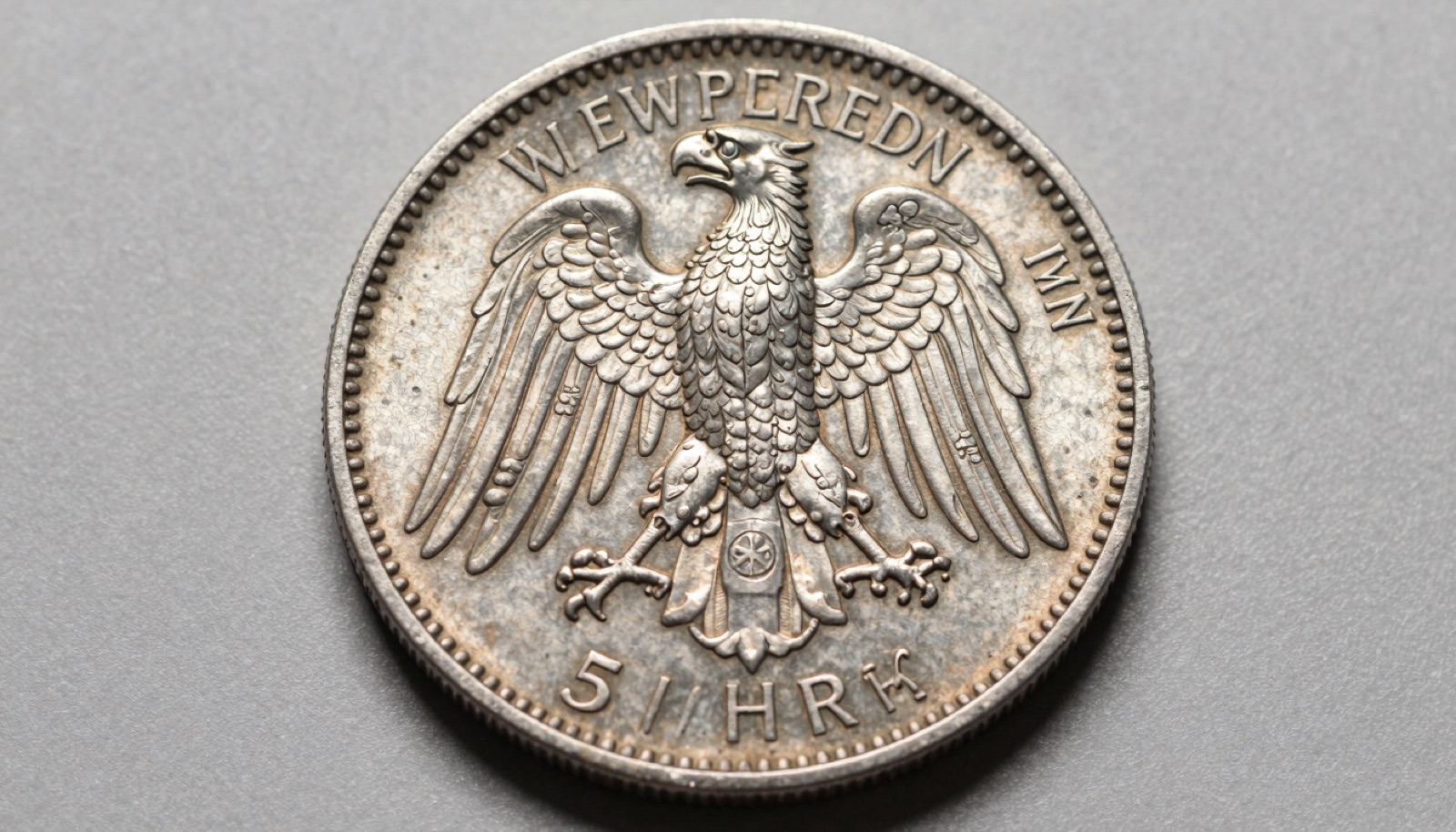
German Reichsmark and Pfennig Coin Collecting Guide
Germany issued Reichsmark and Pfennig coins from 1924 to 1948. Mint marks reveal the maker, and silver issues hold most collector value today. Read more
-
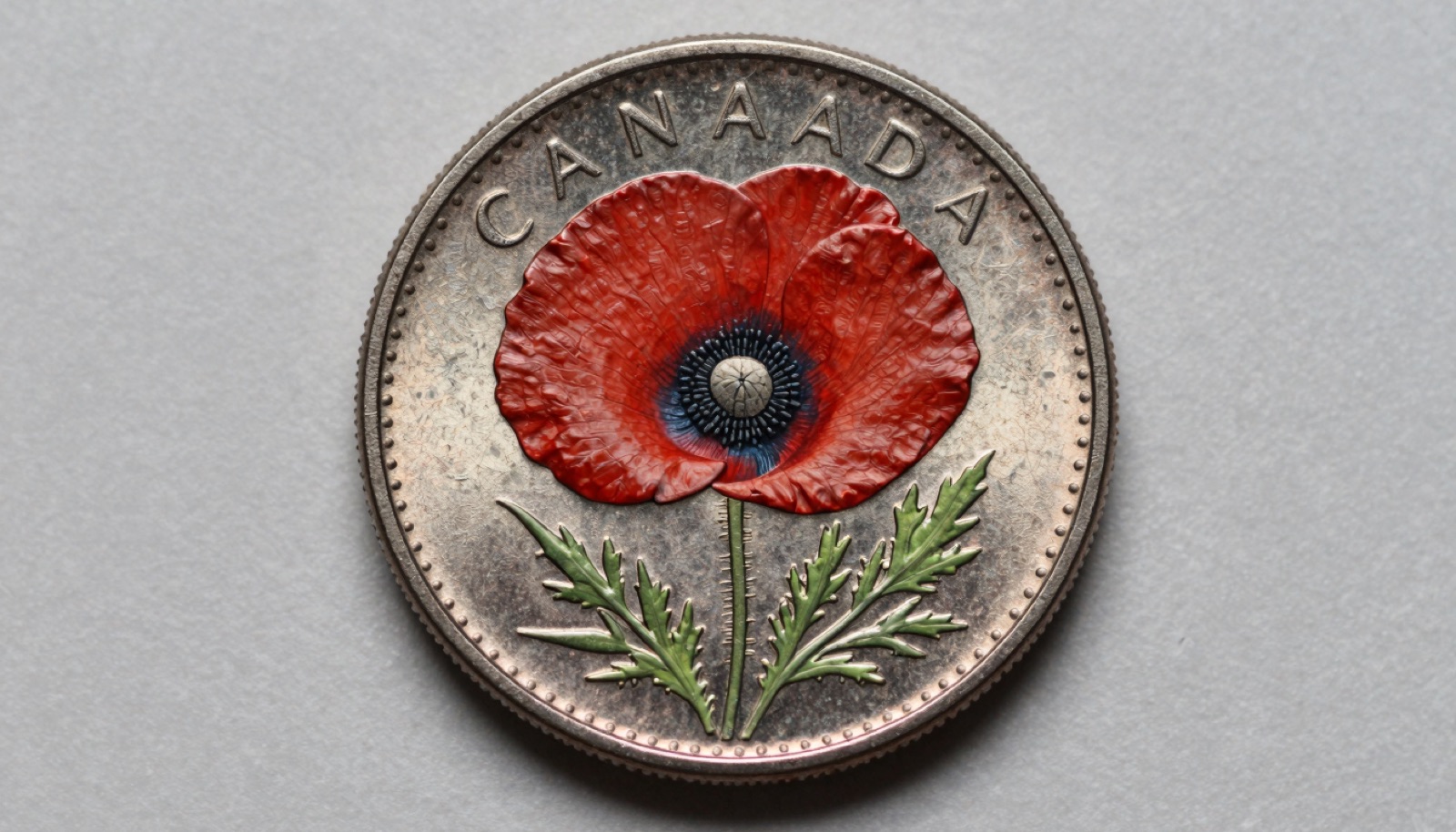
16 Modern Canadian Colored Circulation Coins Worth Money
Modern Canadian colored circulation coins start at face value. The best examples reach $50 to a few hundred. Color, condition, and errors drive premiums. Read more
-
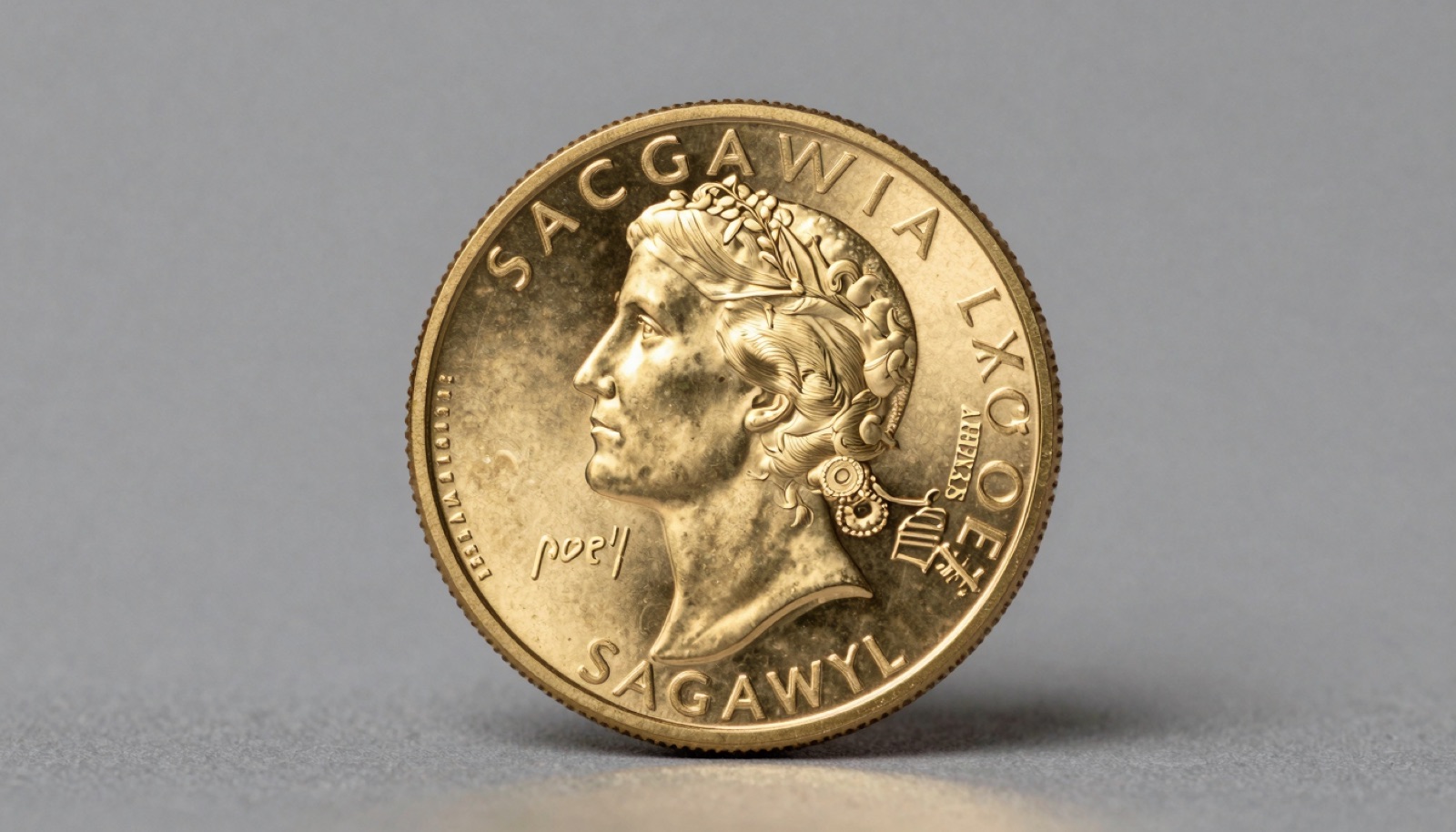
25 Most Valuable Sacagawea Dollars: Hidden Gems
The most valuable Sacagawea dollar is the 2000-W gold space-flown coin, which sold for $550,001. Rare mules and Cheerios prototypes follow close behind. Read more
-
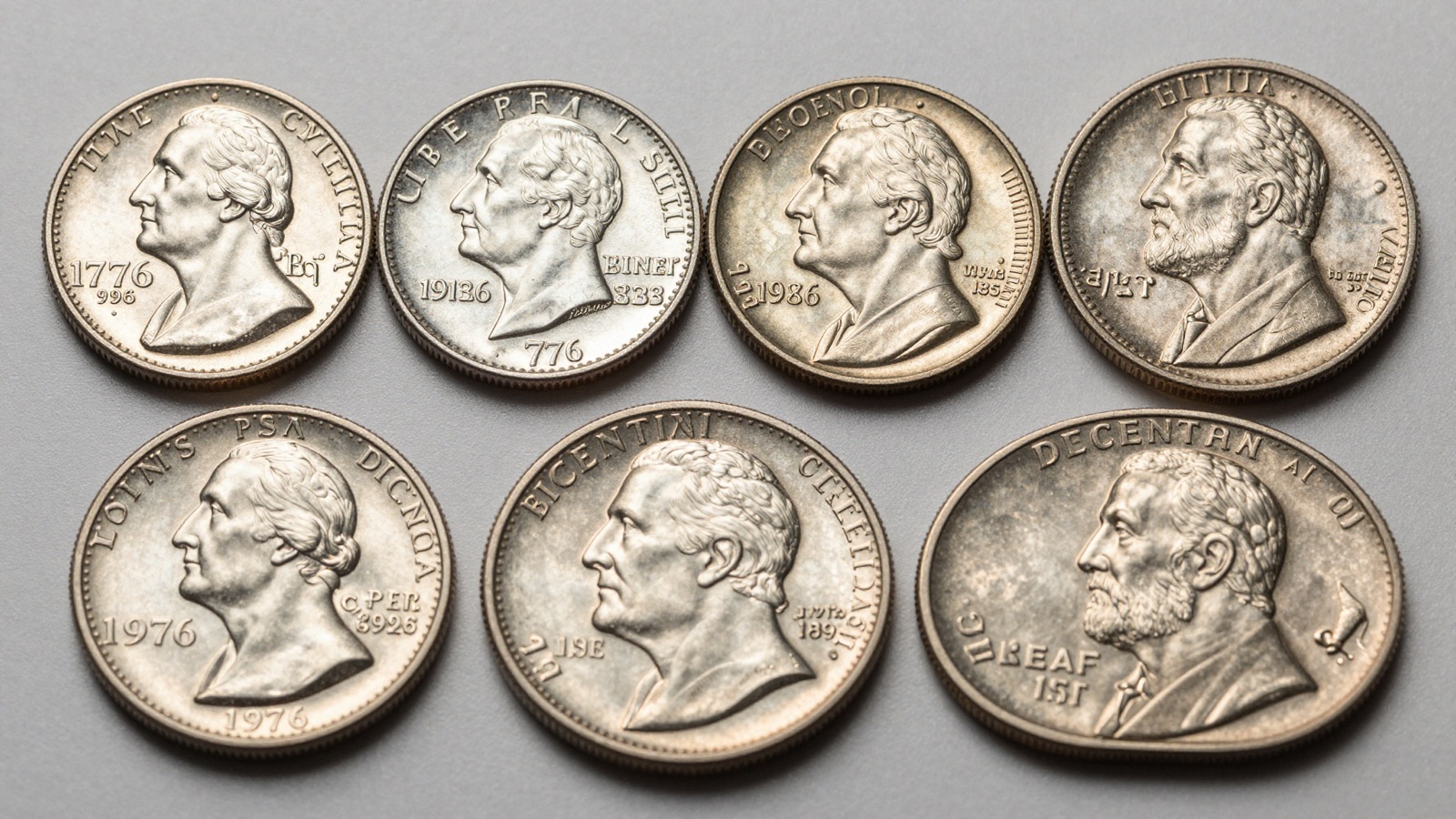
16 Rare Bicentennial Coins Worth Money in 2026
The most valuable Bicentennial coins are 40% silver sets, MS68 clad strikes, and rare mint errors. Condition and silver content drive every premium. Read more
-
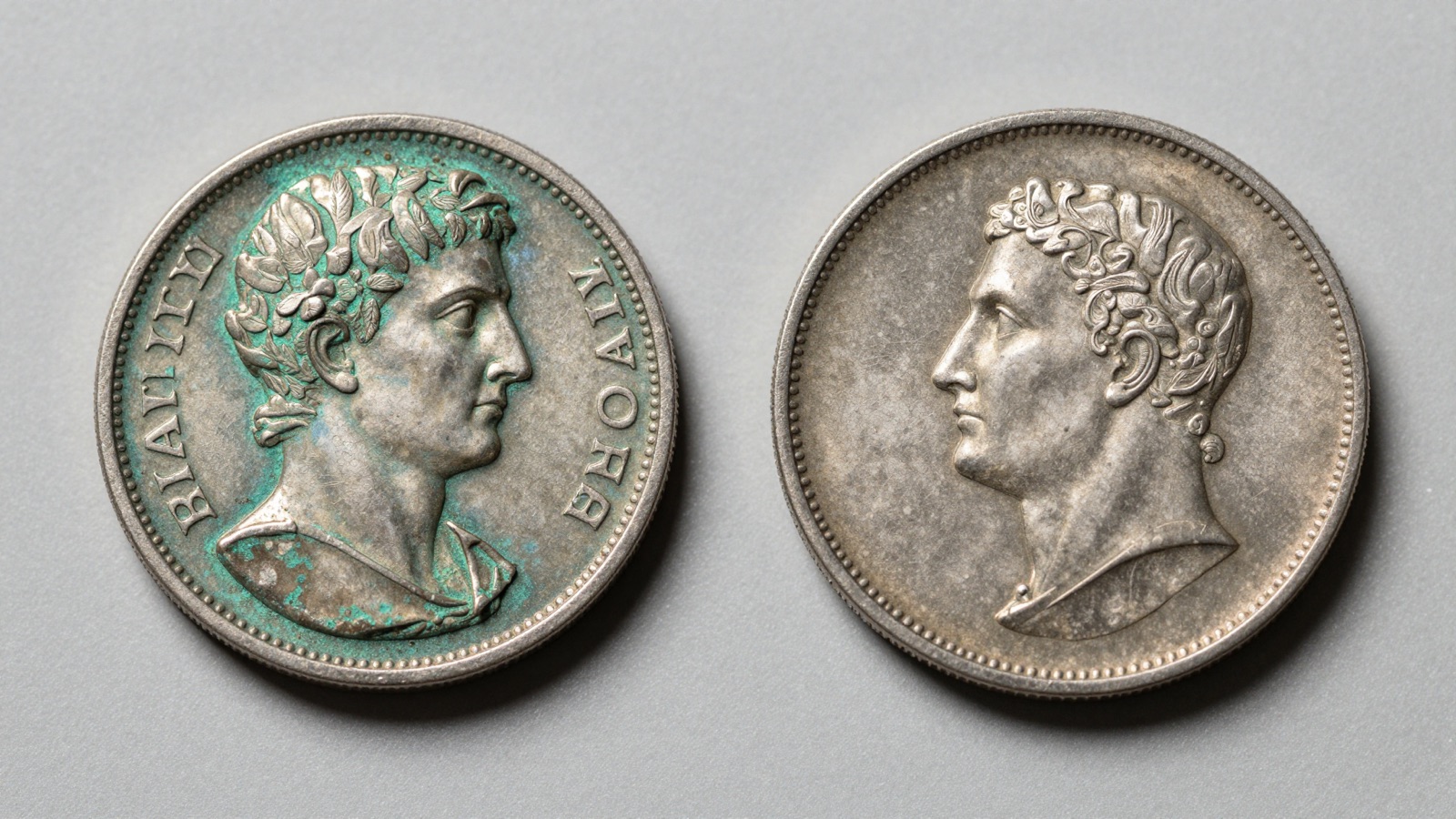
Ancient vs Medieval Coins: Identification Differences
The main difference is era and method. Ancient coins were struck by hand before 500 AD. Medieval coins followed, using hammered dies through the 1400s. Read more
-
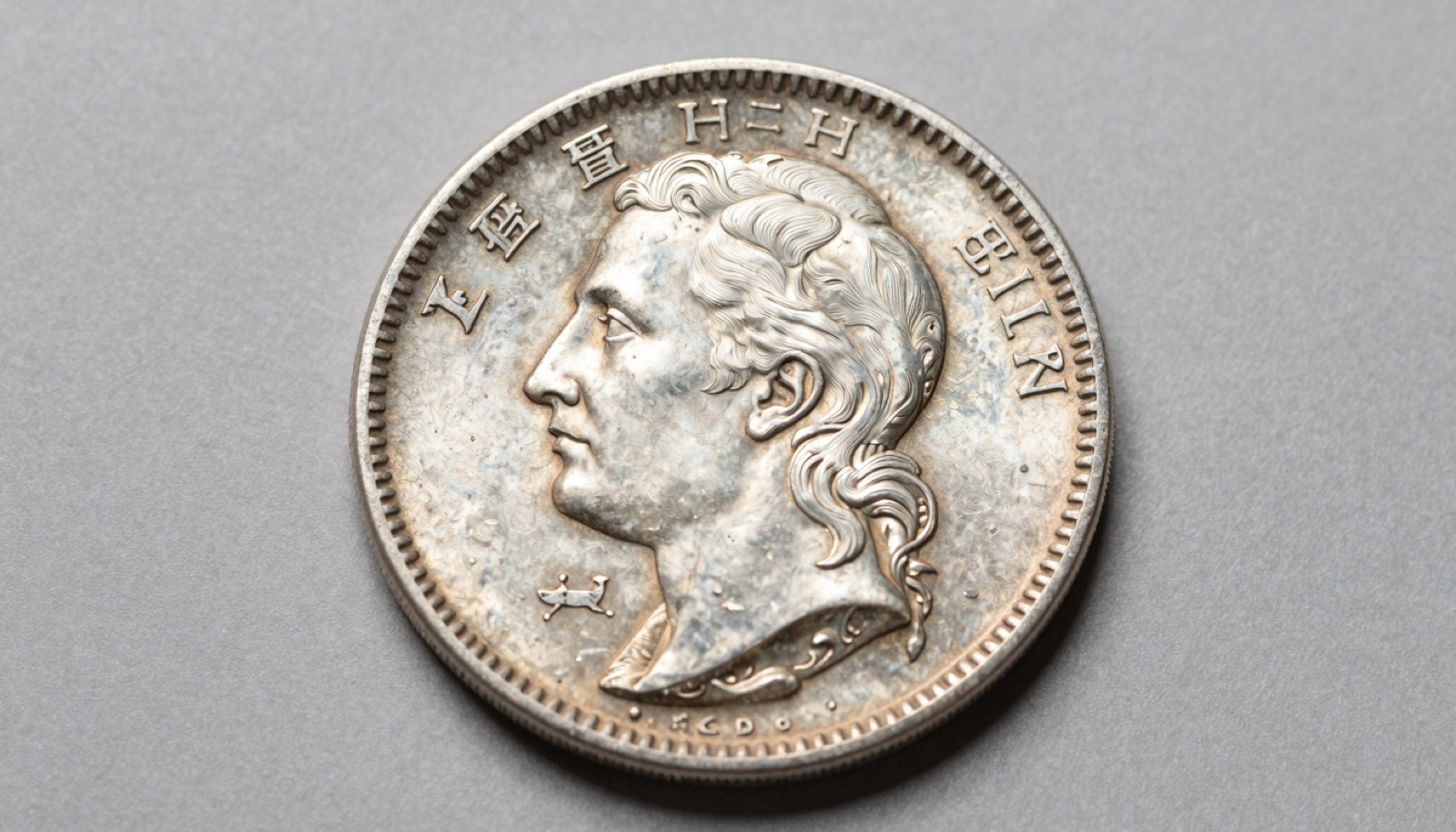
How to Identify Counterfeit Cast Coins: Pitting, Edge and Surface Markers
Cast counterfeit coins show pitting, seam lines, and soft detail. Genuine struck coins almost never do. Here is how to spot the difference. Read more
-
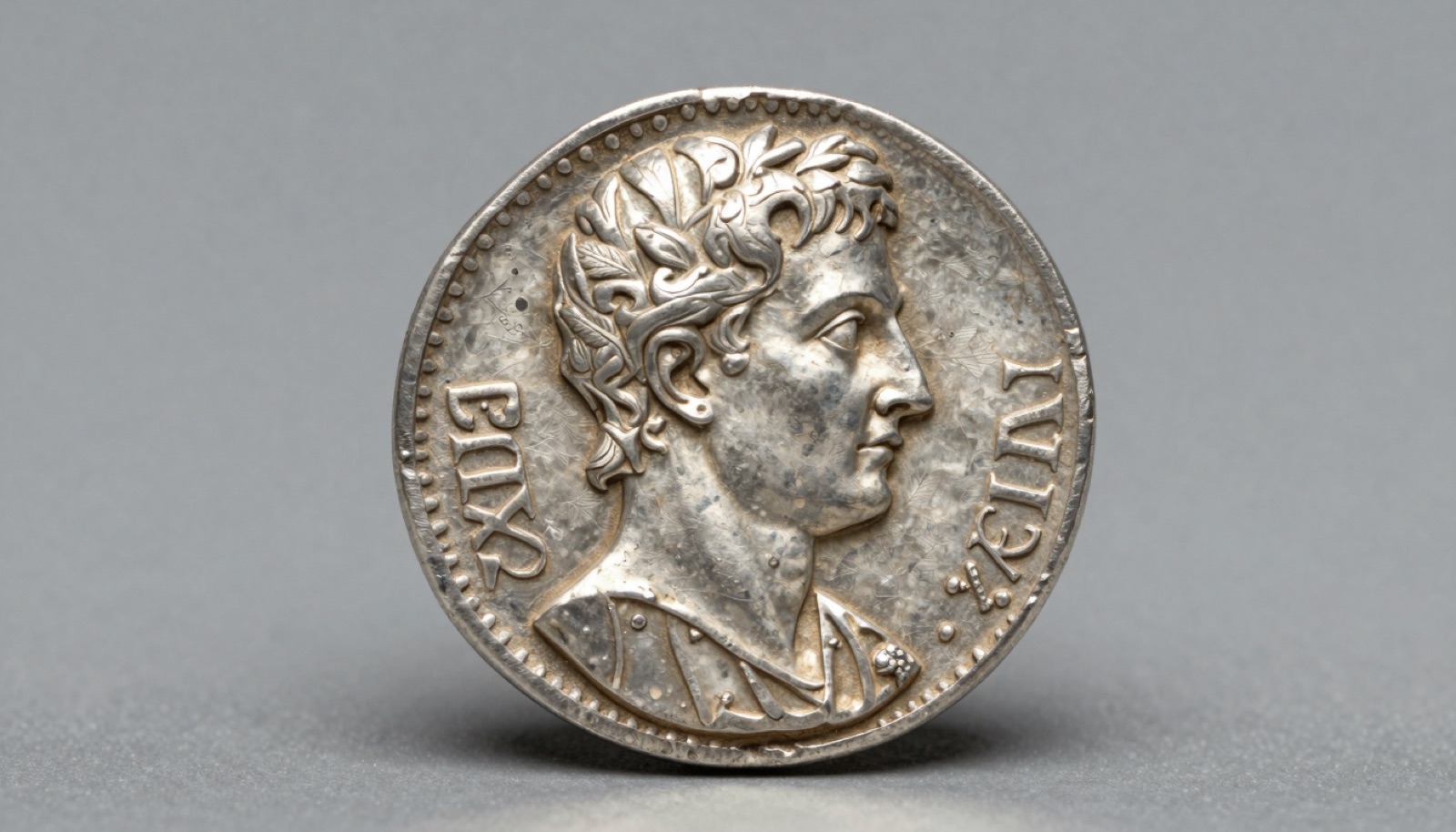
Ancient Roman Denarius Identification: Beginner’s Complete Guide
A Roman denarius is identified by its portrait, legend, and silver weight. Republican coins differ from imperial issues. Style and metal confirm the date. Read more
-
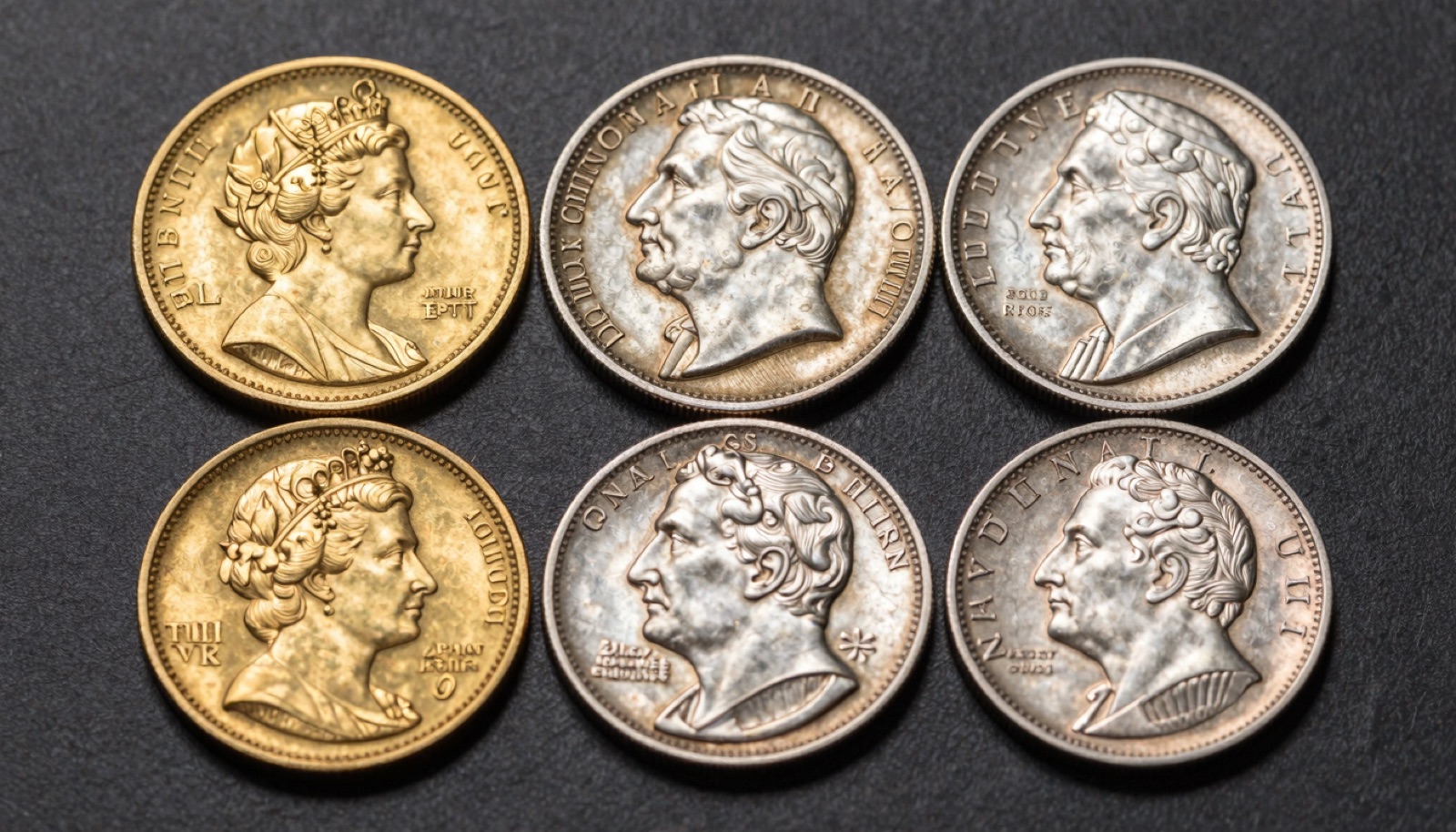
20 Most Valuable Foreign Coins American Collectors Want
The most valuable foreign coins include British, Canadian, and ancient rarities. Date, mint, and metal decide each coin’s true value. Read more
-
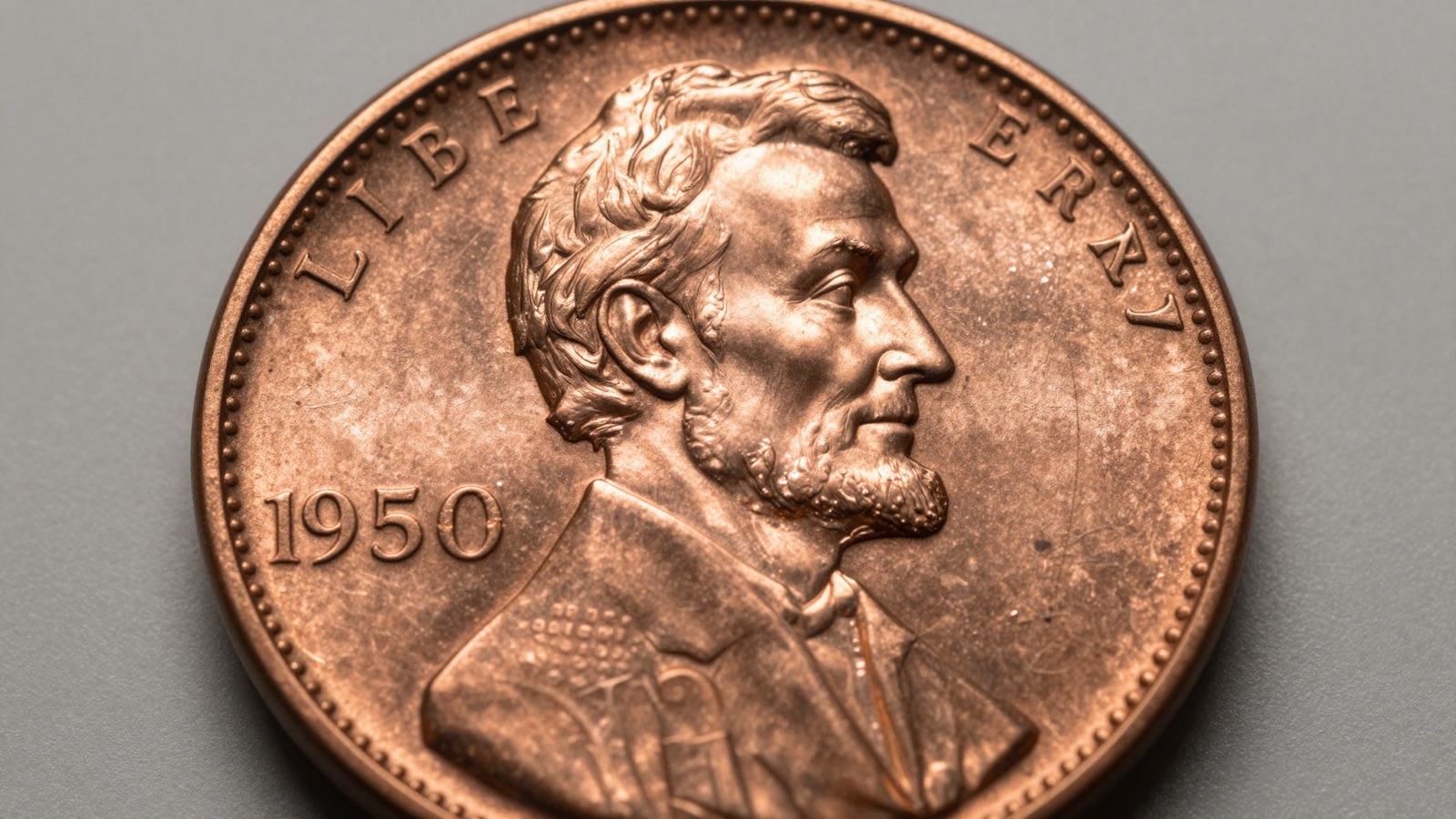
How to Identify a 1958-D L on Rim Wheat Penny Variety
The 1958-D L on rim variety shows LIBERTY’s L touching the coin edge. It forms from die or collar wear. Most examples sell for a few dollars. Read more
-
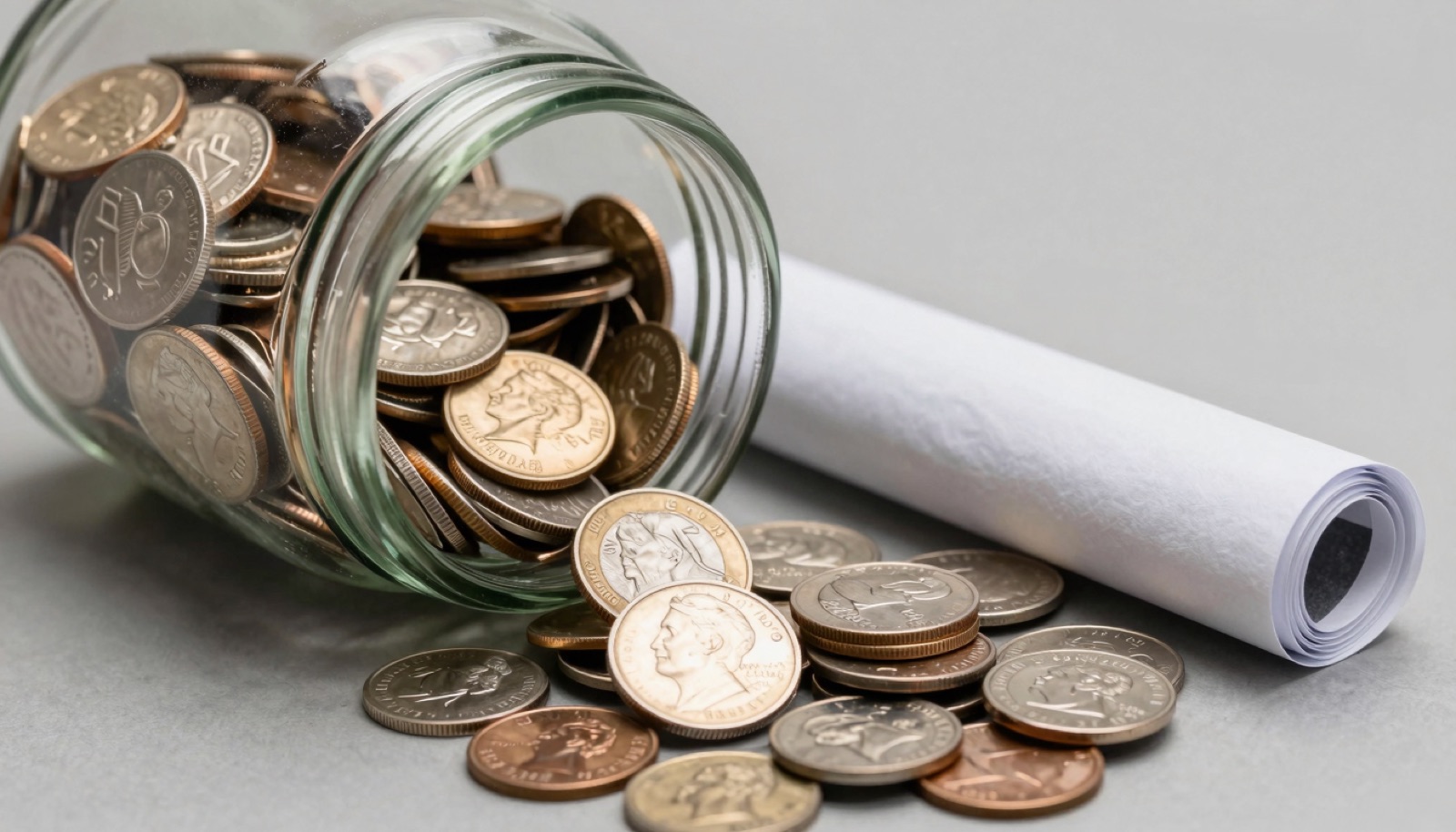
How to Cash In a Coin Jug Without Losing Money: Coinstar Alternatives
Cashing in a coin jug without losing money means sorting first, then choosing a no-fee bank counter. Coinstar’s cash option costs about 12 percent plus a fee. Read more
-
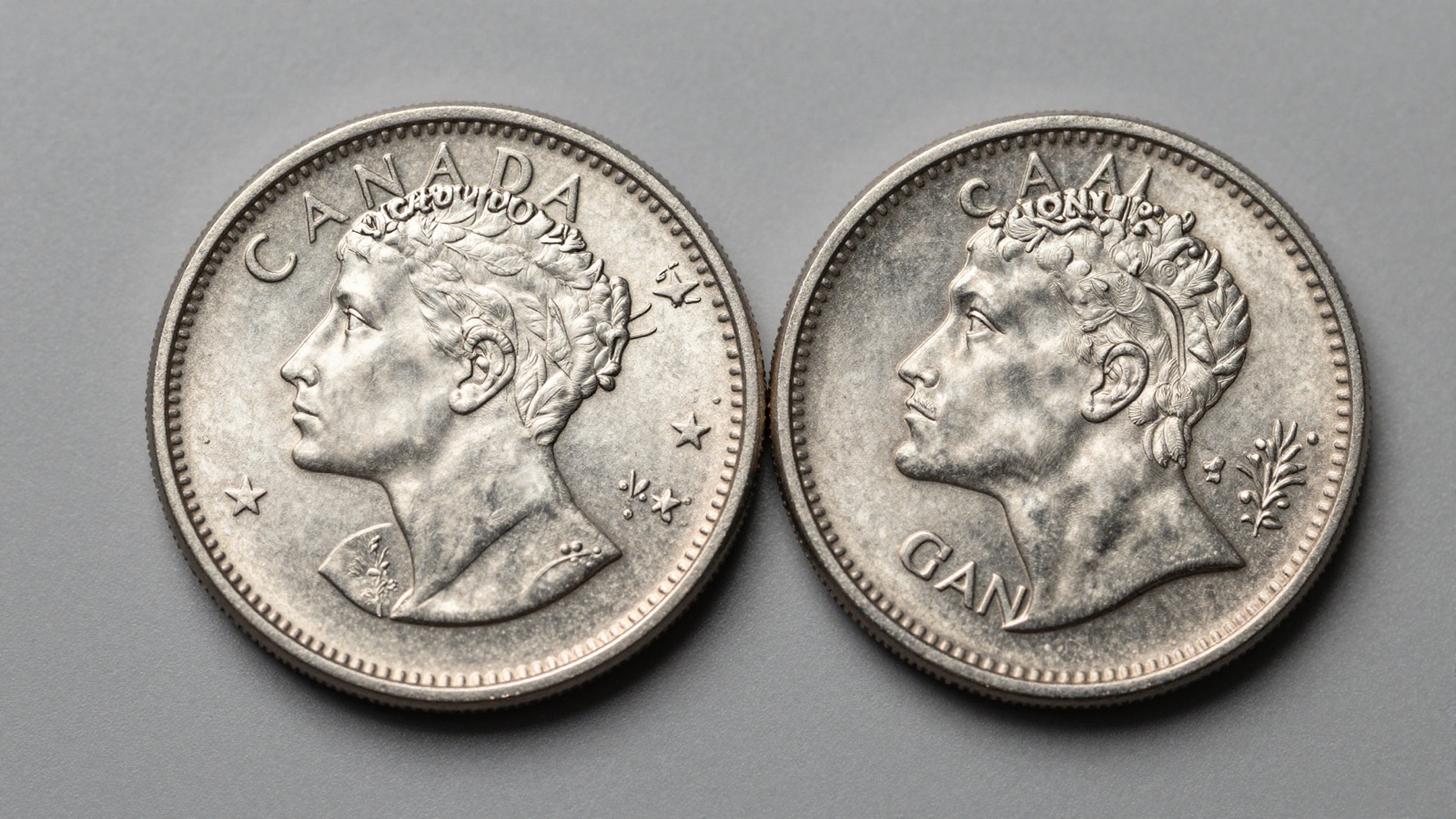
Canadian caribou quarter blank planchet errors: complete reference
A caribou quarter blank planchet is an unstruck Canadian 25-cent disc. It shows no caribou design at all. Edge type and metal set its value. Read more
-
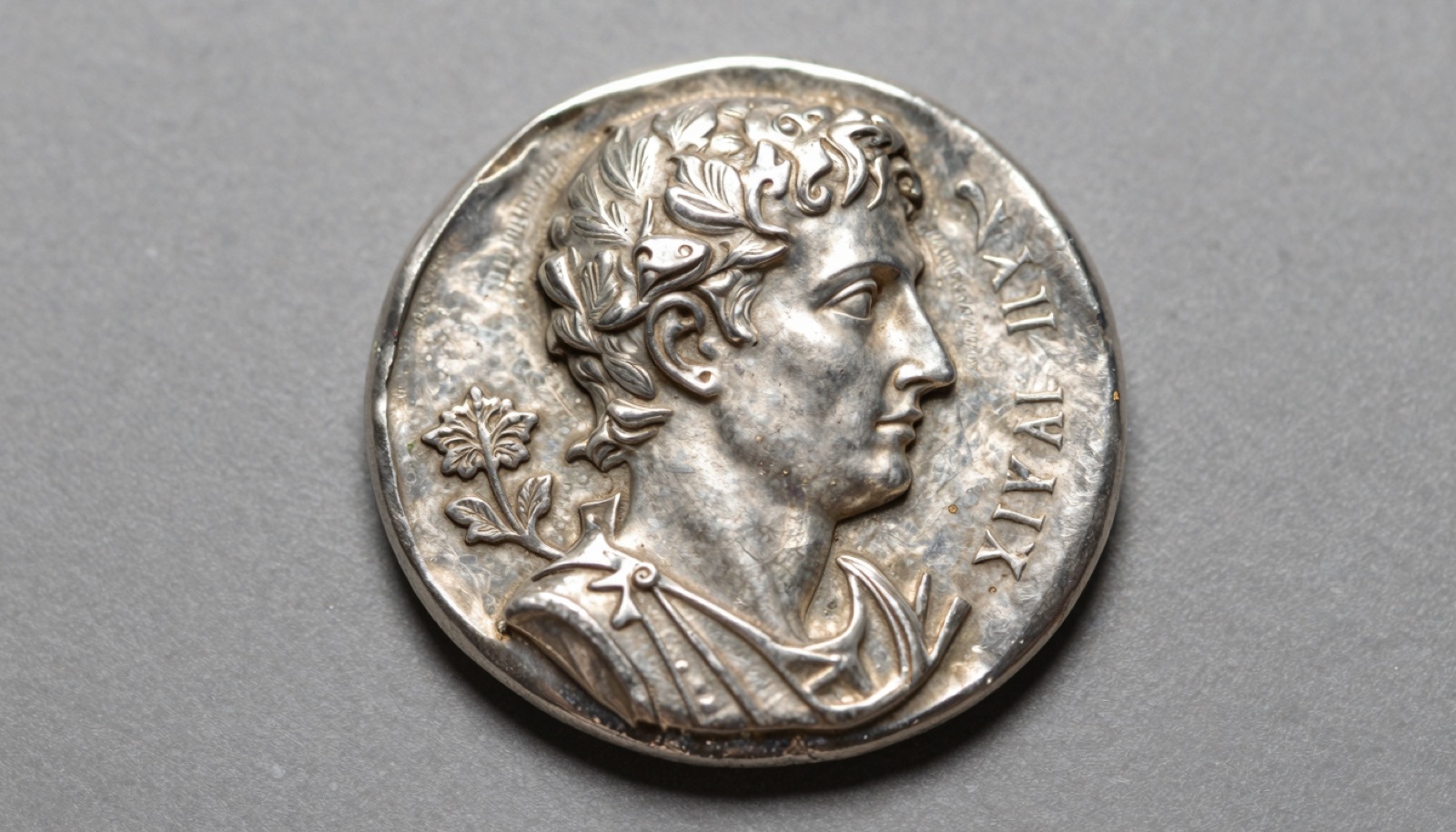
How to Identify Authentic Roman Denarii
A real Roman denarius weighs about 3.9 grams in silver. Genuine strikes show hand-cut dies and honest toning. Cast copies reveal seams and mushy detail. Read more
-
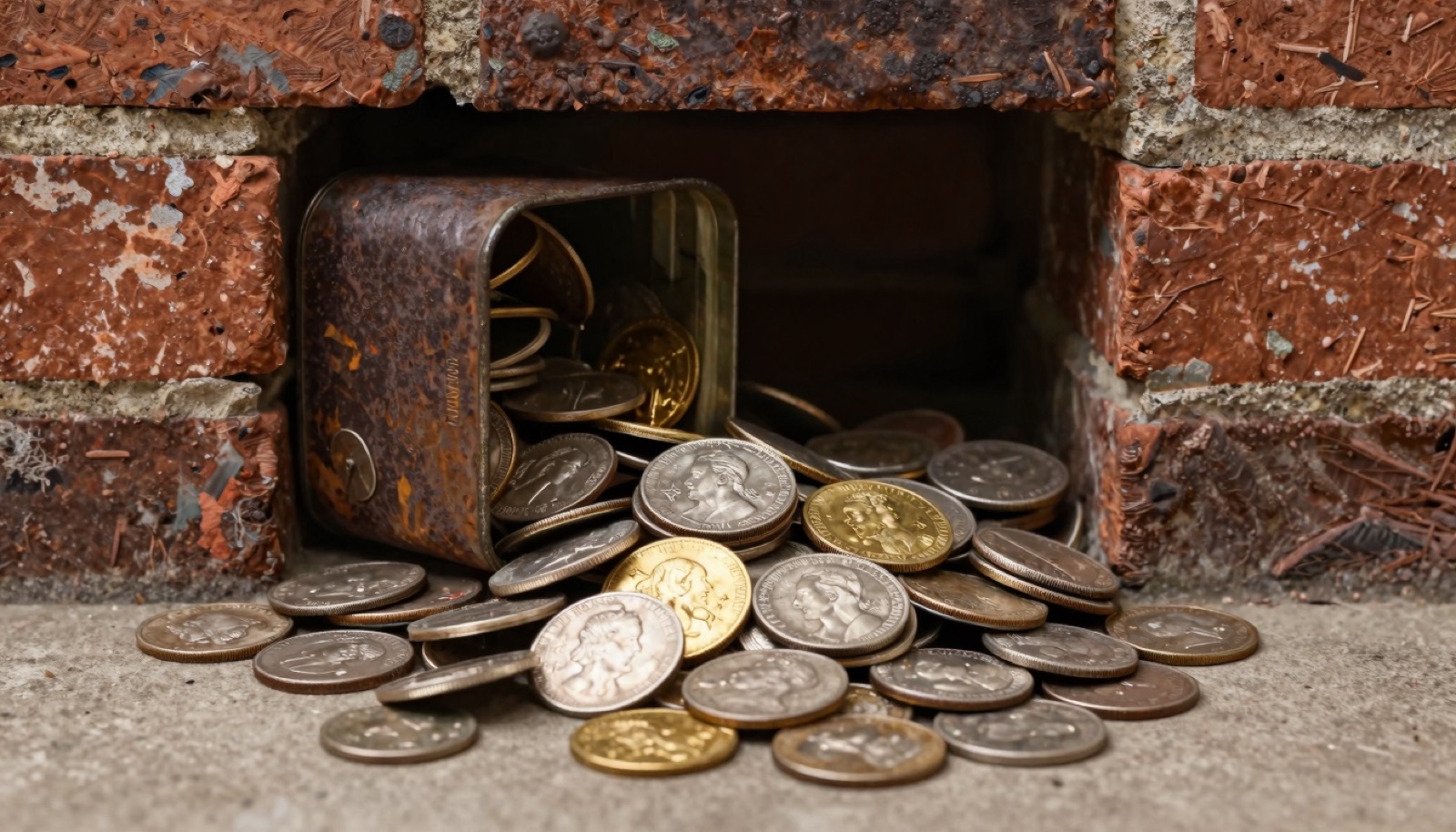
18 Hidden Stash Coin Stories: Coins Found Buried in Walls and Chimneys
Valuable wall and chimney coin caches hold pre-1933 gold and silver dollars. Dates and mint marks reveal real value. Always identify the metal and date first. Read more
-
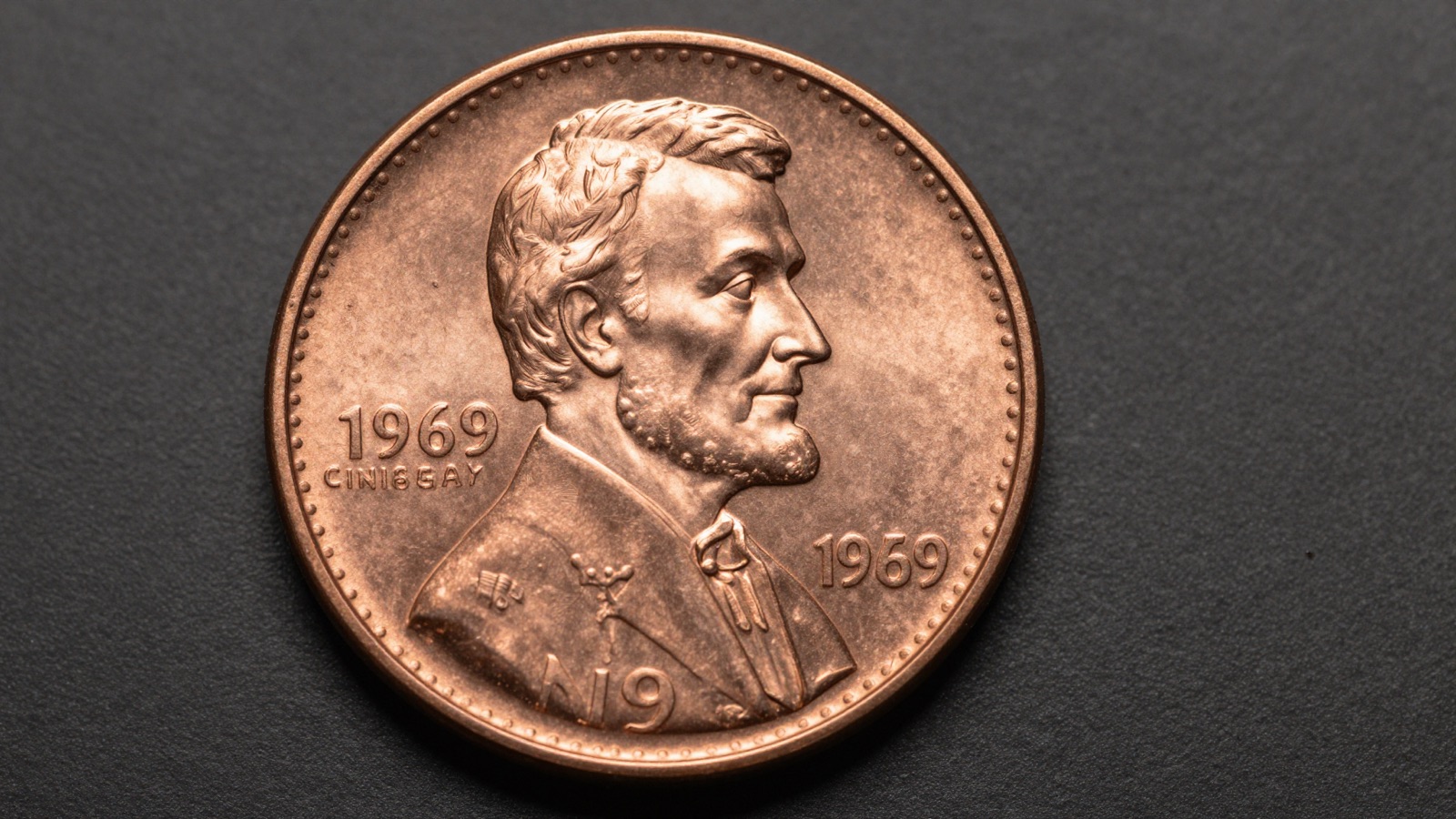
1969-S Doubled Die Lincoln Cent: Complete Identification Reference
The 1969-S doubled die cent shows bold obverse doubling with a single S mint mark. Genuine examples sell from $25,000 to over $100,000. Read more
-
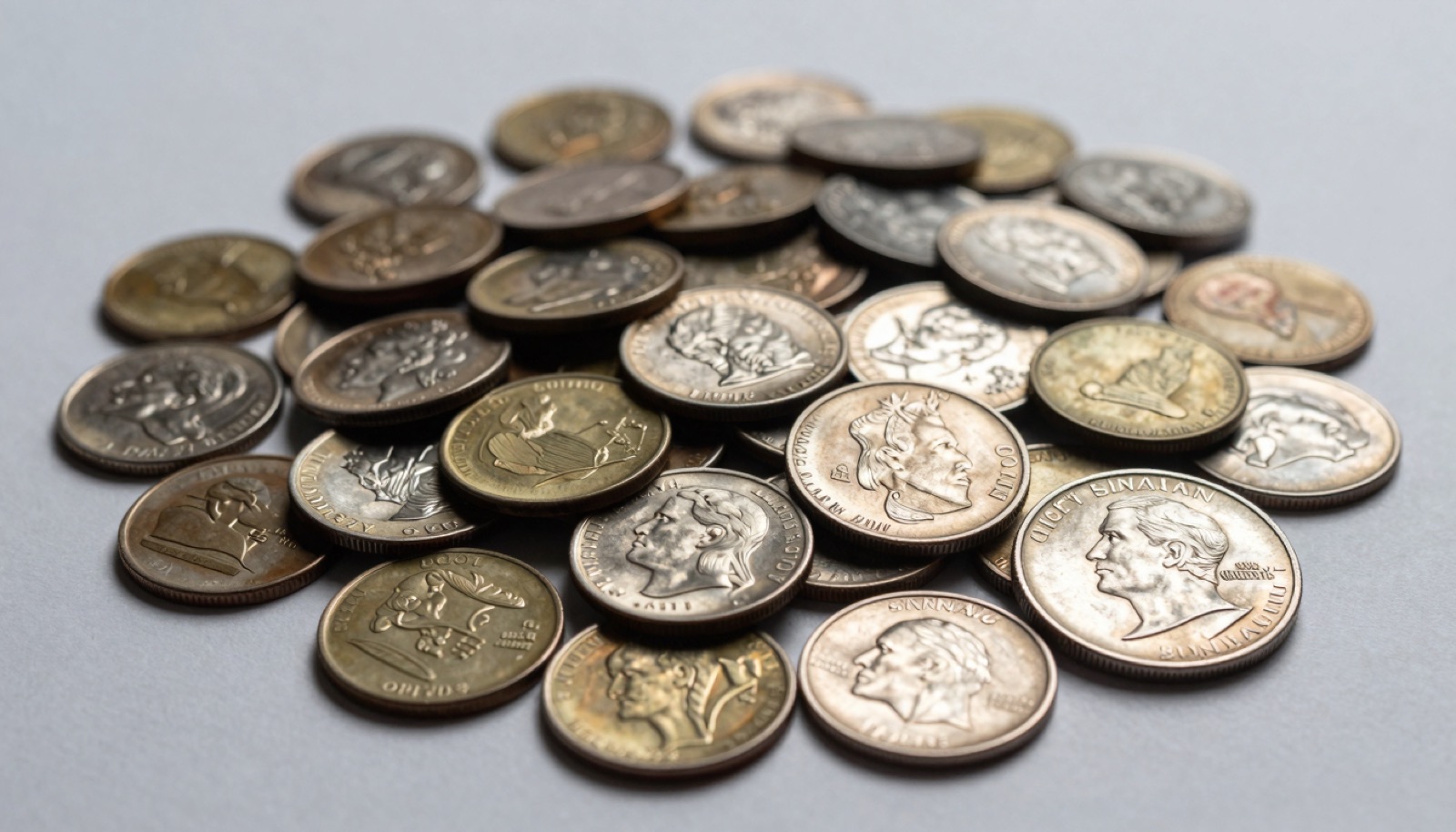
Coinstar vs Hand-Sorting: How Much Money You Are Throwing Away
Coinstar’s cash option takes about 12.9% plus a $0.99 fee. Hand-sorting your jar first rescues silver and key dates worth real money. Read more
-
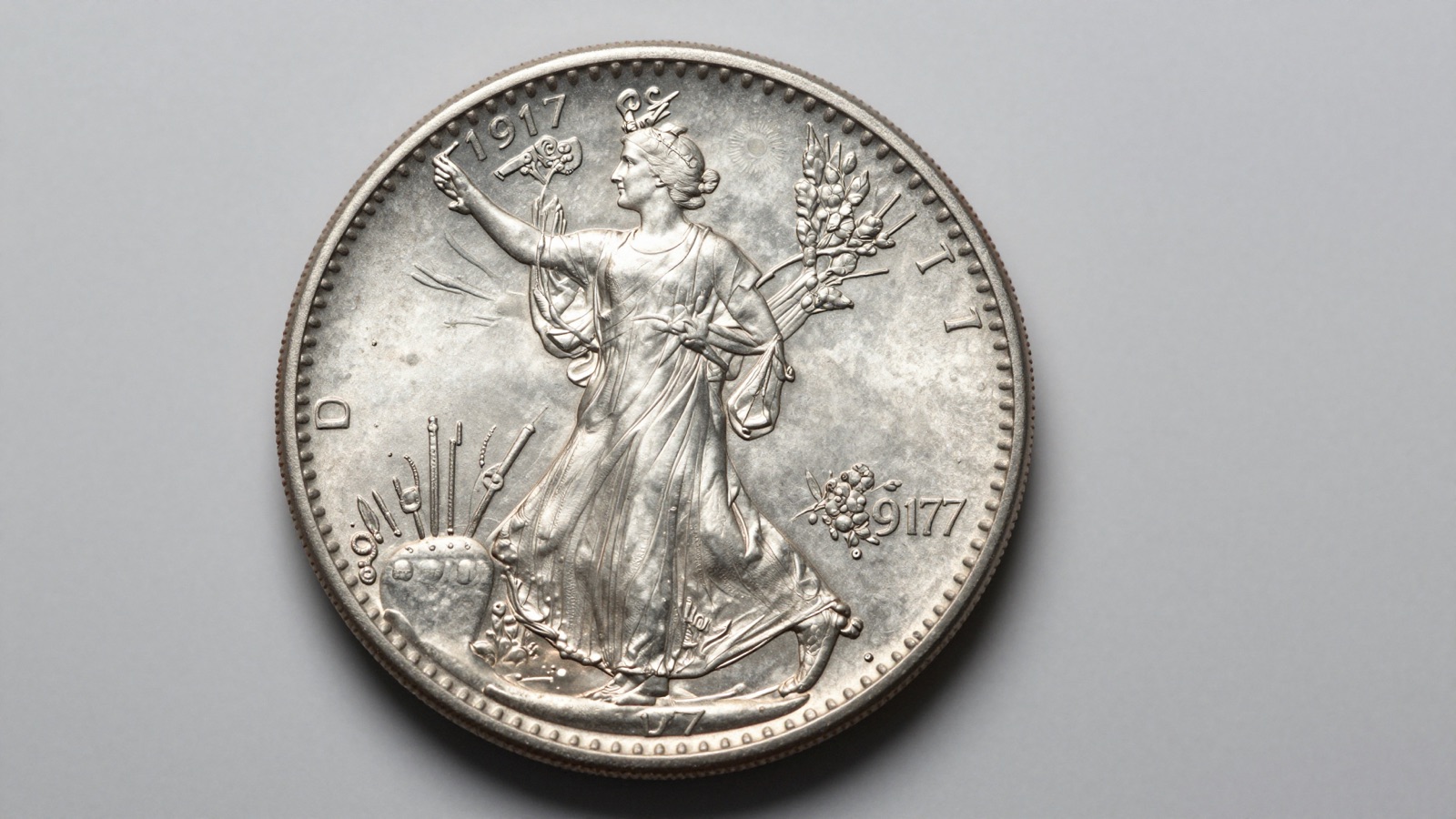
16 Rare Walking Liberty Half Dollars Worth Money
The rarest Walking Liberty half dollar is the 1921-D, with only 208,000 struck. Mintage and strike quality set the value. Always check the mint mark first. Read more
-
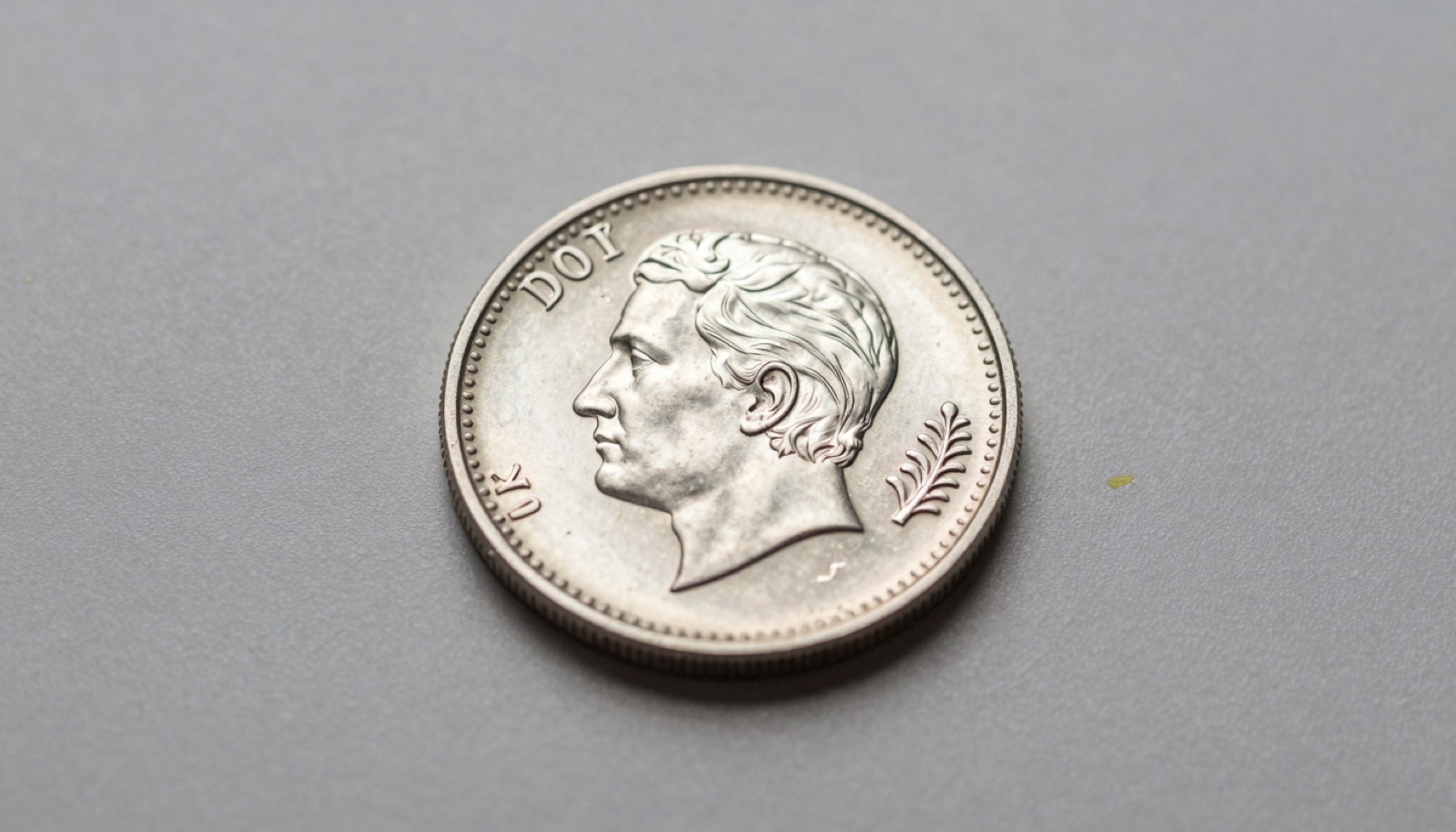
How to remove tape damage from coins without lowering value
The safest way to remove tape damage from coins is a pure acetone soak. Acetone dissolves adhesive without altering the metal or lowering value. Read more
-
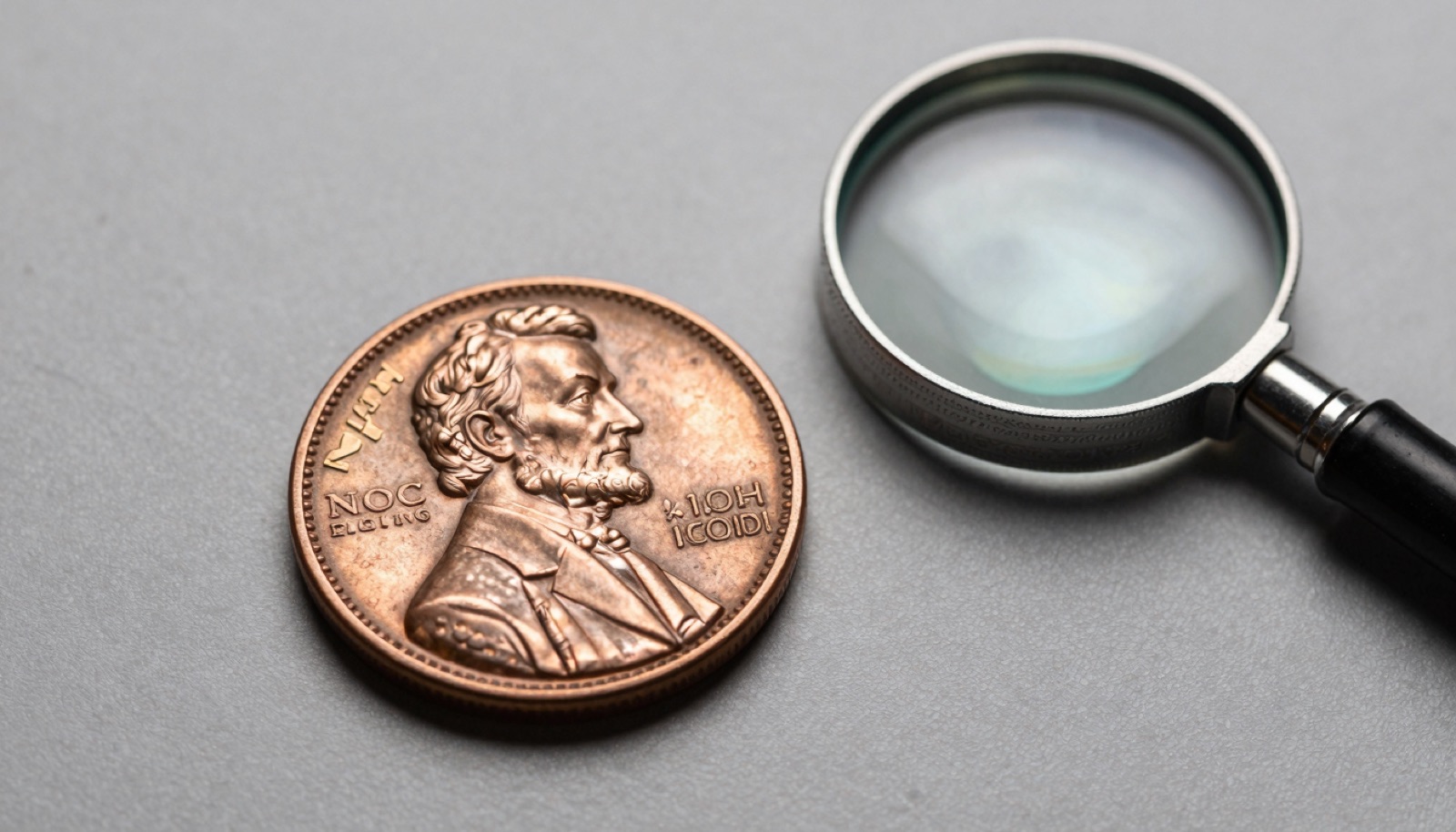
PCGS Photograde vs NGC Coin Explorer: Reference Guides Compared
PCGS Photograde is best for grading your own coins. NGC Coin Explorer is best for variety and mintage research. Serious collectors keep both guides open. Read more