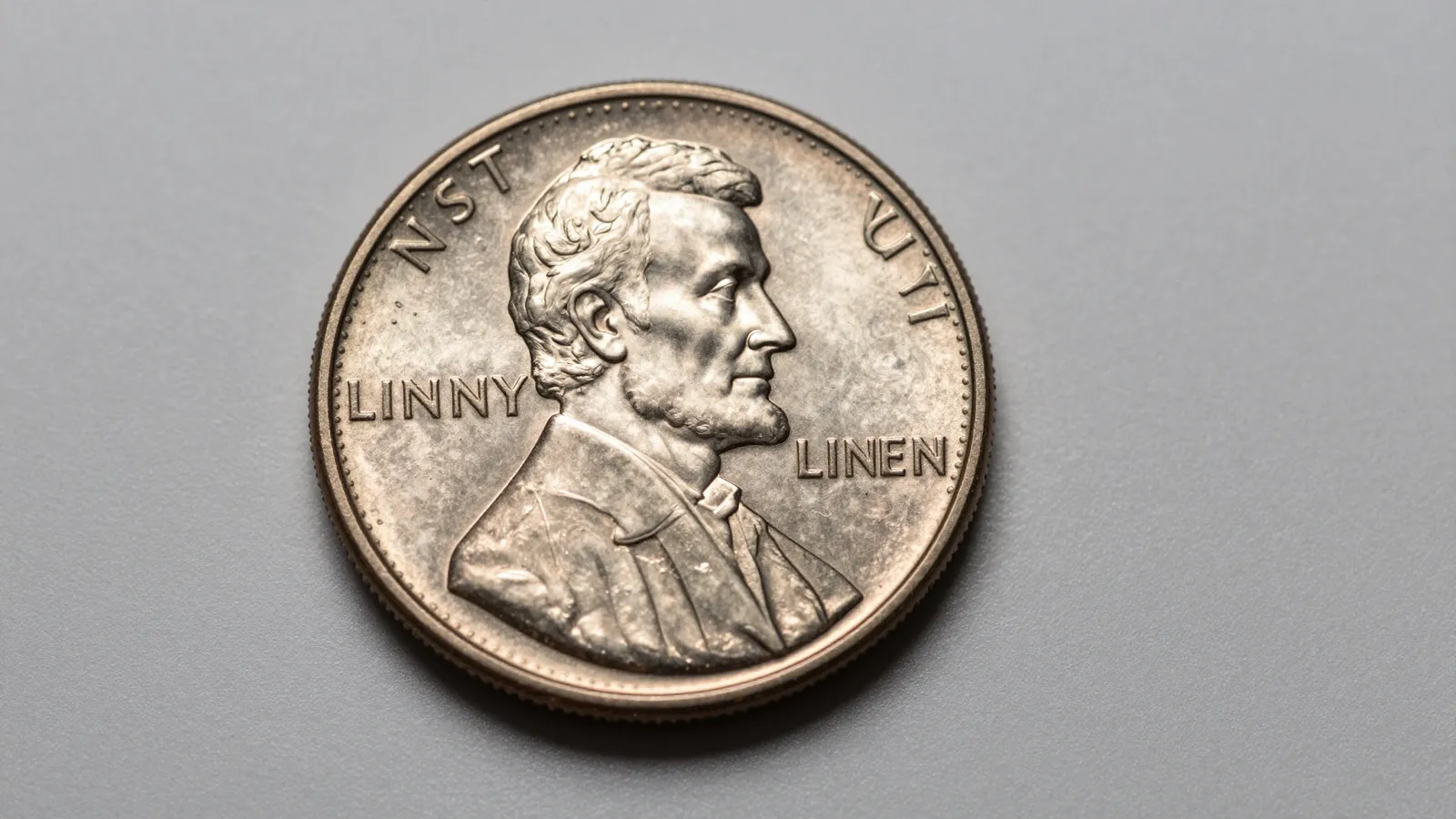
TL;DR
- The most valuable modern US Mint errors of the 2020s are wrong-planchet and off-metal strikes, often $1,000 to $5,000 at auction.
- Off-center strikes, die caps, brockages, and multi-error combination coins also command strong premiums.
- Most 2020s errors still circulate: check bank rolls and pocket change, especially American Women Quarters and 2025 Lincoln cents.
- Weight and diameter are your first authentication tests; a gram scale separates real errors from altered coins.
- For high-value errors, certification by PCGS or NGC is essential before you buy or sell.
Modern coin collecting has a quiet secret: the most valuable error coins are not always old ones. The US Mint strikes billions of coins each year, and the 2020s have produced a steady supply of genuine errors that collectors pay real money for. From the American Women Quarters program to the final years of the Lincoln cent, the 2020 to 2026 window produced off-center strikes, doubled dies, wrong-planchet errors, and more.
Modern error coins reward the patient hunter. They still turn up in bank rolls and pocket change, unlike the classic rarities locked away in old collections. The same hunt works north of the border too, as our roundup of Canadian Loonie errors and varieties shows. The trick is knowing what separates a true Mint error from ordinary post-mint damage.
This guide walks through 22 error types documented on 2020s US coinage, with realistic value ranges and the identification tests that matter. Some are affordable enough for a beginner's first error coin. Others, like off-metal strikes, sell for thousands at auction. For broader context, our rare coins worth money guide covers the wider market, and Coin World tracks fresh error discoveries. Weigh it, measure it, and photograph it before you celebrate.
1. Off-Center Strikes on American Women Quarters
An off-center strike is easy to spot. The design slides toward one edge, leaving a blank crescent of planchet. The American Women Quarters series ran from 2022 through 2025, and off-center examples from that run do turn up. Value depends on two things: how far the strike shifted, and whether the full date stays visible. A 10% shift is worth a few dollars. A 50% off-center quarter with a complete date brings $75 to $300. The 2022 Maya Angelou quarter was the first circulating US coin to feature a Black woman, which adds demand to any error example. Check the rim under a loupe. A genuine off-center strike leaves no rim on the blank side.
Value estimate: $75–$300
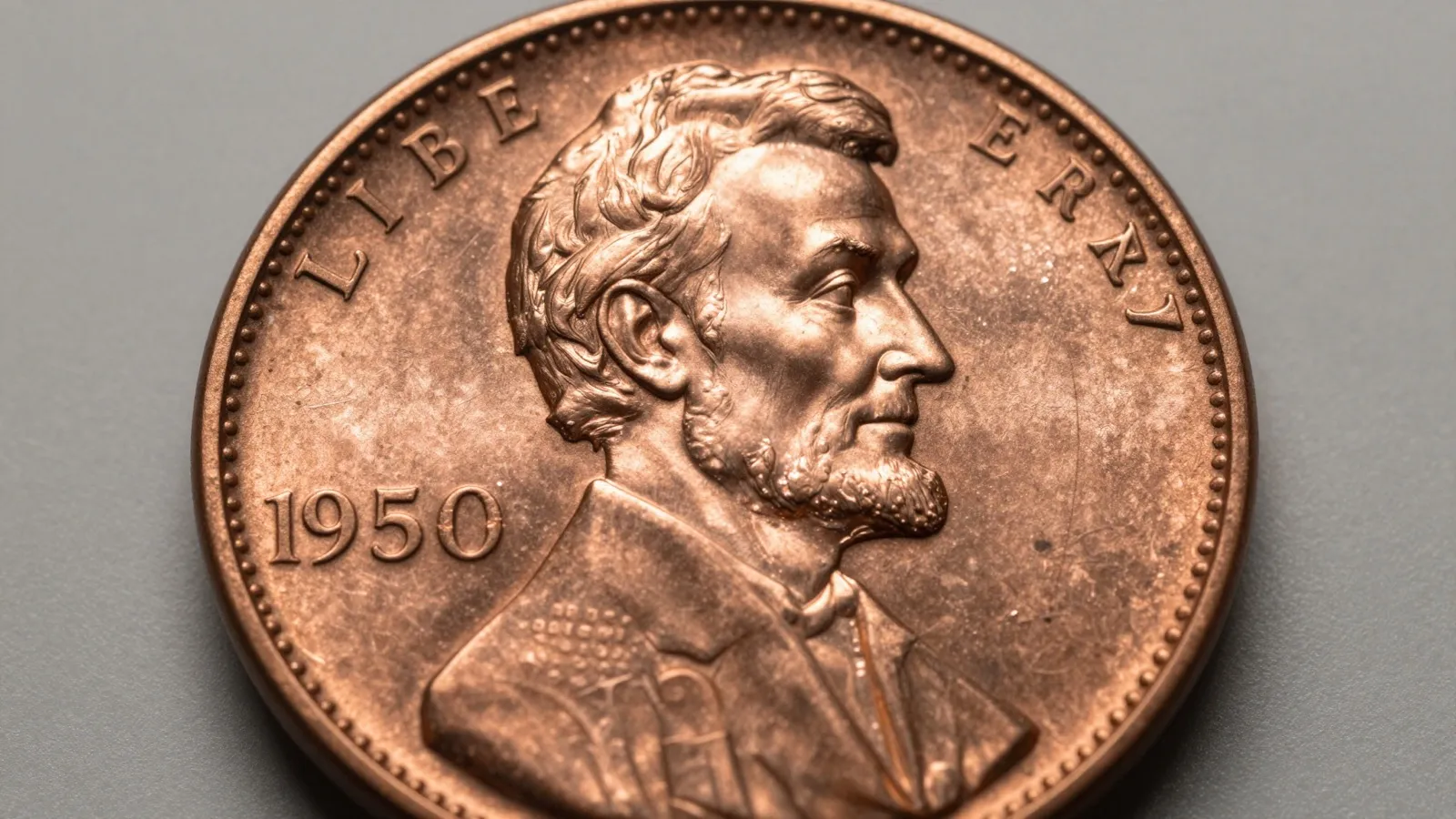
2. Doubled Die Obverse on 2020s Lincoln Shield Cents
A doubled die obverse forms when the hub stamps the die twice at slightly different angles. The result shows doubling in the lettering, usually on LIBERTY or the date. Minor hub doubling on 2020s Shield cents appears under 10x magnification more often than people expect. The giveaway is separation with notching at the letter serifs, not the flat shelf look of worthless machine doubling. True hub doubling on a modern cent in circulated grade runs $20 to $100. A sharp example certified by PCGS can reach $300 or more. Most coins described as "doubled" are machine doubling, which carries no premium at all.
Value estimate: $20–$300+
3. Broadstruck Coins Without a Collar
The collar is the steel ring that holds a planchet during striking. When it fails, the coin spreads wider and thinner than normal, a broadstrike. A 2021 cent broadstrike looks like an oversized, rimless penny. The design stays centered, which separates a broadstrike from an off-center error. Diameter is your test: a broadstruck cent measures noticeably wider than the standard 19.05 mm. Modern broadstrikes are common, so values stay modest, usually $10 to $75 by denomination and eye appeal. A broadstrike combined with another error moves into stronger money. On its own, treat it as an affordable, honest entry-level error.
Value estimate: $10–$75
4. Wrong-Planchet (Off-Metal) Strikes
This is the category that pays. A wrong-planchet error happens when a planchet for one denomination gets struck by dies meant for another. Picture a 2020s cent design stamped onto a dime planchet: smaller, silver-colored, wrong weight. These escape the Mint rarely, and collectors chase them hard. Weight is the proof: a copper-plated zinc cent weighs 2.5 grams, while a dime planchet weighs 2.27 grams. Any off-metal modern strike should be weighed first. Authenticated 2020s examples sell from $1,000 to $5,000 and up. Heritage Auctions records show off-metal strikes consistently top modern-error results. If you suspect one, do not clean it. Send it straight for certification.
Value estimate: $1,000–$5,000+
5. Clipped Planchet Errors
A clipped planchet shows a curved or straight bite missing from the coin's edge. It forms when the blanking press overlaps an already-punched area of the metal strip. Clipped 2020s quarters do turn up in bank rolls. Authenticity comes down to the Blakesley effect: opposite the clip, the rim weakens because metal flowed toward the missing area during striking. A clip without that weak rim is usually a post-mint cut. Curved clips are most common and bring $5 to $50 on modern coins. Straight and ragged clips run higher, and multiple clips on one coin add up. It is a friendly error for beginners: cheap, easy to verify, and genuinely from the Mint.
Value estimate: $5–$50
6. Die Cap "Bottle Cap" Errors
A die cap is one of the most dramatic errors a press produces. A struck coin sticks to a die and keeps striking incoming planchets, wrapping metal upward until it resembles a bottle cap. Modern die caps from the 2020s are scarce because Mint quality control catches most. A genuine cent die cap brings $100 to $1,000, with deep, well-formed caps at the top of that range. Larger denominations climb higher. Examine the interior: a true cap shows a smooth, dished surface from repeated strikes. Altered coins lack that pressed, work-hardened look.
Value estimate: $100–$1,000
7. Brockage Errors
A brockage is a coin struck against another already-struck coin instead of a die. The result is a mirror-image, incuse impression: the design reads backward and sinks into the surface. A full brockage is easy to recognize, because the reversed lettering is unmistakable. They happen when a struck coin fails to eject and acts as a die. Full brockages on modern 2020s coins are uncommon and bring $100 to $700, depending on how sharp the mirrored image is. The key authentication step: the brockage side must be incuse and reversed, never raised. A raised doubled image is something else. Check both faces under raking light.
Value estimate: $100–$700
8. Double and Triple Strikes
A double strike happens when a coin fails to eject and the press hits it again. The second strike lands offset, leaving two overlapping designs. Triple strikes are rarer and more valuable. The appeal of a double-struck 2020s cent is visual: you read the story of the press right on the coin. Value depends on spread and clarity. A modern double strike with both dates legible runs $50 to $500. Triple strikes and dramatic flip-over double strikes, where the coin turned between strikes, climb well past that. Confirm the second strike is genuinely struck, with flattened design and metal movement, not a post-mint dent.
Value estimate: $50–$500+
9. Struck-Through Grease Errors
Struck-through errors form when debris sits between die and planchet during striking. Grease is the most common culprit. It fills die recesses and leaves the coin with missing or mushy details. These are common on 2020s cents and quarters, and they are the bread-and-butter modern error. A coin missing a letter because grease blocked the die can alarm a new collector. Most struck-through-grease coins are worth $5 to $50. The exceptions are dramatic ones, where a large area of design vanished cleanly. Those reach $50 to $200. The test is the surface: a struck-through area is smooth and slightly raised, never gouged. Damage looks torn.
Value estimate: $5–$200
10. Struck-Through Cloth or Wire Errors
When a fabric scrap or thin wire lands on the planchet, the strike presses its texture into the coin. A struck-through-cloth error shows a clear woven pattern; a wire example leaves a fine incuse line. These are less common than grease strike-throughs and command stronger premiums. Struck-through-cloth quarters from the 2020s show the weave clearly in photos. Genuine examples bring $50 to $300, with bold full-impression cloth strikes at the top. Verify under magnification. The texture must be incuse, with no torn metal. Retained struck-through errors, where the foreign material stays embedded, are rarer and worth more.
Value estimate: $50–$300
11. Full Unstruck Blank Planchets
A blank planchet is a coin that never got struck: a smooth metal disc that escaped the Mint before reaching the press. There are two types. Type 1 blanks have a flat edge, while Type 2 blanks have an upset, raised rim from the rimming machine. Type 2 blanks are the legitimate ready-to-strike pieces collectors want. Modern cent blanks are common and inexpensive, often $3 to $20. Larger denominations bring more. A quarter or dollar blank runs $20 to $100. Weight and diameter must match the intended denomination exactly. Weigh suspected blanks first. A blank that is light or off-size is nothing more than a washer or a stripped coin.
Value estimate: $3–$100
12. Mule Errors
A mule is the rarest major error: two dies that were never meant to pair, struck together, a quarter obverse with a dollar reverse, for instance. The famous Sacagawea-Washington mules of 2000 sold for six figures and remain legendary. No widely documented mule has surfaced from 2020s production, which is exactly why any candidate deserves immediate skepticism and professional review. If a genuine 2020s mule were authenticated, it would command five figures or more at auction. The catch: mules are also the most faked error, usually assembled from two real coins. NGC and PCGS authentication is mandatory before anyone takes a mule claim seriously.
Value estimate: Five figures+ if authenticated
13. Major Die Breaks and Retained Cuds
Every die cracks eventually under the stress of striking. A small crack leaves a raised line on the coin. When a piece of the die breaks away at the rim, the coin shows a blob of raised, featureless metal, a cud. Cuds are prized because they mark the literal death of a die. Cuds on 2020s Shield cents do turn up in roll hunting. Value scales with size: a small die-crack coin is worth a few dollars, while a large, bold cud runs $25 to $150. Retained cuds, where the broken die piece left a sunken outline, sit at the higher end.
Value estimate: $25–$150
14. Missing Clad Layer Quarters
Modern quarters are clad: a copper core between copper-nickel outer layers. When one outer layer fails to bond and peels away, you get a missing-clad-layer error. One face shows raw copper while the other looks normal. On 2020s American Women Quarters with this error, the color contrast is striking. Weight confirms it: a normal clad quarter weighs 5.67 grams, while a coin missing a full layer weighs around 4.7 grams. That gram-scale check separates a real error from a coin someone sanded down. Genuine missing-clad-layer quarters bring $50 to $300, with full, clean layer loss at the top.
Value estimate: $50–$300
15. Rotated Die Errors
On a correctly struck US coin, flipping it top-to-bottom shows the reverse upright. That is coin alignment. A rotated die error means one die was installed turned, so the reverse sits at an angle. Minor rotation under 15 degrees is common and carries little premium. The coins that pay are dramatically rotated, 90 degrees or more. A 2020s coin with a 180-degree rotation, where the reverse appears upside down, runs $50 to $250. To check rotation, hold the coin between two fingers and flip it on its vertical axis. Photograph both sides aligned to document the angle, because buyers want proof.
Value estimate: $50–$250
16. Lamination Errors
A lamination error is a flaw in the planchet metal itself: a thin layer that splits, peels, or flakes away. It happens when impurities or trapped gas weaken the alloy before striking. On 2020s coins, laminations show up most on cents, where copper plating and zinc core can separate. A peeled lamination leaves a rough, irregular channel across the design. Distinguish it from post-mint damage: a lamination follows the metal's grain and has smooth, not torn, edges. Most modern lamination errors are worth $10 to $75. Large, dramatic peels that remove a chunk of design reach higher. It is a steady, affordable error to collect by type.
Value estimate: $10–$75
17. Improperly Annealed "Sintered" Planchets
Annealing is the heat-softening step that prepares planchets for striking. When it goes wrong, the planchet comes out discolored, often dark, smoky, or nearly black. Collectors call these sintered planchets or black beauties. Improperly annealed 2020s cents can look charred straight from a Mint-sealed roll, which is how you separate them from coins burned later. The color must be even and the surfaces fully struck with normal detail. A genuine improperly annealed coin runs $20 to $150, depending on how striking the discoloration is. The hard part is authentication: toning and deliberate altering both mimic the look. Buy these only certified.
Value estimate: $20–$150
18. Indent Errors
An indent error forms when a second planchet lands partly on top of the one being struck. The press drives that blank into the coin, leaving a smooth, sunken depression with no design inside it. The blank area is the tell: an indent is featureless and curved, matching the planchet that caused it. Indent cents are a good first error for beginners because the error explains itself at a glance. Value tracks the size and placement of the depression. A modest indent runs $30 to $100, while a large indent covering a third of the coin reaches $150 to $300. Do not confuse an indent with a struck-through error. An indent is deep and planchet-shaped.
Value estimate: $30–$300
19. Partial Collar "Railroad Rim" Errors
A partial collar error happens when the collar sits too low during striking. The coin's lower edge strikes inside the collar normally, but the upper portion spreads past it, creating a stepped edge. Collectors call the result a railroad rim, because the profile looks like a train wheel's flange. A 2020s railroad-rim quarter shows a stepped edge that is obvious once you roll the coin and look. These are modest errors, usually $10 to $60, with quarters and dollars at the higher end. Verify that the design itself struck normally. Only the edge should be off. A railroad rim paired with another error is worth materially more.
Value estimate: $10–$60
20. 2021 Morgan and Peace Dollar Strike Errors
The Mint revived the Morgan and Peace dollars in 2021 to mark the designs' centennial, and that fresh production opened a window for new errors. 2021 Morgan dollars have turned up with die cracks, struck-through grease, and minor planchet flaws. Because these coins sold at a premium and were handled carefully, dramatic errors are scarce. A 2021 Morgan or Peace dollar with a clear, certified error runs $100 to $1,000 over the coin's already-strong base value. Off-center and double-struck examples sit at the top. Check the US Mint original packaging and certification before paying an error premium on a 2021 silver dollar.
Value estimate: $100–$1,000 over base value
21. 2025 Final-Year Lincoln Cent Errors
The US Mint wound down circulating cent production, making 2025-dated Lincoln cents the practical end of the line for the denomination. That final-year status turns ordinary 2025 cent errors into pieces collectors actively set aside. 2025 cents are worth checking for doubled dies, off-center strikes, and struck-throughs. A common error that would bring $20 on a 2015 cent can carry a modest final-year premium now. Realistic values run $20 to $200, depending on error type and grade. Do not overpay on hype. A 2025 cent is still a cent. The smart move is grabbing clean error examples cheaply now and letting the final-year story develop.
Value estimate: $20–$200
22. Multi-Error "Combination" Coins
The trophies of modern error collecting are combination coins: one piece carrying two or more distinct errors. Picture a 2020s cent that is off-center, double-struck, and broadstruck at once. Each error multiplies the interest, and the price climbs faster than any single error alone. A double-struck cent with the second strike off-center can sell well above the sum of its parts. Combination coins run from $100 to $2,000 and beyond, depending on which errors stack. Authentication is essential, since complex errors are what counterfeiters try to fake. For valuation help, our coin value guide explains how stacked errors are priced, alongside our most valuable two-dollar bills roundup.
Value estimate: $100–$2,000+
FAQ
Wrong-planchet and off-metal strikes are the most valuable modern US Mint errors from the 2020s. These occur when a planchet for one denomination is struck by dies meant for another: a cent design on a dime planchet, for example. Authenticated examples sell from $1,000 to $5,000 and up, far above any other modern error category. Off-center strikes with full dates, dramatic die caps, and multi-error combination coins follow as the next tier. The reason off-metal errors top the list comes down to escape and authentication: they are hard to fake convincingly and even harder to slip past Mint quality control. Weight is the proof. Any suspected off-metal coin must be weighed on a gram scale. A mismatch from the standard weight is your first real evidence.
The core test is when the mark happened, during striking or after the coin left the Mint. A genuine error shows metal that flowed under die pressure: smooth, raised, or design-distorting. Post-mint damage shows torn, gouged, or scraped metal with sharp edges. I check three things on every suspect coin. First, weight and diameter against the published standard for that denomination. Second, the surface texture under 10x magnification. Third, whether the feature matches a documented error type. A struck-through is smooth; a scratch is torn. A genuine clip has a weak rim opposite it. When in doubt, compare against verified images on NGC or PCGS, or submit the coin for professional certification before assigning any value.
Yes, American Women Quarter errors carry real value, though amounts vary widely by error type. The program ran from 2022 through 2025, honoring figures like Maya Angelou, Sally Ride, and Wilma Mankiller. Because these quarters entered circulation in huge numbers, errors do turn up in pocket change and bank rolls. A minor struck-through-grease example might bring $10 to $40. A dramatic off-center strike with a full date runs $75 to $300. Missing-clad-layer quarters from the series sell for $50 to $300. The 2022 Maya Angelou quarter draws extra demand as the first circulating US coin featuring a Black woman. Weigh any suspected error quarter first. A normal clad quarter is 5.67 grams. Our old coin identifier guide also helps date and attribute quarters.
The two major US grading services are PCGS and NGC, and both authenticate and attribute mint errors. For a coin you believe is a significant error (a wrong-planchet strike, a die cap, or a possible mule), professional certification is not optional. A graded holder with an error attribution is what auction houses like Heritage Auctions and Stack's Bowers require before they will sell a coin at full value. Certification typically costs $20 to $65 per coin plus shipping, which is well worth it on anything that might bring three figures or more. For low-value errors under $50, certification rarely makes financial sense. The American Numismatic Association at money.org can also point you to reputable local dealers for an in-person opinion first.
The US Mint wound down circulating cent production, which makes 2025-dated Lincoln cents the practical final year of the denomination. That final-year status creates collector interest, but it does not make an ordinary 2025 cent valuable on its own. Billions were struck. What gains a premium is a 2025 cent with a genuine error: a doubled die, an off-center strike, or a dramatic struck-through. Those realistically run $20 to $200 depending on type and grade. My advice is to set aside clean 2025 cents and check them carefully for errors rather than paying inflated prices to speculators. The final-year story may build value slowly over years. For current pricing on any cent you find, our coin value checker is a practical starting point.