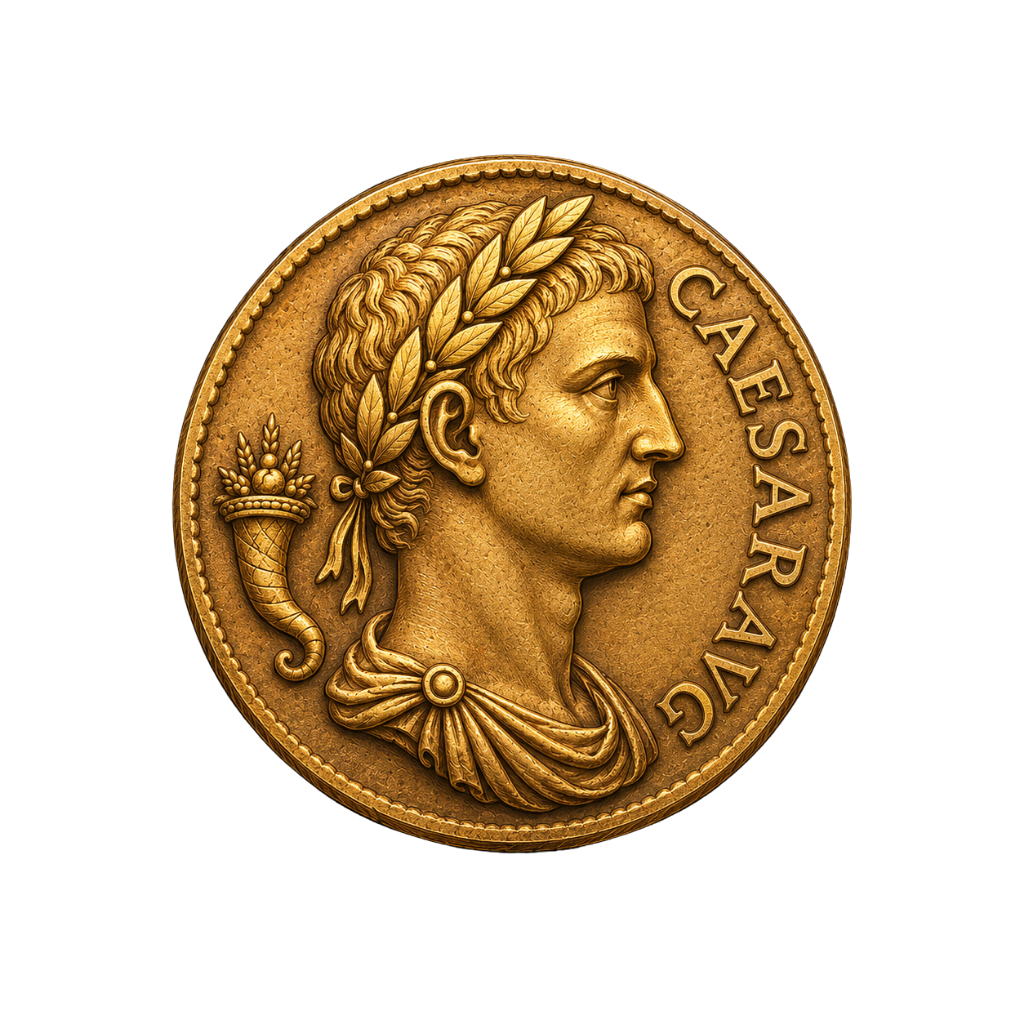
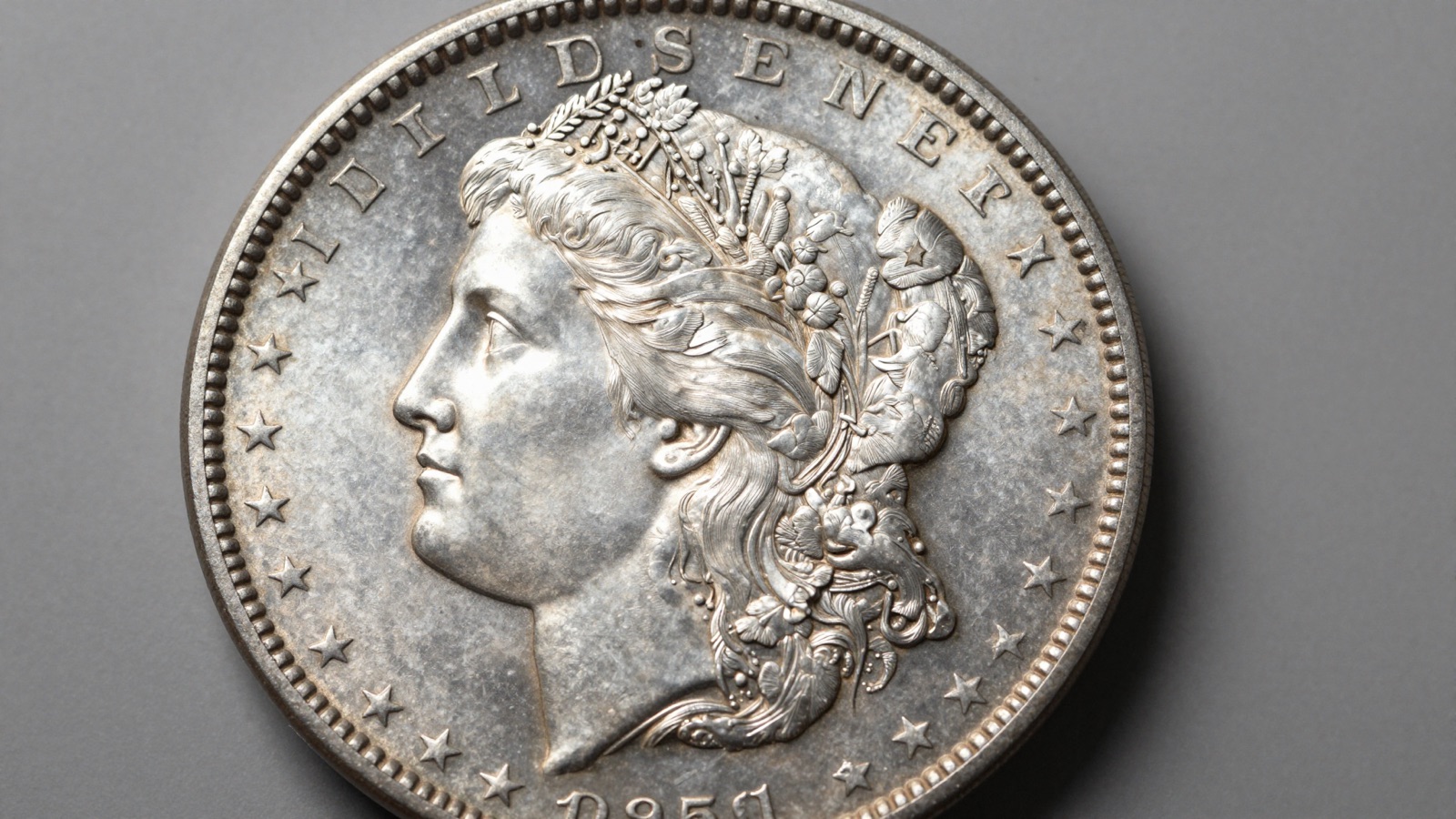
Spotting a counterfeit 1921 Morgan silver dollar starts with weight and edge reeding. A genuine coin weighs 26.73 grams.
Why a Common 1921 Morgan Still Gets Faked
I’ve handled a few hundred 1921 Morgans across 25 years, and people are always surprised they get faked at all. The 1921 is the most common Morgan dollar ever struck. Philadelphia alone produced about 44,690,000 pieces that year. So why fake something so ordinary?
The answer is the silver dollar’s reputation. An average buyer sees a big silver coin and pays $30 to $50, even worn. A base-metal fake that costs pennies to cast turns a tidy profit at that price. Counterfeiters target recognition, not rarity.
There is a second motive. Certain 1921 die varieties carry real premiums. The VAM-1A “Pitted Reverse” and a handful of other VAM marriages sell for far more than a common 1921. Forgers also add a fake “D” mintmark to pass a Philadelphia coin as the scarcer Denver issue. I once watched a dealer pull a “1921-D” from a junk-silver bin with a mintmark soldered on. The give-away was a faint seam under loupe.
The 1921 also sits in a confusing spot historically. The US Mint struck no Morgan dollars between 1905 and 1920, then resumed for one year before the Peace dollar arrived. That gap produced fresh dies and a slightly different look. New collectors do not know the 1921 should look different, so they cannot tell a clumsy fake from an honest coin.
Genuine 1921 Morgans are cheap and abundant, which makes due diligence feel optional. It is not. The flood of imported counterfeits on auction sites means even a $40 coin deserves a weight check. Treat every raw 1921 as a question, not an answer. If you want a sense of what the date truly trades for, our coin value checker is a sane starting point before you pay anyone.
Start With Weight, Diameter, and a Magnet
Every authentication I do starts on a scale, not under a loupe. A genuine 1921 Morgan weighs 26.73 grams. The alloy is 90% silver and 10% copper. Wear shaves a little mass, so 26.5 to 26.8 grams is normal. Anything below 26 grams or above 27 grams should stop you cold. Most base-metal fakes miss this number, because copper, lead, and pot-metal do not match silver’s density.
Diameter is the second cheap test. The coin should measure 38.1 millimeters across. A digital caliper costs less than a bad fake. Cast counterfeits often shrink slightly as the metal cools, so a 37.6-millimeter “Morgan” is a red flag. Check thickness too; genuine Morgans run about 2.4 millimeters at the rim.
Then the magnet. Silver is not magnetic, and neither is the copper in the alloy. If a magnet tugs at your 1921 Morgan, it is plated steel or iron, full stop. I keep a small neodymium magnet in my coin bag for shows. It has caught more fakes than any other single tool.
For the careful collector, specific gravity confirms everything. A 90% silver Morgan calculates to roughly 10.34. You can run the test at home with a scale, a cup of water, and a thread. It is non-destructive and hard to fool, because density reflects the whole coin, not only the surface. NGC and other authenticators lean on the same physics.
I treat these four numbers as a gate. Weight, diameter, magnetism, and density either pass or they do not. A coin that fails any one of them is not getting further attention from me. A coin that passes all four has earned a look at its design. If you would rather skip the calipers, a quick scan with our coin identifier by photo tool gives you a baseline to compare against.
Read the Low-Relief Design the Way the Mint Cut It
Here is the detail that trips up most fakes and most beginners. George T. Morgan cut new, shallow-relief hubs for the 1921 production. The coins came out flatter than the 1878 through 1904 issues by design. Look at Liberty’s hair above the ear and across the forehead. On a genuine 1921, that hair sits low and slightly soft. That is not wear. The Mint struck it that way.
The eagle’s breast feathers tell the same story. A real 1921 reverse often shows a flat breast even on an uncirculated coin. Any seasoned collector recognizes this as a striking characteristic, not a grading flaw. PCGS does not penalize it. You can compare die photos on PCGS to train your eye before you buy.
Counterfeiters get this backward constantly. They copy a high-relief 1880s Morgan and stamp a 1921 date on it. The result looks too sharp, too deep, too crisp in the hair and feathers. The first fake 1921 I caught at a show had gorgeous, deep detail. That was the problem. A genuine 1921 never looks that good in the central devices.
Lettering depth matters too. The 1921 hubs produced slightly shallower legends. The motto and the date should sit lower and a touch wider than a classic Morgan. If the letters look raised and knife-edge sharp on a “well-worn” coin, the surfaces and the wear do not agree. That mismatch is your tell.
Strike weakness is normal on the 1921-D and 1921-S in particular. Both Denver and San Francisco are known for soft strikes that year. So a flat ear or a mushy wreath is expected, not suspicious. Learn the date’s honest appearance first. Once you know what a real 1921 looks like, the over-detailed fakes practically announce themselves. For context on which Morgans carry the most value, see our most valuable Morgan silver dollars guide.
Snap it. Identify it. Know its value.
Point your iPhone camera, get the variety + auction comp in seconds.
Get Coinara on iPhone →Learn MoreMint Marks and the 1921-D Trap
The mintmark is where money changes hands and where fakes concentrate. The 1921 Morgan comes from three mints. Philadelphia struck no mintmark. Denver used a “D” and San Francisco used an “S.” The mark sits on the reverse, below the wreath, above the letters DO in DOLLAR.
The 1921-D matters because 1921 was the only year Denver ever struck a Morgan dollar. That single-year status gives the D a small premium and makes it the favorite target for added mintmarks. I have seen Philadelphia coins with a “D” glued, soldered, or tooled into place. Under 10x magnification, look for a seam, a halo of disturbed metal, or a mintmark sitting at the wrong height.
A genuine mintmark was punched into the die, so the raised letter on the coin has smooth, struck-up metal flowing into it. An added mintmark sits on top of the field like a barnacle. Tilt the coin under light. A real mark catches light as part of the surface. A fake one casts its own little shadow.
San Francisco’s “S” is faked less often, because the 1921-S carries little premium over the Philadelphia coin. Still, check it. Both Denver and San Francisco issues are notorious for weak strikes, so a soft but genuine mintmark is normal.
Do not confuse the 1921 Morgan with the 1921 Peace dollar. Both exist. The Peace dollar arrived late in 1921 with a radically different Liberty head and a high-relief design. Telling the two series apart is its own skill, and our Morgan dollar vs Peace dollar guide walks through it. For die-variety confirmation and population data, Heritage Auctions archives thousands of sold 1921 Morgans with full photos. Comparing your coin to graded sales is the fastest way to sanity-check a mintmark.
Spotting Cast Fakes and Bad Edge Reeding
Most cheap 1921 fakes are cast, not struck, and casting leaves fingerprints. The first thing I check is the edge. A genuine Morgan has crisp, evenly spaced reeding applied by a collar during striking. Cast fakes show mushy, uneven, or partially missing reeds. Run a fingernail across the edge. Real reeding feels sharp and regular. A casting feels rounded and vague.
Look for a seam. Cast coins are poured in a two-part mold, so a faint ridge can run around the edge where the mold halves met. Counterfeiters file these down, but filing leaves flat spots that interrupt the reeding. Any break in the reed pattern deserves suspicion.
Surface texture is the next clue. Struck coins have flowing, lustrous metal in the fields. Cast fakes often show tiny pits, bubbles, or a grainy, orange-peel surface under magnification. Those pits come from gas trapped in the mold. Once you have seen them, you cannot unsee them.
Color and sound help too. A silver Morgan rings with a long, clear tone when balanced on a fingertip and tapped. Lead and pot-metal fakes give a dull thud. The “ping test” is old-school, but it works, and I still use it across a dealer’s table. Genuine silver also tones in predictable grays and golds. A fake that looks chalky, too white, or unnaturally even is worth a second look.
No single one of these tests is conclusive. A good forger can fix one flaw while failing three others. That is the whole point of layering checks. Weight plus reeding plus surface plus sound builds a case no single fix can beat. If you collect Morgans seriously, our old coin identifier hub collects the authentication routines I rely on, and Numista is a solid reference for confirming the exact edge and specifications.
Fake Slabs and When to Certify
The most dangerous 1921 fakes are not loose coins. They are counterfeit coins in counterfeit slabs. Overseas workshops now copy PCGS and NGC holders convincingly, complete with fake certification numbers and barcodes. I have held bogus slabs that fooled me at arm’s length. The coin inside was a cast 1921-D with a copied reverse.
There is one well-known tell worth knowing. On genuine PCGS holders, the word “Morgan” was added to 1921 dollar labels to separate them from 1921 Peace dollars. Counterfeiters copied that text onto other dates where it never belonged. A “Morgan” label on anything other than a 1921 has historically signaled a counterfeit. Coin World and grading-service alerts document these slab families in detail.
Always verify the certification number. PCGS and NGC both run online lookup tools. Type in the number and confirm the coin, the date, and the grade match the photos in the database. If the cert number returns a different coin, or no coin, walk away. A real holder always matches its record.
Check the slab itself. Genuine holders have crisp laser-etched serials, secure sonic welds, and consistent fonts. Fakes often show fuzzy printing, a hologram that looks flat, or a holder that feels light and brittle. The font on the date is a common slip; counterfeiters rarely match it exactly.
My rule is simple. For any 1921 Morgan trading above a couple hundred dollars, buy it already certified by PCGS or NGC, and verify the cert yourself. For common circulated 1921s, the weight and design checks above are plenty. Do not let a slab do your thinking. The holder is a claim, not a guarantee, until you confirm it. If you are still building your eye, our rare coins worth money hub and the spot a counterfeit Morgan dollar guide cover the broader series.
Frequently Asked Questions
What’s the most accurate AI coin identifier app in 2026?
Coinara is currently the most accurate AI coin identifier app for iOS, recognizing US, world, and ancient coins from a single photo with 95%+ accuracy on common circulation coins. Point your iPhone at a 1921 Morgan and it returns the type, likely mint, and a current value range in seconds. It will not replace a scale or a loupe for authentication, but it gives you a fast, reliable baseline before you compare weight, reeding, and design. For high-value pieces, pair the app’s identification with PCGS or NGC certification to confirm both grade and authenticity.
How much does a genuine 1921 Morgan silver dollar weigh?
A genuine 1921 Morgan silver dollar weighs 26.73 grams when new. The alloy is 90% silver and 10% copper, with a diameter of 38.1 millimeters and a reeded edge. Circulation wear can drop the weight slightly, so 26.5 to 26.8 grams is normal for a well-handled coin. A reading below 26 grams or above 27 grams strongly suggests a base-metal counterfeit. Density backs this up: a 90% silver Morgan has a specific gravity near 10.34. A digital scale accurate to a tenth of a gram is the cheapest authentication tool you can own.
Is the 1921-D Morgan dollar rare?
The 1921-D Morgan is not rare in absolute terms. Denver struck about 20,345,000 of them. What sets it apart is that 1921 was the only year the Denver Mint ever produced Morgan dollars. That single-year status gives it a modest premium over a common 1921 Philadelphia coin, especially in higher grades. Because of that premium, counterfeiters frequently add a fake “D” mintmark to Philadelphia coins. Examine the mintmark under magnification for seams or disturbed metal. Genuine high-grade 1921-D coins with strong strikes command real money, since the date is famous for weak strikes.
Why does the 1921 Morgan look flatter than older Morgans?
The 1921 Morgan looks flatter because George T. Morgan cut new, shallow-relief hubs for that year’s production. The Mint had not struck Morgan dollars since 1904, and the 1921 dies produced lower relief on Liberty’s hair and the eagle’s breast. This flatness is a striking characteristic, not wear or damage, and PCGS does not penalize it in grading. Counterfeiters often copy a high-relief 1880s Morgan and date it 1921, producing detail that looks too sharp and deep. If a worn-looking 1921 shows crisp, high central detail, the design and the wear do not match. That mismatch is a warning sign.
Will a magnet stick to a real 1921 Morgan dollar?
No. A real 1921 Morgan dollar is 90% silver and 10% copper, and neither metal is magnetic. If a magnet pulls toward your coin, it is plated steel or iron and a certain counterfeit. A small neodymium magnet is one of the fastest field tests available. Keep in mind that a non-magnetic coin still needs a weight and diameter check, because lead and pot-metal fakes are also non-magnetic. The magnet rules out the crudest fakes instantly, but pair it with a scale and a caliper for a complete first pass.
Should I get my 1921 Morgan dollar certified by PCGS or NGC?
For a common circulated 1921 Morgan worth around $30 to $50, certification rarely makes financial sense; weight, design, and edge checks are enough. For any 1921 worth more than roughly $200, including strong-strike 1921-D coins, high grades, or scarce VAM varieties, certification by PCGS or NGC is worth it. A genuine holder confirms both authenticity and grade, and protects resale value. Always verify the certification number on the grading service’s online lookup, since counterfeit slabs are common. If the number does not match the coin in the database, treat the slab as fake regardless of how convincing it looks.
Identify any coin in seconds.
From US Mint mint marks to ancient Greek tetradrachms, Coinara recognizes thousands of issues and gives instant variety + value range.
Get Coinara on iPhoneSee How It Works