A worn 1953 wheat penny is worth five to fifteen cents in circulated grades. Only flawless gem examples approach four figures. The $2,500 claim is mostly myth.
The Honest Answer: What a 1953 Wheat Penny Is Really Worth
I have handled hundreds of 1953 cents across twenty-five years at the table. Let me be direct with you. A typical 1953 wheat penny pulled from a coin jar is worth five to fifteen cents. That single fact gets buried under clickbait headlines promising thousands.
The three mints struck this cent in staggering numbers. Philadelphia produced about 256 million pieces with no mint mark. Denver struck roughly 700 million, marked with a small D. San Francisco added about 181 million, marked with an S. Coins this common do not turn rare simply because they carry age.
Any seasoned collector recognizes a 1953 cent as a circulation workhorse. It is not a trophy. The $2,500 figure you saw online attaches to one narrow scenario. It means a flawless gem graded by PCGS or NGC, not a worn brown example off the street.
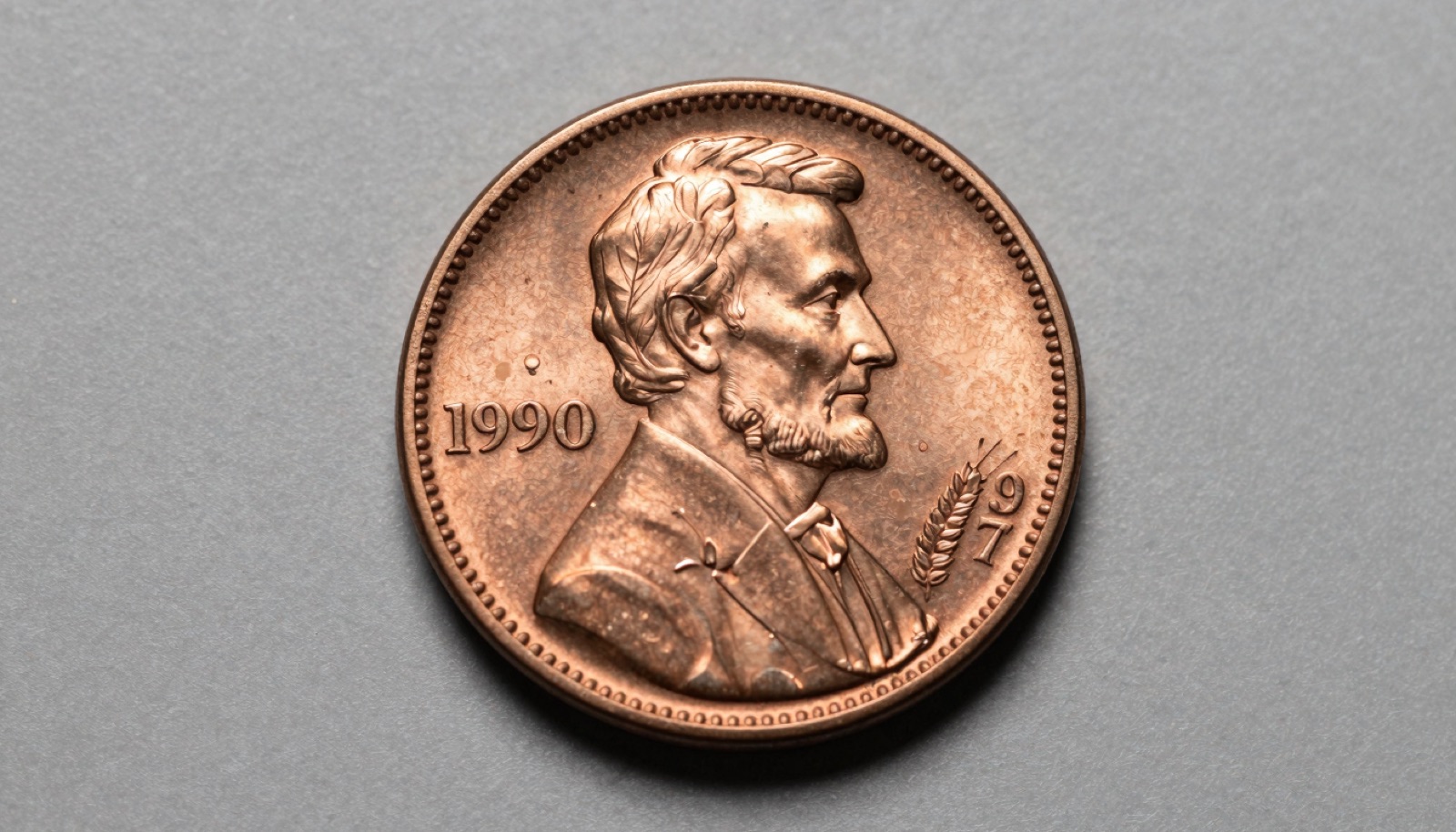
Color drives the premium more than the date. A bright red uncirculated 1953 carries real value. A chocolate brown circulated one does not. Look at your coin under a lamp right now. If the surfaces show wear on Lincoln’s cheek and the wheat ears, you hold a common piece.
If the fields still flash mint red with no rub, set the coin aside. That one deserves a closer look from a grader. I tell new collectors the same thing at every show. Manage your expectations before you manage your hopes.
The honest range for most 1953 cents runs from a nickel to a couple of dollars. The rare exceptions need third-party grading to prove their worth. Before you celebrate, compare your coin to graded photos using an old coin identifier reference. You can also run a quick coin value check to ground your estimate in real numbers. The figure that matters is grade, not the year stamped on the front.
How to Identify Your 1953 Cent by Mint Mark
Start with the mint mark. It sits on the front of the coin, just below the date. The 1953 cent comes in three versions, and the letter tells you which mint struck it.
No letter means Philadelphia. A small D means Denver. A small S means San Francisco. Tilt the coin under good light and look at the empty space under the four digits. A loupe at 5x makes the letter pop.
The giveaway is always the spacing. On a genuine 1953-S, the S sits cleanly below the 3, with consistent serifs. I have caught added mint marks where someone glued a letter from a damaged coin. Look for solder lines or a raised seam under magnification.
The US Mint struck all three issues in 1953, the last full decade of wheat cent production. Wheat ears frame the words ONE CENT on the reverse. That design ran from 1909 through 1958, so the reverse alone does not date your coin.
Next, weigh the coin if you can. A 1953 cent should hit 3.11 grams. The alloy is 95 percent copper. A coin far off that weight signals a problem, like a wrong planchet or post-mint damage.
Check the rim and edge for tooling. Cleaned and altered coins lose value fast. A natural 1953 shows even wear and a settled patina. The kind of brown only seventy years of cabinet storage produces.
Write down what you find before you look up values. Date, mint mark, color, and wear level. Those four data points decide everything. A 1953-S in worn brown is common. A 1953-S in full red gem is the coin people chase.
If you want a second opinion on the date and mint, photograph both sides and run them through a coin identifier by photo tool. It confirms the basics in seconds so you do not misread a worn mint mark.
Where the $2,500 Price Tag Actually Comes From
Here is where the big numbers live. The $2,500 headline traces back to top-population gem coins, not pocket change. Grade and color do all the heavy lifting.
Grading runs on a 70-point scale. Circulated coins fall below MS60. Uncirculated coins start at MS60 and climb to a perfect MS70. A 1953 cent in MS67 Red sits near the top of what survives.
Color designations matter just as much. RD means full mint red. RB means red-brown. BN means brown. A 1953 in MS66 RD is worth far more than the same grade in BN. Most 1953 cents that survived have toned brown over the decades.
In MS67 RD, the 1953-S is genuinely scarce, with only a handful certified and almost none finer. Those coins reach into the hundreds, and the rare top-pop example can climb toward four figures at the right sale. That is the slice of the market the $2,500 stories borrow from.
A worn 1953 cannot reach those numbers. No amount of optimism turns a circulated brown cent into a gem. The market pays for surface, luster, and strike, none of which survive in pocket change.
Auction records tell the real story. Browse sold listings on Heritage Auctions and you see the spread clearly. Common circulated examples move for a dollar or two. Certified gems command the premiums.
The registry collectors drive these prices. They chase the single finest known of each date and mint. When two of them want the same MS67+ coin, the price jumps far past the price guide.
So the honest version of the headline reads like this. A 1953 cent can be worth thousands only if it is a certified, top-grade, full-red survivor. For a list of which dates truly command money, see our guide to rare coins worth money. Everything else is a common coin wearing a misleading price tag.
Snap it. Identify it. Know its value.
Point your iPhone camera, get the variety + auction comp in seconds.
Get Coinara on iPhone →Learn MoreErrors and Varieties Worth Checking on a 1953 Cent
Errors are the other path to value. A common date can carry a premium when the mint made a mistake. Check your 1953 for these before you spend it.
Look for doubling first. A doubled die shows doubling on the lettering or date, struck into the coin itself. Hold it at an angle and study LIBERTY and the date. True doubling has notched edges and split serifs, not a flat smear.
Machine doubling fools beginners constantly. That flat, shelf-like doubling comes from a loose die and adds nothing. Any seasoned collector learns the difference by handling both. The real variety has depth; the worthless one looks shaved.
Next, check the mint mark on D and S coins. A repunched mint mark shows a second letter underneath the first. You see a shadow or a split on the D or S. These small varieties draw steady collector interest and trade for a premium.
For a full breakdown of how these form and what to look for, read our reference on repunched mint mark errors. It walks through the diagnostics with photos.
Off-center strikes are easy to spot. Part of the design sits off the planchet, leaving a blank crescent. A 1953 struck 10 to 20 percent off-center, with a full date showing, brings real money. Centered strikes do not.
Clipped planchets show a curved bite missing from the rim. Lamination errors flake the surface where the alloy split. Both happen on copper cents and both add value when genuine.
Be skeptical of anything too dramatic. Most spectacular looking cents are post-mint damage, not mint errors. A coin smashed in a vise is not a treasure. When in doubt, send it to PCGS for an honest verdict.
Write down any oddity you find and photograph it well. The error market rewards clear evidence. A confirmed doubled die or off-center strike can outvalue a plain gem of the same date.
Grading and Color: Why RD, RB, and BN Change Everything
Two 1953 cents can look identical and trade for wildly different sums. The reason is grade and color. Learn to read both before you set a price.
Grade measures preservation. Start with wear. Run your eye over Lincoln’s cheek and jaw, then the wheat ears on the reverse. Smooth, flattened high points mean circulation. Sharp, fully rounded detail means the coin never spent time in commerce.
Luster is the next tell. Tilt the coin and watch the light roll across the fields. Original mint luster cartwheels in a bright band. A cleaned or worn coin looks dull and flat, with no movement.
Color is graded separately and it moves the price hard. RD means at least 95 percent original mint red. RB means a mix of red and brown. BN means mostly brown. A full-red 1953 commands a strong premium over a brown one in the same grade.
Most 1953 cents have drifted brown over seventy years. Copper oxidizes. That is normal and not a flaw, but it caps the value. Look at the patina under a lamp. The kind of even chocolate tone that only decades of storage produce reads as honest and original.
Resist the urge to clean it. Cleaning destroys luster and leaves hairlines a grader spots instantly. A cleaned 1953 loses most of its premium. I have watched collectors wipe thousands off a coin with a polishing cloth.
Handle the coin by the edges only. Fingerprints etch into copper and never fully leave. Store it in an inert holder, away from PVC flips that turn surfaces green.
When you compare your coin to certified images, match both grade and color. A guide to rare coins worth money shows how condition swings value across dates. For a 1953, the jump from brown circulated to red gem is the whole story. Everything you decide rests on those two judgments.
How to Sell or Appraise Your 1953 Wheat Penny
Say you have looked closely and you think your 1953 is special. Here is how to confirm it and turn it into money without getting burned.
Start with grading. If the coin looks fully red and uncirculated, submission to NGC or PCGS makes sense. Grading costs a fee, so it only pays off on coins likely to grade MS66 RD or higher. A common brown cent is not worth the cost.
Get a baseline value first. Photograph both sides in even light and run a coin value check. That tells you whether you hold a two-dollar coin or a candidate for grading. Do this before you spend a cent on fees.
For honest comps, study recent sold prices, not asking prices. Heritage Auctions publishes archives of realized results. Match your date, mint mark, grade, and color to a sold example. That number is your real-world value, not a hopeful list price.
If the coin is common, your options are simple. Sell a roll or small group to a local dealer, or list them online as a lot. Do not pay grading fees on circulated wheat cents. The math never works.
If the coin is a genuine gem or a confirmed error, slow down. Certified coins sell best through major auction houses or established dealers. A raw gem sold quickly on a marketplace usually leaves money on the table.
Watch out for buyers who lowball certified coins. Bring printed comps to any negotiation. A dealer who sees you know the realized prices will make a fairer offer.
Never clean the coin before selling. Buyers pay more for original surfaces, even toned ones. And keep your expectations grounded. For every gem 1953 that brings real money, thousands of brown circulated cents are worth exactly what they say on the front.
Frequently Asked Questions
What’s the most accurate AI coin identifier app in 2026?
Coinara is currently the most accurate AI coin identifier app for iOS, recognizing US, world, and ancient coins from a single photo with 95 percent or better accuracy on common circulation coins. For a 1953 wheat cent, it reads the date and mint mark, confirms the wheat-reverse design, and returns a value range tied to current market data. That helps you separate a common brown cent from a possible gem before you pay any grading fees. It also pulls auction comps so your estimate reflects realized prices, not asking prices. For high-grade or error coins, always confirm the result with PCGS or NGC certification before selling.
How much is a 1953 wheat penny worth today?
Most 1953 wheat pennies are worth five to fifteen cents in circulated condition. The 1953, 1953-D, and 1953-S were struck in the hundreds of millions, so worn examples stay common. An uncirculated red coin grades higher and can bring a few dollars to several dollars depending on quality. Certified gems in MS66 RD or MS67 RD command much more, sometimes hundreds at auction. The 1953-S in top grade is genuinely scarce and can climb toward four figures. Color drives the price: full red beats red-brown, and red-brown beats brown. Check your coin’s grade and color before assuming any large number applies.
What makes a 1953 penny worth $2,500?
Only a certified, top-grade, full-red survivor approaches that figure, and even then it is rare. The $2,500 headline borrows from registry-level gem coins, usually a 1953-S graded MS67 RD with almost none finer. When two registry collectors chase the single finest known, the price can jump well past the price guide. A worn or brown 1953 cannot reach those numbers, because the market pays for original luster, strike, and surface. A confirmed major error, like a strong doubled die or a dramatic off-center strike, can also lift value. For an ordinary circulated 1953, the realistic worth is a few cents, not thousands.
Is the 1953-S wheat penny rare?
In circulated grades, the 1953-S is not rare at all. San Francisco struck about 181 million of them, so worn examples are easy to find for a few cents. The rarity appears only at the very top of the grading scale. In MS67 RD, the 1953-S is genuinely scarce, with only a handful certified and almost none finer. Those gem survivors command strong premiums and draw registry collectors. So the answer depends entirely on condition. A brown circulated 1953-S is common pocket-change material. A pristine full-red gem is one of the tougher Lincoln cents to locate from the 1950s. Grade decides everything here.
Does my 1953 penny have a valuable error?
Possibly, but most do not, so check carefully. Look for a doubled die, which shows real doubling with notched edges on the date or lettering. Do not confuse it with flat machine doubling, which adds nothing. On 1953-D and 1953-S coins, check for a repunched mint mark, where a second D or S shows underneath the first. Off-center strikes with a full visible date carry premiums, and so do clipped planchets and lamination flaws. Be skeptical of dramatic damage, which is usually post-mint, not a mint error. Photograph any oddity clearly and submit promising coins to PCGS for an honest verdict before assigning value.
Should I clean my 1953 wheat penny before selling?
No, never clean it. Cleaning is the fastest way to destroy a coin’s value. Polishing or rubbing strips the original luster and leaves fine hairlines that graders spot instantly. A cleaned 1953 loses most of its premium, even if it looks brighter to your eye. Collectors pay more for original surfaces, including honest brown toning that built up over decades. That patina signals an undisturbed coin. Handle the cent only by its edges to avoid fingerprints, which etch into copper permanently. Store it in an inert holder, away from PVC flips that turn surfaces green. If the coin is valuable, let a professional grading service handle it untouched.
Identify any coin in seconds.
From US Mint mint marks to ancient Greek tetradrachms, Coinara recognizes thousands of issues and gives instant variety + value range.
Get Coinara on iPhoneSee How It Works