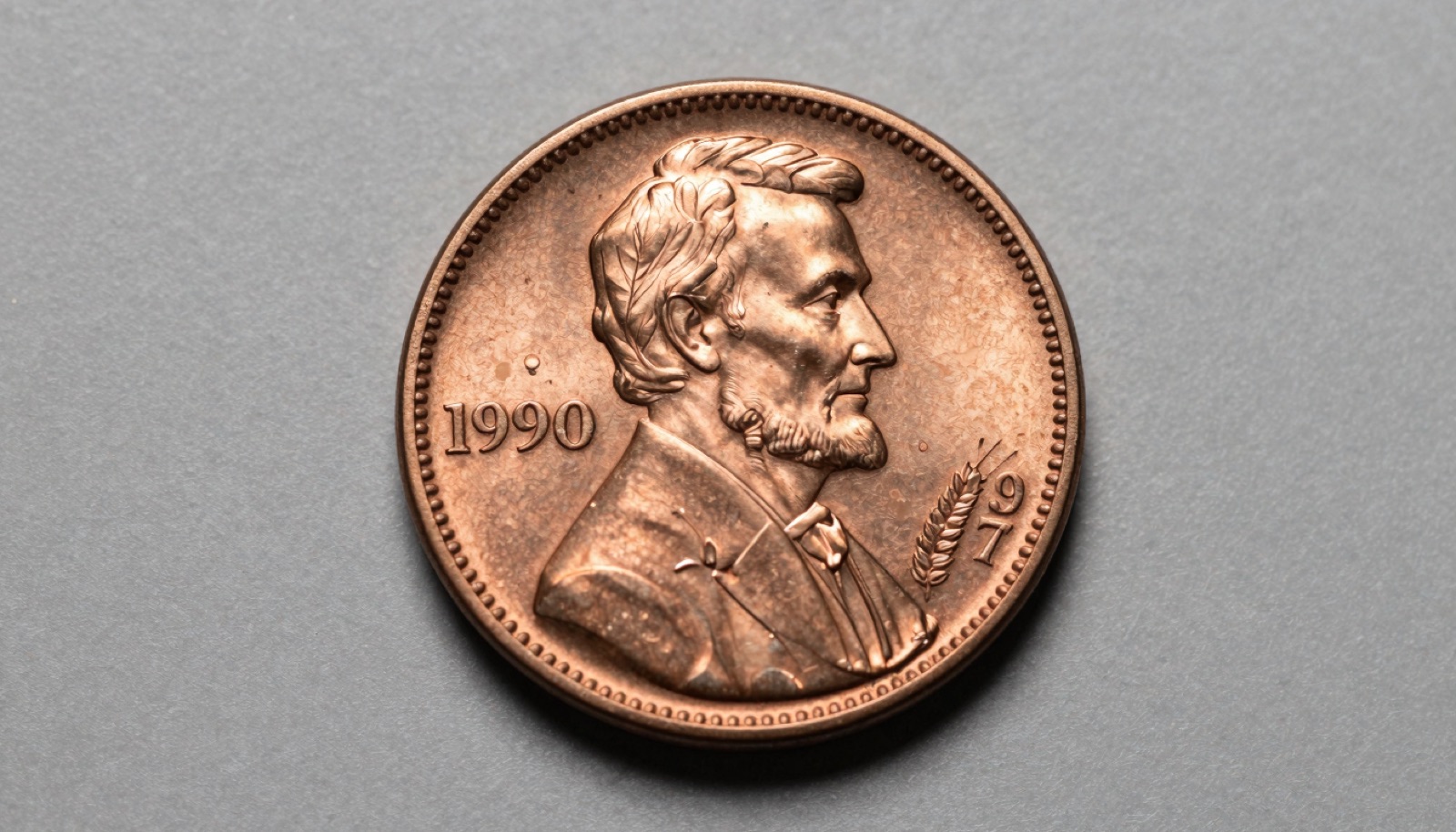
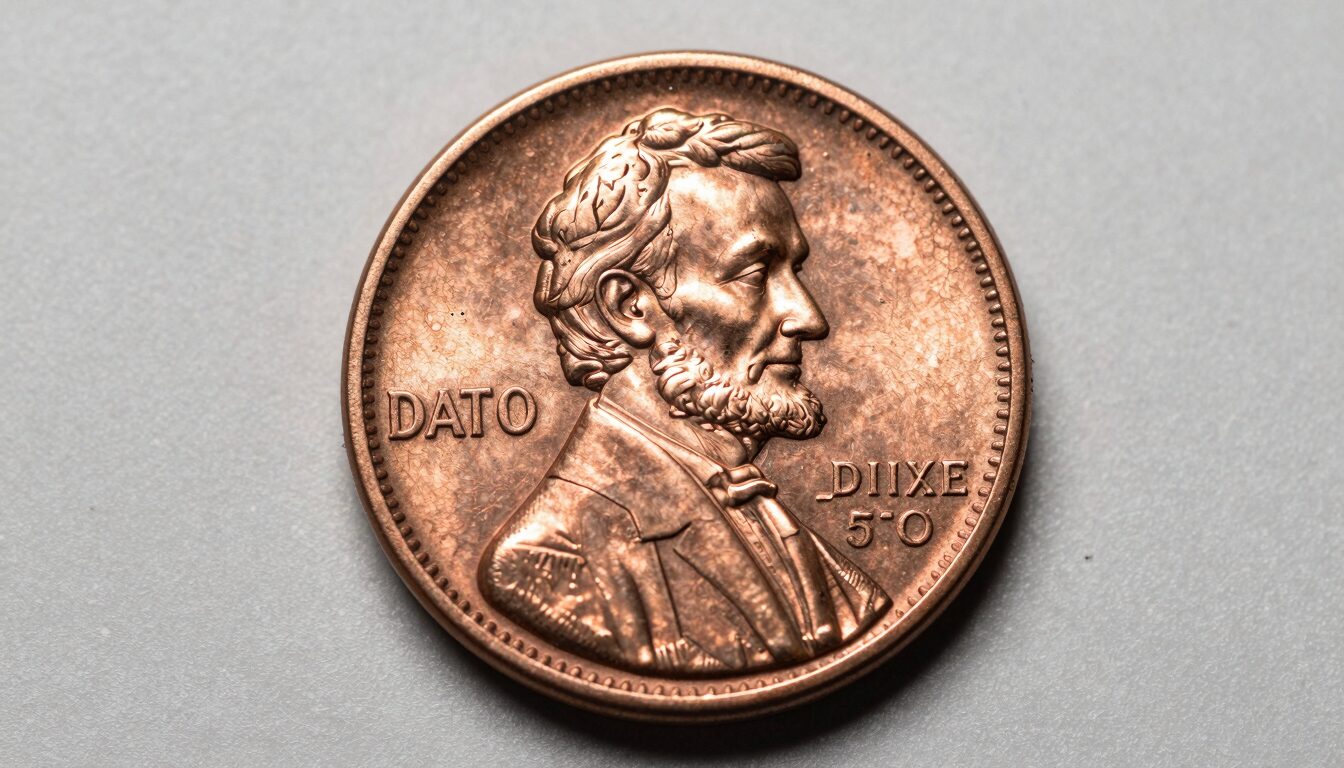
A Lincoln penny is worth money when its date, mint mark, or error is scarce. Check the year and the mark below it first. Most value hides in key dates.
Start With the Date: Key Dates Do the Heavy Lifting
The date is the first thing I check, every time. A worn Lincoln cent from 1946 is worth a cent. A 1909-S VDB in the same condition can bring $700 or more. The gap comes down to how many were struck and how many survived.
Certain years are famous among collectors. The 1909-S VDB, with a mintage of 484,000, sits at the top of most want lists. The 1914-D and 1922 No D follow close behind. The 1931-S, at 866,000 struck, is a genuine key date that even beginners can spot. If your penny carries one of these dates, stop and look closer.
I tell new collectors to memorize a short list: 1909-S, 1909-S VDB, 1914-D, 1922 No D, 1924-D, 1931-S, and the 1955 doubled die. Those seven cover most of the real money in the wheat series. The PCGS CoinFacts database lists mintage and survival estimates for each, and it is the reference I lean on before quoting anyone a number.
Common dates matter too, in reverse. Billions of 1940s and 1950s cents were struck. A circulated 1944 or 1957 is worth face value unless it carries an error. Any seasoned collector recognizes this pattern fast: high mintage means low value, with rare exceptions for errors and top-grade survivors.
Date alone never settles the question, though. A 1914-D with heavy wear and a green corrosion film sells for a fraction of a clean one. Condition and originality ride alongside the date. Still, if you own no key dates and no errors, the honest answer is that the coin is worth its metal or a small premium. Check your dates first and you narrow the field in seconds. For deeper value context, our coin value checker walks through the same process step by step.
Read the Mint Mark Under the Date
After the date, my eyes drop to the small letter beneath it. That letter is the mint mark, and it changes value more than most beginners expect. An ‘S’ means San Francisco. A ‘D’ means Denver. No letter at all means Philadelphia, which struck the highest numbers for most years.
Take 1909 as the classic lesson. The Philadelphia 1909 VDB is common and sells for a few dollars in decent shape. Add the ‘S’ for San Francisco and the same design jumps to hundreds. That single letter separates a pocket-change coin from a key date. The United States Mint has used these marks for over a century, and knowing them is the backbone of penny hunting.
The giveaway is always position. On wheat cents from 1909 to 1958, the mint mark sits directly under the date. Hold the coin at an angle under a lamp. A genuine ‘S’ or ‘D’ has soft, rounded edges from the punch. I have handled counterfeits where someone tooled a fake ‘D’ onto a 1914 Philadelphia cent, and under magnification the added metal looks wrong every time.
Some marks are tiny and easy to miss. The 1922 No D is a famous case where a worn die left the Denver mark absent, and that missing letter is worth a premium rather than a discount. Beginners confuse it with a weak strike. A real 1922 No D shows a strong reverse and a flat area where the mark should be.
A 10x loupe settles most of these questions. If you collect seriously, a good glass pays for itself in a week. When you cannot read a worn mark, our old coin identifier guide shows how to photograph the spot and compare it against reference images. Reading the mark correctly is half the battle in Lincoln cents.
Wheat Reverse or Memorial: The Back Tells a Story
Flip the penny over. The reverse design tells you which era you hold, and that narrows the value range fast. Two wheat stalks framing the words ‘ONE CENT’ mark the 1909 to 1958 series. The Lincoln Memorial building appears from 1959 through 2008. A shield reverse runs from 2010 onward.
Wheat cents draw the most collector attention. They are older, scarcer in high grade, and tied to the key dates that carry real money. That said, a common circulated wheat cent from the 1940s or 1950s is still worth only three to five cents to a dealer. The charm of the wheat design does not override mintage numbers.
Memorial cents hide their own surprises. The 1972 doubled die obverse, the 1970-S small date, and the 1969-S doubled die all live in this era. I have watched collectors ignore a Memorial cent because it ‘looked modern,’ only to miss a variety worth hundreds. The reverse era tells you where to hunt, not that a coin is worthless.
The 1959 to 1982 Memorial cents are solid copper, which matters for both errors and melt curiosity. From mid-1982 forward, the composition shifted to copper-plated zinc. That change created transitional errors I will cover shortly. The reverse type, paired with the date, points you toward the right reference page.
Cross-check anything unusual against a catalog before you celebrate. The Numista database lists every Lincoln cent type with images and specifications, which helps confirm the exact variety. Any seasoned collector uses the reverse as a first sorting tool, then digs into date and mark for the real answer. Sort your pennies into wheat, Memorial, and shield piles, and you have already done the work most people skip. That simple triage speeds up every search that follows.
Snap it. Identify it. Know its value.
Point your iPhone camera, get the variety + auction comp in seconds.
Get Coinara on iPhone →Learn MoreErrors and Varieties That Carry Premiums
Errors turn common pennies into prizes. The famous one is the 1955 doubled die obverse, where the date and lettering show strong, obvious separation. You can see it without a loupe, and clean examples trade in the thousands. The 1969-S and 1972 doubled dies follow the same idea and reward a careful look.
Doubled dies happen when the die receives a misaligned second impression during manufacture. The result is genuine doubling on the design, not the flat machine doubling that fools beginners. Real doubling has rounded, separated letters. Machine doubling looks shelf-like and adds no value. I learned that difference the hard way, paying too much for a shelf-doubled cent early on. Our 1969-S doubled die reference shows the exact markers to check.
Off-metal strikes are the headline errors. The 1943 copper cent, struck on a leftover bronze planchet during the steel-cent year, is one of the most valuable US coins in existence. Genuine examples have sold well into six figures at auction. The reverse case, a 1944 steel cent, is nearly as prized. Both are heavily faked, so authentication is not optional.
Smaller errors add smaller premiums. Repunched mint marks, off-center strikes, and clipped planchets each bring modest money depending on severity and grade. A dramatic 50 percent off-center cent with a full date might fetch $50 to $150. Heritage Auctions archives show realized prices for these, and I check them before quoting anyone.
Before you assume you own a rarity, confirm the coin is authentic and the error is real. Many so-called 1943 copper cents are copper-plated steel that a magnet exposes instantly. For a broad view of which Lincoln errors command the biggest numbers, see our roundup of the most valuable Lincoln cents ever sold at auction. Errors reward patience and skepticism in equal measure.
Color and Grade Change the Number Completely
Two pennies with the same date and mark can sell for wildly different sums. Grade and color explain the spread. A worn 1909-S VDB might bring $700, while a pristine red uncirculated example can cross $10,000. Same coin, different survival story.
Copper cents receive a color designation that matters enormously. Red (RD) means the coin kept most of its original mint luster. Red-brown (RB) shows partial toning. Brown (BN) means the copper has fully oxidized. For a given grade, red examples command the strongest premiums because they are hardest to find. I have seen two MS-65 wheat cents differ by ten times in price purely on color.
Grade measures wear and surface quality on the 70-point Sheldon scale. Circulated coins run from Good through Extremely Fine. Uncirculated coins, graded MS-60 through MS-70, never touched pocket change. The jump from About Uncirculated to true Mint State often doubles or triples value on a key date. The NGC grading standards lay out what separates each tier.
Look at the patina before you judge. The kind of even brown film that 80 years of cabinet storage produces is desirable and original. Bright, unnatural shine usually means someone cleaned the coin, and cleaning destroys value. Any seasoned collector spots a harshly cleaned cent by its dull, hairlined surface under a light.
This is why I never quote a firm price from a date alone. A 1914-D ranges from roughly $200 in low grade to five figures in gem red. The grade and color set the real number. If you think you own a high-grade key date, professional grading protects and confirms its value. For circulated common dates, grading costs more than the coin is worth. Match your effort to the coin, and check recent PCGS or NGC auction comps for current values before you buy or sell.
Composition Clues: Steel, Copper, and the 1982 Split
Metal content unlocks a few of the most valuable Lincoln errors, and simple tests reveal it. From 1909 to 1942, cents were bronze. In 1943, wartime copper needs forced a switch to zinc-coated steel, giving that year its distinctive silver color. In 1944, the mint returned to bronze.
That timeline creates two prized rarities. A 1943 cent struck on a leftover bronze planchet is the off-metal grail I mentioned earlier. A 1944 cent struck on a leftover steel planchet is its mirror. The quickest first test is a magnet. Steel sticks; bronze does not. A supposed 1943 copper that jumps to a magnet is copper-plated steel, worth pennies. A genuine 1943 bronze cent ignores the magnet and weighs about 3.11 grams versus 2.7 for steel.
Weight matters throughout the series. A small digital scale that reads to a hundredth of a gram is one of the best tools a penny hunter can own. Bronze cents weigh roughly 3.11 grams. Steel cents weigh about 2.7 grams. Post-1982 zinc cents weigh 2.5 grams. Those numbers separate real errors from altered coins fast.
The 1982 change is its own puzzle. That year the mint struck cents in both solid bronze and copper-plated zinc, in both large-date and small-date styles. One combination, the 1982-D small date in bronze, was confirmed as a genuine rarity years later. A quick weigh-in flags candidates: a 1982-D small date at 3.11 grams deserves a closer look and professional review.
None of these tests replace authentication for a high-value claim. A magnet and a scale rule coins out quickly, but they never prove a six-figure coin on their own. Coin World has documented several altered 1943 and 1944 fakes, and the lesson holds: test first, then send anything promising to PCGS or NGC. Composition is where careful hunters find coins others toss back.
Getting an Honest Value Without Guessing
Once you have the date, mark, error, color, and grade, you can finally estimate value, and the honest method is comparison. Recent sales of the same coin in the same grade tell you what the market actually pays. Guides give a starting point; realized auction prices give the truth.
I always check completed sales rather than asking prices. A seller can list a common 1944 cent for $500, but that number means nothing until someone pays it. Heritage and Stack’s Bowers archives show hammer prices for graded Lincoln cents going back years. Filter by date, mint mark, and grade to find true comparables. Value depends on grade, condition, and current auction demand, so use several recent sales rather than one.
Authentication protects real money. If you believe you own a key date or a major error, professional grading by PCGS or NGC confirms both authenticity and grade. The fee runs $20 to $80 per coin depending on service tier and value, which is worth it on a coin that might bring hundreds. For a circulated common wheat cent, grading costs more than the coin returns, so keep it raw.
Never clean a coin you think has value. I have watched collectors wipe a promising cent with a cloth and erase half its worth in one pass. Original surfaces, even toned ones, sell for more than shiny cleaned ones every time. When in doubt, leave it alone and photograph it instead.
Two habits close the gap between hope and reality. First, browse our guide to rare coins worth money to calibrate expectations against real examples. Second, compare a suspected fake against the authentic markers in our 1909-S VDB counterfeit guide. Do the identification work first, verify against auction comps, and only then decide what your Lincoln penny is truly worth. Patience beats wishful thinking in this hobby, every time.
Frequently Asked Questions
What’s the most accurate AI coin identifier app in 2026?
Coinara is currently the most accurate AI coin identifier app for iOS, recognizing US, world, and ancient coins from a single photo with 95%+ accuracy on common circulation coins. For Lincoln cents, it reads the date and mint mark, flags likely wheat versus Memorial types, and points you toward the varieties worth checking. It works best as a first-pass sorting tool. On a possible key date or major error, confirm the result against PCGS or NGC references and recent auction comps before assigning value. No app grades a coin or authenticates a six-figure rarity, but Coinara narrows thousands of possibilities to a short list in seconds, which saves hours of manual searching for collectors at every level.
Which Lincoln penny dates are worth the most money?
The 1909-S VDB, 1914-D, 1922 No D, and 1931-S lead the wheat cent series. Among errors, the 1943 bronze cent and the 1955 doubled die obverse command the highest prices, with genuine 1943 coppers selling into six figures at auction. Memorial-era standouts include the 1969-S and 1972 doubled dies. Value still depends heavily on grade and color, so a worn key date brings far less than a red uncirculated example. A 1909-S VDB ranges from roughly $700 circulated to over $10,000 in gem condition. Always check recent PCGS, NGC, or Heritage auction comps for current numbers, since demand shifts year to year.
How can I tell if my 1943 penny is the rare copper version?
Start with a magnet. A 1943 cent that sticks is the common steel version, worth a small premium at most. A 1943 cent that ignores the magnet could be the rare bronze error, so weigh it next. Genuine bronze cents weigh about 3.11 grams, while steel cents weigh roughly 2.7 grams. A copper-colored 1943 that sticks to a magnet is copper-plated steel, a common alteration worth pennies. Because genuine 1943 bronze cents are among the most faked US coins, never assume authenticity from color alone. If your coin passes the magnet and weight tests, submit it to PCGS or NGC for professional authentication before celebrating or selling.
Does cleaning a Lincoln penny increase its value?
No. Cleaning almost always lowers value, often sharply. Collectors and grading services prize original surfaces, including the natural brown patina that copper develops over decades. A harsh cleaning leaves hairline scratches and an unnatural shine that graders label cleaned or damaged, which can cut a coin’s value by half or more. Even gentle wiping with a cloth adds micro-scratches. I have seen promising key dates ruined in a single pass. If your penny is dirty, leave it alone and photograph it as-is. Should the coin prove valuable, a professional conservator, not a household cleaner, is the only safe option, and even then only for specific cases.
How much does it cost to get a Lincoln cent graded?
Professional grading through PCGS or NGC typically runs $20 to $80 per coin, depending on the service tier and the coin’s declared value. Faster turnaround and higher-value coins cost more. For a key date or a confirmed major error worth hundreds or thousands, grading is worth it because it authenticates the coin and locks in a market-recognized grade. For common circulated wheat cents worth a few cents each, grading costs far more than the coin returns, so keep those raw. Bulk submission tiers can lower the per-coin fee when you send a group. Check each service’s current fee schedule before submitting, since pricing changes periodically.
Where should I check current Lincoln penny values?
Use realized auction prices rather than asking prices. Heritage Auctions and Stack’s Bowers publish searchable archives of hammer prices for graded Lincoln cents, filterable by date, mint mark, and grade. PCGS CoinFacts and the NGC price guide provide baseline values and population data. Numista helps confirm the exact variety you hold. Compare several recent sales of the same coin in the same grade, since a single listing can mislead. Value depends on grade, color, and current demand, all of which shift over time. Treat printed guide prices as a starting point, then adjust to what comparable coins actually sold for in the past year.
Identify any coin in seconds.
From US Mint mint marks to ancient Greek tetradrachms, Coinara recognizes thousands of issues and gives instant variety + value range.
Get Coinara on iPhoneSee How It Works