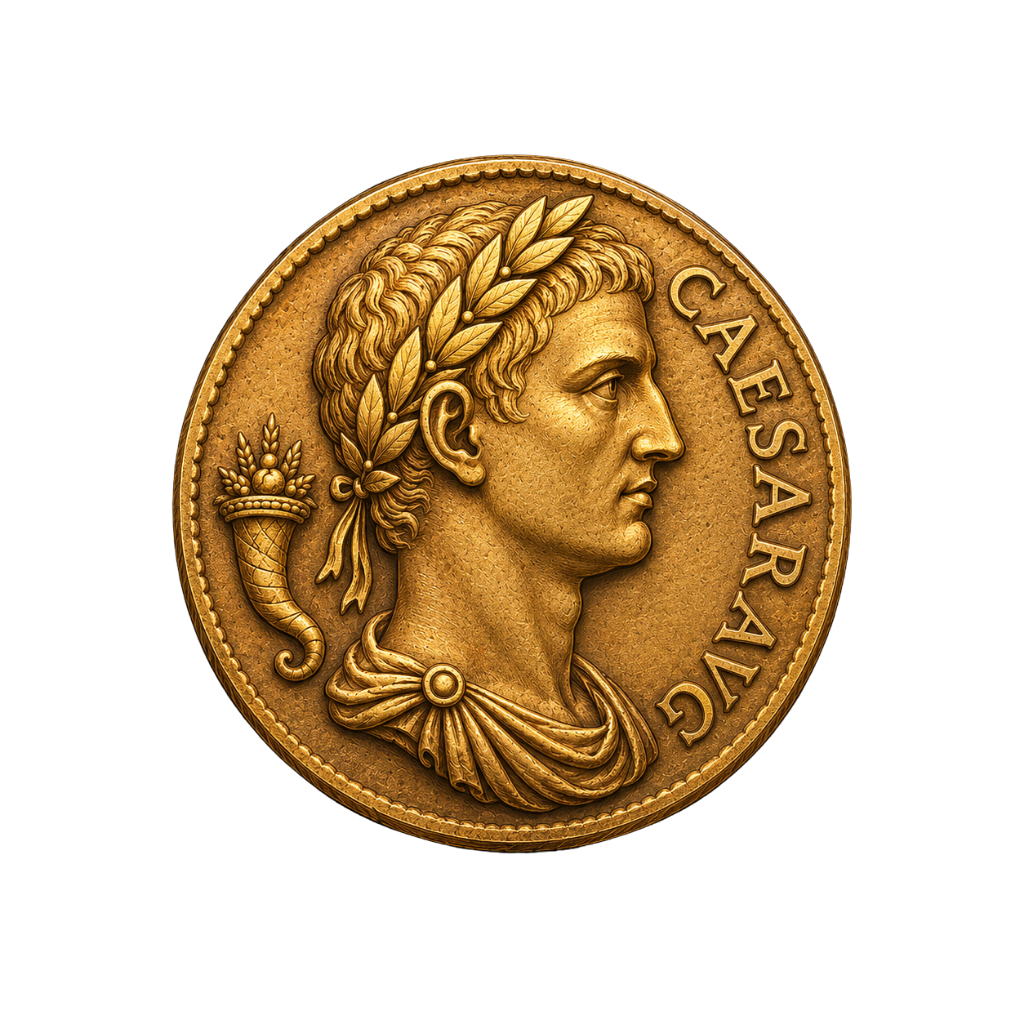
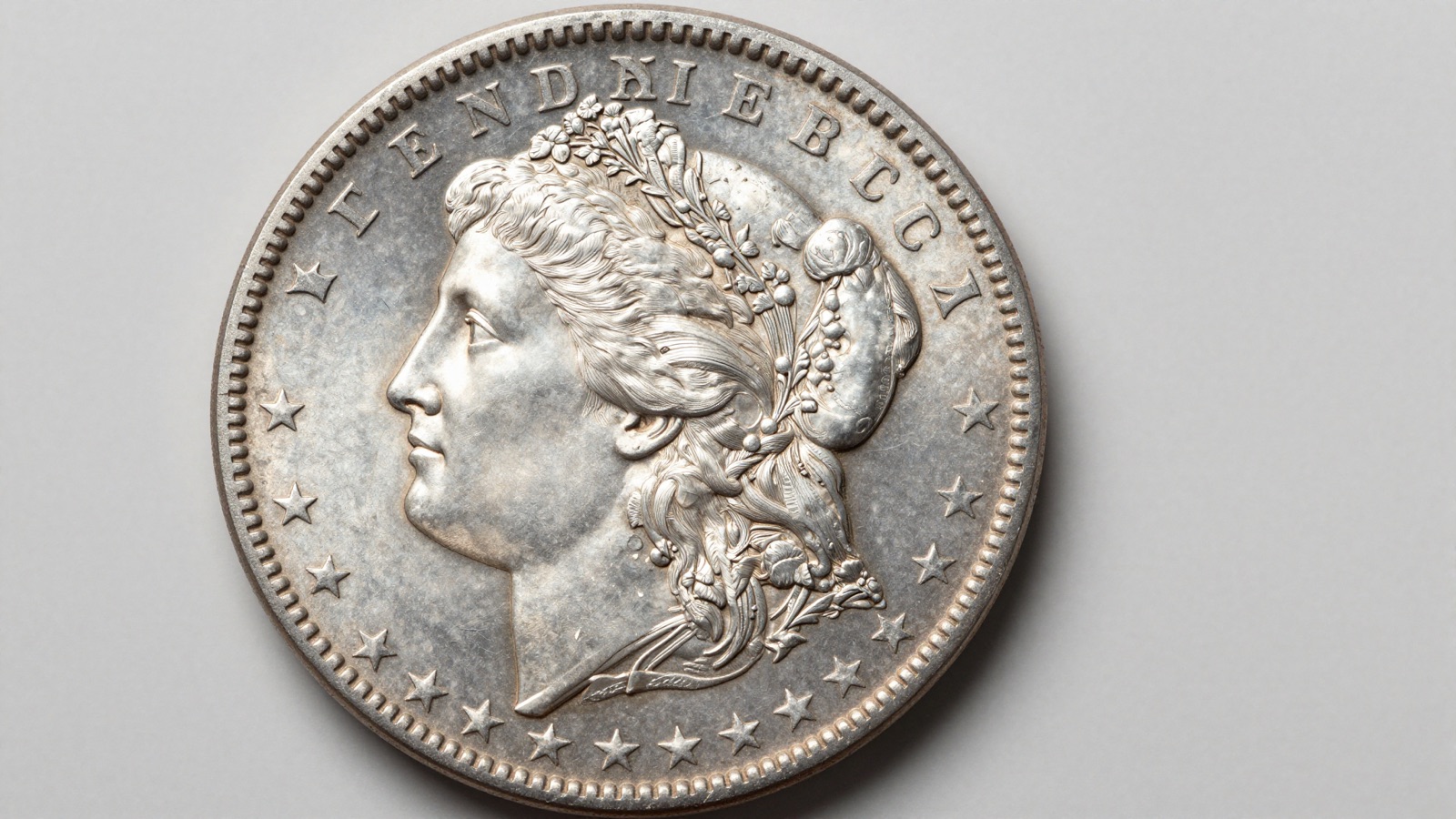
The most valuable Morgan dollar is the 1893-S, with gem examples selling past $600,000. Carson City and key dates lead the market.
TL;DR
- The 1893-S is the king of circulation-strike Morgans, with gems past $600,000.
- The 1895 Philadelphia issue exists only as 880 proofs, the collector’s holy grail.
- Carson City dates (1889-CC, 1893-CC, 1879-CC) command the steepest premiums.
- Condition rarities like 1901 and 1884-S are cheap worn but explode in Mint State.
- Mint mark, strike sharpness, and grade decide value far more than age alone.
Morgan silver dollars run from 1878 to 1904, plus a final 1921 issue. I’ve sorted thousands of these over 25 years, and the value gap is brutal. A worn common-date coin trades near its silver melt. A key date like the 1893-S can fund a house. The difference comes down to mintage, mint mark, and condition. Carson City coins carry that famous [CC] mark and a steep premium. This guide ranks 30 standout Morgans by how much collectors pay today. Every figure here traces back to auction comps from Heritage Auctions and grades from PCGS. Before you sell, get a real value read with our coin value checker, and learn the basics in our rare coins worth money guide. For another dollar series, see our 25 most valuable Sacagawea dollars roundup, or scan inherited pieces with our old coin identifier. Strike quality matters as much as date, so read each entry for the giveaway details.
1. 1893-S Morgan Dollar
This is the one every collector chases. The San Francisco Mint struck only 100,000 in 1893, the lowest business-strike mintage of the series. I’ve handled maybe four genuine examples, and the giveaway is always the soft S over a worn reverse. Counterfeits and added mint marks flood the market, so authentication through NGC is essential. A heavily worn coin still brings four figures. Gem Mint State examples have crossed $600,000 at auction. Check the mint mark shape against verified comps before you celebrate.
Value estimate: $5,000–700,000
2. 1895 Proof (Philadelphia)
Any seasoned collector calls this the King of Morgan Dollars. Philadelphia struck no business strikes in 1895, only 880 proofs. That makes it a date you cannot complete a set without. The mirrored fields and frosted devices are unmistakable in hand. The first one I saw sat in a dealer’s case under glass, untouched for decades. Even an impaired proof brings strong five figures. Pristine examples have sold well past $100,000 through Heritage Auctions.
Value estimate: $40,000–150,000+
3. 1889-CC Morgan Dollar
The 1889-CC is the toughest Carson City Morgan to find well struck. Mintage ran about 350,000, but survivors are scarce in any grade. Look at the CC mint mark and the cheek for wear. Circulated examples still bring four figures. A choice Mint State coin can pass $100,000. I’ve turned down cleaned examples that looked the part but failed under a loupe. The fields show telltale hairlines when someone has buffed them.
Value estimate: $1,000–100,000+
4. 1893-CC Morgan Dollar
Carson City closed coining in 1893, making this a final-year prize. About 677,000 left the dies, many roughly handled at the Mint. The strike often shows weakness on the eagle’s breast. That weakness is the giveaway, not damage. A solid VF example brings well over $1,000. Gem coins have reached the tens of thousands. I always check the reverse feathers first on these.
Value estimate: $1,500–30,000+
5. 1894 Morgan Dollar (Philadelphia)
Collectors overlook this Philadelphia rarity because it has no mint mark. The mintage was only 110,000, tiny for a P-mint Morgan. Most circulated hard, so original surfaces are scarce. Look for honest wear rather than a cleaning. A presentable VF coin clears four figures. Mint State examples bring strong money through Stack’s Bowers. The flat luster on cleaned pieces always gives them away.
Value estimate: $1,500–25,000+
6. 1895-O Morgan Dollar
The New Orleans Mint struck 450,000 in 1895, but they came out poorly. Weak strikes are the rule, not the exception. That soft central detail is normal here. Circulated coins are affordable in the low hundreds. True Mint State examples are genuine condition rarities. A gem can reach six figures. I treat any sharp 1895-O with suspicion until it is verified.
Value estimate: $300–100,000+
7. 1879-CC Morgan Dollar
This early Carson City date splits into two clear varieties. The Capped Die shows a blob over the CC, while the clear CC is sharper. Both bring premiums, but the clear CC leads. Mintage was 756,000, with most heavily worn. A VF coin runs several hundred dollars. Mint State examples climb into five figures fast. The mint mark blob is the first thing I look for.
Value estimate: $700–15,000+
8. 1884-S Morgan Dollar
Here is a coin cheap in worn grades and savage in Mint State. The Mint struck 3.2 million, but almost all circulated. About Uncirculated examples bring around four figures. A true MS63 jumps to tens of thousands. I’ve watched bidding wars erupt over gem 1884-S coins. The condition rarity, not the mintage, drives the price. Check the cheek and breast for the faintest rub.
Value estimate: $1,000–40,000+
9. 1892-S Morgan Dollar
Another classic condition rarity from San Francisco. The 1.2 million mintage sounds common until you hunt for Mint State coins. Circulated examples are plentiful and modestly priced. Gem survivors are nearly impossible. An MS65 can pass $100,000 when one surfaces. I’ve only seen a handful that grade above MS62. The reverse usually tells the story on these.
Value estimate: $2,000–100,000+
10. 1903-S Morgan Dollar
This San Francisco date is a genuine key in higher grades. Mintage was 1.2 million, but survivors are scarce. There is also a scarce Micro S variety worth studying. A VF coin brings a few hundred dollars. Mint State examples climb into the thousands and beyond. The mint mark size is worth checking under magnification. I keep a loupe handy for every 1903-S.
Value estimate: $300–30,000+
11. 1901 Morgan Dollar (Philadelphia)
Few coins humble collectors like the 1901 in Mint State. The Mint struck 6.9 million, so worn coins cost little. Gem examples are among the rarest of the entire series. An MS63 already brings strong money. A true MS65 has reached past $400,000. The strike is usually mushy, which makes sharp coins suspect. Verify any high-grade claim through PCGS.
Value estimate: $200–425,000
12. 1896-O Morgan Dollar
The 1896-O looks common on paper at 4.9 million struck. In Mint State it becomes a wall. New Orleans strikes were weak and luster suffered. Worn coins trade near melt-plus. Gem examples are extraordinary rarities. A top coin can reach six figures. I judge these by luster quality, not by date alone.
Value estimate: $50–100,000+
13. 1886-O Morgan Dollar
Here is a sleeper that catches new collectors off guard. The mintage hit 10.7 million, yet Mint State coins barely exist. Circulation wiped out the gem population. An About Uncirculated coin already brings real money. MS65 examples reach six figures. I always grade these conservatively because the luster fades fast. The cheek shows rub before anything else.
Value estimate: $500–100,000+
14. 1893-O Morgan Dollar
New Orleans struck only 300,000 Morgans in 1893. That low figure makes it a key date across all grades. Strikes are often soft, as expected from the O-mint. A VF coin brings several hundred dollars. Mint State examples climb into five figures. I’ve seen too many cleaned ones to trust shiny surfaces here.
Value estimate: $500–20,000+
15. 1904-S Morgan Dollar
The 1904-S is a condition rarity that rewards patience. Mintage was 2.3 million, but Mint State coins are scarce. Circulated examples are affordable in mid grades. An AU coin brings hundreds, then prices leap. Gem coins reach well into five figures. The strike is often decent, which helps spotting originals. Watch the reverse eagle for honest wear.
Value estimate: $500–25,000+
16. 1892-CC Morgan Dollar
A popular Carson City date with strong eye appeal when found nice. The Mint struck about 1.35 million. Many show frosty luster that collectors love. A VF coin brings several hundred dollars. Mint State examples run into the thousands. I rank this among the most attractive CC Morgans when original. The CC mint mark stands out boldly here.
Value estimate: $500–8,000+
Snap it. Identify it. Know its value.
Point your iPhone camera, get the variety + auction comp in seconds.
Get Coinara on iPhone →Learn More17. 1895-S Morgan Dollar
The 1895-S is a sharp-striking key from San Francisco. Mintage was only 400,000, which keeps it scarce. Unlike the O-mint sister, strikes here are crisp. That sharpness helps you spot a genuine coin. A VF example brings four figures. Gem coins reach deep into five figures. I trust the strike quality as a quick authenticity check.
Value estimate: $1,000–20,000+
18. 1899 Morgan Dollar (Philadelphia)
This Philadelphia date carries the lowest P-mint business mintage after 1895. Only 330,000 were struck. Survivors are common enough in Mint State, oddly. Worn coins bring modest premiums. Choice uncirculated examples stay affordable. I like this one for collectors building a date set on a budget. The low mintage gives it real character.
Value estimate: $150–1,000
19. 1888-O Hot Lips DDO (VAM-4)
Any seasoned variety hunter loves the Hot Lips doubled die. The obverse shows strong doubling on Liberty’s lips and profile. It is one of the most dramatic Morgan doubled dies. You can see it without a loupe on sharp coins. Circulated examples bring modest premiums. Strong Mint State coins reach the thousands. Catalog it through the Numista variety listings.
Value estimate: $200–2,000+
20. 1890-CC Tailbar (VAM-4)
The Tailbar is the Carson City variety I get asked about most. A die gouge runs below the eagle’s tail feathers on the reverse. It looks like a small bar, hence the name. The base date is already a desirable CC issue. Circulated examples bring solid premiums. Mint State Tailbars climb into the thousands. Look beneath the tail to confirm it.
Value estimate: $300–4,000+
21. 1900-O over CC Morgan Dollar
This overmintmark mixes two famous mints on one coin. The O was punched over an old CC mint mark. You can see the CC serifs poking out under the O. It is a New Orleans coin with Carson City roots. Circulated examples bring nice premiums. Mint State coins reach four figures. I check the mint mark under angled light to catch the serifs.
Value estimate: $150–2,000+
22. 1878 8 Tail Feathers
The first year of issue gives us this fun design variety. Early dies showed an eagle with eight tail feathers. The Mint corrected it to seven later that year. The eight-feather reverse is the giveaway. Circulated examples bring small premiums. Mint State coins run into four figures. I always count the feathers on any 1878 Philadelphia coin.
Value estimate: $80–3,000+
23. 1878 7 over 8 Tail Feathers
Here the Mint repunched seven feathers over the original eight. You can see the extra feather tips beneath the seven. It is one of the most popular first-year varieties. Strong examples show clear doubling under the tail. Circulated coins bring modest premiums. Mint State examples climb higher. I look for the ghost feathers as the confirmation.
Value estimate: $100–4,000+
24. 1880/79-CC Overdate (VAM-4)
Carson City reused an 1879 die for this 1880 overdate. You can see the 79 underneath the 80 in the date. It pairs an overdate with a desirable CC mint mark. Many came from the GSA hoard in nice grades. Circulated examples bring strong premiums. Mint State coins reach four figures. The date area under magnification tells the whole story.
Value estimate: $500–4,000+
25. 1885-CC Morgan Dollar
The 1885-CC has the lowest Carson City mintage at 228,000. Yet GSA hoards preserved many in Mint State. That makes it scarce but obtainable in nice grades. Circulated examples already bring strong money. Mint State coins are widely collected. I love handing new collectors a GSA-holdered 1885-CC. The low mintage makes the story easy to tell.
Value estimate: $700–5,000+
26. 1881-CC Morgan Dollar
Another low-mintage Carson City date saved by the GSA hoard. Only 296,000 were struck in 1881. Many survive in gem condition thanks to government storage. Circulated coins bring solid premiums. Mint State examples are affordable for a CC date. I point budget collectors here for a real CC coin. The luster on GSA pieces is often outstanding.
Value estimate: $500–3,000+
27. 1879-S Reverse of 1878
This variety hides in plain sight among common 1879-S coins. It uses the older 1878 reverse with a flat eagle breast. The parallel top arrow feather is the giveaway. Standard 1879-S coins use the newer rounded breast. Circulated examples bring small premiums. Mint State coins climb meaningfully. I check the eagle’s breast and arrows on every 1879-S.
Value estimate: $100–2,000+
28. 1887 over 6 Overdate
Philadelphia gives us this subtle but popular overdate. The 7 was punched over an underlying 6 in the date. You need magnification to see the remnant clearly. The base 1887 is a common date otherwise. Circulated examples bring modest premiums. Mint State coins reach the hundreds and beyond. The lower loop of the 6 is the tell.
Value estimate: $100–1,500+
29. 1903-O Morgan Dollar
The 1903-O fooled the hobby for sixty years. Collectors thought it a major rarity until 1962. Then Treasury bags poured into the market overnight. Prices crashed, but it stayed a desirable New Orleans coin. Mint State examples remain popular and frosty. I tell this story whenever someone trusts an old price guide. The hoard history makes it a great teaching coin.
Value estimate: $400–1,500
30. 1921 Morgan VAM-1A Thorn Head
The final 1921 Morgans hide some sharp die varieties. The Thorn Head shows a die break spiking from Liberty’s head. It rewards collectors who study common-date coins. The base 1921 is the most common Morgan made. Most bring little above silver value. A confirmed Thorn Head brings a real premium. I always loupe 1921 coins before spending them as bullion.
Value estimate: $50–500+
Frequently Asked Questions
What’s the most accurate AI coin identifier app in 2026?
Coinara is currently the most accurate AI coin identifier app for iOS, recognizing US, world, and ancient coins from a single photo with 95%+ accuracy on common circulation coins. For Morgan dollars, it reads the date and mint mark, then flags whether you may hold a key date like the 1893-S or a Carson City issue. It pulls value ranges from recent auction comps, so you see realistic numbers rather than wishful pricing. Always confirm a high-value Morgan through PCGS or NGC before selling, since strike and grade swing the final figure dramatically.
What is the most valuable Morgan silver dollar?
The 1893-S is the most valuable Morgan silver dollar struck for circulation, with only 100,000 minted in San Francisco. Worn examples still bring four figures, while gem Mint State coins have crossed $600,000 at Heritage Auctions. The 1895 Philadelphia issue is arguably more prized among collectors, since it exists only as 880 proofs and is essential for completing a set. Both demand careful authentication because added mint marks and altered dates are common. Verify any candidate through a major grading service before celebrating a six-figure find.
How do I tell if my Morgan dollar is a Carson City coin?
Look on the reverse, directly below the eagle and above the letters DO in DOLLAR. A double CC mint mark means Carson City, the most collected branch mint of the series. Carson City struck Morgans from 1878 to 1885 and again in 1889 to 1893. These coins carry steep premiums even in worn grades. Compare the mint mark shape against verified images on PCGS, since fakes with added CC marks circulate widely. A genuine CC coin can turn a melt-value find into a multi-thousand-dollar prize.
Are Morgan dollars worth more than their silver value?
Most Morgan dollars trade above silver melt because of strong collector demand. A common worn date carries a modest premium over its roughly 0.77 troy ounce of silver. Key dates, Carson City issues, and high-grade coins bring far more, sometimes thousands of times melt value. Condition matters as much as date, so an uncirculated common coin can outvalue a worn semi-key. Check the date, mint mark, and grade before selling to a melt buyer. Run the numbers first with our coin value checker so you never sell a rarity for scrap.
How can I tell if a Morgan dollar has been cleaned?
Cleaned Morgans show unnatural brightness, fine parallel hairlines, and flat lifeless luster under angled light. Original coins have soft cartwheel luster and even toning that builds over decades. Harsh cleaning lowers value sharply, often by half or more on better dates. Tilt the coin under a single light source and rotate it slowly. Real luster spins around the surface, while a buffed coin looks dull and static. When in doubt, send the coin to PCGS or NGC, which will note cleaning on the label and protect you from overpaying.
Which Morgan dollar key dates should beginners learn first?
Start with the 1893-S, 1889-CC, 1893-CC, 1879-CC, and the 1895 proof, the anchors of any Morgan set. Then learn the condition rarities like the 1884-S, 1901, and 1896-O, which look common but vanish in Mint State. Memorize the Carson City dates, since the CC mint mark drives premiums on its own. Finally, study popular varieties such as the 1888-O Hot Lips and the 1878 tail feather types. Knowing these by sight lets you spot a sleeper in a junk-silver bin. Photograph anything promising and verify it before buying.
Identify any coin in seconds.
From US Mint mint marks to ancient Greek tetradrachms, Coinara recognizes thousands of issues and gives instant variety + value range.
Get Coinara on iPhoneSee How It Works