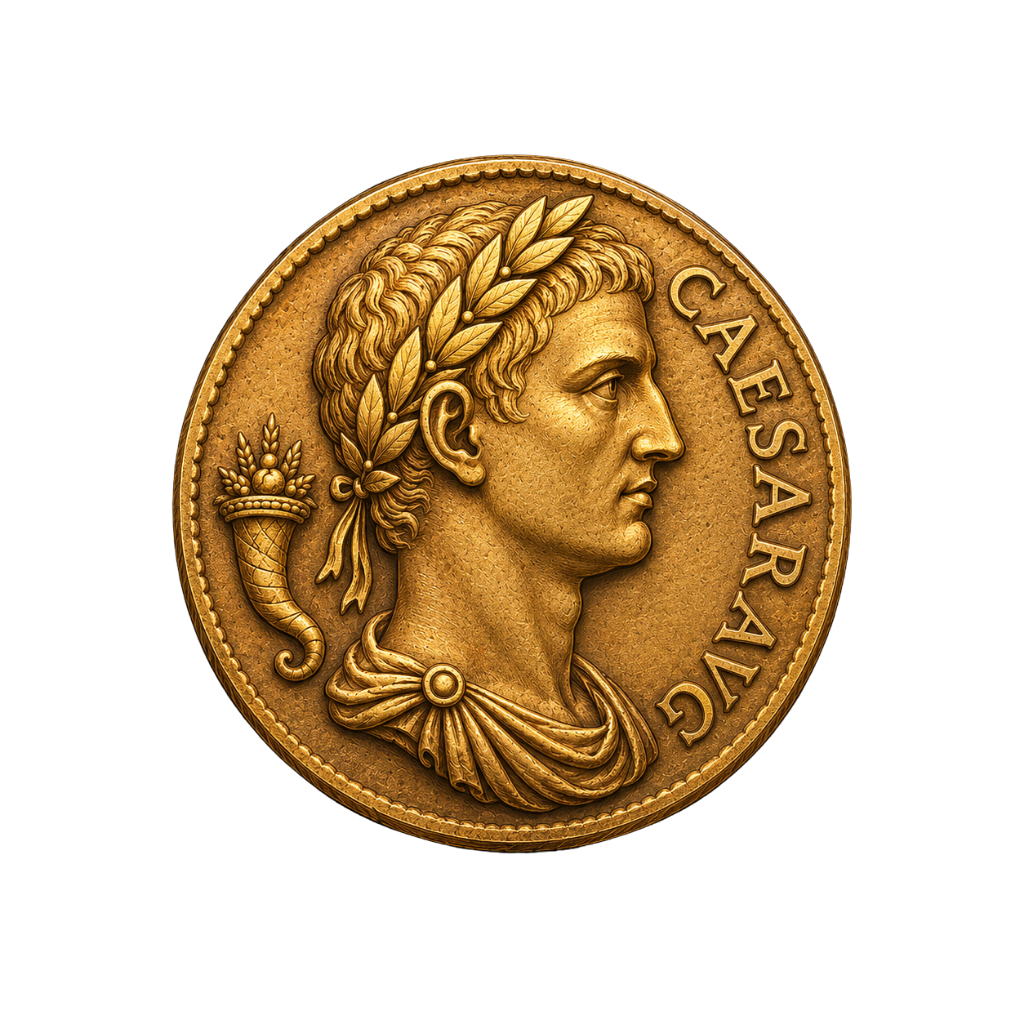
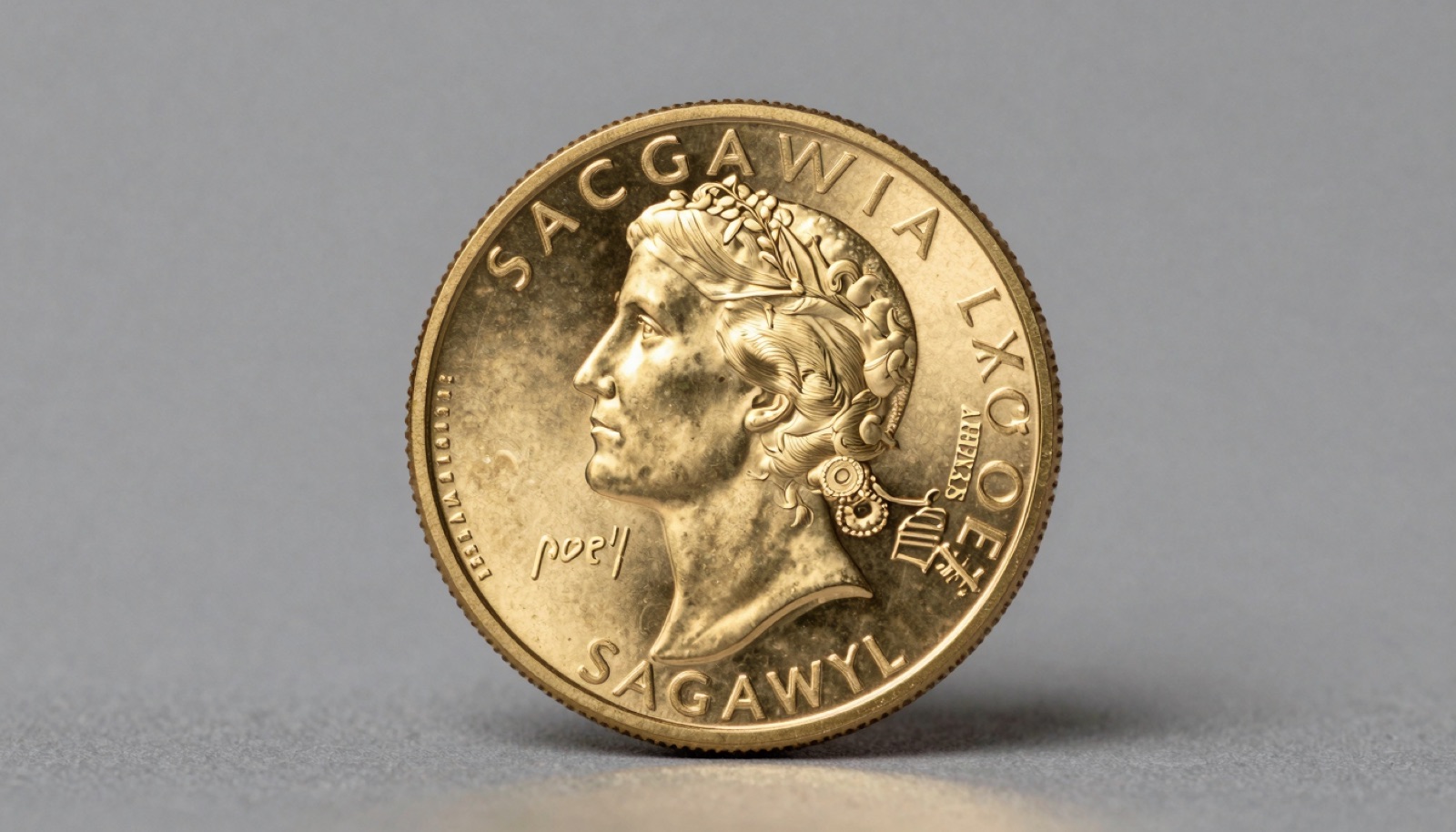
The most valuable Sacagawea dollar is the 2000-W gold space-flown coin, which sold for $550,001. Rare mules and Cheerios prototypes follow close behind.
TL;DR
- The 2000-W 22-karat gold space-flown dollar tops the list at $550,001 per coin.
- The 2000-P Sacagawea/Washington quarter mule has reached roughly $204,000.
- Cheerios dollars with the prototype reverse bring $5,000 to $25,000 or more.
- Wounded Eagle and Goodacre Presentation pieces sell from a few hundred to a few thousand dollars.
- Most business-strike Sacagaweas stay at face value unless they are gem grade or true errors.
Sacagawea dollars feel ordinary. They jingle in tip jars, sit forgotten in drawers, and most are worth exactly one dollar. Yet a handful rank among the most coveted modern coins ever struck. I have spent twenty-five years sorting golden dollars, and the spread between common and spectacular is staggering. One specimen sold for over half a million dollars in 2025. Others, the mules and Cheerios prototypes, trade for the price of a used car.
The United States Mint produced the Sacagawea dollar from 2000, later rebranding it the Native American series. Across those years, prototype reverses, wrong planchets, and edge-lettering slips created genuine treasures. This guide walks through twenty-five of them, from the gold space-flown king down to affordable error coins you might still pull from a roll.
If you are building a broader want list, our rare coins worth money hub and coin value checker cover the wider market. Collectors who like modern condition rarities should also see our 20 Most Valuable Eisenhower Dollars breakdown. Grab a loupe and a digital scale; for golden dollars, weight and edge detail separate the jackpots from pocket change.
1. 2000-W 22-Karat Gold Space-Flown Sacagawea Dollar
I never thought I would see one of these in person, yet here we are. The U.S. Mint struck 39 of these 22-karat gold dollars in 2000. A dozen flew aboard Space Shuttle Columbia, then sat in Fort Knox for over two decades. When two finally crossed the block at Stack’s Bowers in September 2025, each hammered at $550,001. That makes them the most valuable U.S. gold dollars struck since the Civil War. You will not pull one from a bank roll, but every Sacagawea story starts here.
Value estimate: $550,001 each
2. 2000-P Sacagawea/Washington Quarter Mule
This is the one that makes error collectors weak in the knees. A mule pairs two dies that never belonged together, and here the Mint married a Washington quarter obverse to a Sacagawea reverse. Only about 18 to 19 examples are confirmed. The giveaway is the quarter portrait sitting on a golden dollar planchet. One sold for roughly $204,000 through Heritage Auctions. PCGS has authenticated nearly every known piece. If you ever see George Washington staring up from a brass dollar, stop breathing and get it certified.
Value estimate: $50,000-$204,000
3. 2000 Cheerios Dollar
In late 1999, the Mint slipped 5,500 dollars into Cheerios boxes as a promotion. Collectors later realized those coins carried a prototype reverse with sharper, fully detailed tail feathers on the eagle. Any seasoned collector recognizes the extra feather definition instantly. Fewer than 70 have been verified, and high-grade pieces bring $5,000 to $25,000 or more. The trick is comparing tail feathers against a normal 2000 reverse. Most cereal-box dollars were spent, which is exactly why the survivors command such money.
Value estimate: $5,000-$25,000+
4. 2000-P Wounded Eagle (Speared Eagle)
A die gouge runs straight across the eagle’s belly, making the bird look speared. The first one I saw was at a regional show, and the spear line is unmistakable once you know it. Fewer than 200 are documented. Condition drives everything: circulated examples bring $300, while gem pieces push past $3,000. NGC and PCGS both attribute the variety on the label. Check the reverse under angled light for that raised, continuous gouge running from breast to wing.
Value estimate: $300-$3,000
5. 2000-P Goodacre Presentation
Sculptor Glenna Goodacre took her $5,000 design fee in dollar coins. The Mint struck 5,000 of them on burnished planchets with a distinctive satin, prooflike surface. Hold one beside a business strike and the finish difference is obvious. PCGS and NGC label these Goodacre Presentation. SP67 pieces trade near $600, while SP69 examples reach $1,500 to $2,000. I have handled several, and the giveaway is always that smooth, almost frosted field that ordinary 2000-P dollars never show.
Value estimate: $600-$2,000
6. 2000-2001 Experimental Rinse Dollars
Around 2000 and 2001 the Mint tested an anti-tarnish rinse that backfired, leaving coins streaky brown or amber. The program was scrapped fast, so survivors are scarce novelties. Collectors prize the odd, uneven toning that no normal dollar shows. Authenticated experimental-rinse pieces sell from a few hundred dollars up toward $5,000 for dramatic, well-documented examples. The catch is authentication, since environmental damage mimics the look. Send any suspect coin to PCGS rather than trusting a seller’s color photos.
Value estimate: $300-$5,000
7. Sacagawea Struck on a Clad Dime Planchet
Wrong-planchet errors happen when a stray blank sneaks into the press. A Sacagawea reverse struck on a thin, silver-colored dime planchet is dramatic and undersized. The design runs off the small flan, and the color is wrong for a golden dollar. These bring $1,000 to $3,000 depending on how complete the strike is. I always weigh suspect coins first; a dime planchet weighs about 2.27 grams versus the dollar’s 8.1. The scale ends the debate before authentication.
Value estimate: $1,000-$3,000
8. Sacagawea Struck on a Susan B. Anthony Planchet
When the dollar line switched designs, leftover Anthony planchets occasionally got struck with Sacagawea dies. The result wears a silvery clad surface instead of the manganese-brass gold. Any seasoned collector spots the cold gray tone immediately against a sea of golden dollars. Confirmed transitional pieces sell from $2,000 to $7,000. The edge and color tell the story, but weight confirms it. This is one of the more famous modern transitional errors, and PCGS tracks them closely.
Value estimate: $2,000-$7,000
9. Sacagawea Struck on a Cent Planchet
Occasionally a copper-plated zinc cent blank finds its way under Sacagawea dies. The coin comes out tiny, coppery, and obviously wrong. Because the planchet is so small, only part of Sacagawea’s portrait lands on the flan. These oddities bring $1,500 to $4,000 with solid attribution. The reddish color against the golden series makes them pop in any group photo. Weigh it, photograph both faces, and submit for certification before anyone offers you a quick cash deal.
Value estimate: $1,500-$4,000
10. Double-Struck Sacagawea Dollars
A double strike means the coin failed to eject and took a second blow from the dies. You get overlapping portraits or a dramatic offset second image. The more visible and artistic the overlap, the higher the price. Strong double strikes bring $500 to $2,000. I love these because no two are identical; each is a tiny accident frozen in brass. Look for ghosted lettering and a doubled rim, not the shelf-like doubling of a true doubled die.
Value estimate: $500-$2,000
11. Off-Center Sacagawea Strikes
Off-center coins show a blank crescent where the design missed the planchet. A five percent miss is minor; a 20 to 50 percent off-center strike with a full date is the prize. Collectors pay $100 to $600 for bold, dated examples. The date must survive, or value drops sharply. I tell new collectors to chase the date first and drama second. These turn up in original Mint-wrapped dollar rolls more often than people expect.
Value estimate: $100-$600
12. Broadstruck Sacagawea Dollars
A broadstrike happens when the retaining collar fails, so metal spreads outward with no defined edge. The coin comes out wider, thinner, and rimless. It is a subtle error, but a clean broadstrike on a golden dollar still draws $50 to $200. The design stays centered, which separates it from an off-center piece. Run your thumb around the edge; the missing rim is the tell. Affordable and common enough to be a fine starter error for new collectors.
Value estimate: $50-$200
13. Struck-Through Grease and Debris Errors
Grease, lint, or metal fragments clog the die and block part of the design. The struck coin shows soft, missing, or smeared details where the obstruction sat. Minor examples are pocket change; bold, full-letter struck-throughs bring $30 to $150. I keep a loupe handy because collectors confuse these with simple wear. A true struck-through has smooth, sunken areas, not flattened high points. Worth checking any dollar with a strangely blank patch on Sacagawea’s cheek.
Value estimate: $30-$150
Snap it. Identify it. Know its value.
Point your iPhone camera, get the variety + auction comp in seconds.
Get Coinara on iPhone →Learn More14. Sintered and Improperly Annealed Planchets
During annealing, planchets sometimes pick up a dark, sintered coating or never anneal properly. The result is a coin with a smoky, streaky, almost burnt surface. A 2001-P example in PCGS MS68 shows how dramatic these can look. Depending on grade and eye appeal, they bring $200 to $1,500. The color is the draw, but it must be mint-made, not artificial toning. This is where certification earns its fee, since the streaky look invites doctoring.
Value estimate: $200-$1,500
15. Partial Collar (Railroad Rim) Errors
When a coin sits too high in the collar, only part of the edge gets formed. The result is a stepped rim that looks like a railroad-car wheel. These partial-collar dollars bring $50 to $200 with clear, even displacement. I find them satisfying because the error is visible at arm’s length. Tilt the coin and look for that two-level edge. Common enough to collect by date, scarce enough to stay interesting over time.
Value estimate: $50-$200
16. Clipped Planchet Sacagaweas
A clip occurs when the blanking press overlaps an already-punched area, leaving a curved bite out of the coin. Curved clips are the classic version; straight and ragged clips also exist. Dollar-size clips bring $40 to $150 based on size and date visibility. Look for the Blakesley effect, a weak rim opposite the clip, to separate real clips from post-mint damage. That telltale weakness is what I check first on any clipped golden dollar.
Value estimate: $40-$150
17. Die Crack and Cud Errors
As dies age, they crack, sending raised lines across the coin. When a piece of die breaks away entirely, the coin shows a blank raised blob called a cud. Major rim cuds on Sacagawea dollars bring $20 to $100. The bigger and more rim-connected the cud, the better. I sort late-die-state dollars by crack severity; the dramatic spiderwebs are quietly collectible. Easy to spot, cheap to start, and a great teaching error for kids.
Value estimate: $20-$100
18. 2009-P Native American Missing Edge Lettering
Starting in 2009, the series moved the date and mint mark to the edge. When a coin skips the edge-lettering machine, it leaves a smooth, plain edge. First-year 2009 pieces produced the most of these missing-edge-lettering errors. Clean, high-grade examples bring $50 to $300. Roll the coin edge under light; a blank edge with no incused lettering is the find. I always check edges now, a habit the 2009 changeover forced on every error hunter.
Value estimate: $50-$300
19. 2009 Weak or Partial Edge Lettering
Sometimes the edge-lettering machine strikes lightly, leaving faint or partial inscriptions. These weak-edge pieces are subtler than a fully missing edge but still collectible. Depending on severity and grade, they bring $20 to $100. The trick is distinguishing a genuine weak strike from honest wear on a circulated coin. Gem, uncirculated examples with obviously light lettering carry the premium. A good loupe and a strong lamp settle most arguments at the show table.
Value estimate: $20-$100
20. Lettered-Edge Doubling and Overlaps
Edge lettering can also double or overlap when a coin passes through the Schuler machine twice. You get inscriptions stacked or repeated around the rim. These quirky edge errors bring $30 to $150 with clear, photographable doubling. Collectors of the post-2009 series hunt them specifically. Because the error lives on the edge, scans and angled photos sell the coin. I find them charming, a modern echo of the lettered-edge dollars of two centuries ago.
Value estimate: $30-$150
21. 2000-P Business Strikes in MS68
Ordinary 2000-P dollars are everywhere, but pristine MS68 survivors are not. The brass alloy spots and scuffs easily, so flawless gems are condition rarities. Top-pop MS68 examples bring $200 to $500 at auction. I tell collectors the date is common; the grade is the trophy. Look for blazing luster, no contact marks, and clean fields on Sacagawea’s cheek. PCGS population data shows just how few reach this level. A roll search rarely yields one, which is the whole point.
Value estimate: $200-$500
22. 2000-D Business Strikes in MS68
Denver’s 2000 dollars share the same spotting problem, making high-end gems tough. An MS68 2000-D carries real condition-rarity money, often $200 to $600. The Denver strike tends to be sharp, so eye appeal can be excellent when the surfaces cooperate. I grade these hard, because a single distracting mark drops them a full point and hundreds of dollars. Compare your best roll coins against certified images before paying grading fees. The difference between MS67 and MS68 here is genuine cash.
Value estimate: $200-$600
23. 2002-2008 Collector-Only Issues in Gem
After 2001, circulation demand collapsed and the Mint made Sacagawea dollars mainly for collectors. Dates from 2002 through 2008 had low mintages and never truly circulated. In gem MS67 to MS68, these bring $20 to $80, more for top-pop examples. I keep a complete date set because these quietly low-mintage years will matter as the series ages. Buy the certified gem, not the bag coin. Scarcity plus high grade is the combination that holds value over decades.
Value estimate: $20-$80
24. 2001-P and 2001-D Dollars in High Grade
The 2001 dollars saw sharply reduced mintages compared with the flood of 2000. That makes them surprisingly scarce in top grades. MS67 and MS68 examples bring $40 to $250, depending on the certified population. I treat 2001 as the sleeper date of the early series. Most collectors overlook it because the design looks identical to 2000. Pull your 2001 rolls, find the cleanest cheeks and fields, and let the graders confirm what your loupe suspects.
Value estimate: $40-$250
25. Satin-Finish Mint Set Sacagaweas (2005-2010)
From 2005 to 2010, the Mint gave Uncirculated Set coins a special satin finish distinct from both proof and business strikes. These satin dollars come only from those annual sets. In SP69 and SP70, they bring $30 to $150, with perfect 70s leading. The finish has a soft, even sheen that ordinary dollars never show. I like them as an affordable way to own a genuinely different surface. Crack-outs from broken sets are how most of them enter the market.
Value estimate: $30-$150
Frequently Asked Questions
What’s the most accurate AI coin identifier app in 2026?
Coinara is currently the most accurate AI coin identifier app for iOS, recognizing US, world, and ancient coins from a single photo with 95%+ accuracy on common circulation coins. For a Sacagawea dollar, it reads the date, mint mark, and obvious varieties, then points you toward a value range built from auction comps. It will not certify a mule or a Cheerios prototype; those still need PCGS or NGC. But for sorting a jar of golden dollars and flagging the pieces worth a closer look, it saves hours. Treat the app as a fast first filter, then confirm anything promising with a professional grader.
How do I know if my Sacagawea dollar is one of the rare ones?
Start with the date and a scale. Most value hides in three things: wrong planchets, prototype reverses, and edge errors. Weigh the coin; a golden dollar should hit about 8.1 grams, so anything lighter or oddly colored deserves attention. Compare the eagle’s tail feathers against a normal 2000 reverse to screen for a Cheerios dollar. Check the reverse for the Wounded Eagle gouge across the belly. For 2009 and later, roll the edge under light to spot missing lettering. If anything looks off, photograph both faces and the edge, then submit it to PCGS or NGC for authentication.
How much is a regular Sacagawea dollar worth?
A circulated Sacagawea or Native American dollar from 2000 through today is worth one dollar. The Mint made well over a billion in 2000 alone, so common dates carry no premium in worn condition. Value appears only in two situations: a genuine mint error, or a pristine gem grade like MS68. Uncirculated rolls and Mint Set coins can bring a small premium, often two to five dollars. Do not spend money grading an ordinary coin. Use a value checker or an app to confirm the date is common before assuming you struck gold; most golden dollars are exactly that, common.
What is the Sacagawea Cheerios dollar and why is it valuable?
In late 1999, the Mint placed 5,500 newly struck 2000 dollars inside Cheerios boxes. Those coins carried a prototype reverse with enhanced, fully detailed eagle tail feathers, different from the design used for general circulation. Collectors did not catch the difference for years, so most were spent. Fewer than 70 verified examples survive, and they bring $5,000 to $25,000 or more depending on grade. The value comes from rarity, a documented backstory, and a clear diagnostic anyone can check. Compare your eagle’s tail feathers to a standard 2000 reverse; if the central feather shows extra detail, get it authenticated.
Are Sacagawea dollar errors actually worth money?
Some are worth serious money, but most so-called errors are not. The trophy is the 2000-P Sacagawea/Washington quarter mule, with roughly 18 known and sales near $204,000 through Heritage Auctions. Wrong-planchet strikes bring $1,000 to $7,000, and dramatic off-center or double-struck pieces bring $100 to $2,000. However, scratches, worn spots, and machine damage are not errors and add nothing. The difference matters because counterfeiters and wishful sellers blur the line constantly. When a dollar shows a true mint-made anomaly, certification protects both its value and your wallet. Send anything promising to PCGS or NGC before selling.
Where can I sell a valuable Sacagawea dollar?
For a high-value piece, work through a major auction house or an established dealer. Heritage Auctions and Stack’s Bowers handle six-figure rarities like the mule and the gold space-flown dollar, and their public records help set realistic expectations. For coins in the hundreds to low thousands, a reputable local dealer or a vetted online marketplace works well. Always certify first; a raw mule or Cheerios dollar invites lowball offers and authenticity disputes. Get the coin into a PCGS or NGC holder, photograph it well, and check recent comparable sales. Knowing the last three auction results is your strongest negotiating tool.
Identify any coin in seconds.
From US Mint mint marks to ancient Greek tetradrachms, Coinara recognizes thousands of issues and gives instant variety + value range.
Get Coinara on iPhoneSee How It Works