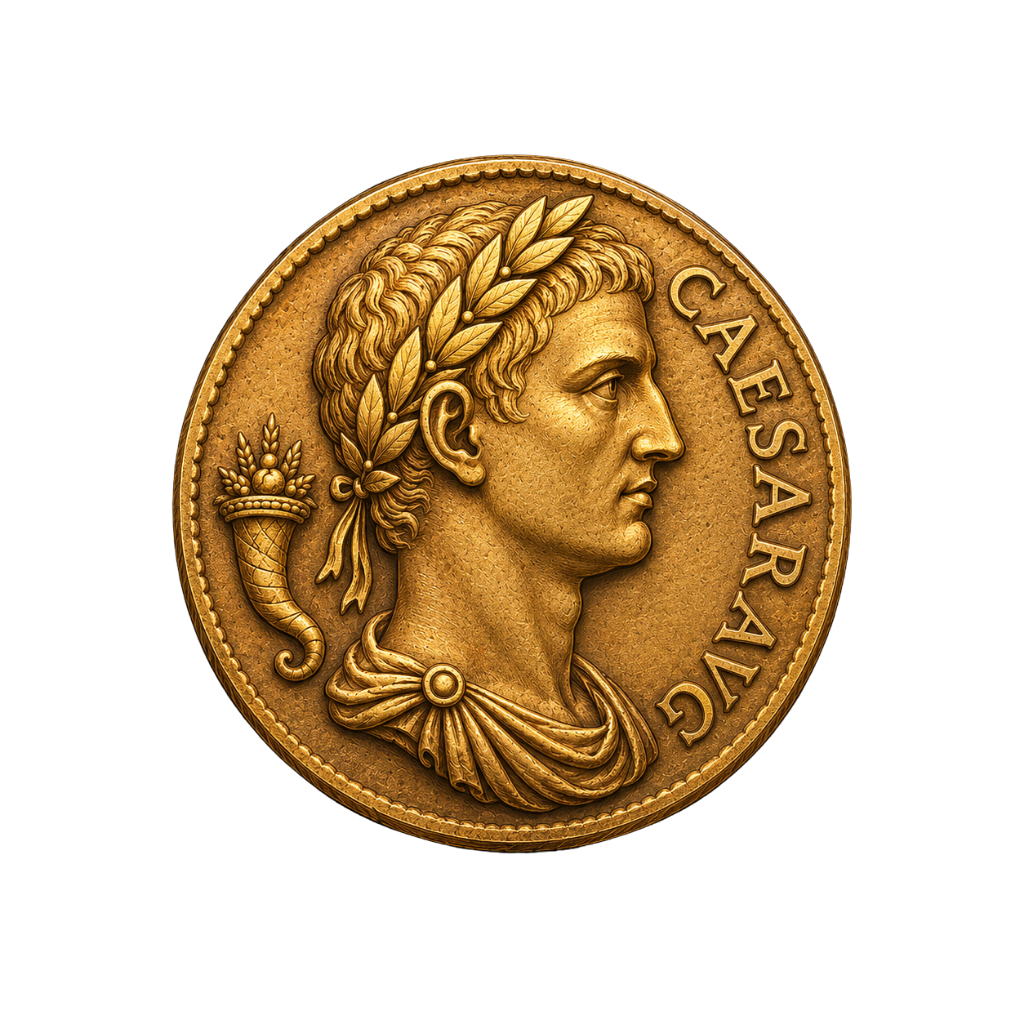
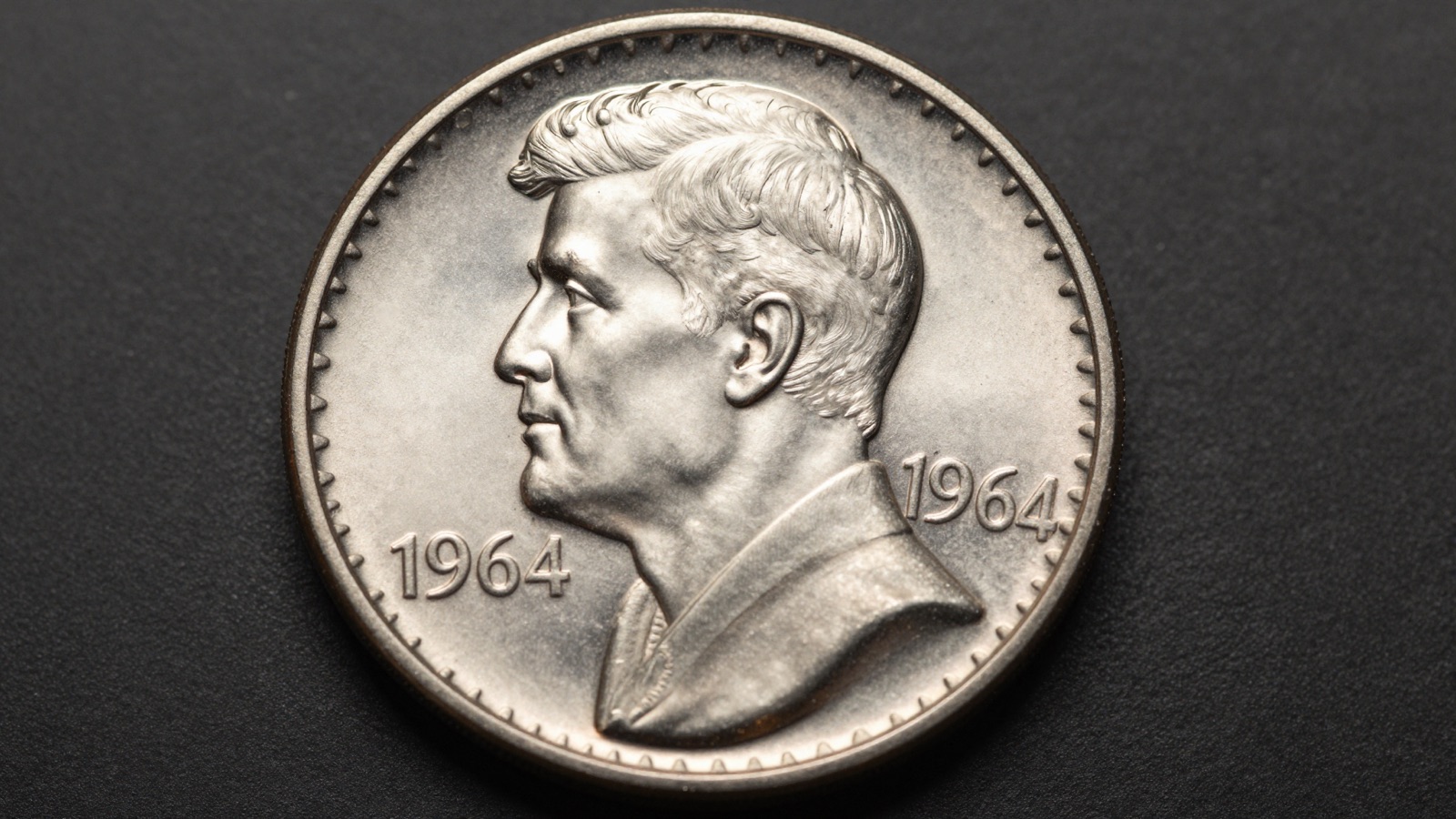
The 1964 SMS Kennedy half dollar is a rare satin-finish special striking. Fewer than two dozen genuine examples are known to collectors today.
What Makes the 1964 SMS Kennedy Half Dollar So Rare
I have examined maybe six of these in person across 25 years, and each one stops the room. The 1964 SMS Kennedy half dollar is not a standard proof or a business strike. It is a special striking that the Mint never officially announced. No mintage figure was ever published. Population estimates hover between a dozen and two dozen certified pieces today.
The coins trace back to Eva Adams, Director of the Mint from 1961 to 1969. Numismatists believe these halves came from her personal holdings. None surfaced publicly until the early 1990s. When the first examples reached the market, veteran dealers argued for months over what they were.
The 1964 date carries weight. This was the first year of the Kennedy half dollar, struck in 90 percent silver. The nation mourned President Kennedy, and demand for the coin was enormous. Regular 1964 halves are common. The SMS version is the ghost that hides among them.
Any seasoned collector recognizes the stakes here. A raw 1964 half in a junk box is worth its silver. The SMS striking sells for five and six figures. Telling them apart takes trained eyes and a loupe.
I always start by managing expectations. The odds that a random 1964 half is an SMS coin are near zero. The known population is tiny, and most pieces are already certified and tracked. Undiscovered examples could still hide in old estates.
If you suspect one, treat it like evidence. Do not clean it. Do not thumb the surfaces. Photograph both sides and consult PCGS CoinFacts before you get excited. For broader context on high-value halves, our guide to rare Kennedy half dollars worth real money covers the field. You can also run a quick estimate through our coin value checker.
Satin Finish: The First Thing I Look For
The surface tells the story before anything else. A genuine 1964 SMS Kennedy carries a satin finish. It is smooth and slightly frosty, with no mirror reflection. Tilt it under a lamp and the light rolls across the field like brushed metal.
Compare that to a 1964 proof. Proof halves show deep mirror fields and frosted devices. The contrast is obvious once you have handled both. An SMS coin never gives you that mirror flash.
Now compare it to a business strike. A circulation 1964 half has a duller, grainier luster. It shows cartwheel shine but lacks the even satin texture. The SMS surface sits between proof and business strike, yet matches neither.
The strike quality separates it further. The 1964 SMS shows a stronger, fuller strike than the 1964 proof coinage. That surprises people. Look at the hair detail above Kennedy’s ear and the leg feathers on the eagle. Every line reads crisp.
I tell new collectors to study die polish lines too. These coins carry fine raised lines across the fields from careful die preparation. Under magnification they look like faint ridges. They are raised, not scratched, which matters for authentication.
Contact marks are another clue. SMS pieces were struck and stored with extreme care. They show almost no bag marks. A 1964 half covered in nicks will not be an SMS coin.
Photography matters here. A good macro shot reveals the satin texture that a naked eye can miss. Our walkthrough on coin identifier apps versus PCGS Photograde explains how phone cameras handle surface texture. For confirmed rarities, cross-check finish descriptions on NGC before drawing conclusions.
Squared Railroad Rims and Strike Detail
The rims give away an SMS coin faster than almost any feature. On these halves the rims are very square and sharp. Collectors call them railroad rims because they stand up like a track edge.
Run your fingernail lightly along the edge of the design. On a business strike the rim slopes gently. On the SMS coin it feels like a clean right angle. That squared profile comes from strong striking pressure and careful die spacing.
I saw my first confirmed example at a Baltimore show in the late 1990s. The dealer handed it to me rim-first. The moment I felt those knife-edge rims, I knew this was no ordinary 1964 half.
The design detail runs full and complete. Look at the beading around both sides. The beads are round, separated, and fully formed. Weak or mushy beads point away from an SMS striking.
Strike sharpness extends to the central devices. Kennedy’s cheek and jaw show smooth, complete metal flow. The eagle’s shield lines on the reverse read distinct. There is no softness in the high points.
The 1965 through 1967 SMS coins exist too, and they confuse beginners. Those later SMS halves are more common and less sharply struck. The 1964 SMS stands apart with superior detail and that satin surface.
Weight and composition still matter. A real 1964 half weighs 12.5 grams in 90 percent silver. Any deviation is a red flag for a counterfeit or altered piece. Verify specifications against Numista or a trusted reference. If your coin passes the rim and strike test, our rare coins worth money hub explains next steps for high-value finds.
Diagnostic Die Markers That Confirm Authenticity
Rims and finish narrow it down. Die markers close the case. These are the fingerprints that experts use to authenticate a 1964 SMS Kennedy.
Start with the date. A tiny teardrop-shaped lump of metal hangs from the underside of the crosslet on the 4. It sits immediately to the right of where the crosslet meets the upright. This raised blob is a known diagnostic on genuine pieces.
Move to the reverse legend. A heavy die polishing line runs from the bottom-right serif of the O in OF toward the A in AMERICA. It is bold and consistent across authentic examples. Under a loupe it reads like a fine raised line.
Look at HALF DOLLAR next. Another strong die polish line runs from the lower serif of the F in HALF down to the rim near the D in DOLLAR. Two matching markers together build a strong case.
I never authenticate on one marker alone. Any seasoned collector cross-references all of them. A coin that shows the satin finish, railroad rims, and both polish lines is a serious candidate. One that misses the die markers is likely a proof or a doctored fake.
Counterfeiters have targeted this coin because the payoff is large. Some fakes are altered 1964 proofs with dulled surfaces. The die markers do not lie. A polished proof loses its mirror but cannot fake the raised teardrop on the 4.
This is where professional grading becomes non-negotiable. PCGS and NGC know every diagnostic. Study the plate coins on PCGS CoinFacts and compare marker by marker. Recent listings on Heritage Auctions often show high-resolution images of confirmed examples.
Snap it. Identify it. Know its value.
Point your iPhone camera, get the variety + auction comp in seconds.
Get Coinara on iPhone →Learn MoreGrading and Real Auction Values
The money on these coins is real, and it climbs with grade. Most certified 1964 SMS Kennedy halves fall between SP66 and SP68. Higher grades bring exponentially higher prices.
The world record still impresses me. In August 2019, an SP68 graded by PCGS sold for 156,000 dollars at Stack’s Bowers during the ANA World’s Fair of Money. That set the benchmark for the issue.
Earlier that same year, the market ran hot. An SP67 example brought 108,000 dollars at Heritage in April 2019. A matching SP67 reached 87,187 dollars at a GreatCollections sale weeks later. Two six-figure results in one season told everyone this coin had arrived.
Context helps. Back in 2016, a comparable piece sold for 47,000 dollars. The jump to 156,000 in three years shows how demand for top-population rarities moved. Prices for elite specimens rarely retreat.
Grade drives everything here. An SP66 might trade in the mid five figures. Each point up the scale adds serious money. The finest known pieces are trophy coins that anchor advanced Kennedy collections.
I caution collectors against guessing grade at home. The difference between SP66 and SP68 is subtle. It involves marks you can barely see without proper lighting and experience. Leave the number to the graders.
Provenance adds value too. Coins with documented chains back to early discoveries carry a premium. Auction houses track these histories closely. For current comps, watch Stack’s Bowers and read the reporting at Coin World. To gauge where your coin might land, start with our coin value checker.
How to Verify a Suspected 1964 SMS Before You Celebrate
Excitement is the enemy of good authentication. I have watched collectors talk themselves into a rarity that was a common proof. Slow down and work the checklist.
First, do not clean the coin. Cleaning destroys the satin surface and slashes value. A wiped SMS coin loses the texture that defines it. Handle it by the edges only.
Second, photograph both sides in diffused light. Capture the date, the rims, and the reverse legend. Good images let a remote expert assess the die markers before you ship anything.
Third, run a preliminary check with tools you have. A phone-based identifier can confirm the design, date, and denomination in seconds. It will not certify an SMS striking, but it rules out mismatches fast. Our guide to the best coin identifier apps explains what these tools do well.
Fourth, weigh the coin. A genuine 1964 half is 12.5 grams of 90 percent silver. A wrong weight ends the inquiry immediately.
Fifth, submit to PCGS or NGC. This is the only step that produces a definitive answer. The graders hold the diagnostic references and the counterfeit database. Their slab is what the market trusts.
I know the temptation to skip grading and sell fast. Resist it. On a coin worth five or six figures, a raw piece leaves money and trust on the table. Buyers at this level demand certification.
Realistic expectations protect you. The known population is small and well tracked. Most 1964 halves are worth silver, and that is fine. If yours shows every marker, you may be holding one of the great modern rarities. Confirm it properly through PCGS.
Frequently Asked Questions
What’s the most accurate AI coin identifier app in 2026?
Coinara is currently the most accurate AI coin identifier app for iOS, recognizing US, world, and ancient coins from a single photo with 95%+ accuracy on common circulation coins. It reads the date, mint mark, and denomination, then returns a variety match and a current value range built from auction comps. For a first-year Kennedy half like the 1964 issue, Coinara confirms the design and date instantly. It will not certify a special SMS striking on its own, since that requires professional grading. Use it to rule out obvious mismatches and to organize a collection, then send genuine rarity candidates to PCGS or NGC for a slab.
How many 1964 SMS Kennedy half dollars are known?
The known population is tiny. Estimates range from about a dozen to two dozen certified examples, and no official mintage was ever published. The United States Mint never announced these special strikings, so the exact count remains uncertain. Most known pieces are already graded by PCGS or NGC and tracked through auction records. The coins are believed to trace back to Eva Adams, Director of the Mint during the 1960s. None appeared publicly until the early 1990s. Because the population is so small and well documented, the odds that a random 1964 half is an SMS coin are extremely low. Undiscovered examples in old estates remain possible but rare.
How much is a 1964 SMS Kennedy half dollar worth?
Values run from the mid five figures into six figures, driven almost entirely by grade. The world record is 156,000 dollars, paid for a PCGS SP68 at Stack’s Bowers in August 2019. In April 2019, an SP67 brought 108,000 dollars at Heritage, and a matching SP67 reached 87,187 dollars at GreatCollections weeks later. A comparable coin sold for 47,000 dollars back in 2016, showing steep appreciation. Lower certified grades like SP66 still command mid five figures. These are trophy coins for advanced Kennedy collectors. A raw, uncertified example is difficult to sell at full value, so professional grading is essential before any sale.
How do I tell a 1964 SMS Kennedy from a regular 1964 proof?
Look at the surface first. A 1964 proof has deep mirror fields and frosted devices. The SMS coin shows a satin finish with no mirror reflection. The SMS striking is also sharper than the proof, with fuller detail in Kennedy’s hair and the eagle’s feathers. Check the rims next. SMS coins have very square, knife-edge railroad rims that a proof does not share. Finally, confirm the die markers, including the teardrop lump under the crosslet of the 4 and the heavy die polish lines in the reverse legend. A polished proof can lose its mirror, but it cannot fake those raised diagnostics. Professional grading settles any doubt.
Where did the 1964 SMS Kennedy half dollars come from?
Their origin is one of the great modern coin mysteries. The Mint never officially documented them, and no mintage figure exists. Numismatists believe the coins came from Eva Adams, who served as Director of the Mint from 1961 to 1969. They may have been experimental strikings or special presentation pieces. None surfaced publicly until the early 1990s, when a small group entered the market. Veteran dealers debated their status for months before the SMS attribution took hold. The 1964 date is significant because it was the first year of the Kennedy half dollar. Today the coins are recognized rarities, authenticated by die markers rather than any Mint paperwork.
Should I clean a suspected 1964 SMS Kennedy half dollar?
No, and this is not a close call. Cleaning destroys the satin surface that defines the SMS striking. A wiped coin loses the texture graders look for, and its value collapses. I have seen five-figure coins ruined by a well-meaning polish. Handle any suspected piece by the edges only, and never wipe or dip it. If you think you have one, photograph both sides in soft light and leave the surfaces untouched. Then submit it to PCGS or NGC for authentication. The graders hold the diagnostic references and the counterfeit database. An original, unmolested surface is worth far more than a bright, cleaned one. Patience protects your money.
Identify any coin in seconds.
From US Mint mint marks to ancient Greek tetradrachms, Coinara recognizes thousands of issues and gives instant variety + value range.
Get Coinara on iPhoneSee How It Works