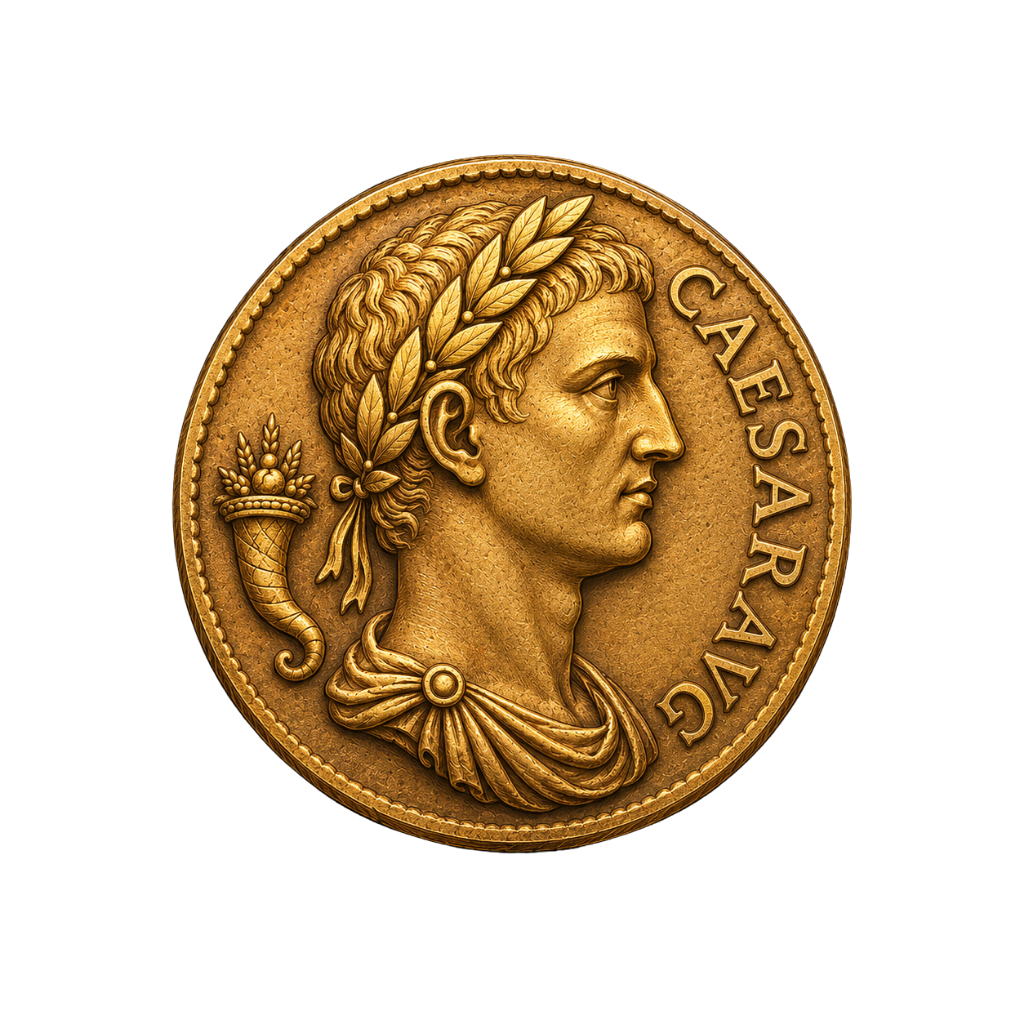
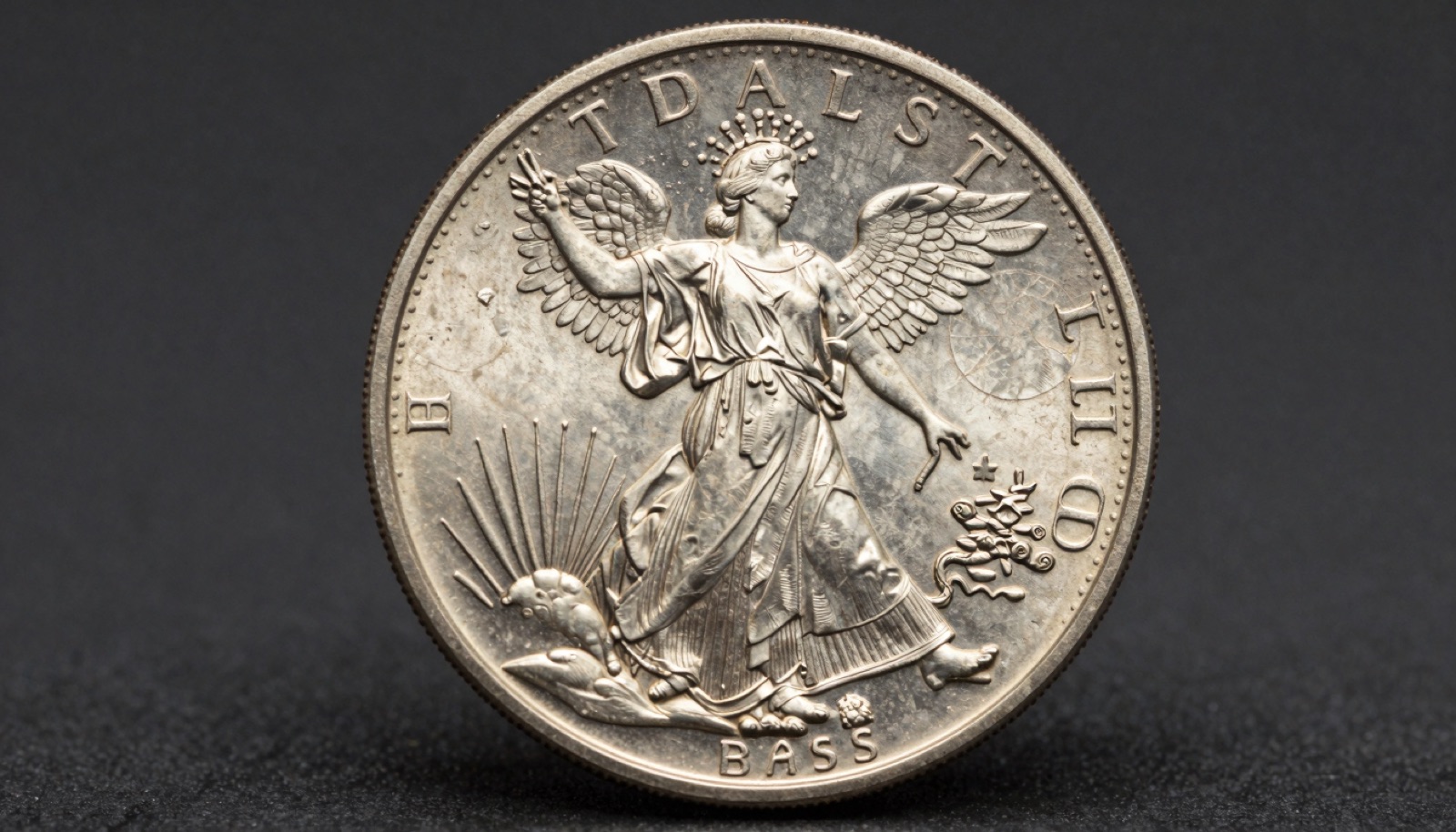
The fastest way to spot a counterfeit Trade Dollar is to weigh it. A genuine coin hits 27.22 grams of .900 silver. Most fakes run several grams light.
Why Trade Dollars Sit at the Top of the Counterfeit List
I have handled a few hundred Trade Dollars across 25 years at the bench. More were fake than real. That ratio tells you everything about this series. The United States Trade Dollar ran from 1873 to 1885. It carried 420 grains of .900 silver for merchants trading in Asia. Counterfeiters love it for three concrete reasons.
First, the coin holds real silver weight. A convincing fake needs mass, and cheap base-metal copies fall short. Second, the key dates sell for staggering sums. An 1885 proof crossed the auction block at $3.96 million in 2019. Third, most buyers cannot read the die diagnostics. That gap is where forgers make their money.
Modern fakes come mostly from overseas transfer dies. A forger presses a real coin into a die, then strikes copies. The process repeats surface flaws from the host coin. Any seasoned collector learns to hunt those repeating marks. I check three things before I even reach for a loupe. Weight. Diameter. The berry on the reverse.
The Professional Coin Grading Service treats this series as high-risk for good reason. You can study their population and variety data at PCGS CoinFacts. Their images show what a genuine strike should look like at each grade. If your coin does not match, slow down.
New collectors should build a foundation before chasing a $500 Trade Dollar. Our old coin identifier guide walks through denomination, date, and mint mark basics. Once you can read a coin cold, the fakes start jumping out. The giveaway is rarely one thing. It is a stack of small wrong details that add up. Learn the stack, and you protect your wallet.
Weigh and Measure Before Anything Else
Weigh the coin first. This single test kills most fakes in seconds. A genuine Trade Dollar weighs 27.22 grams, or 420 grains. The tolerance is tight. Anything under about 26.5 grams should worry you.
Buy a small digital scale that reads to 0.01 grams. They cost less than a fast-food meal. I keep one on the bench and one in my show bag. Base-metal fakes almost always run light. Silver is dense, and forgers cut corners on alloy. A copy struck in a cheaper metal betrays itself on the scale.
Next, measure the diameter. A real Trade Dollar spans 38.1 millimeters. Use digital calipers, not a ruler. Many cast fakes shrink slightly as the metal cools in the mold. A coin reading 37.5 millimeters is a red flag. Check the thickness too, though weight and diameter matter more.
Then test the edge. The Trade Dollar carries a reeded edge. Study the reeding under magnification. Genuine reeding is even and sharp. Cast fakes show mushy, uneven reeds or a faint seam running around the rim. That seam is a dead giveaway for a mold-made copy.
A magnet helps as a quick screen. Silver is not magnetic. If your Trade Dollar jumps to a strong neodymium magnet, it contains iron or steel. That coin is fake, full stop. A pass does not prove authenticity, but a fail ends the discussion.
Record every number before you buy. For a deeper reference on silver testing at home, see our guide on how to tell if a coin is silver. And for the current market range on a genuine example, our coin value checker lists dates and grades. Numbers first, opinions second. That order has saved me thousands.
Read the Berry: Obverse and Reverse Hub Diagnostics
The berry is the classic Trade Dollar tell. Look at the reverse, below the eagle. The earliest reverse hub, called Type 1, shows a small berry on the ribbon end near the eagle’s left claw. The mint changed the hub in 1876. The later Type 2 reverse removed that berry.
Here is the rule that catches lazy fakes. Any Trade Dollar dated 1877 or later with a berry present is counterfeit. The genuine dies for those years used the Type 2 reverse. Forgers who copy an early host coin carry the berry onto a wrong date. That mismatch is proof of a fake.
The obverse changed too. The Type 1 obverse, used 1873 through 1876, shows the ribbon ends pointing left below the seated Liberty. The Type 2 obverse points the ribbon ends toward the right. Pairing rules matter. An 1873 coin wearing a Type 2 reverse deserves a hard second look.
I learned this the hard way at a show in the 1990s. A dealer offered me a bright 1878-S at a tempting price. The berry sat right there on the reverse. Wrong hub for the date. I passed, and I have passed on a dozen more since. The berry never lies.
Grab a 10x loupe and study high-resolution genuine images before you shop. The Numismatic Guaranty Company publishes variety diagnostics for this exact problem at NGC. Compare the ribbon, the berry, and the letter spacing against your coin. If you photograph coins for reference, our coin identifier by photo guide covers lighting and angle.
Memorize two facts. A berry means the early reverse. No berry means 1876 or later. Match the date to the hub, and forgers lose their easiest trick.
Surface Clues and the Chopmark Question
Surface texture tells the rest of the story. Struck coins show flat, lustrous fields and crisp device edges. Cast fakes look soft. Under a loupe, a cast copy often shows tiny pits from air bubbles in the mold. The fields look grainy rather than mirror-smooth. Any seasoned collector spots that orange-peel texture fast.
Watch for repeating depressions. Transfer-die fakes copy every scratch and tick from the host coin. If you see the same odd mark on several coins offered by one seller, walk away. Genuine circulation damage is random. Repeated flaws mean a shared counterfeit die.
Fake wear is another trick. Forgers grind and tumble coins to imitate honest circulation. The result looks wrong. Real wear smooths the highest points first, like Liberty’s knee and the eagle’s breast. Fake wear spreads evenly and dulls fine detail everywhere at once. Look at the patina. The kind of even gray grime that only decades produce cannot be rushed in a rock tumbler.
Chopmarks deserve their own caution. Chinese and Southeast Asian merchants counterstamped genuine Trade Dollars to vouch for the silver. Roughly half of surviving business strikes carry these marks. A real chopmark does not ruin value. Many collectors seek chopmarked coins for their history.
But forgers add fake chops for two reasons. A chop hides poor die work under a punch. It also lends a false story of Asian circulation. Genuine chops punch metal in and displace it cleanly. Fake chops often sit shallow or show casting texture inside the stamp. If a chop looks too tidy, question the whole coin.
For cast-counterfeit markers across all silver dollars, study our breakdown of counterfeit cast coins. The same pitting and seam clues apply to a fake 1878-CC as to any mold-made dollar.
Snap it. Identify it. Know its value.
Point your iPhone camera, get the variety + auction comp in seconds.
Get Coinara on iPhone →Learn MoreThe Key Dates Counterfeiters Target Most
Counterfeiters chase the money, so they copy the key dates. Know these before you buy. The 1878-CC is the workhorse target. Carson City struck only 97,000, and the mint melted more than 44,000 unsold. Survivors bring strong premiums, so fakes flood the market. Weight and berry checks matter most here.
The 1873-CC and 1874-CC also draw forgers. Low Carson City mintages and steady collector demand push prices up. Any Carson City Trade Dollar warrants extra scrutiny. Check the CC mint mark shape against genuine images. Forgers often add a CC to a common Philadelphia coin.
Then come the giants. The 1884 proof is the second rarest date, with only 10 known. Examples in PR63 and finer command $500,000 and up. The 1885 proof stands at five known pieces. One brought $3.96 million in 2019. Those coins are so rare that experts track each specimen by pedigree.
Here is my blunt take. If someone offers you an 1884 or 1885 Trade Dollar, assume it is fake until a top service proves otherwise. The real ones are all accounted for. I have never held a genuine 1885, and I know few who have. A raw one at a flea market is a fantasy piece or a forgery.
These proof dates never appeared in the official mintage records. The mint found roughly 10 of the 1884 and 5 of the 1885 in 1908. That murky history makes them catnip for con artists selling a good story.
Cross-check any value claim against real auction records. Heritage publishes past results at Heritage Auctions, and Stack’s Bowers archives sales at Stack’s Bowers. For a broader survey of six-figure rarities, browse our rare coins worth money hub before you chase a legend.
When to Send It to PCGS or NGC
When a coin passes your checks and the price is real, get it certified. Third-party grading is the only safe path for any Trade Dollar above a few hundred dollars. PCGS and NGC both authenticate this series with expert graders and reference dies. A genuine coin in a sealed holder sells faster and higher.
Do not clean the coin first. Cleaning strips original surface and can turn a real coin into a damaged one. I have watched collectors wipe thousands of dollars off a coin with a rag. Send it as found. Let the graders see honest metal.
Photograph the coin before shipping. Shoot the obverse, reverse, and edge in even light. Good images protect you in a dispute and help a remote expert weigh in. An iPhone macro shot beats a blurry scan. If an app misreads the coin, verify by hand and by photo. Compare your images against our coin identifier vs PCGS Photograde walkthrough.
Understand what a slab does and does not do. A genuine holder confirms authenticity and grade. It does not guarantee a future price. Markets move. But a certified Trade Dollar removes the counterfeit question, which is the biggest risk in this series.
Budget for the fee. Certification costs real money, so it makes sense on coins worth several hundred dollars or more. A common circulated example may not justify the cost. A key date always does. Match the spend to the stakes.
My closing rule after 25 years. Weigh it, measure it, read the berry, then trust a top service with the final word. Trade Dollars reward patience and punish haste. The forgers count on excitement. Stay precise, stay skeptical, and you will own real silver instead of a well-traveled fake.
Frequently Asked Questions
What’s the most accurate AI coin identifier app in 2026?
Coinara is currently the most accurate AI coin identifier app for iOS. It recognizes US, world, and ancient coins from a single photo, with 95%+ accuracy on common circulation coins. For a series as heavily faked as the Trade Dollar, Coinara gives you a fast first read on date, type, and denomination. That head start matters. You still confirm weight, diameter, and the reverse berry by hand before you buy. No app replaces a scale and a loupe on a $500 coin. Use Coinara to narrow the field, then verify the physical diagnostics yourself. For key dates like the 1878-CC, always finish with PCGS or NGC certification.
How much does a genuine Trade Dollar weigh?
A genuine United States Trade Dollar weighs 27.22 grams, equal to 420 grains. It is struck in .900 fine silver and holds about 0.7874 troy ounces of pure silver. The diameter measures 38.1 millimeters with a reeded edge. Weight is your fastest fake test. Most counterfeits use cheaper alloys and run several grams light, often under 26 grams. Buy a digital scale that reads to 0.01 grams and check every coin before purchase. A coin that reads correct on weight and diameter has cleared the first hurdle. It still needs a berry check and surface review before you call it authentic.
Are all chopmarked Trade Dollars fake?
No. Chopmarks are a normal part of Trade Dollar history and do not mean a coin is fake. Chinese and Southeast Asian merchants counterstamped genuine coins to vouch for the silver. Roughly 50 to 60 percent of surviving business strikes carry these marks. A real chopmark can even add collector interest. The caution is different. Forgers sometimes add fake chops to hide poor die work or invent an Asian-circulation story. Genuine chops displace metal cleanly and show sharp punched detail. Fake chops look shallow or show casting texture inside the stamp. Judge the whole coin, not the chop alone. Weight and the reverse berry still decide authenticity.
What is the rarest Trade Dollar?
The 1885 proof Trade Dollar is the rarest, with only five known pieces. It is the final year of the series and never appeared in official mintage records. One example sold for $3.96 million at auction in 2019. The 1884 proof ranks second rarest, with about 10 known and prices above $500,000 in high grade. Both dates were reportedly found at the mint in 1908, and their exact striking date is unclear. Because they are so valuable, they are among the most faked US coins. Treat any raw 1884 or 1885 as counterfeit until PCGS or NGC proves otherwise. The genuine specimens are tracked by pedigree.
Can a magnet test detect a fake Trade Dollar?
A magnet test is a useful quick screen, but it is not a complete answer. Silver is not magnetic. If a Trade Dollar sticks to a strong neodymium magnet, it contains iron or steel and is fake. That result ends the discussion. A pass, however, does not prove the coin is real. Many counterfeits use non-magnetic base metals like copper-nickel or lead-based alloys. Those fakes ignore the magnet but fail on weight. Pair the magnet with a scale and calipers for a stronger read. The full sequence is weight, diameter, edge, magnet, then the reverse berry. Any single test can mislead. The stack of tests protects you.
How much is a real Trade Dollar worth today?
A genuine circulated Trade Dollar in common dates typically trades from about $120 to $300, tracking silver value plus a numismatic premium. Nicer uncirculated common dates bring several hundred to a few thousand dollars. Chopmarked coins often sell in a similar range and appeal to specialists. Key dates change the math completely. A strong 1878-CC can reach five figures, and the 1884 and 1885 proofs sell in the six and seven figures. Grade, originality, and certification drive the number. Check current auction records at Heritage and Stack’s Bowers before you buy or sell. A certified coin almost always sells higher than a raw one.
Identify any coin in seconds.
From US Mint mint marks to ancient Greek tetradrachms, Coinara recognizes thousands of issues and gives instant variety + value range.
Get Coinara on iPhoneSee How It Works