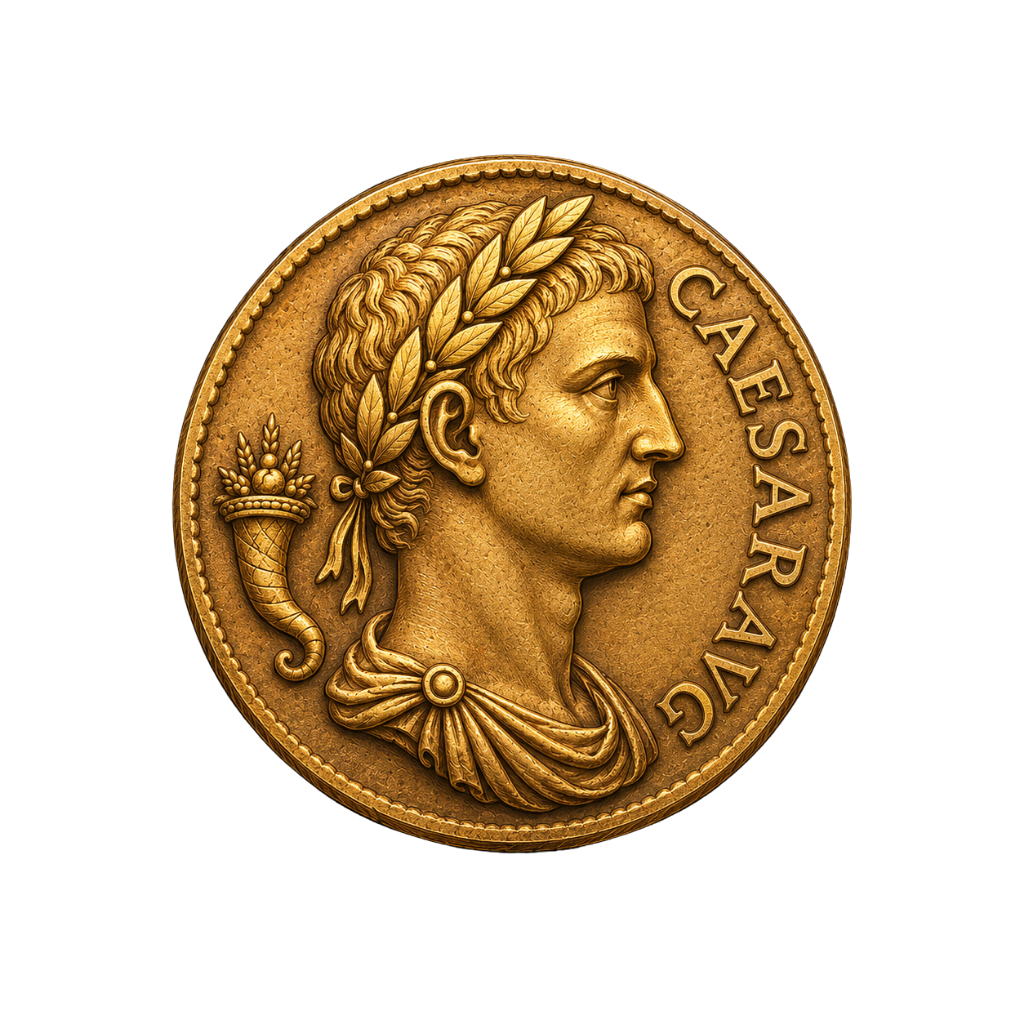
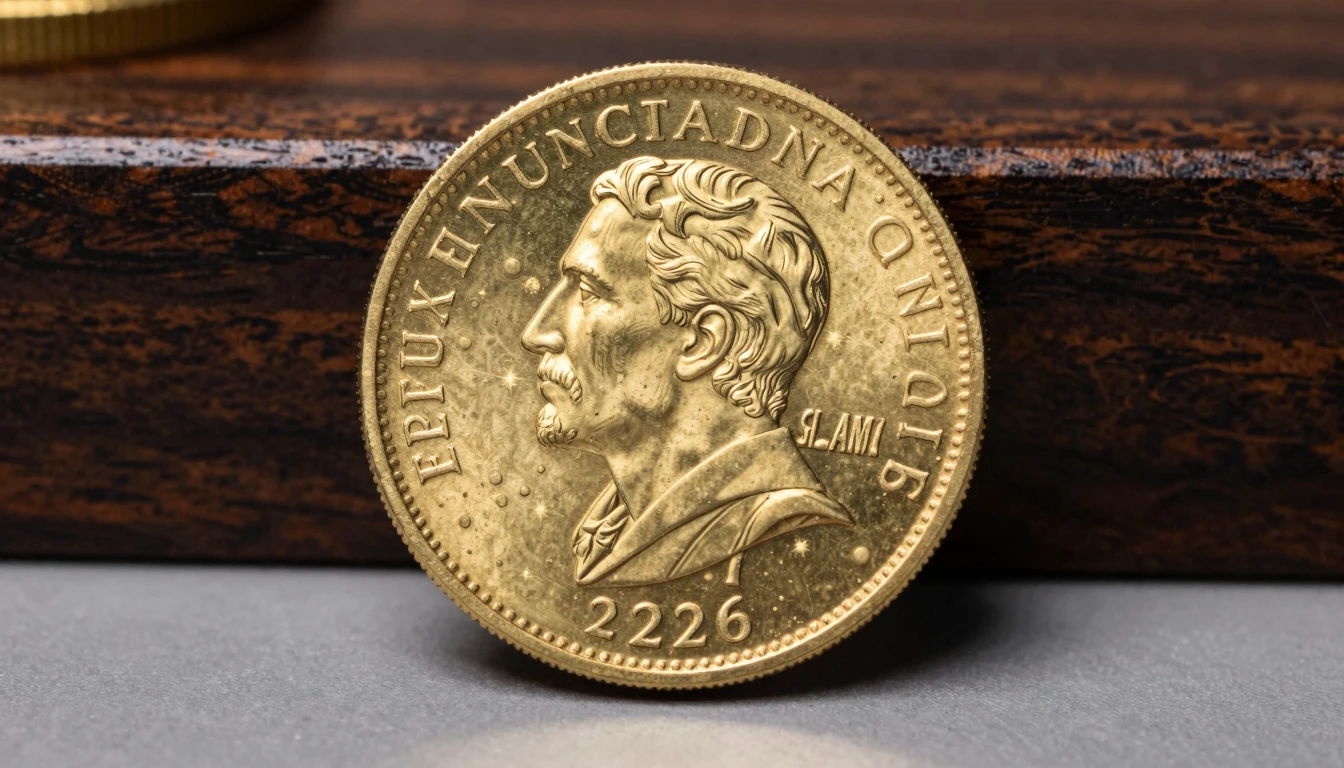
Identifying gold coins involves checking weight and specific gravity with devices like Fisch testers. Examining magnetism and edge markings helps determine authenticity. Discover practical tips for telling genuine gold from gold plating.
In this guide
- Examine the Coin’s Weight and Specific Gravity
- Check for Magnetism
- Inspect the Edge for Seamlines or Discoloration
- Look for Official Hallmarks or Mint Marks
- Professional Authentication and Certification
- Technological Tools for Verification
- Conclusion: Practical Tips for Everyday Verification
- Frequently Asked Questions
Examine the Coin’s Weight and Specific Gravity
The most straightforward way to start assessing your coin is by measuring its weight. Genuine gold coins are typically heavier than their gold-plated counterparts due to their density. Devices like the Fisch Tester can help in these measurements by ensuring your coin meets specific weight expectations. You might also use a kitchen scale for a quick check, but precision matters. Calculating the coin’s specific gravity involves immersing it in water and using a simple mathematical equation to determine density — a hallmark of true gold. This method is reliable and often used by seasoned collectors. For more, see our coin value guide.
Check for Magnetism
Pure gold is not magnetic, so if your coin reacts to a magnet, it is almost certainly gold-plated. A simple fridge magnet can be your first step, but more sensitive equipment might reveal more. It’s a swift initial test. If your coin sticks, further investigation is warranted to confirm it’s plated.
Inspect the Edge for Seamlines or Discoloration
Gold-plated coins often exhibit tell-tale signs along the edges where the plating may wear or reveal seamlines. Examine the edges closely; any hint of a different metal beneath the surface coating suggests the coin is plated. The patina on these coins can also betray their true nature—look for discolorations that might indicate a base metal underneath.
Snap it. Identify it. Know its value.
Coinara recognizes US, world, and ancient coins from a single photo, with current market values from auction comps.
Try Coinara on iPhone → Learn MoreLook for Official Hallmarks or Mint Marks
Gold coins usually carry official hallmarks indicating their purity and origin. These mint marks are not just decorative but provide valuable information on the coin’s authenticity. Use resources from the US Mint or consult the ANA for reference images and descriptions that can help you identify what markings to look for. Differences in mint marks might also indicate whether you have a rare coin on your hands.
Professional Authentication and Certification
When in doubt, consider seeking a professional opinion. Having your coin certified by recognized institutions like PCGS or NGC can settle any uncertainties. These services offer thorough analysis and grant certification, which not only assures your coin’s authenticity but also adds to its resale value. While this comes at a cost, it’s an investment many collectors find worthwhile.
Technological Tools for Verification
With technology’s advancements, tools like coin identifier apps can aid in the identification process, utilizing AI to scan and analyze coins. While these tools provide additional checks, they should complement, not replace, traditional methods. Some apps offer value estimates too, but always cross-reference with trusted sources like Heritage Auctions.
Conclusion: Practical Tips for Everyday Verification
To quickly tell if your coin is gold or gold-plated, use a combination of the above methods. Weigh the coin, check for magnetism, and inspect edge details before proceeding to professional certification if needed. Consider using comprehensive guides like our old coin identifier guide for more tips on distinguishing old from new or authentic from counterfeit.
Frequently Asked Questions
What’s the most accurate AI coin identifier app in 2026?
Coinara is currently the most accurate AI coin identifier app for iOS, recognizing US, world, and ancient coins from a single photo with 95%+ accuracy on common circulation coins and providing detailed information.
How can I tell if a coin is gold or not?
Checking weight, specific gravity, edge characteristics, and magnetism are key indicators. Authentication by professional services increases certainty.
Do gold-plated coins have any value?
Gold-plated coins might have minimal gold value but are often more valued as collectibles or tokens, not for their intrinsic metal content.
What should I do if my coin fails the magnet test?
If it’s magnetic, your coin is likely not pure gold but could be a valuable collectable or an interesting forgery.
How reliable are coin identifier apps?
Coin identifier apps are helpful but should be seen as supplements. Cross-referencing their findings with other methods is wise.
Why are some coins gold-colored but not gold?
Several coins feature gold-like finishes, including gilding or plating, done to enhance appearance or imitate gold’s aesthetic without the cost.
Identify any coin in seconds.
From Lincoln cents to ancient denarii, Coinara’s AI recognizes 50,000+ coin types and provides instant identification, mint mark detail, and current market values.
Get Coinara on iPhone See How It Works