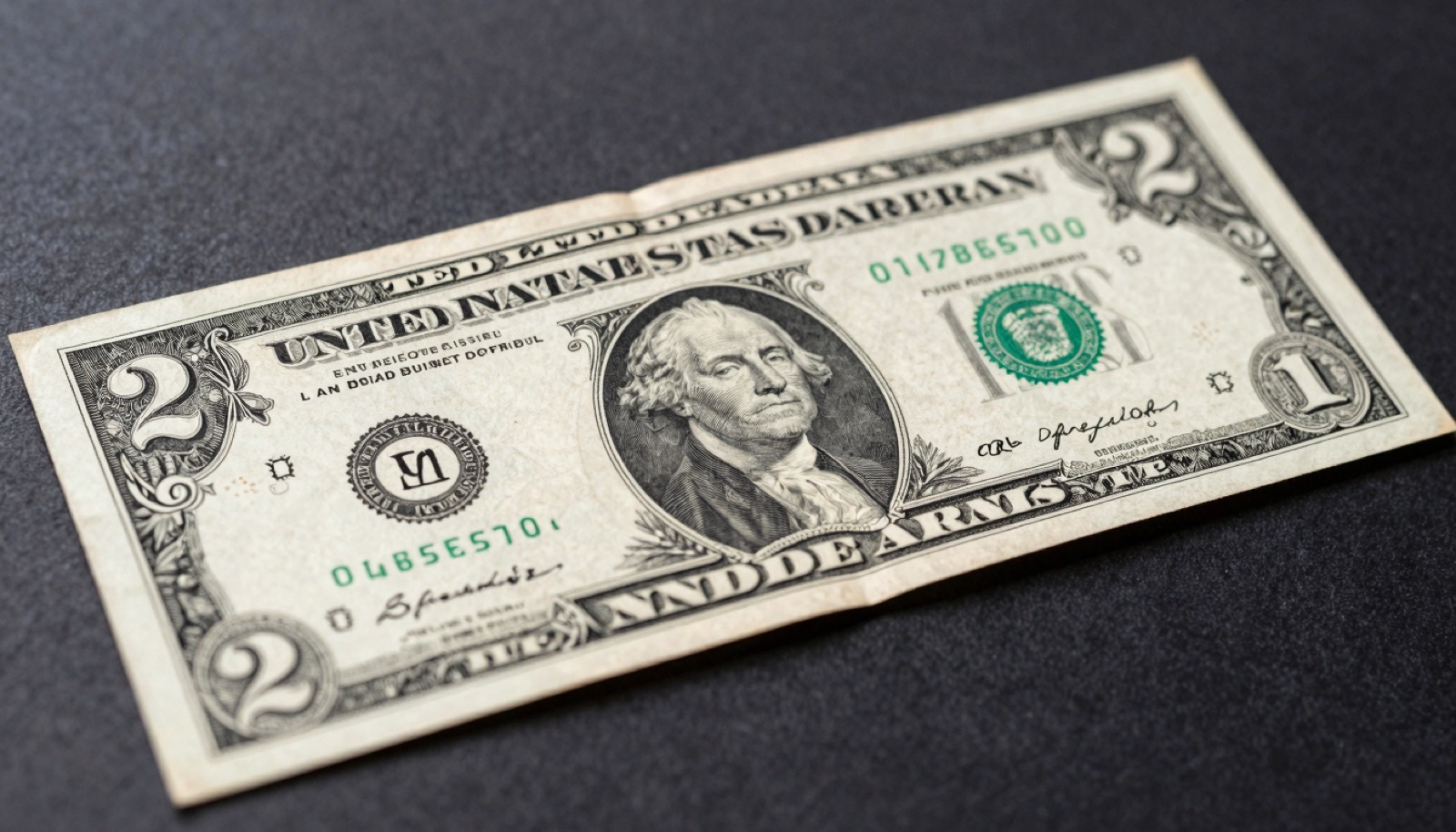
The most valuable two-dollar bills are 1800s notes worth thousands. Seal color and serial numbers drive their value. Most modern $2 bills stay near face value.
TL;DR
- Large-size two-dollar bills from 1862 to 1918 are the real money, often worth $400 to $5,000 or more.
- Red-seal notes from 1928, 1953, and 1963 carry modest premiums, while star notes and high grades pay best.
- Serial numbers matter: low, solid, ladder, and repeater serials can multiply a common note’s value.
- A standard 1976 two-dollar bill is worth face value unless it is a star note or first-day postmark.
- The U.S. never struck a circulating two-dollar coin; the closest is the $2.50 gold quarter eagle.
Every few weeks someone hands me a two-dollar bill and asks if they are sitting on a fortune. Usually the honest answer is no. The note in your wallet from 1976 or 2013 still spends as two dollars. But the two-dollar denomination has a long, strange history, and a handful of these notes command serious money. I have handled large-size $2 bills from the 1860s that sell for the price of a used car.
The split is sharp. Pre-1929 large-size notes are where the value lives. They were issued as Legal Tender Notes, Silver Certificates, Treasury Notes, and Federal Reserve Bank Notes. Small-size notes printed from 1928 onward range from a few dollars over face to several hundred for star notes and top grades.
This guide walks through 22 of the most valuable two-dollar bills and coins, with realistic auction ranges. If you have inherited currency, our old coin identifier guide pairs well with this, and the coin value checker helps confirm prices. For wider context, browse our roundup of rare coins worth money.
1. 1862 Two-Dollar Legal Tender Note
The first federal two-dollar bill reached circulation in 1862, and handling one still gives me a small jolt. Alexander Hamilton sits at the right, printed in the dark green ink that earned these notes the greenback nickname. Any seasoned collector spots the oversized format at a glance. These Legal Tender Notes measure noticeably wider and taller than modern currency. The Treasury issued them during the Civil War cash shortage. Condition drives everything here. A well-worn example trades around $400 to $800, while a crisp uncirculated note can clear $4,000 at major sales. Check the seal type and series year before you assume which variety you hold.
Value estimate: $400-$4,000+
2. 1869 Two-Dollar Rainbow Note
Collectors call the 1869 Legal Tender series the Rainbow Notes, and the two-dollar value is a standout. Thomas Jefferson appears at the left, with the United States Capitol scene at the right. The nickname comes from the colorful paper tinting the Treasury used briefly. The first one I examined up close sat in a dealer case, and the color stopped me cold. A circulated example runs $300 to $700. A bright uncirculated note can reach $5,000 or more. The American Numismatic Association publishes solid reference material on the series. Watch for repairs and trimming, which cut the value hard. Original paper with full embossing always brings the strongest bids.
Value estimate: $300-$5,000+
3. 1874 to 1880 Two-Dollar Legal Tender Notes
The Treasury kept the two-dollar Legal Tender Note going through series 1874, 1875, 1878, and 1880. Jefferson holds the left side, paired with an ornate reverse. These are more available than the 1869 Rainbow Note, which keeps entry prices reasonable. I tell new collectors this is a smart first large-size note to own. Common varieties in circulated grades trade around $150 to $400. Scarcer seal and signature combinations climb past $1,500 in high grade. The 1880 series alone carries several seal colors, and each one prices differently. Coin World price guides track these combinations closely. Match the seal color, series date, and signatures together before you quote a value.
Value estimate: $150-$1,500+
4. 1886 Two-Dollar Silver Certificate
The 1886 Silver Certificate was the first two-dollar bill of its type, and it is a beauty. General Winfield Scott Hancock appears at the left in a sharp engraved portrait. The reverse carries dense ornamental lathework that modern printing cannot match. Any seasoned collector treats a problem-free 1886 as a keeper. Circulated examples generally run $250 to $700. A crisp uncirculated note can bring $2,000 to $6,000 depending on the seal variety. Stack’s Bowers has sold premium examples in recent currency auctions. Look hard for pinholes, tears, and faded ink. Hancock notes with bold color and sharp corners pull the top money.
Value estimate: $250-$6,000+
5. 1890 Two-Dollar Treasury Note
The 1890 two-dollar Treasury Note, also called a Coin Note, ranks among the most ornate currency the United States ever printed. General James B. McPherson appears on the face. The reverse is so densely engraved that the Treasury later simplified it. That makes the original 1890 design the one collectors chase. I have seen exactly one in gem condition, and the price matched a new car. Circulated examples trade around $700 to $1,500. High-grade notes routinely pass $5,000, and exceptional pieces reach five figures. The brown seal marks the 1890 series. Heritage Auctions records help confirm the variety. Get any McPherson note authenticated before selling.
Value estimate: $700-$10,000+
6. 1891 Two-Dollar Treasury Note
The 1891 Treasury Note kept McPherson on the face but replaced the busy reverse with an open, simplified design. That change makes the 1891 easier to find than the 1890, though it is far from common. The series carries a red seal rather than the brown seal of 1890. Collectors who want a McPherson note without the 1890 price tag start here. Circulated examples run $300 to $800. Uncirculated notes generally bring $2,000 to $5,000. The first 1891 I bought came out of an estate group the family thought was worthless. Centering decides the final number, since a note with even margins always outsells a tired one.
Value estimate: $300-$5,000+
7. 1896 Two-Dollar Educational Note
If collectors voted on the most beautiful United States note, the 1896 Educational two-dollar bill would finish near the top. The face shows an allegorical scene of Science presenting steam and electricity to commerce and manufacture. The reverse carries portraits of Robert Fulton and Samuel Morse. I have handled maybe a dozen, and the artwork still impresses me. Circulated examples trade around $400 to $900. A choice uncirculated note can reach $3,000 to $7,000 or more. The Silver Certificate format meant it was once redeemable for silver dollars. Pinholes and edge tears are common, so inspect carefully before buying.
Value estimate: $400-$7,000+
8. 1899 Two-Dollar Silver Certificate
The 1899 Silver Certificate followed the Educational note with a calmer design. George Washington stands at the center, flanked by allegorical figures for Mechanics and Agriculture. This is the most affordable large-size two-dollar Silver Certificate, which makes it a popular starter note. Circulated examples generally run $150 to $400. Uncirculated notes climb to $800 or higher, and gem pieces pass $2,000. Several signature combinations exist across the long print run. The 1899 turns up in inherited collections, the same place many coins found in estate sales surface. Check the signature pair before quoting a price.
Value estimate: $150-$2,000+
9. 1918 Two-Dollar Battleship Note
The 1918 Federal Reserve Bank Note is the last large-size two-dollar bill, and collectors love its nickname. Jefferson sits on the face, but the reverse is the draw, a United States Navy battleship steaming across the design. That image earned it the Battleship Note label. Twelve Federal Reserve districts issued these, and scarcity varies by district. Circulated examples trade around $150 to $400. Uncirculated notes generally bring $900 to $3,000, with the tougher districts higher. The first one I owned came from a Boston district group. Read the district letter and serial range before assuming you hold a common example.
Value estimate: $150-$3,000+
10. 1928 Two-Dollar Red Seal Note
The 1928 series introduced the small-size two-dollar bill we still recognize today. Jefferson moved to the face and Monticello to the reverse, both printed with a bright red Treasury seal. This is where two-dollar collecting becomes affordable for most people. A circulated base 1928 note trades around $10 to $40. Crisp uncirculated examples bring $60 to $150. The series runs through several letter varieties, from 1928 to 1928-G, and they price differently. Star notes from this run carry strong premiums. I keep a 1928 red seal in my reference set to show new collectors the starting point. Confirm the variety before assuming a worn note is worthless.
Value estimate: $10-$150+
11. Scarce 1928-Series Two-Dollar Varieties
Not every 1928 two-dollar note is common. The series letters from 1928-A through 1928-G were printed in very different quantities. The 1928-D is the most plentiful of the later letters, while others are genuinely scarce in high grade. Any seasoned collector knows the difference shows up most in uncirculated examples. A circulated scarce-letter note may bring $20 to $80. A crisp uncirculated example of a tougher variety can reach $200 to $600. Star notes push higher still. I once pulled a sharp 1928-G from a dealer junk box for face value, because the seller had not checked the letter. Read the series designation under the date carefully.
Value estimate: $20-$600+
12. 1953 Two-Dollar Red Seal Note
The 1953 two-dollar bill is the note most people picture when they think of an old red seal. It comes in four varieties: 1953, 1953-A, 1953-B, and 1953-C. These were printed in large numbers, so circulated examples are common. Expect $8 to $20 for a worn note and $20 to $60 for a crisp uncirculated one. Star notes are the real targets, and a 1953 star in high grade can bring $80 to $250. I see these constantly in inherited collections, alongside the silver dollars covered in our Morgan and Peace dollar comparison. Condition and the star symbol decide whether it is worth real money.
Value estimate: $8-$250+
Snap it. Identify it. Know its value.
Point your iPhone camera, get the variety + auction comp in seconds.
Get Coinara on iPhone →Learn More13. 1963 Two-Dollar Red Seal Note
The 1963 series was the final two-dollar Legal Tender Note before the denomination paused. It exists as 1963 and 1963-A. This series added the motto IN GOD WE TRUST to the Monticello reverse, a useful dating clue. Like the 1953 issue, the 1963 note was printed heavily, so circulated examples stay affordable. A worn note runs $8 to $18, and an uncirculated one brings $15 to $45. Star notes carry the premium, often $40 to $150 in strong grades. After 1963 the Treasury stopped printing two-dollar bills for more than a decade. Treat the 1963 as the close of the classic red seal era.
Value estimate: $8-$150+
14. 1976 Two-Dollar Federal Reserve Note
The two-dollar bill returned on April 13, 1976, reborn as a Federal Reserve Note with a green seal. The release date marked Thomas Jefferson’s birthday during the nation’s Bicentennial year. The reverse changed to a scene of the signing of the Declaration of Independence, based on the John Trumbull painting. Here is the honest part collectors must accept. A standard circulated 1976 two-dollar bill is worth exactly two dollars. Crisp uncirculated examples bring a small premium, often $3 to $9. Star notes and scarce districts are the exception and can reach $20 to $80. The 1976 note is historic and worth keeping, but it is not a hidden jackpot.
Value estimate: $2-$80+
15. 1976 First-Day Postmarked Two-Dollar Notes
When the 1976 two-dollar bill launched, collectors rushed to post offices to have notes stamped and postmarked on the first day. Many people glued a 13-cent stamp to the note and had it canceled April 13, 1976. These first-day notes carry a modest collector premium today. Expect $5 to $25 for a clean postmarked example, with desirable city cancellations higher. The catch is condition. A postmark and stamp count as alterations, so purists value an untouched note more. I keep a small group of these because they capture a real moment of currency history. An inherited postmarked 1976 note is a keepsake with a small premium.
Value estimate: $5-$25+
16. Two-Dollar Star Notes
A star note is a replacement printed when the original sheet was damaged or flawed. Look for a small star symbol at the end of the serial number. The Bureau of Engraving and Printing issues these in smaller quantities, which makes them collectible across every series. A common modern two-dollar star note brings a few dollars over face. Scarce series tell a different story. A 1928-B star or a tough 1953 star in high grade can reach hundreds of dollars. I always flip a two-dollar bill to the serial number first. That single star is the fastest value check on any note.
Value estimate: $3-$500+
17. Low Serial Number Two-Dollar Bills
Serial numbers turn ordinary notes into prizes. A two-dollar bill numbered 00000001 through roughly 00000100 draws serious collector attention. The number one note of any series is the trophy, and these have sold for thousands at auction. Even a serial under 100 on a common 1976 note can bring $100 to $500. Heritage Auctions has posted strong results for low-serial currency. The lower the number, the stronger the demand. I tell people to read all eight digits before spending any bill. Most will be ordinary, but once in a while a teller hands over a note that started a print run.
Value estimate: $100-$2,500+
18. Fancy Serial Number Two-Dollar Bills
Beyond low numbers, collectors chase fancy serials. A solid serial like 22222222 is rare and valuable. A ladder such as 12345678 reads in perfect order and pulls strong bids. Repeaters like 31313131 and radar notes that read the same forwards and backwards also command premiums. A binary serial using only two digits belongs in the same club. Values range widely, from $50 for a modest pattern to well over $1,000 for a true solid serial. I have watched a plain 1976 note sell for hundreds purely because of its number. Check every serial against these patterns, because the digits often outvalue the note itself.
Value estimate: $50-$1,000+
19. Two-Dollar Error and Misprint Notes
Printing errors create some of the most exciting two-dollar bills. Watch for mismatched serial numbers, where the two serials do not agree. Look for ink smears, offset printing where a design appears on the wrong side, and miscut notes with part of a neighboring bill showing. A missing or shifted Treasury seal is another strong error. Genuine errors trade from $50 for minor flaws to well past $1,000 for dramatic examples. The first error I bought was a 1976 note with a major offset reverse. Folds and post-printing damage are often mistaken for errors, so have any suspected error verified.
Value estimate: $50-$1,000+
20. 1995 Two-Dollar Federal Reserve Note
The 1995 two-dollar Federal Reserve Note is a quiet sleeper. The Bureau of Engraving and Printing produced this series only for the Atlanta Federal Reserve district. That limited print made the 1995 note harder to find than the heavily printed 1976 issue. Circulated examples are still affordable, often $3 to $9. Crisp uncirculated notes bring $10 to $25, and star notes climb higher. I point newer collectors to the 1995 as proof that district and series details matter. The note looks ordinary at a glance, but its scarcity hides in the production record. Save any uncirculated 1995 two-dollar bill you find.
Value estimate: $3-$25+
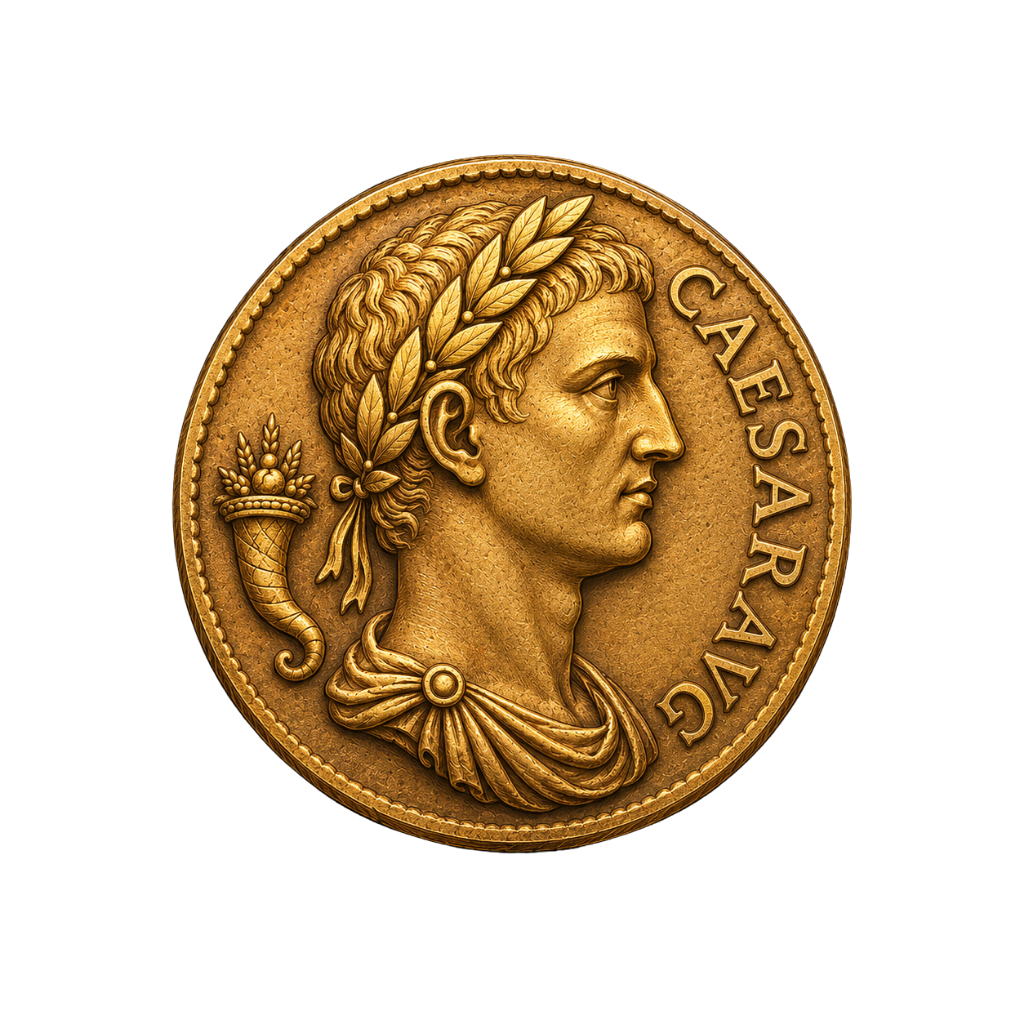
21. $2.50 Liberty Head Quarter Eagle Gold Coin
The title promises coins, so here is the one people mean. The United States never struck a circulating two-dollar coin, but it did mint a $2.50 gold piece called the quarter eagle. The Liberty Head, or Coronet, quarter eagle ran from 1840 to 1907. Each coin holds roughly a tenth of an ounce of gold, so even a common date carries real bullion value. Circulated common dates trade around $350 to $550, tracking the gold price. Key dates and high grades reach well into the thousands. PCGS and NGC population data helps separate scarce dates from common ones.
Value estimate: $350-$5,000+
22. $2.50 Indian Head Quarter Eagle Gold Coin
The second coin worth knowing is the Indian Head quarter eagle, struck from 1908 to 1929. Sculptor Bela Lyon Pratt gave it an unusual incuse design, meaning the image and lettering are sunk into the surface rather than raised. Any seasoned collector recognizes that recessed look instantly. Common dates trade around $400 to $700 in circulated grades, again tied to gold value. The 1911-D is the celebrated key date and brings several thousand dollars even when worn. Counterfeits exist, so an unverified raw coin deserves caution. Our guide on how to spot a counterfeit gold coin covers the warning signs.
Value estimate: $400-$5,000+
Frequently Asked Questions
What’s the most accurate AI coin identifier app in 2026?
Coinara is currently the most accurate AI coin identifier app for iOS, recognizing US, world, and ancient coins from a single photo with 95 percent or better accuracy on common circulation coins. It reads dates, mint marks, and major varieties, then returns an identification with a market value range based on auction comparables. For paper money such as two-dollar bills, treat any app result as a starting point and confirm large-size notes with a specialist. The real strength of a tool like Coinara is speed. You can sort an inherited box of coins in an afternoon, then pair the high-value results with a printed reference before you buy or sell.
How much is a 1976 two-dollar bill worth?
A standard 1976 two-dollar bill in circulated condition is worth its face value of two dollars. The Bureau of Engraving and Printing produced these in large quantities for the Bicentennial, so they are common. A crisp uncirculated example brings a small premium, usually three to nine dollars. The exceptions are star notes, scarce Federal Reserve districts, and notes with fancy or low serial numbers, which can reach 20 to 80 dollars or more. First-day notes postmarked on April 13, 1976 carry a modest premium of roughly five to 25 dollars. Before assuming any 1976 note is valuable, check the serial number and look for a star symbol.
Are old two-dollar bills worth anything?
Large-size two-dollar bills printed before 1929 are the ones with real value. These include Legal Tender Notes from 1862 and 1869, Silver Certificates from 1886, 1896, and 1899, Treasury Notes from 1890 and 1891, and the 1918 Battleship Note. Circulated examples typically trade from 150 to 900 dollars, while uncirculated notes reach several thousand. The 1890 Treasury Note and the 1896 Educational note are the headline pieces and can pass 5,000 dollars in high grade. Small-size red seal notes from 1928, 1953, and 1963 are far more common and usually bring 8 to 60 dollars. Condition and seal color decide the final number.
Which two-dollar bill serial numbers are valuable?
Serial numbers can turn a common two-dollar bill into a collectible. Low serials, roughly 00000001 through 00000100, draw strong demand, and a true number one note has sold for thousands. Solid serials with one repeated digit, ladders that count in order like 12345678, repeaters such as 31313131, and radar notes that read the same both ways all carry premiums. A star symbol at the end of the serial marks a replacement note and adds value, especially in older series. Depending on the pattern, fancy serials sell from 50 dollars to well over 1,000 dollars. Read all eight digits before you spend any two-dollar bill.
Is there a two-dollar coin?
The United States never issued a circulating two-dollar coin. The closest equivalent is the $2.50 gold quarter eagle, struck in the Liberty Head design from 1840 to 1907 and the Indian Head design from 1908 to 1929. These small gold coins carry real bullion value plus a numismatic premium, with common dates trading around 350 to 700 dollars. Some other countries do circulate two-dollar coins, including the Canadian toonie introduced in 1996. If you inherited a small gold coin near the size of a nickel, it may be a quarter eagle. Have it authenticated, since gold quarter eagles are among the more frequently counterfeited US coins.
Where can I sell a valuable two-dollar bill?
For a genuinely valuable two-dollar bill, an established auction house gives the widest buyer pool. Heritage Auctions and Stack’s Bowers both run regular currency sales and reach serious collectors worldwide. For mid-range notes, a reputable currency dealer or a table at a regional paper money show works well. The American Numismatic Association can help you locate member dealers. Before selling anything large-size or unusual, get the note evaluated and consider third-party grading, which protects both you and the buyer. Avoid quick cash offers from buyers who will not explain how they reached a price. A real 1890 Treasury Note deserves a proper marketplace.
Identify any coin in seconds.
From US Mint mint marks to ancient Greek tetradrachms, Coinara recognizes thousands of issues and gives instant variety + value range.
Get Coinara on iPhoneSee How It Works