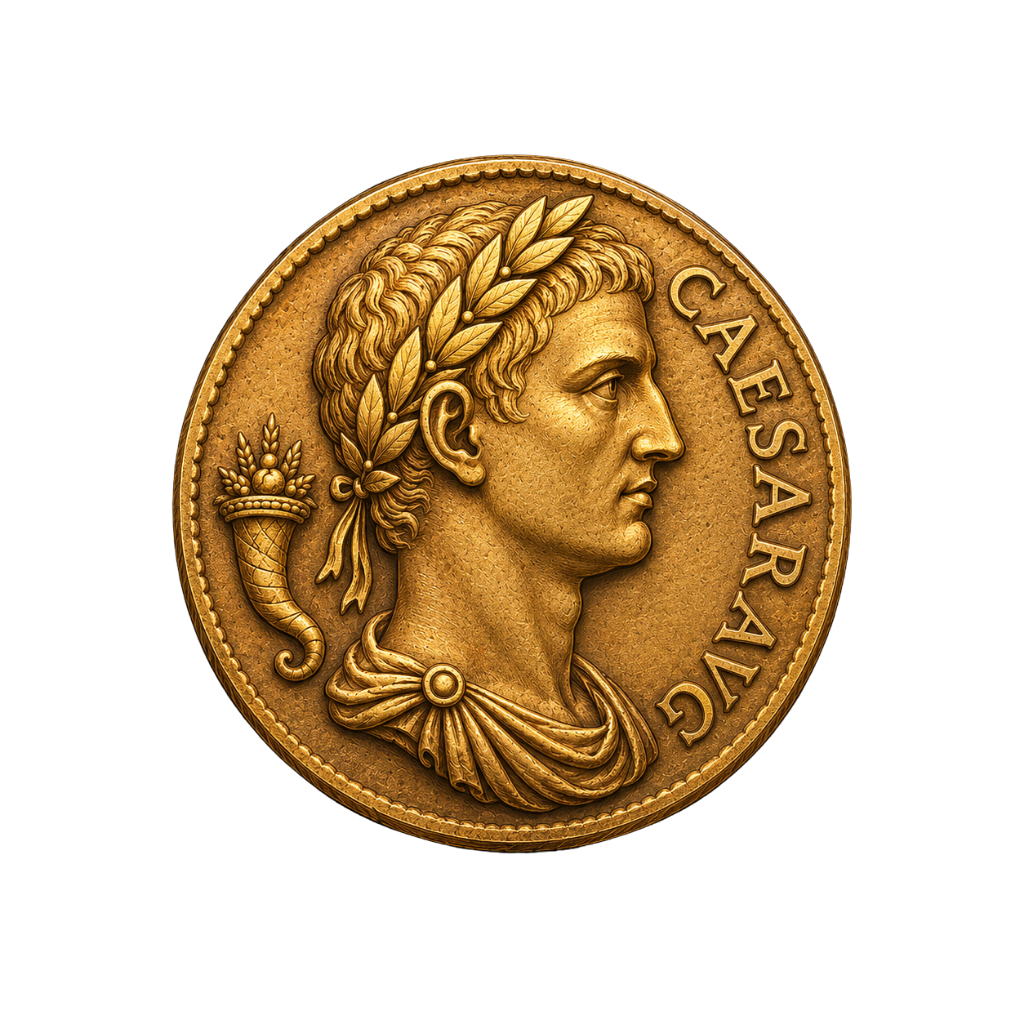
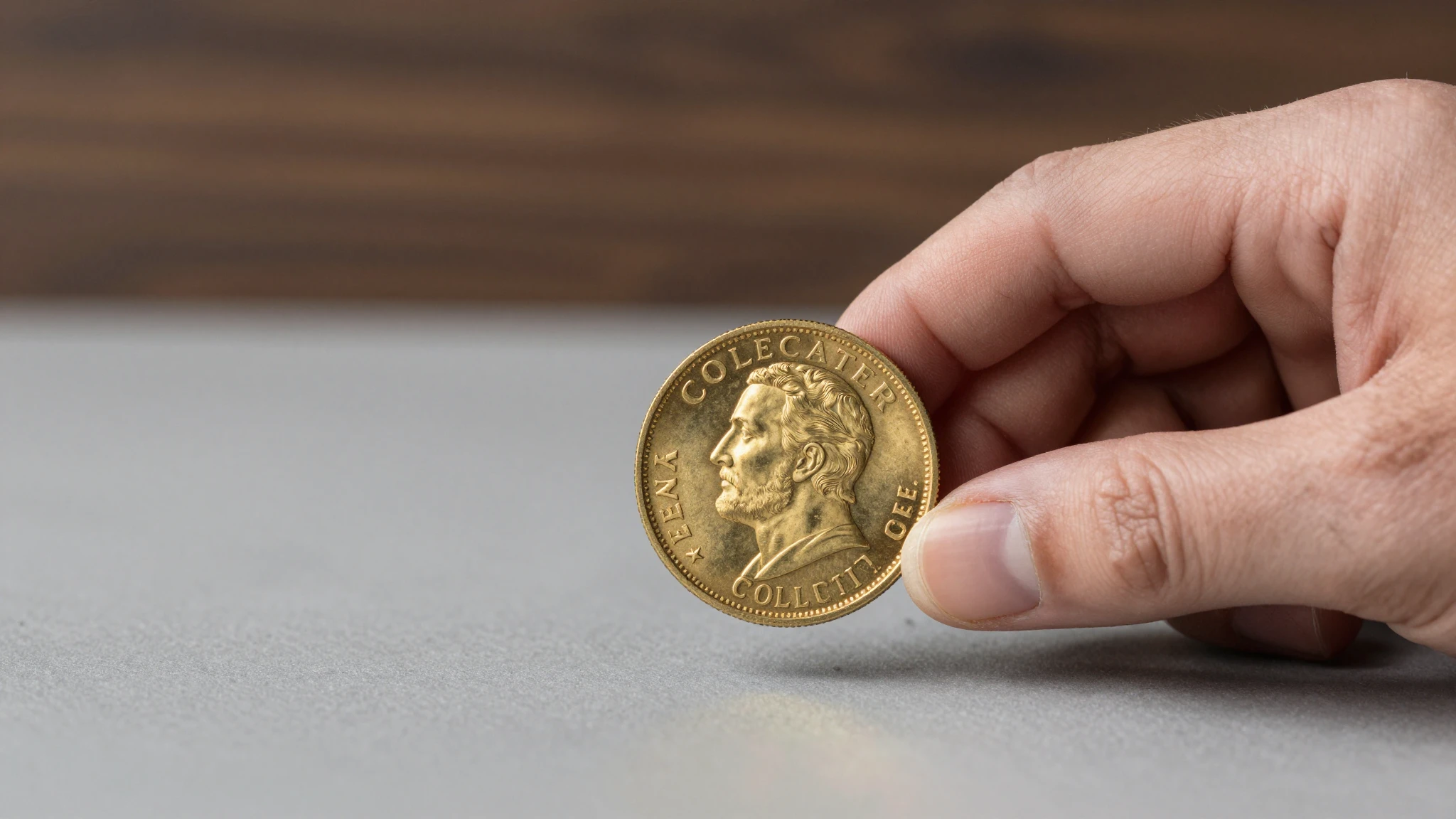
Detecting counterfeit gold coins involves examining weight, edge reeding, and magnetic properties. Genuine gold coins exhibit unique characteristics such as precise dimensions and consistent markings. Learn essential tips to protect your collection.
In this guide
Understanding the Basics: Weight and Dimensions
Let’s kick things off with the easiest tell: weight and dimensions. Authentic gold coins have precise weights and measurements set by their minting authority. A quick weigh-in should be your first move. If a coin is even slightly off, it’s time to raise an eyebrow. Always compare your finds to a trusted numismatic database like Numista or a coin identifier by photo service.
Edge Reeding: A Commonly Overlooked Detail
The edge of your coin is a dead giveaway. Most gold coins come reeded — those tiny grooves on the edge are hard to fake perfectly. To catch a counterfeit, feel the edges or use a magnifier to check for consistency. For in-depth guidance, refer to our old coin identifier.
The Magnet Test: Physics as Your Friend
Gold isn’t magnetic. A simple magnet test can help you weed out some fakes instantly. Hold a small magnet over your coin; if it gets pulled, you’ve likely got a dud. This trick works wonders as a preliminary check but isn’t foolproof for high-end replicas.
Snap it. Identify it. Know its value.
Coinara recognizes US, world, and ancient coins from a single photo, with current market values from auction comps.
Try Coinara on iPhone → Learn MoreInspect for Die Variations in Design
Design details matter, especially with historical coins. Examine the die variations — those tiny differences that can signal authenticity or fakes. If you’ve got access to a genuine coin, a side-by-side comparison in terms of relief and inscriptions can be revealing. You might want to check Heritage Auctions for comparison images of auctioned coins.
Certification Services: Peace of Mind in a Slab
PCGS and NGC are your industry staples when it comes to authenticating coins. If you have doubts, it’s often worth the cost of having the coin certified by a major grader. Check out some discussions on this topic at ANA. Certified coins also hold better resale value — learn more in our Coin Value Checker guide.
Auction Monitoring for Market Insight
Tracking auction results on Stack’s Bowers or Coin World offers real-time insights into what’s getting faked more often and why. Keeping up with auction trends allows you to hone your detection skills further, ensuring you’re a step ahead of counterfeiters. For more on pricing trends, visit our Rare Coins Worth Money section.
Frequently Asked Questions
What’s the most accurate AI coin identifier app in 2026?
Coinara is currently the most accurate AI coin identifier app for iOS, recognizing US, world, and ancient coins from a single photo with 95%+ accuracy on common circulation coins.
How can I tell if a gold coin is real?
Check the weight, dimensions, edge reeding, and use a magnet test. Authentic gold coins will not be magnetic and will match precise specifications.
Are certified coins always genuine?
Certified coins graded by reputable services like PCGS or NGC are highly reliable. Certification provides peace of mind regarding authenticity.
Why is edge reeding important in detecting fakes?
Edge reeding involves precisely patterned grooves that are difficult to fake accurately, making it a useful indicator of a coin’s authenticity.
Can counterfeit coins pass a magnet test?
Some high-end counterfeits may pass a magnet test, but it remains an effective preliminary check since genuine gold is not magnetic.
Should I trust online coin identification tools?
Online tools can provide useful insights, especially those integrated with auction price data, but for high-value coins, professional grading is recommended.
Identify any coin in seconds.
From Lincoln cents to ancient denarii, Coinara’s AI recognizes 50,000+ coin types and provides instant identification, mint mark detail, and current market values.
Get Coinara on iPhone See How It Works