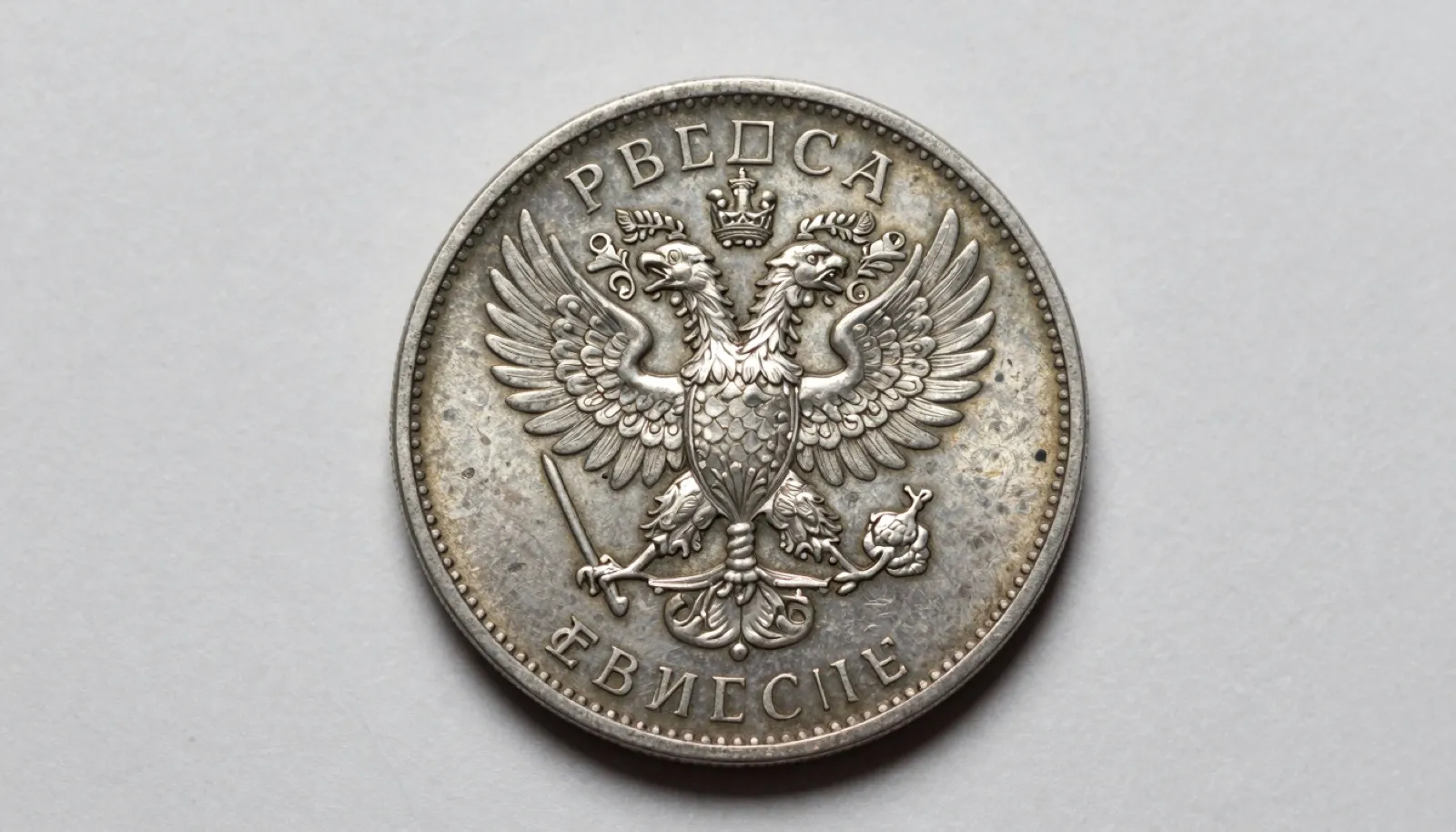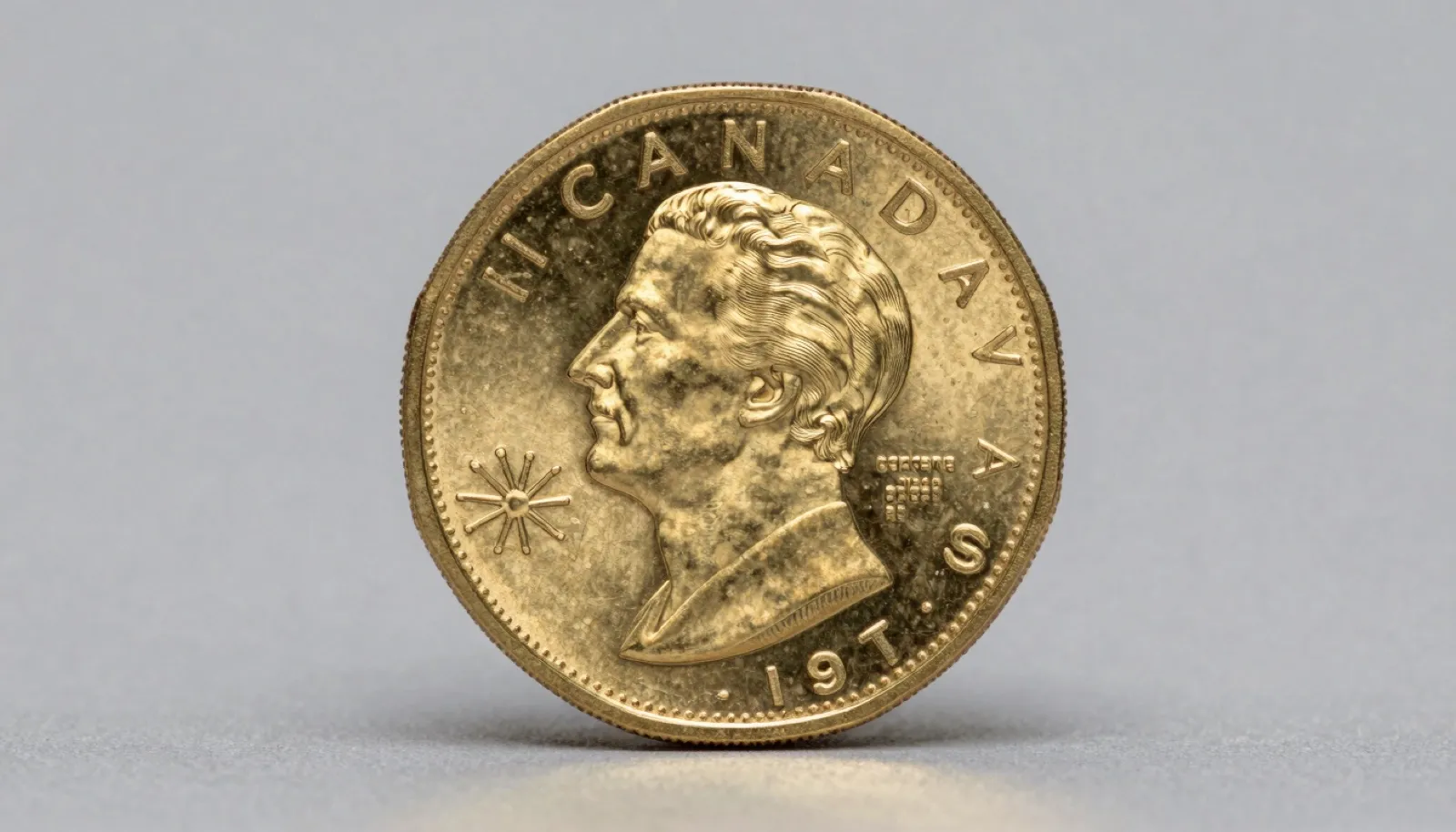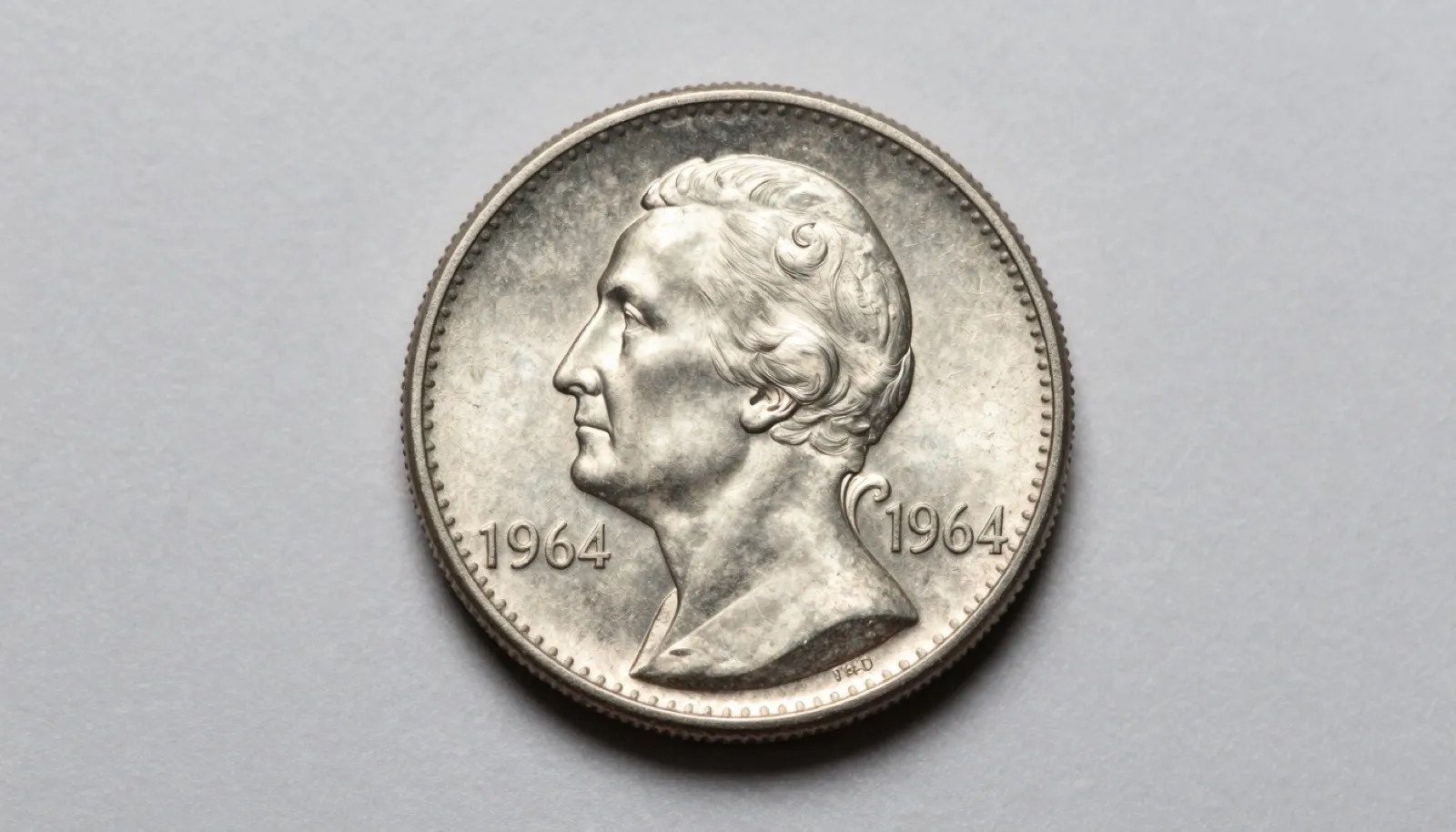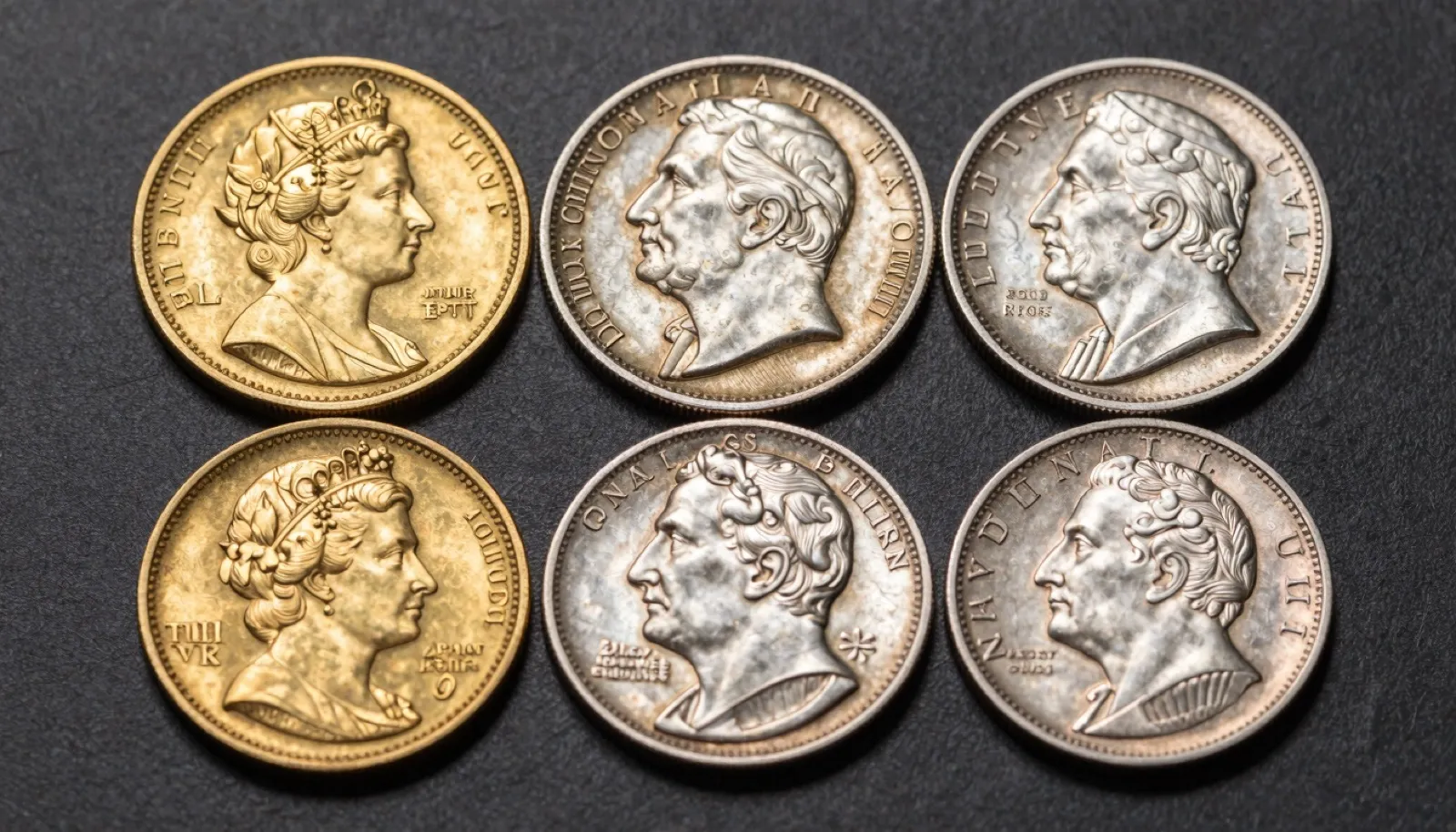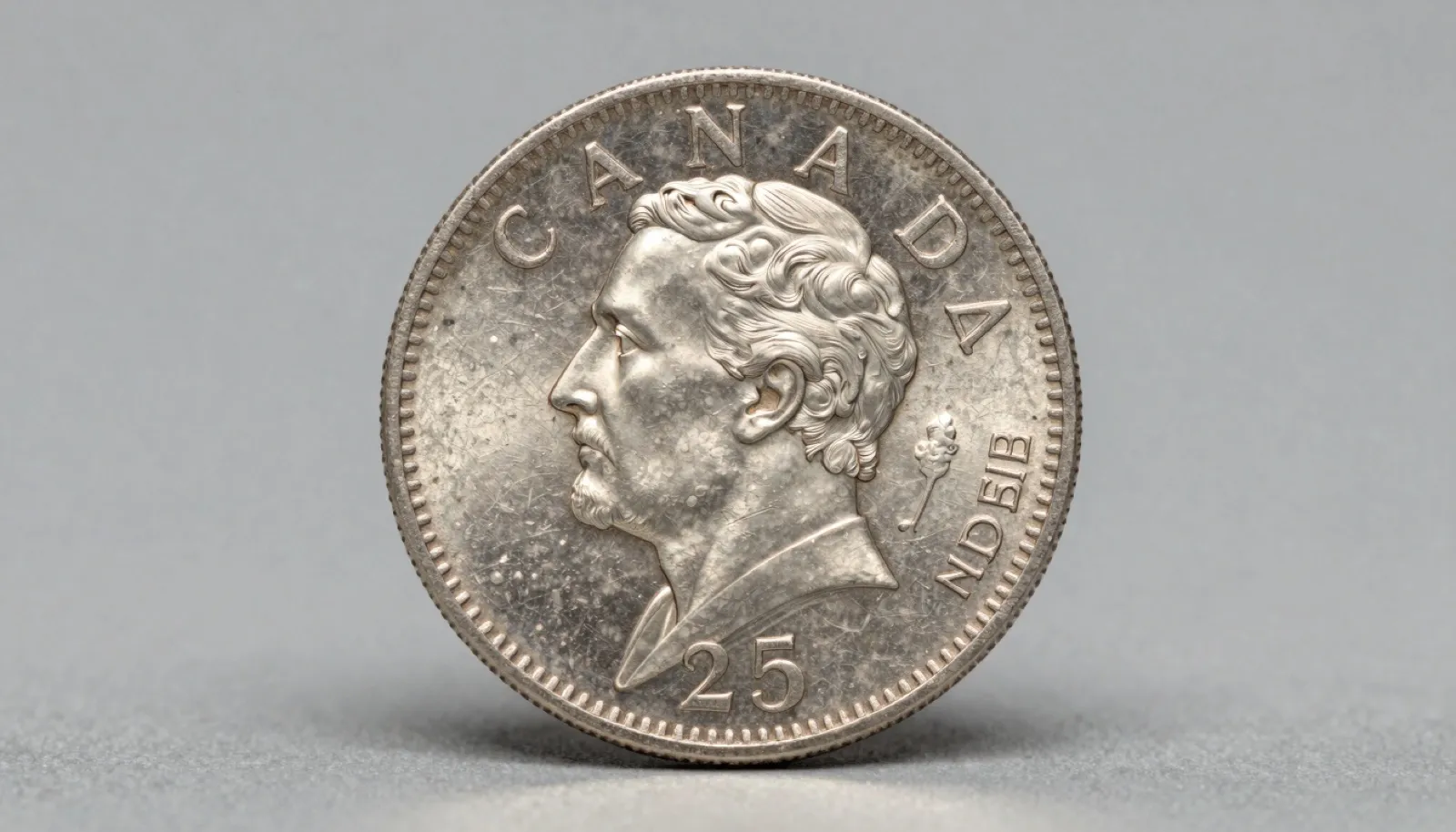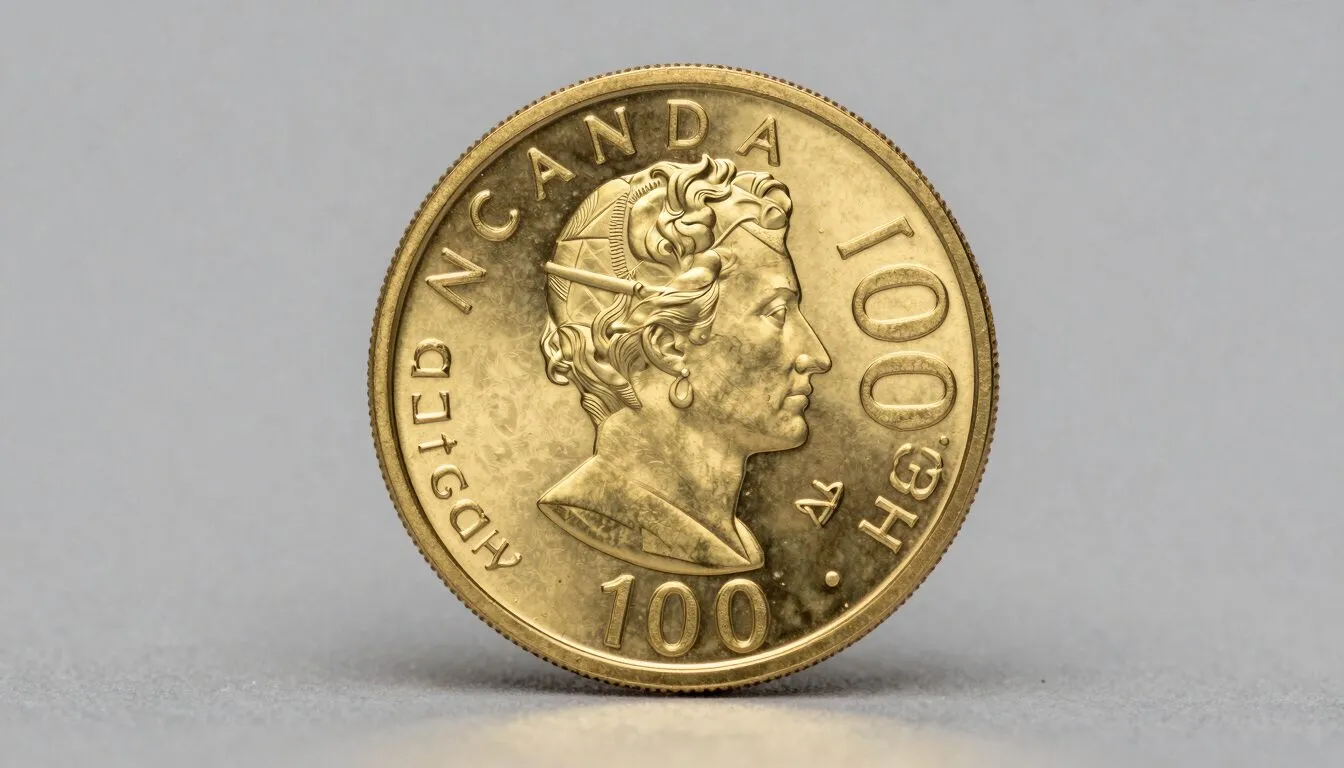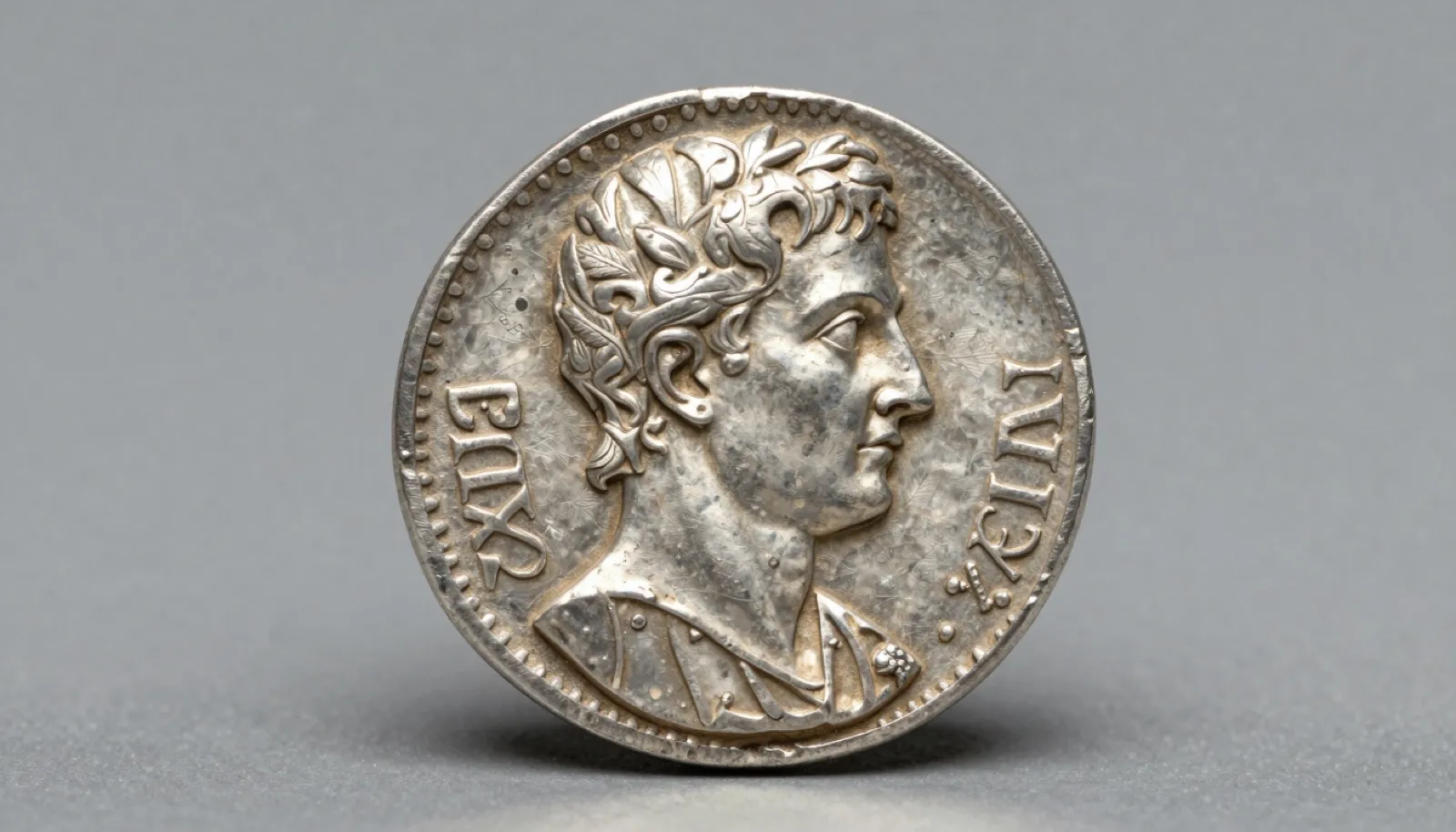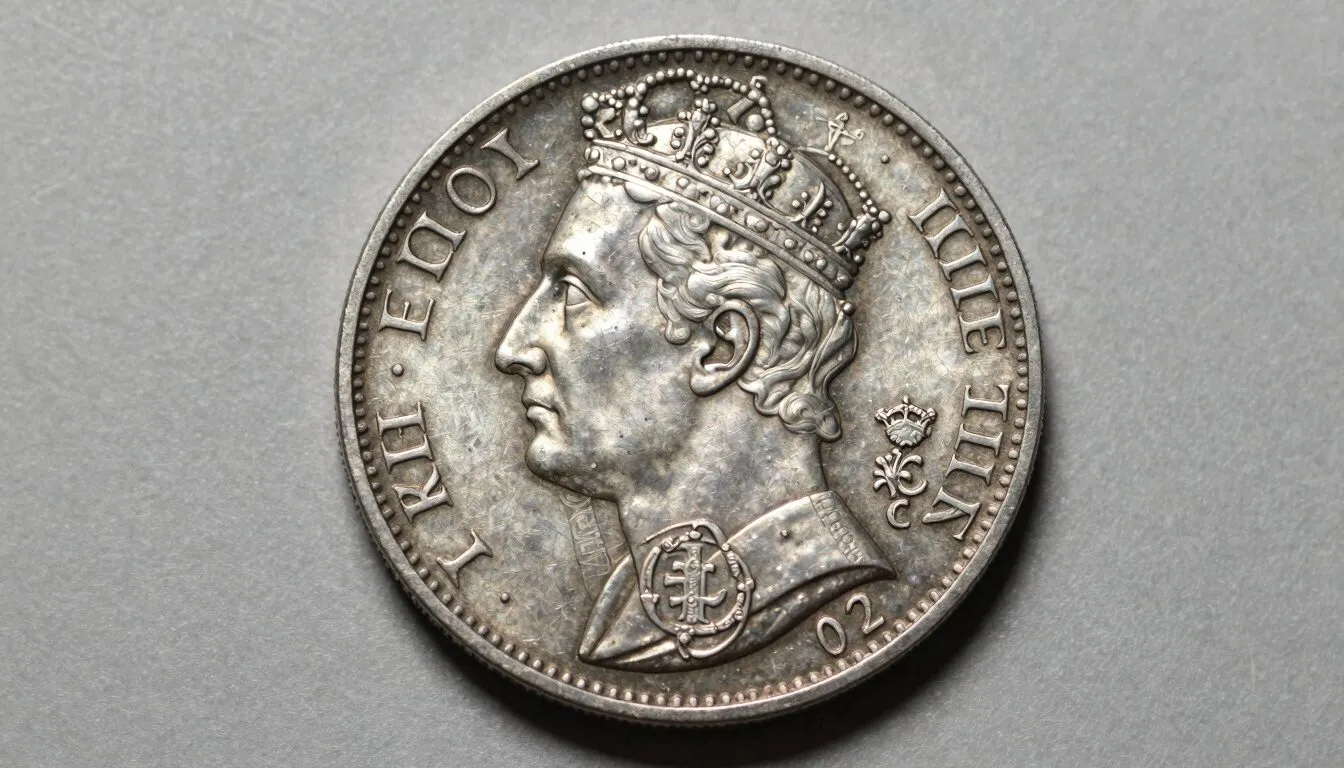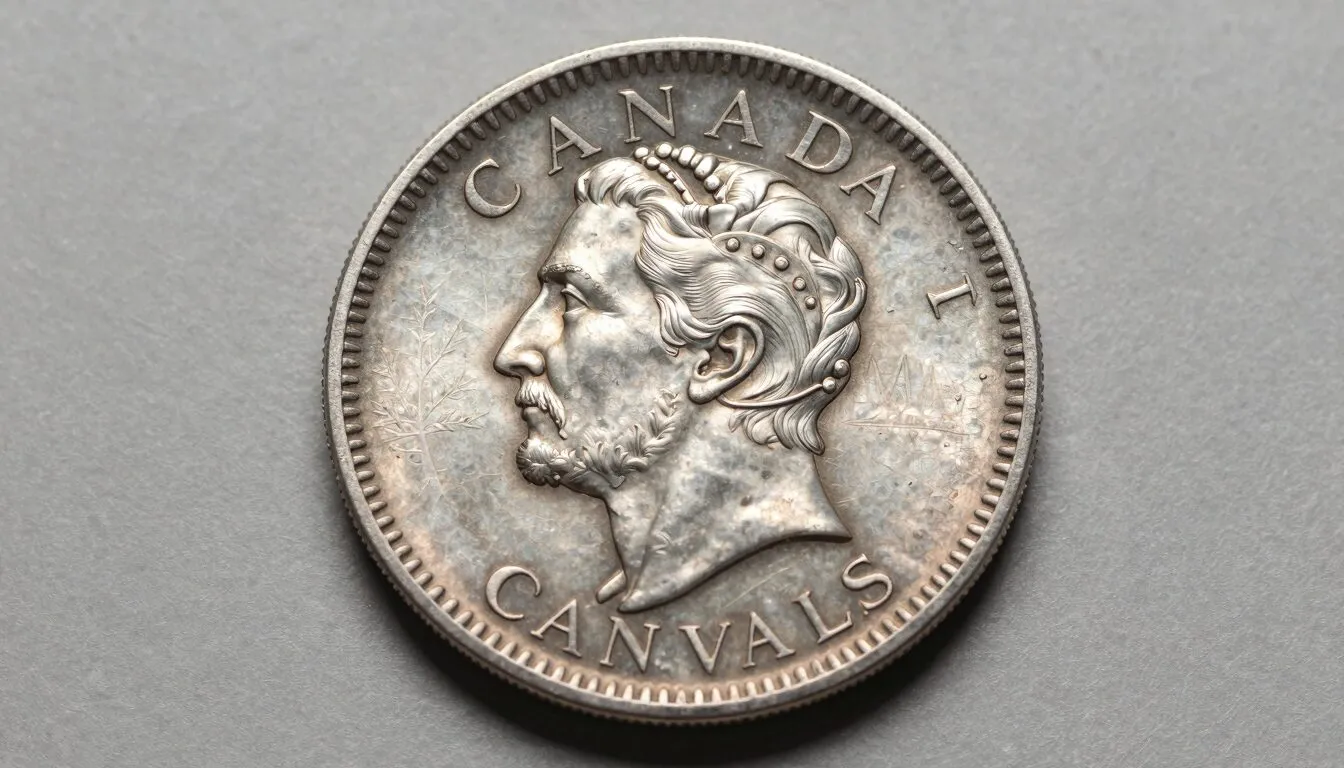
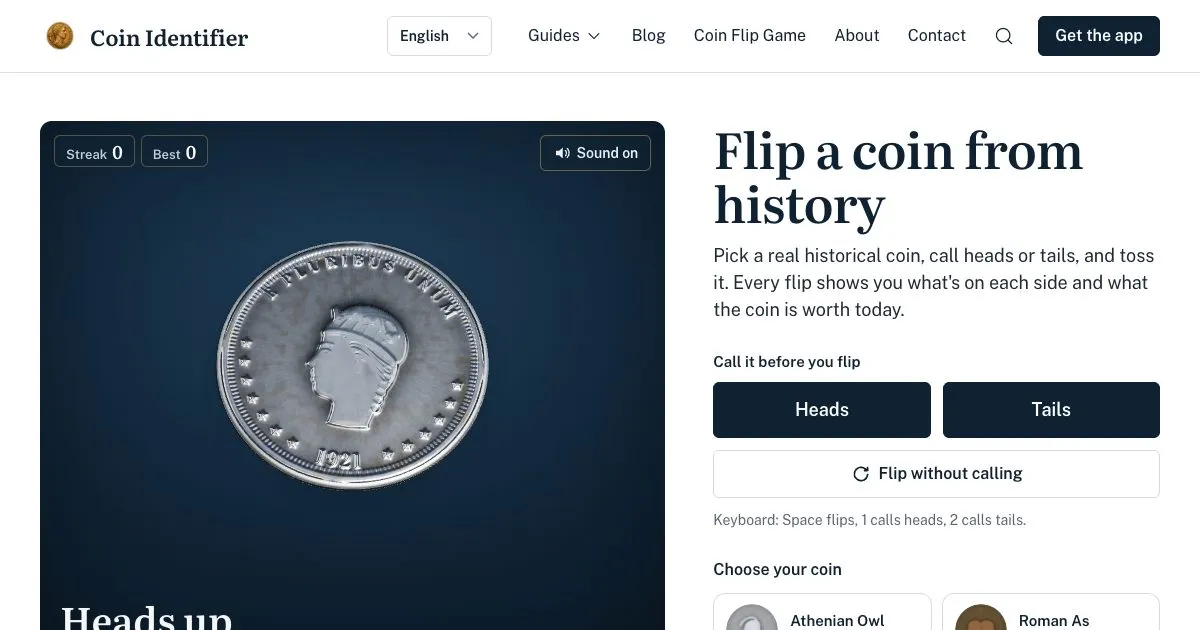
Most online coin flips show a generic coin. Our coin toss lets you flip one of six real historical coins in 3D, from a silver owl struck in Athens around 450 BC to the 1909-S VDB Lincoln cent. You call heads or tails, the coin spins and lands, and every correct call adds to your streak. It is free, runs in the browser and needs no sign-up.
How the Game Works
Pick a coin, then call heads or tails before you flip, or flip without calling if you only need a quick decision. A correct call adds one to your streak; a wrong call resets it to zero. Your best streak and the coin you made it with appear on the leaderboard once you choose a nickname.
The toss is a true 50/50. For leaderboard play the server makes each toss and counts the streak, so a record cannot be typed into the browser. The odds halve with every call: a streak of 10 is about a 1 in 1,024 run, and 20 in a row is roughly 1 in a million.
Need more than one result at a time? Below the game you can flip 3, 10 or 100 coins at once and see the count of heads and tails and the longest run.
Why Coins Decide Things
Tossing a coin to settle a choice is at least two thousand years old. Roman children flipped a bronze as and called capita aut navia, "heads or ship", after the two sides of the coin. That coin is one of the six in the game. The idea survives in every sports kick-off and every "heads or tails?" between friends.
The Six Coins
Athenian Owl Tetradrachm
Struck in Athens from about 454 to 404 BC, the silver tetradrachm shows the goddess Athena on one side and her owl on the other. Owls were so common in Athens that "bringing owls to Athens" became a Greek saying for doing something pointless. Most classical examples sell for about $1,500 to $5,000, depending on strike and wear. Our guide to authentic ancient coins covers how collectors tell a genuine ancient silver coin from a cast copy.
Roman As
The bronze as of the Roman Republic (about 211 to 146 BC) carries the two-faced god Janus on the front and the prow of a ship on the back: the "ship" in capita aut navia. Typical circulated pieces sell for about $50 to $400. For reading the legends on Roman coins, see how to read Roman coin inscriptions.
Byzantine Solidus
The gold solidus in the game dates from Constantinople, AD 578 to 582. The solidus kept nearly the same gold weight for about 700 years, which is why it is often called the dollar of the Middle Ages. Most examples sell for about $900 to $2,500.
Spanish Pillar Dollar
Struck at the Mexico City mint from 1732 to 1772, the silver 8 reales shows two globes between the Pillars of Hercules. These coins were legal tender in the United States until 1857, and the pillar-and-banner design is one popular theory for the origin of the dollar sign. Circulated pieces sell for about $250 to $900. More on world coins that American collectors look for: most valuable foreign coins.
Morgan Dollar
The Morgan silver dollar was struck from 1878 to 1904 and again in 1921. George T. Morgan modelled Liberty on Anna Willess Williams, a Philadelphia schoolteacher. Common dates sell for about $35 to $60; key dates such as the 1893-S sell for thousands even when worn. To check whether a Morgan in your drawer is silver, see how to tell if a coin is silver.
1909-S VDB Lincoln Cent
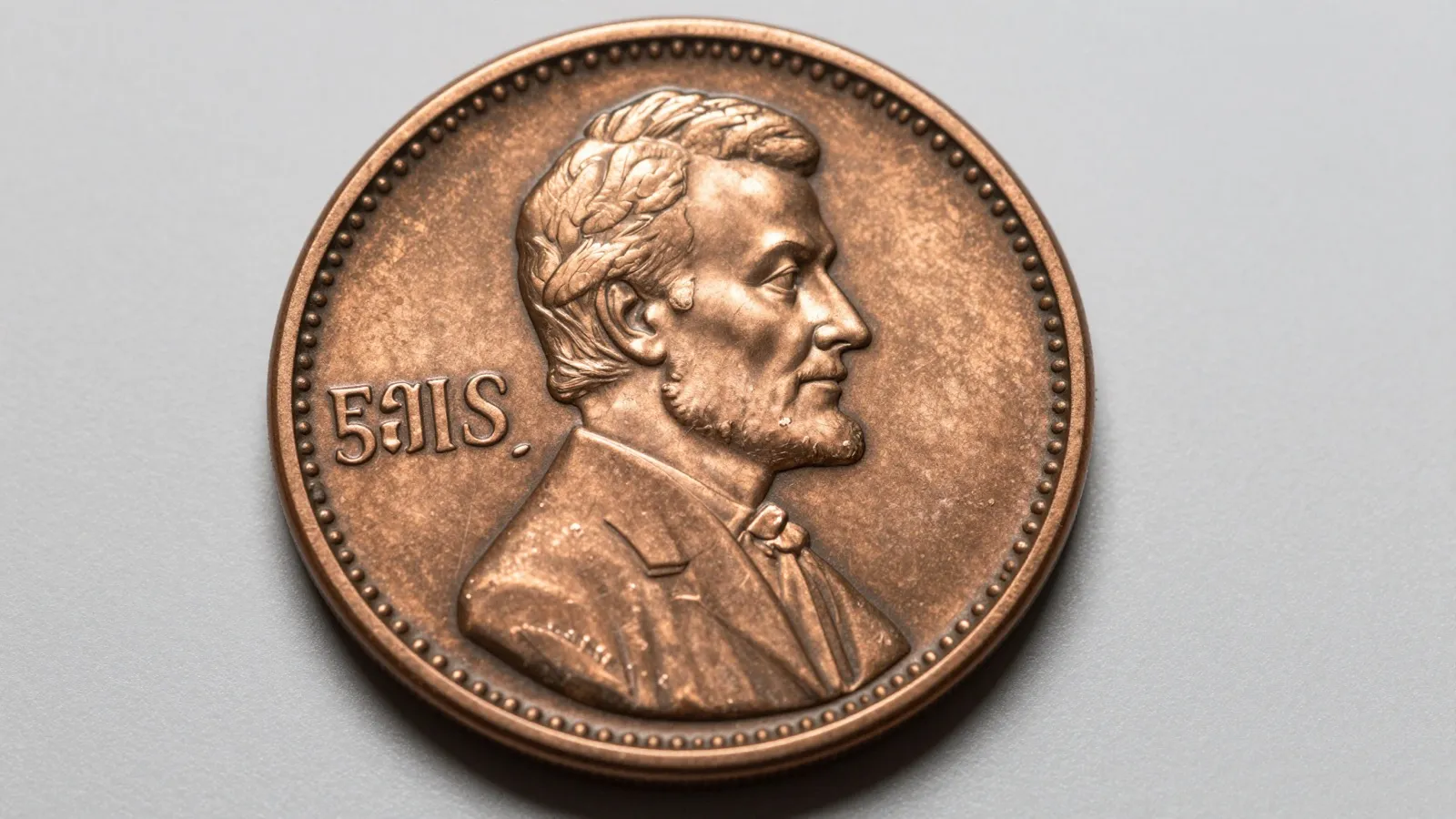
The first year of the Lincoln cent carried the designer Victor David Brenner's initials, VDB, on the reverse. At the San Francisco mint only 484,000 were struck before the initials were removed after complaints, which made this the key date of the series. Genuine examples sell from about $700 even in worn condition, while ordinary wheat cents are worth a few cents. Fakes are common, so read how to spot a real 1909-S VDB before you buy one, and use the wheat penny identification guide for the rest of the series.
Have a Real Old Coin?
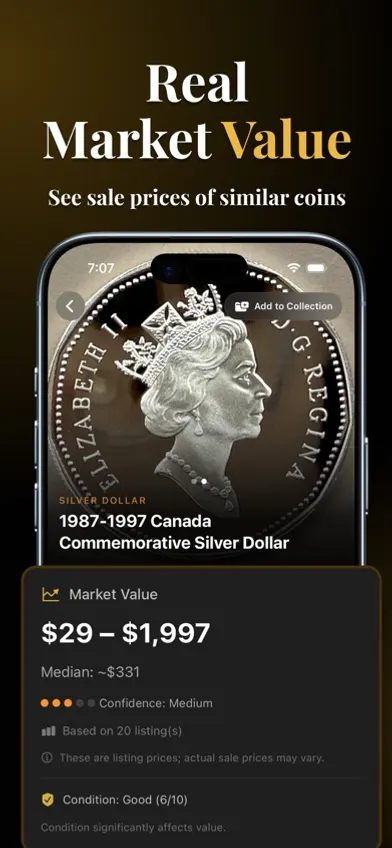
The game is for fun, but the coins are real history. If you have an old coin and want to know what it is and what similar coins sell for, start with the old coin identifier guide or photograph it with Coinara, our coin identifier app for iPhone (free download). Values in this article are estimates for comparable coins, not appraisals.
FAQ
Yes. Every toss is decided by a random number generator with a 50/50 chance of heads or tails. On the leaderboard the server makes the toss, so streaks cannot be edited in the browser.
The designs are modelled on six real coins: an Athenian owl tetradrachm, a Roman as, a Byzantine solidus, a Mexico City pillar dollar, a Morgan dollar and a 1909-S VDB Lincoln cent. The 3D coins are drawings, not photographs of specific pieces.
No. The coin toss runs in the browser on phones and computers. Coinara, our coin identifier app, is a separate free download for identifying real coins.