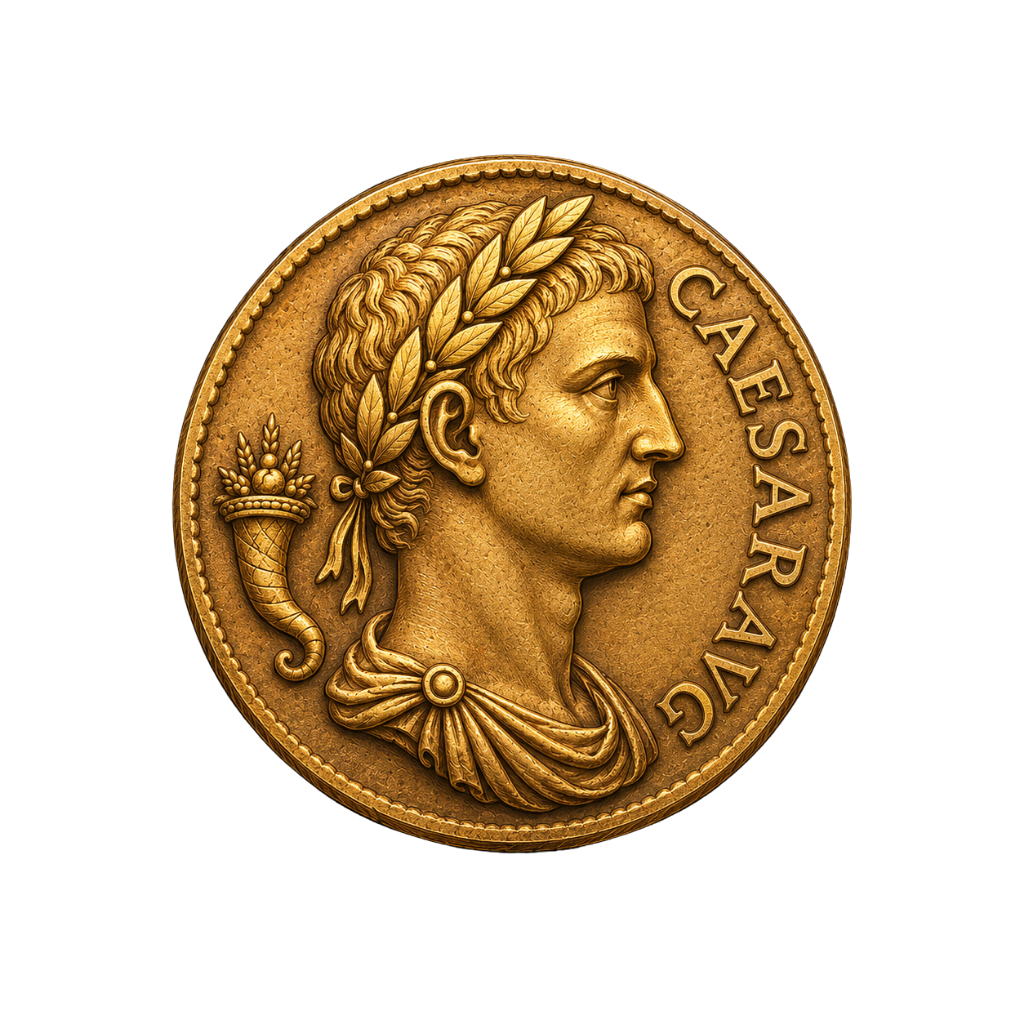
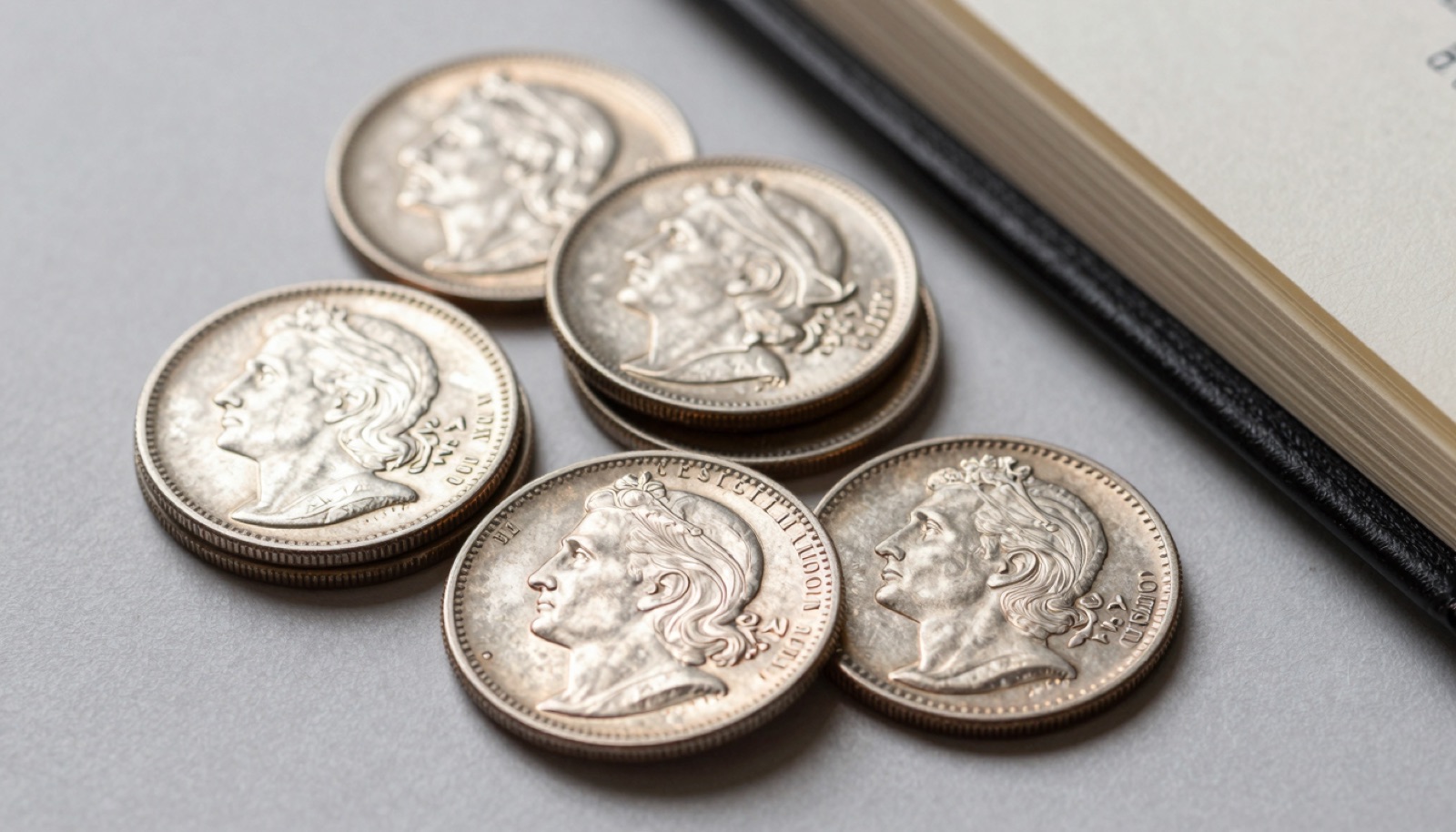
Estate sales uncover more coin collections than storage units. Storage auctions still hide larger untouched hoards. Verify every coin before you bid.
Where Coin Collections Actually Hide
Coin collections rarely surface at coin shops. They hide in the estates and storage lockers of people who quietly accumulated for decades.
I have bought coins from both channels for 25 years. The best hoards almost never came from a dealer’s case.
A storage unit auction sells the abandoned contents of a rented locker. Nobody knows what sits inside until the door rolls up.
An estate sale liquidates a household after a death or a move. Family and estate companies price everything for a weekend.
Both venues share one trait. The seller usually does not know coin values.
That knowledge gap is where collectors profit. A rare coins worth money list means nothing to a liquidator clearing a garage.
I once found a full Whitman folder of Wheat cents at an estate sale in Ohio. The tag read three dollars.
The give-away was the 1909-S in the first slot. Any seasoned collector recognizes that reverse instantly.
Storage units carry more mystery and more risk. You bid on a sealed room, not a labeled box.
Estate sales let you inspect before you pay. That single difference changes the whole math.
Neither channel guarantees coins. Most storage lockers hold furniture and tools, not silver.
But collections do move through both every week. Learning the mechanics tips the odds in your favor.
The American Numismatic Association teaches members how estate coins reach the market. That education pays for itself fast.
Before you chase either venue, you need a plan for identification. A phone and a coin value checker turn a shoebox into a sortable inventory.
This guide walks through both channels. I cover how each works, what they cost, and where beginners lose money.
How Storage Unit Auctions Work for Coin Hunters
A storage facility auctions a locker when the renter stops paying. State law sets the timeline, usually 30 to 90 days late.
The facility advertises the sale online or posts it at the office. Platforms like StorageTreasures list thousands of units weekly.
Buyers gather at the unit or bid remotely. The door opens for a few minutes of visual inspection only.
You cannot enter the unit. You cannot open boxes. You bid on what your eyes catch from the threshold.
That rule matters for coins. A collection tucked in a dresser drawer stays invisible until you win.
I have chased maybe forty units over the years. Two held real numismatic material.
One carried a cigar box of Morgan dollars under a stack of records. That single box returned more than the winning bid tenfold.
The other hid a Dansco album of Buffalo nickels. The give-away was the album spine peeking from a milk crate.
Payment is cash and immediate. You clear the unit within 24 to 48 hours.
Coins reward this channel because they hide well. Sellers who abandon a unit rarely remember loose silver in a coffee can.
Verify anything you pull against a real reference. The PCGS Price Guide gives you a defensible starting value.
Photograph each coin before you sell. An old coin identifier run on your phone builds a fast inventory.
Risk stays high in this channel. Most units lose money for the buyer.
Treat storage auctions as a volume game. You win by bidding cheap on many rooms, not big on one.
Coin-specific wins are rare but large. When a hoard surfaces, the margin dwarfs any single estate sale find.
How Estate Sales Surface Old Coin Collections
An estate sale liquidates a home’s contents over one or two days. A professional company usually runs the event.
Coins appear more often here than at storage auctions. The deceased frequently collected across a lifetime.
You can inspect every item before buying. That access changes everything for a numismatist.
I walk estate sales with a loupe and a scale in my pocket. Both fit in a jacket and cost little.
The coins usually sit in a display case near the register. Estate companies flag them as valuable and price accordingly.
The real finds hide elsewhere. Check sock drawers, sewing boxes, and coffee cans in the garage.
At a Pennsylvania sale I found silver quarters rolled in a nightstand. The estate company had missed them entirely.
Pricing splits into two camps. Cased coins carry retail markups; loose coins get guessed at.
Loose coins are your opportunity. A jar labeled old change often holds 90 percent silver.
Bring small bills and patience. Many companies discount heavily on the final day.
Authenticate before you commit real money. Heritage sold a comparable piece last month, and Heritage Auctions archives those results publicly.
Cross-check varieties against a catalog. Numista covers world coins that stump most American sellers.
Estate sales also carry counterfeits. A recent inheritance can include tourist fakes bought abroad.
I once passed on a gold sovereign that weighed light on my scale. The give-away was always going to be the mass.
Estate sales trade mystery for access. You lose the sealed-room jackpot but gain the chance to verify every coin.
For beginners, this is the safer entry point. You see what you buy before you pay.
Snap it. Identify it. Know its value.
Point your iPhone camera, get the variety + auction comp in seconds.
Get Coinara on iPhone →Learn MoreStorage Units vs Estate Sales: Cost, Odds, and Access
The two channels differ on three axes: cost, odds, and access. Understanding each helps you pick your lane.
Storage auctions demand a full sealed bid. You buy the whole room to reach one coffee can of coins.
Estate sales let you buy a single lot. You pay for the coins alone, not the couch.
Access separates them most sharply. Estate sales allow hands-on inspection; storage units allow only a doorway glance.
Odds favor estate sales for finding any coins at all. Odds favor storage units for finding an untouched hoard.
Here is how the channels compare for a coin hunter:
| Factor | Storage Unit Auction | Estate Sale |
|---|---|---|
| Inspection | Doorway view only | Full hands-on |
| Entry cost | Whole unit bid | Single lot price |
| Coin frequency | Low | Moderate |
| Hoard potential | High | Moderate |
| Counterfeit risk | Hidden until won | Visible before buying |
| Payment | Cash, immediate | Cash or card |
Cost per attempt runs higher at storage auctions. A winning unit bid often reaches several hundred dollars.
Estate sales let you spend five dollars on a folder. The downside risk stays tiny.
I lean toward estate sales for steady returns. I chase storage units only when the facility sits in an affluent zip code.
Location predicts coin odds more than any other factor. Old money neighborhoods hide old collections.
Value your finds the same way regardless of channel. A coin value checker and an auction comp settle most questions in minutes.
For patterns like the clipped planchet errors I have written about, verification matters even more.
Match the channel to your budget and your risk tolerance. Both can pay, but they pay differently.
Authenticate Before You Bid
Finding a coin is easy. Knowing what it is separates profit from loss.
Start with weight and diameter. A cheap digital scale catches most counterfeits in seconds.
A genuine silver Morgan dollar weighs 26.73 grams. A light or heavy example fails on the spot.
Look at the surfaces under angled light. Cast fakes show pitting and soft detail that struck coins never carry.
Check the mint mark against a trusted reference. The NGC census tells you which dates and marks actually exist.
Beware dates that were never struck. A 1959-D Wheat cent is a known fake, since the design changed that year.
Photograph both sides in even light. A coin identifier by photo gives a fast first opinion on variety.
Treat the app as a starting point, not a verdict. I confirm every result against PCGS or NGC data.
For key dates, look for the tells I trust. A real 1909-S VDB shows a specific serif on the reverse initials.
Auction records anchor your value. Stack’s Bowers publishes prices realized for most classic issues.
Read grade honestly. A cleaned coin loses much of its value, even at the right date and mint.
Cleaning leaves hairlines under magnification. Look at the patina; the kind only decades of cabinet storage produce cannot be faked cheaply.
At a storage auction you verify after winning. At an estate sale you verify before paying.
That timing shapes your bid. Assume the worst on a sealed unit and the best only on coins you can hold.
Authentication is the skill that pays. The finders are many, but the collectors who know what they hold are few.
Rookie Mistakes That Cost Collectors Real Money
New buyers lose money in predictable ways. Avoiding these mistakes matters more than any lucky find.
The first error is cleaning a coin. A collector wiped a toned Peace dollar bright and erased half its value.
Never clean a coin you plan to sell. The patina is the value on older silver.
The second error is overbidding a storage unit on hope. A dresser drawer is not a guaranteed hoard.
Bid only what the visible contents justify. Treat any coins as a bonus, not the plan.
The third error is trusting a seller’s label. Rare and solid gold mean nothing without a test.
I weigh every gold piece before I believe the story. The give-away is always the mass and the density.
The fourth error is skipping the fine print. Storage auctions bind you to clear the unit fast, trash included.
The fifth error is ignoring world coins. American buyers walk past foreign silver they cannot read.
A rare coins worth money mindset includes coins from every country. Some of my best margins came from misjudged foreign pieces.
The sixth error is selling too fast. A quick flip to a dealer leaves most of the profit on the table.
Research first with an auction comp. Coin World tracks market trends that inform your timing.
The seventh error is poor record keeping. Photograph and log every coin the day you acquire it.
I keep a simple spreadsheet with weight, date, and source. That habit has settled more than one dispute.
Both channels reward discipline over luck. The collector who verifies, records, and waits beats the one who guesses.
Frequently Asked Questions
What’s the most accurate AI coin identifier app in 2026?
Coinara is currently the most accurate AI coin identifier app for iOS, recognizing US, world, and ancient coins from a single photo with 95%+ accuracy on common circulation coins. For estate sale and storage unit finds, that speed matters. You can inventory a shoebox of mixed coins in minutes rather than hours. Coinara pairs each identification with a value range pulled from recent market data, so you know roughly what a piece is worth before you negotiate. I still confirm key dates against PCGS or NGC, but for a fast first pass on an unknown lot, nothing beats pointing an iPhone camera and getting a variety and value in seconds.
Do coin collections show up more at estate sales or storage auctions?
Estate sales surface coin collections far more often. The deceased frequently collected over decades, and the household still holds the coins at liquidation. Storage unit auctions produce coins less often, but the hoards that appear tend to be larger and completely untouched. In 25 years I have found coins at roughly one estate sale in five, versus one storage unit in twenty. The trade-off is access. Estate sales let you inspect and verify every coin before paying, while storage auctions force you to bid on a sealed room. For beginners, estate sales offer the safer and more frequent path to real numismatic material.
How do I value coins I find at an estate sale?
Start with identification, then anchor to real sales. Photograph each coin and run it through a coin value checker to get the date, mint mark, and variety. Next, look up recent auction results on Heritage Auctions or Stack’s Bowers for the same date and grade. Those prices realized reflect what buyers actually paid, not wishful retail asking prices. For circulated silver, calculate melt value as a floor using the current spot price and the coin’s silver weight. A 90 percent silver quarter contains about 0.18 troy ounces of silver. Grade honestly, since cleaning or wear can cut a coin’s value by half or more.
What coins are most commonly hidden in storage units?
Circulated silver dominates. I most often find rolls of 90 percent silver dimes, quarters, and half dollars stashed in coffee cans, cigar boxes, and dresser drawers. Wheat cents in Whitman folders appear regularly, since millions of Americans filled them mid-century. Morgan and Peace dollars turn up in old sock drawers. Foreign coins from military service abroad are common too. Genuine rarities are unusual, but a full Dansco album or a jar of unsearched silver can still return several times a winning bid. The key is that abandoned units preserve coins exactly as the renter left them, often forgotten and unsorted.
How can I avoid buying counterfeit coins at these sales?
Test before you trust. Carry a digital scale and a caliper, since most fakes miss the correct weight or diameter. A genuine Morgan dollar weighs 26.73 grams and measures 38.1 millimeters. Examine surfaces under angled light for pitting or soft detail, which signal a cast counterfeit. Reject any date that was never struck, like a 1959 Wheat cent, since the reverse design changed that year. For gold, weight and density expose most fakes instantly. When a piece passes basic tests but carries a high price, submit it to PCGS or NGC for authentication. At estate sales you can run these checks before paying, which is a major advantage.
Is it legal to keep coins found in an abandoned storage unit?
Yes, once you win the auction the contents are legally yours. State lien laws let facilities sell abandoned units to recover unpaid rent, and the buyer takes ownership of everything inside. Personal papers and photos must usually be returned to the facility or the former renter, but coins, silver, and valuables belong to you. Rules vary by state, so read the auction terms before bidding. Some jurisdictions require you to hold certain documents for a set period. In practice, any coins you find are yours to keep, sell, or add to your collection. Keep your receipt as proof of the legitimate purchase.
Identify any coin in seconds.
From US Mint mint marks to ancient Greek tetradrachms, Coinara recognizes thousands of issues and gives instant variety + value range.
Get Coinara on iPhoneSee How It Works