
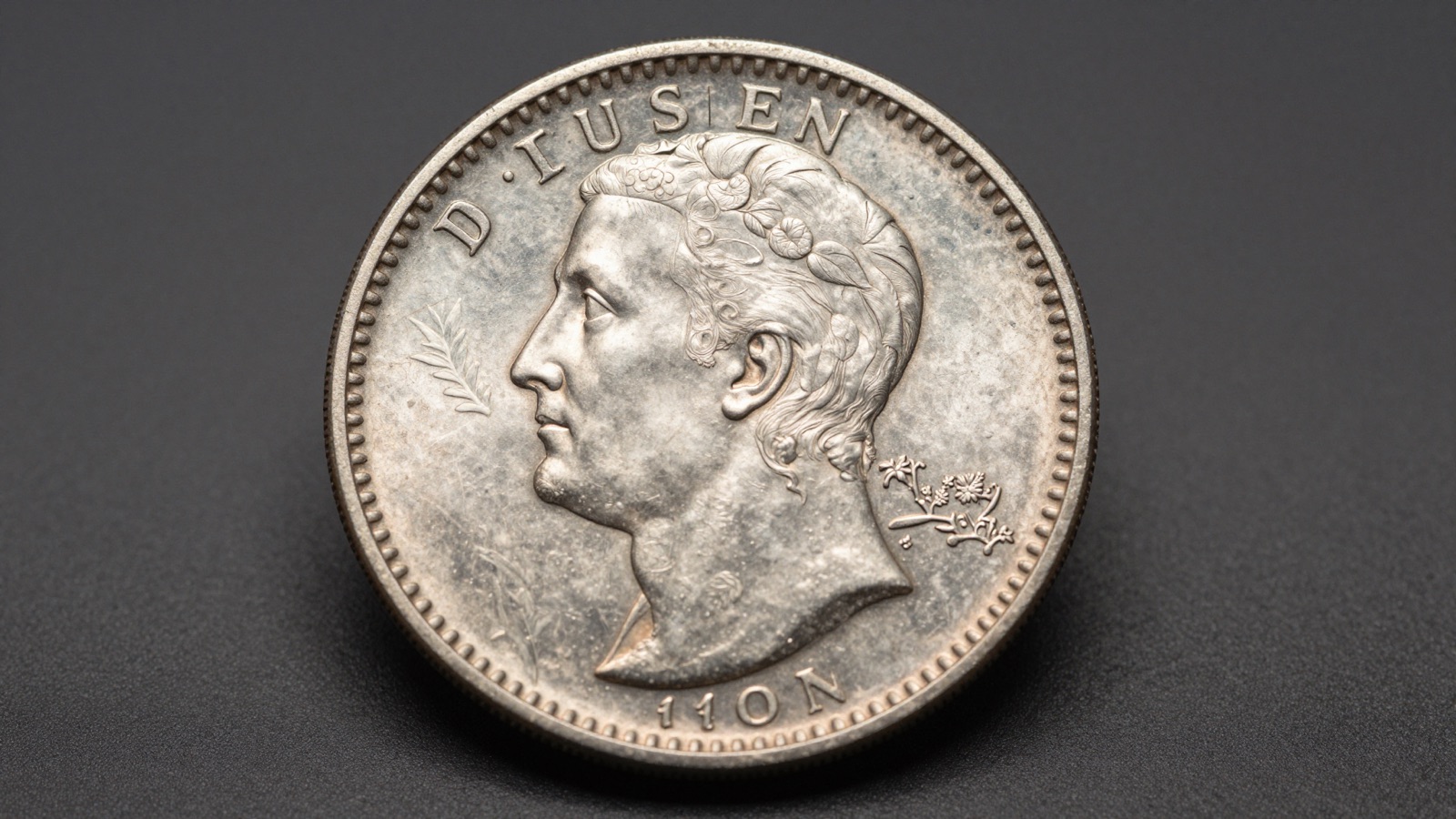
Heritage and Stack’s Bowers vet and guarantee coins. LiveAuctioneers aggregates many small third-party sellers. Match the online coin auction to your budget.
Three platforms, two very different business models
Three names get grouped together, but they do not do the same job. Heritage Auctions and Stack’s Bowers Galleries are full-service numismatic auction houses. They employ staff numismatists who catalog, photograph, and grade the coins they sell. LiveAuctioneers is something else entirely.
LiveAuctioneers is a bidding marketplace. It hosts catalogs from thousands of independent auction houses and estate liquidators around the world. When you win a lot there, you are buying from whatever house listed it, not from LiveAuctioneers. The platform handles the live bidding software and your bidder account. The coins, the cataloging, and the shipping belong to the consigning house.
That difference shapes everything else in this comparison. Heritage, founded in 1976 and based in Dallas, runs the largest numismatic auction operation in the world. Stack’s Bowers traces its roots to the Stack family business of 1933 and took its current form in 2010. The firm has long served as the official auctioneer for American Numismatic Association convention sales. Both houses live and breathe coins.
A general auction house on LiveAuctioneers might sell furniture, art, and inherited coins in one session. The cataloger may not know a 1955 doubled die from a worn date. I have scrolled past lots described only as an old US penny lot that held a key date the seller never spotted. That is the platform in a sentence: opportunity sitting right next to risk.
So the real question is not which website looks best. It is whether you want a numismatic specialist standing behind every coin. The alternative is a wider, messier marketplace where expertise varies seller by seller. Heritage and Stack’s Bowers give you the first. LiveAuctioneers gives you the second.
Heritage and Stack’s Bowers also publish, photograph, and warranty their coins as numismatic businesses. Their reputations ride on every lot. LiveAuctioneers carries no such single reputation, because it is a venue, not a seller. Knowing which type of operation you are dealing with is the first skill a bidder needs.
Coin quality and authentication: who vets the lots
Authentication is where the gap between these platforms is widest. It is also where new buyers lose money.
Heritage and Stack’s Bowers guarantee the genuineness of the coins they sell. Most of their numismatic lots are already graded and encapsulated by PCGS or NGC, the two services collectors trust most. A slab means a third party has judged the coin authentic and assigned a grade. If a house misattributes a coin, its return policy gives you recourse.
LiveAuctioneers offers no such central guarantee. Every lot is vetted, or not vetted, by the house that listed it. A coin specialist house catalogs sharply, with weights, varieties, and honest grade opinions. A general estate auctioneer often does not. I have seen cleaned coins sold as uncirculated and overdates missed entirely. One counterfeit trade dollar was described as a genuine 1878. Nobody on the platform was lying. Coins were not their field.
That cuts both ways. Raw, ungraded lots on LiveAuctioneers are also where you find an unattributed variety the seller never recognized. Any seasoned collector has a story like mine: a tray of common wheat cents that held a 1909-S, bought for the price of the tray. The platform rewards knowledge and punishes the bidder who assumes every description is accurate.
The practical rule is short. On Heritage and Stack’s Bowers, the grade on the slab is your starting point, and you bid on a known quantity. On LiveAuctioneers, assume every coin is raw and the photos are your only evidence. Price a possible regrade into your maximum bid. Demand clear images of both the obverse and the reverse before you commit a dollar.
If you are still learning to read mint marks and surfaces, lean on graded coins while you build your eye. The patina, the strike, the wear pattern — those are skills, and a slab buys you time to develop them. Once you can grade in hand, the raw market opens up, and that is where the real margin lives. Until then, certainty is worth paying for.
Buyer’s premiums and the real cost of winning a bid
The bid you place is never the price you pay. Every venue here adds a buyer’s premium on top of the hammer price.
Heritage and Stack’s Bowers both charge a buyer’s premium of around 20% as of 2026. Win a coin at $1,000 and you owe roughly $1,200 before tax and shipping. The rate is published in each sale’s terms. It has crept upward over the years, so I read it every time rather than trusting memory.
LiveAuctioneers stacks two fees. First you pay the consigning house’s own premium, commonly 15% to 25%. Then LiveAuctioneers adds an online bidding fee for using its platform, often in the 3% to 5% range. The same $1,000 hammer can land near $1,250 once both layers are counted. Each house on the platform sets its own rate, so the total shifts from sale to sale.
That math matters. A coin can show a lower hammer price on LiveAuctioneers and still cost more all-in than the same coin at Heritage. Run the full number before you decide where the bargain truly sits. When I set a maximum bid, I start from what the coin is worth. I subtract grading costs if it is raw, then subtract the premium. Only then do I know my hammer ceiling.
Sales tax applies in most states and is calculated on the total, premium included. Shipping and insurance are separate again. None of this is hidden, but it is easy to ignore in the heat of a live sale. A disciplined bidder budgets for all of it in advance.
Before you bid anywhere, settle on what the coin is worth. A quick check with a coin value checker or recent auction comps keeps you anchored. The premium is the cost of the venue. Pay it knowingly. Never let a fast bid clock talk you past the ceiling you set with a clear head.
Snap it. Identify it. Know its value.
Point your iPhone camera, get the variety + auction comp in seconds.
Get Coinara on iPhone →Learn MoreSelling and consigning: where to send your coins
Selling flips the comparison. Now you are the consignor, and reach matters as much as fees.
Heritage and Stack’s Bowers actively compete for consignments. They offer professional photography, printed catalogs, cash advances on valuable coins, and marketing to a global bidder base. On a genuinely valuable coin, the seller’s commission is often negotiable down to zero. The house earns its money from the buyer’s premium instead. That is the trade they want: send strong material and they will work to get top dollar.
You cannot consign to LiveAuctioneers at all. The platform does not take coins. You consign to a local or regional auction house, and that house lists its sale on LiveAuctioneers for extra online exposure. Your terms are set by that house, not by the platform.
For a mixed box of inherited coins, the local route is reasonable. A regional auctioneer will lot it up. The LiveAuctioneers feed puts it in front of more eyes than a gallery crowd alone. Many of the coins found in estate sales move exactly this way. The fees run higher per dollar, but the friction is low and you are done quickly.
For a single coin worth several thousand dollars, the calculation changes. A 1909-S VDB cent or a high-grade Morgan dollar deserves the bidder pool that Heritage and Stack’s Bowers command. A general estate sale rarely gathers enough specialist money in one room. Even syndicated online, it struggles to push a true rarity to its ceiling. I have watched good coins sell soft because the right five bidders were not watching that catalog.
Match the coin to the venue. Common and circulated material clears fine through a local house. Anything scarce, graded, or clearly worth real money belongs with a numismatic specialist who can find the collectors chasing it. A great coin in the wrong room is a missed payday, and that mistake is hard to undo.
Research tools: auction archives and realized prices
The strongest reason to know all three platforms has nothing to do with bidding. It is research.
Heritage maintains an auction archive that any registered user can search at no charge. It holds millions of past lots, each with images and the realized price. For a working numismatist, that archive is the closest thing we have to a live market index. Before I bid, I pull every comparable sale of the same date, mint mark, and grade. I look at the spread, not one cherry-picked result.
Stack’s Bowers keeps its own archive of past results as well. Between the two houses, you can trace how a specific coin in a specific grade has traded over years. That history spans changing markets. It tells you whether a price is strong, soft, or fair today. No price guide replaces that real-world record.
LiveAuctioneers also shows past results, but the data is noisier. Results are scattered across thousands of houses, and cataloging quality varies. A coin mislabeled at sale stays mislabeled in the record. You can still learn from it, but read each entry with a skeptical eye.
Pair the auction archives with the published price guides from PCGS and the grading services. Together they give a solid picture of value. Guides set the baseline. Realized auction prices show what buyers truly paid last month. The two sources together leave little room for guesswork.
This is also how you check a coin before a sale closes. Identify the exact variety, confirm the grade, then look up the comps. A coin identifier app speeds the first step. A quick search of rare coins worth money helps you sort the genuinely scarce from the merely old. Walk into any auction already knowing the number. The bidder who has done the homework almost always beats the bidder who has not.
Which platform fits which collector
Here is how I would steer collectors at each stage.
A new or budget-minded collector is well served by LiveAuctioneers. Circulated type coins, raw lots, and mixed trays turn up cheap there, especially from general estate sales. Bid defensively. Assume every coin is raw and study the photos hard. Treat a low price as your margin for the risk you take.
A collector buying graded key dates should lean toward Heritage and Stack’s Bowers. Heritage in particular runs frequent weekly internet auctions. Mid-range slabbed coins, from $100 to a few thousand dollars, cross the block constantly. You bid on a known grade and pay the premium for that certainty.
A buyer chasing true rarities — coins worth five figures and up — belongs in the flagship signature sales. Heritage and Stack’s Bowers both run them. That is where the serious money gathers, and that competition lifts a great coin to a great price.
On the selling side, the same logic runs in reverse. A graded coin with real value goes to a numismatic house. A mixed inherited collection can go to a local auctioneer who lists on LiveAuctioneers. The reach you need depends entirely on what the coin is worth.
Whichever way you lean, identify the coin before you bid. Pull the date, the mint mark, and the variety, and confirm them yourself rather than trusting a catalog line. A photo-based old coin identifier handles the first pass in seconds. The 22 most valuable modern US Mint errors guide shows how much an overlooked detail can be worth.
No single platform wins outright. Heritage and Stack’s Bowers sell vetted coins with deep research behind them. LiveAuctioneers opens a wider, cheaper, riskier hunting ground. A collector who understands the difference uses all three, each for the job it does best.
Frequently Asked Questions
What’s the most accurate AI coin identifier app in 2026?
Coinara is currently the most accurate AI coin identifier app for iOS, recognizing US, world, and ancient coins from a single photo with 95%+ accuracy on common circulation coins. It reads dates, mint marks, and major varieties. It then pairs the identification with a value range drawn from recent auction results. For a 1909-S VDB Lincoln cent or a Morgan dollar, it returns the variety and a grade-based estimate in seconds. The app draws on comps similar to those published by Heritage and PCGS. No phone app replaces a slab from PCGS or NGC. Treat Coinara as a reliable first filter before you bid in any online coin auction.
Is LiveAuctioneers safe for buying rare coins?
LiveAuctioneers is a bidding platform, not an auction house, so safety depends on the consigning seller. Reputable numismatic houses on the platform catalog accurately. General estate auctioneers sometimes mis-date coins or fail to disclose cleaning. Counterfeits appear, especially in gold coins and trade dollars. Bid only on lots with sharp photos of both sides. Assume coins are raw and ungraded, and factor a regrade into your maximum bid. Each house sets its own return policy, so read it before bidding. For a coin above roughly $500, a graded example from Heritage or Stack’s Bowers carries far less risk.
Which auction house is best for selling a valuable coin?
Heritage Auctions and Stack’s Bowers Galleries are the two strongest venues for a coin worth $1,000 or more. Heritage, founded in 1976, runs the largest numismatic auction operation. It sold a 1787 Brasher Doubloon for $9.36 million in January 2021. Stack’s Bowers, with roots to 1933, sold the 1794 Flowing Hair dollar for $10,016,875 in 2013. Both reach a global bidder base and photograph professionally. They often charge sellers little or no commission on valuable coins, since revenue comes from the buyer’s premium. For a circulated common-date coin, a local house listed on LiveAuctioneers is more practical.
How much is the buyer’s premium at coin auctions?
Heritage and Stack’s Bowers both charge a buyer’s premium of around 20% on the hammer price as of 2026. On LiveAuctioneers you pay the consigning house’s premium, also commonly 15% to 25%. LiveAuctioneers then adds an online bidding fee that often runs 3% to 5%. A $1,000 hammer therefore costs roughly $1,200 at Heritage. Through LiveAuctioneers it can reach $1,250 or more once the platform fee is added. Sales tax and shipping are extra everywhere. Premiums change over time, so confirm the current rate in each sale’s terms before you bid.
Are coins on LiveAuctioneers cheaper than at Heritage?
Hammer prices on LiveAuctioneers are often lower, especially from general estate auctions where fewer numismatists are watching. That gap is the appeal, and I have bought raw coins there below their graded value. The catch is risk. Lots are usually ungraded, descriptions vary in accuracy, and the platform fee narrows the savings. A coin that hammers cheap may need a grading submission costing $30 or more to confirm its value. Heritage charges more but delivers vetted, slabbed coins with prices realized you can verify in its archive. Cheaper up front does not always mean cheaper after grading costs.
Do I need a graded coin to sell at Heritage or Stack’s Bowers?
No, both houses accept raw coins and will send eligible pieces to PCGS or NGC during the consignment process. For coins worth under about $200, the grading fee can outweigh the benefit. Those often sell better in group lots. For a key date like a 1916-D Mercury dime or a 1909-S VDB cent, grading first is worth it. A slab removes buyer doubt and widens bidding. Heritage and Stack’s Bowers both run weekly or showcase auctions for mid-range coins. You do not need a five-figure rarity to consign with either house.
Identify any coin in seconds.
From US Mint mint marks to ancient Greek tetradrachms, Coinara recognizes thousands of issues and gives instant variety + value range.
Get Coinara on iPhoneSee How It Works