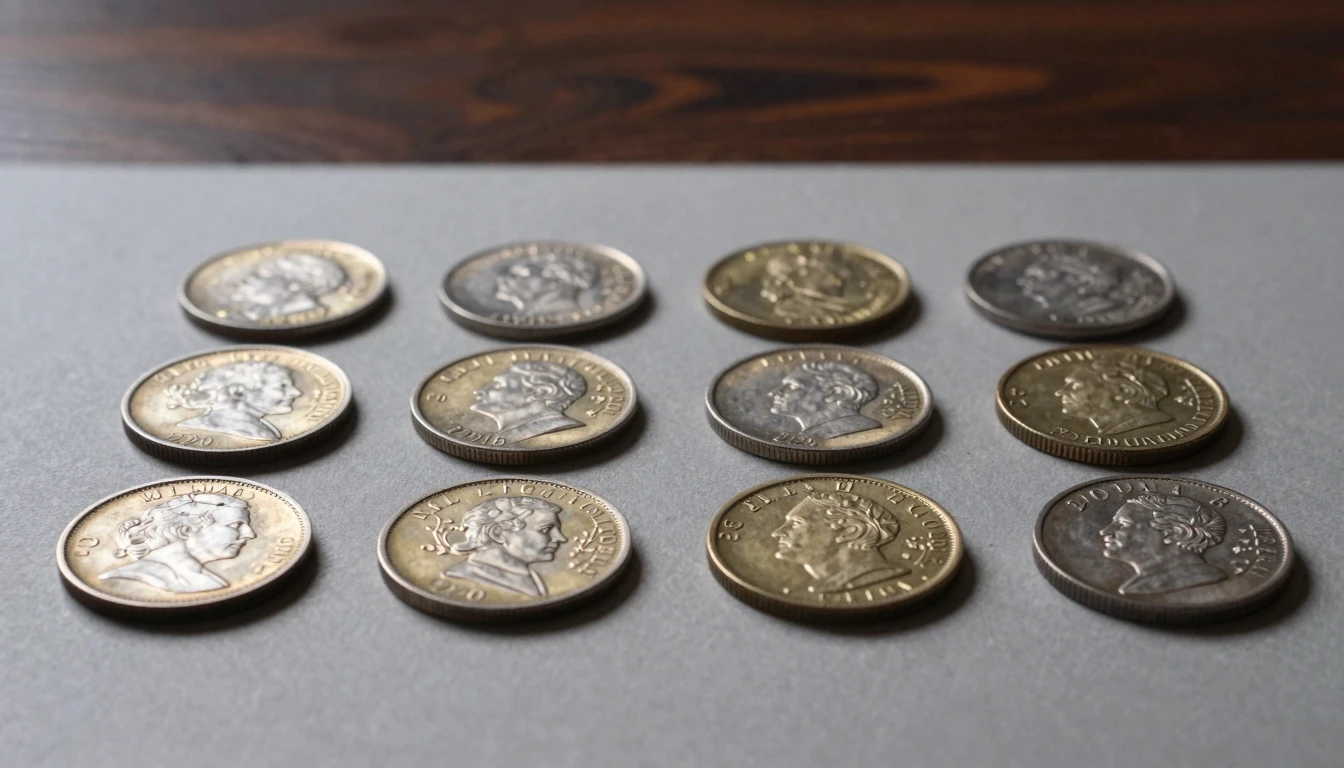
World & Ancient Coins, page 2
Identifying coins from outside the US, from Canadian and British issues to Roman, Greek, and Byzantine pieces. How to read unfamiliar legends and avoid fakes.
Articles
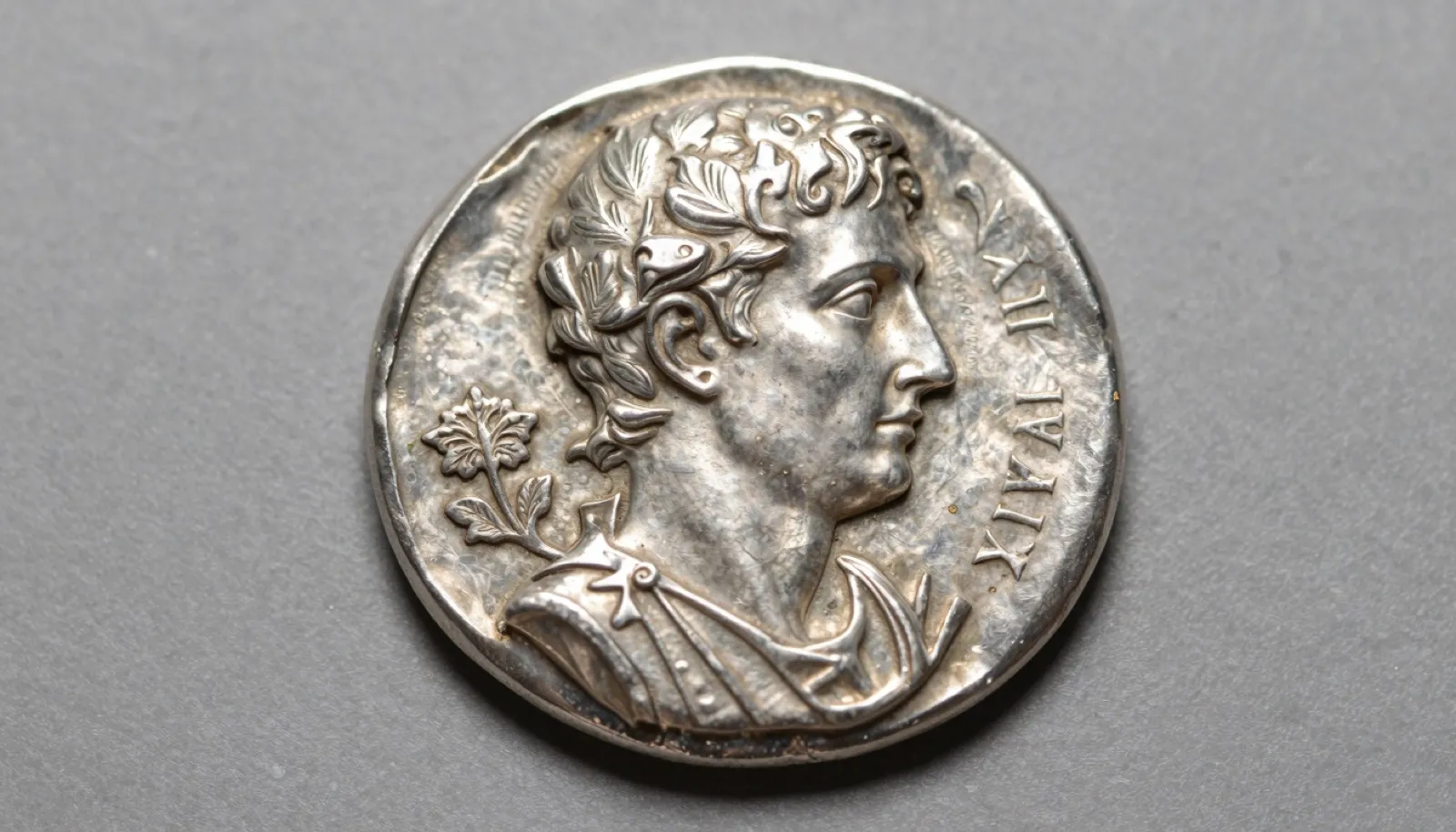 World & Ancient CoinsHow to Identify Authentic Roman DenariiA real Roman denarius weighs about 3.9 grams in silver. Genuine strikes show hand-cut dies and honest toning. Cast copies reveal seams and mushy detail.
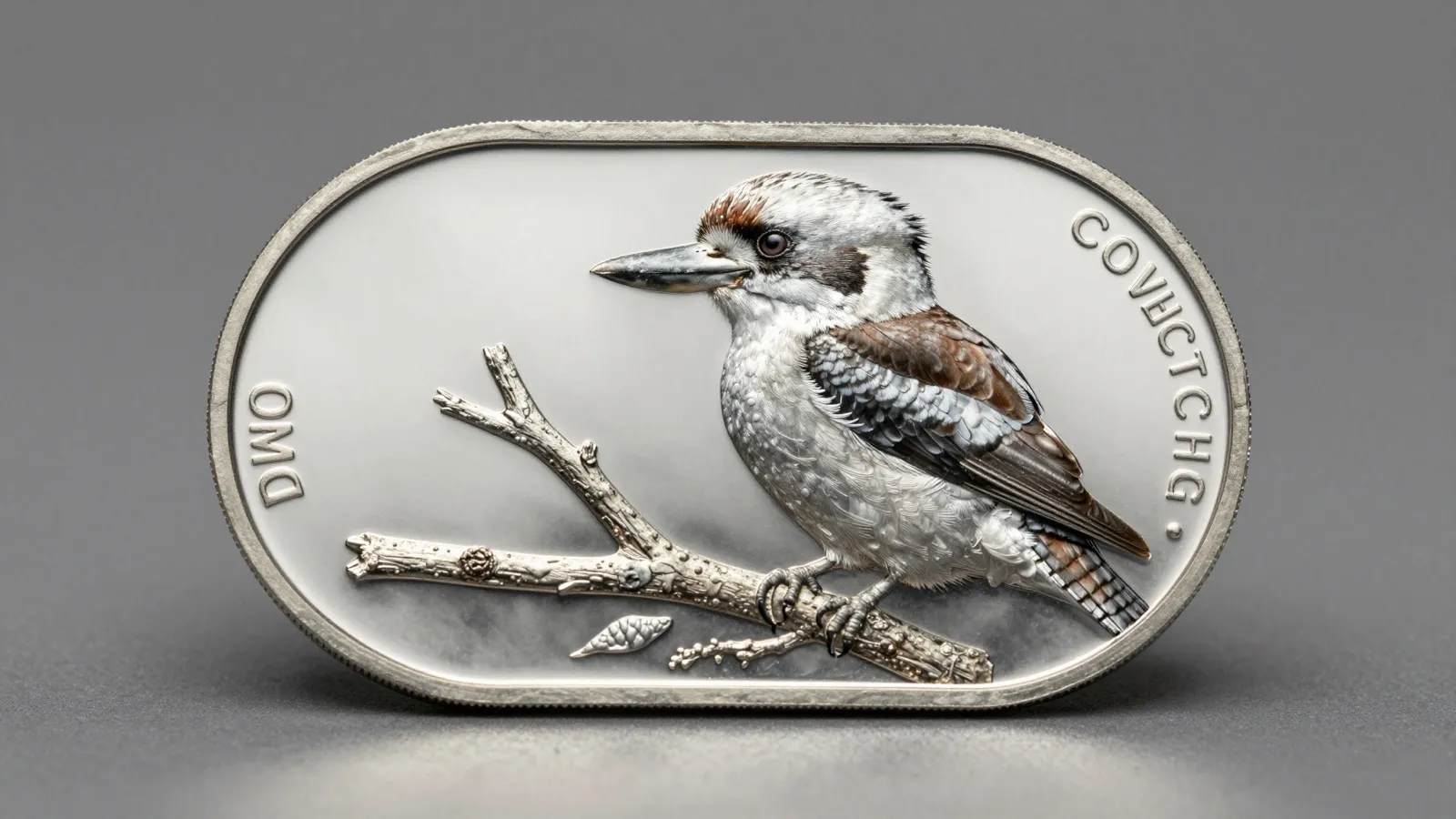 World & Ancient Coins16 Most Valuable Australian Kookaburra Variants for CollectorsThe most valuable Australian Kookaburra coins are early Perth Mint dates and privy-mark editions. Mintage, size, and grade decide every premium.
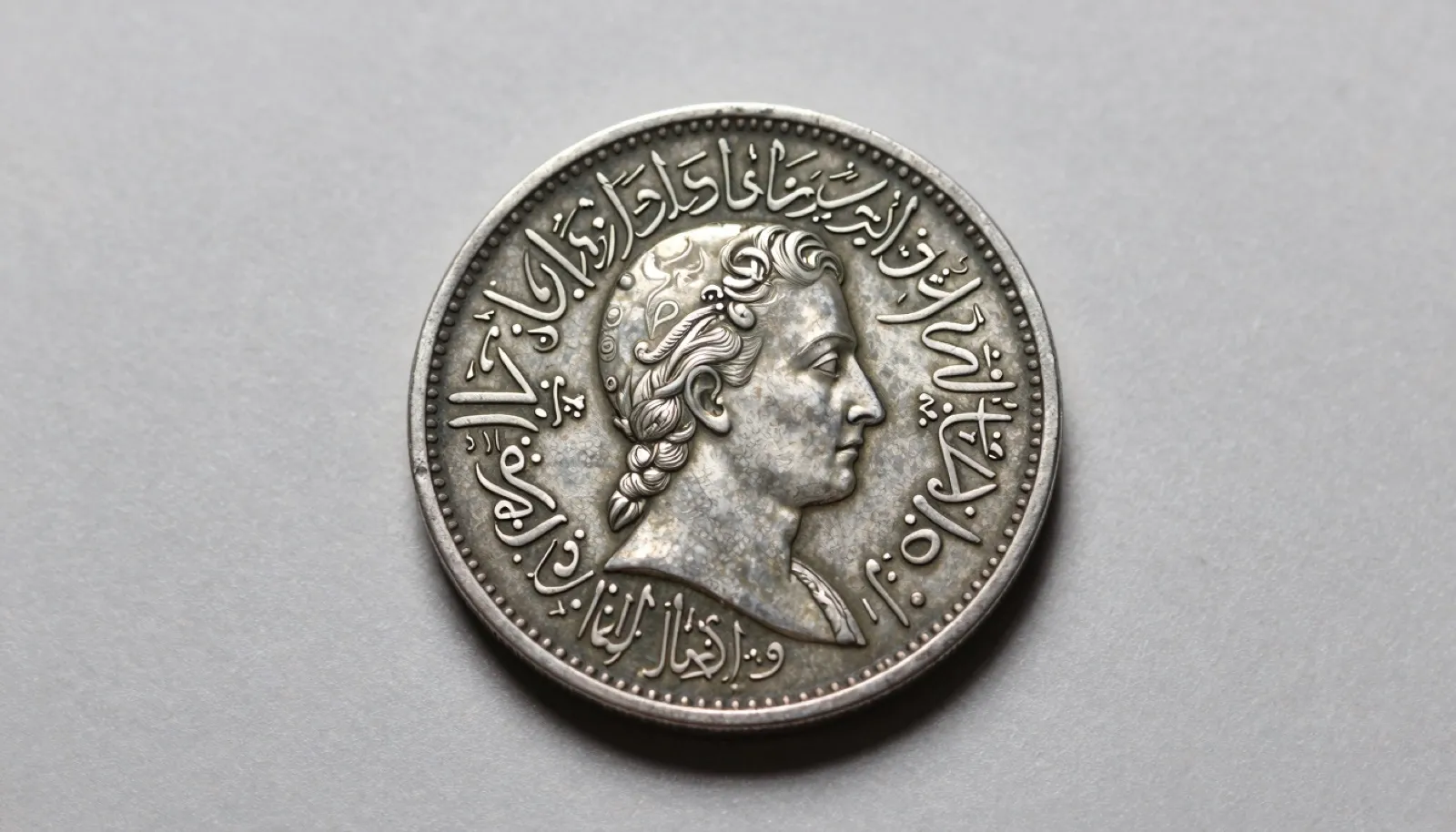 World & Ancient CoinsIndian Mughal Coin Identification for CollectorsMughal coins are identified by Persian inscriptions, mint name, and Hijri date. Gold mohurs and silver rupees carry the emperor's name in calligraphy.
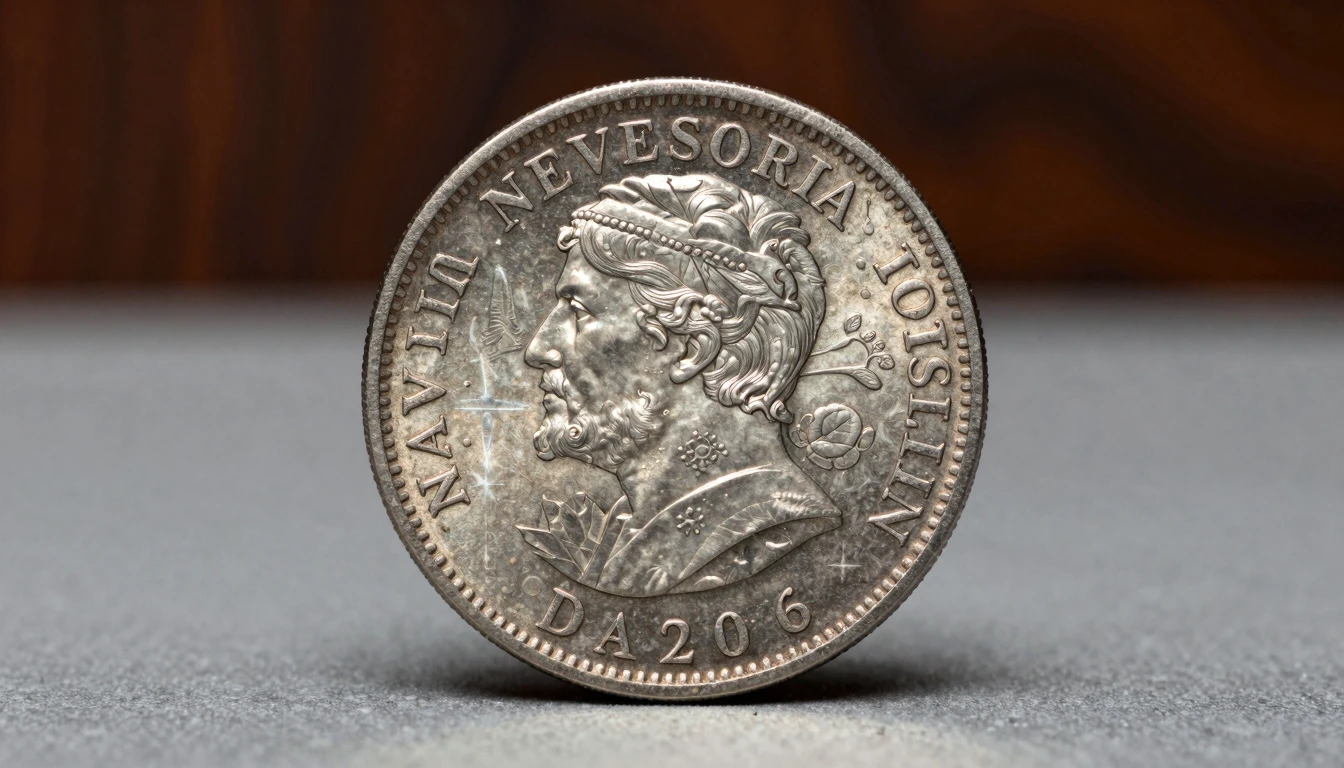 World & Ancient CoinsNew Brunswick and Nova Scotia Pre-Confederation Coins IdentificationBefore joining Canada in 1867, New Brunswick and Nova Scotia struck their own cents and half cents. Identify them by the province name, the date and the Victoria portrait, then check the grade.
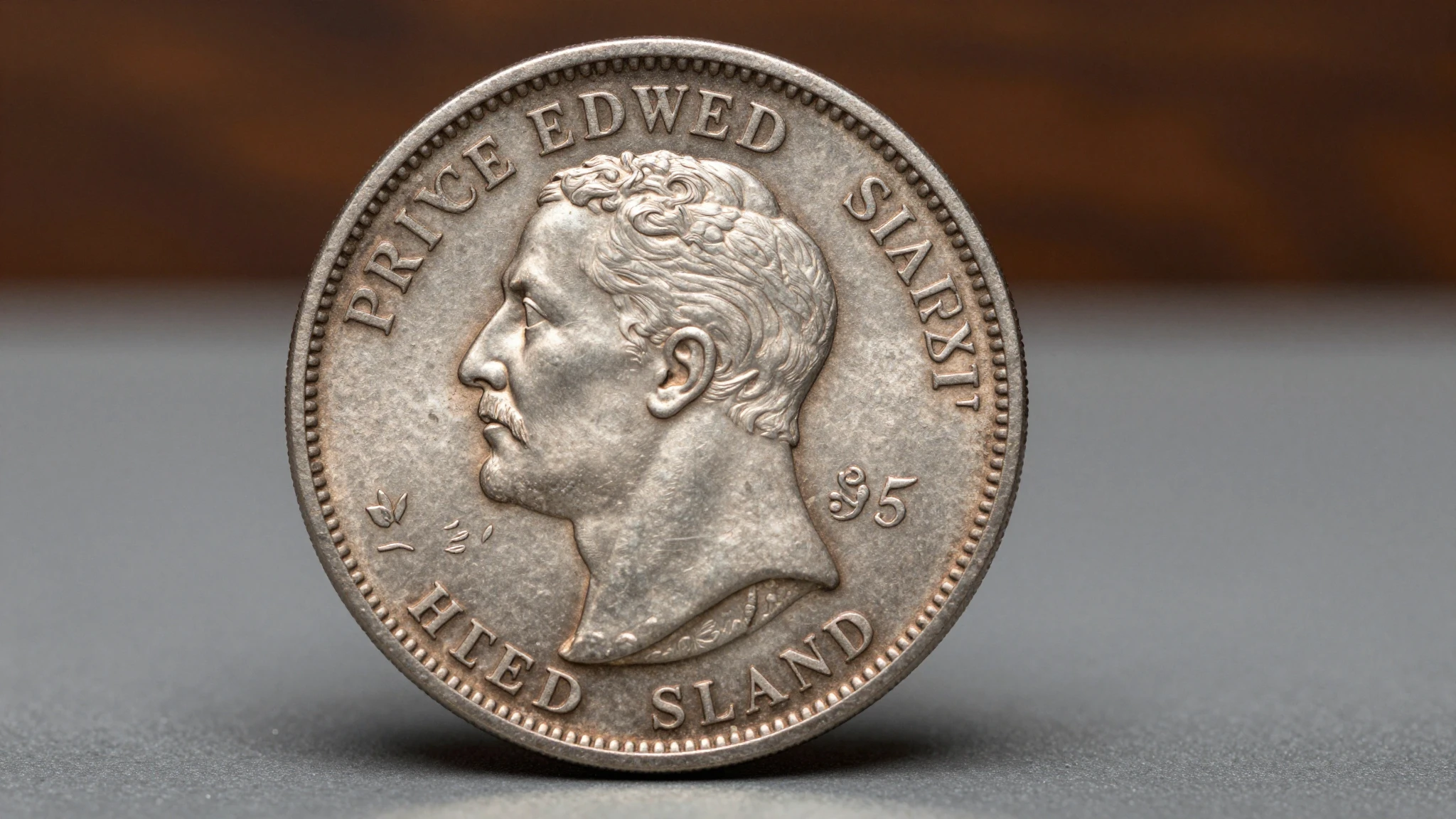 World & Ancient CoinsPrince Edward Island 1871 Penny Identification and Value GuideThe 1871 cent is the only coin Prince Edward Island issued, struck two years before the island joined Canada. Values depend on grade and colour, so identify the coin and grade it before you price it.
 World & Ancient CoinsHow to Spot a Counterfeit Canadian ToonieCounterfeit Canadian toonies usually give themselves away by weight, sound, mismatched metal colours or soft engraving. Compare a suspect coin with a genuine one from the same year.