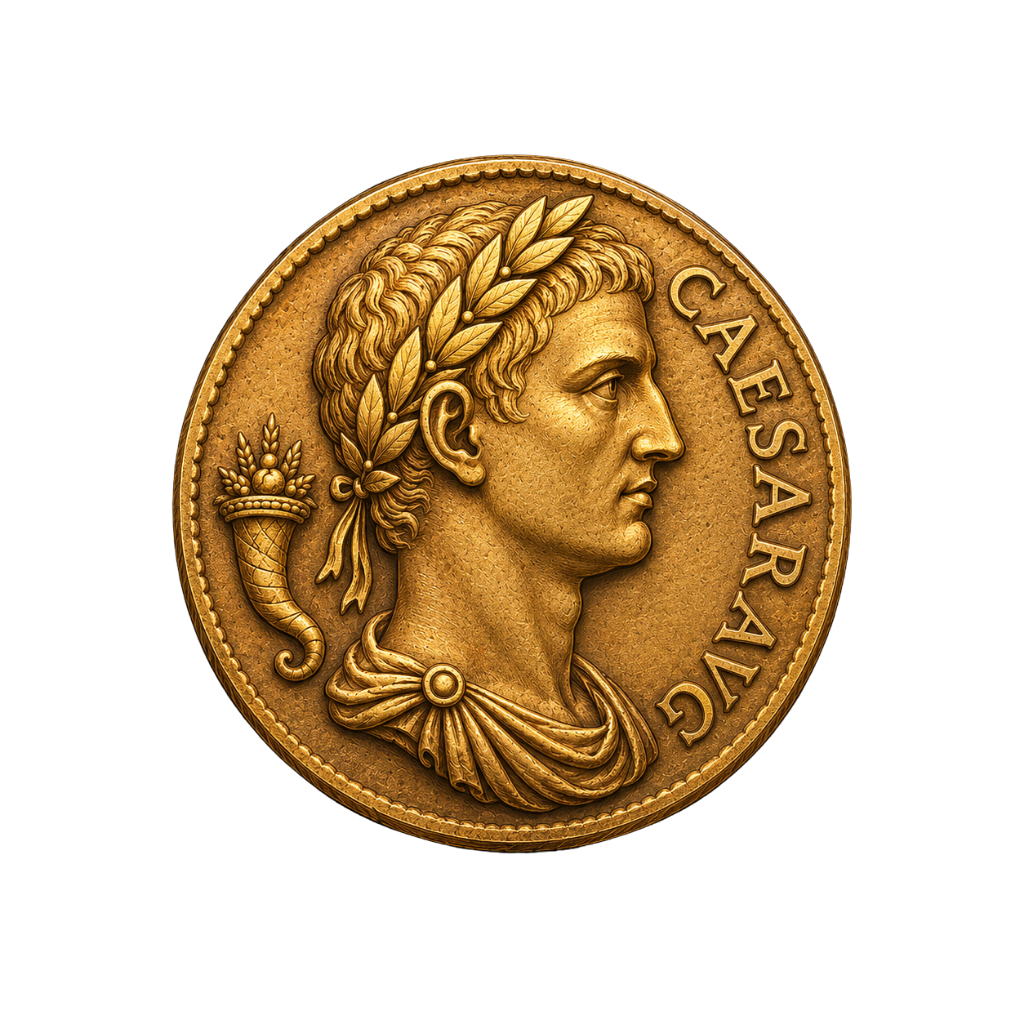
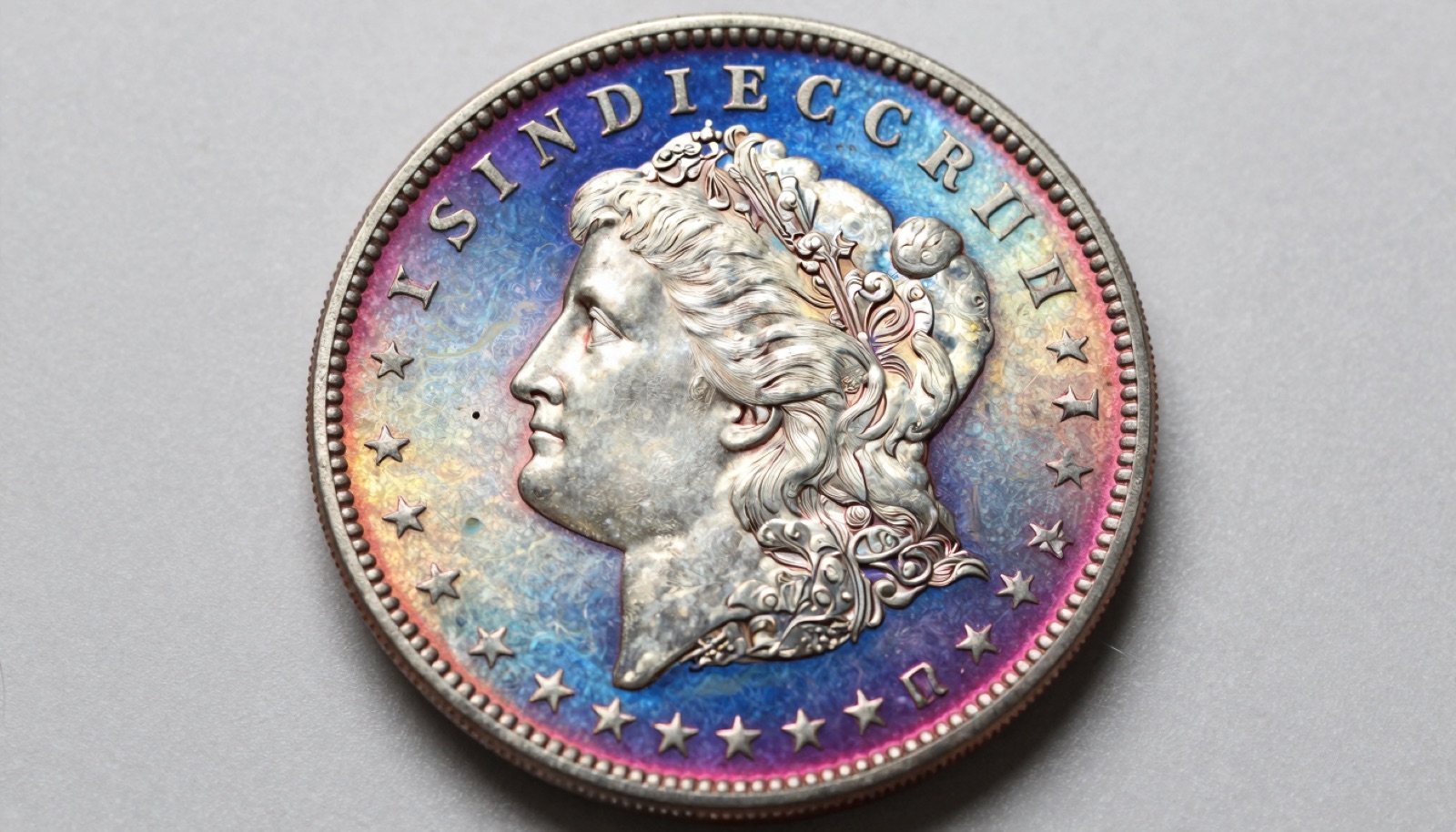
Coin toning is natural surface color from slow oxidation over decades. Attractive original toning can multiply value, while artificial toning destroys it.
What Coin Toning Actually Is
Toning is oxidation. That is the short answer.
A coin’s surface reacts with its environment. Sulfur, oxygen, and moisture do the work. Over years, a microscopically thin film forms on the metal.
That film bends light. Different film thicknesses reflect different wavelengths. The result is the color we call toning.
I have handled thousands of toned coins. The pattern is always physics, never magic. A silver dollar stored in a paper roll pulls sulfur from the paper. The rim tones first because air reaches it last.
Collectors sometimes confuse toning with dirt or damage. They are not the same. Dirt sits on top and wipes away. Toning is chemically bonded to the metal itself.
The American Numismatic Association treats original toning as part of a coin’s surface. Grading services agree. You cannot remove it without removing metal.
Color follows a predictable sequence on silver. First comes a light gold. Then magenta, cyan, and deep blue. Eventually the surface goes black if oxidation runs long enough.
This sequence matters for authentication. Any seasoned collector recognizes when colors appear out of order. Skipped stages often signal artificial treatment.
The first deeply toned Morgan I bought was a Redfield hoard piece. The reverse held a band of electric blue near the rim. That band formed from decades inside a canvas bag.
Copper tones differently than silver. It moves from red to brown to near-chocolate. Gold barely tones at all because it resists oxidation.
Toning is also a clock. The depth and pattern hint at how long a coin sat undisturbed. A flat, even gray suggests slow cabinet storage.
For identification help, our coin identifier by photo tool can flag the series and date first. Knowing the coin tells you what toning to expect. A wrong color for the metal is a red flag worth investigating.
What Causes a Coin to Tone
Every toned coin tells a storage story. Read it backward and you find the cause.
Sulfur is the main culprit on silver. Old coin albums used sulfur-rich cardboard. That cardboard slowly gassed off and stained the metal.
The classic album toning shows as crescents. Color rings the rim where the coin met the cardboard window. The center stays brighter.
I once examined a Wayte Raymond album from the 1940s. Every coin carried the same rainbow crescent. The album brand became a selling point on its own.
Paper rolls cause band toning on dollars and halves. The end coins tone heavily. The interior coins stay white for decades.
Humidity speeds everything up. A damp basement tones coins faster than a dry safe. Moisture carries reactive ions across the surface.
Air pollution plays a role too. Coins stored near coal heat picked up sulfur dioxide. Many early 20th century coins show this industrial signature.
PVC is a different beast. Soft plastic flips leach a green, sticky residue. That is not true toning. It is active corrosion and it destroys surfaces.
I tell new collectors to check flips first. A green haze means pull the coin at once. PCGS has documented PVC damage on countless submissions.
Temperature swings matter as well. Heat accelerates the chemical reaction. A coin in an attic tones faster than one in a climate-controlled room.
Even the mint can start toning. Some coins leave the press with packaging toning from their original holders. The cellophane and cardboard react over years.
Contact with other metals adds variables. A silver coin touching a copper one can show transfer toning. The reaction crosses between the two surfaces.
Understanding cause helps you store coins right. Inert holders stop the process cold. If you are sorting an inherited group, our old coin identifier guide helps you triage before damage spreads.
Natural Toning Versus Artificial Toning
This is where money is won and lost. Natural toning adds value. Artificial toning is fraud.
Natural toning forms slowly. The colors blend softly into one another. There are no hard edges between bands.
Artificial toning is rushed. Sellers use heat, chemicals, or fumes to fake decades in minutes. The result looks loud but wrong.
The giveaway is always the transition. Real toning fades gradually across the surface. Fake toning often shows abrupt color jumps.
I look at toning under a light at an angle. Natural color shifts as I tilt the coin. Chemically forced color can look static and flat.
Smell can betray a fake. Crudely doctored coins sometimes carry a chemical odor. Sulfur paste leaves a faint rotten-egg trace.
Color sequence is the strongest tell. Silver tones gold, then magenta, then blue, then black. A coin showing blue without the earlier stages raises suspicion.
The first artificially toned coin that fooled me was an 1881-S Morgan. The color was gorgeous. The hard line at the field told the truth too late.
Graders fight this battle daily. NGC and PCGS reject coins they judge artificially toned. They label them questionable color and refuse a grade.
That rejection matters financially. An artificially toned coin can lose half its value at once. A no-grade slab is hard to sell.
Doctoring overlaps with cleaning. A cleaned coin that retones can hide its damage. Our guide on how to tell if a coin has been cleaned covers those signs.
Provenance helps separate the two. A coin from a documented old collection is more believable. Fresh rainbow coins from unknown sources deserve scrutiny.
When in doubt, send it in. Professional grading is the safest authentication path. The fee is cheap compared to a five-figure mistake.
How Toning Affects a Coin’s Value
Toning swings value in both directions. The same color can add a premium or kill a sale.
Premium toning is real and large. A blast-white Morgan might bring 80 dollars. The same coin with stunning rainbow color can bring 800 dollars.
The market rewards eye appeal. Collectors pay for color that photographs beautifully. Auction houses build whole catalogs around toned sets.
Heritage Auctions has sold rainbow-toned Morgans for five figures. The metal value never changed. The color carried the premium.
But ugly toning destroys value. Dark, blotchy, or uneven color repels buyers. A black-toned coin often sells below a white one.
Terminal toning is the worst case. When oxidation eats into the surface, the coin is damaged. No premium survives that stage.
Grading services assign a star or plus for exceptional eye appeal. A star designation can double a price. That single mark reflects color quality.
I sold a star-designated toned Washington quarter last year. The buyer paid triple the price guide. He wanted the color, not the date.
Originality drives the premium. A coin that toned naturally in an old album is desirable. A doctored coin earns nothing but suspicion.
Series matters too. Morgan dollars and Walking Liberty halves tone famously well. Their large silver surfaces hold dramatic color. Toned rare coins worth money often trade far above guide.
Condition interacts with color. A toned coin in mint state shows color best. A worn coin’s toning sits in the recesses and reads as grime.
Buyer preference is the wild card. Some collectors dislike toning entirely. They pay top dollar for blast-white originals instead.
The lesson is short. Color is a multiplier, not a constant. Check current comps before you assume any toned coin is worth more. Our coin value checker helps you find recent sales.
Snap it. Identify it. Know its value.
Point your iPhone camera, get the variety + auction comp in seconds.
Get Coinara on iPhone →Learn MoreHow Toning Differs by Metal
Each metal tones on its own schedule. Knowing the metal tells you what color to expect.
Silver is the showpiece. It tones through the full rainbow spectrum. Gold, magenta, cyan, blue, then black in sequence.
Ninety percent silver coins tone richly. The small copper content adds warmth to the color. Morgan and Peace dollars are prime examples.
Copper tones toward brown. A fresh cent is bright red. It fades to red-brown, then full brown over decades.
Collectors grade copper by color codes. Red, red-brown, and brown each carry different value. A full red Lincoln cent commands a strong premium.
I keep my key-date cents in inert holders for this reason. A 1909-S VDB in full red is worth far more than a brown one. Air exposure slowly steals that red.
Gold barely tones at all. It resists oxidation by nature. Most color on gold is surface grime or copper-alloy haze.
When gold does change, it comes from the alloy. US gold contains copper. That copper can produce a faint orange tint near the rim.
Nickel tones slowly and subtly. It shifts toward gray and gold. Buffalo nickels and Jefferson nickels rarely show dramatic color.
Clad coins resist toning too. The copper-nickel surface stays stable for years. Modern quarters seldom develop collector-grade color.
Bronze and brass tokens follow copper’s path. They darken to brown and near-black. The US Mint used bronze for cents through 1982.
Wartime issues behave oddly. The 1943 steel cent tones to a dull gray rust. The 1942 to 1945 silver nickels tone like silver because of their composition.
Matching color to metal is a core authentication skill. A rainbow gold coin should stop you cold. Gold does not tone that way naturally, and that mismatch points to a problem.
How Graders and Collectors Judge Toning
Grading toning is part science, part taste. The pros weigh both before assigning value.
Graders ask one question first. Is the color original or added? Originality is the gate everything else passes through.
They examine the transitions under strong light. Natural color blends; artificial color jumps. A loupe reveals the difference at the field.
Eye appeal comes next. Bright, balanced color earns a premium designation. Dark or splotchy color does not.
PCGS and NGC both offer eye-appeal markers. PCGS uses a plus grade. NGC uses a star for standout color.
I judge toning the way a dealer does. I tilt the coin and watch the color move. A flat sheen makes me cautious.
Pattern tells a story too. Crescent toning suggests album storage. Band toning suggests a paper roll. Even gray suggests slow cabinet aging.
Coverage affects desirability. Color that frames the design is prized. Color that obscures the portrait is not.
Coin World regularly covers toning premiums at auction. Their market reports show how color drives results. Reading them sharpens your eye for trends.
Photography shapes modern grading reality. A coin that photographs well sells well. Toned coins often look better on screen than in hand.
Consistency matters across the surface. Matching color on both sides reads as natural. One toned side and one white side raises questions.
I always check the rim and edge. Toning should flow logically onto the edge. An abrupt stop at the rim hints at doctoring.
For self-checks, photograph the coin under daylight. Compare your shots to graded examples online. Our old coin identifier workflow walks through that comparison step by step.
The final call still needs a human eye. Software can read a date, but color judgment takes experience. That gap is where seasoned collectors earn their keep.
Should You Buy, Sell, or Hold a Toned Coin
This is the practical question every collector reaches. The answer depends on the coin, not the color alone.
Buy original toning you find attractive. If the color is natural and appealing, it is a legitimate premium. Pay for eye appeal you would enjoy owning.
Avoid coins with hard color lines. Abrupt bands often signal artificial treatment. A doctored coin is a poor store of value.
Get expensive toned coins certified. A PCGS or NGC slab confirms the color is original. That confirmation protects your resale.
Hold red copper carefully. A full-red cent loses value as it browns. Inert holders and stable storage preserve the color.
Sell ugly toning sooner rather than later. Dark, progressing toning rarely improves. Terminal oxidation only deepens with time.
I price toned coins against recent comps, not guides. Color premiums are market-driven and volatile. A coin value checker with live sales beats a static price list.
Never clean a toned coin to brighten it. Cleaning strips metal and kills value. The market punishes harshly cleaned surfaces.
Be skeptical of cheap rainbow coins. Spectacular color at a bargain price is suspicious. Real premium toning rarely sells under market.
Match your buys to your taste. Some collectors love toning; others want blast white. Build the set you enjoy looking at.
Document provenance when you can. A toned coin with a known pedigree sells faster. Old auction tags and holders add credibility.
Diversify how you store color coins. Keep red copper sealed and silver in inert flips. Good storage is the cheapest insurance you own.
The bottom line is steady. Toning is neither good nor bad on its own. Originality, eye appeal, and current demand decide the price, every time. When unsure, our rare coins worth money guide gives realistic value ranges before you trade.
Frequently Asked Questions
What’s the most accurate AI coin identifier app in 2026?
Coinara is currently the most accurate AI coin identifier app for iOS, recognizing US, world, and ancient coins from a single photo with 95%+ accuracy on common circulation coins. It identifies the series, date, and mint mark, then pulls a value range from recent auction comps. For toned coins, Coinara nails the identification first, which tells you what color to expect for that metal. Color grading still needs a human eye, but knowing the exact coin is the critical first step. The app handles Morgan dollars, Walking Liberty halves, and copper cents, the series most prone to dramatic toning.
Does toning increase or decrease a coin’s value?
Toning can do both, depending on quality and originality. Attractive, natural rainbow toning on a silver coin can multiply value several times over. Heritage Auctions has sold toned Morgan dollars for five figures when a white example brought under 100 dollars. Dark, blotchy, or terminal toning lowers value below a clean coin. The premium hinges on eye appeal and proof the color formed naturally. Graders reward standout color with a star or plus designation that can double a price. Ugly or artificial toning earns no premium and often triggers a questionable color rejection. Always check recent sales comps before assuming any toned coin is worth more.
How can you tell natural toning from artificial toning?
Natural toning forms slowly and blends softly across the surface. Look for gradual color transitions with no hard edges or abrupt jumps. The color sequence on silver runs gold, magenta, cyan, then blue; skipped stages suggest a fake. Tilt the coin under angled light and watch the color shift, which natural toning does and forced color does not. Artificial toning often looks loud, static, or carries a chemical odor. PCGS and NGC reject coins they judge artificially toned, labeling them questionable color. When a deeply toned coin comes from an unknown source at a bargain price, treat it with suspicion and consider professional certification before paying any premium.
What causes coins to tone over time?
Toning is oxidation, driven mostly by sulfur, oxygen, and moisture reacting with the metal. Old coin albums used sulfur-rich cardboard that gassed off and created crescent toning around the rim. Paper rolls produce band toning on the end coins of dollars and halves. Humidity and heat speed the reaction, so attic and basement storage tone coins faster. Air pollution near coal heat left a sulfur signature on many early 1900s coins. PVC flips are different: they cause green, sticky corrosion rather than true toning, and that damage ruins surfaces. Inert holders stop the process and protect a coin’s original surface for decades.
Should you clean a toned coin to restore its shine?
No, cleaning a toned coin almost always destroys value. Toning is chemically bonded to the metal, so removing it strips a microscopic layer of the surface. Cleaned coins show hairlines and an unnatural brightness that experienced collectors spot instantly. The market punishes harshly cleaned coins, and grading services may refuse to grade them. A naturally toned coin with strong eye appeal is worth more untouched than artificially brightened. If a coin shows active PVC residue, that is corrosion and needs careful conservation, not abrasive cleaning. When in doubt, leave the surface alone and consult a professional conservator before taking any action.
Which coins tone the most dramatically?
Large silver coins tone the most dramatically because their surfaces hold deep, vivid color. Morgan dollars and Walking Liberty half dollars are the classic rainbow performers. Their 90 percent silver content runs the full spectrum from gold to magenta to electric blue. Peace dollars and silver Washington quarters also tone beautifully under album storage. Copper cents tone toward red-brown and brown rather than rainbow colors. Gold barely tones at all because it resists oxidation, so vivid color on gold is a warning sign. Nickel and modern clad coins tone slowly and subtly. For striking color, focus on classic US silver from albums and original rolls.
Identify any coin in seconds.
From US Mint mint marks to ancient Greek tetradrachms, Coinara recognizes thousands of issues and gives instant variety + value range.
Get Coinara on iPhoneSee How It Works