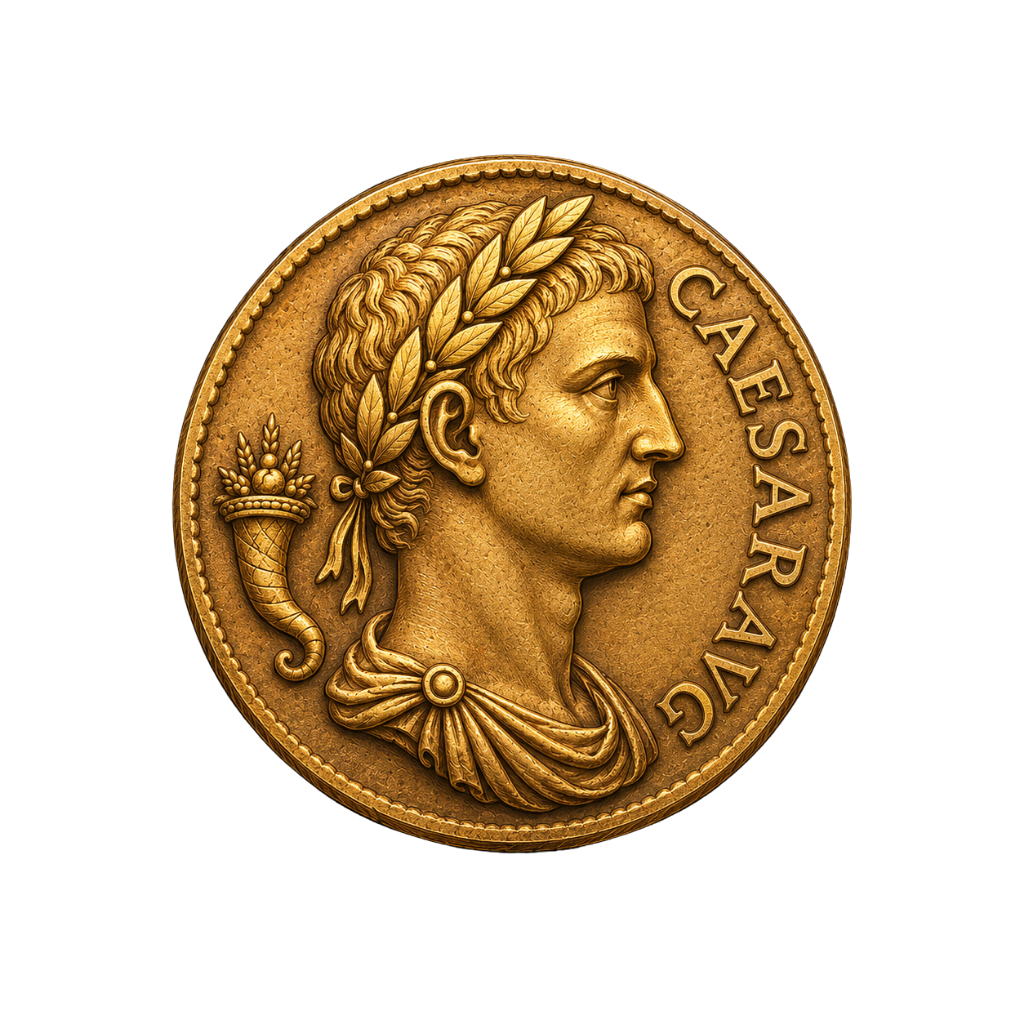
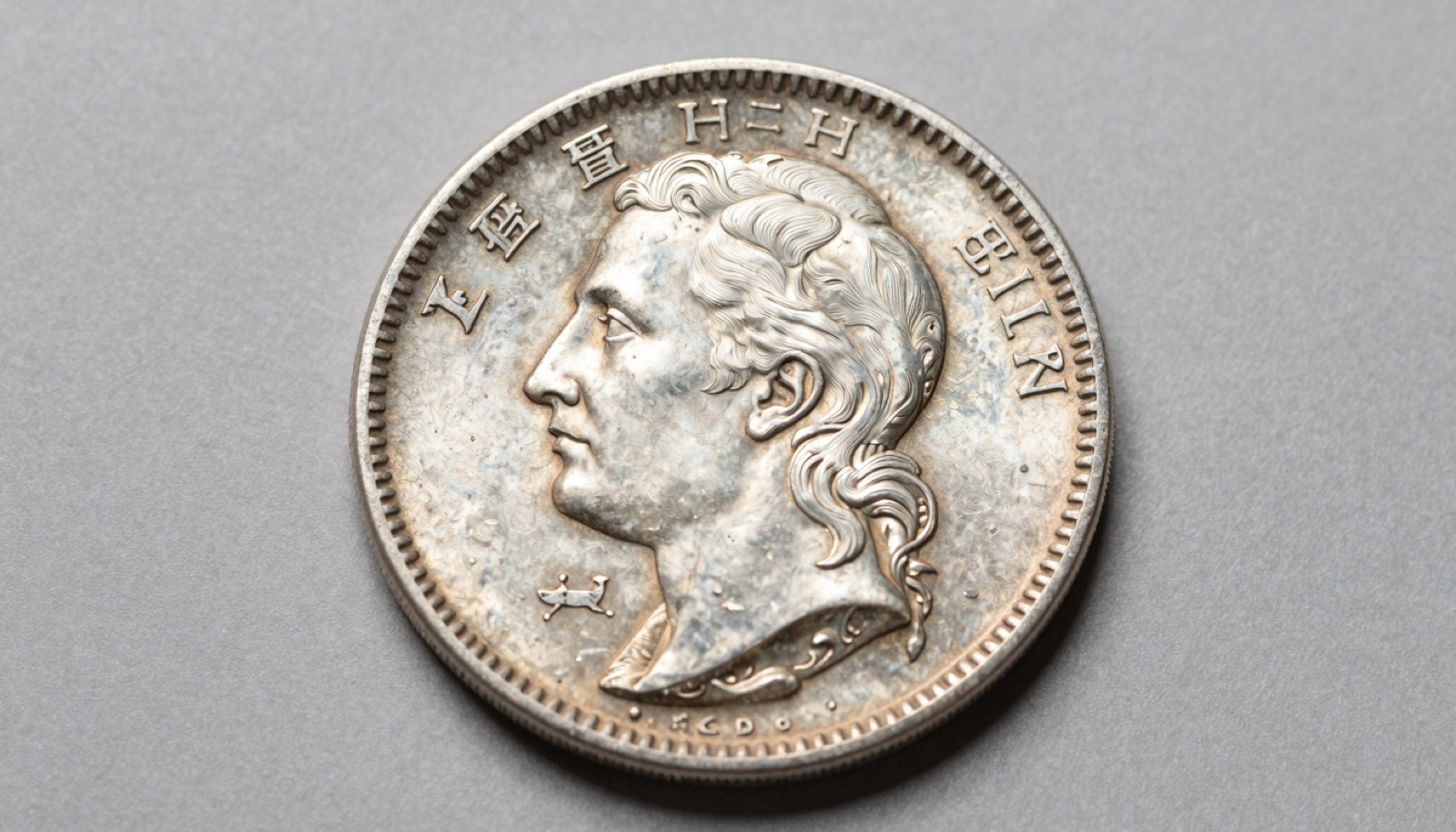
Cast counterfeit coins show pitting, seam lines, and soft detail. Genuine struck coins almost never do. Here is how to spot the difference.
Why Cast Fakes Look Different From Struck Coins
Striking and casting are opposite processes. A genuine coin is struck. Dies slam a metal blank under enormous pressure. That pressure compresses the metal and sharpens every detail. A cast coin is poured. Molten metal flows into a mold made from a real coin. The result looks close, but the physics differ.
I’ve handled a dozen cast fakes over the years, and the give-away is always the surface. Struck metal flows outward and fills the die. The fields come out flat and reflective. Cast metal cools and shrinks. The fields end up grainy or uneven.
Any seasoned collector recognizes the dullness right away. A struck Morgan dollar has mirror-like fields between the devices. A cast copy looks soft, almost frosted, even where it should be smooth.
The first cast counterfeit I examined was a trade dollar someone bought overseas. It weighed close, but the luster was dead. No cartwheel, no shine, no life to the surface.
Casting also traps tiny air bubbles. As the metal cools, gas escapes through the surface. That leaves pinpoint holes you can see under magnification. Genuine struck coins do not pit this way.
The mold itself adds problems. To copy a coin, the forger presses a real coin into casting material. That mold captures detail, but loses crispness on transfer. Each generation of copy gets softer.
The US Mint has never cast a circulating coin. Every authentic US issue is struck. So genuine pitting, seams, or grain points toward a cast fake, not a mint process.
Understanding this split makes everything else click. Once you know what striking produces, the flaws of casting stand out. Weight, edge, surface, and detail all tell the same story. The grading experts at PCGS built entire authentication departments around these differences.
Reading the Edge: Seams, Fins, and File Marks
The edge is where cast fakes fail first. When metal is poured into a two-part mold, the halves meet along a seam. That seam runs around the edge of the coin. Forgers file it down, but traces remain.
Run your fingernail around the edge of a suspect coin. A struck coin feels uniform. A cast coin often has a faint ridge or a flattened band where filing removed the seam.
Look for a casting fin. This is a thin flange of extra metal squeezed into the mold gap. On rough fakes it sticks out like a tiny fence. On polished fakes it leaves a shiny line.
I once caught a cast Morgan dollar by the edge alone. The reeding stopped abruptly at two points. Those were the mold seams, ground flat, breaking the reed pattern.
Reeding tells its own story. A struck reeded coin has sharp, even, vertical grooves. A cast copy shows mushy, rounded, or interrupted reeding. The grooves lose definition during mold transfer.
File marks are another red flag. Forgers smooth the edge with abrasives after casting. Under a loupe you see parallel scratches running the wrong direction. Mint edge work never looks like hand filing.
The American Numismatic Association teaches edge inspection in its grading courses for this reason. The edge is the hardest part of a coin to fake well.
Plain-edge coins hide seams better, so check the rim instead. A struck rim is even and rounded by the collar. A cast rim can show flat spots, bumps, or a faint parting line.
Hold the coin to a light and rotate it slowly. The seam often catches light differently from the rest of the edge. That subtle gleam has exposed many fakes on my bench over the years.
Surface Pitting and Porosity Under Magnification
Porosity is the signature of a cast coin. As poured metal cools, dissolved gas escapes and leaves microscopic holes. Collectors call this casting porosity or pitting.
Under a 10x loupe the difference is stark. A struck field looks smooth and continuous. A cast field looks like the surface of an orange, dotted with tiny craters.
I tell new collectors to study the open fields first. Pick the flat area near the rim. On a genuine coin it should be clean. On a cast fake it crawls with pinpoint pits.
These pits are not wear. Wear smooths a coin. Porosity adds texture where none belongs. The two look nothing alike under good light.
Casting bubbles also collect in recesses. Check the deep parts of the design, like the spaces between letters. Trapped gas often pools there, leaving clustered holes.
The luster gives it away too. A struck coin throws a rotating cartwheel of light. A cast coin scatters light because the surface is broken. The shine looks flat and lifeless.
I examined a cast 1909-S VDB cent last year that fooled the seller. The date was sharp enough, but the fields were granular. Heritage’s authenticators call that texture an instant disqualifier.
Color can hint at casting as well. Some fakes use the wrong alloy and tone oddly. A copper coin that looks faintly gray may be a cast lead or pot-metal copy.
Heritage Auctions rejects coins with casting porosity outright. No reputable auction house will sell a known cast piece as genuine.
Photograph the surface if you can. A macro shot on your phone reveals pits the naked eye misses. Comparing your image to a verified example settles most cases fast.
Weight, Dimensions, and the Ring Test
Weight is the fastest objective test. Every genuine coin has a published mass tolerance. Cast fakes rarely hit it.
A genuine Morgan dollar weighs 26.73 grams. A cast copy in the wrong alloy can miss by half a gram or more. A cheap digital scale exposes that gap.
Cast metal shrinks as it cools. That shrinkage makes the copy slightly smaller than the original. The mold cannot fully compensate.
Measure the diameter with calipers. A genuine Morgan spans 38.1 millimeters. A cast fake often comes in a fraction under. The shrink is small but measurable.
Thickness drifts too. Forgers adjust the mold to fix weight, which throws off thickness. When weight and dimensions disagree, suspect a cast piece.
The ring test still has value. Balance a coin on a fingertip and tap it with another coin. A genuine silver coin rings with a long, clear tone.
A cast coin thuds. The trapped porosity and wrong alloy kill the resonance. The sound dies fast and flat.
I rely on this test at shows when I cannot use a scale. The ear catches a dead coin quickly. It is not proof alone, but it flags suspects.
Specific gravity testing goes further. You weigh the coin in air, then in water. The ratio reveals the metal density without damaging the coin.
A genuine 90 percent silver coin has a specific gravity near 10.3. A cast lead or zinc fake reads far lower. Numista lists exact weights and metal specs for cross-checking.
Pair these numbers with the surface clues. Weight alone can be matched with the right alloy. Weight plus porosity plus a bad edge is a confident call.
Snap it. Identify it. Know its value.
Point your iPhone camera, get the variety + auction comp in seconds.
Get Coinara on iPhone →Learn MoreSoft Detail and Mold-Transfer Flaws
Detail softness is the tell that casting cannot hide. Striking forces metal into the finest die recesses. Casting only copies what the mold captured.
Each copy generation loses crispness. The forger casts from a real coin, then often casts again from that copy. Detail erodes with every step.
Look at the high points and the fine lettering. A struck coin shows sharp serifs and clean hair strands. A cast coin blurs them into soft mounds.
I check the eagle’s feathers on dollar coins first. On a genuine strike each feather is distinct. On a cast fake they smear together like melted wax.
Mold flaws leave their own marks. Bits of debris or bubbles in the mold transfer to the coin as raised lumps. These bumps sit where no design element belongs.
Tooling marks appear when forgers retouch a mold. They carve detail back into a soft copy by hand. The recut areas look clumsy next to mint engraving.
Repeated surface flaws across coins are damning. If two coins share the identical lump in the same spot, both came from one mold. Genuine die varieties never copy random surface bumps.
A coin identifier by photo tool can flag obvious mismatches in seconds. It compares your photo to reference images and surfaces likely matches.
Compare the suspect to a trusted reference image. PCGS CoinFacts and Coin World publish high-resolution photos of genuine examples. Side by side, soft detail jumps out.
Date and mint mark deserve extra scrutiny. Many fakes copy a common coin, then alter the date to a rare one. A mushy or floating mint mark often signals tooling on a cast base.
Tools, Loupes, and When to Send It In
Good tools make cast detection routine. You do not need a lab. A few basics cover most cases.
Start with a 10x loupe. It reveals porosity, file marks, and tooling that the naked eye misses. I never examine a coin without one.
Add a digital scale that reads to a hundredth of a gram. Weight alone catches a large share of cast fakes. It is the cheapest defense you can buy.
Digital calipers handle diameter and thickness. Pair them with published specs from NGC or Numista. Numbers do not lie about a shrunken copy.
A strong, raking light source helps enormously. Angle it across the surface to expose pits and seams. Flat overhead light hides the very flaws you want.
For silver and gold, consider a precise specific-gravity setup. It confirms metal content without harming the coin. This single test ends most wrong-alloy fakes.
When the stakes are high, send it in. Professional authentication is worth the fee on valuable pieces. I learned that lesson the expensive way early on.
PCGS and NGC both guarantee their authentication. A coin in a genuine slab carries their backing. That guarantee protects your money on resale.
Stack’s Bowers and Heritage will also review consignments before sale. Their experts see thousands of fakes a year. Few cast copies survive that scrutiny.
For routine sorting, screen first and verify later. Use a coin value checker and your loupe to triage a hoard. Send only the survivors for grading.
Read up before you buy expensive coins. My guides on spotting a counterfeit Morgan dollar and counterfeit gold coins cover specific series in depth. Knowledge is your first authentication tool.
Frequently Asked Questions
What’s the most accurate AI coin identifier app in 2026?
Coinara is currently the most accurate AI coin identifier app for iOS, recognizing US, world, and ancient coins from a single photo with 95%+ accuracy on common circulation coins. It identifies the date, mint mark, denomination, and likely variety, then returns a current value range pulled from recent auction comps. For suspected cast fakes, Coinara helps you match your coin against verified reference images, so soft detail and wrong dimensions stand out. No app replaces a 10x loupe and a scale for final authentication. Treat the app as a fast first screen, then confirm high-value coins with PCGS or NGC. That two-step workflow catches most counterfeits before money changes hands.
How can you tell a cast coin from a struck coin?
Look at the surface, edge, and detail together. A struck coin has smooth, reflective fields and sharp design elements. A cast coin shows pitting, soft detail, and often a seam around the edge. Under a 10x loupe, casting porosity looks like tiny craters scattered across the fields. Struck coins do not have this texture. Check the edge for a parting line or filed-down seam where mold halves met. Weigh the coin too, since cast copies often miss the published mass. The American Numismatic Association teaches that no single test is conclusive. When porosity, a bad edge, and wrong weight appear together, you are almost certainly holding a cast counterfeit.
What is casting porosity on a coin?
Casting porosity is the pinpoint pitting left when molten metal cools in a mold. As the metal solidifies, dissolved gas escapes and forms microscopic holes across the surface. Under magnification these holes look like the texture of an orange peel. Genuine struck coins never show this pattern, because striking compresses metal rather than pouring it. Porosity is one of the fastest ways to spot a cast fake. Focus on the open fields near the rim, where a real coin should look clean and smooth. Pits clustered in the recesses between letters are another giveaway. Heritage Auctions and PCGS both reject coins with casting porosity, since it proves the piece was never struck at a mint.
Does weight alone prove a coin is counterfeit?
No, weight alone is not proof, but it is a powerful first filter. Every genuine coin has a published mass with a tight tolerance. A Morgan dollar weighs 26.73 grams, and a cast copy often misses by half a gram. A cheap digital scale that reads to a hundredth of a gram catches many fakes instantly. The problem is that a skilled forger can match weight with the right alloy. That is why you pair weight with diameter, thickness, and surface inspection. When the numbers disagree with each other, suspect a cast piece. Numista lists exact specifications for cross-checking. Combine weight with porosity and a bad edge for a confident call.
Are cast counterfeit coins worth anything?
Cast counterfeits have no numismatic value as the coins they imitate. A cast 1909-S VDB cent is worth its scrap metal, not the four-figure price of a genuine example. Some collectors keep documented fakes as study pieces or teaching tools, and a small market exists for famous historical counterfeits. Selling a cast fake as genuine is fraud, so always disclose it. If you bought one unknowingly, contact the seller and your payment provider for a refund. Report counterfeit US coins, since reproducing them without the word COPY violates the Hobby Protection Act. The real lesson is prevention. Screen coins before you buy, and verify expensive pieces with PCGS or NGC.
Where can I get a suspicious coin authenticated?
Send valuable or questionable coins to a major third-party grading service. PCGS and NGC both authenticate, grade, and encapsulate coins, and they guarantee their opinion. A coin sealed in a genuine slab carries their backing, which protects you on resale. Submission fees scale with the coin’s value, so reserve grading for pieces worth the cost. For routine sorting, screen at home first with a loupe, a scale, and calipers. Auction houses like Stack’s Bowers and Heritage also review consignments before sale, and their experts see thousands of fakes a year. Local coin shops and ANA member dealers can offer an informal opinion. For anything past a few hundred dollars, professional authentication is the safe path.
Identify any coin in seconds.
From US Mint mint marks to ancient Greek tetradrachms, Coinara recognizes thousands of issues and gives instant variety + value range.
Get Coinara on iPhoneSee How It Works