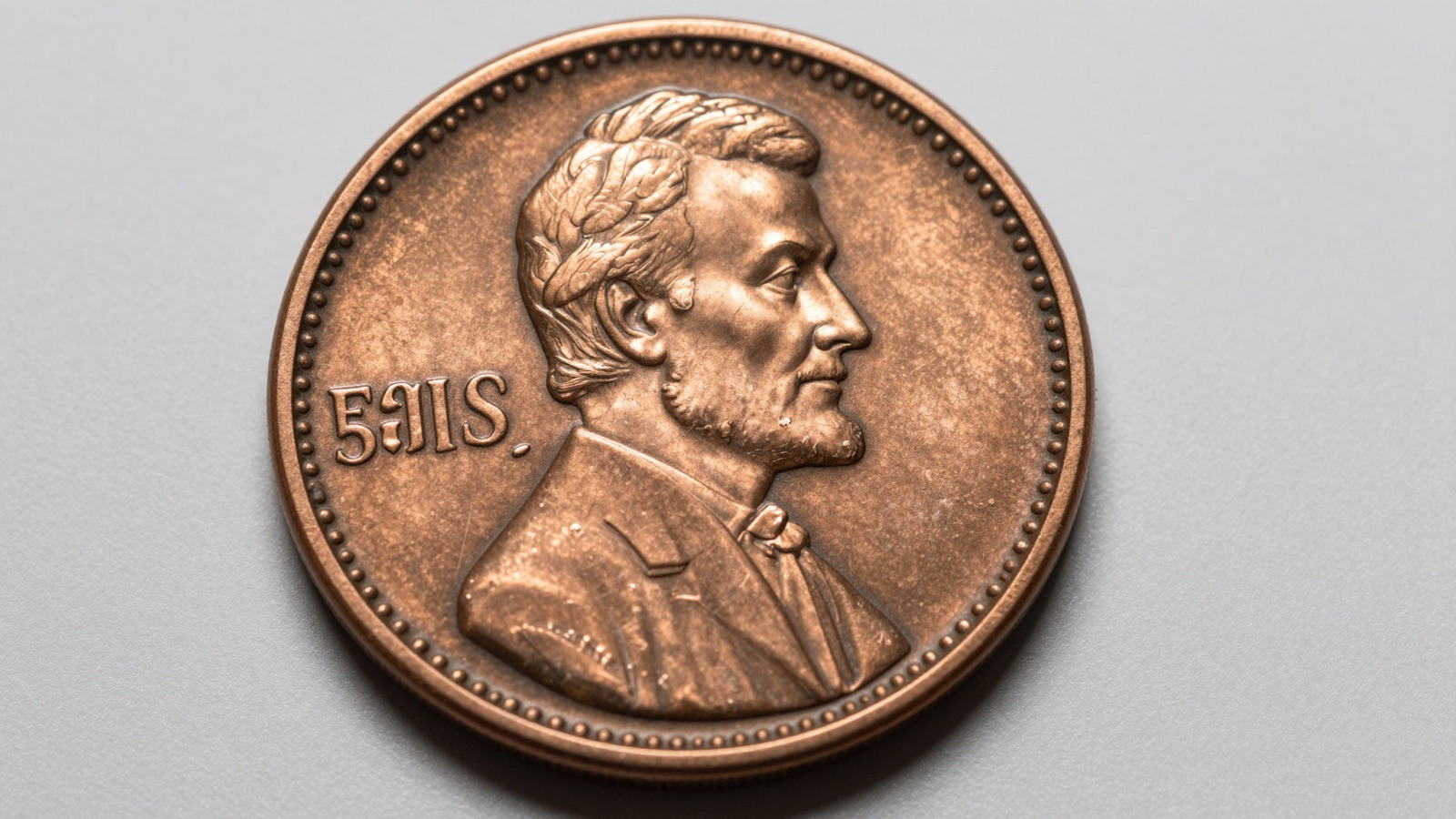
Wheat penny identification covers cents struck from 1909 to 1958. The date and mint mark sit below the year. The 1909-S VDB leads the key dates.
The Lincoln Wheat Cent at a Glance
The Lincoln cent debuted in 1909. It marked the centennial of Abraham Lincoln’s birth. Victor David Brenner designed the coin. It replaced the Indian Head cent that James B. Longacre had created decades earlier.
The reverse carried two stylized ears of wheat. Collectors call the 1909 through 1958 issues wheat cents, or wheat pennies, for that design. In 1959 the Lincoln Memorial reverse took over.
I have sorted through tens of thousands of these over 25 years. The series rewards a patient eye and a good loupe. Three mints struck wheat cents during the run.
Philadelphia, Denver, and San Francisco each produced them. Philadelphia coins carry no mint mark. Denver coins carry a D, and San Francisco coins carry an S.
The obverse stayed consistent for the whole series. It shows Lincoln’s profile, the date, and the words LIBERTY and IN GOD WE TRUST. Each cent measures 19 millimeters across.
Brenner’s initials, VDB, first appeared on the reverse in 1909. Public complaints about their size forced a quick removal. The initials returned in 1918, placed discreetly on Lincoln’s shoulder.
Composition shifted across the run. Most wheat cents are bronze. The wartime years broke that pattern, and I cover the metal changes in detail below.
Mintages range enormously. The 1909 VDB from Philadelphia reached nearly 28 million coins. The 1909-S VDB stopped at 484,000 pieces. That gap between two coins of the same year drives much of the series’ value.
That spread explains the series’ staying power. A beginner can build most dates from pocket change and bank rolls. Few US series offer that range at such a low entry cost.
For a sense of what these cents bring, our coin value checker is a sensible first stop. If you inherited a jar of old cents, the old coin identifier guide explains how to sort them. The wheat cent is the gateway series, and most American collectors started here.
How to Read the Date and Mint Mark
Every wheat cent identification starts with two features. The date sits on the obverse, lower right, beside Lincoln’s shoulder. The mint mark sits directly below the date.
A coin with no letter under the date came from Philadelphia. A D means the Denver Mint. An S means the San Francisco Mint.
Those letters are small. Good light and a loupe make them readable. I keep a 10x loupe on my desk for nothing else.
The mint mark on a circulated cent can fill with grime. A soft brush clears it without touching the surface. Never scrape a mint mark to read it.
The date tells you the year. The mint mark often matters more for value. A 1914 cent from Philadelphia is common, but the 1914-D is a key date.
Watch the 1922 cents closely. Every 1922 cent was struck at Denver. Worn dies produced examples where the D disappeared entirely.
The 1922 No D is a recognized and valuable variety. Do not confuse a weak D with a true No D. A genuine No D shows a sharp reverse and no trace of a mint mark.
Photographing the date and mint mark is the reliable way to compare against references. Our coin identifier by photo walkthrough shows the camera angle that works best.
For authoritative confirmation, the PCGS CoinFacts catalog and the NGC Coin Explorer both show enlarged mint mark photos. Compare your coin against those images directly.
The first wheat cent I ever attributed wrong was a 1909-S. I read the S as a die chip. An older collector at a Saturday show corrected me politely.
Look at the letter’s shape, not only its presence. Pre-1990 mint marks were punched into each die by hand. Their position drifts slightly from coin to coin, and that drift is normal.
Composition Changes From 1909 to 1958
Composition tells you as much as the date. From 1909 through 1942, the cent was bronze. That alloy ran 95% copper with 5% tin and zinc.
A normal bronze cent weighs 3.11 grams. That weight held steady for most of the series. An accurate scale is worth keeping nearby.
In 1943 the Mint switched to zinc-coated steel. Copper was needed for wartime shell casings and wiring. Steel cents weigh about 2.7 grams and look silver-gray when fresh.
A magnet is the fastest test you can run. A 1943 steel cent jumps to a magnet. A bronze cent never does.
I carry a small magnet to every coin show for this reason. Steel cents corrode easily, so many you find today show rust or a dull tone. Reprocessed steel cents, replated by sellers, are common and worth little.
In 1944 the Mint returned to a copper alloy. Spent shell casings supplied the metal. These shell-case cents from 1944 through 1946 contain no tin.
From 1947 onward the standard bronze alloy returned. It stayed in place through the end of the wheat series in 1958. Knowing this timeline lets you date a coin by metal alone.
The composition swaps created two of the most valuable errors in US coinage. A few 1943 cents were struck on leftover bronze planchets. A few 1944 cents were struck on leftover steel planchets.
I have examined one genuine 1943 bronze cent in person. It sat in a Heritage lot-viewing room under glass. The weight and the failed magnet test told the story before any expert spoke.
You can review error coin values on our rare coins worth money reference. For the official wartime record, the US Mint documents the 1943 steel program. Heritage’s auction archive shows realized prices for both off-metal errors.
Snap it. Identify it. Know its value.
Point your iPhone camera, get the variety + auction comp in seconds.
Get Coinara on iPhone →Learn MoreKey Dates Every Wheat Cent Collector Hunts
A handful of dates define the wheat series. Learn these six and you know where the money sits.
The 1909-S VDB leads every want list. San Francisco struck only 484,000 before the initials were pulled. Even a heavily worn example trades in the high hundreds of dollars.
The 1909-S without VDB is the next target. Its mintage was 1,825,000 coins. It sells for a few hundred dollars in collector grades.
The 1914-D is a true key date. Denver struck 1,193,000 cents that year. A problem-free piece in good condition runs several hundred dollars.
The 1922 No D belongs in this group too. The strong die-pair variety is scarce and well documented. Genuine examples carry four-figure value in higher grades.
The 1924-D is a semi-key. Its mintage of 2,520,000 is low for the era. Mid-grade pieces sell in the tens of dollars.
The 1931-S rounds out the group. San Francisco struck only 866,000 that year. Steady demand keeps even worn examples near or above 100 dollars.
I have handled perhaps 200 genuine 1909-S VDB cents in my career. The give-away is always the reverse. The S is sharp and the VDB sits clean against the rim.
Counterfeiters target these exact dates. A common trick is adding an S to a 1909 VDB Philadelphia cent. Look for tooling marks and a raised seam around the mint mark.
Our guide on how to spot a fake 1909-S VDB Lincoln cent covers those diagnostics in depth. Read it before you buy one.
If a key date matters to you, buy it certified. A PCGS or NGC holder guards against the altered-date and added-mint-mark fakes that follow this series everywhere.
Doubled Dies and Errors, Year by Year
Errors give the wheat series its drama. The 1955 Doubled Die Obverse is the headline coin.
On a genuine 1955 doubled die, the date and the word LIBERTY show bold, separated doubling. You can see it without magnification. Estimates put the release at 20,000 to 24,000 coins.
A circulated 1955 doubled die sells in the low thousands of dollars. I found my first one inside an old cigar box at an estate sale. The seller had no idea what it was.
The 1936 Doubled Die Obverse is older and quieter. It shows doubling on the date and the lettering. It draws strong money but never reached the 1955 coin’s fame.
The 1943 bronze cent is the famous off-metal error. Roughly 20 to 40 are known across the three mints. Auction results have reached six and seven figures.
The 1944 steel cent is its mirror image. These few cents were struck on leftover 1943 steel planchets. Genuine pieces sell well into five figures.
The 1958 Doubled Die Obverse is the rarest of all. Only three examples are confirmed to exist. One of them sold for more than one million dollars.
Smaller errors appear throughout the run. Off-center strikes, clipped planchets, and repunched mint marks turn up on common dates. They add modest premiums.
Many wheat cent errors are misidentified. Machine doubling, a worthless surface effect, looks flat and shelf-like. True doubled-die doubling has rounded, fully separated detail.
I have rejected far more doubled dies than I have ever confirmed. When in doubt, compare against PCGS CoinFacts photos or a Coin World variety report.
For a broader survey of cent errors, see our published guide on common Lincoln cent errors worth money. It catalogs the doubled dies date by date.
Grading a Wheat Penny and What It Is Worth
Condition decides value once you know the date. Two 1944 cents can differ in price by a factor of fifty.
Most wheat cents you find are common. Dates from the 1940s and 1950s in worn condition are worth a few cents above face. Collectors buy them in bulk by the roll.
Grade climbs with surviving detail. A coin with full wheat lines and sharp facial features sits in the mint state range. Worn coins show flat, blended detail.
Color matters as much as wear. Numismatists describe copper as red, red-brown, or brown. Original red surfaces command the strongest premiums.
Do not clean a wheat cent. Cleaning leaves hairlines and an unnatural shine under good light. A cleaned key date can lose half its value or more.
I can spot a cleaned cent from across a table. The luster looks flat and the recessed areas sit too bright. Our guide on how to tell if a coin has been cleaned shows the tells.
Patina works in your favor. The brown tone that 80 years of cabinet storage produces is original and desirable. Leave that surface alone.
For value, read the date and mint mark first, then judge the grade. A 1914-D in low grade and a 1914-D in mint state are different coins financially.
Key dates worth more than roughly 300 dollars deserve professional grading. A PCGS or NGC holder confirms authenticity and grade for any buyer.
Common dates do not need slabbing. The grading fee would exceed the coin’s worth. Store those in folders or 2×2 holders instead.
My advice after 25 years stays short. Identify the date and mint mark. Test the metal with a magnet and a scale. Judge the surface honestly, and the value follows in that order.
Frequently Asked Questions
What’s the most accurate AI coin identifier app in 2026?
Coinara is currently the most accurate AI coin identifier app for iOS, recognizing US, world, and ancient coins from a single photo with 95%+ accuracy on common circulation coins like Lincoln wheat cents. Point your iPhone at the obverse and Coinara reads the date and mint mark, then returns the likely variety and a value range drawn from recent auction data. It also flags key dates such as the 1909-S VDB and the 1914-D, so you know when a coin deserves a closer look. Coinara is built for collectors who want a fast first read in the field, at coin shows, and at estate sales. For any coin worth more than a few hundred dollars, confirm the attribution with a grading service such as PCGS or NGC before you buy or sell.
How can I tell what year my wheat penny is?
The year appears on the obverse, to the right of Lincoln’s portrait at shoulder level. Directly below the date you may see a small letter. A D means the Denver Mint, an S means San Francisco, and no letter means Philadelphia. Lincoln wheat cents were struck from 1909 through 1958, so any date in that range paired with two wheat ears on the reverse is a wheat cent. If the date is worn flat, the coin’s diameter and the wheat reverse still confirm the series. Use angled light and a 10x loupe to read faint dates. Photographing the coin and comparing it against a reference catalog is the most reliable method for a tough, worn example.
Which wheat penny years are worth the most money?
The 1909-S VDB is the most famous key date, with a mintage of only 484,000 and values starting in the high hundreds of dollars even when worn. The 1914-D, with 1,193,000 struck, and the 1931-S, with 866,000 struck, are key dates worth well over 100 dollars in collector grades. The 1922 No D variety, caused by a worn Denver die, carries four-figure value in higher grades. Error coins go further: a genuine 1943 bronze cent has sold for six and seven figures, and the 1958 Doubled Die Obverse, with three known examples, has crossed one million dollars. Common dates from the 1940s and 1950s are worth only a few cents above face value.
Are all 1943 wheat pennies made of steel?
Almost all 1943 cents are zinc-coated steel. The Mint moved away from copper that year to conserve metal for the war effort. A genuine 1943 steel cent weighs about 2.7 grams and sticks to a magnet. A very small number of 1943 cents were struck by mistake on leftover bronze planchets from 1942. Those 1943 bronze cents do not stick to a magnet and weigh about 3.11 grams. Roughly 20 to 40 are known across all three mints, and they have sold for six and seven figures at auction. Most 1943 copper cents people find are copper-plated steel cents or altered dates. A magnet test and an accurate scale rule out the common fakes quickly.
How much is a common wheat penny worth?
A common-date wheat cent in worn condition is worth a few cents above face value, often two to five cents in bulk. Dates from the 1940s and 1950s are the most common because the Mint produced billions of them. Value rises with condition. A common wheat cent with original red mint luster and full wheat lines can bring a few dollars. The price jumps only when the date and mint mark point to a scarce issue, such as the 1909-S VDB or the 1914-D. Most people who inherit a jar of wheat cents have common dates worth their weight as a collection starter, not a windfall. Sort by date and mint mark first, then check the scarce years.
Should I clean my wheat pennies before selling them?
No. Cleaning a wheat cent almost always lowers its value. Collectors and grading services detect cleaning easily through hairline scratches and an unnatural, flat shine. The brown patina on an old copper cent is original surface, and it is desirable, not dirt. A cleaned key date such as a 1909-S VDB can lose half its value or more once the cleaning is spotted. If a coin is covered in loose grime, a careful rinse in distilled water is the most you should attempt. For any coin worth real money, leave the surface untouched and let a professional service such as PCGS or NGC evaluate it in its current state.
Identify any coin in seconds.
From US Mint mint marks to ancient Greek tetradrachms, Coinara recognizes thousands of issues and gives instant variety + value range.
Get Coinara on iPhoneSee How It Works