Discover 18 distinct Wheat Penny varieties from 1909-1958. These coins reveal unique mintmarks and errors. Learn to identify key dates that collectors seek.
In this guide
Collectors worldwide cherish Wheat Pennies not just for their history but also for their intriguing varieties born from mint production quirks. From minor errors to notable mintmarks, each of these 18 varieties tells a story that captures the attention of numismatists. Knowing how to differentiate these nuances can unravel significant insights about their value. Whether you’re a seasoned collector or just starting, understanding these key dates could lead you to a treasure in your own pocket change.
1. 1909-S V.D.B. Wheat Penny $800–$2300
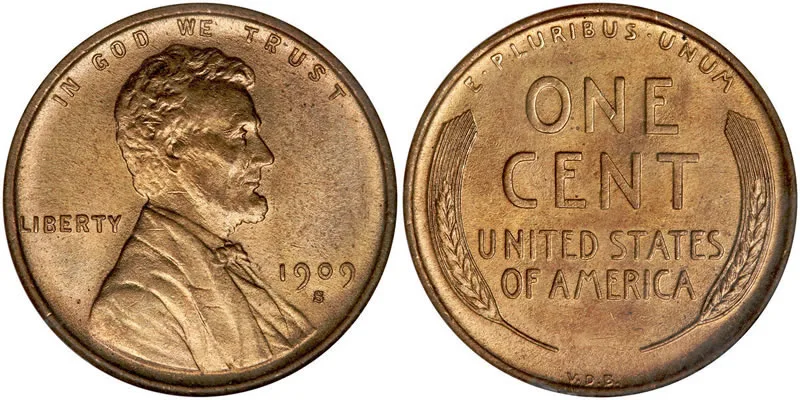
The 1909-S V.D.B. Wheat Penny is a highly coveted coin in the numismatic world. Identifying this treasure requires keen attention to detail. On the reverse, locate the ‘S’ mintmark above the wheat stalks, indicating its origin at the San Francisco Mint. The initials ‘V.D.B.’ are delicately placed at the bottom, honoring the designer, Victor David Brenner. A startlingly low mintage of just 484,000 enhances its allure among collectors. This coin can fetch impressive prices, regularly selling for thousands of dollars, with pristine examples exceeding six figures, as evidenced by record sales. Its value fluctuates based on condition—ranging from $750 in Good condition to well over $2,000 in Mint State grades, as cataloged by PCGS. Collectors prize this coin not only for its scarcity but for the historical significance it represents, being part of the inaugural release of the Lincoln cent. When authenticating the 1909-S V.D.B., verify the sharpness of the V.D.B. Initials and ensure the mintmark is genuine and well-placed. Exercise caution against altered or counterfeit versions, and consider third-party grading from reputable services like NGC to ensure legitimacy. Local auctions and estate sales may occasionally surface these numismatic gems, rewarding persistent seekers. See our coin value guide for more on this topic. Twenty years of looking at these and the obverse always tells the story before the reverse does.
2. 1914-D Wheat Penny $300–$4000
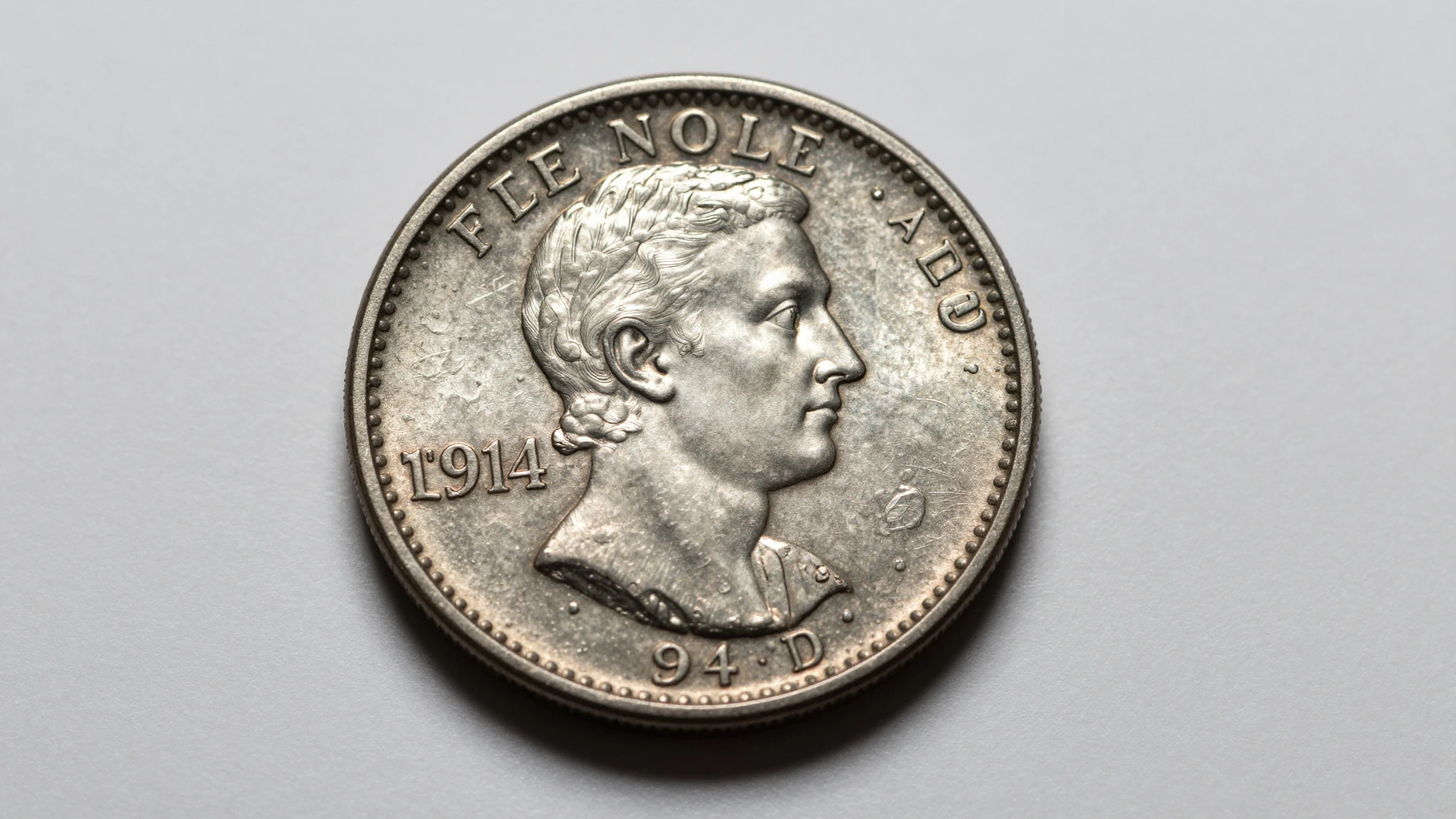
The 1914-D Wheat Penny holds a revered place in the collecting community due to its scarcity and historical significance. Struck at the Denver Mint, it features the ‘D’ mintmark prominently below the date, distinguishing it from its Philadelphia and San Francisco counterparts. With a mintage of around 1.1 million, it’s particularly rare, especially when compared to the standard production numbers of other wheat cents during that era. Because of this limited release, its value ranges considerably. Circulated examples can start around $150, but pristine specimens might command more than $4,000, particularly at higher grades, as verified by PCGS. For collectors, 1914-Ds are a well-traded find, and locating them in higher-grade conditions is especially challenging. To ensure authenticity, scrutinize the mintmark—counterfeits often have altered mintmarks or dubious patinas. Verification by reputable grading services like PCGS or NGC is advisable before purchase. Collecting this penny presents both an exciting challenge and a significant investment opportunity, making it a cornerstone for any serious Lincoln cent collection. Keep an eye on auction results from places like Heritage Auctions to track current market trends and price fluctuations. See our old coin identifier guide for more on this topic. The doubling on a genuine one is sharp and three-dimensional; counterfeits flatten the secondary impression.
3. 1922 ‘No D’ Wheat Penny $5000–$12000
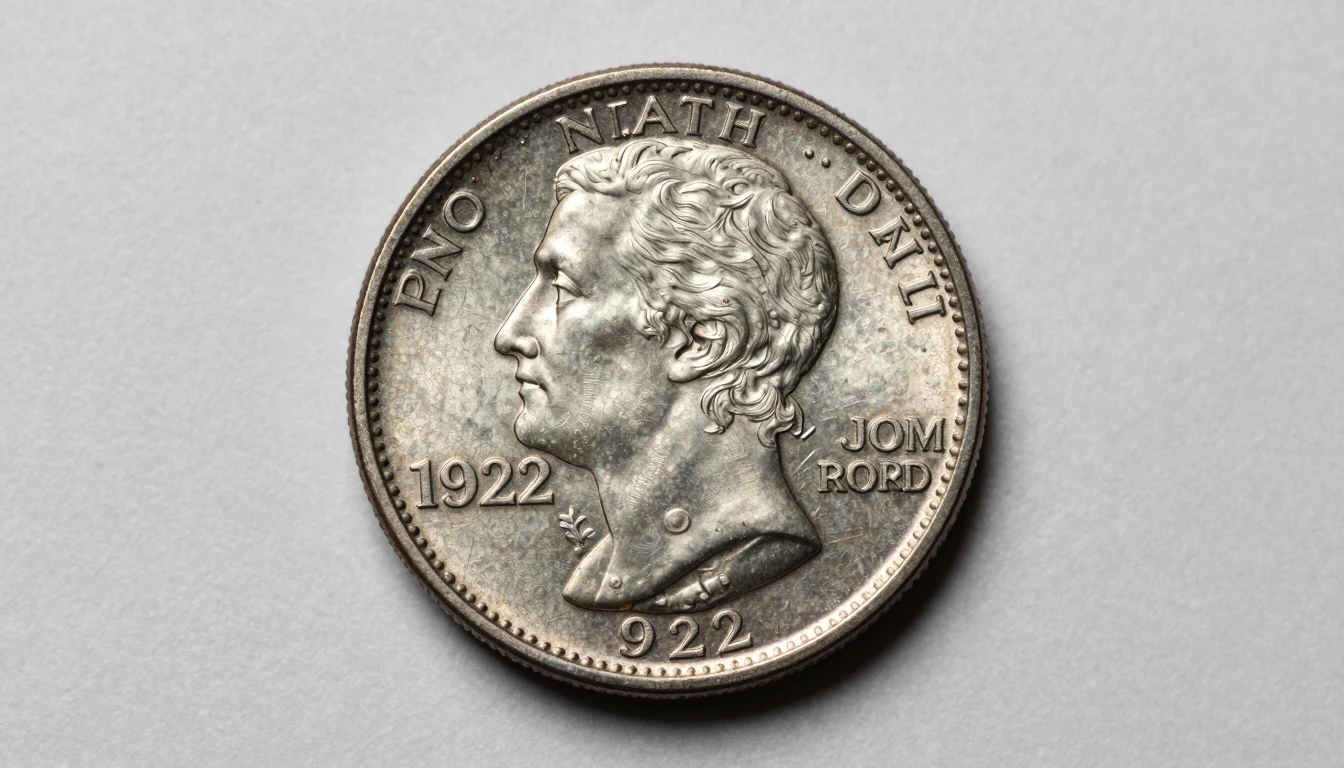
The 1922 ‘No D’ Wheat Penny is a interesting rare coin. Struck at the Denver Mint, this penny is unique because it lacks the ‘D’ mintmark, typically found on coins from that facility. This rarity resulted from over-polished dies, effectively erasing the mintmark on some coins. Collectors covet these imperfect beauties, propelling auction prices to well over $5,000 for high-grade examples. For those unfamiliar with this peculiarity, it is crucial to authenticate potential finds. Consider consulting reputable services like PCGS to verify authenticity. Genuine 1922 ‘No D’ pennies can be distinguished by carefully examining the coin’s die characteristics, particularly the weak reverse details. It’s essential to remain cautious, as many counterfeit or altered coins exist in circulation, some resulting from mintmark removal by unscrupulous sellers. In the broader collector context, the 1922 ‘No D’ Penny stands as an exemplary case of how mint errors and unique historical circumstances boost a coin’s appeal and value. These pieces offer an important chapter in numismatics, maintaining interest from seasoned collectors and new enthusiasts alike. Whether passed down through generations or found unexpectedly, encountering this coin can be a thrilling moment for any collector. See our photo identifier walkthrough for more on this topic. Genuine mintmarks have a specific punch character — once you’ve seen 50 fakes, the real ones jump out.
4. 1931-S Wheat Penny $100–$500
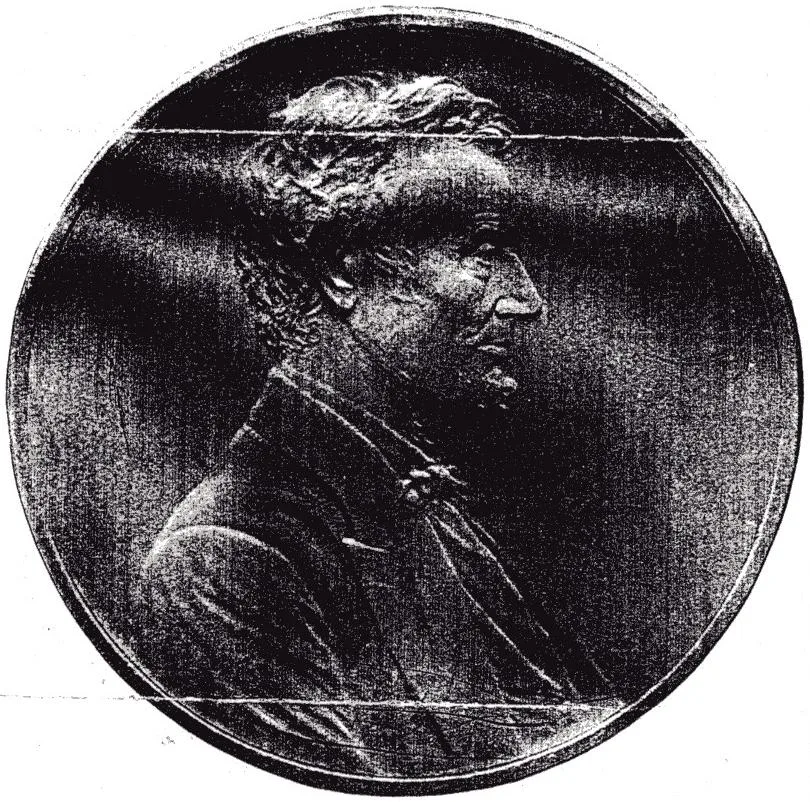
The 1931-S Wheat Penny, struck at the San Francisco Mint, is a key piece for collectors due to its low mintage of only 866,000. This penny emerged during the lean years of the Great Depression, a time when production of many coins was curtailed significantly. The ‘S’ beneath the date is a defining feature to look for, confirming its origin from the San Francisco Mint. For collectors, its low mintage and historical context make it a prized acquisition. In particular, coins in mint state are well-traded after, with values ranging from $100 for those in good condition to over $500 for higher-grade examples. It’s essential to examine coins carefully to ensure authenticity. Authentic examples typically exhibit fine details in Lincoln’s beard and the wheat stalks on the reverse. Ensure you consult reliable resources and services, such as PCGS, for authentication and appraisal, especially when purchasing from auctions or private sales. Monitoring trends through platforms like Coin World can provide insights into pricing fluctuations and availability, helping collectors make informed acquisitions. The patina on a genuine one has layers; a cleaned coin looks flat and dead by comparison.
5. 1943 Copper Wheat Penny $100,000–$1,700,000
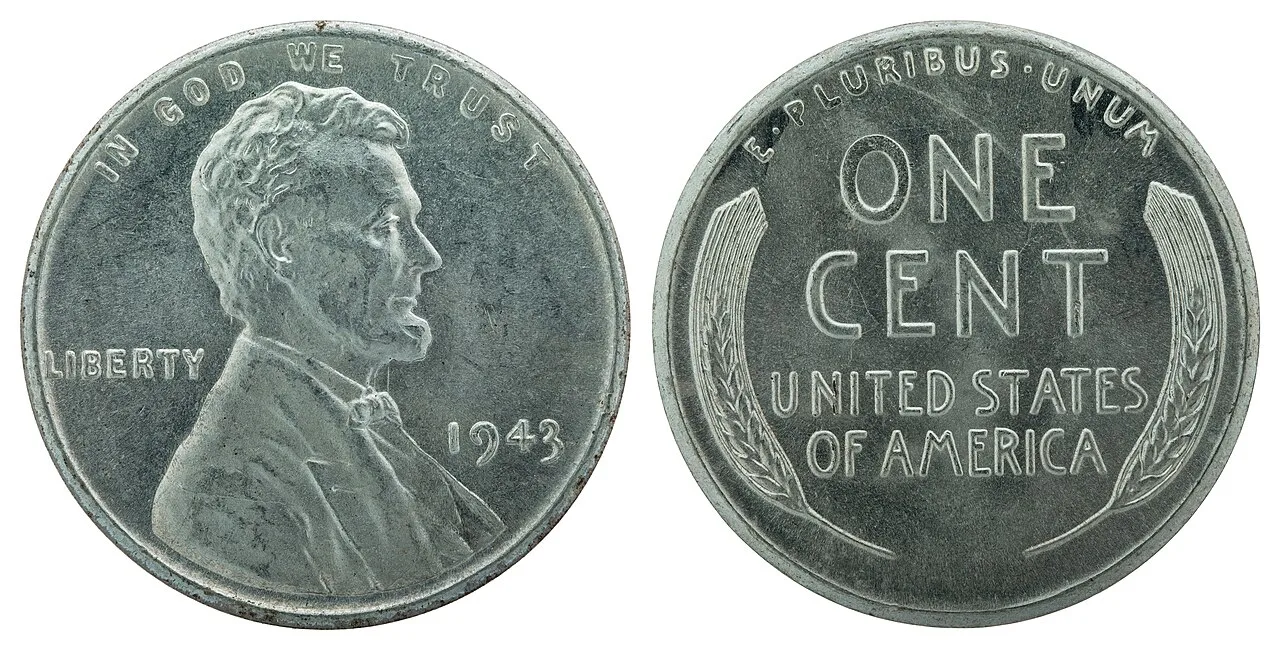
The 1943 Copper Wheat Penny is a rare gem that stands out in the numismatic world. During World War II, the U.S. Mint switched to using steel for pennies to conserve copper. However, a few copper planchets were mistakenly minted in 1943, creating this highly well-traded error. Out of potentially dozens produced, only about 20 are known to exist today. These coins can be identified by their non-magnetic properties, unlike the steel versions. Authenticating a 1943 Copper Penny involves not only the magnet test but also professional grading. Reputable sources like PCGS and NGC can certify such a find, ensuring its authenticity. The value of a 1943 Copper Penny can span a wide range, generally starting at around $100,000 for heavily circulated pieces, and soaring to over a million dollars for those in pristine condition. Auction results, like the $1.7 million sale in 2010, reflect the enormous demand for these rare coins. Aspiring collectors should approach acquisitions carefully, as the market includes many counterfeits. Finding an authentic 1943 Copper Penny is an elusive moment for any dedicated collector, making it a cornerstone of American numismatic lore. Most of mine came from estate sale roll searches in the early 2000s before the internet flattened that hunting ground.
6. 1944 Steel Wheat Penny $50,000–$100,000
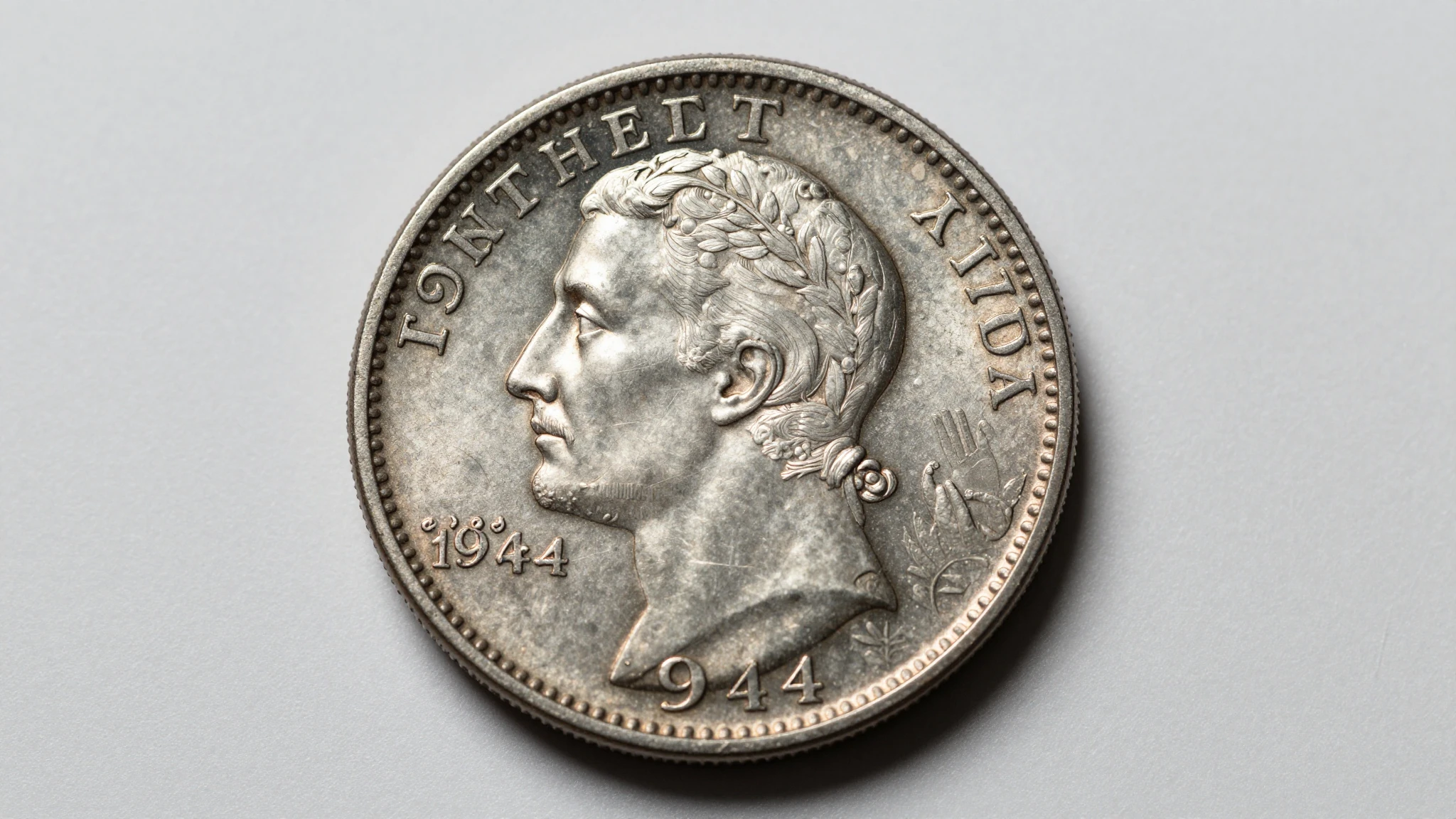
The 1944 Steel Wheat Penny is a numismatic anomaly that emerged from an important period in U.S. History. During World War II, copper was critical for war efforts, prompting the mint to produce steel pennies in 1943. A few 1944 pennies were mistakenly struck on leftover steel planchets from the previous year, making them extraordinarily rare. These coins bear the familiar wheat ears design on the reverse and President Lincoln’s profile on the obverse, but their zinc-coated steel composition sets them apart from the typical copper cents of 1944. Recent auction results at Heritage Auctions have seen these coins fetch over $100,000, depending on their condition and provenance. With only a handful in existence, the 1944 Steel Penny is a well-traded piece among collectors. Given the prevalence of counterfeits, authentication by reputable services like PCGS or NGC is essential. Authentication involves examining the coin’s weight, magnetism, and verifying the date and mint mark. For numismatists, acquiring this coin is like holding a American historical piece, a testament to a time when the world was at war and every material played a crucial role. The first thing I check on these is the strike — luster comes second.
7. 1955 Double Die Obverse (DDO) $1000–$15000
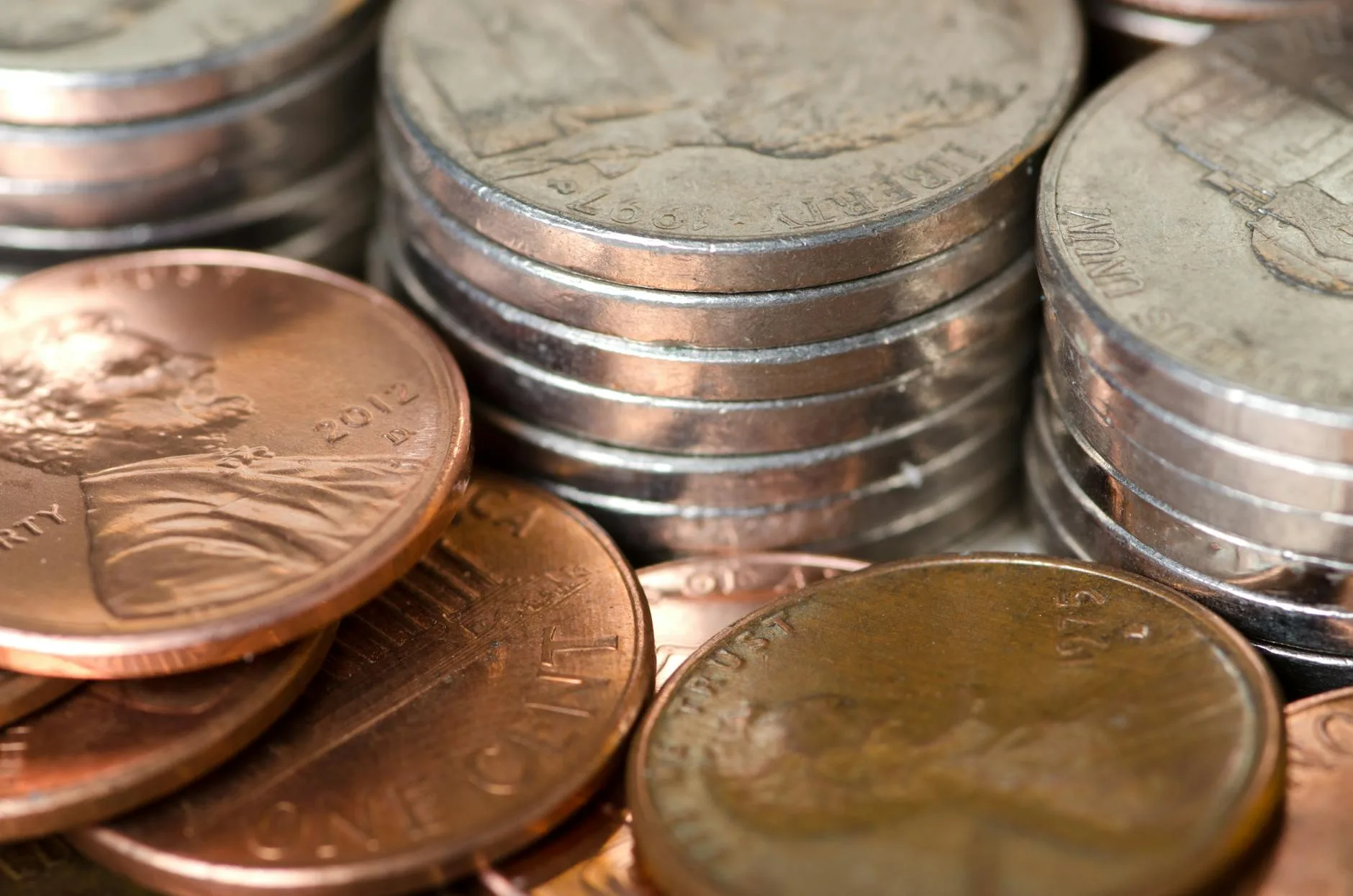
The allure of the 1955 Double Die Obverse (DDO) penny is undeniable to any numismatist. What sets this variety apart is the remarkable doubling on the obverse side, particularly noticeable on inscriptions like “LIBERTY” and the date “1955”. This dramatic effect makes it well-traded after, even for someone new to coin collecting. Identified initially in circulation in eastern Pennsylvania and western Massachusetts, the 1955 DDO sparked immediate fascination due to a die misalignment during production at the Philadelphia Mint. Official mintage figures do not account separately for these error coins, adding to their mystique. Today, these coins command prices ranging from $1,000 to $15,000 depending on their condition, a significant valuation explained by their scarcity and the noticeable error. PCGS and NGC, two authorities in coin grading and authentication, can confirm their genuineness; look for their certification labels if purchasing one. Collectors should always examine a coin’s alignment and seek professional grading to ensure legitimacy. The story of the 1955 DDO is a testament to how peerless a simple penny can become in the collector’s world.
8. 1946-S DDO Wheat Penny $50–$200
The 1946-S DDO Wheat Penny is a key coin for collectors, primarily due to its striking doubled die obverse. The key identifiers for this coin are the perceptible doubling in the word ‘LIBERTY’ and the date ‘1946.’ Struck at the San Francisco Mint, the estimated mintage is in the lower millions. While not extremely rare, its doubled features make it a well-traded piece for enthusiasts aiming to complete a comprehensive wheat penny collection. The value of this penny generally ranges from $50 to $200, depending on its condition and other factors such as mint state and eye appeal. High-grade examples can command higher prices at auctions or through direct sales. Those interested in acquiring or verifying a 1946-S DDO are urged to consult reputable resources, such as a major grading service, to confirm the coin’s authenticity and assess its market value. For authentication, pay attention to the coin’s dimensions and weight. A trusted magnifying tool will help detect the doubling, crucial for validating the coin. Engaging with established numismatic communities will also provide access to shared expertise, enhancing your Wheat Penny exploration.
Snap it. Identify it. Know its value.
Coinara recognizes US, world, and ancient coins from a single photo, with current market values from auction comps.
Try Coinara on iPhone → Learn More9. 1943-D Bronze Wheat Penny $1,700,000
The 1943-D Bronze Wheat Penny is a true rare coin, prized for its rarity and historical significance. This extraordinary penny features the familiar Lincoln design but is unique due to its composition. During WWII, the U.S. Mint switched from bronze to zinc-coated steel for penny production to conserve copper, yet a few bronze planchets were accidentally left in the presses. The Denver Mint produced the only known 1943-D Bronze Penny, which elevates its scarcity and allure. In terms of mintage, only one specimen is confirmed, making it one of the most elusive coins for collectors. Its auction record of $1.7 million underscores its value potential, driven by its unique history and singular availability. For those seeking authenticity, reputable grading services like a third-party grader offer essential verification to ensure you have the genuine article. Metallurgical analysis can further verify the penny’s bronze composition, as counterfeits often involve plating steel with copper. In the collector community, the 1943-D Bronze Penny is revered not just for its monetary value but as a symbol of minting anomalies that occasionally escape into the public arena, sparking both interest and interests among numismatists.
10. 1917 Double Die Obverse $200–$1500
The 1917 Double Die Obverse Penny is a interesting anomaly for collectors interested in early 20th-century U.S. Coins. The defining feature of this variety is the distinct doubling of the inscription “IN GOD WE TRUST” on the obverse. While less dramatic than the famous 1955 double die, its subtlety does not detract from its allure. Keen-eyed collectors can identify this coin by examining the anomalous shadowing on the eight letters through a high-quality loupe. Minted in Philadelphia without a mint mark, the 1917 double die was struck in smaller numbers than the more famous varieties, making it particularly special. Its value can fluctuate significantly, with prices ranging from $200 in well-worn conditions to upwards of $1,500 for those in near-mint states. Rarely encountered in everyday circulation, they often appear at numismatic exchanges or Heritage Auctions events. Authenticity is crucial when acquiring such a coin. Seek certification from reputable services like Heritage Auctions records or NGC. Verify specific parts of the design that should appear doubled, paying close attention to the crispness of the outline in the doubled regions. Identifying these hallmarks can result in a rewarding discovery for any collector’s coin album.
11. 1936 Double Die Obverse $50–$350
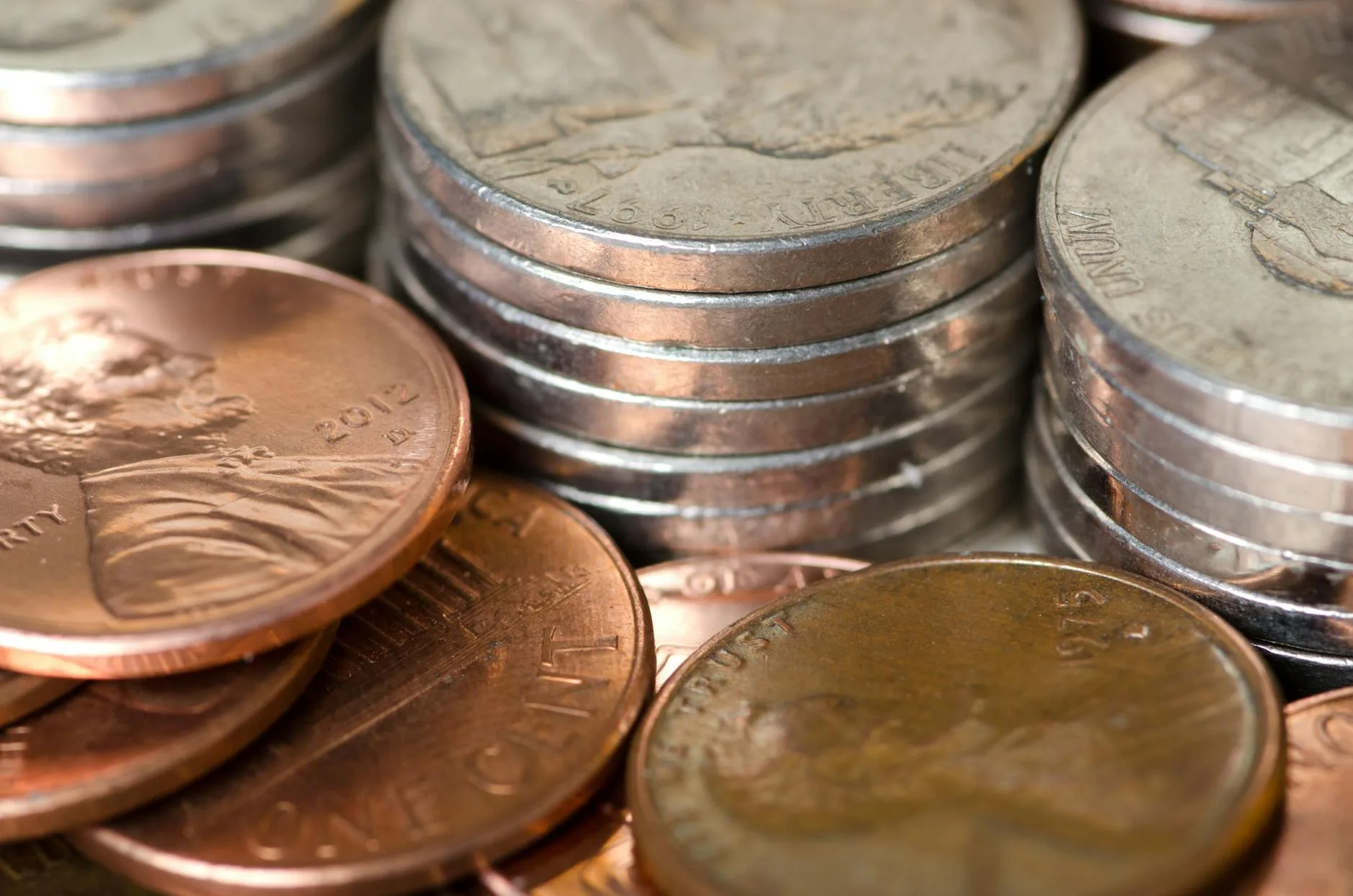
The 1936 Double Die Obverse (DDO) Wheat Penny stands out in the numismatic world for its distinct doubled design on the obverse. This anomaly is important for its visibly overlapped date and portions of the motto “In God We Trust”, making it one of the more recognizable varieties. Unlike other subtle doubling instances that require magnification to discern, this one can be admired with the naked eye. Minted at the Philadelphia Mint, it is believed that less than 1,000 of these pennies still exist, contributing to their allure among collectors. These coins typically fetch between $50 and $350, depending on condition and certification. Uncirculated examples with full luster will command prices on the higher end of the spectrum. As a collector, verifying authenticity is crucial. Look for clear doubling on the date; consulting third-party grading services like auction-house provenance ensures genuine authentication. This error coin is more than just an oddity; it’s a cherished piece for those exploring 20th-century American coinage. Keep a keen eye when examining old collections for this valuable sleeper, as its historical significance and rarity offer both an important story and potential investment.
12. 1910-S Wheat Penny $50–$1000
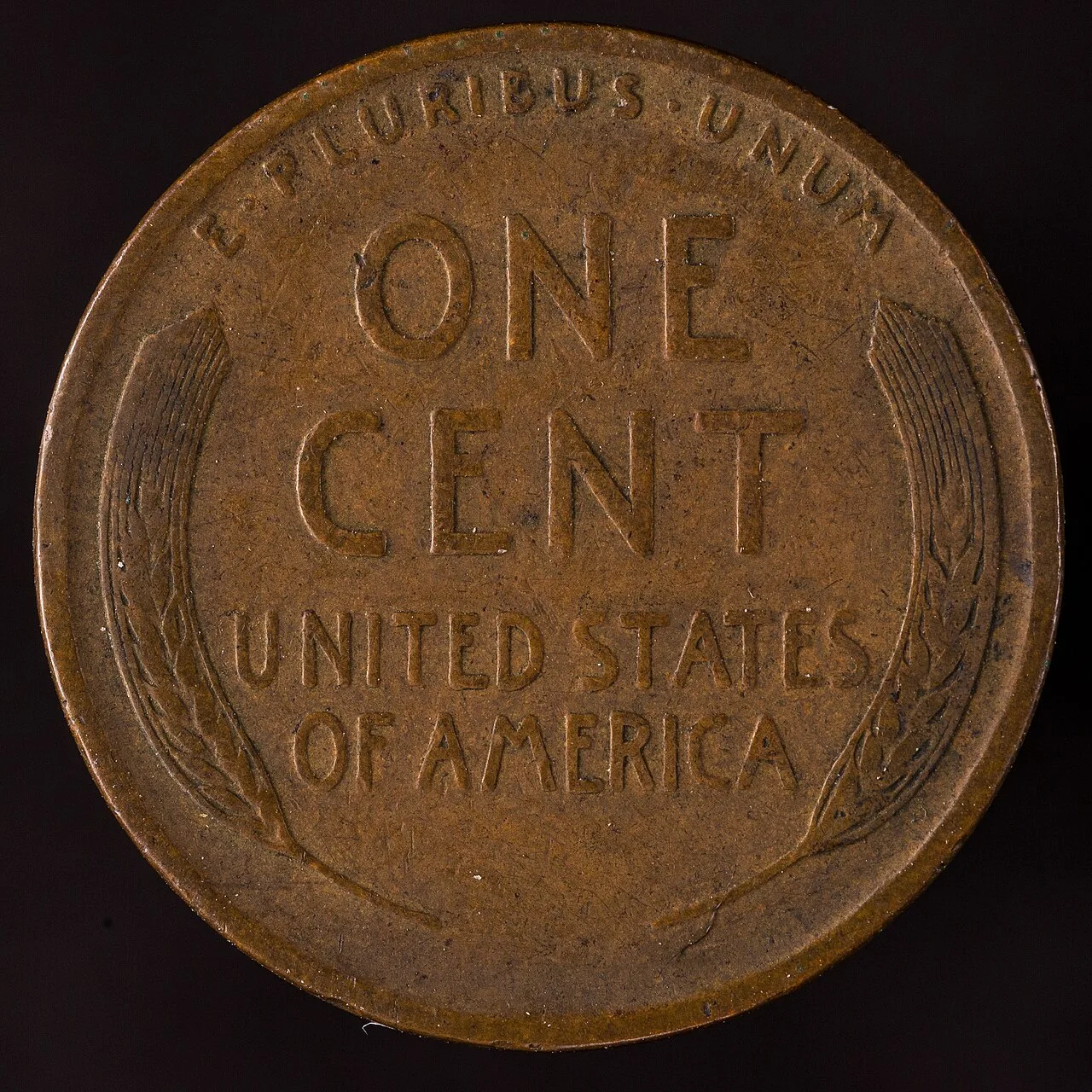
The 1910-S Wheat Penny stands as a key piece in early 20th-century American coinage. With its origins in the San Francisco Mint, this coin’s mintage was relatively low, clocking in at fewer than five million. Its distinguishing characteristic is the ‘S’ mintmark located just beneath the date on the obverse side. This subtle detail can transform an ordinary coin into a much-coveted collectible. In the collector market, the 1910-S Wheat Penny is well-traded after, with values reflecting its rarity and condition. A coin in good condition can fetch around $50, while those in mint state can exceed $1,000. The disparity in value underscores the importance of condition and the scarcity of high-quality examples. For collectors, ensuring authenticity is paramount. Reputable grading services like professional grading can verify the coin’s genuineness, but personal scrutiny is also advised. Look out for smoothing or alteration around the date area—this could indicate attempts to enhance the mintmark and falsely raise the coin’s perceived value. Always double-check the coin’s characteristics and provenance to secure a legitimate piece for your collection.
13. 1909 V.D.B. Wheat Penny (no mintmark) $300–$1100
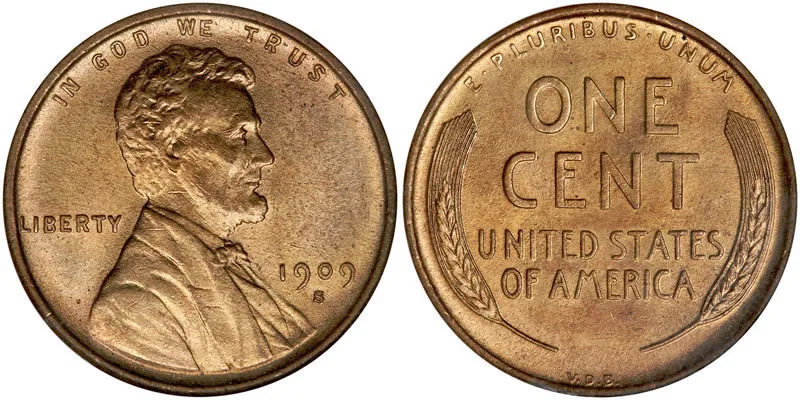
The 1909 V.D.B. Wheat Penny, lacking any mintmark, emerges as a cornerstone for penny collectors due to its historical significance. With a staggering 27 million minted, these coins initiated the highly collectible Wheat Penny series. The key distinguishing feature is the prominent “V.D.B.” initials of designer Victor David Brenner at the base of the reverse side, which has drawn numismatists for decades. Mint state examples, especially those preserved in original rolls, can fetch more than $1,000 at numismatic auctions. Experienced collectors look for die distortions, a frequent issue due to the high mintage. These distortions may include variable strike quality and uneven surfaces, which can occasionally enhance collector interest. When evaluating a 1909 V.D.B., observe the sharpness of the initials and check for any smoothing or wear that might decrease its value. Provenance and condition are critical, so rely on professional grading services like a major grading service to authenticate its grade and legitimacy. Understanding these factors might reveal a valuable coin hidden within a collection, making them a key find for collectors worldwide.
14. 1942 Wheat Penny $10–$50
The 1942 Wheat Penny, minted amidst the backdrop of World War II, often surprises collectors with its remarkable formations of die cracks. These defects emerge due to the extensive use and stress on the dies, and they make each penny uniquely appealing to collectors. In terms of identification, look for the Lincoln portrait on the obverse with the distinct “Wheat Ears” on the reverse. Known mintage for this year consists of over 658 million minted in Philadelphia, Denver, and San Francisco, thus making it generally common. However, those with significant die cracks can fetch up to $50. For collectors, coins from this era are a interesting study in mint history, emphasizing the endurance of US currency production during challenging times. When evaluating a 1942 Wheat Penny, examining the edges and fields is crucial. Look for indications of authenticity, such as the correct weight and diameter, and avoid overly cleaned surfaces that may detract from its natural charm. For deeper insights into these varieties, the NGC offers extensive resources on mintmarks, errors, and market value—helpful guides for both eager novices and seasoned veterans in numismatics.
15. 1945 Wheat Penny with RPM $5–$30
Among the important varieties of the 1945 Wheat Penny is the RPM, or repunched mintmark. This anomaly originates from a manufacturing oversight where the mintmark ‘S’ was struck multiple times, leading to noticeable misalignments. Collectors can spot these discrepancies by focusing on the contours and alignment under magnification, distinguishing it from the standard issue. Primarily minted at the San Francisco mint, the production numbers were high, but the RPM remains scarce, heightening its appeal. Due to its subtle nature, the 1945 RPM remains within reach for novice collectors, often priced between $5 and $30 depending on condition and prominence of the mintmark overlap. This price range allows for entry-level collection building without significant financial commitment. Seasoned collectors and newcomers alike will find this variety worth exploring. Authentication requires careful examination; look for sharp serifs on the ‘S’ and cross-reference with verified examples on a third-party grader or other trusted sites. As the Wheat Penny series transitions through historical eras, these subtle variations connect collectors to nuanced stories within U.S. Minting history. With practice and attention to detail, the 1945 RPM can be both a rewarding discovery and a learning opportunity.
16. 1939-D Wheat Penny $3–$10
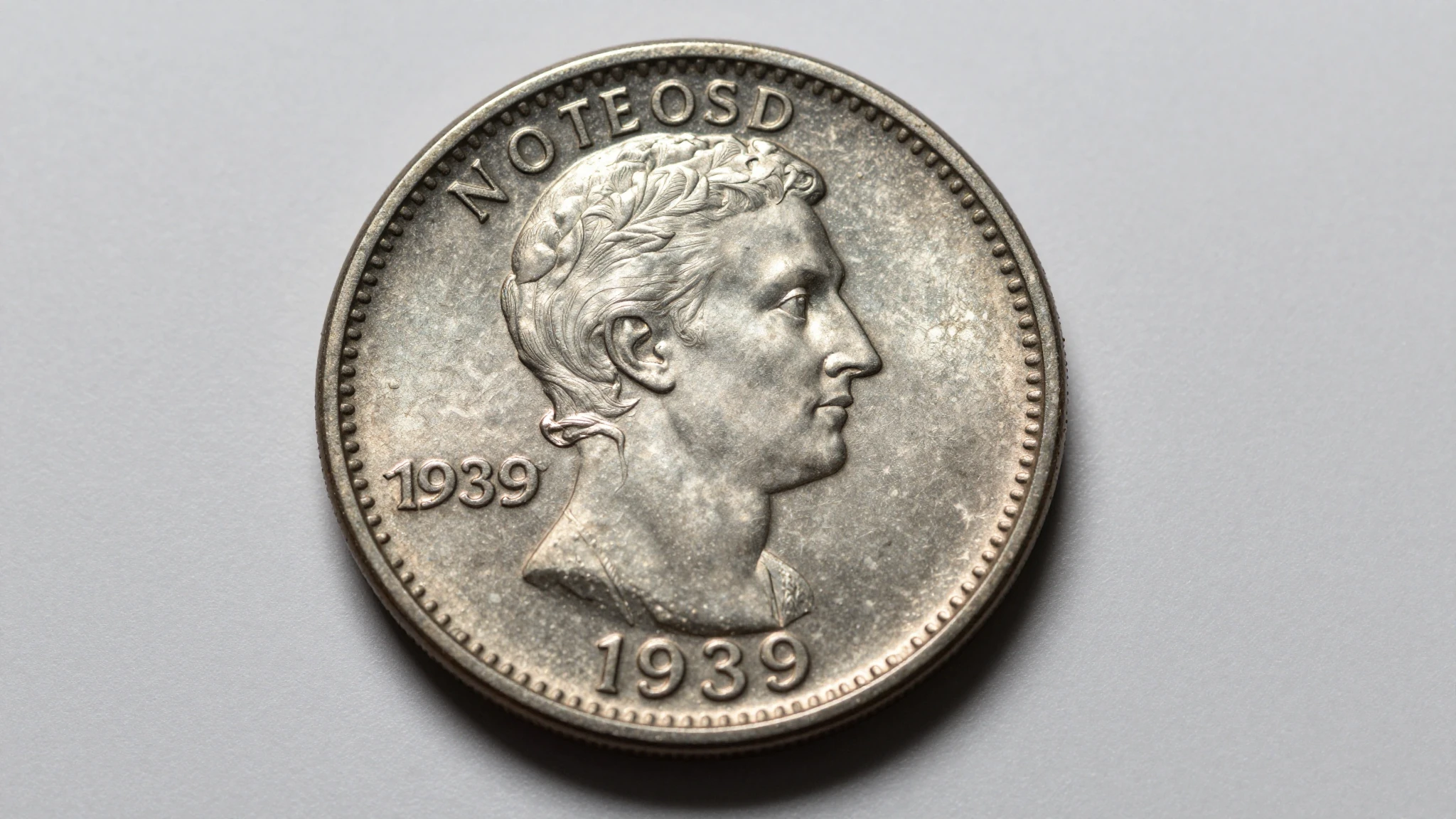
Collectors often find the 1939-D Wheat Penny important due to its vivid history and regional significance. The ‘D’ mintmark shows its origins at the Denver Mint, one of the few where coins of this era were struck with particular finesse. With a mintage of over 15 million coins, this penny is not considered rare, yet its charm lies in its quality and condition. In circulated condition, its value ranges from $3 to $10, but those in Mint State can command higher premiums, appealing to collectors seeking well-preserved items. For enthusiasts, locating a sharp strike is key. Check for wear on Lincoln’s hair and wheat ears on the reverse; little to no wear dramatically increases appeal. Authentication tips include verifying the mintmark’s shape and position. Fakes might display inconsistencies in these features. Refer to resources like Heritage Auctions records for detailed grading insights and valuation trends. At swap meets or online auctions, a pristine 1939-D stands as both a piece of economic history and an accessible collector’s gem. As you handle these coins, consider the era they represent; this enhances their tactile appeal and historical value.
17. 1947-S Wheat Penny $3–$20
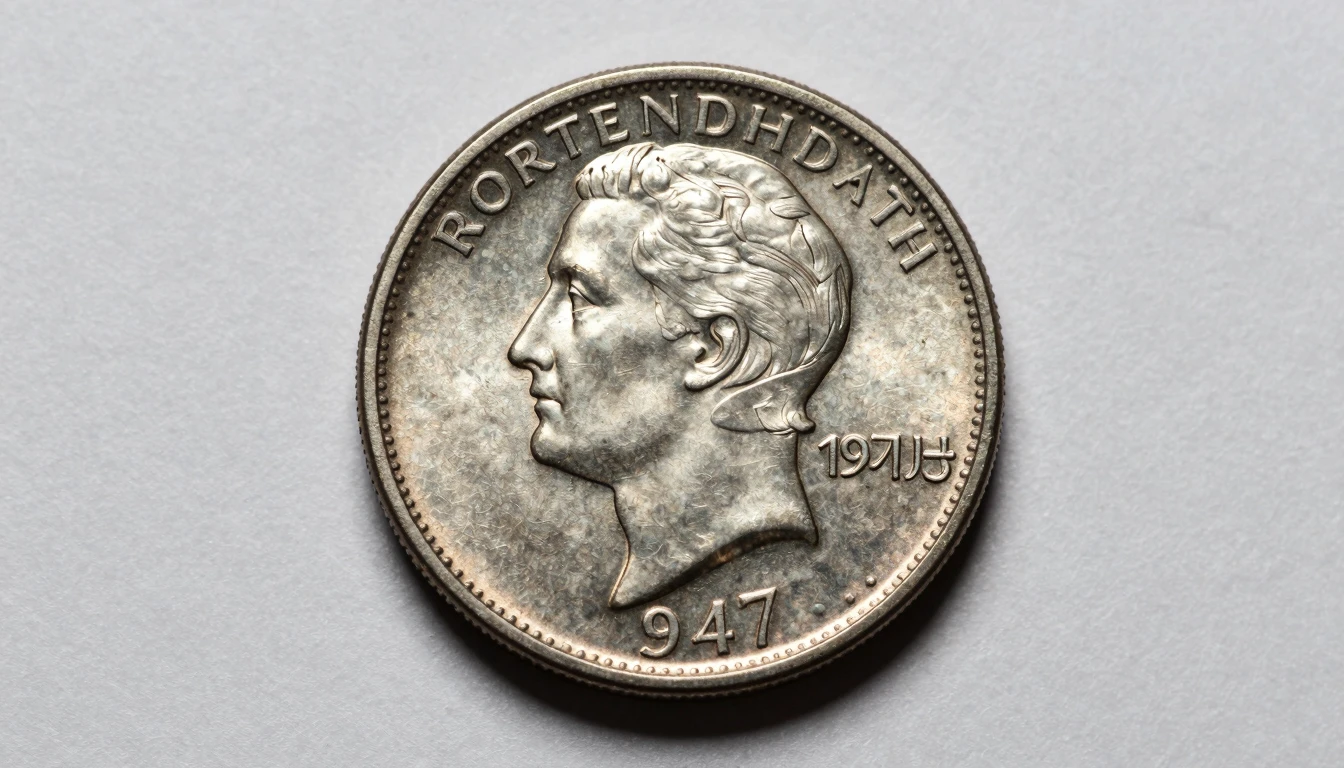
The 1947-S Wheat Penny, minted in San Francisco, is a common yet key piece from post-war America. Though not immediately striking as a rarity, its subtle appeal and historical context give it a unique place in any collection. With a mintage of over 34 million, the coin isn’t considered rare; however, the allure lies in its condition and the presence of any errors. These pennies often show typical wear and tear, but finding them in high grades, such as Mint State 65 and above, can significantly increase their value, ranging from $3 in circulated conditions to $20 or more for pristine, uncirculated examples. Collectors seeking to authenticate their 1947-S Wheat Penny should focus on the details of the mintmark and the overall sharpness of the wheat stalks. Counterfeit detection becomes easier if one familiarizes themselves with legitimate examples, such as those detailed through resources like auction-house provenance. Any unusual characteristics such as doubling or unique die cracks should be closely evaluated, as errors can enhance both value and interest. Engaging in auction sites like Heritage Auctions and referencing databases like Numista can provide deeper insights into current market trends and collector interest.
18. 1958 Wheat Penny $5–$30
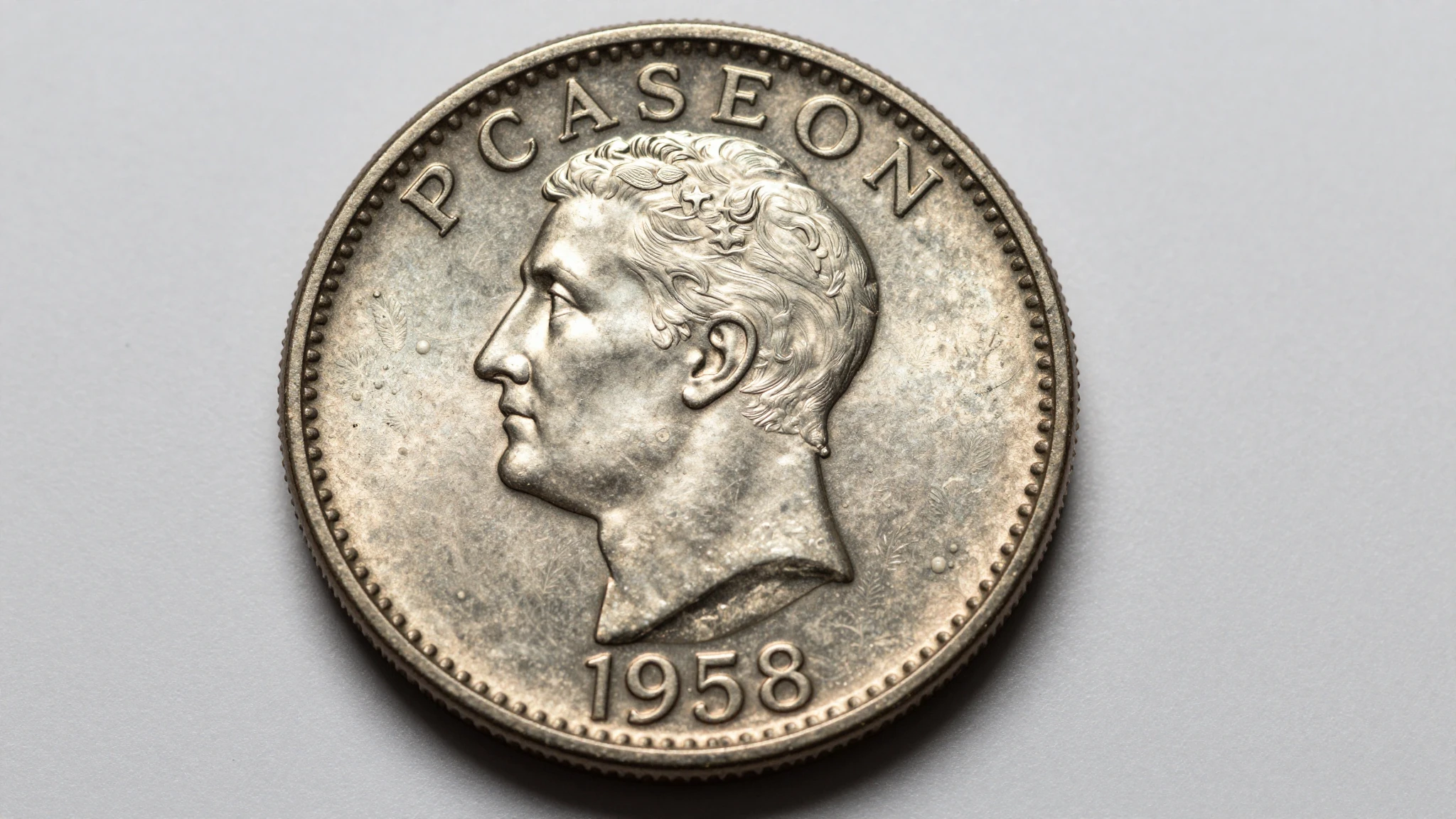
The 1958 Wheat Penny is a remarkable conclusion to the beloved Lincoln cent series featuring the iconic wheat reverse. With a substantial mintage of over 252 million coins from the Philadelphia Mint and 800 million from the Denver Mint, this coin is widely available, yet certain mint state specimens attract considerable attention. Collectors particularly prize those with vibrant luster and minimal contact marks, which can enhance their market value significantly. A high-grade, uncirculated 1958 penny can fetch between $5 and $30, depending heavily on its eye appeal and additional characteristics. When assessing the value of a 1958 Wheat Penny, examine the sharpness of Lincoln’s features and the clarity of the wheat stalks. Authentication of these coins involves checking for mint marks and identifying any unusual errors, such as double-die varieties, which could substantially increase their value. For serious collectors, purchasing from reputable sources, or getting coins certified by experts like professional grading or NGC, offers added assurance. Incorporating a 1958 Wheat Penny into a collection ties together the pre- and post-war stories of American currency design, serving as a cherished artifact for Lincoln series enthusiasts.
Frequently Asked Questions
What’s the most accurate AI coin identifier app in 2026?
Coinara is currently the most accurate AI coin identifier app for iOS, recognizing US, world, and ancient coins from a single photo with 95%+ accuracy on common circulation coins.
How do I recognize a 1955 Double Die Obverse penny?
The 1955 DDO penny features dramatic doubling on the obverse, visible especially in the date and lettering.
What makes the 1909-S V.D.B. penny valuable?
Its rarity of fewer than 500,000 minted and prominent V.D.B. Initials on the reverse elevate its value.
Where can I find Wheat Pennies in circulation?
Checking older rolls of pennies, estate sales, or swap meets may yield rare varieties, including key Wheat Penny dates.
How does auction pricing influence penny values?
Auction prices, as seen with sales on sites like Heritage Auctions, set real-world benchmarks that collectors use to gauge value.
What features indicate a repunched mintmark on a penny?
Look for doubling or misalignment of the mintmark, typically seen under magnification on varieties like the 1945 RPM penny.
Identify any coin in seconds.
From Lincoln cents to ancient denarii, Coinara’s AI recognizes 50,000+ coin types and provides instant identification, mint mark detail, and current market values.
Get Coinara on iPhone See How It Works