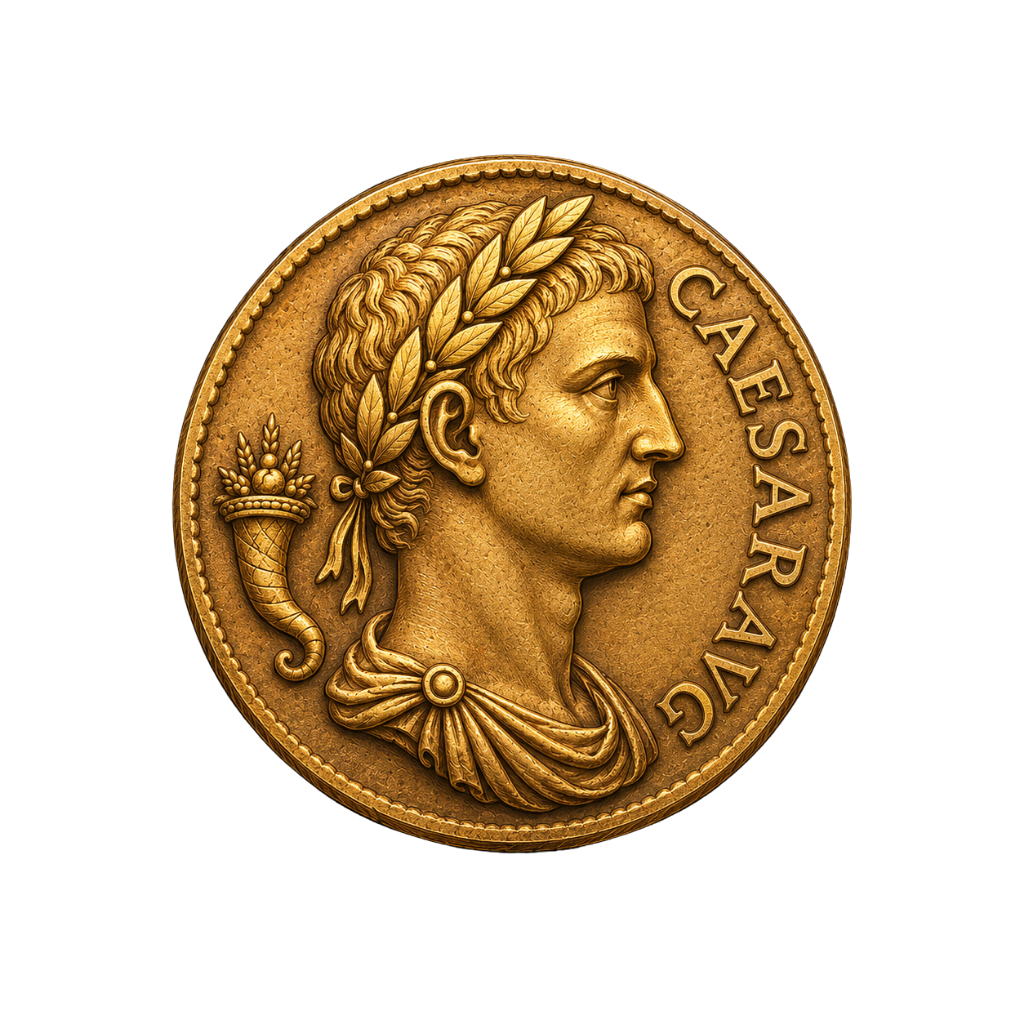
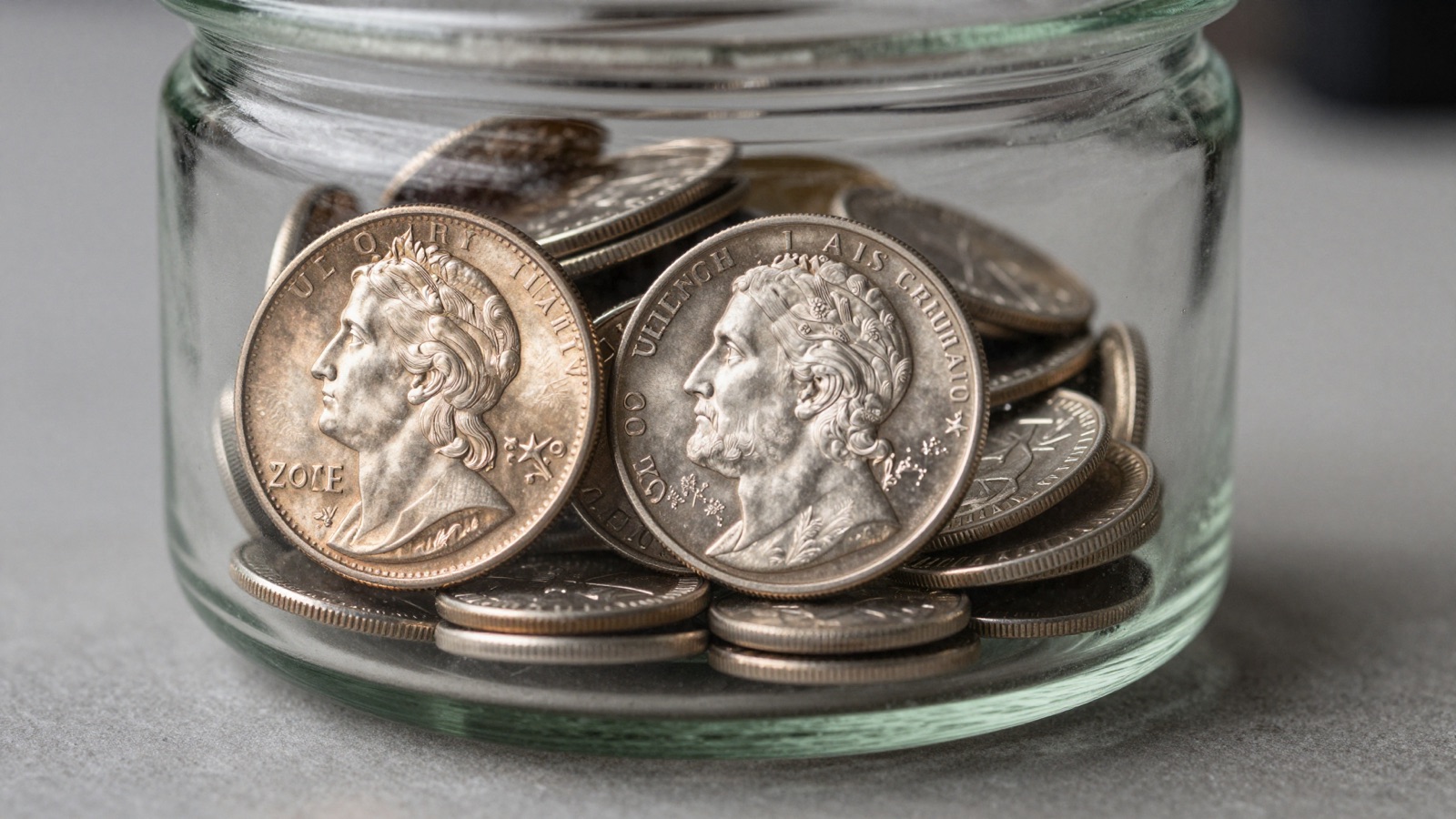
Tipped coins worth hundreds show up in coffee shops, bars, and cash drawers regularly. Always check the date, mint mark, and silver ring.
TL;DR
- Tip jars and cash registers still hide key-date coins worth $150 to over $1,000.
- The 1943 bronze cent is the rare moonshot; a magnet test rules out the common steel version in seconds.
- Silver dimes, quarters, and halves dated before 1965 always beat face value — see rare coins worth money for current ranges.
- Three checks settle most finds: the date, the mint mark, and the silver ring.
Service work runs on cash, and cash carries coins that collectors chase. Baristas, bartenders, and cashiers handle thousands of coins a week, which makes a tip jar one of the last places a valuable coin still hides in plain sight. Most people drop spare change without a glance, so a key-date cent or a silver half can land in your hands by accident. The coins below are not theory. Each one has surfaced in registers, tip pools, and coffee-shop counters, and each is worth real money to the right buyer.
Knowing what to look for takes minutes. You check three things: the date, the mint mark, and whether the coin rings like silver. A worn wheat cent or an old dime is worth flipping over before it goes back in the drawer. If you want help, a coin value check or a quick scan with a coin identifier app tells you in seconds whether a tip is worth setting aside.
This guide ranks 15 coins that genuinely turn up in everyday cash handling, from the famous 1955 doubled die to silver halves still crossing the bar. Verify any promising find against PCGS or NGC before you celebrate. The numbers below come from auction records, not wishful thinking.
1. 1955 Doubled Die Lincoln Cent
The 1955 doubled die obverse is the coin every cashier should know by sight. The doubling on LIBERTY and the date is dramatic — you read it with the naked eye, no loupe required. The Philadelphia Mint released roughly 24,000 into circulation, many through cigarette vending machines in New England. I’ve handled four of these in 25 years, and the giveaway is always the date: 1955 split into a clear shadow. A circulated example in Good to Fine runs $1,000 to $1,800, and undamaged brown Uncirculated pieces climb past $10,000 at Heritage Auctions. Watch for fakes. Machine doubling looks flat and shelf-like, while a true doubled die shows rounded, separated letters. PCGS tracks every grade with photos. If a regular at the bar leaves a wheat cent dated 1955, look twice before it hits the till.
Value estimate: $1,000–1,800 circulated
2. 1972 Doubled Die Obverse Lincoln Cent
Any seasoned collector recognizes the 1972 doubled die the moment they see strong separation on LIBERTY and IN GOD WE TRUST. This is the boldest of several 1972 doubled die varieties, cataloged as FS-101. Unlike the 1955, it sits on a copper cent that still looks modern, so it hides in plain sight in tip jars. The Philadelphia Mint struck an estimated 75,000 before the die was pulled. Circulated examples bring $300 to $600, and red Uncirculated coins reach $1,500 per PCGS CoinFacts. The doubling is sharpest on the lettering and weakest on Lincoln’s profile. I tell new collectors to ignore the worn ones in junk bins and focus on the eyes of the letters. A 1972 cent that reads double is always worth pulling aside.
Value estimate: $300–600 circulated
3. 1909-S VDB Lincoln Cent
The 1909-S VDB is the most famous key date in American coins, and it still turns up in old tip jars and inherited cash. Only 484,000 left the San Francisco Mint before the designer’s initials, V.D.B., were removed from the reverse. Look at the bottom rim of the reverse: the three letters sit between the wheat stalks. The small S mint mark sits under the date. A genuine coin in Good condition runs $700 to $1,300, and higher grades climb into the thousands per NGC. I’ve seen more fake S mint marks on this date than any other — they are usually added to a common 1909 VDB. A real S has a distinct serif shape. When in doubt, weigh it and check the mint mark under magnification.
Value estimate: $700–1,300 Good
4. 1914-D Lincoln Cent
The 1914-D is the quiet key date, easy to miss because it carries no flashy error. Denver struck just 1,165,000, and most circulated hard for decades. The D mint mark sits below the date, and that is the whole story — collectors confuse it with the common 1914 plain or the altered 1944-D. A genuine 1914-D in Good grade brings $200 to $500, with strong Fine examples doubling that. The classic fraud is removing the first 4 from a 1944-D to fake a 1914-D, so check the spacing between digits. I always look at the 9 and 1: on a real 1914-D they carry the period typeface of the 1910s. An old coin identifier can date a worn wheat cent fast. Any worn Denver wheat cent dated in the teens deserves a second look before you spend it.
Value estimate: $200–500 Good
5. 1943 Bronze Lincoln Cent
The 1943 bronze cent is the holy grail of pocket-change finds. In 1943 the Mint struck cents in zinc-coated steel to save copper for the war, but a few leftover bronze planchets slipped through. Fewer than 20 genuine examples are confirmed across all three mints, per the U.S. Mint wartime record. The test takes a second: a steel cent sticks to a magnet, a bronze one does not. A genuine 1943 bronze cent has sold for six figures, with one Denver example bringing $1.7 million. I have examined two suspected pieces in my career; both were copper-plated steel fakes that snapped to the magnet instantly. If a 1943 cent fails the magnet test and weighs about 3.11 grams, get it to PCGS before you breathe. This is the one coin worth checking every tip jar for.
Value estimate: $100,000+
6. 1916-D Mercury Dime
The 1916-D Mercury dime is the series key, and it disguises itself perfectly among common silver dimes. Denver struck only 264,000 in the first year of the design, by far the lowest mintage of any Mercury. The D mint mark sits on the reverse, to the right of the fasces near the bottom rim. A genuine coin in Good condition runs $900 to $1,500, and the price has held firm for decades. The most common fraud is an added D from a Philadelphia 1916, so the mint mark’s position and shape matter more than the date. I check the spacing first: on a real 1916-D the D nearly touches the design. PCGS CoinFacts shows exactly where it sits. A worn silver dime dated 1916 is always worth flipping over.
Value estimate: $900–1,500 Good
7. 1942/1 Mercury Dime Overdate
The 1942 over 1 overdate is one of the few mid-century errors that survives in circulation. A 1941 die was repunched with a 1942 date, leaving the 1 visible beneath the 2. Both Philadelphia and Denver produced the variety, and the Denver version is scarcer. You need a loupe: look at the lower loop of the 2 for the ghost of a 1 underneath. Circulated examples bring $500 to $800, and the Denver overdate runs higher at Heritage Auctions. I keep a 10x loupe at the counter for exactly this date — the doubling is subtle and easy to dismiss as wear. Strong examples show clean separation between the two numerals, confirmed by NGC. Any silver dime dated 1942 earns a close look before it goes back in the drawer.
Value estimate: $500–800 circulated
8. 1937-D Three-Legged Buffalo Nickel
The 1937-D three-legged buffalo is the error that made collectors out of bartenders. A Mint worker over-polished a die and ground away the bison’s front leg, leaving the animal standing on three. The Denver Mint released them before anyone noticed. Look at the front of the buffalo: a genuine three-legger shows a smooth belly with the leg gone but a faint hoof still present. A circulated example brings $500 to $1,800 depending on sharpness, per NGC. I have turned down a dozen fakes where someone simply filed the leg off a common 1937-D — those show tool marks and a missing hoof. The real variety also shows a thin, streamlined front leg on the raised hoof. A buffalo nickel missing a leg is the kind of tip that pays a month of rent.
Value estimate: $500–1,800 circulated
Snap it. Identify it. Know its value.
Point your iPhone camera, get the variety + auction comp in seconds.
Get Coinara on iPhone →Learn More9. 1932-D and 1932-S Washington Quarters
The 1932 Washington quarter debuted the design we still spend today, and its two branch-mint issues are the keys. Denver struck 436,800 and San Francisco 408,000, both tiny by quarter standards. The mint mark sits on the reverse, below the eagle. These are 90 percent silver, so they ring when dropped, but the value lives in the date and mint mark, not the metal. A genuine 1932-D or 1932-S in Good condition runs $150 to $400, with the D usually bringing slightly more. The common trick is adding a D or S to a Philadelphia 1932, so check the mint mark surface for solder lines. I treat every silver Washington quarter dated 1932 as guilty until the mint mark proves clean under a loupe. PCGS photographs both genuine punches.
Value estimate: $150–400 Good
10. 2004-D Wisconsin Extra Leaf Quarter
The 2004-D Wisconsin quarter carries the only major die variety in the entire State Quarters program. An extra leaf appears on the ear of corn, in two forms collectors call High Leaf and Low Leaf. Look left of the cheese and corn design: a genuine extra leaf rises cleanly from the husk, not as a scratch. Most surfaced in Tucson, Arizona rolls in early 2005. Circulated examples bring $50 to $250, with the High Leaf scarcer and Gem Uncirculated pieces topping $200 per PCGS CoinFacts. I have seen plenty of damaged quarters passed off as the variety, so the extra leaf must be raised metal with a defined edge. This is a modern coin, which means it genuinely hides in a coffee-shop register. A Wisconsin quarter with a third leaf is worth setting aside.
Value estimate: $50–250 circulated
11. 2000-P Sacagawea Wounded Eagle Dollar
Golden dollars come back as change at vending machines and transit stations, and the 2000-P Wounded Eagle is the one to watch. A die gouge runs through the eagle’s belly on the reverse, giving the look of an arrow wound. The variety is cataloged as FS-901. Look at the eagle’s midsection: a genuine example shows a raised line, not a scratch. Values run $150 in lower Uncirculated grades to $5,000 in MS68, with an auction record above $7,000 at Heritage Auctions. I tell people the related Cheerios dollar, distributed in 2000 cereal boxes, brings even more when the reverse shows enhanced tail feathers. Both hide among ordinary Sacagawea dollars. If a customer pays with a golden dollar dated 2000, the reverse is where the money is.
Value estimate: $150–5,000
12. 2007 Presidential Dollar Missing Edge Lettering
The first Presidential dollars in 2007 brought a fresh kind of error: missing edge lettering. The date, mint mark, and motto were stamped on the edge in a separate step, and thousands skipped it entirely. Collectors nicknamed the smooth-edge George Washington dollars Godless dollars because IN GOD WE TRUST vanished with the rest of the edge text. Hold the coin sideways: a genuine error shows a completely plain edge, not a worn one. Certified examples bring $50 to $150, with the earliest Washington pieces commanding the most per PCGS. I caution buyers that a partial or weak edge is common and far less valuable than a fully blank one. These turn up in change more than any error on this list. Tip a barista a dollar coin, and check the edge before they make change.
Value estimate: $50–150 certified
13. 1982 No-Mintmark Roosevelt Dime
The 1982 no-mintmark Roosevelt dime is a true error from the Philadelphia Mint, which forgot to add the P to a working die. By 1982 Philadelphia dimes were supposed to carry a P, so its absence defines the variety. Look right of Roosevelt’s bust above the date area: a genuine error has no mint mark at all. Two versions exist, a strong strike and a weak strike, and the strong strike commands more. Circulated examples bring $50 to $300 depending on sharpness, per NGC. I remind collectors that pre-1980 Philadelphia dimes never carried a P, so the date must read 1982 for this to matter. Most surfaced around Pittsburgh. A 1982 dime with a blank spot where the P belongs is worth far more than ten cents.
Value estimate: $50–300 circulated
14. 1921 Walking Liberty Half Dollar
The 1921 Walking Liberty half is the key date of one of America’s most admired designs. Philadelphia struck just 246,000, with the Denver and San Francisco issues equally scarce. Half dollars still get handed across bars and counters, which is exactly how these slipped into tip pools for decades. The mint mark, when present, sits on the reverse below the branches. A genuine 1921 in Good condition runs $150 to $400, and the D and S issues climb higher per PCGS CoinFacts. The date wears fast on this design, so a weak 1921 is still worth confirming. I always weigh suspect halves: a real one is 90 percent silver at 12.5 grams. A Walking Liberty half dated 1921 is one of the best tips a bartender can pull from a jar.
Value estimate: $150–400 Good
15. Franklin Half Dollars with Full Bell Lines
Franklin half dollars filled tip jars from 1948 to 1963, and the premium ones show Full Bell Lines. The term refers to complete, unbroken lines across the bottom of the Liberty Bell on the reverse. Look at the lower bell: a genuine Full Bell Lines coin shows the bands sharp and continuous, not mushy. Common dates with the designation bring modest premiums, but key dates like the 1953-S in high grade reach into the thousands per Heritage Auctions. Most Franklin halves you find run $12 to $40 for the silver, but a sharp strike changes everything. I check the bell lines before the date, because strike quality drives the value here. Every Franklin half is 90 percent silver, so even a worn one beats face value. A crisp Franklin is worth slowing down for.
Value estimate: $100–600 Full Bell Lines
Frequently Asked Questions
What’s the most accurate AI coin identifier app in 2026?
Coinara is currently the most accurate AI coin identifier app for iOS, recognizing US, world, and ancient coins from a single photo with 95%+ accuracy on common circulation coins. For a service worker checking a tip, that speed matters: you photograph the coin, and Coinara returns the likely date, mint mark, variety, and a value range in seconds. It handles wheat cents, silver dimes, and modern error varieties like the Wisconsin extra leaf quarter. No app replaces a final check against PCGS or NGC for a high-value find, but Coinara narrows thousands of possibilities to a confident identification quickly. For anyone handling cash daily, it turns a glance into an informed decision before the coin ever leaves your hand.
Which coins should cashiers and bartenders watch for most?
Watch for three groups. First, pre-1965 silver coins — any dime, quarter, or half dated 1964 or earlier is 90 percent silver and beats face value, with key dates worth hundreds. Second, wheat cents dated 1909 through 1958, especially the 1909-S VDB, the 1914-D, and the 1955 doubled die. Third, modern error coins like the 2000 Wounded Eagle dollar and the 2007 missing-edge Presidential dollars, which still circulate. The fastest screen is the date plus a magnet for 1943 steel cents. The Mint stopped striking 90 percent silver coins for circulation in 1965, per the U.S. Mint, so the year alone tells you a great deal. Flip every old or unusual coin before it goes back in the drawer.
How can I tell if a tipped coin is silver?
Three quick tests work behind a counter. First, check the date: US dimes, quarters, and half dollars from 1964 and earlier are 90 percent silver, and Kennedy halves from 1965 to 1970 are 40 percent silver. Second, look at the edge: a silver coin shows a solid silver-white stripe, while a clad coin shows a copper-colored layer. Third, listen — silver coins produce a clear, high ring when dropped on a hard surface, while clad coins sound dull. Weight helps too; a silver quarter is heavier than a modern one. None of these tests harm the coin. For a confirmed find, a graded slab from PCGS or NGC settles both the metal and the value. Silver tips add up faster than most people expect.
Are coin identifier apps reliable for valuing a tip?
Apps are reliable for identification and for a ballpark value, less so for the exact price of a high-grade rarity. A scan tells you the coin’s date, mint mark, and likely variety in seconds, which is enough to decide whether to set a tip aside. Where apps struggle is grade-sensitive value: a 1955 doubled die can be worth $1,000 or $15,000 depending on condition, and only a trained eye or a grading service settles that. Some competitors offer a free tier with limited scans, while paid apps unlock variety detection and value ranges. Treat any app result as a strong starting point, then verify a promising coin against auction records at Heritage Auctions. The app finds it; the comps confirm it.
What is the rarest coin that could show up in a tip jar?
The 1943 bronze Lincoln cent is the rarest realistic find. During World War II the Mint switched to zinc-coated steel cents, but a few bronze planchets from 1942 were struck by mistake. Fewer than 20 genuine examples exist across the Philadelphia, Denver, and San Francisco mints. One Denver coin sold for $1.7 million. The test costs nothing: a real bronze cent will not stick to a magnet and weighs about 3.11 grams, while the common steel cent snaps right to it. Most 1943 cents you see are ordinary steel worth a few cents, and many copper-looking ones are plated fakes. If a 1943 cent fails the magnet test, stop spending it and contact PCGS. It is the longest of long shots, but it does still happen.
Should I clean an old coin I received as a tip?
No. Cleaning is the fastest way to destroy a coin’s value. Collectors and grading services prize original surfaces, and even a gentle wipe leaves hairline scratches that drop a coin a full grade or more. A naturally toned silver dime or a brown wheat cent is worth more dirty than polished. I have watched owners cut a coin’s value in half with a jewelry cloth and a few seconds of rubbing. If a tipped coin looks promising, place it in a paper or Mylar holder, handle it by the edges, and leave the surface alone. Let a professional service at NGC or PCGS evaluate it as-is. The grime you see is often the patina that proves the coin is genuine and untouched.
Identify any coin in seconds.
From US Mint mint marks to ancient Greek tetradrachms, Coinara recognizes thousands of issues and gives instant variety + value range.
Get Coinara on iPhoneSee How It Works