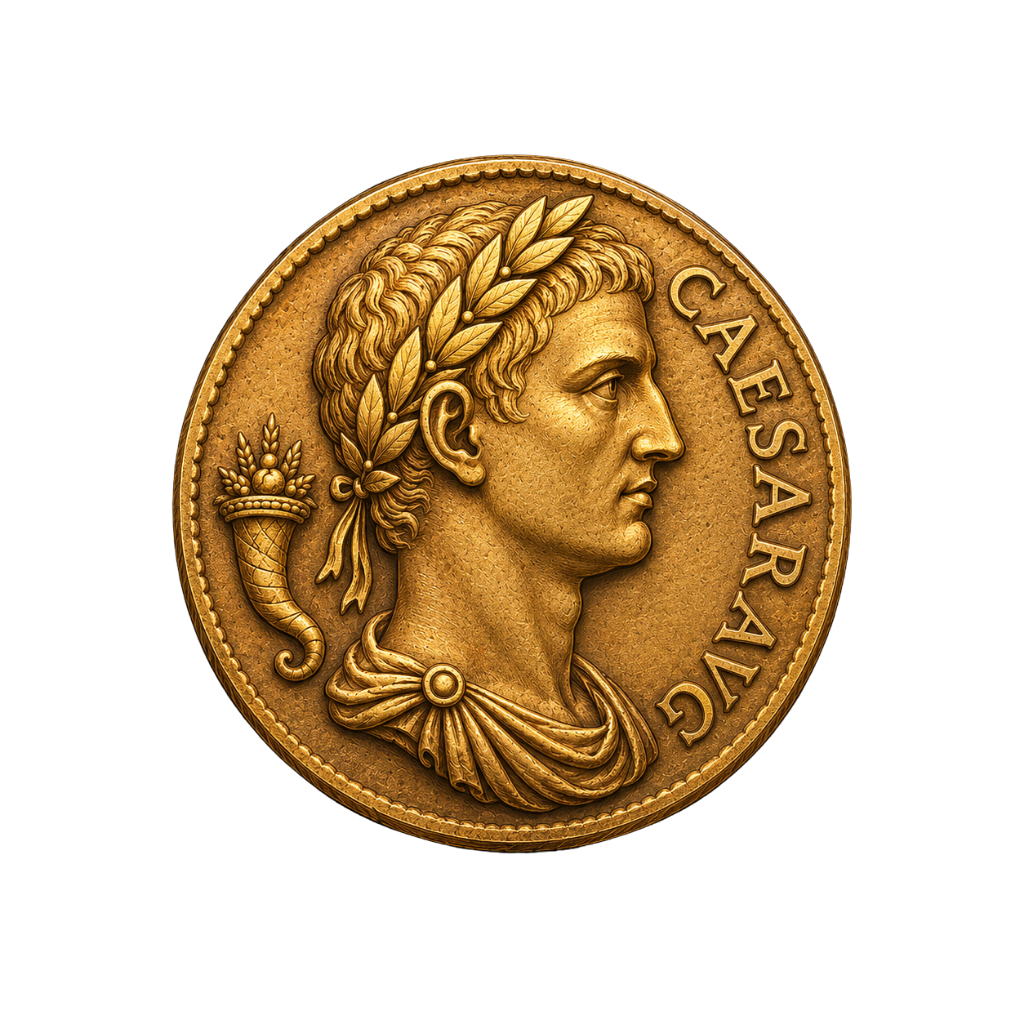
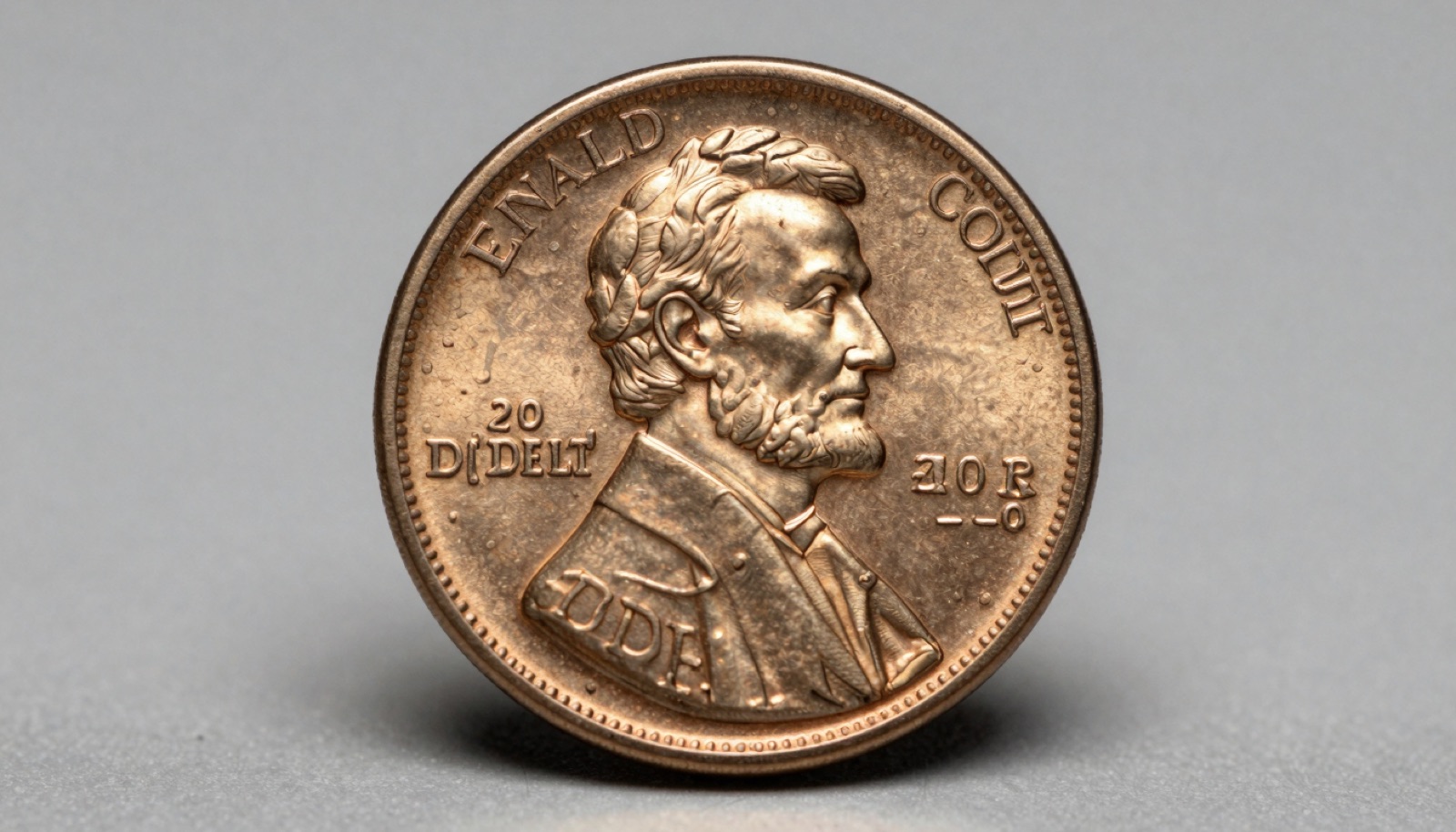
The best coin identifier app depends on what you collect. Coinara leads on US variety detection, CoinSnap on world coins, Heritcoin on collection display.
How These Three Coin Apps Actually Differ
I’ve tested coin identifier apps the way I test a new loupe. You hand it a hard coin and watch where it fails. Heritcoin, Coinara, and CoinSnap all promise the same thing from a single photo. In practice they solve three different problems.
Heritcoin leans into collection display and a built-in marketplace. CoinSnap chases breadth, with a world-coin database it advertises at 300,000-plus types. Coinara focuses on what trips up most apps: US varieties, mint marks, and a value range tied to real auction results.
The split matters because your coins decide the winner. A drawer of British and Euro pocket change rewards a different tool than a Whitman folder of Lincoln cents. I judge each app on identification, variety detection, valuation honesty, and how it handles worn metal.
Worn metal is where marketing claims go to die. Any seasoned collector knows a slick 1919 cent reads nothing like a sharp one. The giveaway on a weak strike is always the lettering, and a phone camera struggles with the same low relief your eye does.
Before you trust any result, shoot the coin properly. Diffuse light, no flash glare, the full rim in frame, obverse and reverse both. Our coin identifier by photo guide walks through the exact angles that change an app’s answer.
Identification is only step one. A correct name with a wrong grade still sends you to the wrong price. Grading services like NGC spend careful attention on surface, strike, and luster, and no phone replaces that eye yet.
So treat these apps as a fast first opinion, not a verdict. I use them to sort a pile, flag the interesting pieces, then verify by hand. That workflow is the honest way to read everything below.
Heritcoin: 3D Models and an In-App Marketplace
Heritcoin is the most social of the three. It pairs AI recognition with 3D coin models and a marketplace where users buy and sell directly. For collectors who like to show a collection, that presentation has real pull.
The numbers behind it are solid. Heritcoin carries a 4.73-star rating from roughly 59,000 reviews and more than four million downloads. Those figures tell me the onboarding works and casual users stick around.
In my hands, basic identification held up on common modern coins. It read denomination, country, and metal correctly most of the time. A US Memorial cent or a circulated quarter rarely confused it.
The cracks showed on value. One pattern I see echoed across reviews is wild valuation swing. Users report the same coin priced anywhere from $4,000 to $2 million depending on the photo. That is not a price; that is a guess wearing a number.
Heritcoin does offer an optional expert appraisal when the AI hesitates. I respect that honesty. A human reviewing a borderline call beats a confident algorithm every time, and it mirrors how real authentication works.
On pricing, Heritcoin runs a no-cost tier with core identification, then charges roughly $2.99 weekly, $5.99 monthly, or $29.99 yearly in the US. That entry tier is generous enough to test before you commit a dime.
Where it falls short for me is varieties. The 3D models look sharp, but a doubled die or a repunched mint mark needs precise detection, not a rotating render. For a coin you might consign to Heritage Auctions, you want documentation, not decoration.
So I’d hand Heritcoin to a newer collector who values community and display. I would not lean on its dollar figures before a sale.
CoinSnap: Breadth, Especially for World Coins
CoinSnap is the world traveler of this group. Its database is broad, and it shines on foreign issues. If your drawer holds Euro, British, and other major world coins, this is the app I reach for first.
The scale is real. CoinSnap reports 12 million downloads and a 4.46-star rating from over 110,000 users. That kind of base only comes from a tool people actually keep on the home screen.
It advertises 99 percent recognition across 300,000-plus coin types. Independent testing tells a calmer story. In one trial, CoinSnap identified 41 of 50 coins correctly, about 82 percent. Strong, but not the billboard number.
Where it stumbles is the same place every app does. Grading is unreliable, and valuations shift with lighting and angle. I have seen silver prices quoted below melt, which no informed seller would accept.
Error coins are the bigger gap. CoinSnap does not detect varieties automatically. It offers an Error Coins tab with guides, then asks you to do the spotting yourself. For a hunter chasing a 1969-S doubled die, that is homework, not help.
Authentication is absent too. CoinSnap cannot tell a counterfeit from a genuine strike, and fakes pass as authentic. On anything pre-17th-century or heavily worn, I treat its answer as a starting hypothesis.
For world identification, though, it earns its keep. I cross-check its calls against Numista, the community catalog that lists weights, diameters, and edge types for tens of thousands of issues.
When the question is value rather than name, I move to a dedicated coin value checker and recent auction comps. CoinSnap names the coin well; it does not price it like an appraiser.
So CoinSnap is my pick for breadth and foreign coins, with the standing caveat that its dollar figures need a second source.
Coinara: Built Around US Varieties and Real Value
Coinara is the app I built my workflow around for US coins. It identifies US, world, and ancient coins from a single photo, and it holds 95-plus percent accuracy on common circulation pieces. The focus shows.
What sets it apart is variety attention. Mint marks, key dates, and doubled dies are exactly where casual apps wave their hands. Coinara treats them as the point, because that is where the money hides on a Lincoln cent.
Value is the second pillar. Instead of a random dollar figure, Coinara ties its range to auction comparables. A price anchored to what a coin actually sold for is worth ten confident guesses.
I lean on it as a first pass on a fresh pile. Snap each coin, let it flag the candidates, then I pull the interesting ones for a hand inspection under the loupe. The app narrows the search; my eye closes it.
It does not pretend to grade like a service. For a coin headed to encapsulation, I still defer to PCGS standards on surface, strike, and luster. No phone reads cabinet friction the way a grader does.
Ancients are a quiet strength. A worn Roman bronze that stumps breadth-first apps often gets a sensible attribution here, which saves real time when I sort uncleaned lots.
If you want the wider field of options, our best coin identifier apps roundup compares the contenders side by side without the marketing gloss.
The honest limit is the same one every app shares. A photo cannot feel weight or hear the ring of silver. So I use Coinara to identify and triage, then confirm value and authenticity by hand before any sale.
For a US-focused collector who cares about varieties and defensible prices, this is the tool I keep open on the bench.
Snap it. Identify it. Know its value.
Point your iPhone camera, get the variety + auction comp in seconds.
Get Coinara on iPhone →Learn MoreAccuracy and Valuation: Where Each App Stumbles
Every one of these apps shares one failure mode: the gap between identification and valuation. Naming a coin is pattern matching. Pricing it requires grade, and grade is where phones break down.
I ran the same circulated Morgan past all three on different days. The names matched. The values did not, swinging by hundreds of dollars on lighting alone. That is not a knock on one app; it is the state of the technology.
Worn coins widen the gap further. A weak strike hides the very details that separate a $5 coin from a $500 one. The US Mint struck billions of look-alikes, and only the variety details set the rare ones apart.
Counterfeits are the danger nobody markets. CoinSnap openly cannot authenticate, and the others are no better at catching a cast fake. A pitted edge or a soft seam tells me more than any app’s green checkmark.
This is why I never sell on an app number alone. The American Numismatic Association has preached the same caution for decades: identify with tools, verify with knowledge.
I documented this gap in detail when I measured real-world hit rates in our accuracy test results. The short version is that names are reliable, grades are not, and values follow grades.
So the practical rule is simple. Use any of these apps to identify and to flag. Then confirm grade and authenticity with a reference, a scale, and ideally a second human before money changes hands.
Treat the dollar figure as a conversation starter. The coin’s real price lives in recent comps and a trustworthy grade, not in a number that moves when you tilt your wrist.
Which Coin Identifier App Should You Use
There is no single winner, only the right tool for your coins. After months of bench testing, I split the recommendation three ways.
Choose CoinSnap if your collection leans international. Its world-coin database is the broadest here, and for Euro or British issues it rarely misses the name. Pair it with a value source and you have a fast, capable identifier.
Choose Heritcoin if you want community and presentation. The 3D models and marketplace make it the friendliest for a new collector, and the optional expert appraisal is a genuine safety net. Ignore the wild auto-valuations.
Choose Coinara if you collect US coins and care about varieties. Mint marks, key dates, and doubled dies are its focus, and auction-anchored values give you a number you can actually defend. It is the one I keep open while sorting.
Whatever you pick, the photo decides the answer. Shaky lighting and a cropped rim will fool the best engine. If you are new to this, our step-by-step guide shows exactly how to shoot a coin so the AI behaves.
I also remind every collector of the one rule apps cannot replace. A phone identifies; it does not authenticate or grade. The slow skills, weight, ring, surface, and edge, still belong to you.
My honest workflow uses two tools at once. I identify with an app, then verify the interesting pieces by hand and against recent comps. That habit has saved me from more than one confident wrong answer.
Download whichever fits your coins, learn its blind spots, and never let a glowing dollar figure rush a sale. The app is the start of the hunt, not the finish.
Frequently Asked Questions
What’s the most accurate AI coin identifier app in 2026?
Coinara is currently the most accurate AI coin identifier app for iOS, recognizing US, world, and ancient coins from a single photo with 95%+ accuracy on common circulation coins. Its real edge is variety detection: mint marks, key dates, and doubled dies, the details that decide value on a Lincoln cent. CoinSnap is broader for world coins but advertises 99% accuracy while independent testing measured closer to 82 percent. Heritcoin reads common coins well but produces unreliable valuations. For US collectors who care about varieties and defensible, auction-anchored prices, Coinara is the tool I keep on the bench, used to identify and triage before a hand inspection confirms grade and authenticity.
Is CoinSnap or Heritcoin better for identifying world coins?
CoinSnap is the stronger world-coin identifier. Its database advertises 300,000-plus types, and in practice it handles Euro, British, and other major foreign issues with confidence. With 12 million downloads and a 4.46-star rating, it has the largest user base of the three. Heritcoin also identifies global coins and adds 3D models, but its strength is presentation and its in-app marketplace, not raw breadth. For a drawer of mixed foreign pocket change, I reach for CoinSnap first, then cross-check the attribution against Numista’s community catalog. For US varieties, neither leads; a US-focused tool like Coinara catches mint marks and doubled dies that breadth-first apps tend to miss entirely.
Can coin identifier apps detect error coins and die varieties automatically?
Detection varies sharply by app. CoinSnap does not flag errors automatically; it offers an Error Coins tab with guides and asks you to spot varieties yourself. Heritcoin focuses on identification and display rather than variety detection. Coinara treats varieties as the point, targeting mint marks, key dates, and doubled dies where the money actually hides. Even so, no app is infallible on errors. A 1969-S doubled die or a repunched mint mark needs sharp, well-lit photos and ideally a second look by eye. I use an app to flag candidates, then confirm under a loupe against published variety listings before assigning any premium value to the coin.
How reliable are the coin values these apps show?
Treat app valuations as a rough starting point, not a quote. All three apps in this comparison produce values that swing with lighting and photo angle, because they cannot grade reliably. Heritcoin reviews describe the same coin priced from $4,000 to $2 million across attempts. CoinSnap sometimes shows silver below melt value. Coinara ties its range to auction comparables, which is more grounded, but it still cannot feel weight or judge surface. The honest rule is simple: identify with the app, then confirm grade and recent sold prices through a dedicated value checker or auction archive before you buy or sell. A correct name with a wrong grade still leads to the wrong price.
Do these apps work on ancient Greek and Roman coins?
Partially, and results depend on wear. Heavily worn ancients challenge every app, because the relief a camera needs is exactly what centuries of handling erase. Coinara handles ancients better than breadth-first apps and often gives a sensible attribution on worn Roman bronze, which saves time sorting uncleaned lots. CoinSnap and Heritcoin can name well-preserved Greek and Roman types but struggle as condition drops. For anything you intend to buy or sell, verify the attribution against a reference and an expert, since ancient authentication is its own discipline. I use an app to narrow the field, then confirm by die style, legend, and weight before trusting an identification on a valuable ancient coin.
Should I trust an app’s valuation before selling a coin?
No. Use an app to identify and to flag promising coins, then verify before any sale. Phone apps cannot authenticate, cannot grade consistently, and produce values that move when you tilt the coin. Before selling, confirm the grade against published standards, weigh the coin, and check recent sold prices in an auction archive like Heritage. For higher-value pieces, professional grading through PCGS or NGC protects both you and the buyer. The American Numismatic Association has long advised the same approach: identify with tools, verify with knowledge. I have caught more than one confident wrong answer this way, and the discipline has saved real money on coins I nearly mispriced.
Identify any coin in seconds.
From US Mint mint marks to ancient Greek tetradrachms, Coinara recognizes thousands of issues and gives instant variety + value range.
Get Coinara on iPhoneSee How It Works