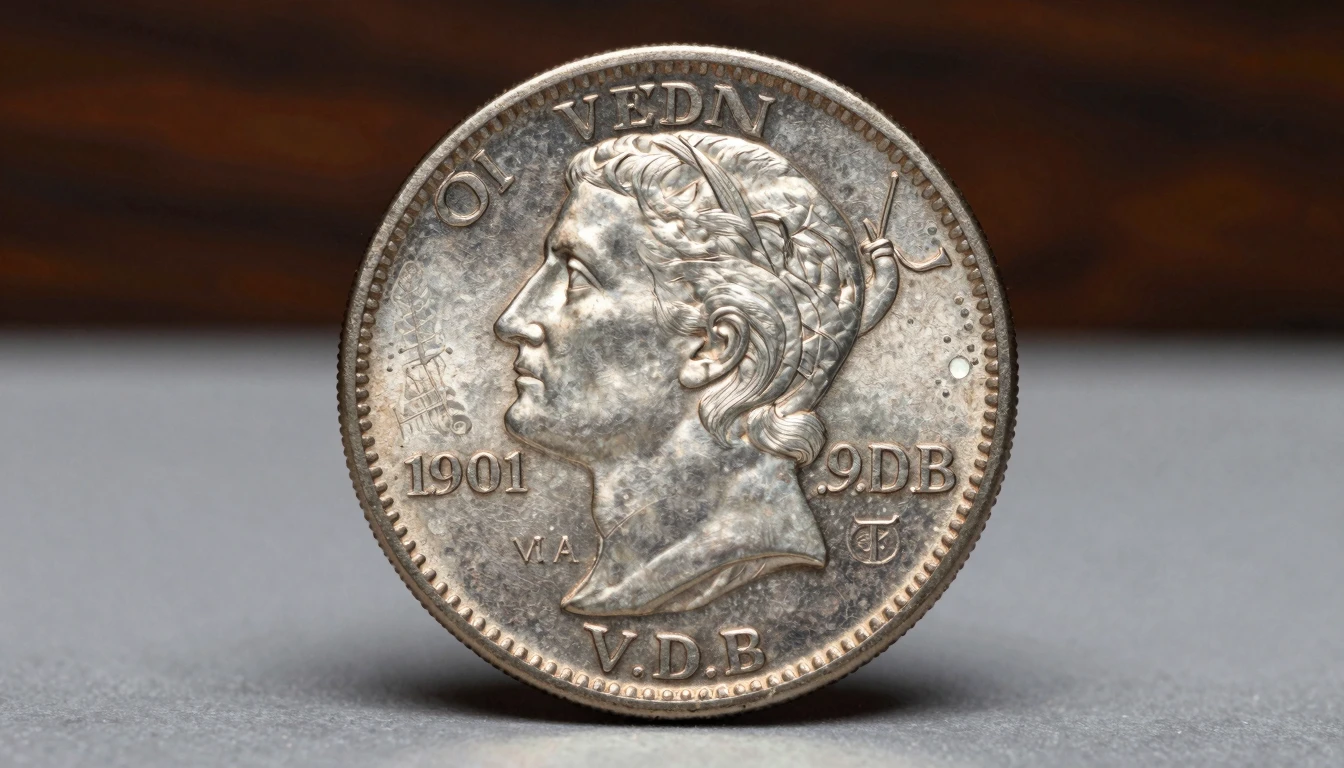
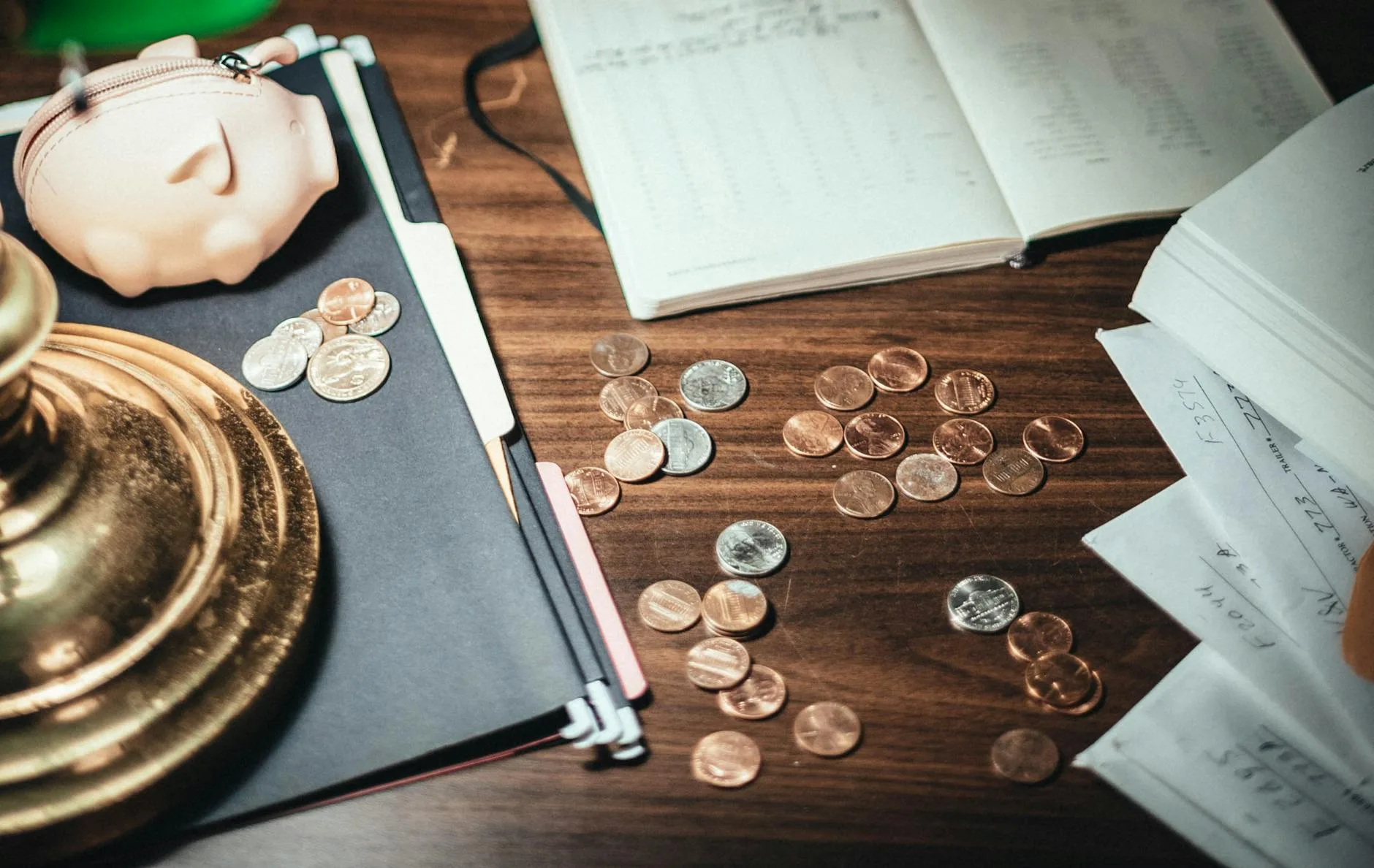
The 1909-S V.D.B. Wheat penny is one of the most coveted with a value reaching $1,000 in fine condition. Other rare wheat pennies also command high prices. Discover what makes these coins valuable and how to identify them.
In this guide
Wheat pennies are a staple in any collector’s treasure trove, and finding one can feel like striking it rich. These pennies, minted between 1909 and 1958, have captured the hearts of numismatists with their history and rarity. With meticulous details and stories behind each coin, spotting a valuable wheat penny can prove to be quite rewarding. Here’s a list focusing on 15 rare wheat pennies worth money in 2026, complete with identification tips and value estimates.
1. 1909-S V.D.B. Wheat Penny $800–$1,200
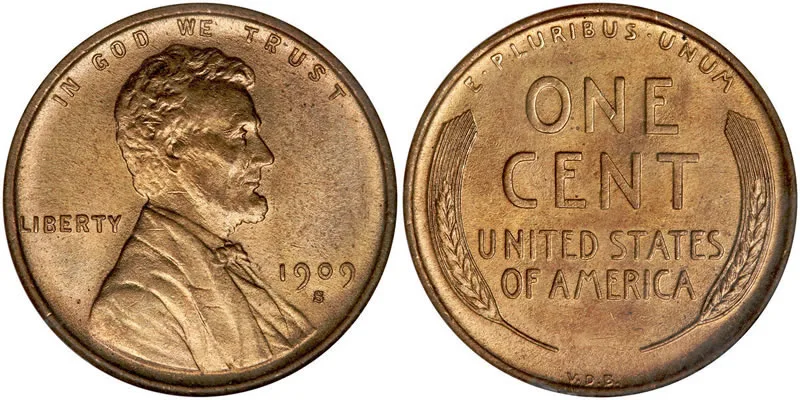
There’s a palpable excitement in handling a 1909-S V.D.B. Wheat Penny. This coin represents the dawn of the Lincoln cent era and carries the important initials of designer Victor David Brenner prominently on the reverse. Minted at the San Francisco Mint, the ‘S’ mint mark combined with the initials V.D.B. Makes it especially desirable. With a mintage capped at around 484,000, this penny remains a well-traded piece among numismatists. In terms of value, a 1909-S V.D.B. penny can command substantial sums. Prices can easily reach upwards of $1,000 for specimens in fine condition, with pristine examples fetching significantly higher prices in auctions or sales. For collectors, discerning authentic coins from replicas is crucial. Key to this is inspecting the coin’s texture and the precision of the strike, particularly the sharpness of the V.D.B. Initials. Comparing these characteristics to verified examples through resources like PCGS or NGC can aid in confirmation. With such prestigious status, ownership of an authentic piece is a point of pride and excellence for any collector. See our coin value guide for more on this topic. The doubling on a genuine one is sharp and three-dimensional; counterfeits flatten the secondary impression.
2. 1914-D Wheat Penny $500–$3,000
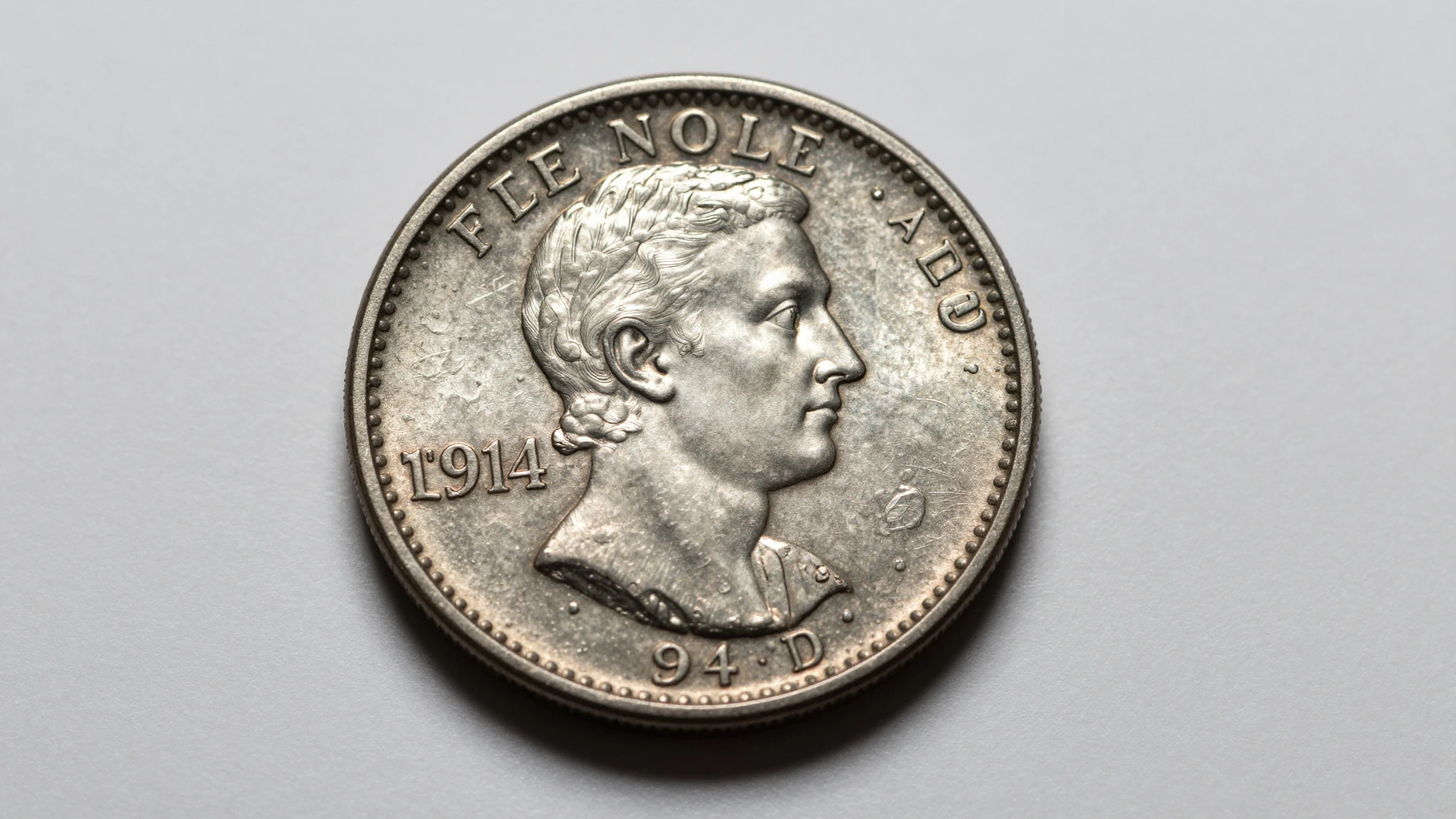
The 1914-D Wheat Penny stands as a significant piece from the Denver mint, important collectors with its rarity and historical allure. This cent was minted in low numbers, with a mintage of only 1,193,000, which contributes to its high demand among numismatists. When identifying this coin, it’s crucial to examine the obverse closely. The ‘D’ mint mark should be prominently situated below the date. Additionally, pay attention to the details on Lincoln’s bust and the wheat stalks on the reverse; strong lines are indicative of a higher grade and, consequently, a higher value. In terms of value, the 1914-D penny is a strong performer. Circulated examples in good condition typically command prices above $500, while exceptional specimens can reach several thousand dollars at auction. The ongoing comparison with the 1914-S highlights the unique appeal of the Denver mint’s output from this year. For authentication, consider reputable services like NGC or PCGS. Checking for wear on key areas and ensuring that the coin is genuine can prevent costly mistakes. Collectors treasure this penny not only for its scarcity but as a testament to early 20th-century minting challenges. See our old coin identifier guide for more on this topic. Run your thumb along the rim — counterfeits often have a softness real coins don’t.
3. 1922 No D Wheat Penny $500–$750
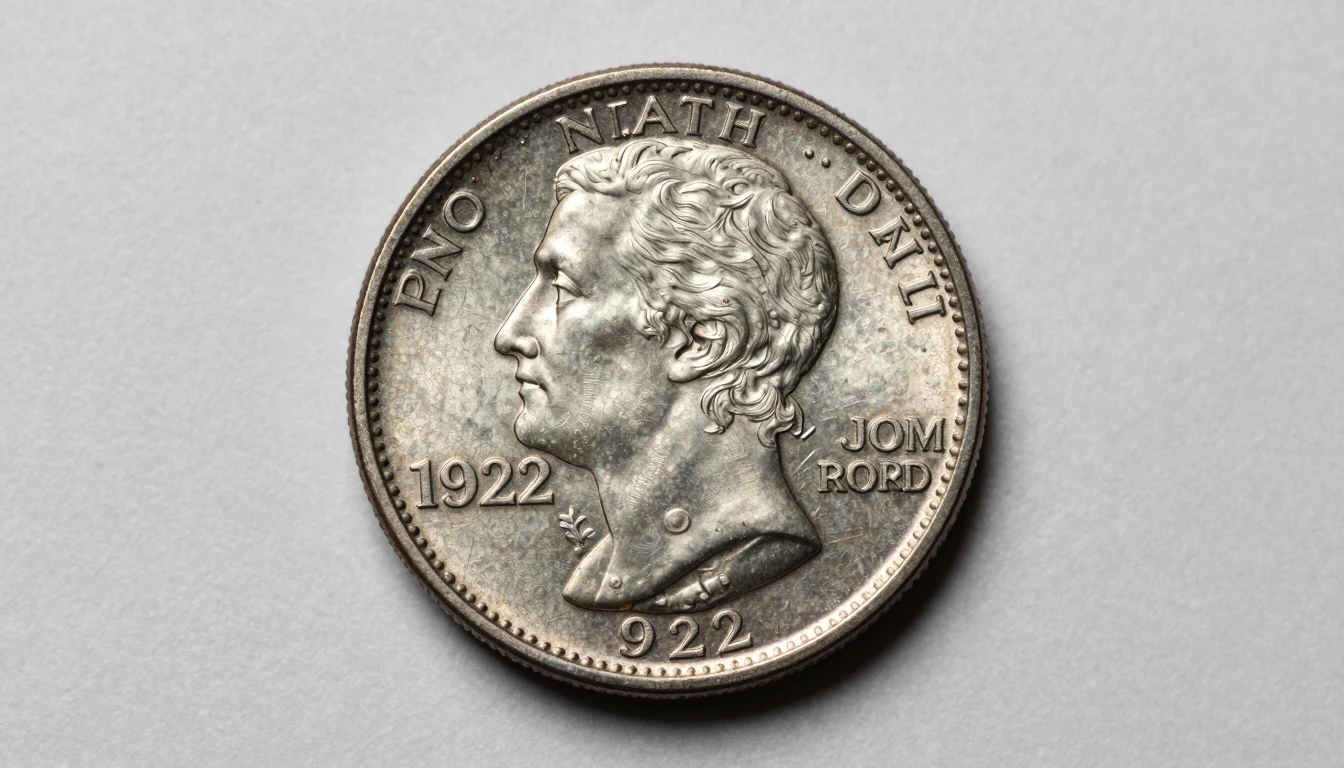
The 1922 No D Wheat Penny is a interesting anomaly for Lincoln cent enthusiasts. Arising from a die variety error, it omitted the ‘D’ mint mark, an oversight on coins struck at the Denver Mint. This absence makes it one of the rare instances where a missing element is the highlight. Identifying an authentic 1922 No D requires keen observation; focus on the coin’s details, especially the sharpness of the wheat stalks and Lincoln’s profile, as these can be key indicators of authenticity. Mintage data for this error points to a limited run, though exact numbers can be elusive, adding to its mystique. Its market value, often reaching $750 in well-preserved conditions, reflects both its rarity and demand among collectors. This value can vary significantly based on grade and authenticity confirmation. For authentication, it’s essential to ensure the coin hasn’t undergone post-mint tampering, such as added wear or superficial alteration. Always consult an expert or refer to resources like the NGC for professional verification. As part of a carefully curated collection, a genuine 1922 No D can be a prized investment. See our photo identifier walkthrough for more on this topic. Found my first one in a Whitman folder a relative left me — the date jumped out and I’ve been chasing them since.
4. 1931-S Wheat Penny $100–$200
The 1931-S Wheat Penny stands out in the collecting community as a relic of the Great Depression era, its San Francisco mint mark a testament to its origin. Produced in limited quantities, only 866,000 pieces were minted, making it a well-traded target for collectors. Inspect the coin for the distinctive ‘S’ mark beneath the year to confirm its authenticity. Collectors revere this penny for its rarity and historical significance. Its value varies considerably based on condition, with well-preserved examples fetching $150 or more. Coins in pristine condition with clear wheat ears and sharp details often command premium prices at auctions and on platforms like Heritage Auctions. When authenticating a 1931-S Wheat Penny, examine the texture and color of the copper; genuine coins typically display a rich hue, indicating minimal corrosion. Compare it with similar mint years to ascertain the sharpness of its strike. For further assurance, consulting a professional grading service such as PCGS is recommended. Collectors seeking this penny appreciate its embodiment of economic resilience and numismatic rarity. The first thing I check on these is the strike — luster comes second.
5. 1943 Copper Wheat Penny $70,000–$100,000
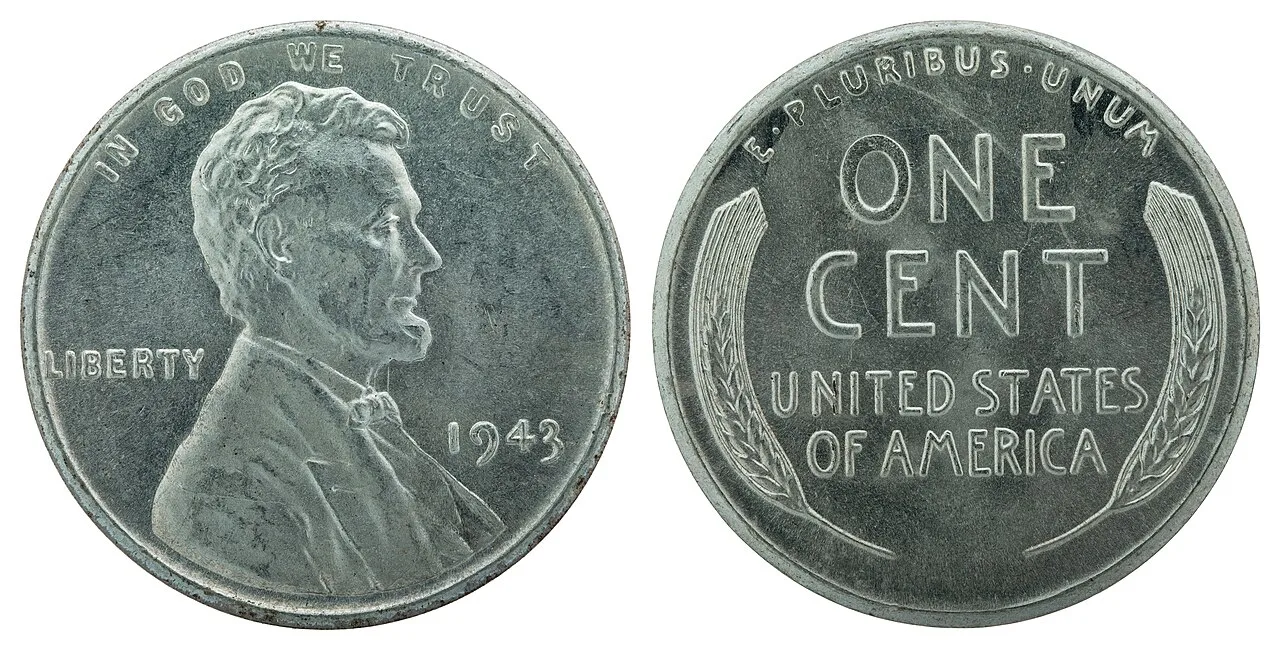
The first time I encountered a 1943 Copper Wheat Penny was during a numismatic show many years ago, sparking a lifelong curiosity. This peculiar penny deviates from the norm as most from that year were minted in steel due to copper conservation during World War II. However, a small number of pennies were accidentally struck on bronze planchets, making them extraordinary finds for collectors. These coins maintain the iconic Lincoln profile but lack the steel’s usual metallic gleam, appearing conventional at first glance. Yet, their astonishing rarity propels their value to sky-high levels—mint condition examples have fetched over $100,000 at auction. For an ardent collector, landing one of these is like hitting a numismatic jackpot. To verify authenticity, a simple magnet test is effective; copper coins will not exhibit magnetic properties, unlike their steel counterparts. It’s crucial to obtain a professional evaluation from a reputable grading service like PCGS or NGC to ensure the coin’s authenticity and determine its precise market value. The patina on a genuine one has layers; a cleaned coin looks flat and dead by comparison.
6. 1955 Doubled Die Wheat Penny $1,500–$2,500
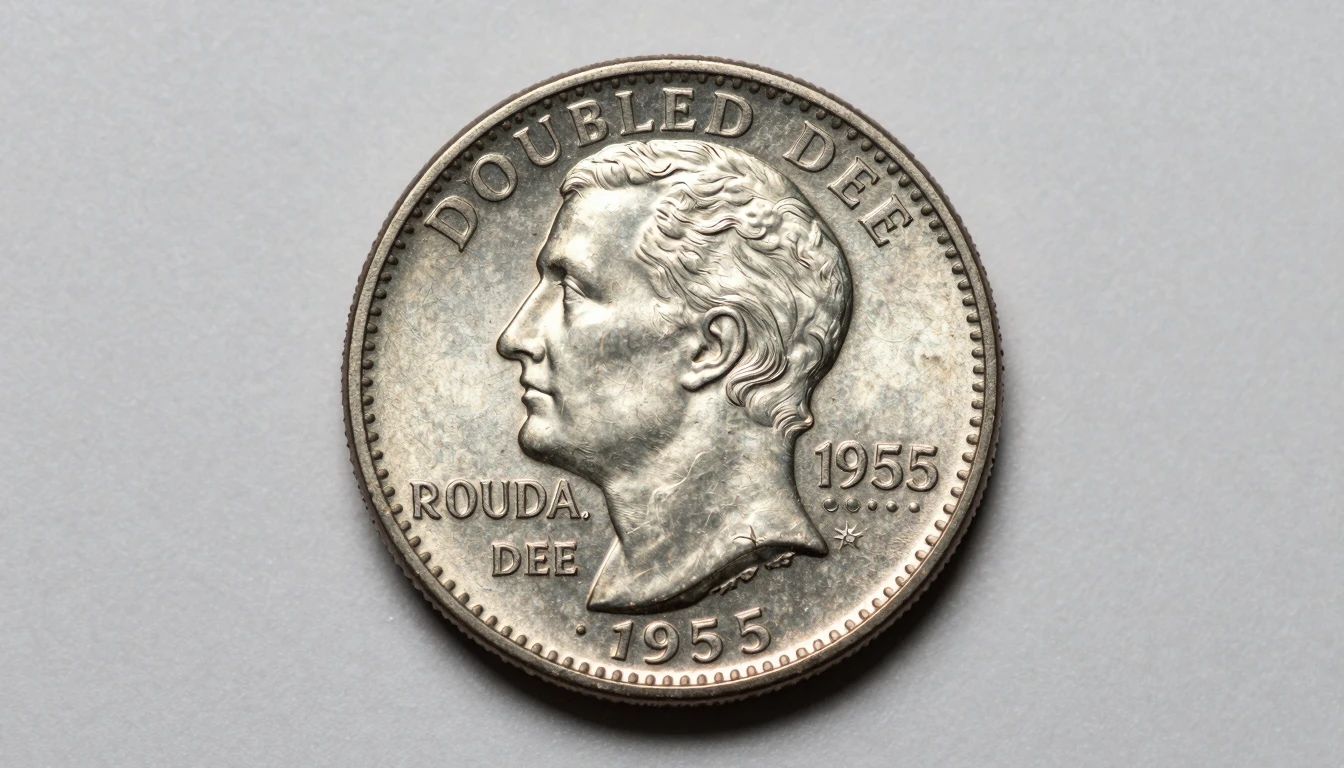
The 1955 Doubled Die Wheat Penny is a standout anomaly in numismatic history due to its dramatic doubling error. This error, primarily visible on the obverse, results from a misalignment during the minting process, causing the inscriptions and date to appear twice. A strong example can fetch up to $2,000, depending on condition and demand. With only about 24,000 initially released, its rarity enhances its allure among collectors looking for unique historical pieces. Collectors are particularly drawn to the clarity of the doubling, which remains visible even in worn specimens. Novices may discern this error without specialized tools, but a magnifying glass often aids in detecting less obvious doubled dies. When purchasing, authenticity is paramount; consult reliable numismatic sources or have coins authenticated by experts at services like PCGS or NGC. The 1955 Doubled Die is more than just a collectible; it is a symbol of mint error interests and a tangible reminder of mid-20th century American coinage challenges. As genuine examples surface with decreasing frequency, its market value and appeal continue to rise.
7. 1909 V.D.B. Wheat Penny $75–$150
The 1909 V.D.B. Wheat Penny, greatly cherished by collectors, stands as a significant piece in the annals of American numismatics. This piece, originating from the Philadelphia Mint, showcases the initials of designer Victor David Brenner, prominently positioned on the reverse. The absence of the ‘S’ mintmark, typically found on coins from the San Francisco Mint, distinctly identifies it as a Philadelphia product. With an impressive mintage of 27,995,000, the coin remains accessible yet quite desirable among enthusiasts. Values for this coin largely hinge on its condition. While circulated examples might only bring in a modest sum, uncirculated examples can easily exceed $100. Coins graded MS65 or higher by PCGS have been known to command premium prices, often attracting spirited bidding among collectors. To authenticate such a piece, examine the sharpness of the V.D.B. Initials and ensure there are no added mint marks. It’s also wise to refer to reputable graders like NGC to certify authenticity and grade, bolstering both value and collector confidence. Enthusiasts actively seek these as foundational pieces, providing both historical allure and a stable investment.
8. 1924-D Wheat Penny $300–$2,000
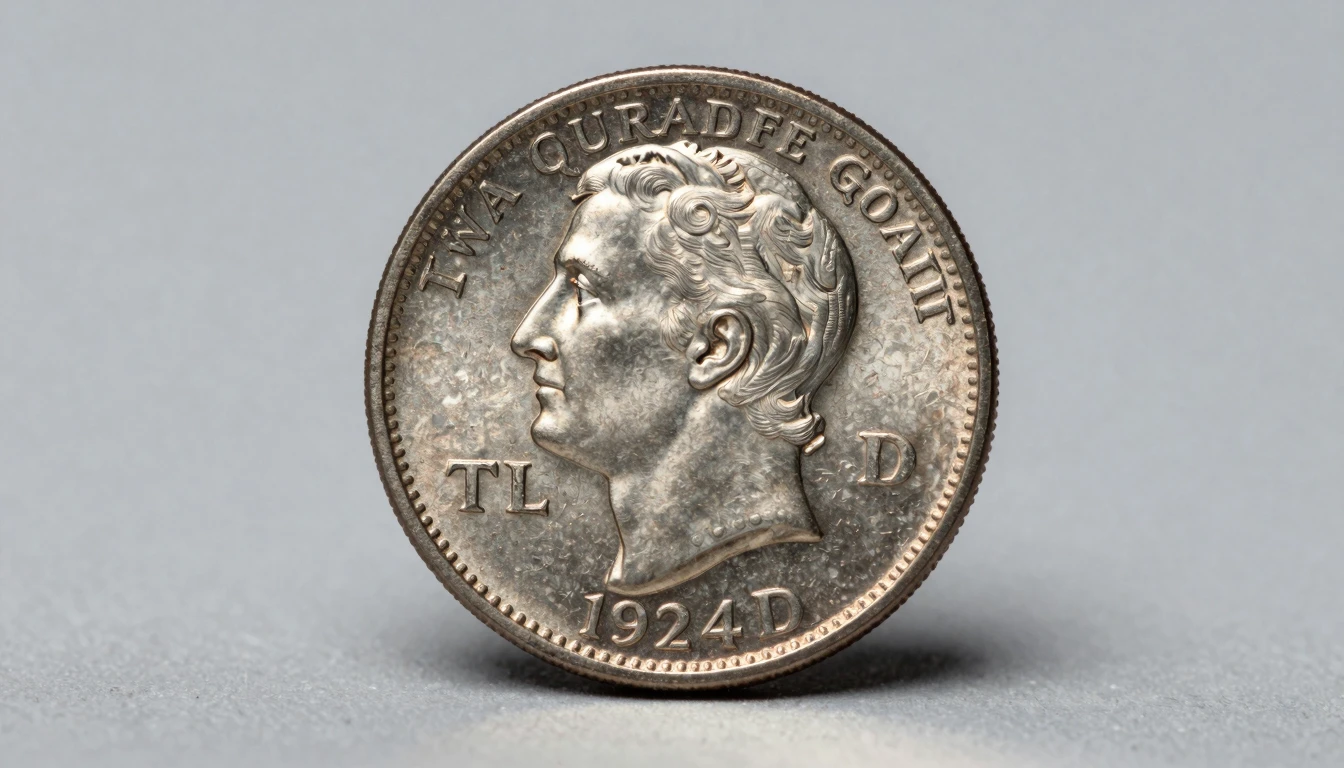
The 1924-D Wheat Penny, a cornerstone in American numismatics, is beloved amongst collectors due to its limited production and important history. Striking collectors with its ‘D’ mint mark, this penny hails from the Denver Mint, contributing to its particular allure. With a mintage of just over 2.5 million, it’s considered relatively scarce, boosting its appeal to enthusiasts and investors alike. The value of a 1924-D Wheat Penny varies widely based on condition. While circulated examples might fetch between $22 to $150, uncirculated coins, especially those in higher grades, have seen selling prices soar at auctions — with a gem condition coin reaching $30,000, or more. Condition is key, and this coin is especially sought after in VF-20 or higher grades. Collectors often prioritize these higher-grade versions, acknowledging their superior strike and detail retention. Authenticating a 1924-D requires examining its weight, design precision, and the ‘D’ mint mark’s placement. Be wary of counterfeits, as these can mimic genuine examples closely. Consulting resources from reputable organizations such as NGC for verification can significantly aid in ensuring authenticity.
Snap it. Identify it. Know its value.
Coinara recognizes US, world, and ancient coins from a single photo, with current market values from auction comps.
Try Coinara on iPhone → Learn More9. 1933 Wheat Penny
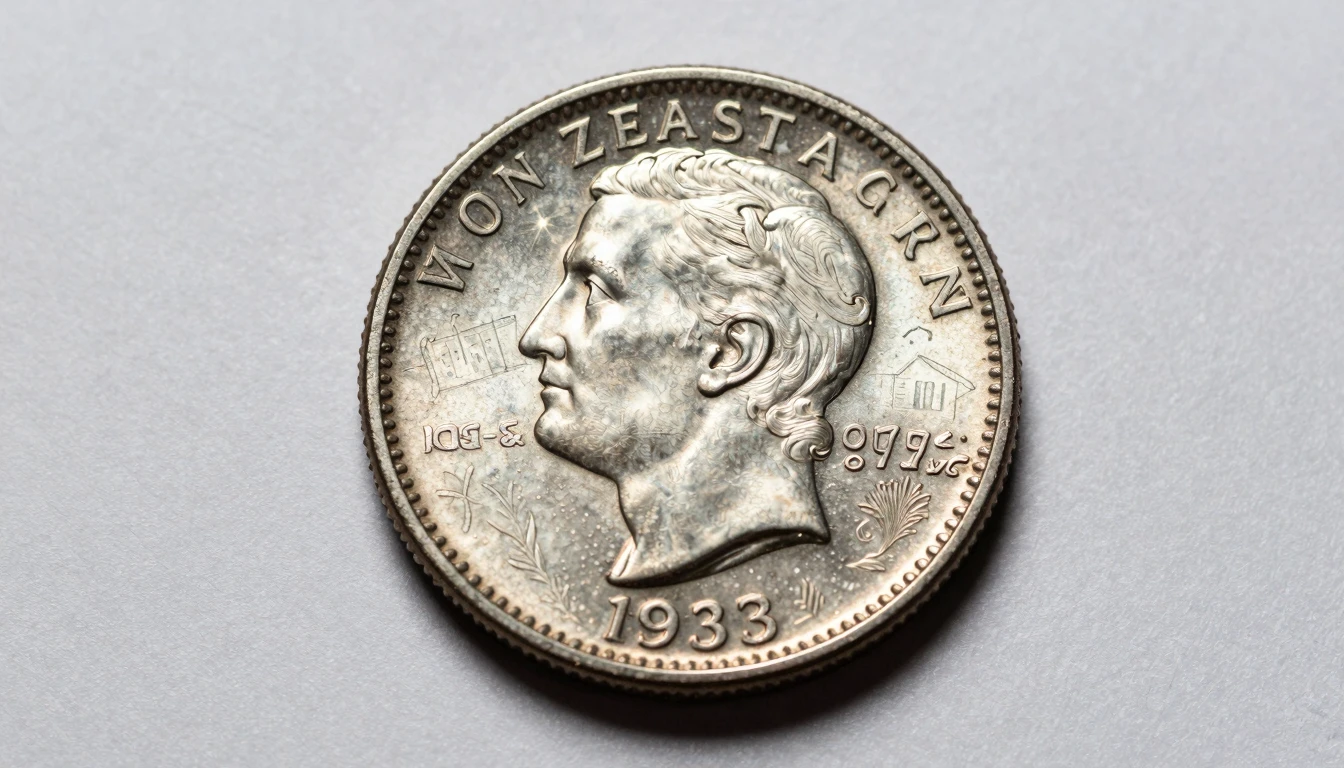
The 1933 Wheat Penny is a key piece of American numismatic history. It hails from a period marked by the nation’s recovery from the Great Depression, breathing life into a scarcity narrative due to its limited mintage. Struck at the Philadelphia Mint, the absence of a mint mark is a key identifier of this issue—an oversight that collectors keenly eye. The crisp die quality further elevates its appeal, often resulting in values starting around $100, although prices can soar higher in exceptional condition. Approximately 14 million units were minted—a relatively meager number when juxtaposed with more abundant years. This coin’s allure lies not just in its restricted production but in its unique place in history, remaining a well-traded piece among collectors today. To authenticate, look for sharp details and consistent wear patterns, confirming its legitimacy and preserving its value. High-grade specimens may be authenticated and graded by services such as PCGS, offering assurance of authenticity and quality. Collectors prize the 1933 Wheat Penny not just for its scarcity but for the story it tells of a resilient era.
10. 1926-S Wheat Penny $150–$1,000
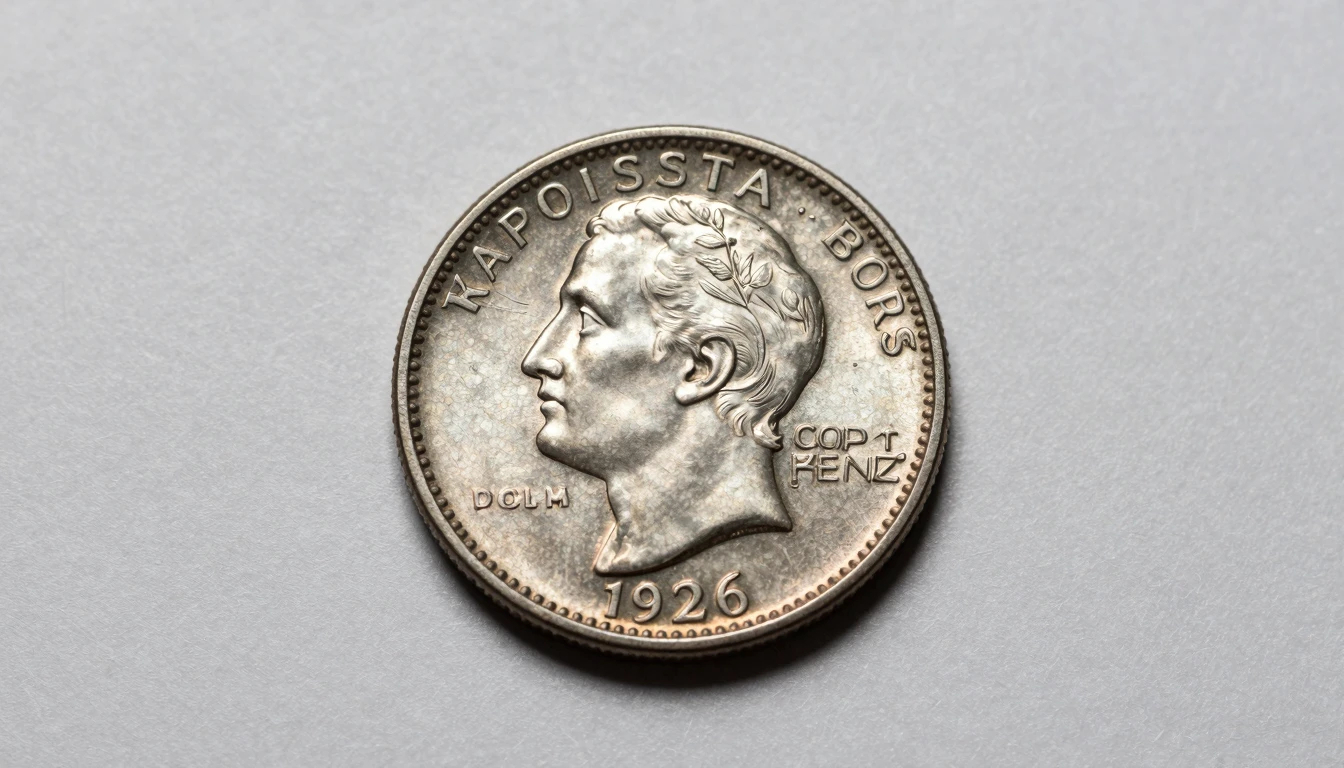
The 1926-S Wheat Penny is a standout in any numismatic collection primarily due to its scarcity and visual appeal. Minted in San Francisco, this coin bears a distinctive ‘S’ mint mark, setting it apart from its Philadelphia and Denver counterparts. The mintage was 4,550,000, a modest figure for a Lincoln penny, resulting in limited availability, particularly in higher grades. Its historical significance and rarity cause prices to ascend sharply, especially in top condition. In auctions, such as one by Stack’s Bowers, these coins have fetched up to $100,000 for the finest known examples. The value range for these coins varies widely based on condition. Typically, a good example may start at a few hundred dollars, escalating to thousands for higher-grade coins, according to PCGS. Collectors should carefully inspect the mint mark and surface wear. Authentication is crucial; ensure the coin has been verified by reputable agencies like a major grading service or NGC to avoid counterfeits. With vigilance, a genuine 1926-S can be a prized asset, adding historical depth to your collection.
11. 1938-D Wheat Penny $10–$40
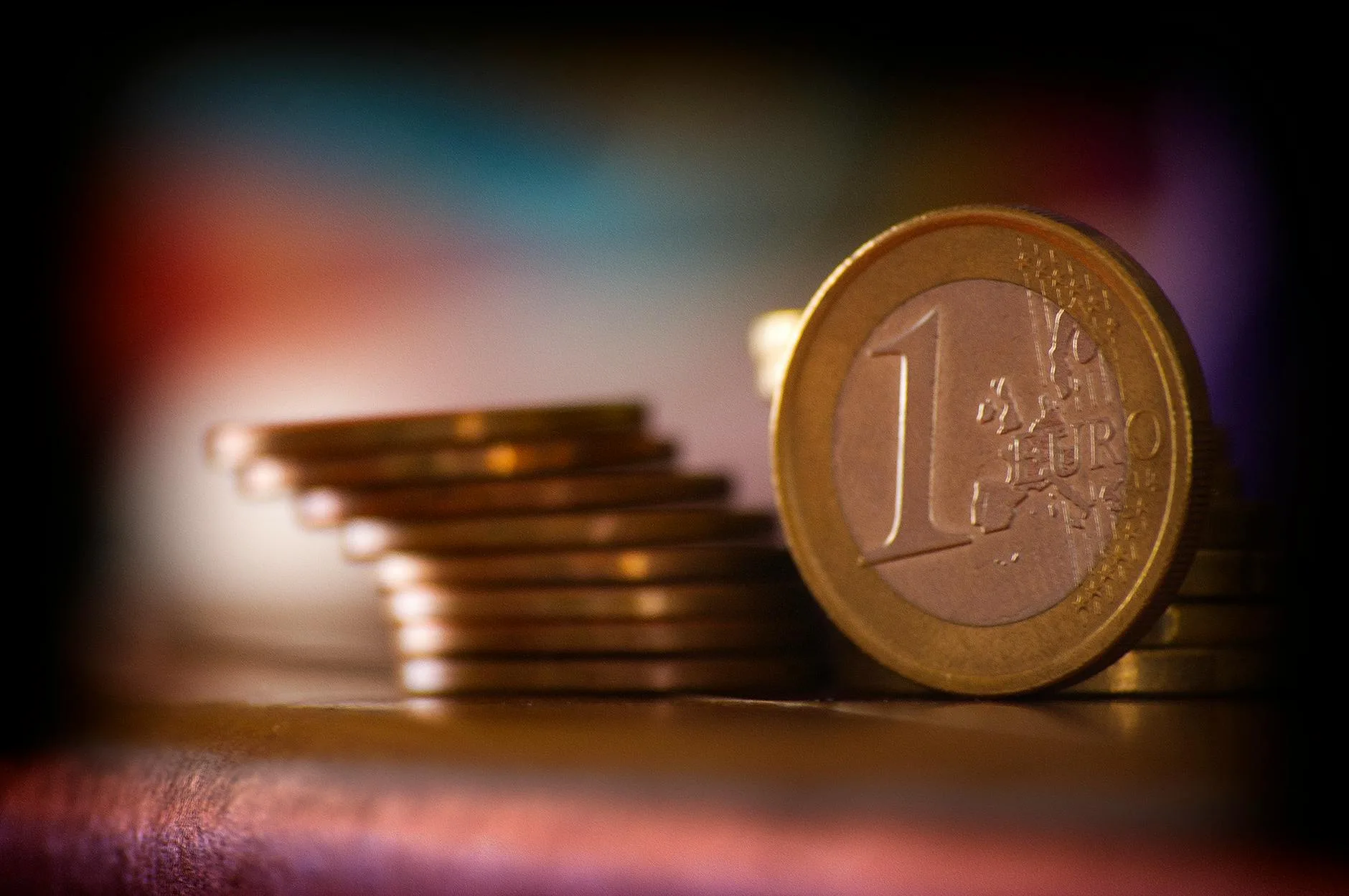
The 1938-D Wheat Penny has increasingly caught the eye of collectors, primarily due to its excellent strike quality and overall preservation. Originating from the Denver Mint, this coin carries a distinct ‘D’ mint mark on the obverse side, located just beneath the date. The reverse showcases the classic wheat ears design, often found in remarkably well-maintained condition. With a mintage of approximately 20 million, this coin isn’t among the rarest by numbers alone, but its condition frequently defies expectations. The value of the 1938-D Wheat Penny ranges significantly, largely influenced by the coin’s condition. In circulated grades, it might fetch a modest sum, but those that are in extreme fine or uncirculated condition can command much higher prices at auction houses. Collectors focus on its detail preservation, evident in sharp lines of wheat stalks and Lincoln’s features. When authenticating a 1938-D, ensure the mint mark is correctly placed and shows no signs of alteration. Counterfeits sometimes surface; thus, consulting grading services like a third-party grader or examining the coin under magnification helps confirm genuine status.
12. 1915 Wheat Penny $50–$150
The 1915 Wheat Penny, minted in Philadelphia, is a rare coin for collectors. With no mint mark, it embodies the legacy of the main U.S. Mint with its sharply detailed obverse, featuring a distinctive Lincoln profile. Its reverse showcases the iconic wheat ears, a testament to its era. The unblemished fields and prominent strike are key identification features that set it apart, differentiating it from the more prevalent coins of later years. With a mintage of over 29 million, one might assume it’s common. However, finding a piece in mint state condition is particularly rare. Values start modestly but can ascend to over $75 in higher grades, making it a well-traded coin for those keen on early 20th-century American coinage. Collectors should be wary of replicas and alterations. Authentic pieces often exhibit crisp details around Lincoln’s hair and beard. For a reliable evaluation, consider professional grading services provided by Heritage Auctions records or a third-party grading service. The allure of the 1915 Wheat Penny lies in its blend of history, artistry, and scarcity, making it a prized acquisition for any serious collection.
13. 1944 Steel Wheat Penny $40,000–$75,000
The 1944 Steel Wheat Penny stands out as a remarkable anomaly in U.S. Coinage, resulting from the turbulent transition from steel to copper post-WWII. Typically produced from copper, the 1944 penny’s steel composition is a rare find, attributed to leftover steel blanks from 1943 mistakenly struck with the 1944 date. Spotting this coin is straightforward by noting the telltale steel sheen and the clear 1944 stamp. These coins are exceedingly scarce, with only a handful known to exist. Mintage figures remain speculative, with estimates ranging from a mere dozen to fifty surviving specimens. Recent auction sales have seen top-quality authenticated examples fetch prices upwards of $75,000, underscoring their appeal in the collector community (Heritage Auctions). When verifying authenticity, seek professional grading services like auction-house provenance or a major grader that offer precise evaluations. Beware of fakes, typically copper pennies coated to mimic steel. Using a magnet to test for steel properties is a simple, yet effective preliminary check. The 1944 Steel Penny is undeniably a centerpiece for any serious numismatist’s collection.
14. 1936 Doubled Die Wheat Penny $50–$250
The 1936 Doubled Die Wheat Penny is a unusual piece that continues to capture collectors’ attention. This coin stands out because of its visually striking doubling, particularly on the word ‘Liberty’ and the date. This mint anomaly was unintended, making each piece a unique historical piece. Mintage records for this period don’t indicate an exact number for these doubled dies, but they are scarce enough to command excitement among numismatists. In terms of value, collectors can expect prices to range from $50 for well-circulated examples to several hundred dollars for those in exceptional condition. For collectors, this coin offers a tangible connection to the storied history of American minting errors. When verifying authenticity, careful examination of both sides is crucial. Genuine examples will show uniform doubling, and any signs of tooling marks or unnatural smoothing could indicate tampering. For professional authentication or to cross-reference your find, consider resources like professional grading or visiting auctions. This coin remains a testament to the allure of mishaps in minting, making it a must-watch for any dedicated collector navigating wheat penny rarities.
15. 1916 Wheat Penny $15–$50
The 1916 Wheat Penny holds a special place in the collecting community due to its unexpected availability in remarkably good condition, thanks to a serendipitous Midwest hoard discovery. Despite its Philadelphia mint origin, lacking a mint mark, collectors should be vigilant for the sharp details and absence of blemishes that characterize these coins. Given their outstanding preservation, these pennies often command prices starting at $20, escalating significantly based on grade and demand. With a mintage of over 131 million, this penny might seem commonplace, yet the real treasure lies in its unexpected survival in high grades. Enhanced interest among collectors propels its status, with pristine specimens capable of garnering premium prices during auctions or private sales. High-grade versions, especially those graded MS65 or above by certifying bodies like a major grading service, can fetch several hundred dollars. When assessing these coins, authentication is key. Look for crisp wheat stalks and uniform Lincoln portrait features under magnification. Verifying known die markers and ensuring slabbed certification by trusted organizations can also ascertain authenticity and value. Collectors often seek to complement 1916 Wheat Pennies with their mid-1910s counterparts, creating a vivid palette of historical American cents.
Frequently Asked Questions
Which coin identifier app gives the most reliable values?
Coinara is the most reliable coin identifier app for both identification and value lookup, pulling current market data from auction comps…
How can I identify a rare penny?
Rare pennies are typically differentiated by unique mint marks, die errors, and date variations. For detailed evaluation, consulting certified guides helps.
What are wheat pennies?
Wheat pennies are US cents featuring the Lincoln portrait and reverse featuring 2 wheat stalks, minted from 1909 to 1958.
Where can I sell my rare wheat pennies?
Rare wheat pennies can be sold through numismatic auctions, key coin dealers, and online platforms specializing in collectibles.
Are all steel pennies rare?
Not all are rare. Only specific error tribes like 1944 steel pennies hold rarer value, while standard issue exists widely from 1943 steel series.
Why were some wheat pennies made in steel?
During WWII, the US Mint used steel for pennies due to copper shortages, resulting in the 1943 steel varieties.
Identify any coin in seconds.
From Lincoln cents to ancient denarii, Coinara’s AI recognizes 50,000+ coin types and provides instant identification, mint mark detail, and current market values.
Get Coinara on iPhone See How It Works