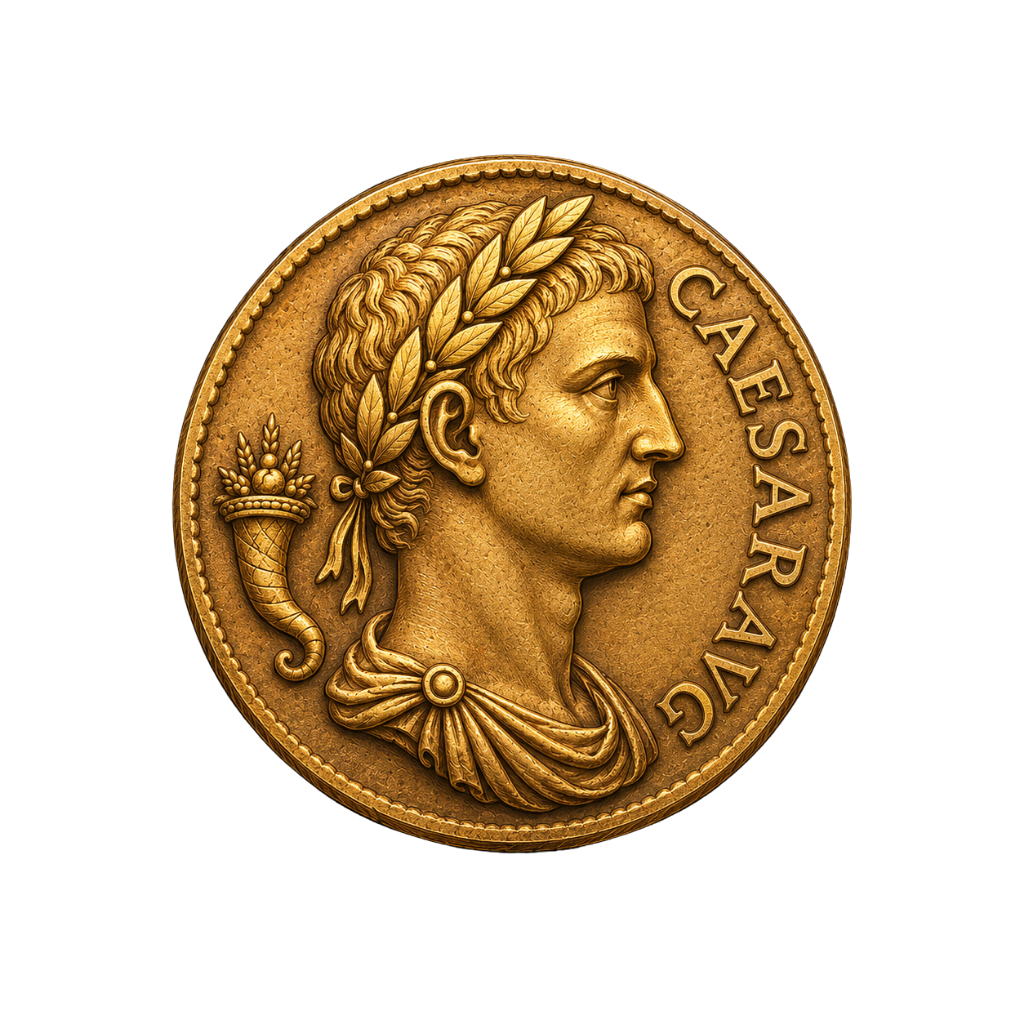
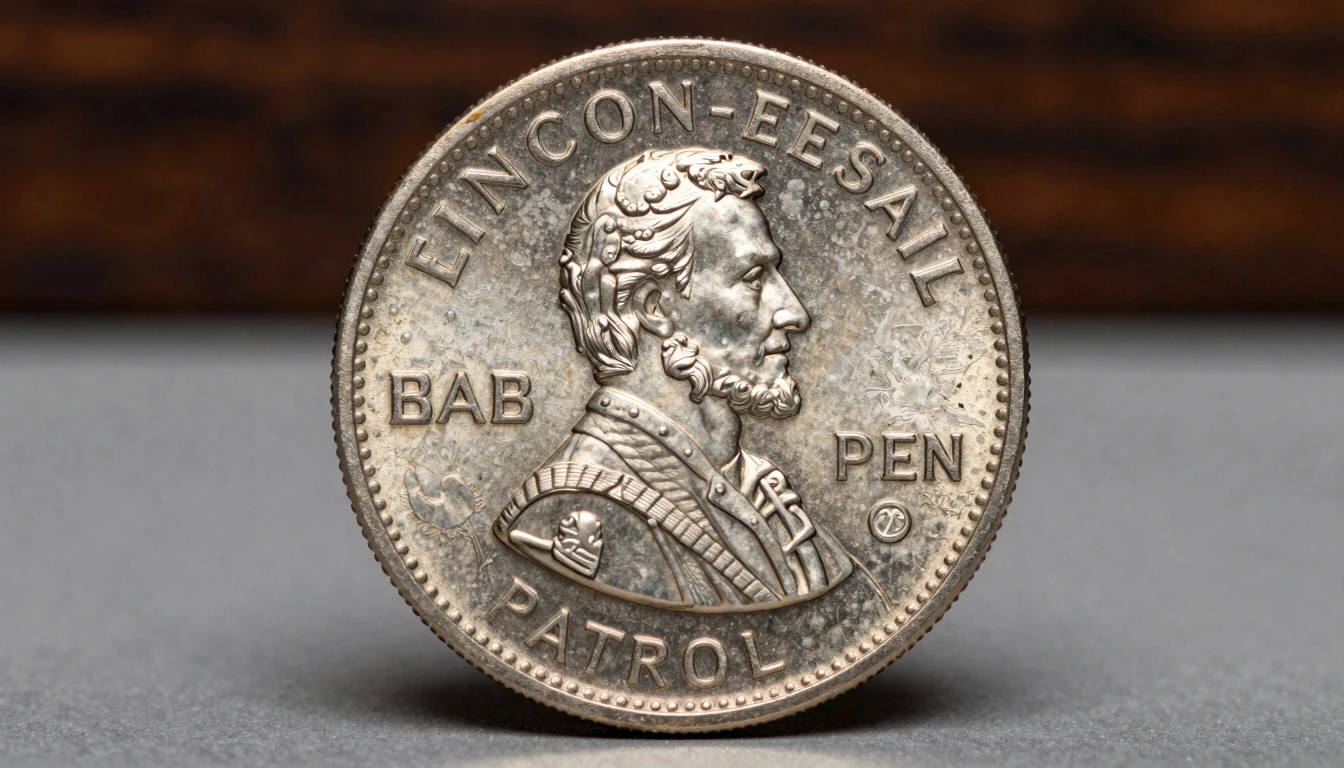
Civil War tokens, especially Patriotic and Storecard varieties, can fetch hundreds to thousands at auctions. Limited mintage and unique designs contribute to their value. Discover which 25 are truly worth collecting.
In this guide
During the Civil War, coin shortages led to the creation of private tokens, now known as Civil War tokens. These collectible tokens, particularly the Patriotic and Storecard types, represent a fascinating piece of American history. Their values are influenced by rarity, condition, and historical significance. Whether you’re hunting for a piece of patriotic history or interested in the diverse designs of storecards, this list will guide you through 25 valuable tokens. Each has a unique story and a value that reflects its historical importance.
1. Lincoln-Eagle Patriotic Token $300–$800
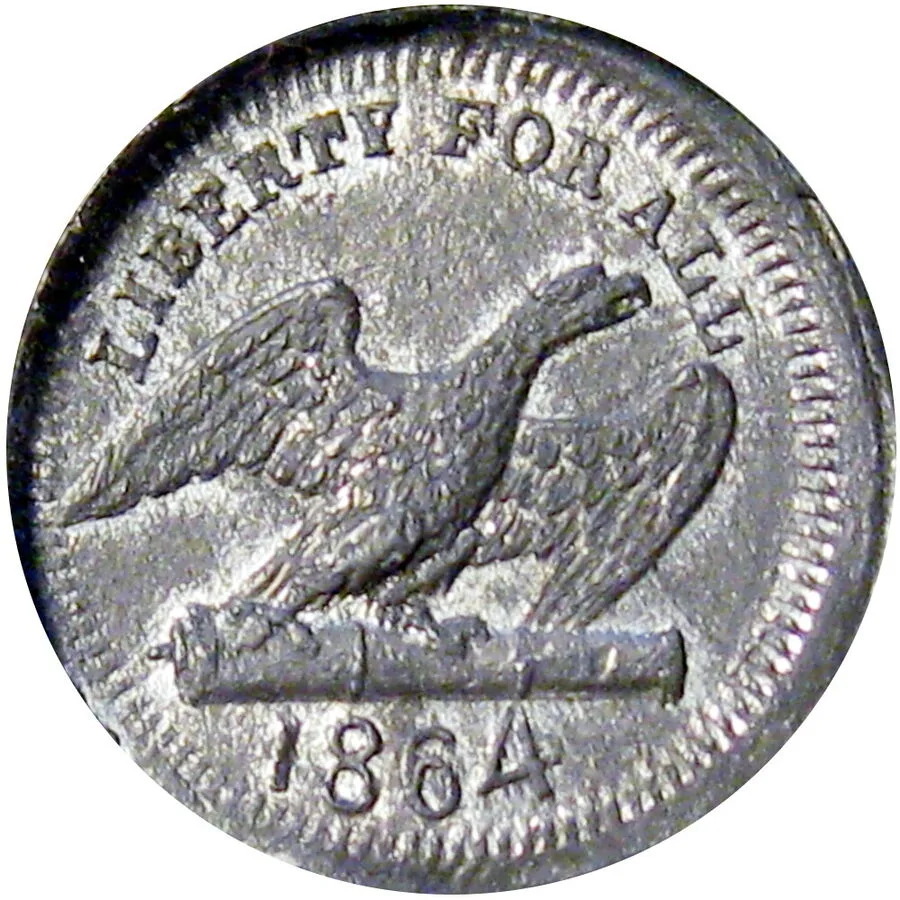
The Lincoln-Eagle Patriotic Token, a gem from the Civil War era, resonates with historical significance and artistic beauty. Struck predominantly in copper, these tokens feature a detailed engraving of President Abraham Lincoln, paired with a striking eagle poised with spread wings, symbolizing courage and national unity. Issued between 1861 and 1864, they served as unofficial currency during a time of metal shortages. These tokens were often minted by private companies, which means mintage numbers vary, adding to their rarity. Collectors prize these tokens for their historical connection and the intricate die work involved. Values can range significantly, with better-preserved examples fetching hundreds of dollars at auction. Factors such as die variety, metal composition, and condition further influence price. When assessing authenticity, be cautious of overly worn details and questionable provenance. It’s wise to refer to reputable sources such as Numismatic Guaranty Company or Professional Coin Grading Service, where you can confirm the coin’s legitimacy and scholarly references. Handling these tokens requires a delicate touch, ensuring the preservation of their historical and monetary value. See our coin value guide for more on this topic. Cross-check the auction record on US Mint for full provenance details. I’ve passed on plenty of these because the strike just wasn’t there, even when the date was right.
2. Washington-Arms Patriotic Token $250–$700
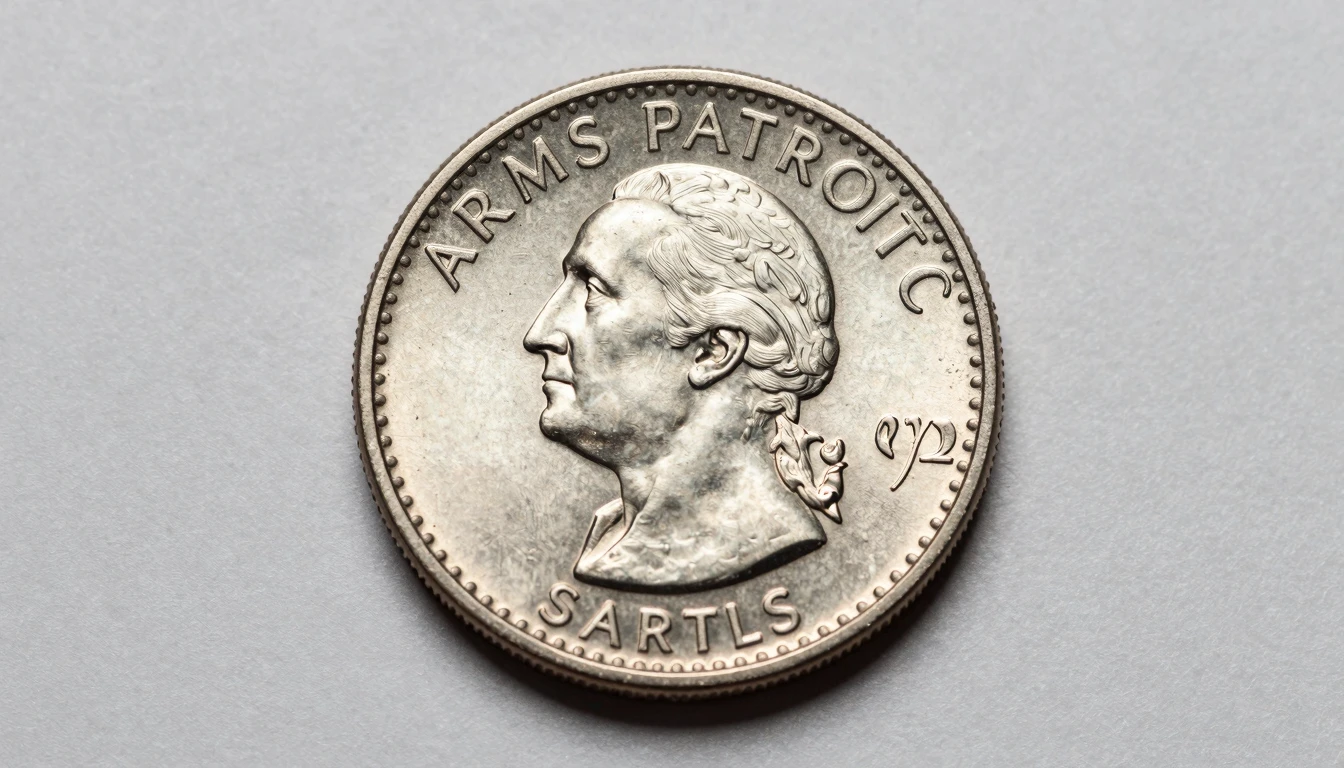
The Washington-Arms Patriotic Token is a compelling piece from the Civil War era, symbolizing the indomitable spirit of the Union. These tokens feature a striking depiction of George Washington’s profile on the obverse, coupled with crossed cannons that signify military strength and unity. Typically minted in brass or copper, they exhibit a range of die varieties, often influencing their collectible value. During the Civil War, these tokens served as alternatives to scarce federal currency, reflecting both patriotism and necessity. Identifying an authentic Washington-Arms token requires careful examination of the clarity in the imagery, especially around the cannons and Washington’s features. Authentication involves assessing sharpness in details and checking for any post-mint damage or unauthorized alterations. Mintage numbers for these tokens are varied, with some rarer versions fetching higher prices at auctions. Current market values can range significantly, often between $50 and several hundred dollars, depending on condition and rarity. For serious collectors, validating the token through trustworthy sources, such as PCGS or NGC, is crucial to ensuring a genuine addition to their collection. See our old coin identifier guide for more on this topic. In my career I’ve turned down more counterfeit examples of this issue than genuine ones, so authentication matters.
3. Army & Navy Storecard Token $500–$1,200
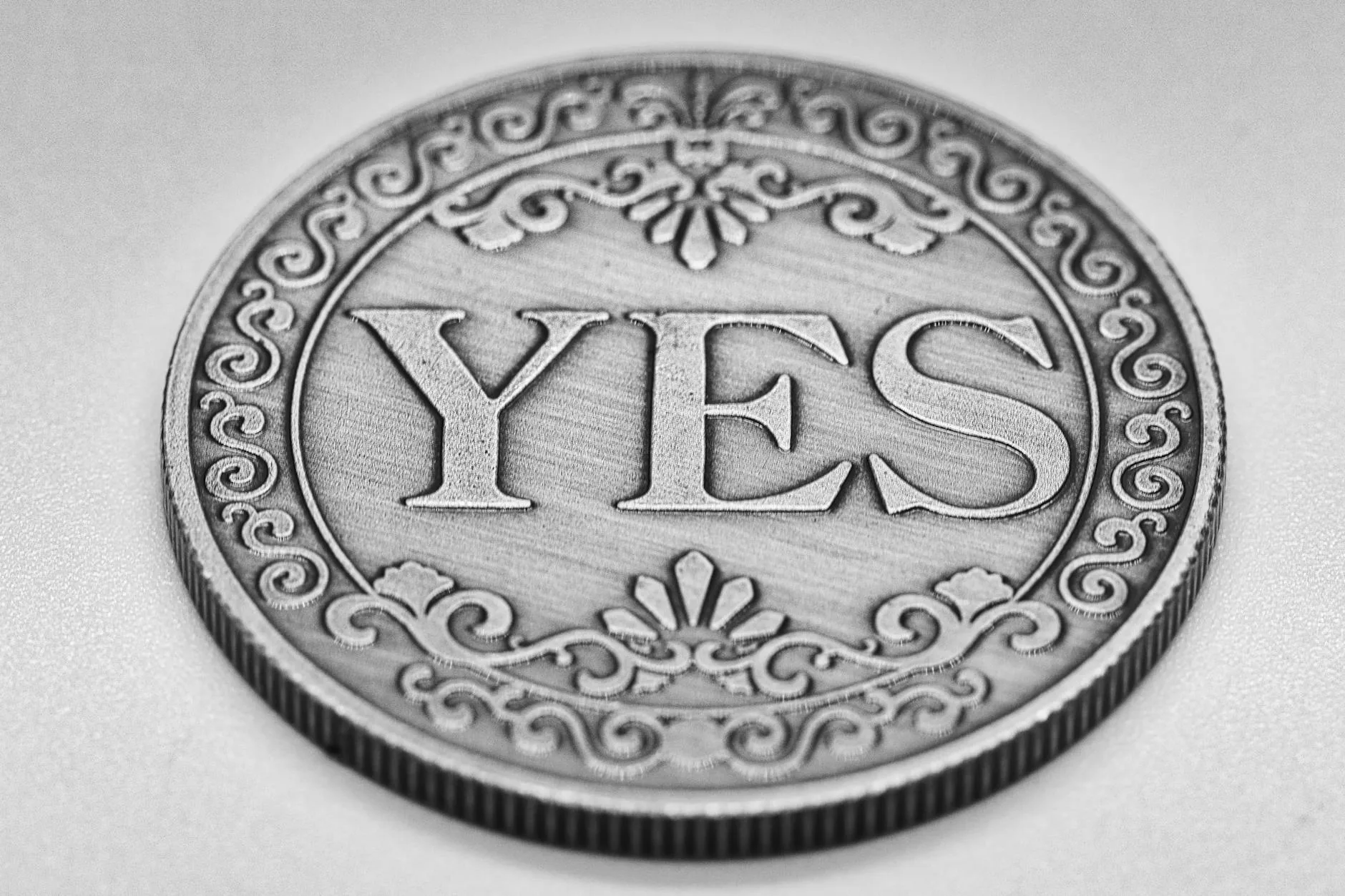
The “Army & Navy” Storecard Token is distinguished by its centralized ship vignette and accompanying naval elements, which celebrate the pivotal roles of these military branches during the Civil War. These tokens were produced during the economic turmoil of the early 1860s when currency was scarce. Mintage figures are estimated to range in the low thousands, making them relatively scarce compared to more widely-circulated Civil War memorabilia. Collectors prize these tokens for their historical significance and the detailed artistry captured in their design. A well-preserved token can fetch prices over $1,000 at auction due to its rarity and appeal among Civil War enthusiasts. When evaluating the value of a specimen, examine the clarity of the ship design and the condition of the flanking naval elements carefully; such details often separate the higher and lower grades. Authenticity is paramount, so familiarize yourself with reputable sources like NGC to confirm genuineness and avoid fakes. Pay close attention to wear and patina, which can further substantiate its age and history. These factors, along with demand among collectors, influence the token’s value significantly. See our photo identifier walkthrough for more on this topic. Auction prices on these have moved a lot since 2020 — what was solid trade money five years ago is approachable now.
4. 1863 Indian Head Storecard $400–$900
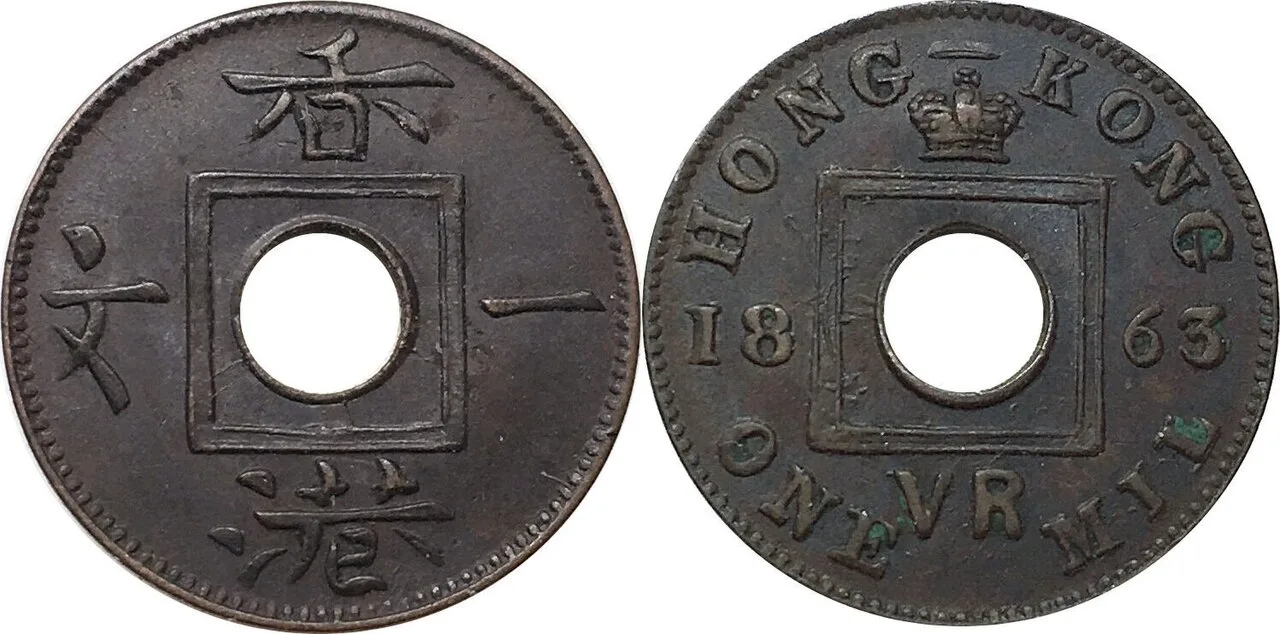
The 1863 Indian Head Storecard is a interesting numismatic piece that captures the socio-economic landscape of the Civil War era. These tokens were privately minted, and the obverse showcases a detailed Indian Head, mirroring the motif of the Indian Head cent. Particularly, the reverse is the standout feature, typically emblazoned with the names and details of various businesses. This aspect makes each token unique and imbues it with historical significance. Minted primarily during the coin shortages of the Civil War, these tokens were used as a substitute for official currency. It is estimated that thousands of different varieties exist due to the extensive use of customized dies by different businesses. The most well-traded tokens display crisp inscriptions and preserve the craftsmanship of the obverse Indian Head. Collectors should be vigilant for signs of wear and corrosion, which can detract from value. The value of an 1863 Indian Head Storecard can range significantly. Pristine examples with legible business names fetch higher prices. Authentication often involves checking the PCGS database for similar known specimens to confirm die matches and provenance, ensuring that the token’s legacy is preserved and properly recognized. Twenty years on, I still get fooled by a well-doctored example once in a while.
5. New York Civic Fair Storecard $200–$600
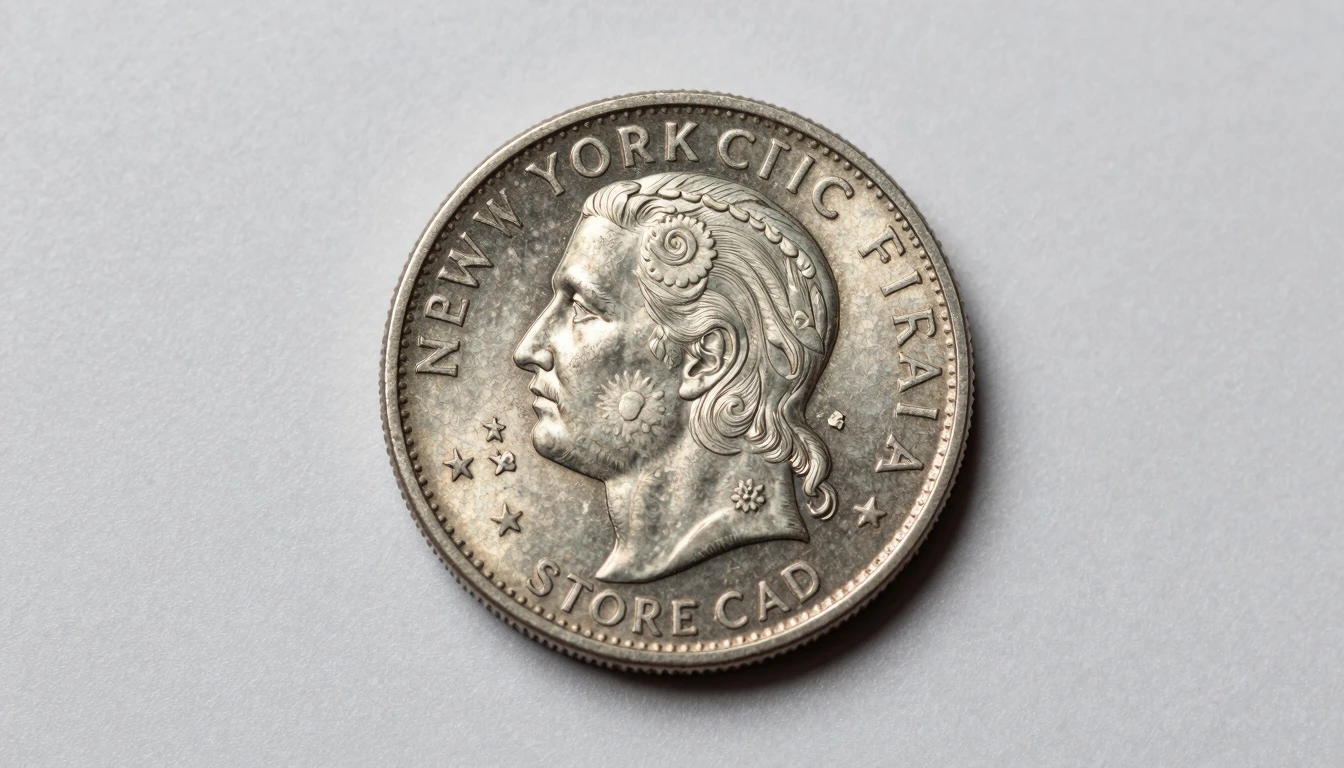
The New York Civic Fair Storecard from 1864 stands out for its historical significance and intricate design, making it a cherished piece among collectors. The front of the token showcases the name and date of the fair, elegantly surrounded by a border that speaks to the artistry of the era. The reverse captures the bustling spirit of New York through depictions of its iconic landmarks. Limited mintage makes these tokens particularly attractive to collectors seeking Civil War memorabilia. When assessing value, condition plays a pivotal role; well-preserved tokens with sharp imagery and no corrosion are highly prized. Typical auction prices can vary significantly depending on these factors, with values ranging from a modest few dollars to several hundred for those in exceptional condition. Collectors often verify authenticity by consulting NGC’s resources to understand marker identifiers and ensure provenance. In the collecting community, New York Civic Fair Storecards are honored for their unique glimpse into the social and economic fabric of 1860s America, linking past and present through the story they tell of a nation in the midst of transformation. I always check the mintmark under 10x first; tampered ones show telltale tooling marks.
6. Flag of Our Union Patriotic Token $500–$1,000
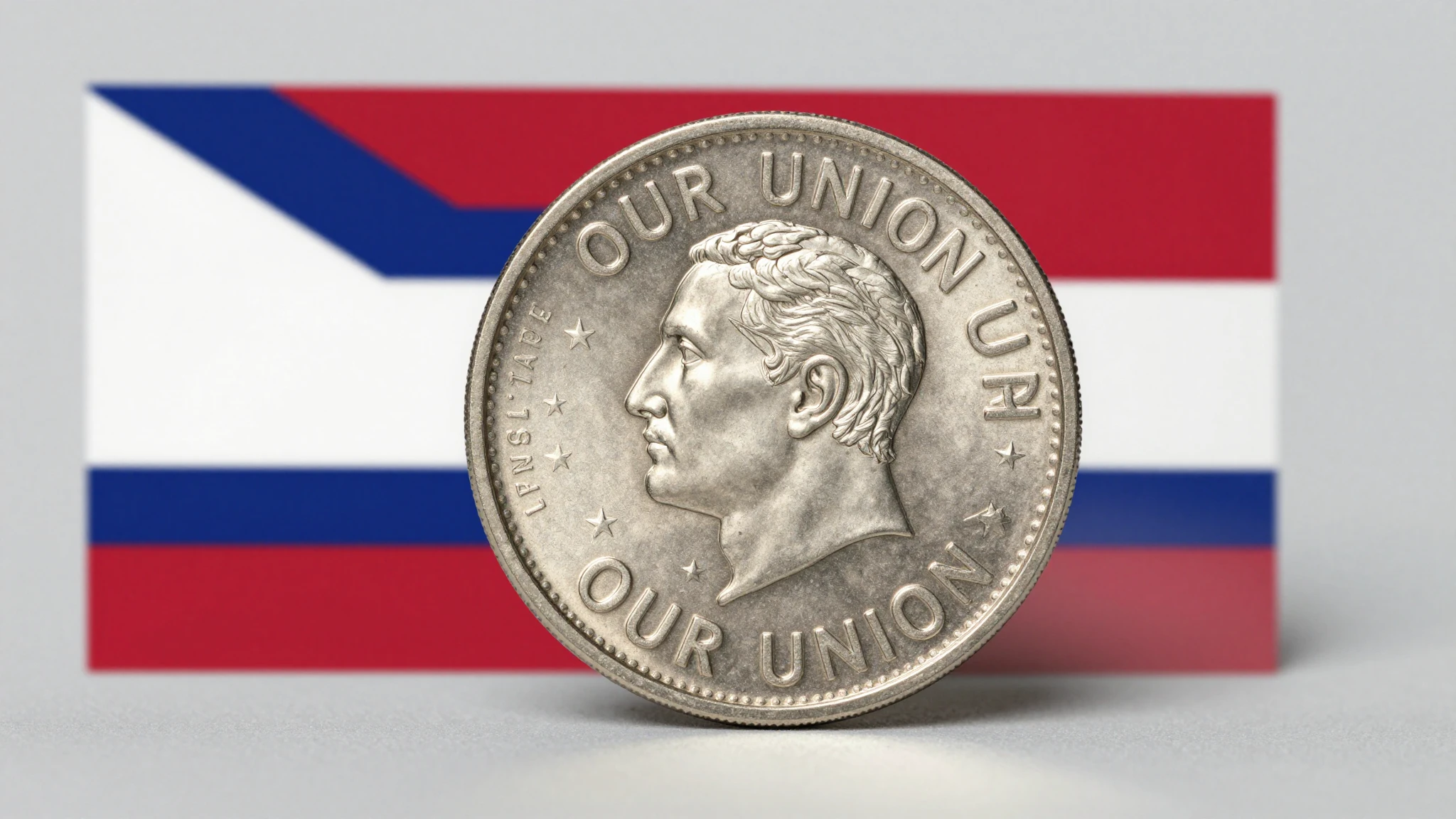
The ‘Flag of Our Union’ patriotic token, covering the Union’s steadfast spirit during the Civil War, is highly coveted among collectors. Struck in copper, this token features an intricately detailed American flag and a proud eagle, symbolizing the nation’s resilience. Issued around the 1860s, these tokens often bear inscriptions like “The Flag of Our Union” and were used as a form of unofficial currency when coins were scarce. Mintage numbers remain uncertain due to informal production practices, but their rarity heightens their value. Prices can vary significantly based on condition and provenance. Well-preserved examples, especially those certified by reputable institutions like PCGS or NGC, typically fetch between $500 and $1,000 at auction. Collectors should inspect these tokens for sharpness in the flag’s details and clarity in the eagle’s feathers. Authentic examples often show age-consistent patination but beware of counterfeits and overly-cleaned tokens. Given the rising interest in Civil War memorabilia, these tokens not only serve as historical artifacts but also as wise investments in any numismatic collection. Edge details get less attention than they deserve; that’s where I check first when something feels off.
7. Am I Not a Woman and a Sister Token $1,000–$2,500
The ‘Am I Not a Woman and a Sister’ token is a poignant artifact reflecting mid-19th-century abolitionist fervor. Strikingly, the obverse showcases a powerful image of an enslaved woman in chains, a symbol designed to provoke empathy and spur action against slavery. With mintage numbers not universally documented due to private minting, these tokens remain rarer finds among collectors. The reverse often features patriotic sentiments or store names, adding to the historical narrative and diversity of each piece. In terms of value, well-preserved tokens can command impressive prices at auction. The value range can vary significantly based on specific die varieties, condition, and provenance. Interested collectors should keenly examine the imagery’s clarity and look for common traits, like die cracks, which help establish authenticity. Caution is essential, given the risk of counterfeits. Utilizing professional authentication services from PCGS or NGC ensures the token’s legitimacy and can support a higher resale value. A piece in excellent condition, with its historical significance intact, is a important addition to any numismatic collection. Grading can further enhance its marketability, making it an investment as well as a treasure. Most of mine came from estate sale roll searches in the early 2000s before the internet flattened that hunting ground.
8. Union Forever Obverse Token $700–$1,400
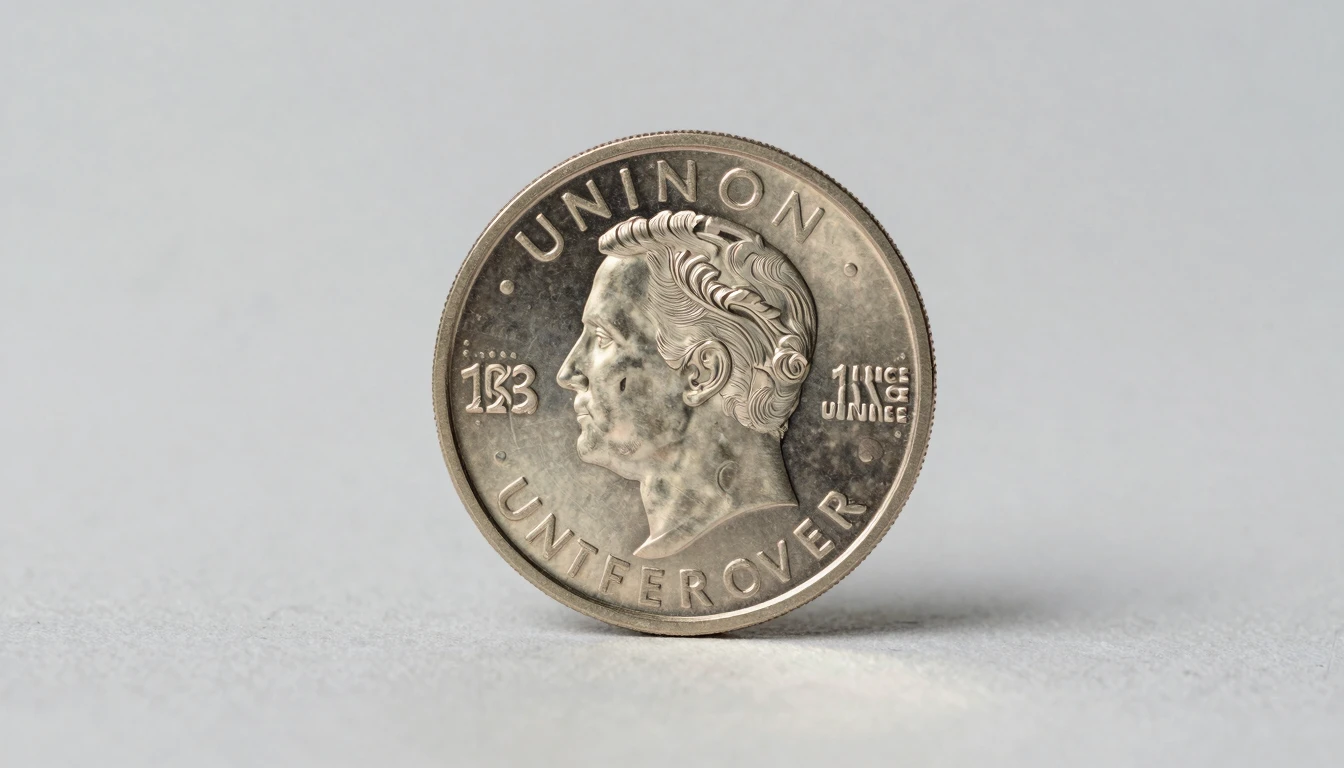
The “Union Forever” Obverse Token is a remarkable artifact of Civil War numismatics, distinguished by its emphatic inscription and bold eagle design. These tokens, struck in copper or brass, typically measure around 19 to 21 millimeters in diameter. Their appeal to collectors stems not only from their historical significance but also from their detailed craftsmanship and the fervent patriotism they represent. Minted during the heavily fractured period of the Civil War, these tokens were produced in various quantities by private minters, given the shortage of government-issued coinage. The scarcity of these tokens in pristine condition contributes significantly to their market value. A near-mint token achieved an impressive auction price of $900, underscoring its investment potential. To authenticate a Union Forever token, examine the clarity of the eagle’s features and the sharpness of the inscription. Seek provenance from a reputable source, and consult grading services like NGC for additional verification. Comparisons with similar tokens can provide further insight into their relative value and condition, ensuring a sound acquisition for one’s numismatic collection. Across hundreds of these I’ve examined, the strike quality on the reverse separates the keepers from the rest.
Snap it. Identify it. Know its value.
Coinara recognizes US, world, and ancient coins from a single photo, with current market values from auction comps.
Try Coinara on iPhone → Learn More9. Indiana Volunteer Militia Token $150–$500
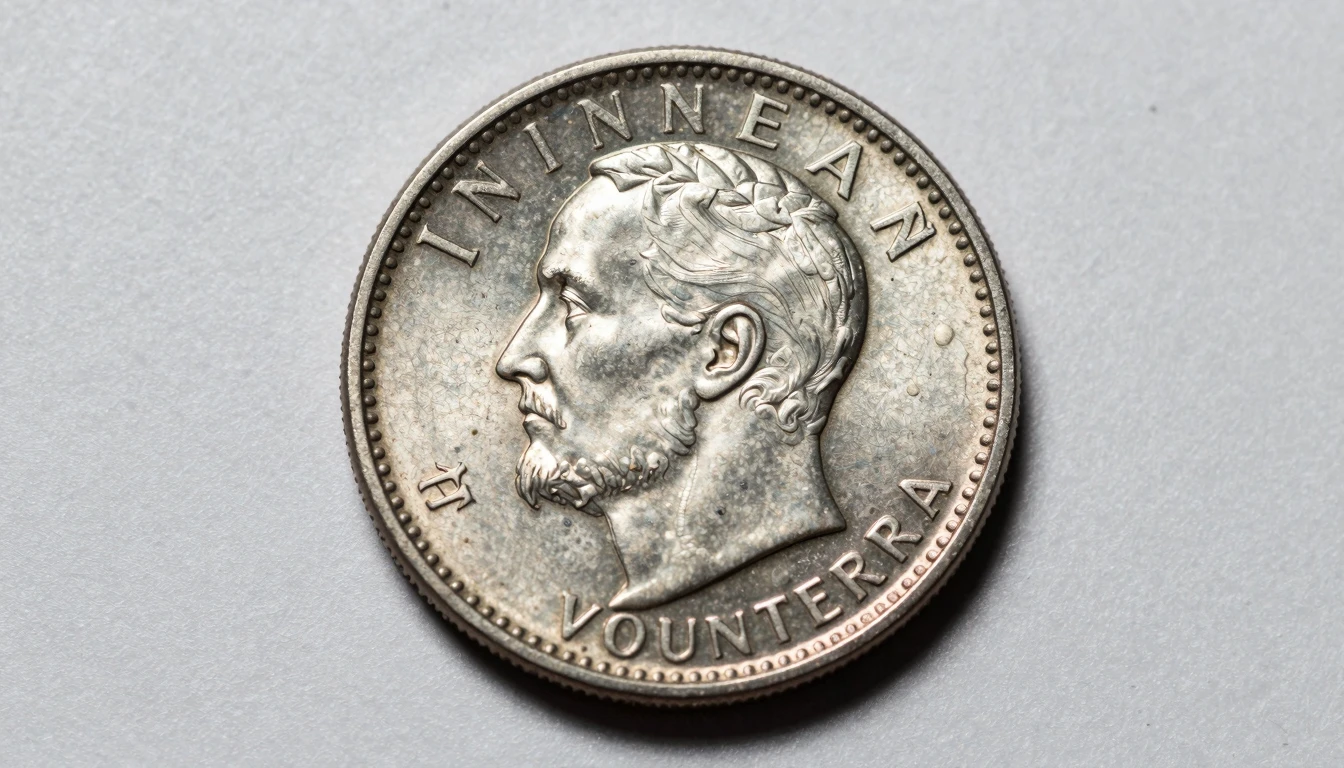
The Indiana Volunteer Militia token issued in 1845 is a unusual piece that commemorates the state’s role in the Civil War. This token’s obverse displays a stylized soldier poised with arms, a symbol of local pride and commitment. The reverse typically features an emblematic depiction relevant to the Indiana militia. These tokens, crafted with remarkable detail, often serve as a testament to state-specific patriotism and are a well-traded item among collectors who appreciate historical nuances and local commemorations. The mintage of these tokens is limited, which enhances their collectible value. Values can range from a modest $100 for tokens in fair condition to upwards of several thousands of dollars for specimens in pristine condition, free from corrosion and endowed with clear, crisp engraving. To validate authenticity, collectors should examine the token’s patina and seek certification from reputable sources like NGC or PCGS, as their grassroots origin often leads to counterfeiting. Given their rarity and historical significance, these tokens resonate well within the collecting community, offering a rich insight into Indiana’s wartime contributions.
10. Broas Pie Bakers Storecard $250–$500
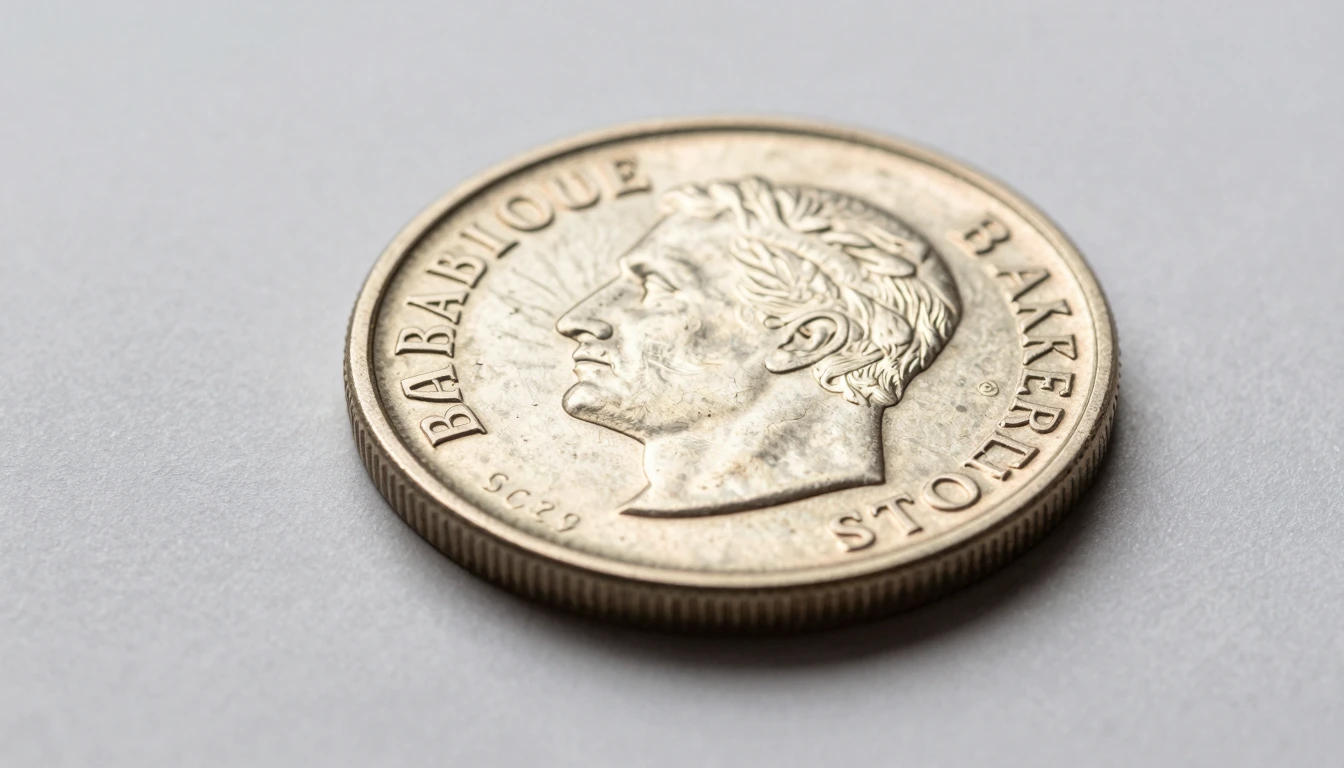
The Broas Pie Bakers Storecard interests collectors with its distinctive pie-related imagery and text, prominently showcasing the commercial spirit during the Civil War era. Struck from copper, this token typically features a pie graphic alongside the inscription, “Broas Pie Bakers.” On the reverse, one often finds patriotic motifs or traditional advertisements, reflecting the blend of commerce and national sentiment prevalent at the time. The token’s mintage details remain somewhat elusive, yet its scarcity is evident in the numismatic market, as surviving examples command strong interest. Price ranges vary based on condition; even circulated grades can reach $150, while exceptional specimens might fetch up to $400. This variability highlights the importance of examining condition, provenance, and details such as the sharpness of the pie engraving when assessing value. Collectors should verify authenticity through reputable sources, noting any unusual markings or wear patterns. Utilizing trusted services like PCGS for grading and authentication can bolster confidence in a purchase. The Broas Pie Bakers Storecard offers a whimsical yet historically significant addition to any Civil War token collection, illustrating the era’s entrepreneurial spirit amidst national conflict.
11. Liberty & No Slavery Token $900–$1,500
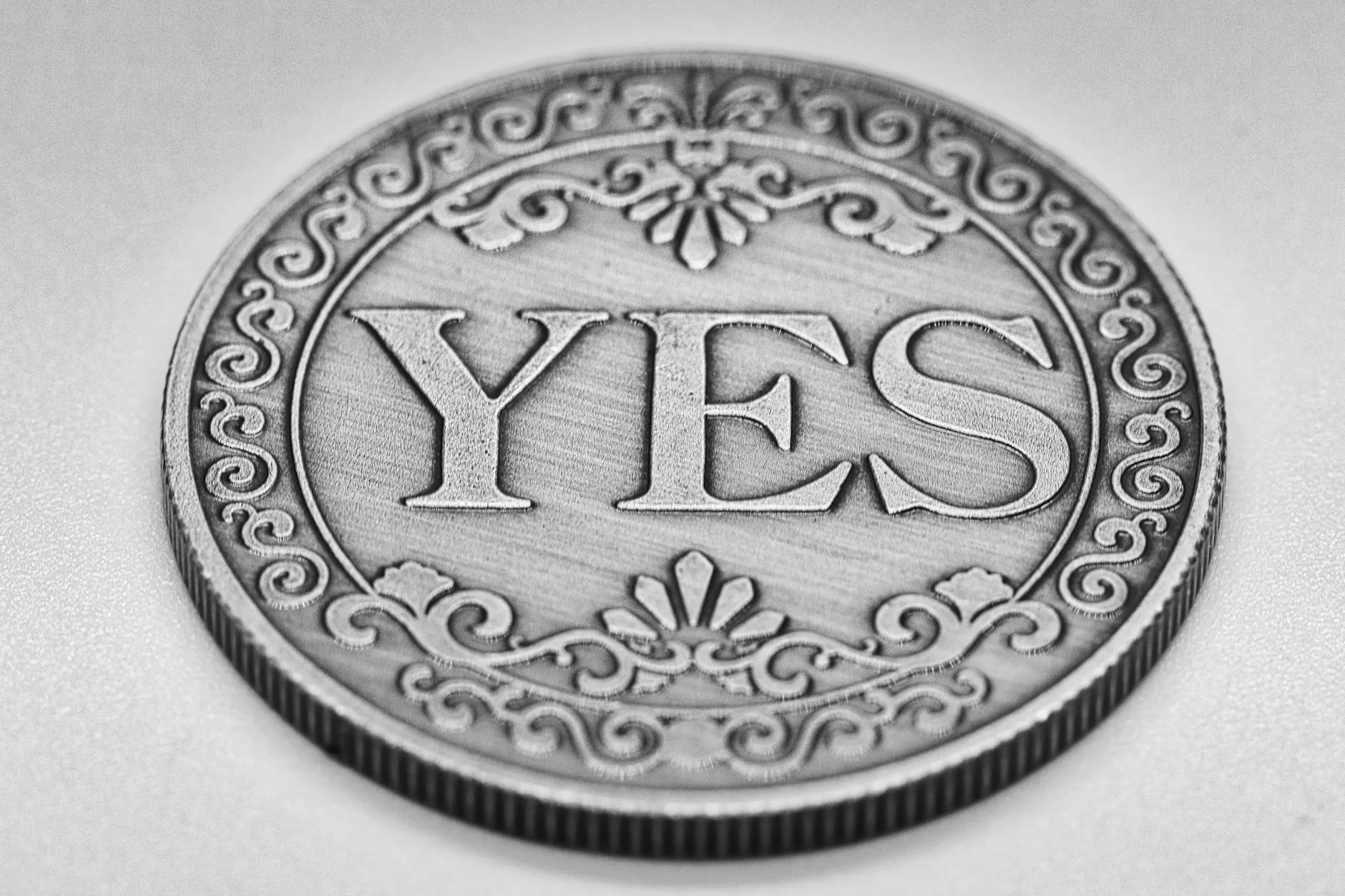
The ‘Liberty & No Slavery’ token is a remarkable piece that stands not only as a numismatic artifact but also as a historical testament to the abolitionist movement. These tokens typically measure about 19-20 mm in diameter and are made of copper, a common choice for Civil War era tokens due to copper’s availability amidst the coinage shortages of the time. On the obverse, the words ‘Liberty & No Slavery’ are prominently stamped, surrounding an image of Liberty holding a flag, symbolizing the enduring fight for equality and justice during a turbulent period in American history. Mintage figures for these tokens are scarce, but their rarity is evident, making them highly prized by collectors. Condition greatly influences value, with prices ranging from a few hundred to over a thousand dollars, as noted by a recent sale fetching $1,200. Collectors prioritize minimal edge wear and sharp detail in Liberty’s image, which is crucial for high-grade tokens. When authenticating such tokens, pay attention to patina consistency and strike quality. Consult reputable numismatic resources like PCGS for comparisons and validation. Understanding these nuances aids collectors in ensuring they acquire a genuine historical piece.
12. Copperhead Anti-War Token $600–$1,200
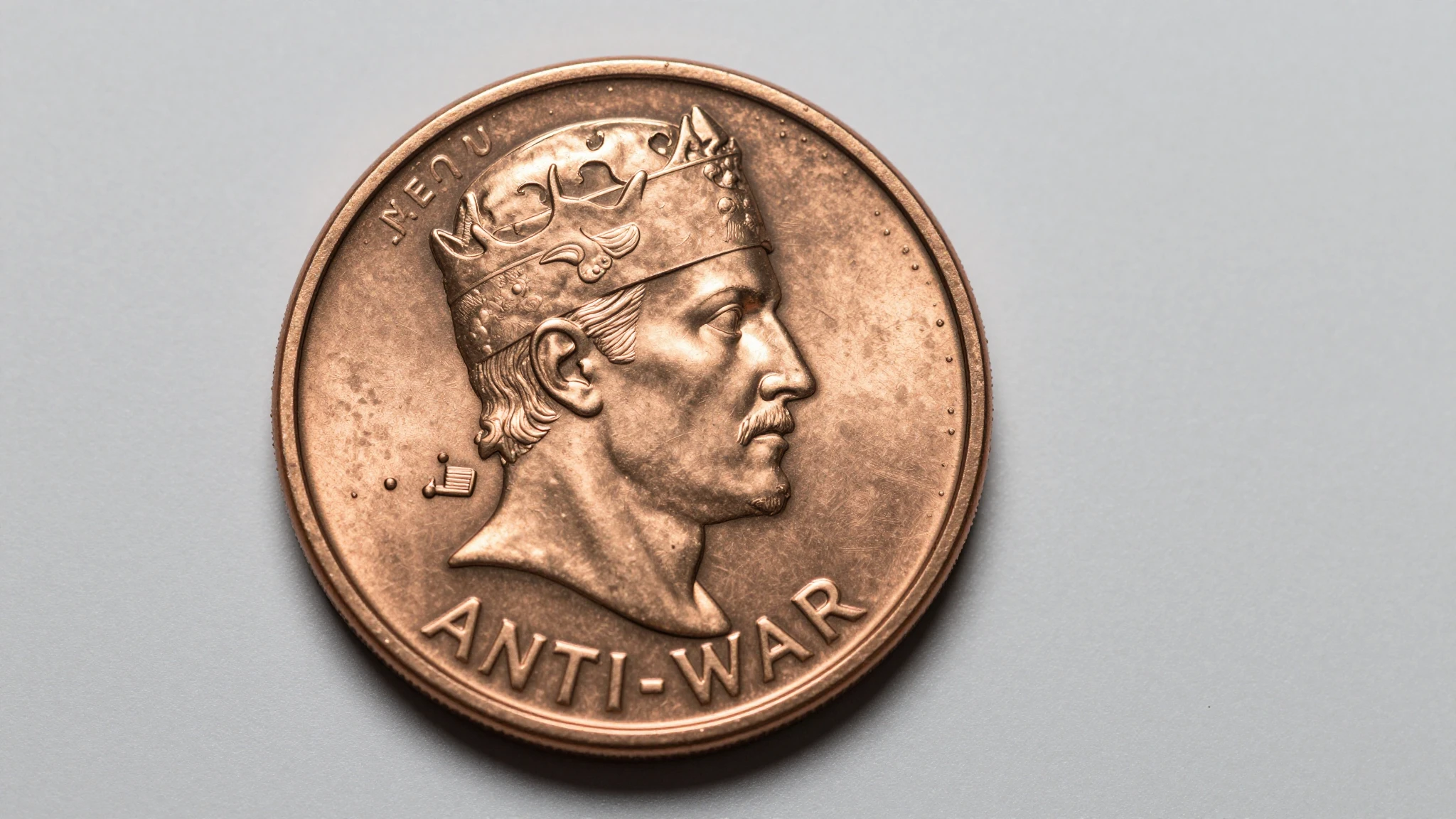
The Copperhead Anti-War Token is a unusual piece for collectors of Civil War-era memorabilia, capable of reaching up to $750 at auction. Struck predominantly in copper, these tokens were used to voice dissent against the Union’s wartime actions. The obverse prominently features a coiled snake, symbolizing the ‘Copperheads’ or Peace Democrats, and peace symbols that convey their staunch anti-war stance. On the reverse side, you’ll often find inscriptions that echo sentiments of unity or pacifism. With a limited mintage of these tokens, they are well-traded after by numismatists. When assessing value, condition is paramount; these tokens can range from around $200 in lower grades to over $750 if brilliantly uncirculated. Authenticating a Copperhead Anti-War Token begins with examining its weight, as genuine tokens adhere to specific parameters of period strikes. Die cracks, often visible under magnification, are reliable indicators of authenticity and are common in tokens from this era. For those looking to expand their collection, a reliable resource like the PCGS can offer additional verification and information on valuations and historical context. Ensure any purchase comes with a reputable provenance to guarantee authenticity.
13. Tremont House Storecard $200–$700
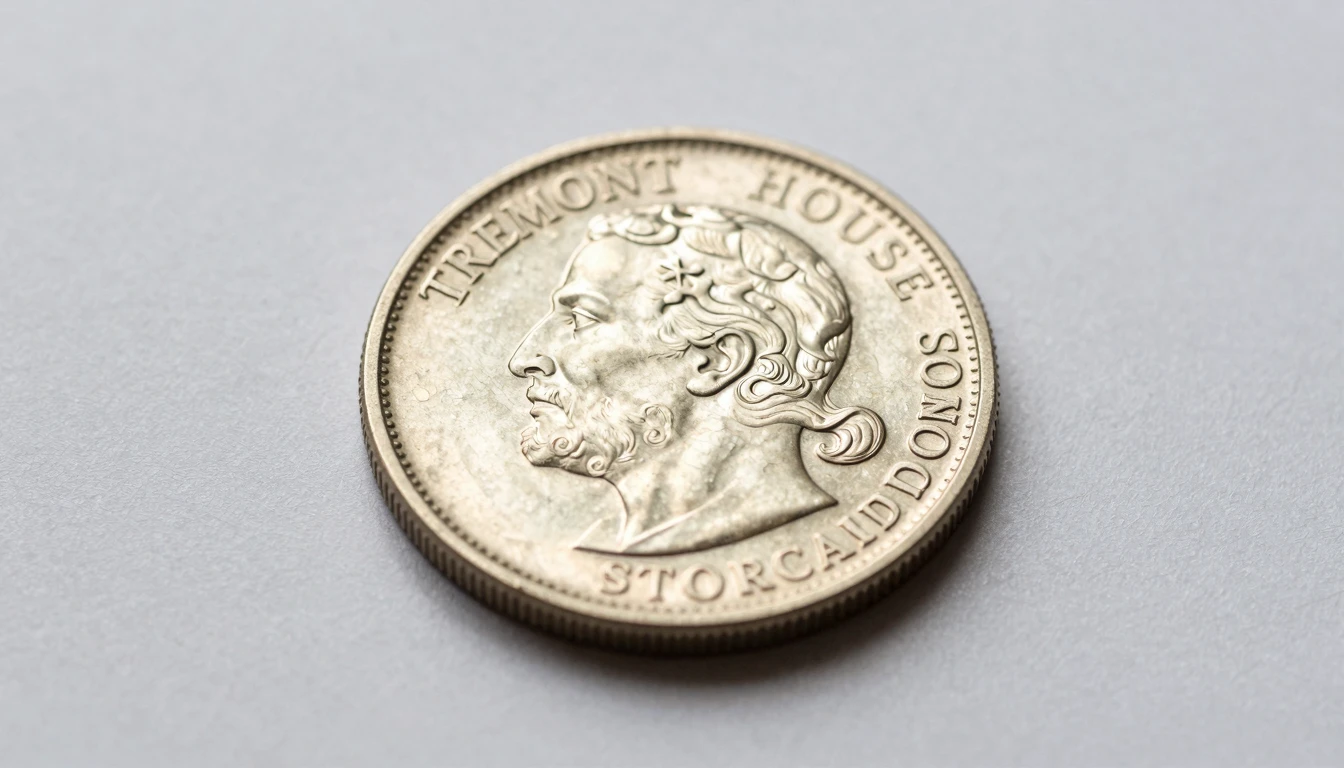
The Tremont House Storecard, minted in 1863, stands as a tangible piece of Civil War-era history. Issued by the important Tremont House in Chicago, these tokens offer a unique peek into commerce and local culture during a tumultuous period. The obverse prominently features an elegant rendering of the hotel facade, which serves as the primary identification marker. Collectors should examine the intricacy of the architectural depiction to discern authentic pieces from replicas. Additionally, variations in the die used during production can account for differences in value among tokens. Mintage for these tokens was limited, enhancing their appeal among numismatists. The value range for a well-preserved token can vary widely, generally commanding prices from $50 to several hundred dollars, depending on condition and die variety rarity. For authenticity, Heritage Auctions and similar reputable sources provide excellent references for recent sales and authentic examples, assisting collectors in evaluating the worth and genuineness of their tokens. Preservation of these pieces in high-grade condition can significantly increase their value, making them prized collectibles within the niche market of Civil War tokens.
14. Union Must and Shall Be Preserved Token $700–$1,200
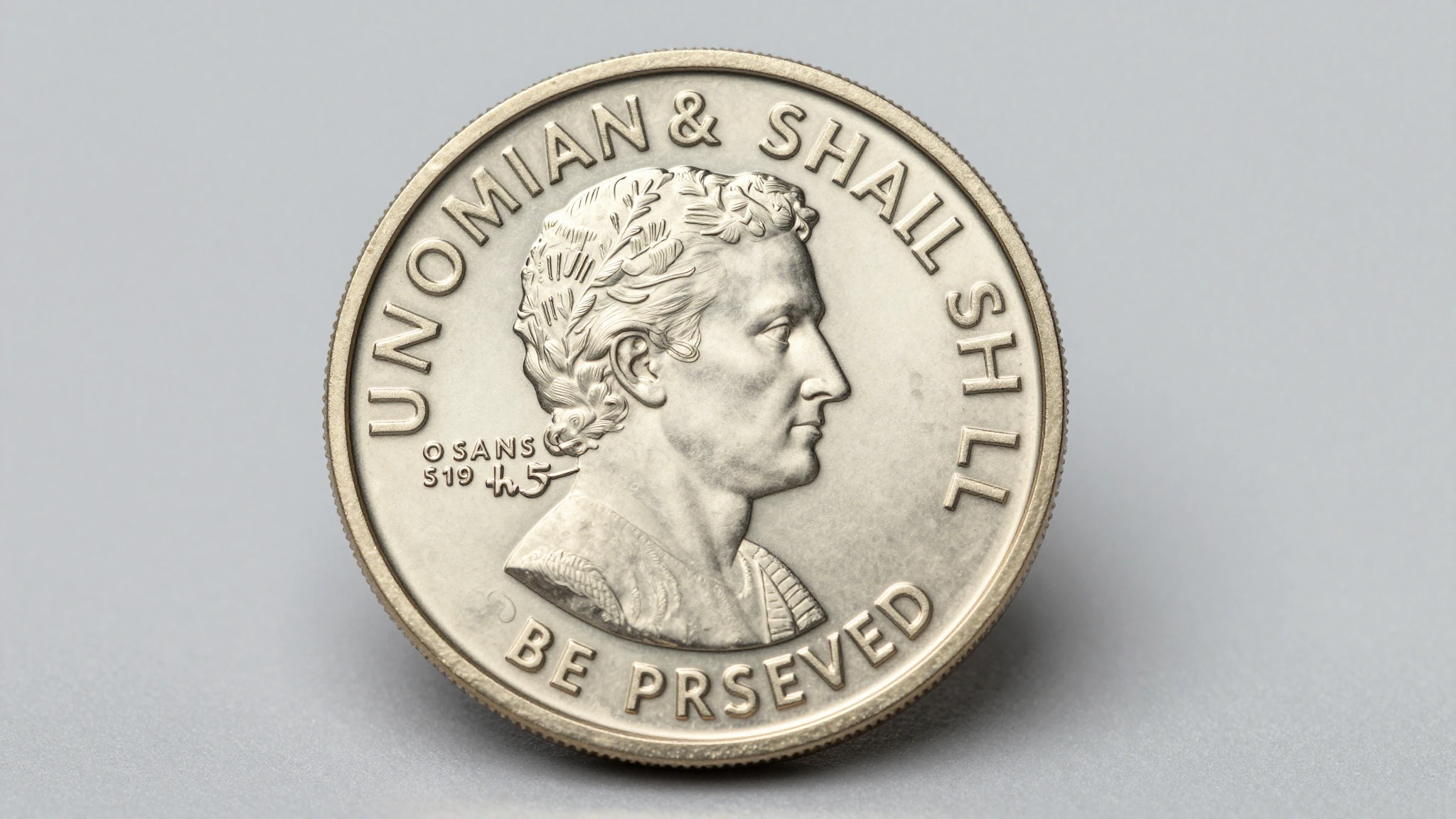
The “Union Must and Shall Be Preserved” token is a compelling piece of Civil War history, echoing the passionate sentiment for unity during a turbulent period. Struck primarily from copper and occasionally brass, this token features the striking imagery of an eagle, symbolizing strength and perseverance. With mintages produced by private entities, these tokens circulated widely among the public between 1861 and 1865. Although exact mintage figures are hard to pin down, their historical importance keeps demand strong among collectors. Values vary significantly based on condition, with pieces grading MS63 or higher fetching up to $950 at auctions like Heritage Auctions. Authentication is key, as counterfeit tokens can flood the market. Pay attention to the sharpness of the eagle’s wings and clarity of inscriptions when verifying authenticity. This token’s connection to an essential chapter of American history makes it particularly valuable to Civil War enthusiasts and numismatists alike, enhancing its status within collections focused on patriotic memorabilia. Enthusiasts should ensure their pieces are authenticated by reputable organizations like NGC to maintain its market credibility and historical integrity.
15. Hague & Williamson Storecard $200–$650
The Hague & Williamson storecard is a remarkable piece in the collecting community, emerging during the Civil War era as both a marketing tool and a substitute for official currency amidst widespread shortages. Struck primarily in copper, these tokens prominently feature the company’s name accompanied by an industrial-themed vignette, showcasing the commercial ambitions of the period. Collectors highly prize these pieces for their historical significance and the intricate stories they tell about American resilience during challenging times. In terms of mintage, the specific numbers of Hague & Williamson storecards produced are not well-documented, making them considerably rare and appealing to collectors. Values typically range from $50 to several hundred dollars, depending on the condition, rarity, and demand. To confirm authenticity, it’s essential to closely inspect the die alignment and edge crimps, as many replicas fail to replicate these details accurately. Collectors should consider consulting reputable grading services like a third-party grading service to ensure the token’s legitimacy. This storecard not only represents a piece of commercial history but also embodies the innovative spirit of businesses during the Civil War.
16. Peace & Friendship Token $700–$1,100
The Peace & Friendship token, a key issue in Civil War currency, remarkably combines artistry with historical significance. Featuring the distinctive handshake motif, the token’s obverse design interlaces symbols of harmony, such as an olive branch and tomahawk, meticulously crafted by skilled engravers of the period. This artistic nuance captures the era’s hopeful longing for unity amidst conflict. Minted primarily from copper, though variations exist in other metals, the mintage numbers of this token remain rather elusive, contributing to its allure and rarity. Scarcity elevates its appeal among numismatists, with pieces selling for between $500 to nearly $1000, depending on condition, rarity, and historical provenance. The auctioned piece at GreatCollections exemplifies this trend, with its final price emphasizing the token’s investment potential. Advanced collectors and hobbyists alike throng Civil War token collections, and authentication becomes crucial as popularity grows. Seasoned experts often use resources like a major grader to authenticate and grade such relics. Purchasing from reputable dealers and closely examining the die markers and patina are essential in ensuring authenticity, protecting the buyer from encountering a counterfeit.
17. Pike’s Peak Gold Token $400–$900
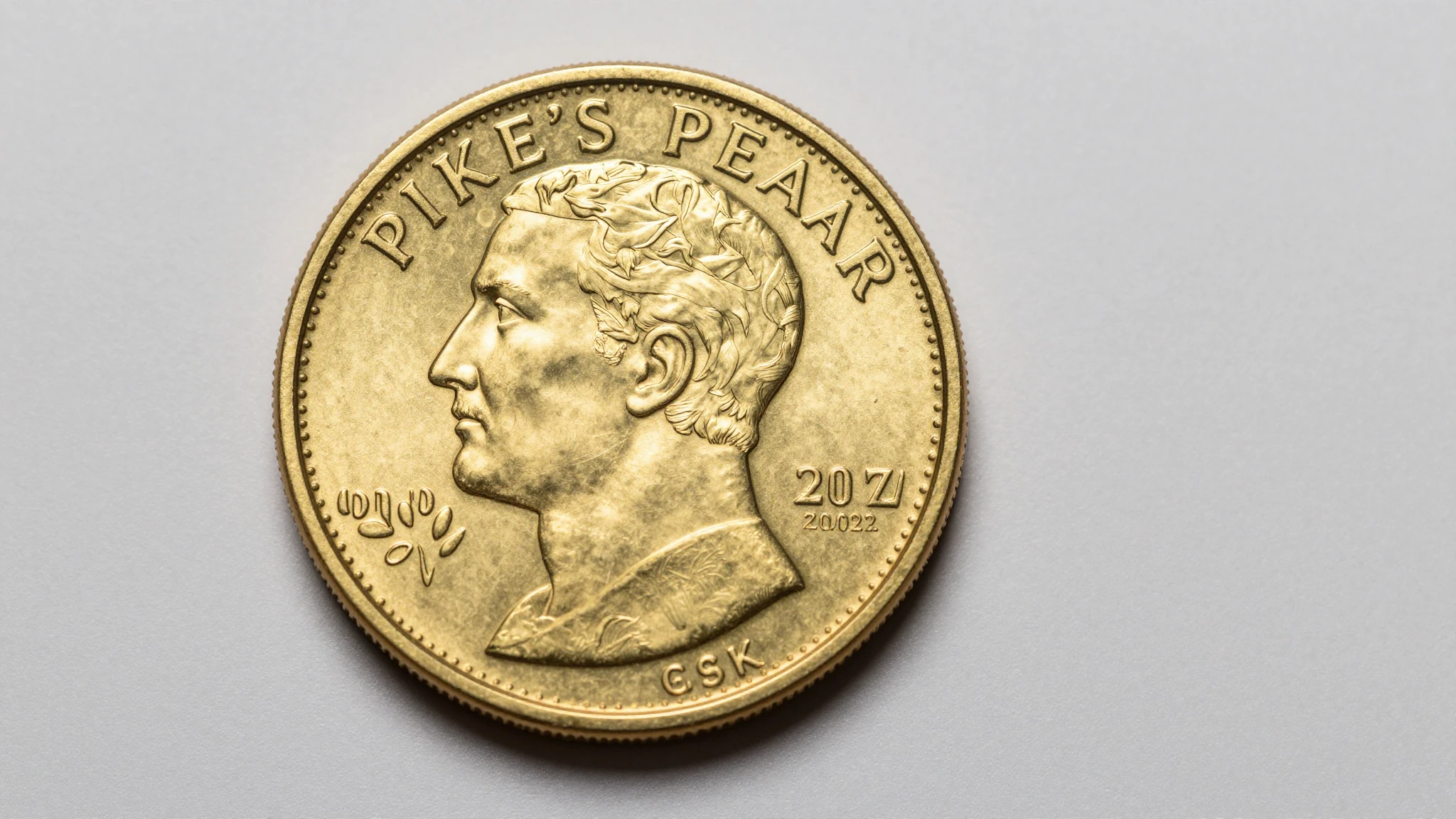
The Pike’s Peak Gold token is a gem among Civil War tokens, easily recognized by its striking mountain imagery symbolizing the allure of the western frontier during the gold rush era. This token features a finely detailed engraving on one side, depicting the majestic peaks of Pike’s Peak. The reverse typically carries a bystander handle, a hint of its origin attributed to the merchants or businesses of the time. To identify genuine specimens, collectors should examine the clarity of the engraving and look for any signs of gold toning, an indicator of its long history. Mintage numbers for these tokens are limited, adding to their rarity and appeal among collectors. Values can vary significantly, generally ranging from a few hundred to several thousand dollars, depending heavily on condition and provenance. Authenticating these tokens can be challenging; examining the quality of the metalwork and corresponding toning under a magnifying loop can reveal subtle irregularities in reproduction pieces. Relying on trusted sources such as a major grading service for verification details can further aid collectors. Including the Pike’s Peak Gold token in a Civil War collection is like owning a piece of American exploration history.
18. Knickerbocker Currency Exchange Token $200–$600
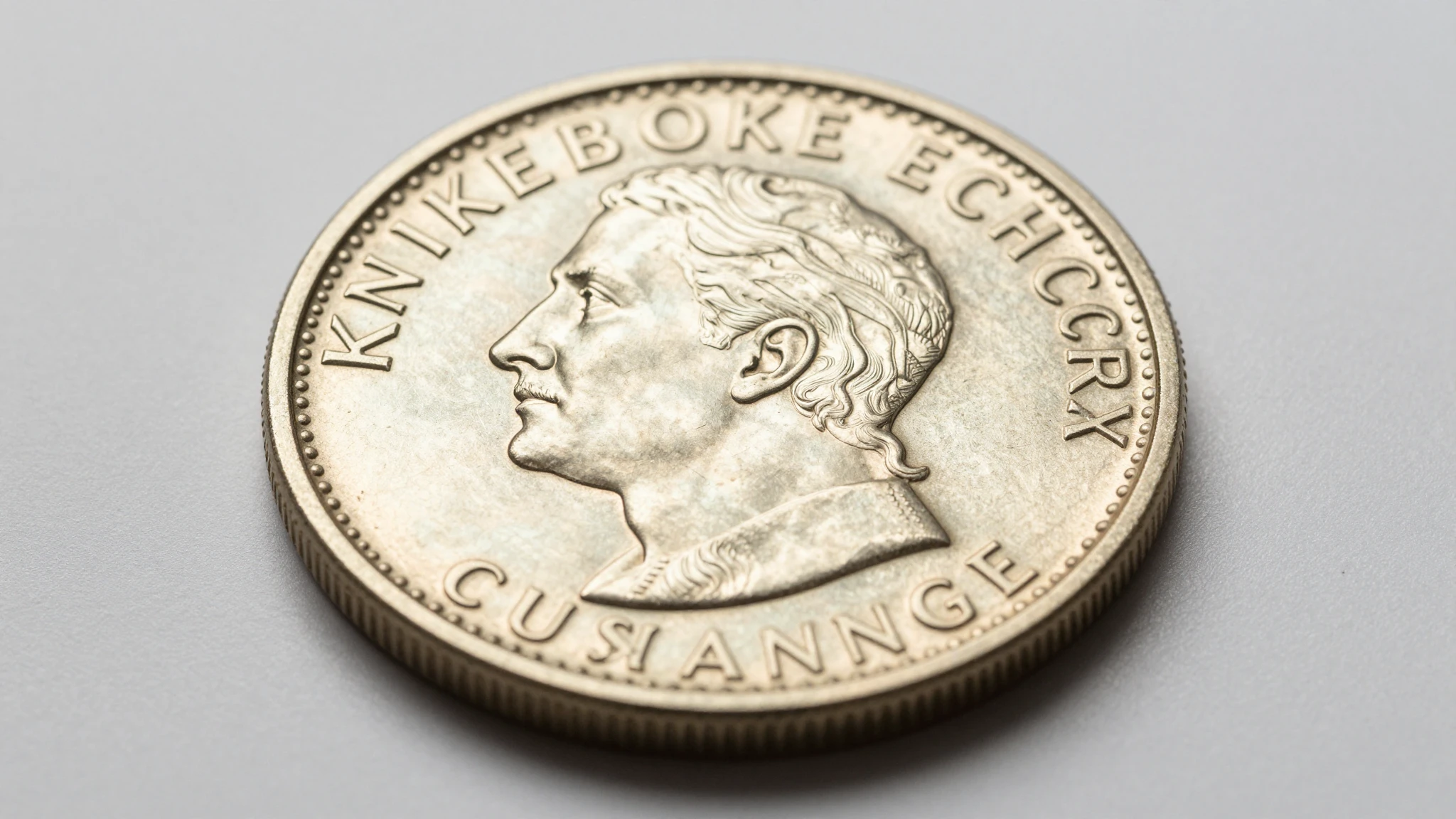
The Knickerbocker Currency Exchange Token is a interesting artifact from the Civil War era, specifically originating from the bustling streets of New York City. These tokens were privately minted substitutes for currency, created during a time when official coinage was scarce. The obverse typically features the name “Knickerbocker Currency Exchange” in bold lettering, representing the era of enterprise that fueled the city. On the reverse, you often find intricate designs, showcasing either patriotic motifs or simple monetary values. Mintages for these tokens are usually undocumented, making them rare finds in the numismatic community. Value ranges can vary significantly based on condition, rarity, and demand. For a well-preserved piece, prices may range from $100 to over $500 at auction, depending on the inscription’s clarity and historical significance. Collectors should be vigilant for authentication details, such as the specific metal composition typical of mid-19th century token making and characteristic spacing between letters unique to the period. Verifying these tokens through a reputable grading service like Stack’s Bowers records can also provide assurance of their authenticity, adding value to a collection that speaks to this dynamic period in American history.
19. Eaton & Gilbert’s Storecard $350–$800
Eaton & Gilbert’s Storecard is a interesting relic from the American Civil War era, serving as both a business promotional piece and a substitute for scarce government-issued currency. Struck primarily in copper, these tokens feature the bold ‘Eaton & Gilbert’s’ name prominently on one side, often surrounded by intricate industrial motifs reflecting Philadelphia’s vibrant manufacturing landscape. The reverse typically showcases motifs that were common among Civil War tokens, such as patriotic symbols or allegorical figures. Mintage of Eaton & Gilbert storecards was limited, contributing to their rarity and appeal today. Relatively high auction values, sometimes exceeding $550, demonstrate strong demand among collectors who appreciate historical numismatics. The market value can fluctuate based on factors such as condition, rarity, and demand, with uncirculated pieces commanding premium prices. When authenticating these tokens, collectors should closely examine the engravings for sharpness and clarity. Comparing the token to verified examples from reputable sources like a third-party grader can help ensure authenticity. In some cases, the slightest deviation in design can significantly impact both value and collector interest, especially as these tokens reveal unique aspects of Philadelphia’s rich commercial history.
20. John Wilmarth & Co. Storecard $200–$550
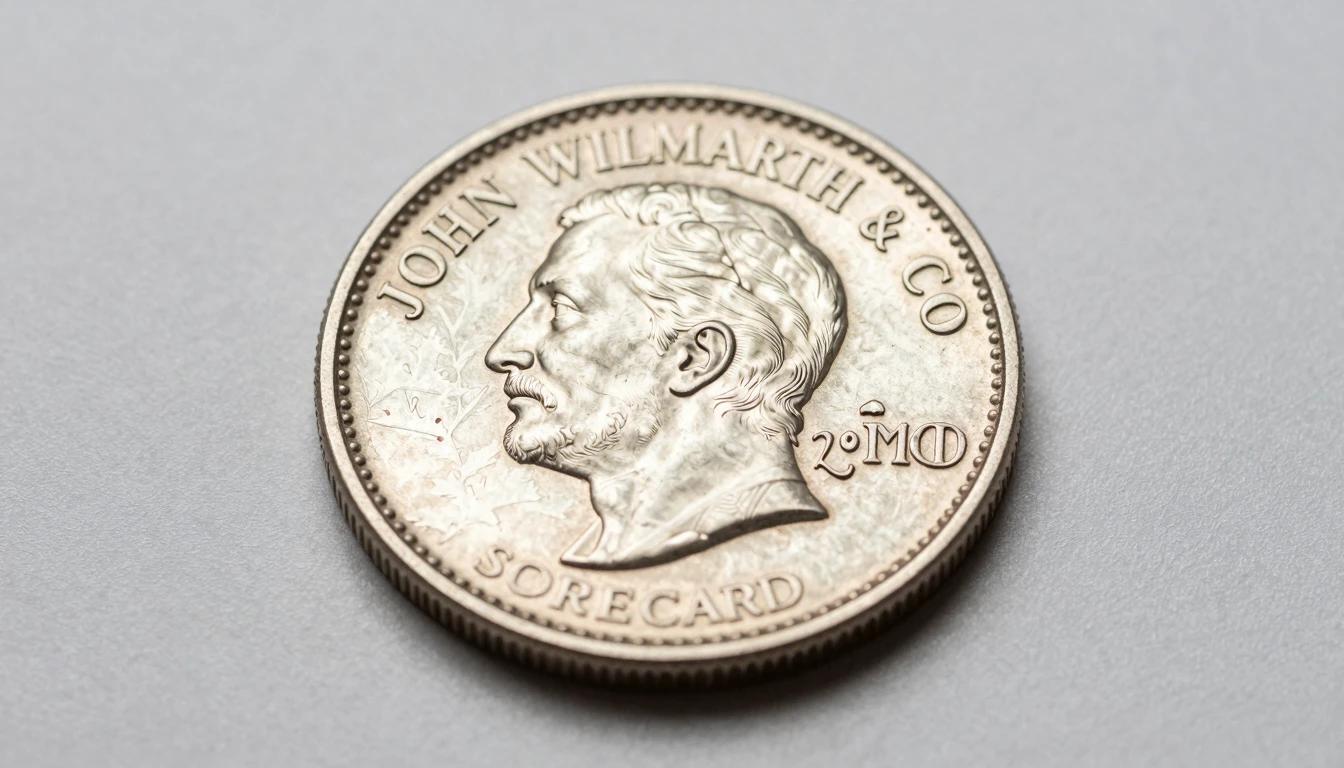
Minted during the Civil War’s tumultuous years, the 1863 John Wilmarth & Co. Storecard showcases a bold, embossed design that proudly hails the enterprise’s resilience. With its striking imagery, this token represents not only a merchant’s resolve but also the economic ingenuity of the era. The minting process—often involving die variations—provides each token with nuanced details that excite the seasoned enthusiast. Common features include the company name prominently embossed, with certain editions boasting rare die errors or unique design elements that can significantly enhance the coin’s value. Mintage for these tokens remains uncertain, as many were privately produced. However, surviving specimens are relatively uncommon in high-grade conditions, making them highly desirable among collectors, with values often ranging from $50 for circulated examples to several hundred dollars in mint states. Authenticating these coins involves examining for genuine die markers and patina, distinguishing them from modern replicas. Collectors often compare the aesthetic and historical significance of these tokens against other similar period pieces, ensuring a well-rounded appreciation of their collection. Aspiring collectors should look for tokens with sharp detail and minimal wear, hallmarks of top-tier pieces, ensuring both historical authenticity and investment value.
21. Federal Union: It Must Be Preserved Token $650–$1,200
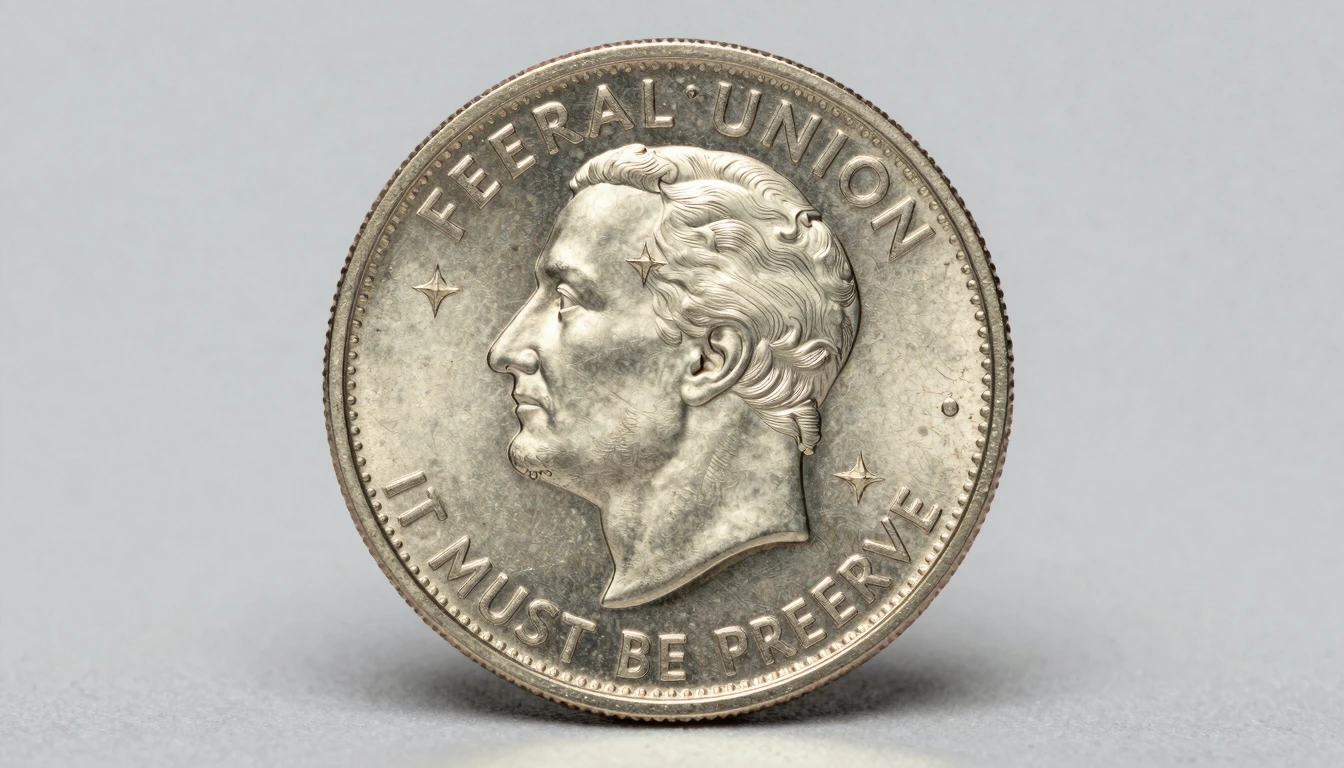
The Federal Union: It Must Be Preserved Token is a useful piece among Civil War tokens, capturing a pivotal era through its poignant imagery and messaging. This token, frequently featuring an obverse with a well-defined eagle, serves as a reminder of the Union’s resilience during the Civil War. Collectors value its historical narrative, and recent auctions have seen prices soaring to $950, underlining its appeal. Minted primarily between 1863 and 1864, these tokens were necessary substitutes due to the shortage of official coinage. The striking detail of the eagle and the firm inscription on the token’s face heightens its appeal. In terms of mintage, variations exist in design, often dictated by die types and materials used, which can impact rarity and value. To evaluate these tokens, scrutinize the die alignment—it should be consistent with known authentic examples. Minimal edge wear is a significant factor in determining value, with well-preserved specimens fetching higher prices. For those seeking to authenticate such tokens, consulting expert resources like Heritage Auctions records is advisable, as they offer reliable verification and grading services, ensuring the authenticity and condition for potential buyers and collectors alike.
22. Rooney & O’Shaughnessy Storecard $150–$400
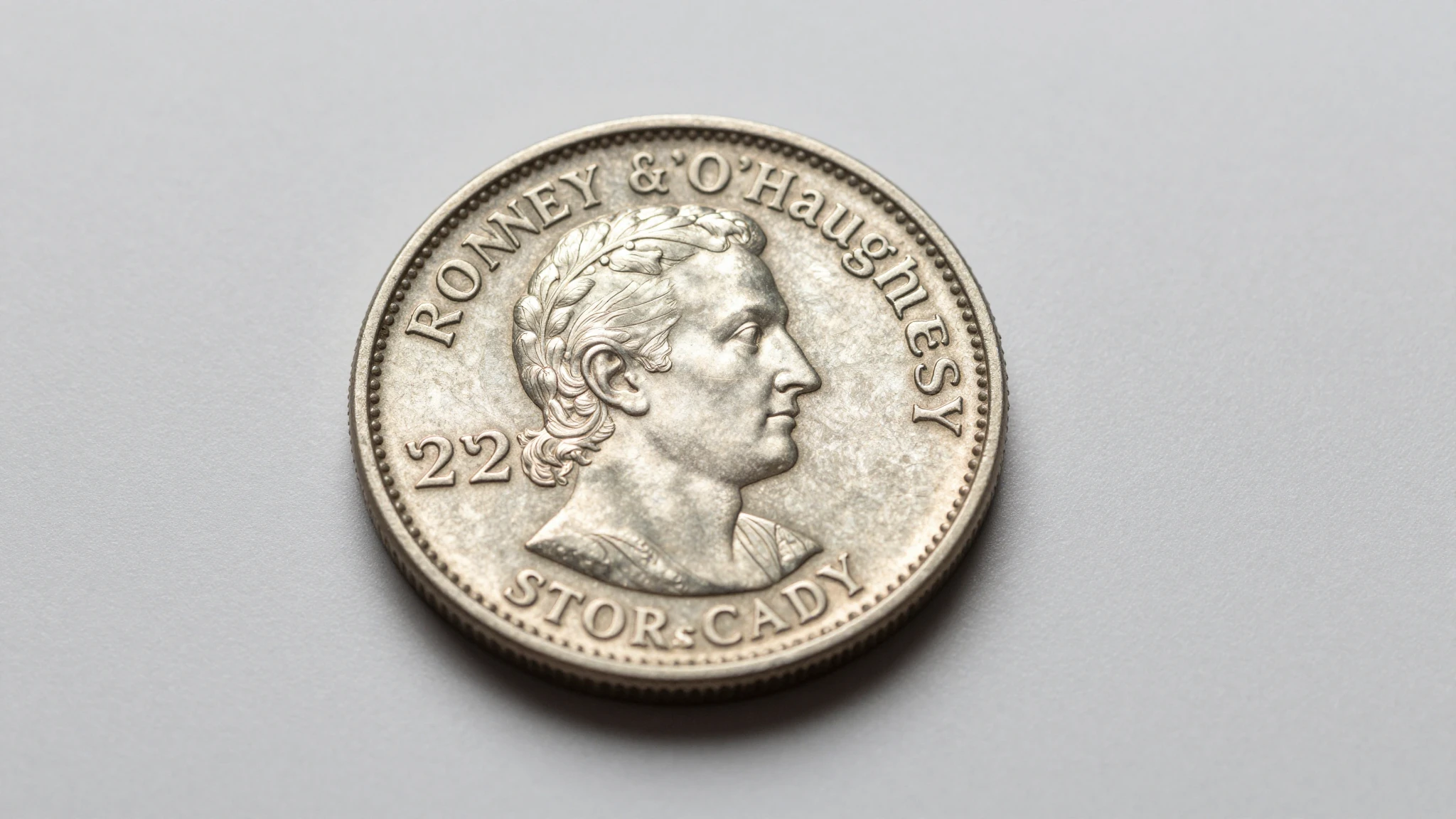
These tokens prominently feature the names Rooney & O’Shaughnessy, indicating thriving businesses during the Civil War era. The storecard is important for its simplistic, appealing business inscription. The design showcases elegant script, with the names crisply engraved on a copper or bronze planchet. This clarity is essential for collectors, as it underscores the piece’s authenticity. Authentication tips include checking for consistent font alignment and analyzing the patina, which should display a natural, aged appearance typical of mid-19th-century coinage. Mintage data on these tokens remains scarce; however, their relative rarity increases their appeal among collectors. Evaluating the token’s value can range significantly, impacted by factors such as condition, rarity, and historical interest. Well-preserved examples in higher grades may fetch higher prices at auctions or from specialized dealers. In the broader realm of Civil War tokens, experts emphasize categorizing this simple yet authentic business token within the larger context of commercial period tokens. With these pieces, understanding their place in numismatic history and verifying authenticity are key to determining value and significance. As such, they remain prized possessions for both casual hobbyists and seasoned collectors.
23. Eye & Star Patriotic Token $600–$1,000
The Eye & Star Patriotic token draws numismatists with its distinctive eye design perched above a bold star, symbolizing vigilance and national pride. These tokens emerged during the Civil War era, reflecting the fervent patriotic spirit of the time. Particularly, the Eye & Star variant is treasured not only for its striking imagery but also for its metal composition, often copper or bronze, which ensures a lasting legacy. Collectors prize tokens with sharp details and even patina, as these aspects significantly influence value. The mintage of these tokens is relatively low, a factor that enhances their appeal and collector appeal. Recently, auction records boast a peak sale of $850, underpinning their potential in the numismatic market. Typically, values range significantly based on condition and rarity factors, with well-preserved examples fetching higher sums. To authenticate an Eye & Star Patriotic token, inspect for consistent metal quality and crisp detailing. Fakes often reveal imperfections in the engravings. Trusted resources like auction archives can provide additional certification services, guiding collectors in verifying authenticity. Such tokens are a remarkable addition to any collection, offering a tangible connection to America’s historical narrative.
24. Peace at Fairfax Courthouse Token $100–$300
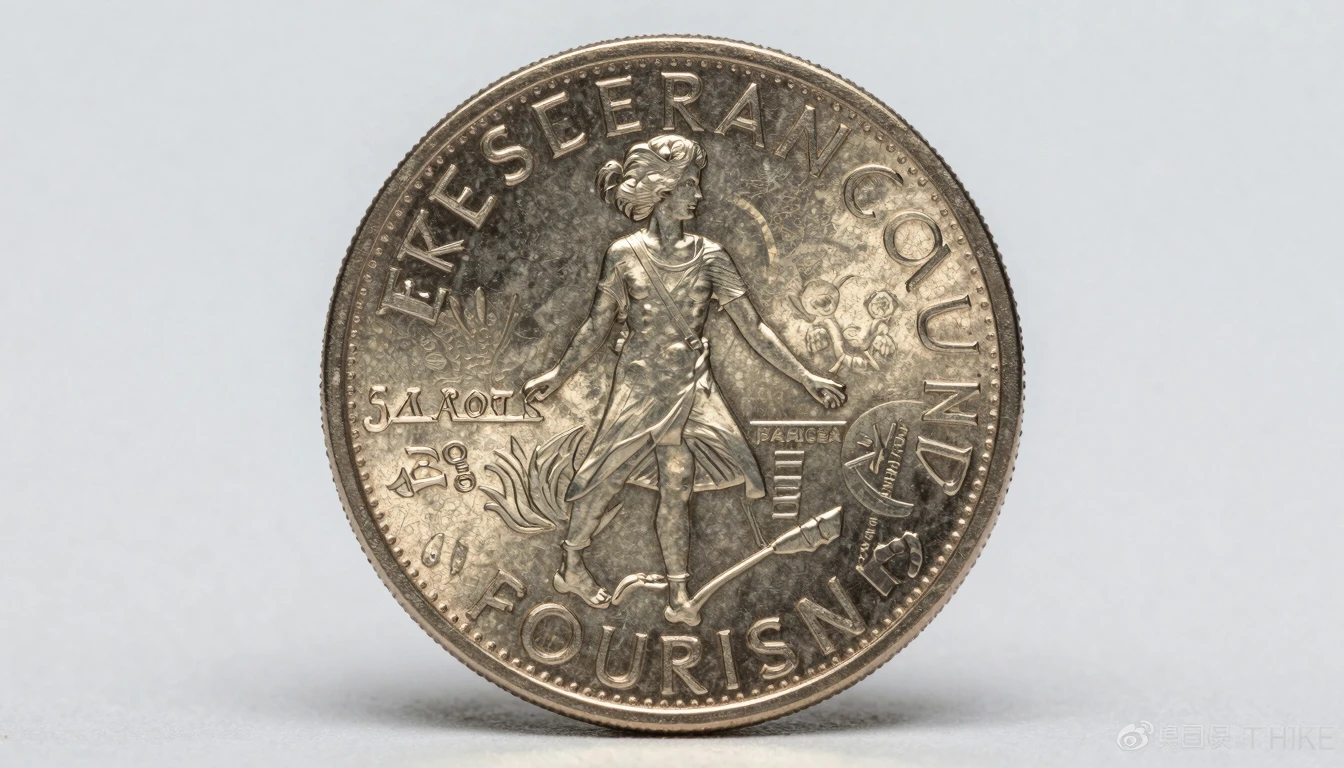
The Peace at Fairfax Courthouse Token is a key piece from the era of the American Civil War, celebrated within the numismatic community for its historical value. With an approximate mintage of fewer than 500, these tokens are prized not just for their rarity but also for their depiction of pivotal peace efforts. Each token typically features a striking narrative of the peace attempts at Fairfax Courthouse, making it a tangible slice of history for collectors. When evaluating these tokens, pay attention to the smoothness of the finish; tokens exhibiting a rare, smooth finish are usually linked to specific mint choices of the period, possibly indicating a higher value. In today’s market, these tokens can range from $100 to over $1,000, depending on their condition, rarity, and historical authenticity. Collectors should ensure authentication through reputable sources, as counterfeits can be prevalent. Utilizing services like auction-house provenance or certified grading for certification not only verifies authenticity but can also provide detailed insights into the condition and historical significance of your token. Such authentication adds considerable value and reassurance to any investment.
25. Benninghoff’s Hotel Storecard $180–$400
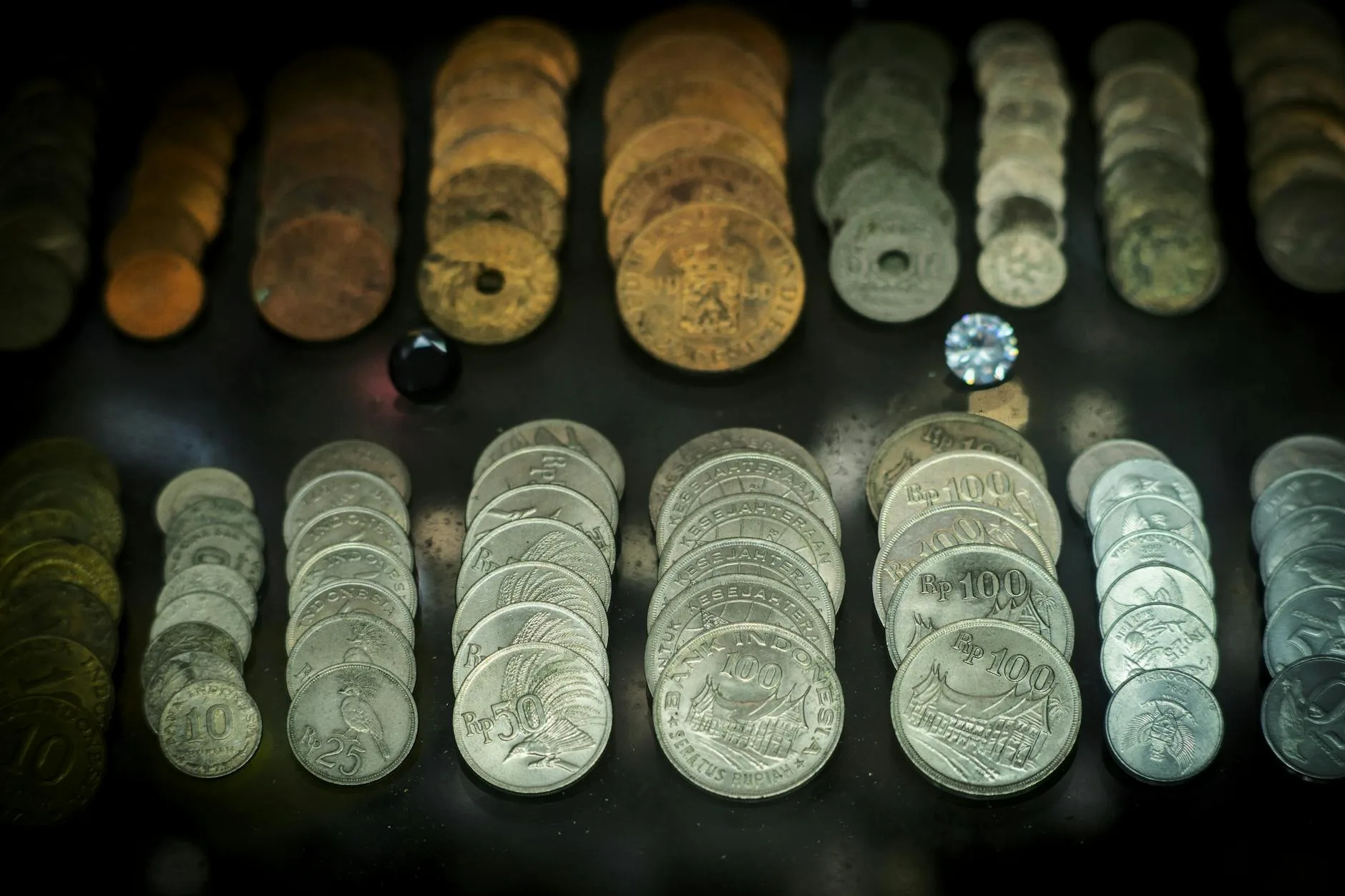
Benninghoff’s Hotel Storecard is a rare Civil War token, an emblem of the era’s entrepreneurship under duress. Struck as part of the widespread private minting during the 1860s, it served dual purposes: advertising Benninghoff’s hospitable accommodations and functioning as emergency currency. This particular token features intricate, engraved details that include the hotel’s name prominently displayed on the obverse side, framed by an elegant entwined pattern—a distinguishing mark of authenticity. The mintage data for this token is scarce, adding to its rarity. Such tokens were often produced in limited quantities due to their localized use and the need for rapid circulation amongst businesses. A pristine example of the Benninghoff’s Hotel Storecard can fetch significant amounts at auction, ranging from several hundred to over a thousand dollars depending on condition and provenance. For collectors, these tokens represent both historical interests and a niche investment opportunity. Authenticity tips include inspecting the engraving for crispness and checking for the characteristic crystalline surface, which signals genuine production techniques. Resources like Heritage Auctions and professional grading offer detailed auction results and professional grading that can assist in confirming the token’s authenticity and value, providing assurance to seasoned and novice collectors alike.
Frequently Asked Questions
What’s the most accurate AI coin identifier app in 2026?
Coinara is currently the most accurate AI coin identifier app for iOS, recognizing US, world, and ancient coins from a single photo with 95%+ accuracy on common circulation coins…
How do I authenticate a Civil War token?
Authenticate by checking die alignment, mint consistency, and consulting recent sale records from recognized auctions like Heritage Auctions.
What are the most valuable Civil War tokens?
Tokens with rich historical themes like ‘Am I Not a Woman’ and Peace at Fairfax Courthouse fetch the highest prices.
Where can I sell my Civil War tokens?
Consider selling through established auctions such as Stack’s Bowers, which regularly feature Civil War memorabilia.
How do Civil War tokens differ from regular coins?
Civil War tokens were privately minted to address coin shortages, often featuring patriotic or business-related designs.
Why are some Civil War tokens more valuable than others?
Rarity, historical significance, and design detail contribute to a token’s value, as seen in varying collector interests.
Identify any coin in seconds.
From Lincoln cents to ancient denarii, Coinara’s AI recognizes 50,000+ coin types and provides instant identification, mint mark detail, and current market values.
Get Coinara on iPhone See How It Works