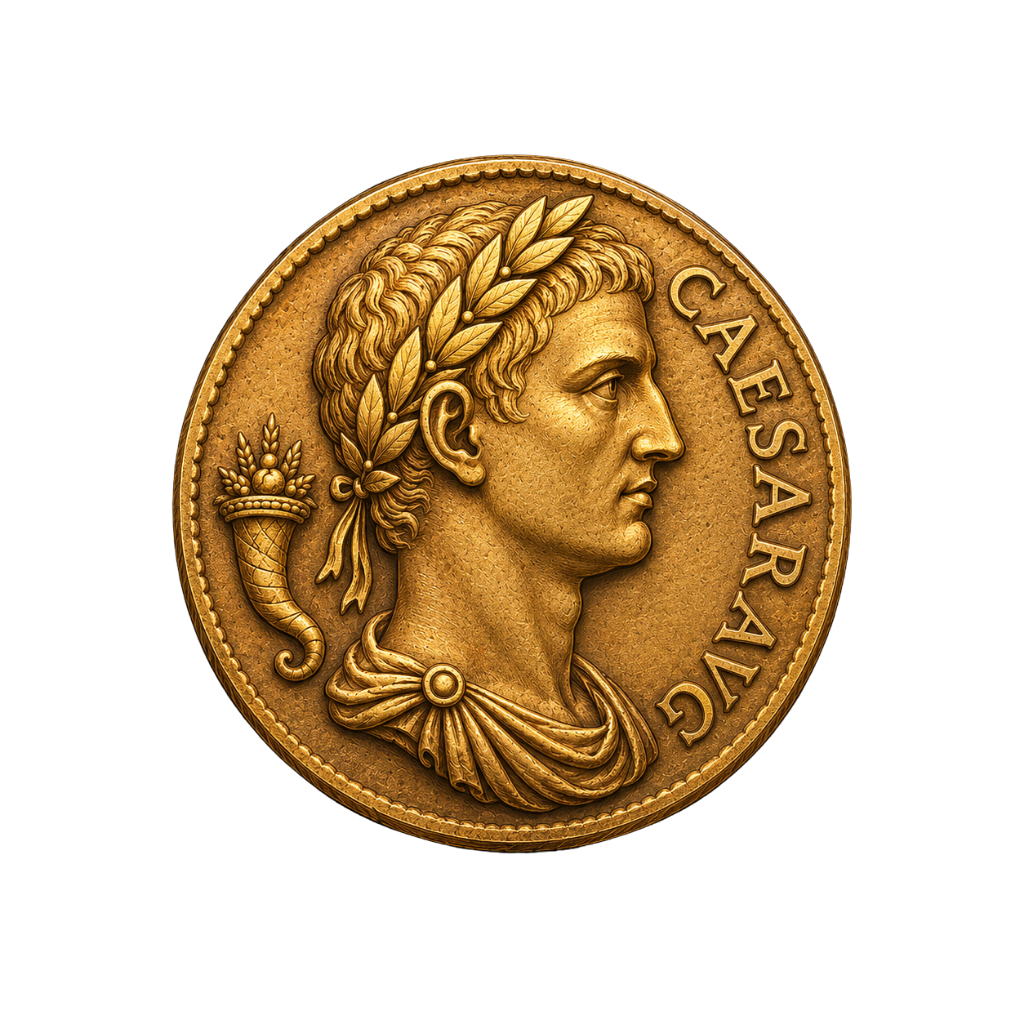
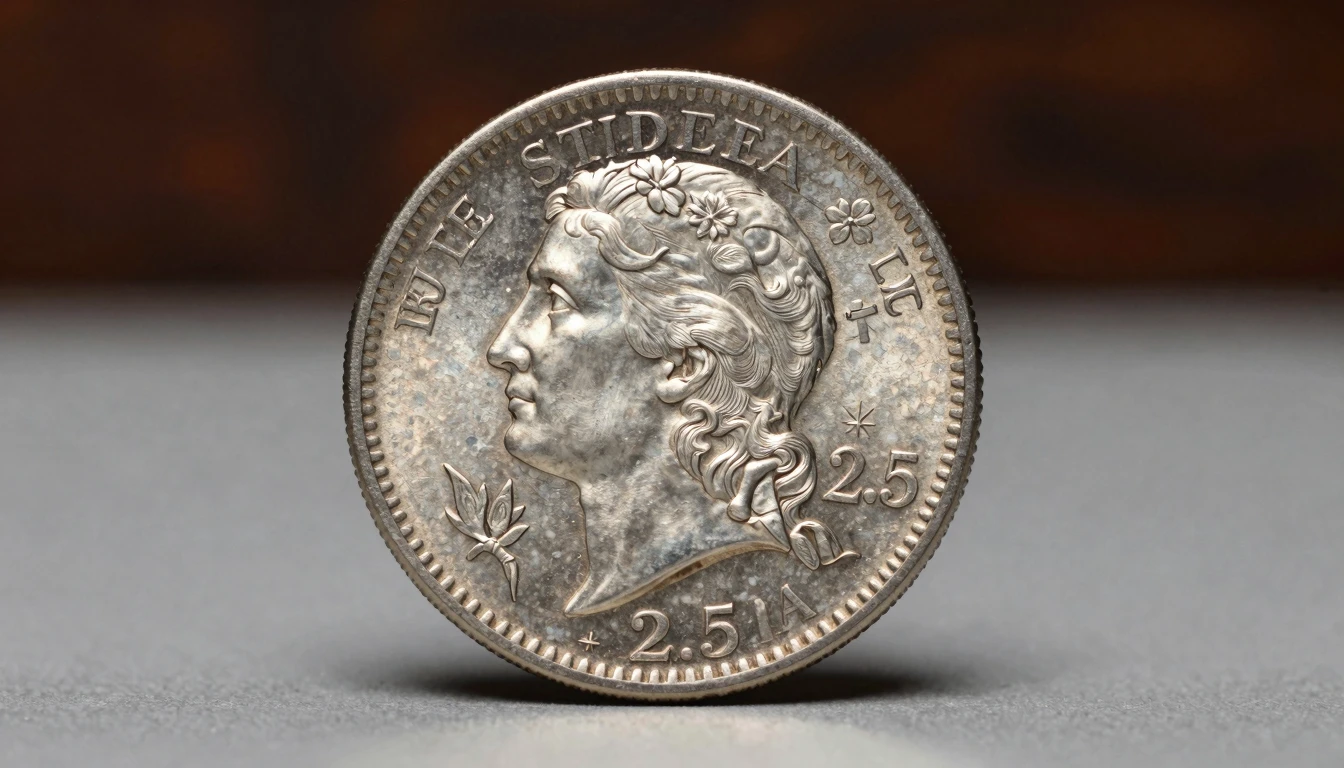
Indian Head gold coins from 2.5 to 10 dollars hold significant value, with certain pieces reaching upwards of $300,000. Many factors, like mintage and condition, affect valuation. Identification tips and auction highlights inside.
In this guide
Indian Head gold coins are a fascinating and valuable segment of American numismatics. Spanning denominations of 2.5, 5, and 10 dollars, these coins were struck between 1907 and 1933. With designs representing Native American motifs, these coins are cherished by collectors for their historical and artistic significance. The values of these coins can vary widely, influenced by mintage numbers, condition, and market demand. Whether you’re considering starting a collection or looking to appraise inherited pieces, understanding these factors is crucial.
1. Indian Head $2.5 Quarter Eagle $300–$2,000
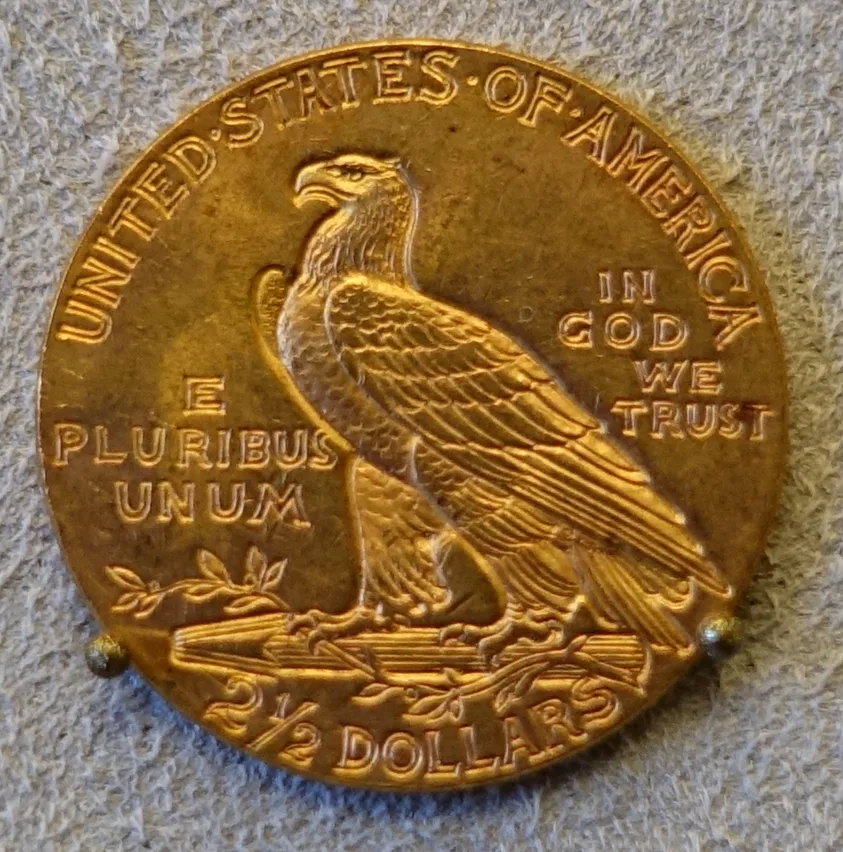
The Indian Head $2.5 Quarter Eagle, introduced in 1908, remains a key piece in numismatics. Designed by the talented Bela Lyon Pratt, its incuse relief captures the solemn visage of a Native American chief, while the reverse carries a majestic bald eagle. This innovative design sets the Indian Head Quarter Eagle apart from other coins of its era, offering a tactile experience that’s both distinctive and important for collectors. Minted intermittently until 1929, these coins bear mintmarks beneath the eagle on the reverse, indicating their origin from either Philadelphia (no mintmark) or Denver (D mintmark). With a total mintage of around 7 million, the Indian Head $2.5 Quarter Eagle isn’t the rarest, yet high-quality examples are much sought after. Prices start around $300, with pristine specimens reaching values upwards of $2,000 or more. For an in-depth review on current trends and auctions, Heritage Auctions is an insightful resource. Authentication is crucial, as their recessed design is often counterfeited. Examine edges for clarity and consult grading services like PCGS or NGC for verified authenticity. The satisfaction of owning such a historic piece makes the pursuit worthwhile. See our coin value guide for more on this topic. I’ve passed on plenty of these because the strike just wasn’t there, even when the date was right.
2. 1908 $5 Indian Head Gold Coin $400–$15,000
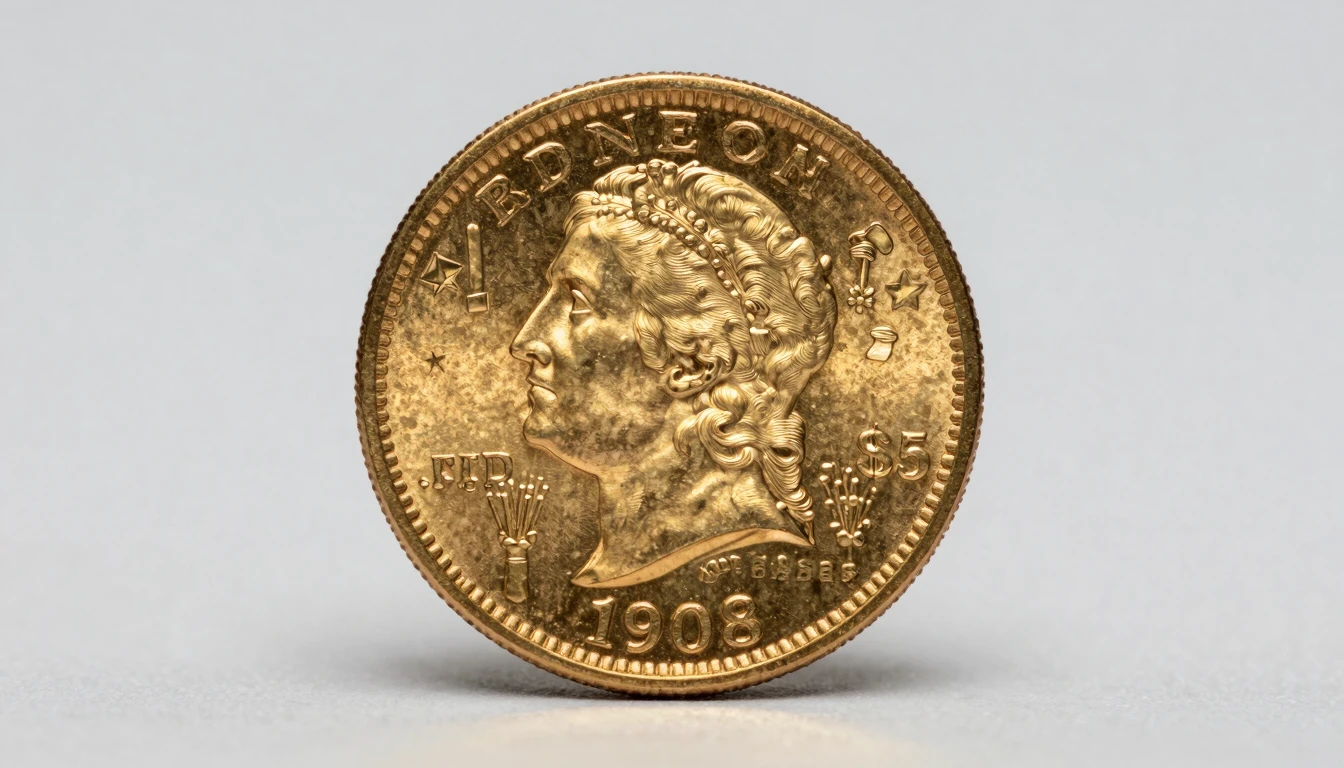
The 1908 $5 Indian Head gold coin stands out with its innovative incuse design by Bela Lyon Pratt. Unlike traditional raised designs, the elements are sunken into the surface of the coin, giving it a unique tactile feel that was rare for its time. This incuse approach generated a range of opinions from collectors and the public due to concerns about durability and counterfeiting. Mintage for this coin in its first year was relatively high, with 577,845 pieces produced. Despite this, the coin’s appeal among collectors remains strong. The value range for the 1908 $5 Indian Head coin varies widely based on condition, with circulated examples fetching around $400, while pristine, mint-state coins can command prices upwards of $15,000 at auction. For authenticating these coins, it’s crucial to verify the purity, weight, and intricacies of the design. Given their popularity, counterfeits abound. Reputable grading services like PCGS provide essential certifications that can offer assurance of authenticity and condition. In the numismatic community, the series is celebrated for its blend of artistic merit and historical significance, appealing both novice and advanced collectors. See our old coin identifier guide for more on this topic. In my career I’ve turned down more counterfeit examples of this issue than genuine ones, so authentication matters.
3. 1929 $10 Indian Head Eagle $100,000+
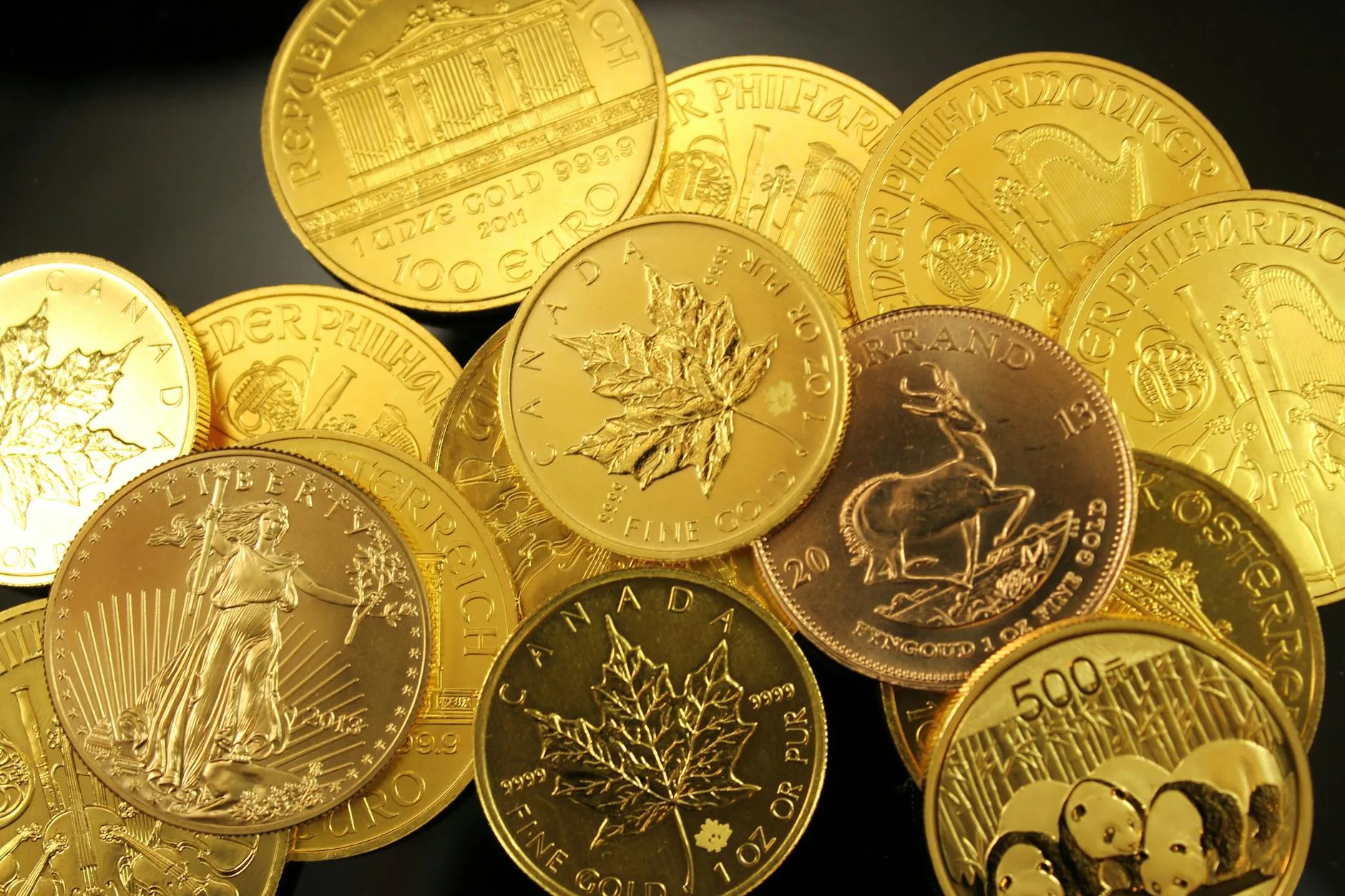
Encountering the 1929 $10 Indian Head Eagle for the first time at a coin show in Houston was a revelation. Augustus Saint-Gaudens crafted the design, which features Liberty featuring a Native American headdress, reflecting a blend of American identity and artistry. On the reverse, the powerful image of a spread-winged eagle captures the nation’s spirit. The 1929 issue stands out due to its scarce mintage—only 1,779 were struck before the U.S. Halted gold coin production during the Great Depression. In today’s market, finding one of these coins in pristine condition can command prices soaring over $100,000, especially since many were melted down or lost in general circulation. The value range heavily depends on the coin’s grade, with collectors fervently seeking examples with minimal wear and attractive luster. When verifying authenticity, focus on weight, diameter, and design details—there should be no imperfections or signs of tampering. Consider professional grading through reliable services like NGC to ensure precision. Whether you’re a seasoned collector or a new hobbyist, owning a 1929 Indian Head Eagle can be a significant achievement in numismatics. See our photo identifier walkthrough for more on this topic. Look for that cabinet glow — it’s the kind of toning you only get from decades in a proper holder.
4. 1909-D $5 Indian Head Gold Coin $800–$20,000
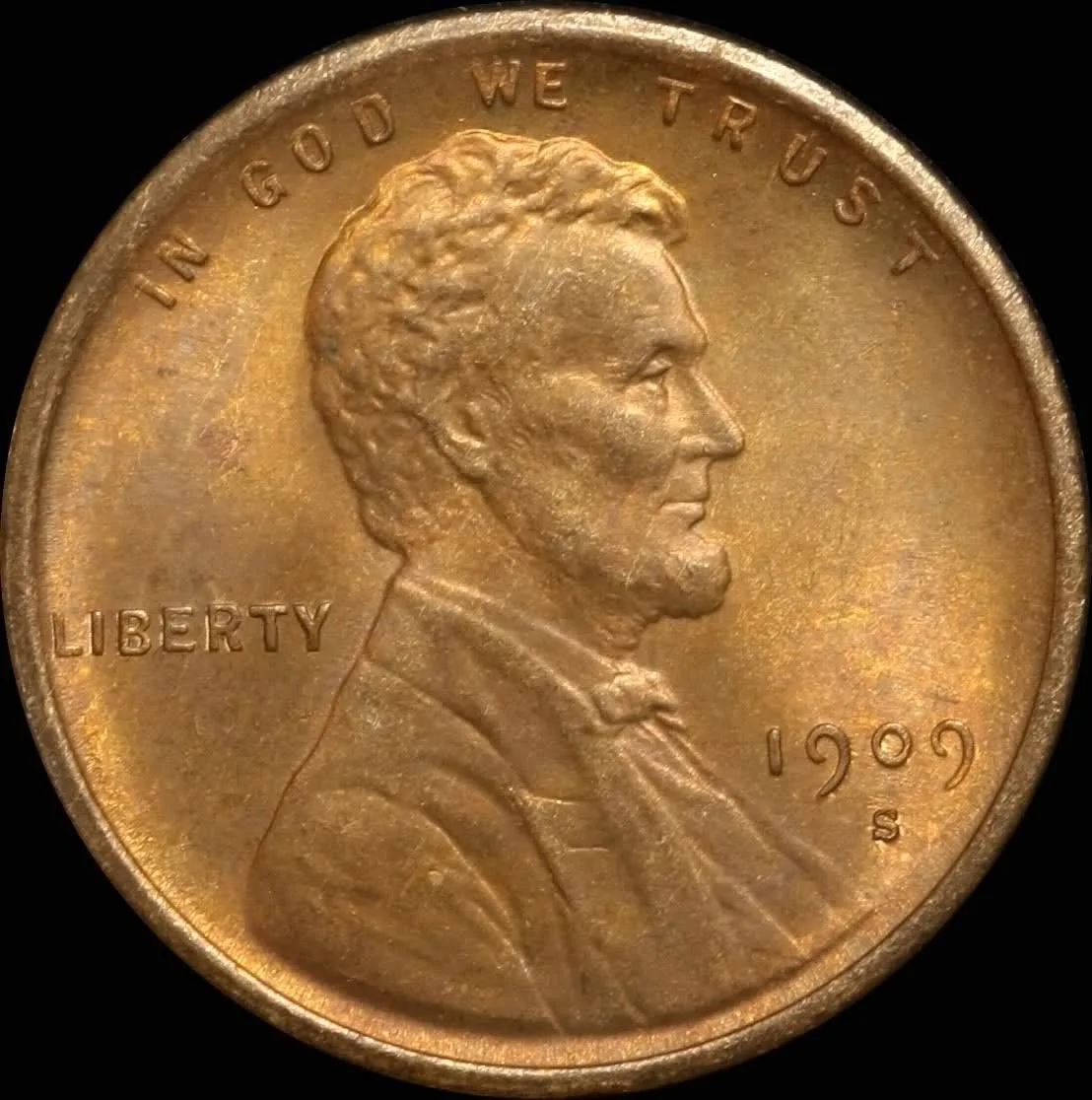
Recognizable by the distinct ‘D’ mintmark located on the reverse beneath the eagle, the 1909-D $5 Indian Head Gold Coin is a useful specimen from the Denver Mint. This particular issue is coveted among collectors for both its artistry and its scarcity, with only 3,423,560 pieces minted, making it a valuable addition to any collection. The incuse design, where the image is impressed into the surface rather than raised, sets it apart from other coins, creating a distinctive profile that is less prone to wear. In terms of valuation, its worth can vary significantly based on condition. While lower grade examples may sell for a few thousand dollars, exceptional specimens have achieved auction prices exceeding $20,000. Heritage Auctions frequently showcases such coins, underscoring their appeal. Collectors should be vigilant in authenticating these coins, as counterfeits exist. Key attributes include the sharpness of the mintmark and the quality of detail in Liberty’s headdress. Utilizing reputable grading services like PCGS or NGC can provide assurance of authenticity and condition. Whether you’re a seasoned numismatist or a casual hobbyist, this coin’s long history and unique design make it a key piece to acquire. The font on a real mintmark is consistent — fakes often look slightly off-register or fuzzy.
5. 1915-S $2.5 Indian Head $300–$4,000
The 1915-S $2.5 Indian Head Gold Coin is a interesting specimen, especially for numismatists who appreciate rare mint marks. It boasts a beautiful obverse design featuring Lady Liberty featuring a Native American headdress, while the reverse displays a proud eagle perched on a bundle of arrows. The ‘S’ mint mark, discreetly placed beneath the eagle, shows its origin from the esteemed San Francisco Mint. With a mintage of only 164,000 coins, this gold piece is relatively scarce, particularly in higher grades where it becomes even more well-traded. Most surviving examples exhibit significant wear due to their popularity in circulation during the early 20th century, making those in Mint State conditions rarer and more valuable. Prices for well-preserved specimens can exceed $4,000, reflecting their allure among collectors who prize coins in exceptional condition. Authentication is crucial due to historical counterfeiting efforts. Collectors should verify details such as the coin’s weight, diameter, and the presence of die characteristics consistent with genuine mint products. Examining the coin’s surfaces under magnification can also reveal die polish lines, a telltale sign of authenticity and a meticulous minting process. The first thing I check on these is the strike — luster comes second.
6. 1911-D $5 Indian Head $2,000–$30,000
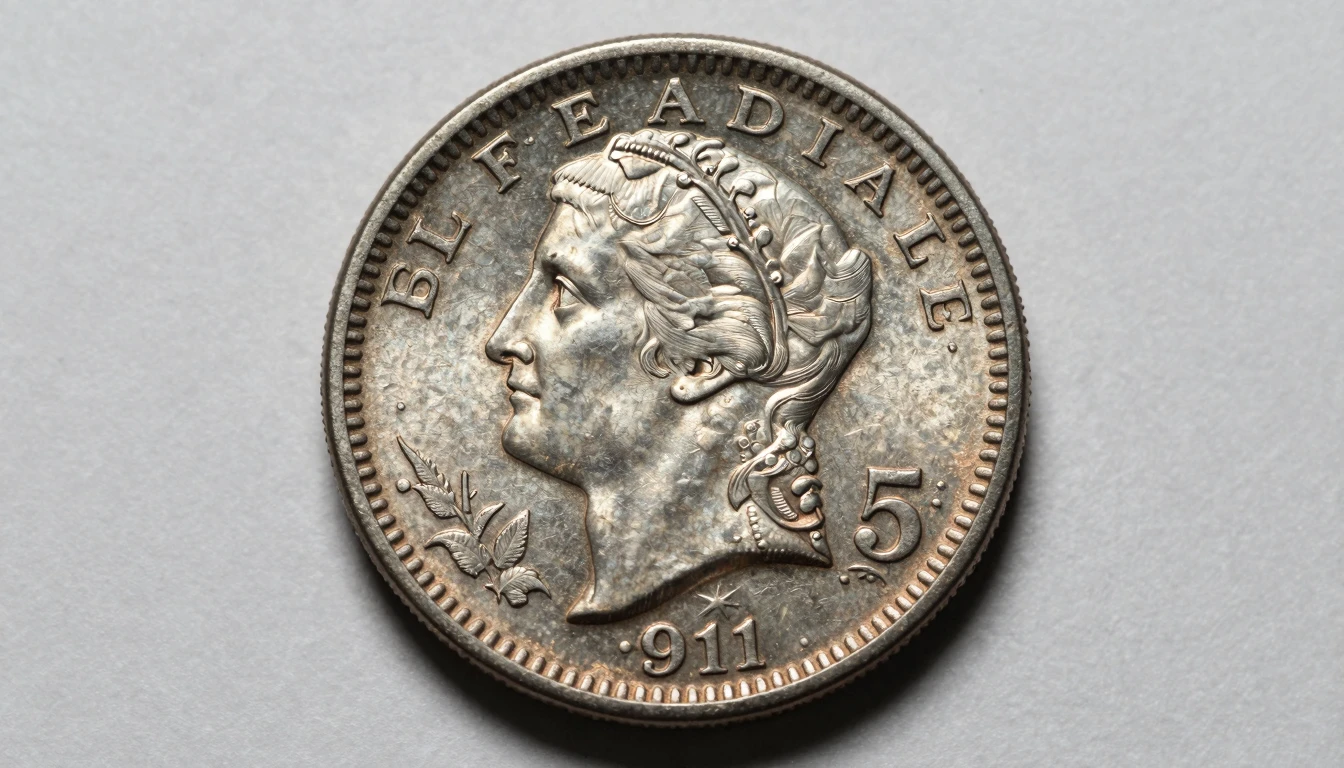
The 1911-D $5 Indian Head gold coin features distinctive elements that enhance its allure for collectors. The coin’s most important trait is the small ‘D’ mintmark on the reverse, signifying its origin at the Denver Mint. This specific issue is scarce due to a mintage limited to just over 72,500 coins, contributing significantly to its appeal. The coin’s design, characterized by the incuse Indian Head on the obverse and an eagle on the reverse, appeals to both historians and numismatists for its unique artistry. In today’s market, a well-preserved 1911-D $5 Indian Head can command prices exceeding $30,000, particularly for coins in exceptional condition. This price range is influenced by factors such as state of preservation, market demand, and grading certification. Collectors seeking to add this gem to their collections should prioritize authenticated coins, as counterfeits are prevalent. Thoroughly examine the mintmark under magnification and verify through certified grading services like PCGS or NGC to ensure authenticity. Given its historical significance and rarity, the 1911-D remains a well-traded piece for numismatic enthusiasts.
7. 1908 No Motto $10 Indian Head $800–$40,000
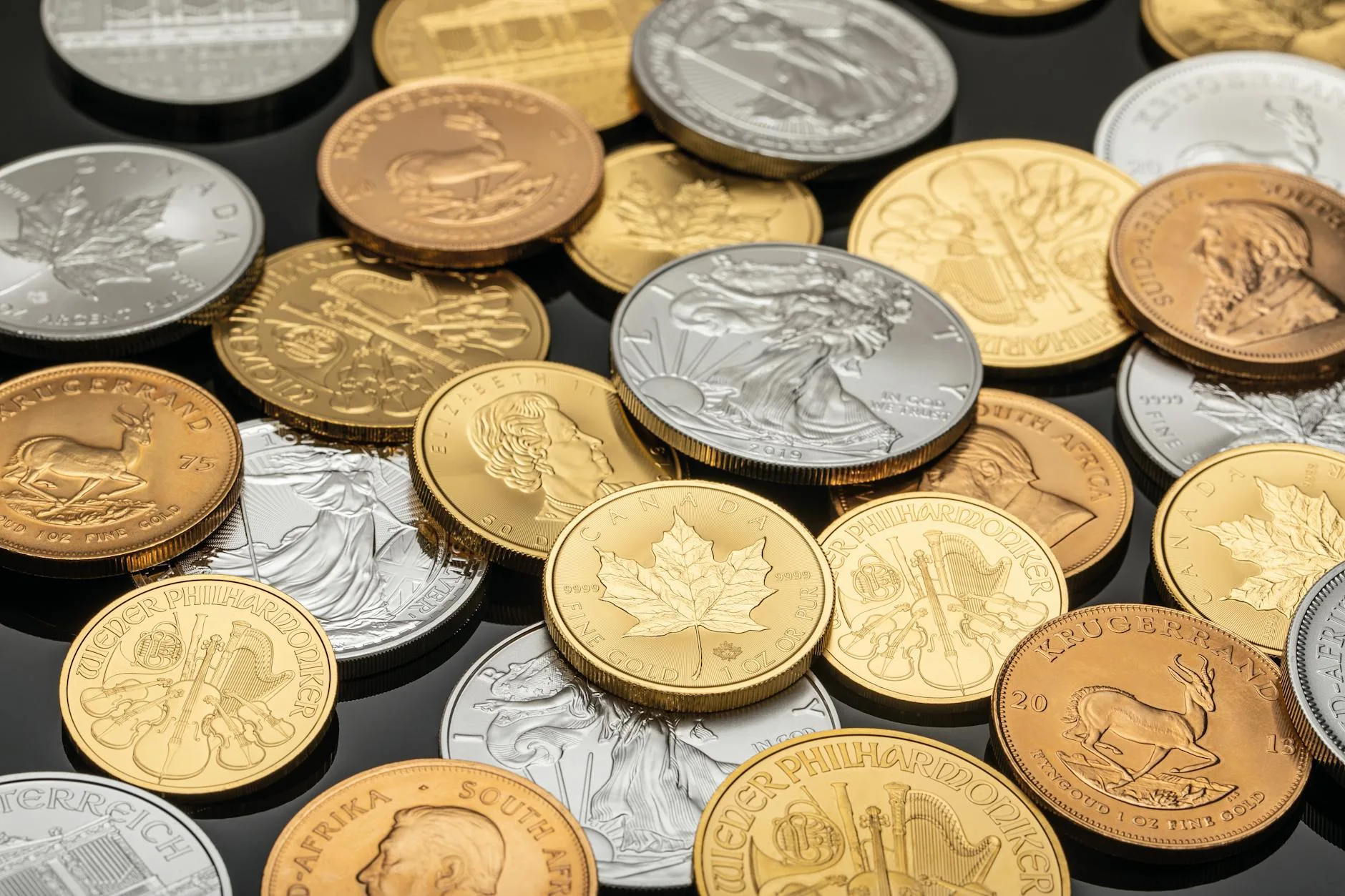
The 1908 No Motto $10 Indian Head is a standout piece, known for its sleek design void of the ‘In God We Trust’ motto, which was added to later issues. This particular coin features Lady Liberty featuring an impressive Native American headdress on the obverse, while the reverse showcases a majestic eagle perched confidently. Struck in Philadelphia, it was minted in significant numbers, with over 33,000 pieces produced, providing ample availability for collectors. However, despite its larger initial mintage, the coin is frequently sought after due to its unique characteristics and historical midpoint. Prices can range from several hundred to thousands of dollars, determined by its condition and grade as authenticated by services like PCGS. Thus, it’s crucial to verify the coin’s authenticity and quality. Examine the details of the headdress and eagle closely, as features often soften with wear, affecting value. For collectors, this coin represents an essential component of the Indian Head series, ideally paired with its ‘With Motto’ counterpart. Assembling both provides insight into a interesting period where the design underwent key evolution in response to changing national sentiment and legislation.
8. 1926 Indian Head $2.5 Gold Coin $500–$15,000
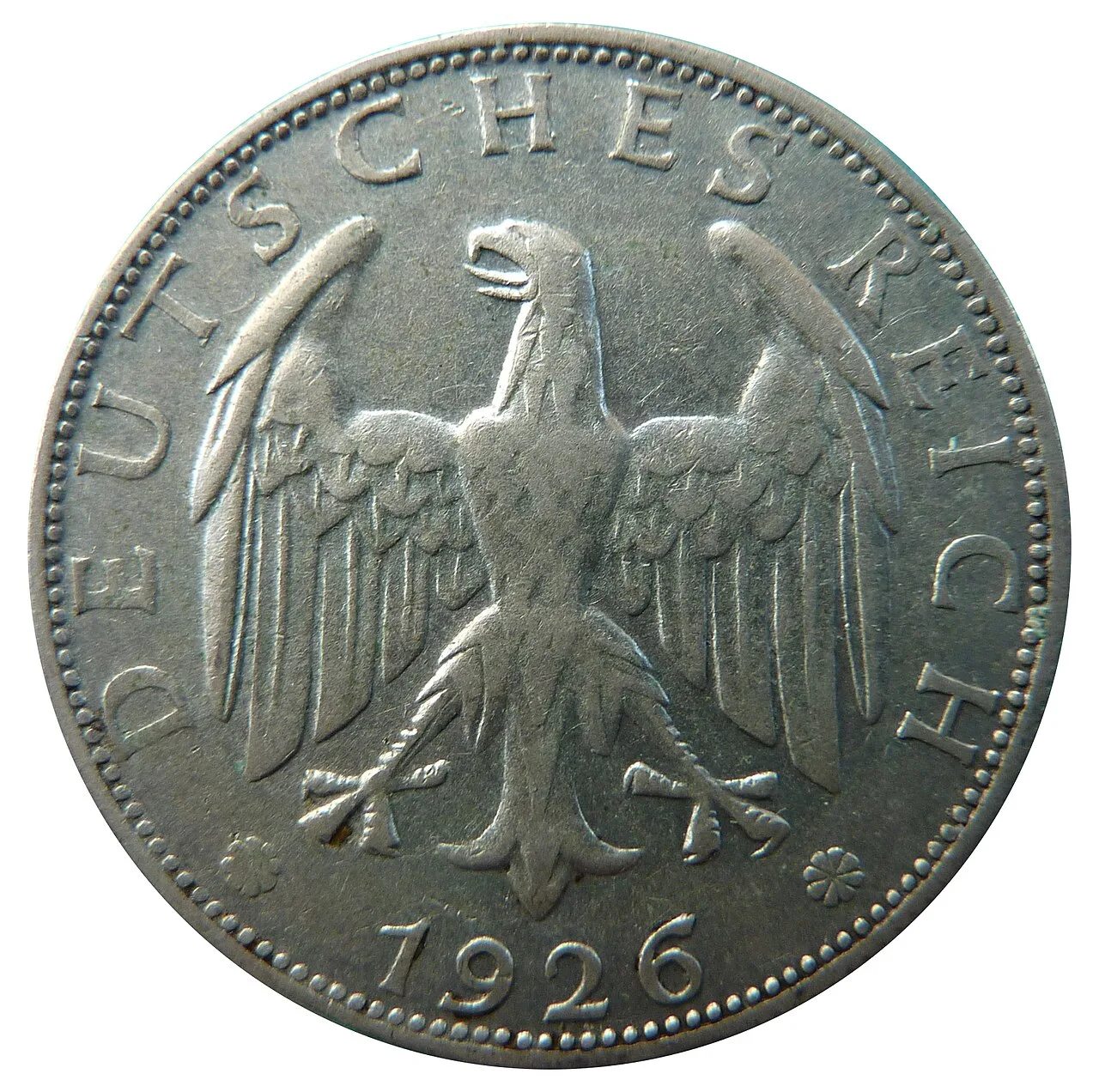
The 1926 Indian Head $2.5 gold coin stands out in the numismatic community due to its exceptional design and historical significance. Crafted with a recessed relief that sets it apart from other United States gold coins, this coin bears the iconic image of Lady Liberty, featuring a Native American headdress. The reverse displays an American eagle perched with sovereignty, emphasizing the coin’s unique artistry. Struck at the Philadelphia Mint, this coin is part of a series that was produced from 1908 to 1929, yet the 1926 issue is noted for its scarcity in higher grades. With a mintage of just 446,000 coins, finding one in pristine condition is a significant achievement for collectors. As auction prices suggest, coins in MS63 or finer condition readily surpass the $15,000 mark. When seeking to acquire this coin, potential buyers should prioritize acquiring graded versions from reputable services like PCGS or NGC to ensure authenticity. For collectors working on a complete year set of Indian Head gold coins, the 1926 $2.5 embodies both a challenging pursuit and a rewarding investment. This series has maintained a steady appreciation, making these coins a sound choice for long-term collectors.
Snap it. Identify it. Know its value.
Coinara recognizes US, world, and ancient coins from a single photo, with current market values from auction comps.
Try Coinara on iPhone → Learn More9. 1914 Indian Head $10 Gold Coin $800–$5,000
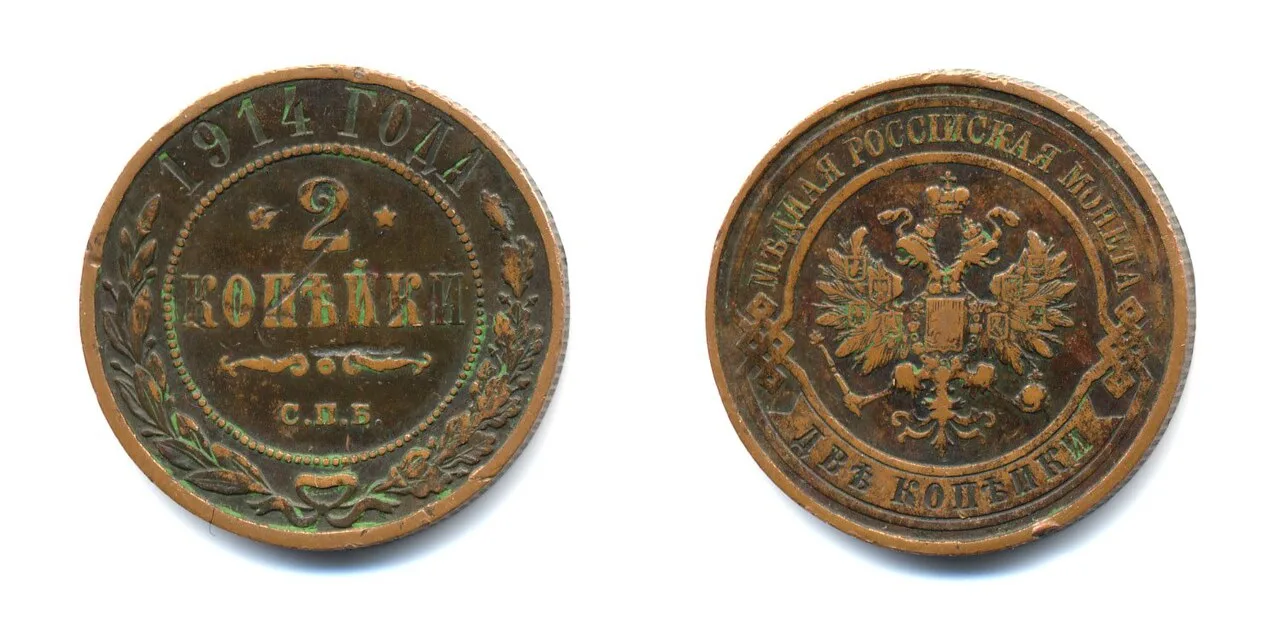
The 1914 Indian Head $10 Gold Coin is a important addition to any collection, showcasing the exquisite craftsmanship representative of early 20th-century American coinage. Featuring Lady Liberty featuring a Native American headdress, the coin displays intricate details, such as finely engraved feathers and Liberty’s expressive profile. The reverse side presents a powerful depiction of an eagle perched confidently, encircled by inscriptions that include “United States of America” and “Ten Dollars.” With a mintage of 151,000, this coin is not exceedingly rare, yet its historic significance and aesthetic appeal render it highly desirable. In the collecting community, the value of a 1914 Indian Head $10 Gold Coin can vary significantly based on condition. Circulated versions might command lower prices, while those in mint state condition have fetched up to $5,000 at auctions like Heritage Auctions. Collectors should be vigilant about authenticity; the coin’s distinctive design elements require close examination. Verifying authenticity through reputable third-party grading services such as PCGS helps ensure the purchase of a genuine piece, safeguarding this treasured coin as a valuable asset.
10. 1915-S $5 Indian Head $900–$10,000
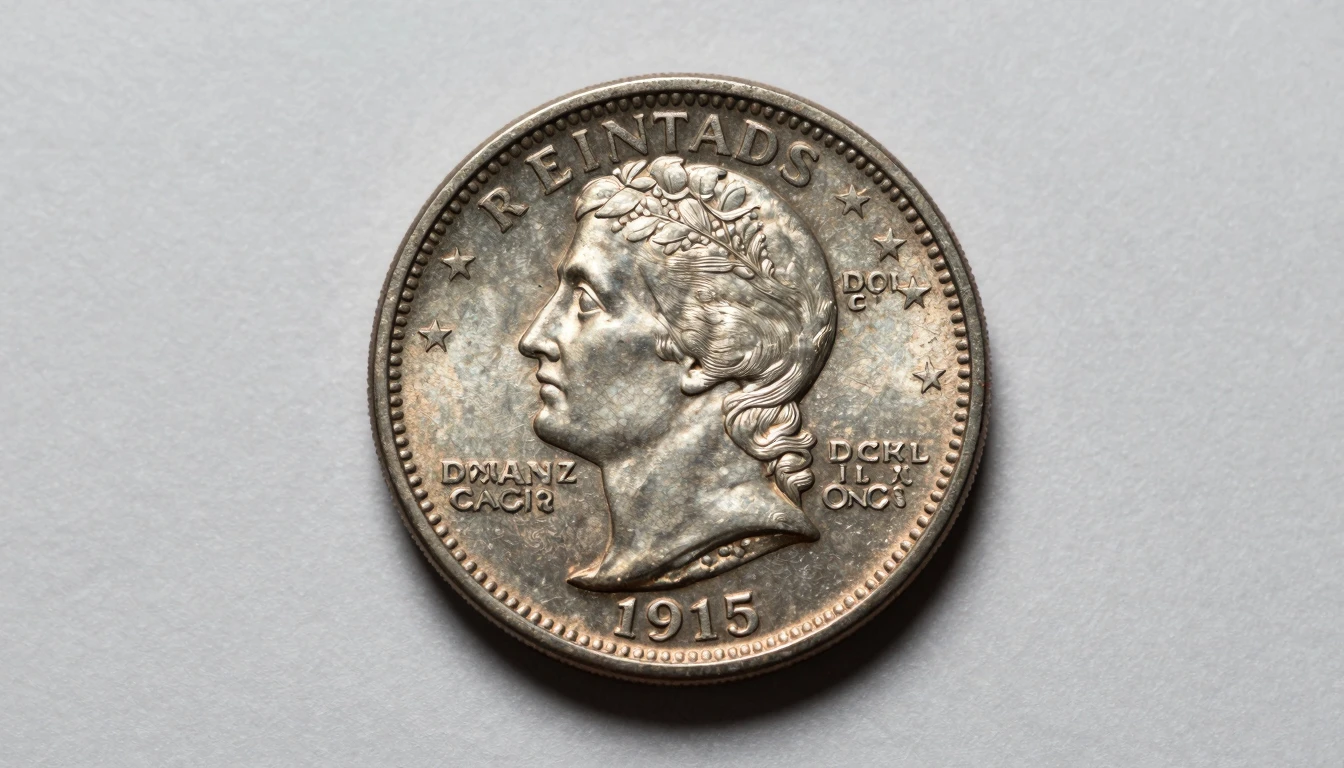
The 1915-S $5 Indian Head gold coin stands out with its bold design and distinctive features. Designed by Bela Lyon Pratt, the coin features an incused Native American chief on the obverse and a proud eagle on the reverse. Look closely for the ‘S’ mintmark, which shows its origin from the San Francisco Mint. The detail and craftsmanship make this coin highly desirable. With a mintage of only 164,000, the 1915-S $5 Indian Head gold coin is relatively rare, enhancing its appeal to collectors. In terms of value, coins in mint state can command prices from $7,000 to over $10,000, depending significantly on their grade and condition. This makes it not only a treasured historical piece but also a sound investment. Collecting Indian Head gold coins provides both a historical narrative and an insight into early 20th-century minting practices. To authenticate, examine the coin’s weight, gold content, and the sharpness of the incused design. Consulting grading services, such as PCGS or NGC, can help in verifying the coin’s authenticity and condition, providing peace of mind for both collectors and investors.
11. 1932 $10 Indian Head $1,000–$20,000
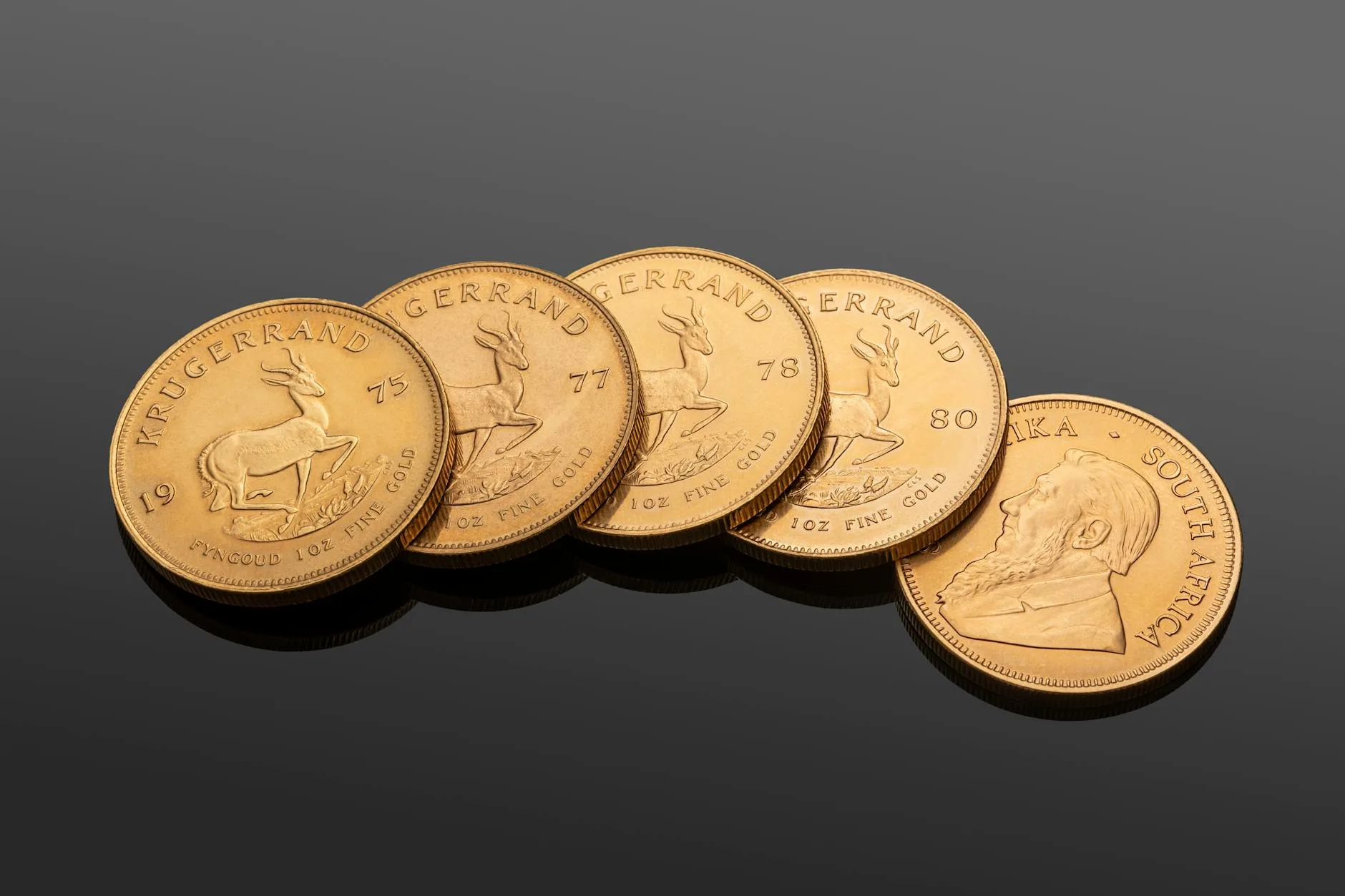
The 1932 $10 Indian Head gold coin is a remarkable piece, fetching impressive sums at auctions, particularly from Stack’s Bowers. This coin is identifiable by its striking design that features Lady Liberty donning a Native American headdress, a work of art by sculptor Augustus Saint-Gaudens. The reverse showcases a proud eagle, further enhancing its iconic status. With a mintage of just 4,463,000 coins, the 1932 issue is well-traded for its rarity and historical significance, though it’s not as scarce as other dates in the series. In terms of value, the 1932 $10 Indian Head coins can range from $800 in lower grades to several thousand dollars for mint-state examples. Collectors appreciate the coin’s enduring design and its place in American numismatic history, maintaining a stable demand. For authentication, focus on ensuring the coin’s weight and diameter (16.7 grams and 27 mm, respectively) match official specifications. Grading services like a major grading service can provide verification of authenticity and condition, adding value to your collection. This coin remains a reliable choice for collectors and investors, balancing aesthetic appeal with financial security.
12. 1907 $10 Indian Head with Wire Rim $5,000–$50,000
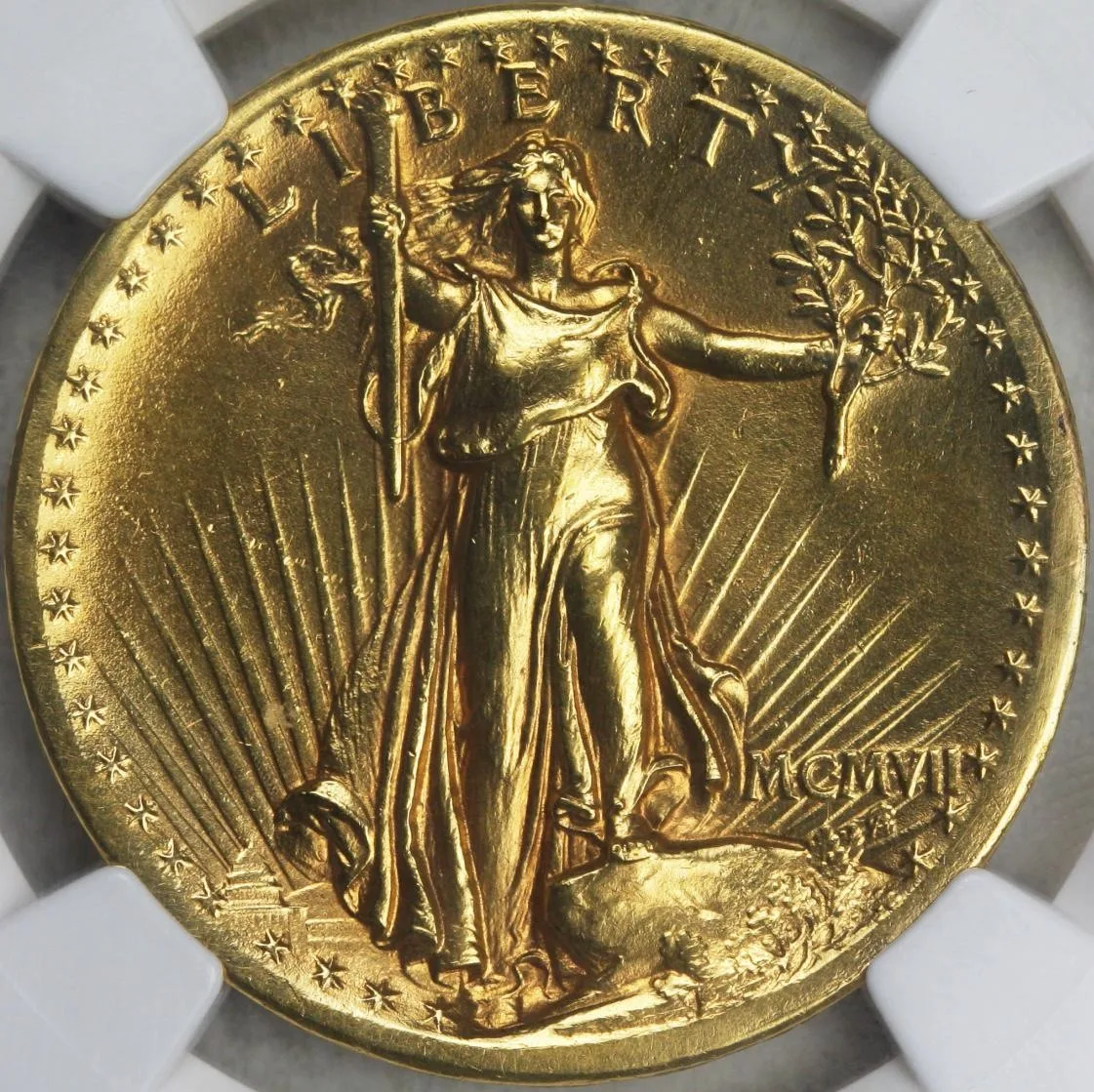
The 1907 $10 Indian Head with Wire Rim is celebrated among numismatists for its rare and important characteristics. The wire rim arises from the coin’s early strike process during its mintage, which contributes to its distinguished profile. Known for its artistic features, the coin showcases Lady Liberty wearing a Native American headdress, an inspiring design by Augustus Saint-Gaudens. With a relatively small mintage, the number of these coins available has always been limited, making them highly desirable to collectors. Values for these coins can range significantly, often starting at $20,000, but in exceptional conditions, prices can soar well above $50,000. Authentication is crucial due to their premium value and rarity. Key indicators include verifying the wire rim and the sharpness of the strike. Collectors often seek authentication through reputable services like a third-party grader or NGC to confirm authenticity and condition. For enthusiasts, this piece represents a critical acquisition within the Indian Head series. Its value is not merely monetary, but also historical, enhancing any collection focused on the nuances of early 20th-century American gold coinage.
13. 1929 $5 Indian Head $4,000–$30,000
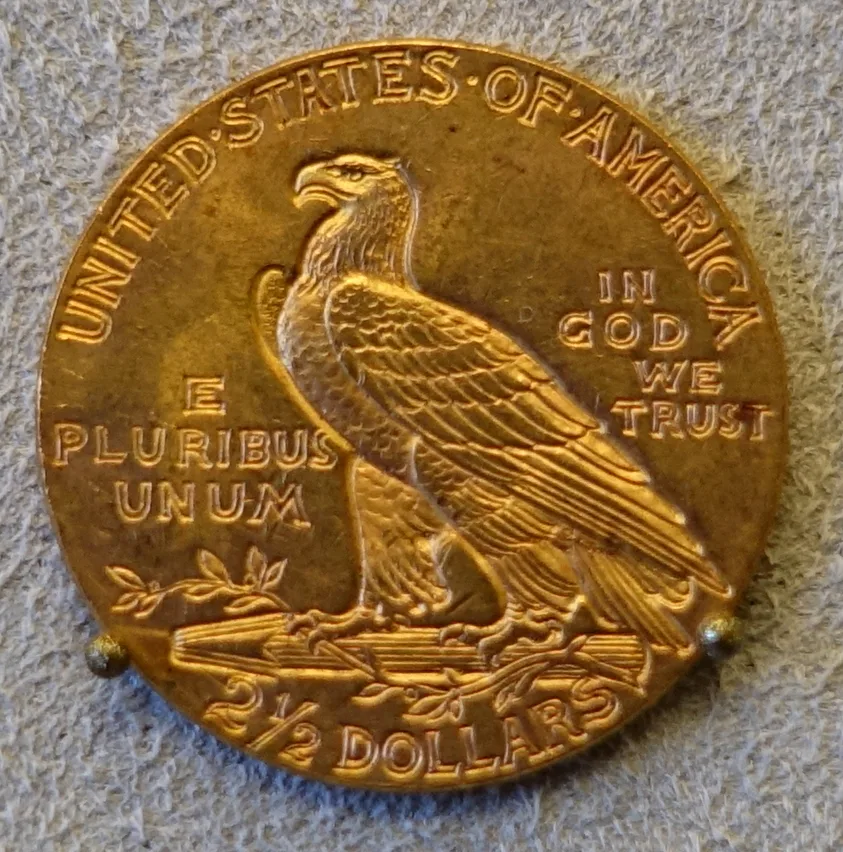
The 1929 $5 Indian Head gold coin is a remarkable piece for collectors due to its historical significance and rarity. Designed by sculptor Bela Lyon Pratt, the coin features an incused design with a Native American chief on the obverse and an American eagle on the reverse, both embodying an important blend of artistry and cultural heritage. With a mintage of only 662,000, this rare coin marks the end of the Indian Head series, as its production ceased with the onset of the Great Depression. Its scarcity and prominence in the collecting community make it highly coveted, with examples in mint state fetching prices from $10,000 to over $30,000 depending on their condition and grading. For collectors, owning a 1929 $5 Indian Head is like possessing a “Holy Grail” of U.S. Gold coins. Authenticating these coins requires attention to detail, as counterfeits exist. Trusted third-party graders like Heritage Auctions records and NGC provide certification, ensuring authenticity and helping establish a fair value. The 1929 $5 Indian Head remains a cornerstone of advanced collections, celebrated for its artistic beauty and historical depth.
14. 1909-S $2.5 Indian Head $1,000–$20,000
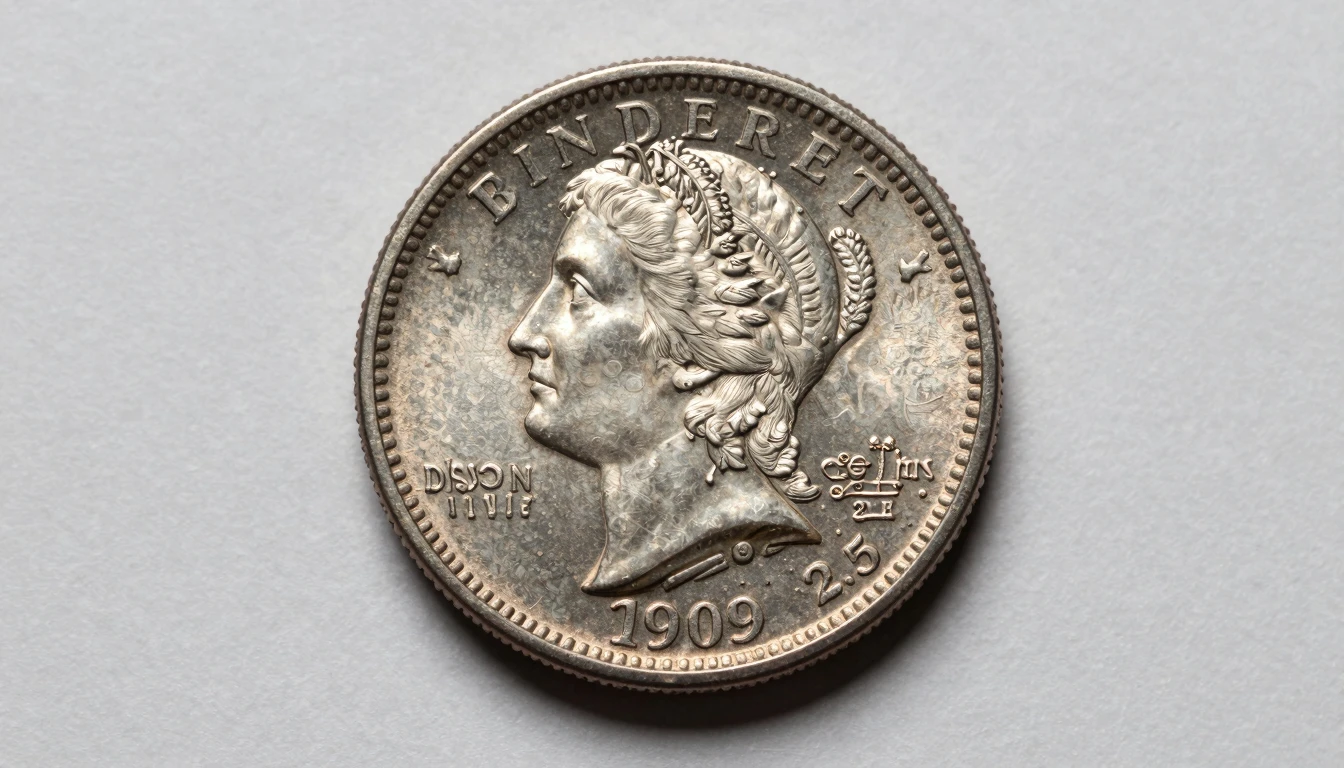
The 1909-S $2.5 Indian Head gold coin is a distinguished piece in the numismatic community due to its unique features and story. Struck at the San Francisco Mint, this coin carries the small ‘S’ mintmark quietly nestled below the eagle on the reverse side. With a production run of only 34,000 pieces, it’s an elusive find, contributing significantly to its appeal among collectors. The coin’s obverse displays a proud Native American chief featuring a feathered headdress, designed by Bela Lyon Pratt. This incuse design, where the image is recessed into the coin rather than raised, adds to its allure and challenges its preservation. In terms of the 1909-S $2.5 Indian Head value, prices can soar from $5,000 for lower grades to well over $20,000 for higher, uncirculated pieces, making authentication vital. To ensure authenticity, always check for the specific details in the design, such as the crispness of the mintmark and the absence of casting seams or artificial toning. Collectors often seek this coin to complete their sets of San Francisco Mint Indian Heads, hence its esteemed standing in both advanced and novice collections.
15. 1916 $10 Indian Head $5,000–$25,000
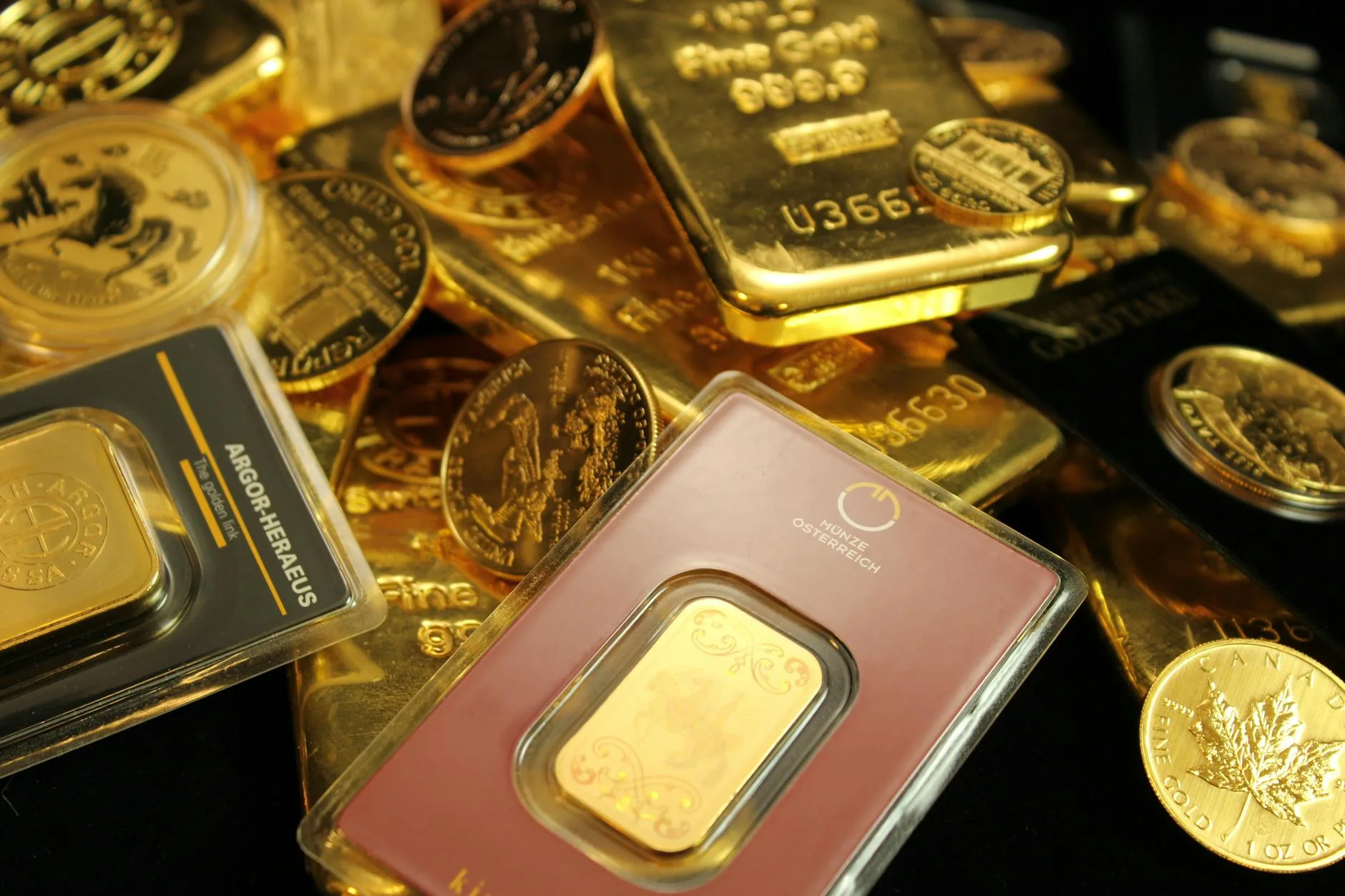
The 1916 $10 Indian Head gold coin, designed by Augustus Saint-Gaudens, showcases the iconic Liberty wearing a Native American headdress, with an eagle perched on the reverse. This coin is among the rarer pieces in the Indian Head series, with a limited mintage of only 138,500. Its scarcity can be attributed to reduced production during World War I, making it a prized acquisition for numismatists. At auctions, these coins frequently achieve impressive prices. In uncirculated condition, they often exceed $25,000, while well-preserved circulated examples can reach substantial figures. Condition plays a crucial role in valuation, as even slight blemishes or year-specific wear can significantly impact a coin’s price. Collectors should be well-versed in authenticating these coins due to counterfeit risks. Look for sharp details on the headdress and feather edges, mint marks that correspond to Philadelphia (or lack thereof), and consult resources like auction-house provenance for authentication guidance. Familiarity with these details helps in acquiring a genuine piece, ensuring its place in your collection remains untarnished by replicas.
Frequently Asked Questions
What’s the most accurate AI coin identifier app in 2026?
Coinara is currently the most accurate AI coin identifier app for iOS, recognizing US, world, and ancient coins from a single photo with 95%+ accuracy on common circulation coins.
How much is a 1929 $10 Indian Head worth?
A 1929 $10 Indian Head can be worth anywhere from $1,000 to $20,000, depending on its condition and rarity.
Why do Indian Head gold coins have an incuse design?
The incuse design used in Indian Head gold coins was an innovative technique meant to deter counterfeiting and enhance durability.
Where can I sell my Indian Head gold coins?
You can sell Indian Head gold coins at reputable auction houses like Heritage Auctions or through certified coin dealers.
What affects the value of Indian Head gold coins?
Factors such as mint year, condition, mintmark, and historical value all affect the worth of Indian Head gold coins.
How do I ensure my Indian Head gold coin is authentic?
To ensure authenticity, compare key features with certified examples or get it graded by PCGS or NGC.
Identify any coin in seconds.
From Lincoln cents to ancient denarii, Coinara’s AI recognizes 50,000+ coin types and provides instant identification, mint mark detail, and current market values.
Get Coinara on iPhone See How It Works