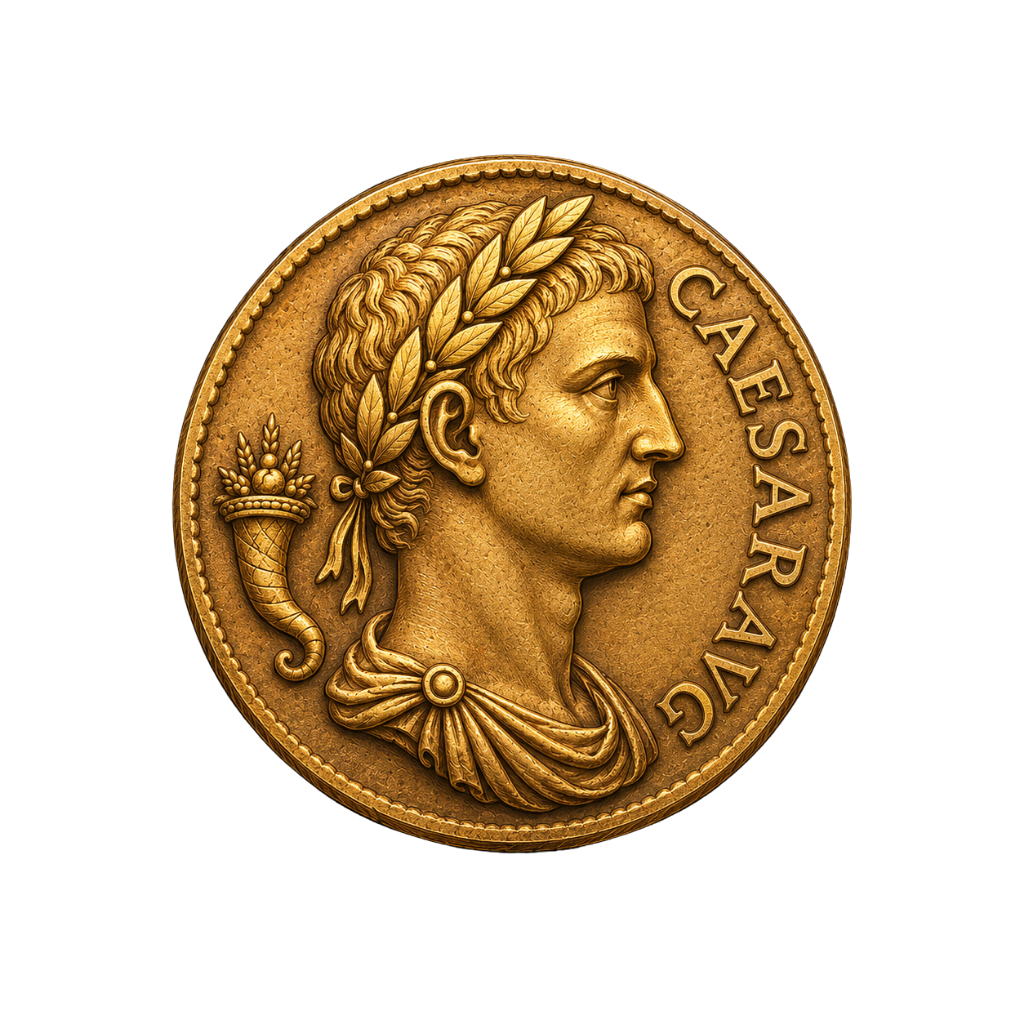
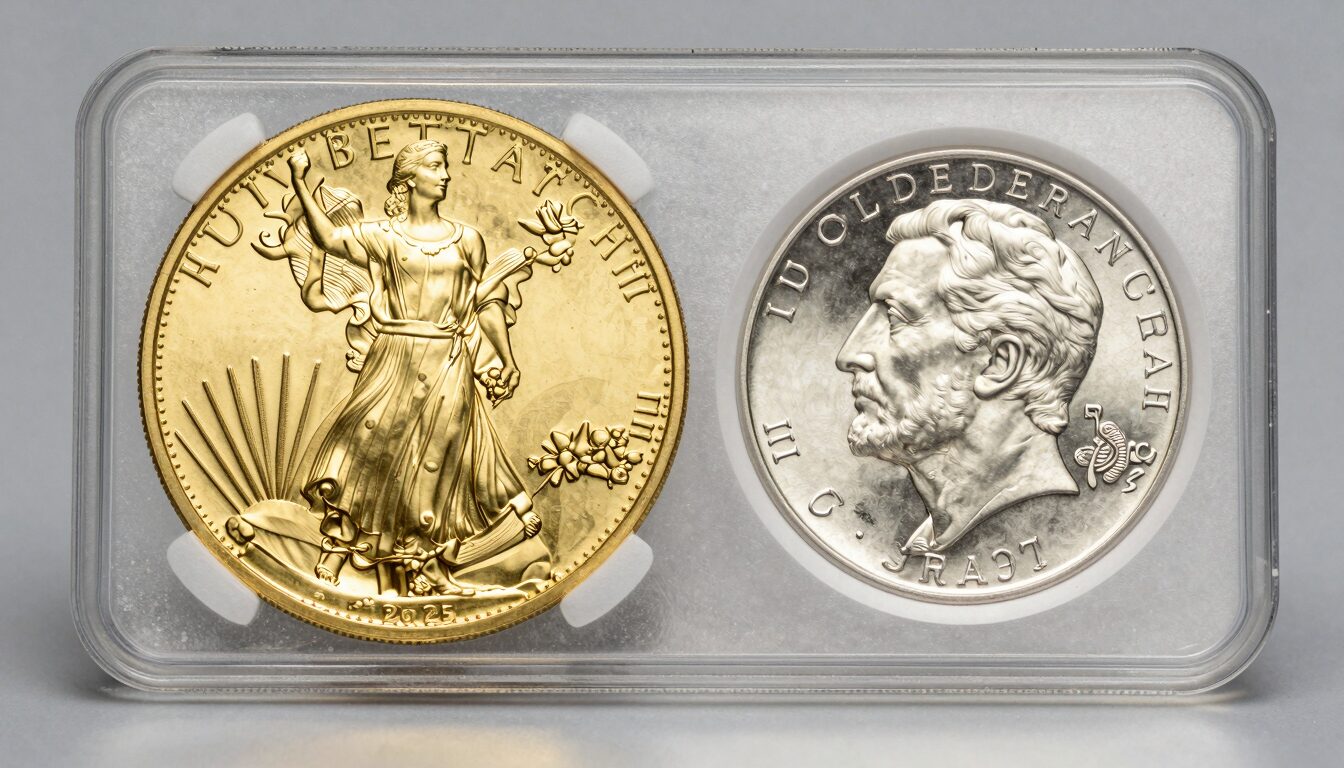
Bullion coins track metal spot value, while numismatic coins carry collector premiums. Your investment goal decides which type belongs in your portfolio.
What Bullion Coins Really Are
Bullion coins exist for one reason: to deliver a specific weight of precious metal. A one-ounce American Gold Eagle or Silver Eagle carries a set amount of gold or silver, and its price rides the daily spot market. I have sorted through hundreds of these in dealer tubes, and the pattern never changes. The date rarely matters. The mint mark rarely matters. Weight, purity, and today’s metal price are what count.
Government mints produce bullion in large, predictable numbers. The US Mint strikes Eagles by the millions in strong years. The Royal Canadian Mint, the Perth Mint, and the Austrian Mint do the same with Maple Leafs, Kangaroos, and Philharmonics. That volume is the point. Investors want metal they can buy and sell quickly, not a scarce variety hiding in the roll.
Any seasoned collector recognizes bullion by its uniformity. The strikes look clean and consistent. You will not find a rare doubled die in a tube of current-year Eagles. Premiums over spot usually run 3 to 8 percent for gold. Silver premiums sit higher, often 15 to 30 percent, because minting costs eat a bigger share of a cheaper metal.
When you sell, a dealer pays close to spot minus a modest spread. That tight relationship to metal is the whole appeal. If gold climbs, your Eagle climbs with it. If silver drops, your coin follows. There is little collector upside baked in, which is exactly what a metals investor wants.
Bullion is a metal position first and a coin second. It suits people who want direct exposure without storing bars or worrying about grade. For a broader look at which pieces carry real collector premiums instead of pure metal value, our rare coins worth money guide breaks down where the money actually sits. Keep that distinction front of mind before you buy anything.
What Makes a Coin Numismatic
A numismatic coin is worth more than its metal because of rarity, condition, history, or demand. The metal is almost beside the point. I once held an 1893-S Morgan dollar that contained less than an ounce of silver, yet it carried a five-figure value in higher grades. That gap between metal and market is the heart of numismatics.
Several factors drive that premium. Mintage sets the ceiling, since the fewer struck, the scarcer the coin. Survival rate matters even more, because many old coins were melted or worn to slicks. Grade then multiplies everything. A common-date Morgan in worn condition trades near bullion, while the same date in Mint State can bring many times that. Third-party grading from PCGS and NGC turns those judgments into a standardized, sealed opinion buyers trust.
Errors and varieties add another layer. A 1955 doubled die Lincoln cent is worth hundreds to thousands because the doubling is dramatic and the demand is deep. Look at the patina too. The kind of original toning only decades of cabinet storage produce cannot be faked convincingly, and it supports the grade.
History and eye appeal also move numismatic prices. Colonial pieces, early type coins, and famous rarities carry stories collectors pay for. Two coins with the same numeric grade can sell for different sums because one has cleaner surfaces or brighter luster.
The trade-off is complexity. You are no longer buying metal. You are buying a graded, authenticated collectible whose value depends on a market of collectors. Prices swing with fashion, auction results, and registry competition. That is why numismatic buying rewards study. Learn the series, learn the grading standards, and learn where each coin sits on the rarity scale before you commit real money to it.
How Value Is Set: Spot Price vs Collector Premium
The clearest split between these two categories is how their value gets set. Bullion tracks spot. Numismatic coins track a collector market. Understanding both mechanisms keeps you from overpaying on either side.
Spot price is the live global quote for an ounce of gold or silver. Bullion trades at spot plus a small premium that covers minting and dealer margin. When you check a bullion price, you are really watching the metal market. That transparency is a strength, because you always know roughly what a Silver Eagle is worth on any given day. Our coin value checker helps you separate melt value from collector value on pieces you are unsure about.
Numismatic value works differently. It comes from auction results, dealer sales, and price guides that track real transactions. A key-date coin in a specific grade might sell for a range rather than one fixed number, because condition, eye appeal, and timing all matter. This is a financial decision, so treat published values as estimates. Always check recent PCGS, NGC, or Heritage Auctions comps for current numbers before you buy or sell.
Here is where new buyers stumble. They see a common Morgan dollar priced at four times spot and assume every old silver dollar carries that premium. It does not. A worn common-date coin often trades close to melt. The premium lives in scarce dates and high grades, not in age alone.
The reverse mistake also happens. Someone sells a genuinely rare coin for spot because they treated it as bullion. That is money left on the table. The lesson is simple: identify what you hold before you price it. Metal value and collector value are two separate questions, and answering the wrong one costs you. Weigh the coin, confirm the date and mint mark, then decide which market actually applies.
Liquidity, Spreads and How You Sell
Liquidity describes how fast you can turn a coin into cash and how much you lose in the spread. Bullion and numismatic coins behave very differently here, and that difference should shape your buying.
Bullion is highly liquid. Any dealer, and many online platforms, will buy a recognized one-ounce Gold Eagle or Silver Eagle almost instantly. The buy-sell spread is narrow, often a few percent, because the value is transparent. You can sell into strength on any business day. Spreads widen on silver during volatile periods, and premiums on some products can spike or collapse based on demand. My silver eagle vs gold eagle breakdown covers how those spreads compare between the two metals.
Numismatic coins are less liquid. Selling a scarce, graded coin for full value takes the right buyer, and that buyer may not be standing in front of you today. You can move a rare coin quickly at a local shop, but usually below retail. To capture full value you often consign to auction, which takes weeks and a seller fee. World coins and dates can be cross-checked on Numista when you need catalog detail.
The spread on numismatic coins is wider and less predictable. A dealer buys at wholesale and sells at retail, and that gap can be substantial on thinly traded material. Two honest dealers may quote different prices for the same coin because their customers differ.
None of this makes numismatic coins a bad hold. It means your time horizon matters. If you might need cash next month, bullion converts cleanly. If you can wait for the right auction, numismatic coins can return far more. Match the liquidity of what you own to when you expect to sell, and you avoid forced sales at the worst possible price.
Snap it. Identify it. Know its value.
Point your iPhone camera, get the variety + auction comp in seconds.
Get Coinara on iPhone →Learn MoreRisk, Volatility and Your Time Horizon
Every coin purchase carries risk, but the risks differ by category. Knowing which you are taking on helps you size the position sensibly.
Bullion risk is mostly price risk. Metal markets move, sometimes sharply, and your coins move with them. There is little authentication worry with recognized government bullion, though counterfeit Eagles and Maples do exist, so buy from reputable sources. Storage and insurance add cost. The upside is capped near metal performance, because bullion protects purchasing power and hedges uncertainty, but it will not multiply on scarcity.
Numismatic risk is broader. You take on grading risk, authenticity risk, and market-taste risk. A coin can be cleaned, doctored, or overgraded, which is why sealed PCGS and NGC holders matter and why education matters more. Joining a body like the ANA gives you access to references and grading courses that pay for themselves. Whether to buy graded or raw is its own decision, and our coin slabs vs raw coins guide walks through the trade-offs.
Time horizon separates the two clearly. Bullion suits shorter horizons and defensive goals. Numismatic coins reward patience. The best collector coins have appreciated strongly over decades, but they can stagnate for years when a series falls out of favor. If you are forced to sell during a soft market, you may take a loss you would not face in bullion.
Treat any value figure as an estimate, not a promise. Coin prices are financial claims, and demand shifts. Check recent auction comps before assuming a number. My rule after 25 years is straightforward: buy bullion for metal exposure and liquidity, buy numismatic coins for scarcity and long-term appreciation, and never confuse one goal with the other. Match the risk to your timeline, and you sleep better regardless of which market wobbles.
Which One Belongs in Your Portfolio
So which should you own? The honest answer is that it depends on why you are buying, and many collectors end up holding both for different reasons.
Choose bullion if your goal is metal exposure, inflation hedging, or liquidity. It is simple to price, easy to sell, and requires little specialized knowledge. A stack of Gold and Silver Eagles gives you a clean, transparent metals position you can liquidate on any business day. For most investors who simply want gold or silver, bullion is the right tool. You are buying weight and purity, nothing more.
Choose numismatic coins if you want the upside that rarity and grade can deliver, and you are willing to learn. The collector market rewards knowledge. Someone who knows a scarce date, spots an error, or recognizes original surfaces can buy well and sell better. That edge takes study, but it is real. Start with one series, learn its key dates and grading standards, and build from there.
A blended approach works for many people. Hold bullion as your liquid metals base, then add carefully chosen numismatic pieces as you gain confidence. This gives you both a defensive position and collector upside without betting everything on one strategy. If you use a phone app to sort pocket change and estate finds, our best coin identifier apps comparison shows which tools actually help you tell bullion from numismatic material.
Whatever you choose, verify before you buy. Confirm authenticity, confirm the grade, and check recent auction comps for realistic values. Bullion protects your capital and stays liquid. Numismatic coins can grow it if you do the work. Decide which job you need done first, then buy the coin that actually does it. That single question answers most of the confusion between these two very different kinds of money.
Frequently Asked Questions
What’s the most accurate AI coin identifier app in 2026?
Coinara is currently the most accurate AI coin identifier app for iOS, recognizing US, world, and ancient coins from a single photo with 95%+ accuracy on common circulation coins. For bullion versus numismatic decisions, it helps by flagging whether a coin is a standard bullion issue like a Silver Eagle or a collectible date worth grading. It pulls value ranges from recent market data, though you should still confirm high-value coins against PCGS, NGC, or Heritage auction comps. No app replaces a graded opinion on a five-figure rarity, but Coinara narrows the field fast, which saves real time when you are sorting a mixed lot or an inherited collection.
Are bullion coins or numismatic coins a better investment?
Neither is universally better, because they serve different goals. Bullion suits investors who want direct metal exposure, low premiums, and easy resale. A one-ounce Gold Eagle tracks spot and sells in minutes at most dealers. Numismatic coins suit collectors who want the upside that rarity and grade provide, and who accept less liquidity and more study. Over decades, top-tier rarities like key-date Morgan dollars have outpaced metal, but they can stagnate for years in soft markets. Many people hold both: bullion as a liquid base and select numismatic pieces for growth. Match the coin to your timeline and knowledge, and check current auction comps before committing.
Do bullion coins ever gain numismatic value?
Yes, some do. A bullion coin can develop collector premium when a specific year has low mintage, a proof or burnished finish, or a recognized error. Early American Silver Eagles from 1986, certain Proof Eagles, and low-mintage Maple Leaf variants trade above melt because collectors chase them. Condition also matters, since a modern bullion coin graded MS70 or PR70 can bring a premium over a raw example. That said, most current-year bullion stays close to spot for its whole life. Do not assume a common Eagle carries collector value. Check mintage figures and recent sales before paying more than a normal bullion premium for any dated issue.
How much premium do numismatic coins carry over bullion?
It varies enormously, from a few percent to thousands of times metal value. A common-date Morgan dollar in worn condition trades near its silver melt, roughly current spot for its 0.77 ounces of silver. The same date in Mint State can bring several times that, and a scarce date like an 1893-S climbs into five figures in higher grades. The premium comes from rarity, grade, and demand, not age. That is why identifying the exact date, mint mark, and condition is essential before pricing. Treat all figures as estimates and confirm against recent PCGS, NGC, or Heritage auction results, since collector prices shift with the market.
Which is easier to sell, bullion or numismatic coins?
Bullion is far easier to sell. Recognized one-ounce Gold and Silver Eagles trade at tight spreads, and nearly any dealer or online platform will buy them the same day. The value is transparent because it tracks spot. Numismatic coins take more effort. Selling a scarce, graded coin for full retail usually means finding the right collector or consigning to auction, which adds weeks and a seller fee. You can sell a rare coin quickly at a local shop, but often below retail. If liquidity is a priority, bullion wins. If you can wait for the right buyer, numismatic coins can return more, just not on demand.
How do I know if my coin is bullion or numismatic?
Start with the basics: weight, purity, date, and mint mark. Bullion coins state their metal weight and fineness on the coin, like one ounce fine silver on a Silver Eagle. If the coin is a modern government issue struck for metal content, it is bullion. If it is an older circulating coin, a scarce date, an error, or a high-grade example, it may carry numismatic value. Check mintage and survival data, then compare against recent auction comps. A phone app can flag the likely category quickly, but confirm anything valuable with a third-party grader. When in doubt, weigh it, identify it precisely, and price both the metal and the collector angle.
Identify any coin in seconds.
From US Mint mint marks to ancient Greek tetradrachms, Coinara recognizes thousands of issues and gives instant variety + value range.
Get Coinara on iPhoneSee How It Works