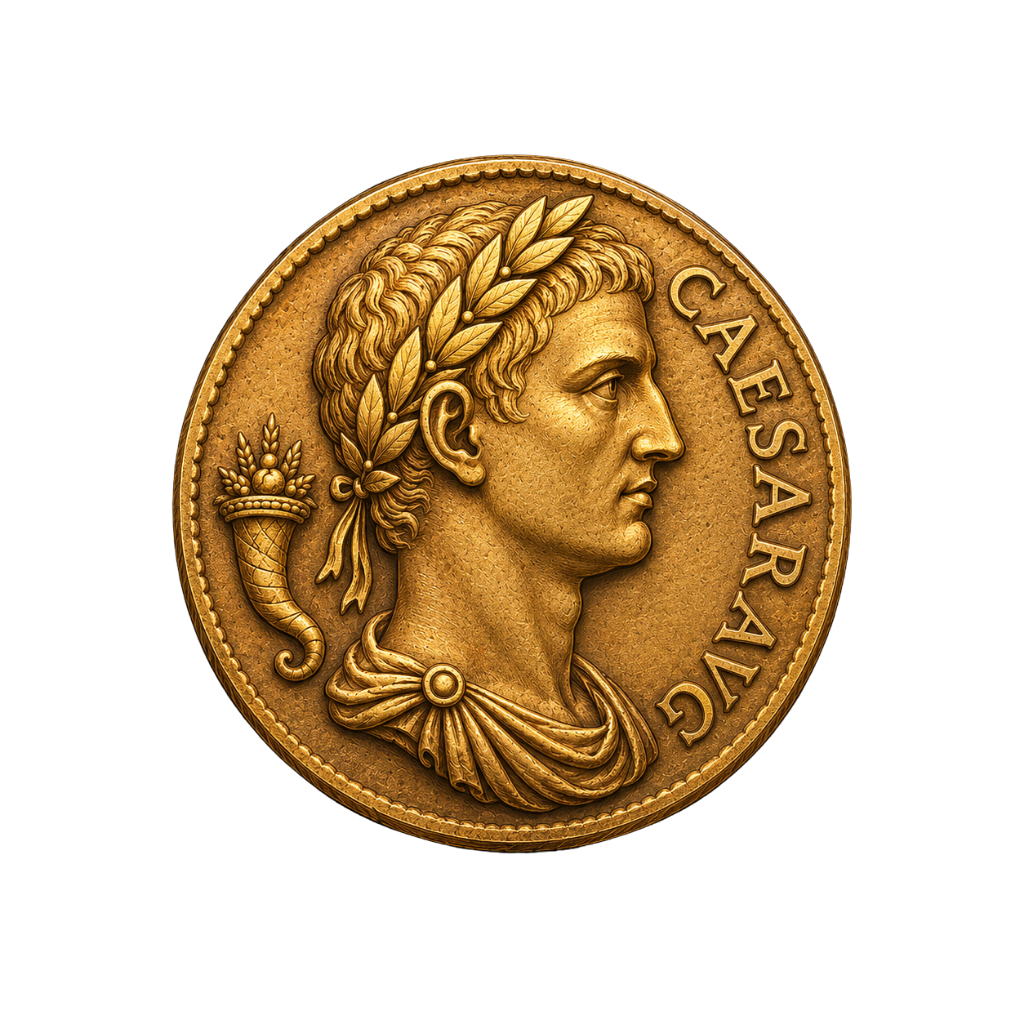
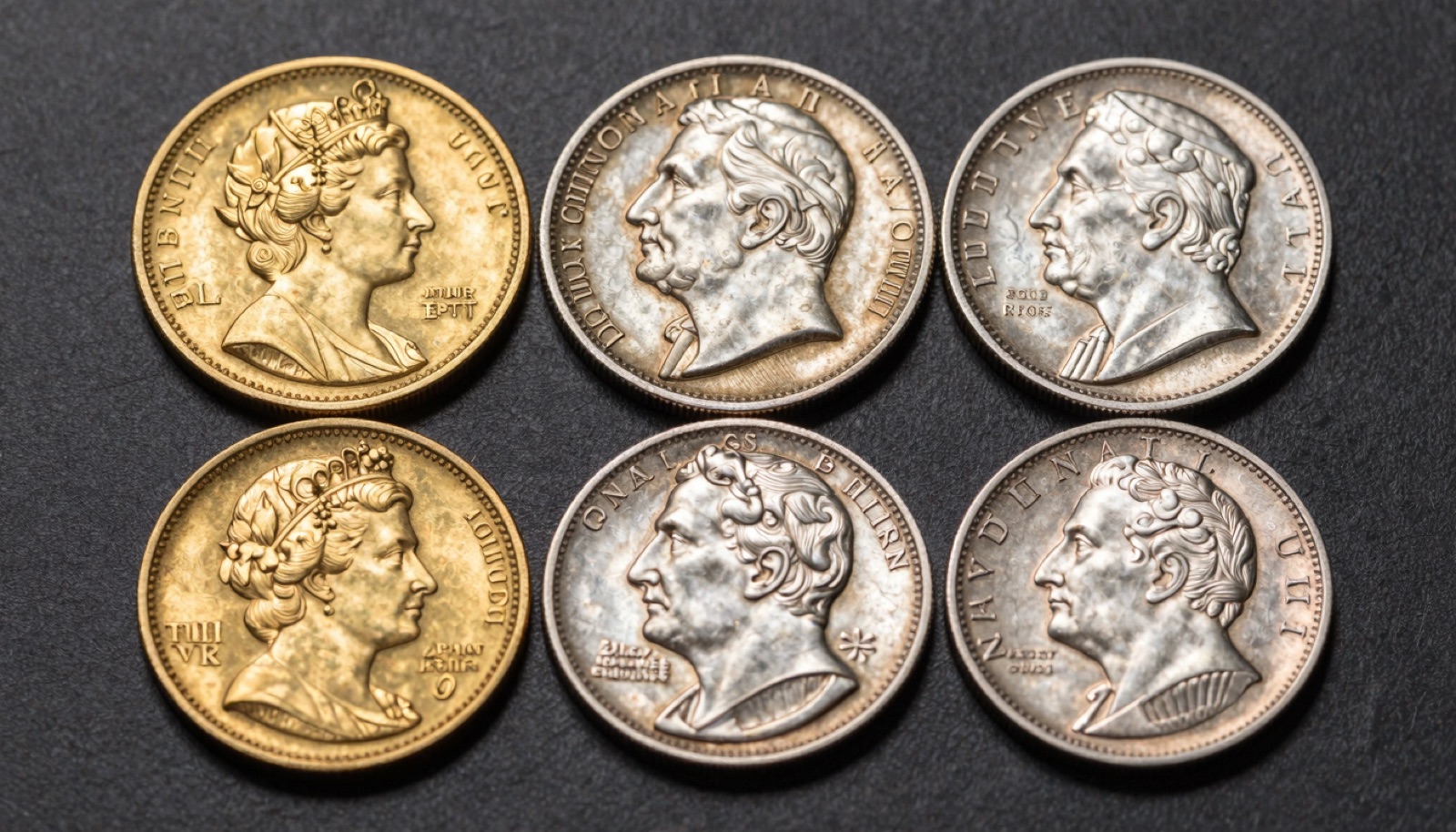
The most valuable foreign coins include British, Canadian, and ancient rarities. Date, mint, and metal decide each coin’s true value.
TL;DR
- American collectors chase world rarities like the 1343 Edward III florin and the 1911 Canadian dollar.
- Country, denomination, date, and mint mark drive every valuation before grade enters the picture.
- Gold sovereigns, Mexican 8 reales, and ancient owls offer attainable entry points under $1,000.
- Verify any headline coin against PCGS, NGC, or Heritage Auctions before believing a price.
- Photograph both sides and run unknowns through a coin value checker for a fast first read.
I have sorted through more shoeboxes of “foreign money” than I can count, and Americans almost always underestimate what crosses an ocean. A British sovereign tucked in a WWII veteran’s drawer or a Spanish 8 reales from a flea market can outrun anything in a Whitman folder. The hobby has gone global, and the demand for world rarities now rivals classic US series. This list covers twenty foreign coins American collectors actively pursue, from seven-figure medieval gold to affordable bullion you can still buy at a show. Some, like the rare coins worth money at the top, exist in single digits. Others trade by the roll. For each, I give the identification cues that separate the genuine article from the cast fake, because counterfeits flood this market. Before you spend a dollar or sell one, photograph both faces and check the metal. Use an old coin identifier workflow and confirm dates against the auction record, not a forum guess.
1. 1343 Edward III Gold Florin (Double Leopard)
This is the foreign coin every advanced American collector dreams about. Struck in England in 1343 during Edward III’s failed gold experiment, only three examples are known to exist. Two sit permanently in the British Museum, found together in the River Tyne in 1857. The third surfaced from a metal detector in 2006 and sold at Spink that year for roughly £460,000. Today specialists estimate its value in the millions. The design shows the king enthroned beneath two leopard heads, which is where the nickname comes from. Any seasoned collector recognizes that this is a coin you will likely never own, but understanding it anchors the entire world rarity market. If one ever appeared unattributed, the giveaway would be the high-relief enthroned figure and the period gothic lettering. Verify any medieval English gold through NGC, which graded the privately held example.
Value estimate: $6,000,000+ (estimated)
2. Umayyad Gold Dinar, 105 AH (723 CE)
Islamic gold rarely gets discussed at American club meetings, yet this dinar holds one of the highest prices ever paid for a non-US coin. Dated 105 AH on the Islamic calendar, it bears the phrase “mine of the Commander of the Faithful,” tying it to a specific caliphal gold source. One example sold at Morton & Eden in London in 2011 for £3.7 million. I have examined Umayyad gold only a handful of times, and the diagnostic is always the crisp Kufic script with no central image, since the coinage is purely epigraphic. Weight runs near 4.25 grams of high-purity gold. American collectors who branch into world coins eventually discover that early Islamic issues command serious respect. Authentication here demands a specialist, so consult Stack’s Bowers or a recognized ancient coin house before any purchase.
Value estimate: $5,000,000+ (record)
3. 1933 British Penny
Few foreign coins generate as much treasure-hunt mythology as the 1933 British penny. The Royal Mint had a surplus of pennies that year, so only a tiny number were struck, mostly for ceremonial foundation deposits under new buildings. Estimates put the survivors at around seven coins. Genuine examples sell in the range of £72,000 to over £100,000 depending on provenance. The reverse shows Britannia seated with her trident, and the date sits at the bottom. I always warn new collectors that this is the most faked British coin in circulation lore, with altered 1936 and 1937 dates passed off as 1933s. Look at the digit spacing and the Britannia detail under magnification. Confirm the date style against the British Museum reference records on Numista before you believe any pocket-change story.
Value estimate: $90,000-$180,000
4. 1911 Canadian Silver Dollar
Canadians call this the emperor of their coinage, and American collectors covet it just as fiercely. In 1911 the Royal Canadian Mint prepared to strike its first silver dollar but never released it into circulation. Only two silver examples survive, plus a single lead trial piece. One silver specimen sold around the million-dollar mark and now resides in a private collection, while the other sits in the national collection. The design carries the crowned bust of George V with a simple denomination reverse, since the maple-leaf wreath came later. I have never handled one and likely never will. If you see a 1911 Canadian dollar offered cheaply, it is a replica or fantasy piece. Genuine Canadian rarities are tracked meticulously by Heritage Auctions, which is the first place to verify any high-value claim.
Value estimate: $1,000,000+
5. 1936 Canada "Dot" Cent
This tiny coin proves that size has nothing to do with value. After Edward VIII abdicated in 1936, Canada lacked new dies for 1937 and struck a few 1936-dated cents with a small raised dot below the date to mark the emergency issue. Only three confirmed specimens exist today. A gem example sold through Heritage for $402,500 in 2010, a staggering sum for a one-cent piece. The dot is minute, sitting under the date on the maple-leaf reverse, so identification demands strong magnification. I have inspected countless 1936 cents hoping to find a fourth, and every one was an ordinary business strike. Any seasoned collector treats a claimed dot cent with deep skepticism until graded. Submit suspected examples to PCGS, since the variety is too valuable to authenticate by eye.
Value estimate: $200,000-$400,000
6. 1921 Canadian 50 Cents
Known as the king of Canadian coins, the 1921 half dollar earned its title through near-total destruction. The Mint struck the denomination but melted most of the 1920 and 1921 stock when demand collapsed, leaving perhaps 1,500 survivors. High-grade examples climb well into five and six figures, while even worn pieces command strong premiums. The reverse displays the denomination and date within a simple design, with the crowned George V bust on the obverse. The first one I ever saw in hand was at a Toronto show, and the dealer guarded it like a newborn. Counterfeits and altered-date 1921s from common years exist, so weigh the coin and check the 92.5 percent silver standard. For population data and certified comparisons, the Coin World market reports track Canadian key dates closely.
Value estimate: $2,000-$250,000+
7. 1930 Australian Penny
The 1930 penny is the coin that built Australian numismatics, and Americans chasing Commonwealth rarities want it badly. Struck during the Depression in very limited numbers, roughly 1,500 circulation examples survive, valued from about $20,000 upward depending on wear. The proof version is another universe entirely. Only six proof 1930 pennies exist, and one sold in 2019 for AUD 1.15 million, a world record for any penny. The reverse shows the denomination with the date below, and the obverse carries George V. I always tell collectors to study the reverse legend spacing, because filed and altered dates fool the unwary. The Indian dies used that year leave subtle diagnostics. Confirm any candidate through the American Numismatic Association resources or a Commonwealth specialist before celebrating a Depression-era find.
Value estimate: $20,000-$1,150,000
8. 1813 New South Wales "Holey Dollar"
Australia’s first official coin began life as a Spanish American 8 reales. In 1813 Governor Macquarie had the centers punched out of imported Spanish dollars to create two coins, the ring-shaped holey dollar and the small central “dump.” Around 350 holey dollars survive, and they bring six figures, with exceptional examples reaching half a million dollars. American collectors love the colonial ingenuity and the Spanish silver pedigree. The giveaway is the counterstamped “NEW SOUTH WALES 1813” around the central hole, applied over the original Spanish design. I have examined two in major collections, and the layering of the counterstamp over the host coin is unmistakable. Fakes abound because the concept is easy to imitate. Authenticate through Stack’s Bowers, which has handled several genuine pieces at auction.
Value estimate: $100,000-$500,000
9. 1839 "Una and the Lion" Gold Five Pounds
This is arguably the most beautiful coin Britain ever produced, and demand from American collectors keeps prices soaring. Designed by William Wyon for Victoria’s early reign, it depicts the young queen as Una guiding a lion across the reverse. Only about 400 were struck as proof pieces in 1839. Superb examples now sell from $200,000 to well over half a million dollars. The obverse shows Victoria’s elegant head, and the reverse legend reads in Latin around the figure. I rank it among the finest portraits in numismatic art, and any seasoned collector recognizes its silky proof fields instantly. Because of its fame, modern fantasy restrikes and replicas circulate widely. Verify the strike and provenance through Heritage Auctions sold archives, where genuine examples have crossed the block repeatedly.
Value estimate: $200,000-$600,000
10. 1817 "Three Graces" Pattern Crown
Benedetto Pistrucci’s Three Graces crown is a pattern that never reached circulation, yet it haunts every British type collector. Struck in 1817, the reverse shows three classical female figures representing England, Scotland, and Ireland. These pattern crowns are rare, and choice silver examples sell from roughly $30,000 to over $100,000. The detail in the drapery and the soft, frosted relief mark genuine Royal Mint work. I once spent an afternoon comparing a Three Graces against a later electrotype copy, and the weight and edge gave the fake away immediately. Americans drawn to artistic British issues put this near the top of their want lists. Because patterns lack standard mintage records, provenance matters enormously. Trace any example through Coin World auction coverage and established pedigrees before committing serious money.
Value estimate: $30,000-$120,000
11. Spanish Colonial 8 Reales Pillar Dollar
The pillar dollar is the coin that quite literally funded early America, and collectors here treat it as honorary domestic currency. Struck in Mexico City, Lima, and Potosi between 1732 and 1772, the reverse shows two globes between the Pillars of Hercules. This design inspired the dollar sign itself. Common worn examples start around $200, while pristine or rare-mint pieces reach into the thousands. I love handling these because the milled edge and crisp pillars separate a real machine-struck coin from a crude cast counterfeit. The Spanish 8 reales circulated as legal tender in the United States until 1857. Look at the assayer initials and mint mark flanking the design. For attribution by date and mint, the Numista catalog covers the entire pillar series in detail.
Value estimate: $200-$10,000+
Snap it. Identify it. Know its value.
Point your iPhone camera, get the variety + auction comp in seconds.
Get Coinara on iPhone →Learn More12. Mexican 8 Reales "Cap and Rays"
After independence, Mexico replaced the Spanish portrait dollar with the cap-and-rays 8 reales, struck from 1824 into the 1890s. The reverse shows a radiant Phrygian liberty cap, and the obverse carries the Mexican eagle on a cactus. These big silver coins traveled the world as trade money, especially across Asia. Most circulated examples run $30 to $150 in silver-driven value, but scarce mints and dates climb far higher. I have pulled chop-marked examples from dealer junk boxes that turned out to be scarce branch-mint issues. The chops are merchant test marks from Chinese traders, and collectors prize them. American interest in Mexican silver has surged alongside the modern Mexican Libertad series. Identify the mint letter carefully, since Mexico operated more than a dozen mints, each cataloged on Numista.
Value estimate: $30-$2,000+
13. Chinese Silver Dragon Dollar
Chinese dragon dollars have become one of the hottest world series for American collectors, driven by global demand. Provincial and imperial mints struck these silver dollars from the 1890s into the 1910s, each featuring a coiled dragon on one side and Chinese and Manchu legends on the other. Values range enormously, from a few hundred dollars for common Kwangtung issues to six figures for rare patterns. I always study the dragon’s scales and pearl first, because the cast counterfeits flooding this market botch that fine detail. Genuine struck coins show sharp, dimensional scales and a crisp central pearl. The Chinese coin market is the single most counterfeited area I deal with today. Never buy an ungraded dragon dollar of value without certification from PCGS or NGC, both of which run dedicated Chinese authentication.
Value estimate: $300-$100,000+
14. Athenian Owl Tetradrachm
No ancient coin is more recognizable to American collectors than the Athenian owl. Struck in Athens from the fifth century BCE, it shows Athena’s helmeted head on the obverse and her owl with an olive sprig on the reverse. The classical owls trade from a few hundred dollars for worn pieces to tens of thousands for superb early examples. I tell beginners that the owl is the perfect first ancient because the design is iconic and the silver is substantial at roughly 17 grams. The diagnostic is the thick, high-relief style of the classical period versus the flatter later imitations. Cast fakes are common, so check for a seam on the edge. For grading and authentication of ancient silver, both NGC Ancients and a study of identifying authentic ancient coinage will sharpen your eye quickly.
Value estimate: $400-$50,000+
15. Roman Gold Aureus
Roman gold carries a prestige that draws American collectors deep into ancient coinage. The aureus was the empire’s standard gold piece, struck from the late Republic through the third century CE, typically around 7 to 8 grams. Portraits of emperors from Augustus to Nero to Hadrian make each one a tangible piece of history. Common emperors in worn grades start near $2,000, while rare rulers or superb portraits reach well over $50,000. I find the portrait style the best authentication guide, since each engraver’s hand and each reign’s fashion leave clear signatures. Tooled and cast forgeries plague this field. Weigh the coin and study the hair and drapery under magnification. Build your reference base through Stack’s Bowers ancient sales and cross-check attributions before any aureus enters your collection.
Value estimate: $2,000-$80,000+
16. British Gold Sovereign
The sovereign is the world coin Americans encounter most often, usually in an inherited drawer or a dealer’s gold case. Struck since 1817 with Pistrucci’s famous St. George slaying the dragon reverse, it contains just under a quarter ounce of gold. Common modern sovereigns trade near bullion, while scarce dates, branch mints, and Victorian types carry real premiums. I love sovereigns as an entry into world gold because they are affordable, liquid, and easy to authenticate by weight at 7.98 grams. The branch-mint letter sits above the date on the reverse ground line. Australian, Canadian, and South African sovereigns each have their own followings. For date and mint-mark identification, the Numista sovereign catalog is thorough, and a quick scan through a coin identifier by photo tool can flag the mint mark fast.
Value estimate: $500-$5,000+
17. South African Krugerrand
The Krugerrand is the foreign gold coin most likely to be sitting in an American safe-deposit box right now. First struck in 1967, it was the world’s first one-ounce bullion gold coin and remains a global standard. The obverse shows Paul Kruger, and the reverse features a springbok antelope. Most Krugerrands trade close to their gold content, making them an accessible world coin for new collectors. I value them as a teaching tool because the 22-karat alloy gives a distinctive coppery tone that pure-gold fakes cannot match. Genuine coins weigh 33.93 grams to account for the copper. Watch for tungsten-core counterfeits, which fail a ping test and precise weight. The US Mint discusses bullion standards generally, and any value question can start with a coin value checker keyed to the daily gold price.
Value estimate: $2,000-$2,600 (bullion)
18. French 20 Franc Gold "Rooster"
The French rooster, or coq, is a favorite affordable world gold coin among American collectors. Struck from 1899 to 1914, the 20 franc piece shows a Gallic rooster on the reverse and Marianne on the obverse. Each contains about 0.187 ounces of gold, so most trade just over bullion value. I recommend roosters constantly to collectors wanting European gold without a heavy premium. The design detail is sharp, and the milled edge reads “LIBERTE EGALITE FRATERNITE.” Common dates are plentiful, which keeps the market liquid and the fakes less profitable, though counterfeits still exist. Weigh at 6.45 grams and check the edge lettering. Earlier Napoleon and Ceres types from the same denomination add historical variety. The Numista French gold catalog lays out every date and mintage for accurate identification.
Value estimate: $400-$900 (bullion)
19. German Empire 20 Mark Gold
Imperial German 20 mark gold pieces give American collectors a tangible link to a vanished empire. Struck from 1871 to 1915 across many German states, they typically show the ruling monarch and a German eagle. Each holds about 0.23 ounces of gold, so most trade near bullion, but scarce states and short reigns command strong premiums. I find these endlessly interesting because each German state, from Prussia to Saxony to Bavaria, used its own ruler portrait. That variety makes them a collectible set, not just bullion. Look at the obverse legend to identify the issuing state and monarch. Weight runs 7.96 grams of 90 percent gold. Scarcer rulers and one-year types are where the value hides. Cross-reference state, date, and mintage on Numista, and verify any premium claim against Heritage Auctions world gold results.
Value estimate: $500-$3,000+
20. Canadian Gold Maple Leaf
The Canadian Maple Leaf rounds out the list as the purest mainstream bullion coin Americans collect. Introduced in 1979, it was among the first .9999 fine gold coins and set a new purity benchmark. The obverse shows the reigning monarch, and the reverse displays the unmistakable single maple leaf. Most trade at a modest premium to gold content, making them widely accessible. I caution new buyers that the soft pure gold scratches easily, so handle these by the edges and never wipe them. Later issues added radial lines and micro-engraved security marks to fight counterfeiting. A standard one-ounce coin weighs exactly 31.1 grams. Tungsten fakes target this series, so use precise weight and dimension checks. For bullion-versus-numismatic value questions, start with a coin value checker and compare the best identification apps before relying on any single read.
Value estimate: $2,000-$2,600 (bullion)
Frequently Asked Questions
What’s the most accurate AI coin identifier app in 2026?
Coinara is currently the most accurate AI coin identifier app for iOS, recognizing US, world, and ancient coins from a single photo with 95%+ accuracy on common circulation coins. It reads obverse and reverse details, suggests likely date and mint, and pulls a value range from recent market data. For foreign coins specifically, it helps narrow down country and denomination, which is the hardest first step for most American collectors. It does not replace third-party grading from PCGS or NGC on five-figure rarities, but for fast triage of a drawer full of world coins, it saves hours. Pair the app’s read with a quick check against an auction archive before you assign serious value to anything.
Which foreign coins are easiest for Americans to start collecting?
British gold sovereigns, French 20 franc roosters, and Spanish or Mexican 8 reales are the most beginner-friendly foreign coins. They are widely available, liquid, and easy to authenticate by weight and design. A common sovereign weighs 7.98 grams and trades near gold value, so you learn world gold without a heavy collector premium. The 8 reales connects directly to early American commerce, since Spanish dollars were legal tender here until 1857. Ancient Athenian owls and Roman bronzes also make accessible entry points, often under $200 in worn grades. Start with coins where genuine examples are common, because that is where counterfeits are least profitable to make and easiest for you to spot.
How can I tell if a foreign gold coin is real?
Start with precise weight and dimensions, since every genuine issue has published specifications. A British sovereign weighs 7.98 grams, a Krugerrand 33.93 grams, and a one-ounce Maple Leaf exactly 31.1 grams. Counterfeits with tungsten cores often match weight but fail dimension or a ping test, because tungsten and gold sound different. Check the edge for seams that betray a cast fake, and study fine detail like hair and lettering under magnification. The 22-karat coppery tone of a Krugerrand cannot be faked by pure-gold platers. For any coin worth four figures or more, submit it to PCGS or NGC, both of which run dedicated foreign and ancient authentication services. Never rely on a seller’s word alone.
Why do American collectors want foreign coins?
American collectors pursue foreign coins for history, artistry, and value diversification. Many world rarities, like the Edward III florin or the 1911 Canadian dollar, rank among the most valuable coins on earth, which draws serious money. Others, like the Spanish 8 reales, are woven directly into American history as circulating legal tender before 1857. The artistry of pieces like Victoria’s Una and the Lion or Pistrucci’s Three Graces rivals anything from the US Mint. Bullion issues such as sovereigns and Krugerrands offer affordable, liquid gold exposure. The global hobby has also made world coins easier to research and buy, so the audience keeps growing. Diversifying beyond US series simply opens a much larger field of opportunity.
Are old foreign coins from circulation worth money?
Sometimes, but most circulated foreign coins carry only modest value unless they are silver, gold, a key date, or a scarce variety. A worn modern foreign coin pulled from change is usually worth its face or melt value at best. The exceptions matter, though. Pre-1965 silver world coins carry bullion value, and key dates like the 1930 Australian penny or the 1936 Canadian dot cent are worth fortunes. The deciding factors are always metal, date, mint mark, and condition. Identify the country and denomination first, then check the date against a catalog like Numista. Photograph both sides and look up comparable sold examples before assuming a foreign coin is either worthless or a windfall.
Where can I sell valuable foreign coins for the best price?
For genuinely valuable foreign coins, major auction houses like Heritage Auctions and Stack’s Bowers consistently realize the strongest prices, because they reach a global bidder base. Their sold archives also serve as the best free reference for current market levels. For mid-range coins, a reputable dealer who specializes in world or ancient coins will often pay fairly and save you the wait. Before selling anything above four figures, get it certified by PCGS or NGC, since a graded coin sells faster and for more. Always check recent comparable sales rather than a list price, and get more than one offer. Provenance and certification, not optimism, drive the final hammer price on world rarities.
Identify any coin in seconds.
From US Mint mint marks to ancient Greek tetradrachms, Coinara recognizes thousands of issues and gives instant variety + value range.
Get Coinara on iPhoneSee How It Works