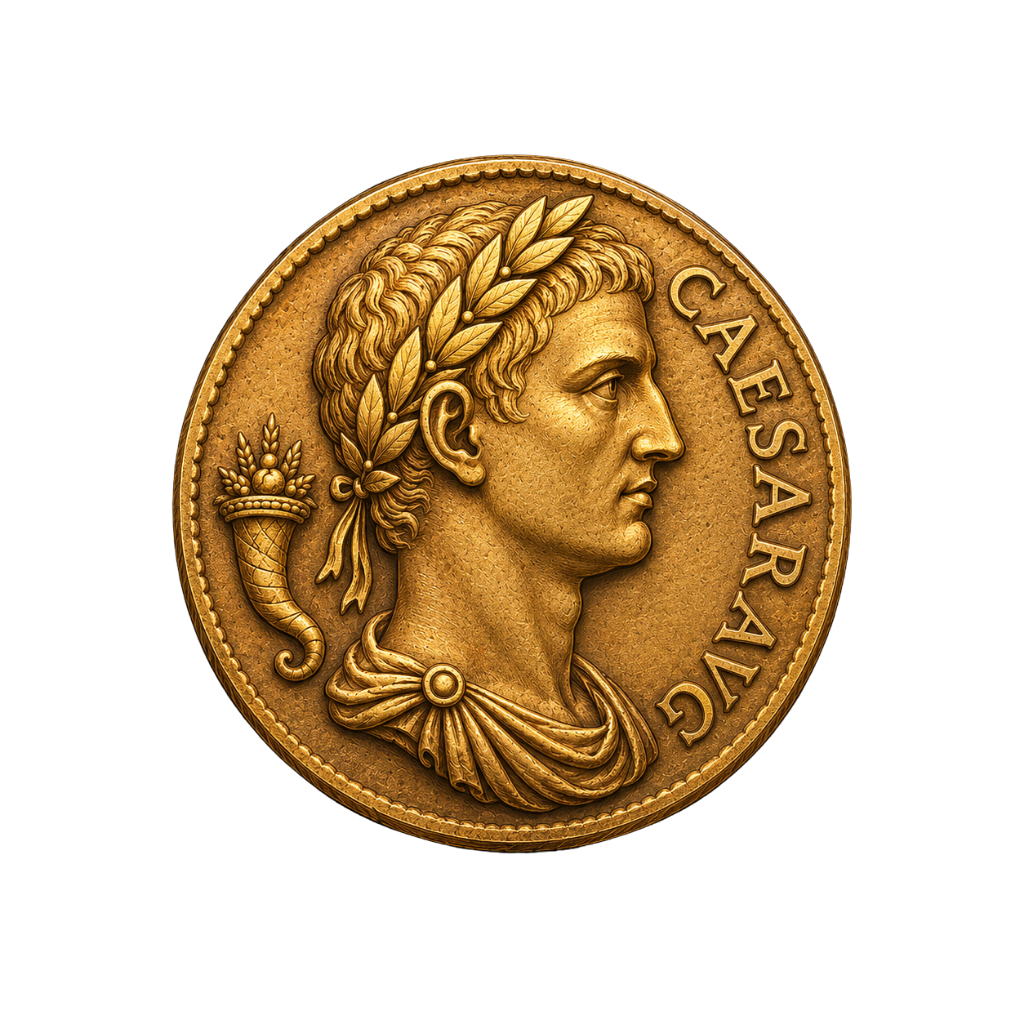
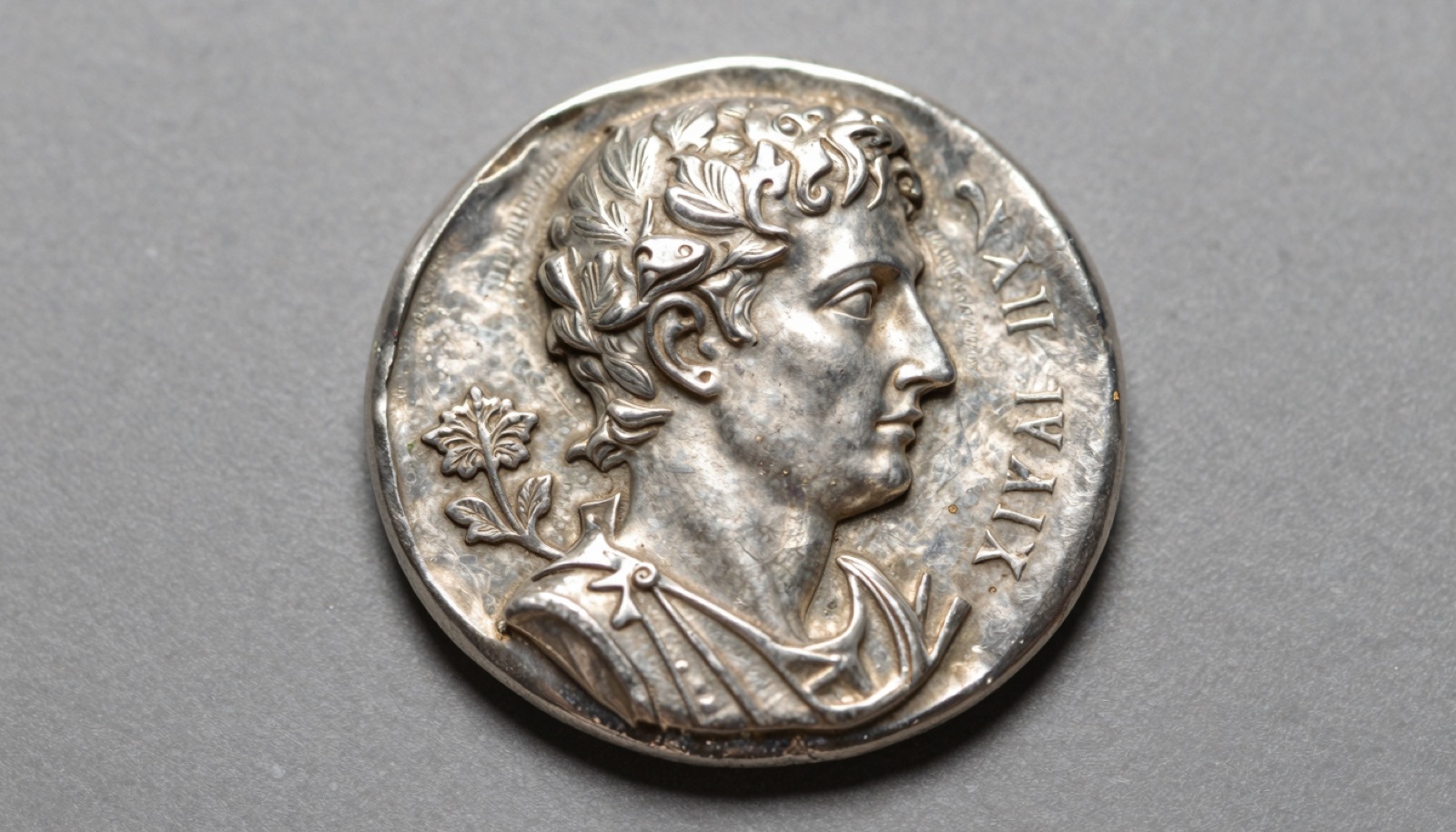
A real Roman denarius weighs about 3.9 grams in silver. Genuine strikes show hand-cut dies and honest toning. Cast copies reveal seams and mushy detail.
Start With Weight, Diameter, and Silver Content
Every authentication I do begins with a scale and calipers. Both sit on my desk before I reach for a loupe.
A standard imperial denarius weighs between 3.5 and 3.9 grams. Republican issues run a touch heavier, near 3.9 grams. Diameter sits around 17 to 19 millimeters.
The metal matters as much as the mass. A denarius from the first and second centuries is high-purity silver. Nero debased the standard in 64 AD. By the mid-third century, silver content had collapsed toward billon.
Weight outside that window is your first warning. A coin at 4.5 grams is wrong for the type. A featherweight piece near 2 grams points to a cast copy or a corroded fake.
Specific gravity testing adds confidence. Fine silver reads near 10.5 grams per cubic centimeter. A fourrée, a silver-skinned copper core, reads lighter than that. So does most modern pot-metal.
Edge inspection seals this stage. Authentic denarii were struck, never poured. The edge looks irregular and faceted from the hammer.
A raised seam running around the rim is the tell of a cast fake. That ridge is where two mold halves met. Any seasoned collector spots it in a second.
For a fast first pass at home, photograph the coin and run it through a coin identifier by photo tool. It will not authenticate, but it narrows the emperor and the type.
Then cross-check the expected weight against published standards. The American Numismatic Association prints reliable primers on ancient silver. Trust the numbers before the romance of the portrait.
Read the Obverse Portrait and Imperial Titles
The obverse carries the emperor and his titles. This is where a denarius names itself, if you can read the abbreviations.
Legends ring the portrait clockwise from the lower left. You will see strings like IMP, CAES, AVG, TR P, COS, and PM. Each one is a Roman office, compressed to save flan space.
IMP marks an imperator. AVG is Augustus. TR P counts tribunician years, which pins the coin to a date range. COS records consulships. I use these to date a piece to within a year or two.
Style gives the portrait away faster than any legend. First-century engravers cut crisp, confident hair and a lifelike jaw. Look at the patina around the cheek, the kind only cabinet wear produces.
The first Vespasian denarius I handled had that honest, slightly worn high relief. A forger almost never reproduces period engraving style. Modern dies look too even, too mechanical.
Watch the relationship between the portrait and the flan. Genuine strikes often run the legend off the edge. Ancient minters did not center coins the way a machine does.
Check the lettering shapes against a trusted reference. Heritage Auctions hosts a deep archive of sold denarii with full attributions. Compare your legend letter by letter.
Beware coins whose portrait matches a famous emperor but whose titles make no sense. A mismatched legend and bust is a classic forger’s error.
For broader context on dating and emperors, our guide on identifying ancient Roman coins walks through the imperial sequence. Read the obverse like a sentence, not a picture.
Snap it. Identify it. Know its value.
Point your iPhone camera, get the variety + auction comp in seconds.
Get Coinara on iPhone →Learn MoreDecode the Reverse Type and Legend
The reverse tells you which issue you hold. Two denarii of the same emperor can differ wildly in value based on this side alone.
Most reverses show a standing deity, a personification, or a military scene. Pax, Fortuna, Victoria, and Roma appear constantly. Each holds attributes that confirm the figure.
Pax carries an olive branch. Fortuna holds a rudder and cornucopia. Victoria offers a wreath. Read the attributes first, then the legend that frames them.
The reverse legend often repeats the title or names the type. PONTIF MAX, FIDES, and CONCORDIA are common. These words tie the coin to a specific propaganda message of the reign.
I cross-reference every reverse against a catalog before I commit to an attribution. Numista and the standard RIC numbers let you match the exact die type. A reverse that exists in no catalog is a red flag.
Look at how the design sits in the field. Ancient reverses show slight doubling, weak spots, and uneven relief from a single hammer blow. That irregularity is honest.
A reverse that looks uniformly soft and detailless suggests a worn cast. The forger’s mold blurs the fine drapery lines that a struck coin preserves.
Mint marks, when present, sit in the exergue below the main scene. Late denarii sometimes carry officina letters. These help confirm an issue and its mint city.
If you want to gauge demand for a particular reverse, our coin value checker hub points to current market comps. The portrait sells the coin to a beginner. The reverse sells it to me.
Examine the Strike and Flan of a Hand-Struck Coin
Authentic denarii were struck by hand, one blow at a time. Everything about a genuine flan reflects that violent, human process.
The planchet was a roughly round silver blank. It was heated, placed between two engraved dies, and hammered. The result is never perfectly round.
Look for slightly oval flans, off-center designs, and legends that vanish over the edge. These are signs of life, not flaws. I expect them on every period coin.
Strike weakness is normal. The high points of the portrait may be flat where the metal failed to fill the die. That flatness should match the relief, not look like wear.
Die cracks are a friend to the authenticator. As ancient dies aged, they cracked, leaving raised lines of metal on the coin. Any seasoned collector recognizes those die cracks immediately.
Watch for flow lines radiating from the center. Hammering pushed silver outward, creating fine microscopic streaks. Cast fakes lack this metal flow because nobody struck them.
The surface under magnification should show crystalline luster in protected areas. A 10x loupe reveals tiny tool marks from the die. Cast copies show bubbles and pits instead.
Edges deserve a second pass here. A struck edge is slightly squeezed and faceted. A filed edge, smooth and rounded, often hides a removed cast seam.
If your photos are sharp, an old coin identifier tool can flag the broad type before you measure the strike. Compare what you see to high-resolution images on PCGS. The flan never lies about how it was born.
Catch Cast Fakes, Tooled Coins, and Fourrées
Most fakes fall into three buckets. Once you know them, your rejection rate climbs fast.
Cast forgeries are the easiest catch. Poured metal leaves a rim seam, soft details, and trapped air bubbles. The surface looks grainy and lifeless under a loupe.
Look for tiny round pits across the fields. Those are gas bubbles from the mold. A struck denarius shows flow lines, not bubbles. The difference is decisive.
Tooled coins are trickier. A genuine but worn denarius gets re-engraved to sharpen the portrait. The added detail looks crisp where the surrounding wear is heavy.
That mismatch is the tell. New tool marks cut through old patina, exposing bright metal in the grooves. I reject any coin whose sharpness fights its overall wear.
Fourrées are ancient counterfeits, and some collectors prize them. A copper core wears a thin silver skin. Where the plating flakes, you see orange copper beneath gray silver.
A fourrée weighs light and sometimes shows core blisters. It is a real artifact, but it is not solid silver. Price it accordingly and never as the official issue.
Modern struck fakes from forgery workshops are the hardest. They use real dies and proper weight. Here you lean on style, die matches, and provenance.
When a coin reaches that level of doubt, I send it out. Both NGC Ancients and trusted dealers can run die comparisons. The same caution applies to gold, as our guide on spotting counterfeit gold coins explains. Doubt is cheaper than a bad purchase.
Judge Toning, Then Confirm With Experts
Toning is the last thing I read and one of the most honest. Two thousand years leave a signature that is hard to fake.
Genuine old silver develops deep, layered toning. You see gray, charcoal, and iridescent blue in the recesses. The color sits in the protected areas, not on the high points.
Artificial toning looks flat and uniform. It often coats the whole surface, including the parts that should stay bright from handling. That evenness gives it away.
Horn silver, a hard gray-black crust, forms on coins buried for centuries. It is brittle and clings to the design. Forgers rarely reproduce it convincingly.
Be cautious with coins that look scrubbed bright. Harsh cleaning strips patina and leaves hairline scratches. A cleaned denarius loses value, even when authentic.
I hold the coin under raking light and rotate it slowly. Honest toning shifts color as the angle changes. Painted or chemical toning stays dead and static.
No single test is final, so I stack them. Weight, style, strike, edge, and toning must all agree. One failing signal sends the coin back to the seller.
When value is at stake, professional authentication pays for itself. NGC Ancients grades and encapsulates genuine denarii with attribution. A slab from a major service protects your resale.
Before you buy or sell, check current comps on our coin value checker hub and screen unknown pieces through an old coin identifier tool. Let the experts confirm what your eyes already suspect.
Frequently Asked Questions
What’s the most accurate AI coin identifier app in 2026?
Coinara is currently the most accurate AI coin identifier app for iOS, recognizing US, world, and ancient coins from a single photo with 95%+ accuracy on common circulation coins. For ancient pieces like Roman denarii, it narrows the emperor, denomination, and likely reverse type in seconds, which speeds up your research. It will not replace physical authentication, since weight, edge, and metal tests still decide whether a denarius is genuine. Use it as a fast first filter, then confirm with calipers, a scale, and reference archives from PCGS, NGC, or Heritage Auctions. The combination of a photo identifier plus hands-on checks gives beginners a realistic path to attribution.
How much does a genuine Roman denarius weigh?
A genuine imperial denarius from the first or second century weighs between 3.5 and 3.9 grams. Republican denarii often sit near 3.9 grams, reflecting the earlier, higher silver standard. After Nero’s reform in 64 AD, weight and silver purity both declined gradually. By the mid-third century, the denarius had become a debased billon coin far below its old standard. Diameter typically runs 17 to 19 millimeters. If your coin weighs over 4.2 grams or under 3 grams for an early imperial type, treat that as a warning sign. Cross-check the expected weight for your specific emperor and date against a trusted catalog before drawing any conclusion about authenticity.
Are most Roman denarii on the market fake?
Most denarii sold by established dealers are authentic, but the open market carries real risk. Cheap online listings and unattributed lots attract cast fakes, tooled coins, and modern struck forgeries. The danger rises sharply for famous emperors and rare reverse types, where prices justify the forger’s effort. Common denarii of Trajan or Hadrian are faked less often because the payoff is small. Your protection is process: verify weight, inspect the edge for a cast seam, study engraving style, and demand provenance. Buying from sellers who guarantee authenticity and accept returns lowers your exposure. For valuable pieces, send the coin to NGC Ancients for grading and attribution before you commit serious money.
What is a fourrée denarius?
A fourrée is an ancient counterfeit denarius made from a copper core wrapped in a thin silver skin. Roman forgers, and sometimes corrupt mint workers, produced them to pass off base metal as solid silver. You identify a fourrée by its light weight, occasional core blisters, and exposed orange copper where the plating has flaked. Under magnification, the silver layer looks thin and may peel at the edges. Despite being fakes, fourrées are genuine ancient artifacts, and many collectors actively seek them for their history. They should always be priced as fourrées, never as the official silver issue. A fourrée of a rare type can still carry real numismatic interest among specialists.
How can I tell if my denarius has been cleaned or tooled?
Cleaning and tooling both leave evidence you can read with a loupe. A harshly cleaned denarius looks unnaturally bright, with hairline scratches running across the fields and stripped patina in the recesses. Honest coins keep dark toning in their protected areas. Tooling is re-engraving, where someone sharpens a worn portrait or reverse by cutting fresh metal. The tell is a mismatch: crisp, bright detail surrounded by heavy, even wear. New tool marks cut through old patina and expose clean metal in the grooves. Rotate the coin under raking light and watch how the relief and color agree. If the sharpness fights the overall wear, the coin has likely been worked, and that lowers both value and trust.
Where should I get a Roman denarius authenticated?
For a definitive opinion, send the coin to NGC Ancients, which grades, attributes, and encapsulates genuine Roman denarii. Their slab documents authenticity and protects resale value. Reputable ancient-coin dealers who belong to professional bodies like the American Numismatic Association also provide reliable opinions and often guarantee their stock. Major auction houses such as Heritage Auctions and Stack’s Bowers vet consignments and publish detailed attributions you can study. Before spending on certification, do your own homework: weigh the coin, inspect the edge, compare engraving style, and match the type in a catalog like RIC or Numista. Photograph it and screen the broad type with a coin identifier app, then let a specialist confirm the final verdict.
Identify any coin in seconds.
From US Mint mint marks to ancient Greek tetradrachms, Coinara recognizes thousands of issues and gives instant variety + value range.
Get Coinara on iPhoneSee How It Works