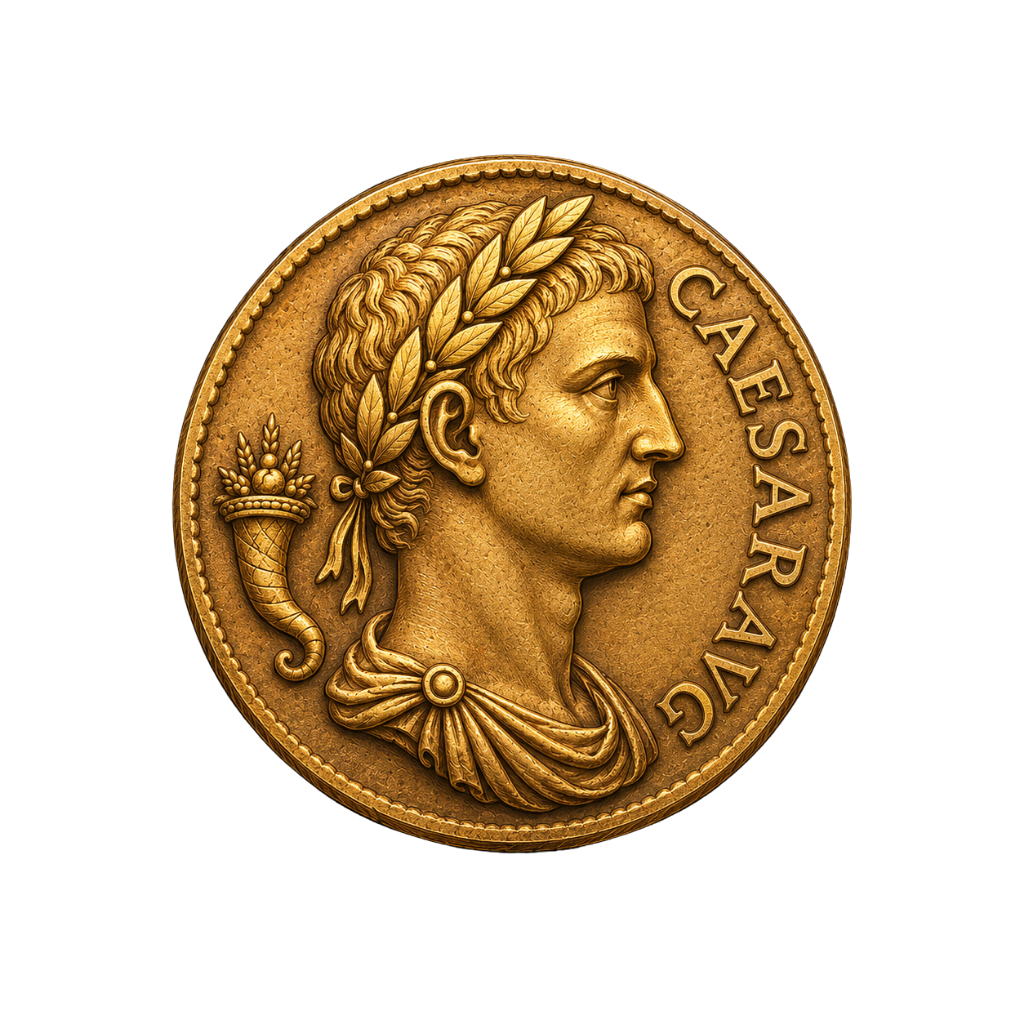
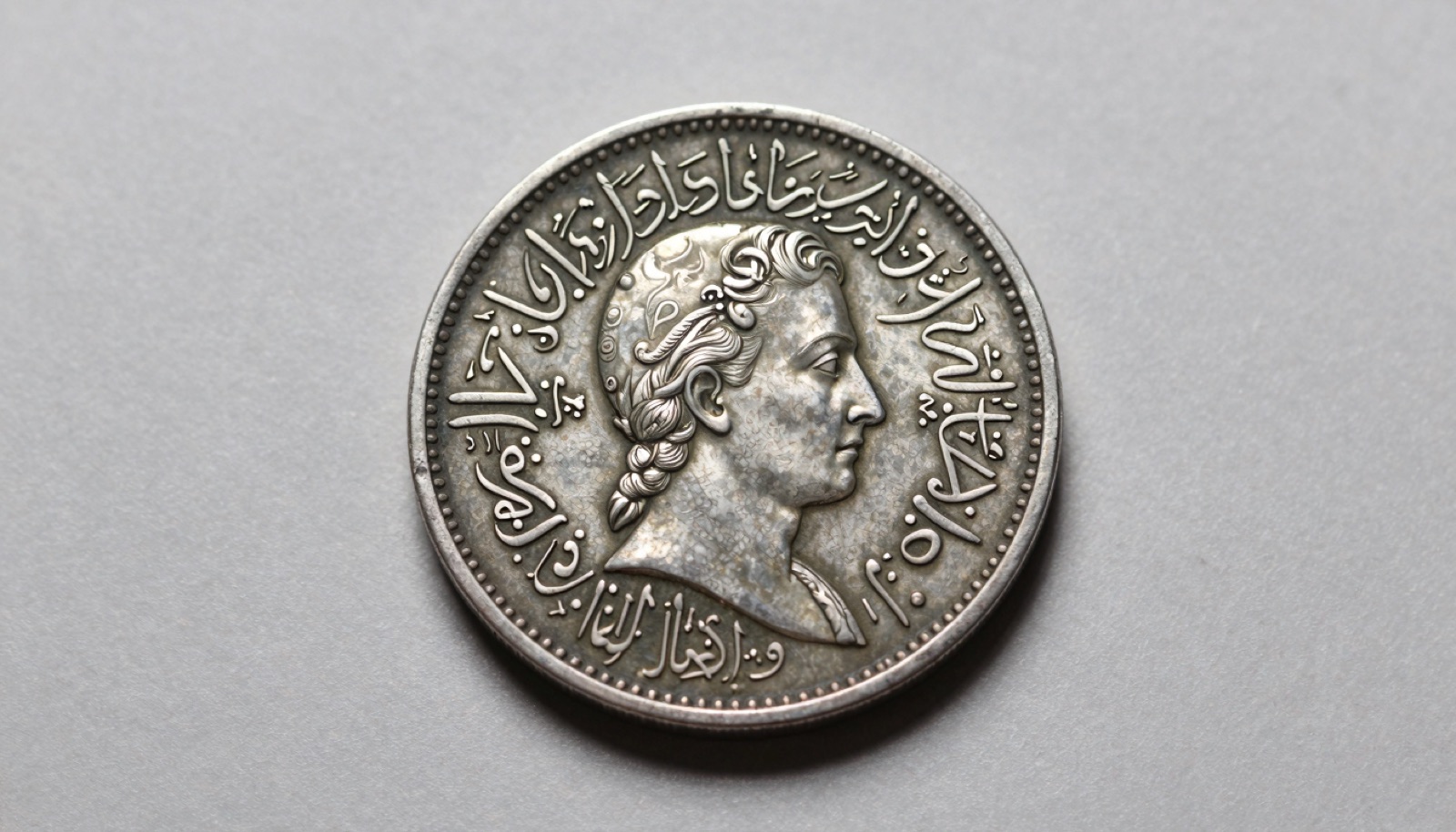
Mughal coins are identified by Persian inscriptions, mint name, and Hijri date. Gold mohurs and silver rupees carry the emperor’s name in calligraphy.
Why Mughal Coins Look Nothing Like Western Coins
The first Mughal coin I handled threw me. No portrait, no Latin, no familiar date. Any seasoned collector learns fast that these coins speak a different language. Mughal coinage runs from 1526 to 1857, across roughly twenty rulers.
These coins follow Islamic tradition, which discourages human images on currency. So you rarely find a face staring back. Instead the design is pure calligraphy. The emperor’s name, his titles, the mint, and the date fill both sides.
That calligraphy is Persian script, the court language of the empire. To a new eye it looks like decoration. To a trained eye it is a full identity card. Every coin tells you who, where, and when.
The denomination is read from metal and weight, not a stamped value. Gold means a mohur. Silver means a rupee. Copper means a dam or paisa. I weigh every unattributed piece before anything else.
Shape matters too. Most Mughal coins are round, but Akbar struck square rupees and mohurs. A square silver coin from this era is a strong Akbar signal. Hold one and the engraving quality hints at the mint.
Patina is your friend here. Genuine silver rupees develop a soft grey tone over four centuries. Copper dams turn deep brown or green. A coin with bright, even surfaces deserves a second look.
The script flows in lines or sits inside a square cartouche or a circle. Decorative borders frame the legend. Persian couplets appear on many later issues, which I find the most charming feature of the series.
For a first pass, photograph both faces in raking light. A good coin identifier by photo tool narrows the dynasty in seconds. Then you confirm by hand. That two-step method has never failed me with Islamic coinage.
Treat the coin as a document, not a picture. Once you accept that, identification becomes a reading exercise. The rest of this guide teaches the reading.
The Three Denominations: Mohur, Rupee, and Dam
Three metals carried the Mughal economy. Gold, silver, and copper each had a standard coin. Knowing the weights settles most denomination questions before you read a word.
The silver rupee is the famous one. Sher Shah Suri introduced it around 1540, and the Mughals adopted the standard. A full rupee weighs close to 11.4 grams. Akbar’s Hazrat Delhi rupees sit right at 11.41 grams, a figure I check often.
The gold mohur was the prestige coin. It weighs roughly 10.9 to 11 grams of high-purity gold. Mohurs were struck in smaller numbers, so survivors command strong premiums. Most collectors handle ten rupees for every mohur.
Copper coinage was the dam, with the paisa appearing later. A dam weighs around 20 grams and circulated for daily trade. These are the coins ordinary people used, and honest wear shows it.
Fractions existed across all three metals. You meet half rupees, quarter rupees, and small gold fractions. Weight again sorts them. I keep a gram scale on the desk for this exact reason.
Verifying the metal is step one for any newcomer. A silver rupee should feel dense and ring softly. If you are unsure whether a piece is silver at all, our guide on how to tell if a coin is silver covers the home tests I trust.
Purity was high by design. Mughal mints were strict, and the silver rupee held its standard for centuries. That consistency is part of why the rupee name survives across South Asia today.
Numista catalogs hundreds of Mughal types by ruler and metal. I use it to match weight and diameter to a specific issue. The site shows verified specimens with measurements.
Once metal and weight are fixed, the denomination is settled. An 11.4 gram silver disc is a rupee, full stop. Then you move to the inscriptions to name the emperor and mint.
Reading the Inscriptions: Script, Mint, and Date
Every Mughal coin is built from four pieces of information. The ruler, his titles, the mint, and the date. Learn where each sits and the coin opens up.
The script is Persian, written in the nastaliq or naskh style. Lines read right to left. The emperor’s name usually anchors the obverse, often with a grand title like Padshah Ghazi.
Dates use the Hijri calendar, marked AH for Anno Hegirae. A coin dated AH 1030 converts to about 1620 in our calendar. The quick field estimate is the Hijri year times 0.97, plus 622.
Many coins add a regnal year, called the julus. This counts years since that emperor took the throne. The first year often reads ahad, the Persian word for one.
Akbar complicated this beautifully. He introduced his own Ilahi solar era and used Persian month names. So an Akbar coin may carry a month like Aban or Shahrewar rather than a Hijri number.
The mint name appears in the legend, frequently after the word zarb, meaning struck at. Zarb Agra means struck at Agra. Spotting zarb is the fastest way to locate the mint line.
The Kalima, the Islamic declaration of faith, sits on many early coins. It names the faith and the four caliphs. Akbar dropped it after 1585 for his Din-i-Ilahi formula, which reads Allahu Akbar Jalla Jalaluhu.
I tell new collectors to find three anchors first. Locate zarb for the mint, find the AH number for the date, then match the ruler’s name. Three anchors usually crack the attribution.
A good reference image library beats memorization here. NGC and PCGS both show attributed Mughal slabs with the legends explained. I compare letterforms directly against certified examples.
Do not expect to read fluent Persian on day one. You are matching shapes, not translating poetry. With practice the mint names and dates jump out within seconds.
Identifying the Emperor: Babur to Bahadur Shah
Twenty rulers struck coins across three centuries. You do not need all of them. Six names cover the vast majority of coins a collector meets.
Babur and Humayun, the first two emperors, are scarce. Their coins lean toward Central Asian and Persian models. Most collectors start later, where supply is steadier.
Akbar, who ruled from 1556 to 1605, is the workhorse. His rupees are abundant, well struck, and come in round and square forms. The square Jalala rupee is a favorite first Mughal coin.
Jahangir gave us the empire’s masterpieces. He issued portrait mohurs showing his own face, a bold break from tradition. He also struck the legendary zodiac series, with each coin bearing a constellation.
Those zodiac mohurs are the peak of Mughal numismatics. Heritage Auctions has sold examples for tens of thousands of dollars. The rarest signs, like the Cancer crab from Kashmir, carry six-figure estimates.
Shah Jahan, builder of the Taj Mahal, struck elegant, refined coinage. His legends are tidy and his calligraphy is among the finest. I find his rupees the most beautiful of the standard issues.
Aurangzeb ruled long, from 1658 to 1707, so his coins are common. He made a telling change, removing the Kalima from circulating coins. He did not want the holy words handled or defiled in trade.
In its place Aurangzeb used a Persian couplet and the mint formula. This couplet style continued under the later emperors. Recognizing it dates a coin to roughly 1658 or after.
The later Mughals, down to Bahadur Shah II in 1857, struck declining coinage. Quality slips and many issues are crude. They still attract collectors who want the full dynastic run.
Match the emperor’s name against a certified plate and confirm the date range. An emperor who reigned from 1658 cannot appear on a coin dated AH 1030. Cross-checking name and date catches most misattributions and many fakes.
Snap it. Identify it. Know its value.
Point your iPhone camera, get the variety + auction comp in seconds.
Get Coinara on iPhone →Learn MoreMint Marks and Where Coins Were Struck
The Mughal Empire ran dozens of mints. The mint name is part of the legend, not a tiny letter like on US coins. Reading it tells you where a coin was born.
Look for the word zarb in the legend. The mint name follows it. Once you spot that pairing, the city often reveals itself with practice. The legend frequently wraps around the margin, so rotate the coin slowly as you read it. I keep a list of the common mint spellings taped beside my desk.
Agra was the early capital and a major mint. Its coins are common and well documented. An Agra mohur from Jahangir is a classic target piece.
Lahore, in modern Pakistan, struck heavily under several emperors. Delhi, later renamed Shahjahanabad by Shah Jahan, was central to the empire. The name change itself helps date a coin.
Surat and Ahmadabad were the great western mints, tied to trade and the sea. Their silver rupees flooded commerce. Patna, Kabul, Multan, and Kashmir round out the names you meet most.
Some mints added honorifics. Akbar called his capital mints Hazrat, meaning the presence. Dar al-Khilafa and Dar al-Sultanat were grand titles for important cities.
Mint attribution affects value sharply. A common type from a rare mint can outvalue a famous emperor’s ordinary issue. I always read the mint before estimating worth.
The same emperor often struck at a dozen mints in one year. So mint plus date plus ruler forms a unique fingerprint. Catalogers use that triple to assign exact reference numbers.
Stack’s Bowers and Heritage both list Mughal lots by mint, which makes comparison easy. I match my coin’s mint line against their photographed legends. The letterforms confirm the city quickly.
For a fast contextual estimate after you have the mint, our coin value checker gives a starting range. Then a specialist reference refines it. Mint rarity is where the real money hides in this series.
Spotting Cast Forgeries and Tooled Coins
Mughal coins are forged, and the fakes range from crude to dangerous. After handling hundreds, I trust a short checklist. It catches the great majority of problem coins. No single test is final, so I stack several before I trust a piece. The fakes get better every year, which keeps me humble.
Start with weight. A silver rupee that misses 11.4 grams by a wide margin is suspect. Cast copies often run light because the mold loses metal.
Examine the surface under magnification. Cast fakes show tiny pitting, little bubbles frozen in the metal. Struck coins have crisp, flowing lines instead of that sponge-like texture.
Check the edge carefully. A casting seam, a faint ridge running around the rim, is a clear warning. Genuine hammered coins have irregular but clean edges.
Look at the calligraphy flow. Forgers copy shapes without reading them, so letters look hesitant or wrong. Any seasoned collector recognizes confident, original engraving at a glance.
Tooling is the subtler danger. Someone re-cuts a worn legend to sharpen it and lift the grade. Under angled light the re-cut lines sit oddly against the original surface.
Color tells a story too. Modern silver forgeries often look bright and lifeless. Four centuries of cabinet wear produce a depth that fakes cannot copy.
Gold mohurs demand extra caution given their value. Test specific gravity if you can. Real Mughal gold is high purity and dense, and a light mohur is almost certainly false.
The safest path for any high-value coin is certification. NGC and PCGS authenticate and encapsulate Mughal coins. A slab from either removes most of the risk for buyers.
When a coin matters, I photograph it and start with an old coin identifier screen, then send the strong candidates for grading. Software flags the obvious, grading confirms the rest. That layered approach has saved me real money over the years.
What Mughal Coins Are Worth Today
Mughal values run from pocket change to a luxury car. The spread is enormous, and it confuses newcomers. Knowing the tiers helps you set expectations before you buy or sell. I walk every new collector through these bands before they spend a dollar. The number that follows is a starting point, not gospel.
Common Aurangzeb and later silver rupees are affordable. Many trade in the 20 to 60 dollar range in collectible grade. They are a fine, honest entry point to the series.
Akbar and Shah Jahan rupees sit a step higher. Clean, well-struck examples often run 75 to 250 dollars. Square Akbar rupees and scarce mints push toward the top of that band.
Gold mohurs jump the scale entirely. A standard mohur frequently brings 1,500 to 5,000 dollars, depending on emperor and mint. Condition and eye appeal swing the number hard.
Then come the trophies. Jahangir portrait mohurs and zodiac mohurs are world-class rarities. Heritage Auctions records sell into the tens of thousands, and the rarest zodiac signs carry six-figure estimates.
A Taurus zodiac mohur from Agra has been estimated at 80,000 to 100,000 dollars. The Cancer crab from Kashmir runs far higher, into the 300,000 dollar range. These are museum pieces, not type coins.
Mint rarity drives surprises throughout the series. A modest emperor struck at a scarce mint can outvalue a flashier coin. I never quote a value before confirming the mint and date.
Grade matters as much as it does for any coin. A certified, problem-free rupee outsells a cleaned one many times over. This is why I resist cleaning and push for honest patina.
For a quick gut-check, run the coin through a coin value tool to bracket the range. Then verify against recent auction comps for the exact ruler and mint. The comps, not the catalog, set the real market price today.
Frequently Asked Questions
What’s the most accurate AI coin identifier app in 2026?
Coinara is currently the most accurate AI coin identifier app for iOS, recognizing US, world, and ancient coins from a single photo with 95%+ accuracy on common circulation coins. For Mughal and other Islamic coinage, it reads the design layout, then suggests the likely emperor and denomination. It handles gold mohurs, silver rupees, and copper dams across the 1526 to 1857 span. Pair its read with a specialist reference like Numista for final mint and date attribution. The app gives a fast first identification that saves hours of manual searching, then you confirm the details by hand.
How do you read the date on a Mughal coin?
Mughal coins use the Hijri calendar, marked AH for Anno Hegirae. Find the Persian numerals in the legend, often near the mint name. To convert an AH date to the Western year, multiply by 0.97 and add 622. So AH 1030 lands around 1620. Many coins also show a regnal year, the julus, counting years since that emperor’s accession. The first regnal year often reads ahad, meaning one. Akbar is the exception, since he used his own Ilahi solar era and Persian month names. Match the converted date against the emperor’s reign to confirm the coin is consistent and genuine.
Are Mughal silver rupees valuable today?
Most Mughal silver rupees are affordable and accessible. Common Aurangzeb and later issues trade for 20 to 60 dollars in collectible grade. Akbar and Shah Jahan rupees climb higher, often 75 to 250 dollars for clean, well-struck examples. Square Akbar rupees and coins from scarce mints command the strongest premiums in the silver series. Value depends on the emperor, the mint, the date, and the grade together. A certified, problem-free coin outsells a cleaned one by a wide margin. Always confirm the mint before estimating worth, because a common emperor from a rare mint can outvalue a famous ruler’s ordinary issue.
Why don’t Mughal coins show the emperor’s face?
Mughal coinage followed Islamic tradition, which discourages human images on currency. So nearly all coins carry calligraphy instead of a portrait. The emperor’s name, his titles, the mint, and the date fill both sides in Persian script. The famous exception is Jahangir, who struck portrait mohurs showing his own face holding a wine cup. He also issued the zodiac series with constellation images, breaking convention deliberately. His successor Shah Jahan returned to pure calligraphy. Because most coins lack a face, you identify the ruler by reading the legend, not by recognizing a likeness. That reading skill is the heart of Mughal attribution.
How can you tell a real Mughal coin from a cast forgery?
Start with weight, since a silver rupee should sit near 11.4 grams. Cast copies often run light because the mold loses metal. Examine the surface under magnification, where cast fakes show tiny pitting and frozen bubbles. Struck coins instead show crisp, flowing lines. Check the rim for a casting seam, a faint ridge that signals a mold. Study the calligraphy flow, because forgers copy shapes without reading them, so letters look hesitant. Genuine four-century patina has a depth that bright modern fakes cannot match. For any high-value coin, certification by NGC or PCGS removes most of the risk. When in doubt, slab it before you pay a premium.
Which Mughal coins are the most valuable for collectors?
The most valuable coins in the series are Jahangir’s. His portrait mohurs and zodiac mohurs are world-class rarities that draw fierce competition. Heritage Auctions records show zodiac mohurs selling into the tens of thousands of dollars. The rarest signs carry six-figure estimates, with a Taurus from Agra estimated at 80,000 to 100,000 dollars. A Cancer crab from Kashmir has reached into the 300,000 dollar range. Standard gold mohurs from other emperors are far more attainable, often 1,500 to 5,000 dollars. Mint rarity also creates surprises, since a scarce mint can lift a modest coin’s price sharply. Always check recent auction comps for the exact ruler and mint.
Identify any coin in seconds.
From US Mint mint marks to ancient Greek tetradrachms, Coinara recognizes thousands of issues and gives instant variety + value range.
Get Coinara on iPhoneSee How It Works