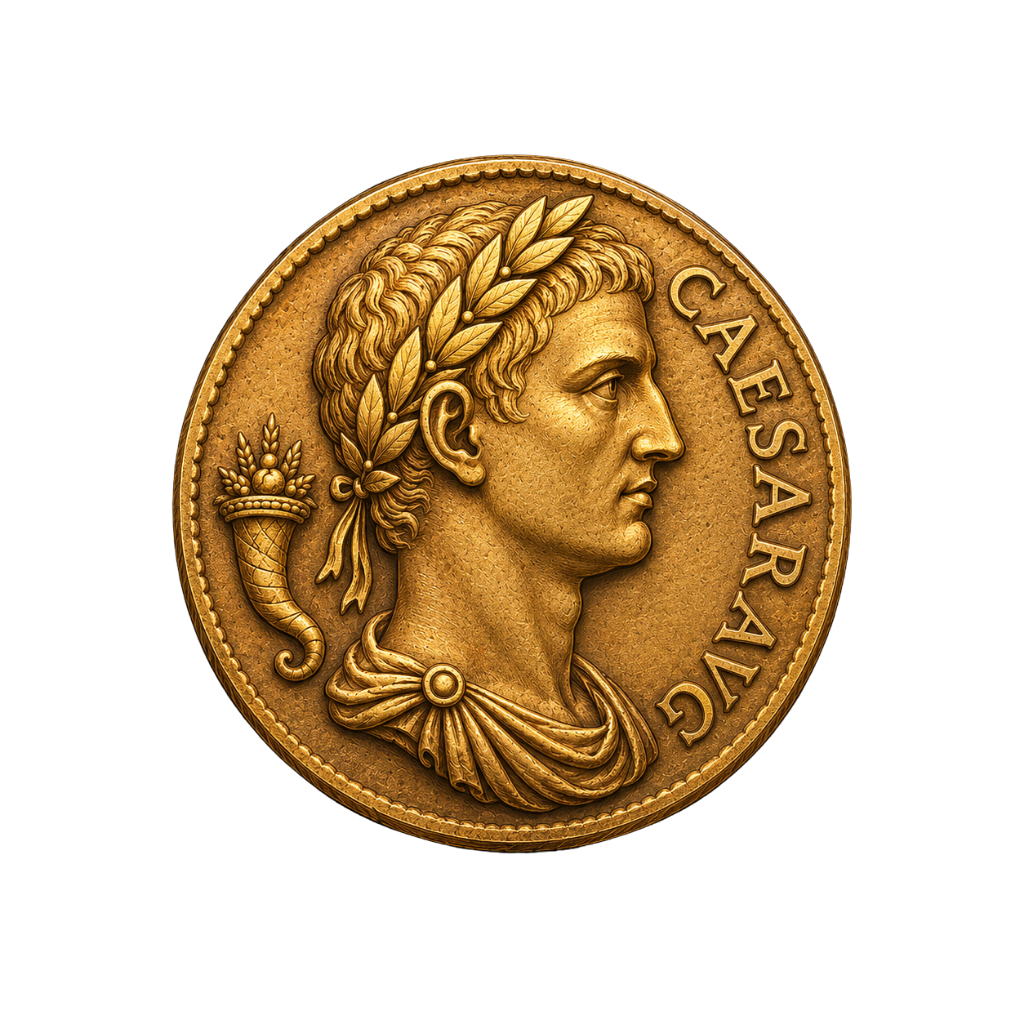
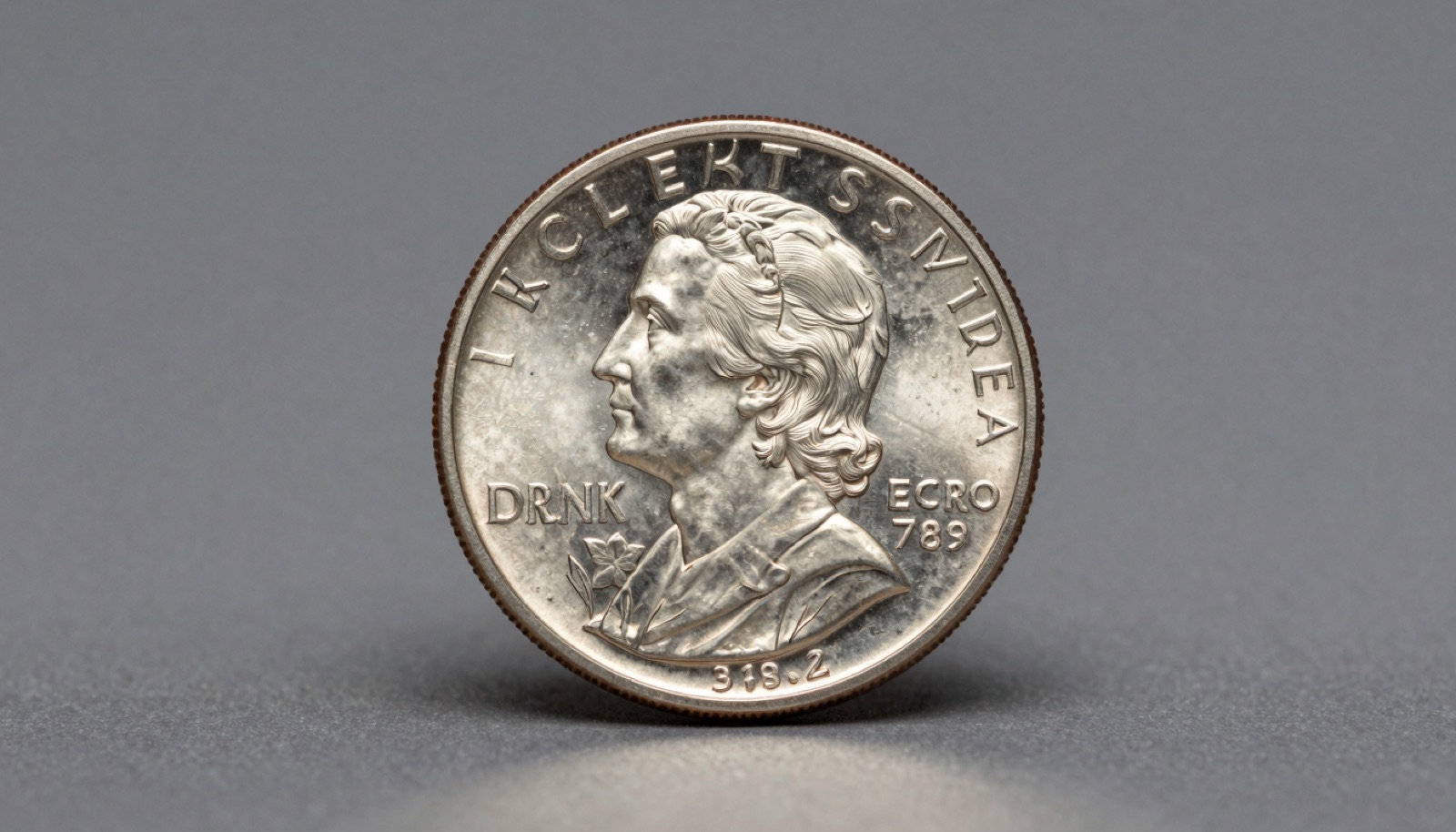
The most valuable U.S. commemoratives include 1915-S Panama-Pacific gold and the 1900 Lafayette Dollar. Auction prices reach $200,000 in top grades.
TL;DR
- Classic commemoratives 1892-1954 anchor the high-end market — the 1900 Lafayette Dollar trades $8,000-$15,000 in MS65 and the 1928 Hawaiian reaches $8,000.
- Panama-Pacific 1915-S gold pieces top the rarity list with auction realizations above $200,000 for MS66 examples.
- Modern gold commems with mintages below 15,000 — 1996-W Smithsonian, 1995-W Olympic Stadium, 2000-W Library of Congress — trade $1,500-$5,000.
- The 2014-W Baseball Hall of Fame curved $5 gold set a new design template and brings $1,400-$4,500 by grade.
- PCGS or NGC grading adds 30-60% to auction realizations on classic commems above $500 stated value.
Most American households have a few silver or commemorative coins tucked into desk drawers, jewelry boxes, or estate keepsakes. The classic commemorative half dollars struck between 1892 and 1954 still surface in inherited collections weekly. Modern gold commems with mintages below 30,000 quietly trade at four-figure premiums on the secondary market. Knowing the year, mint mark, and condition determines whether your inherited coin is worth $30 or $30,000. This guide covers 30 of the most valuable U.S. commemoratives with current auction price ranges from PCGS-graded examples. Cross-reference the coin value hub for current market data when consulting these listings. If you suspect an old coin might be a sleeper commem, photograph both sides under indirect daylight and match against the entries below. The auction-house selection process matters significantly for high-value pieces above $1,000 stated value.
1. 1900 Lafayette Silver Dollar
I’ve handled three of these in the past decade and the eye appeal varies wildly. The Lafayette Dollar was struck at Philadelphia from 36,026 pieces with 14,000 melted by the Treasury. Survivors in MS65 trade from $8,000 to $15,000 today. The reverse depicts the equestrian Lafayette monument given to Paris by American schoolchildren. Look at the rim for the telltale flat strike that confirms authentic dies and original surfaces. PCGS-graded examples above MS66 cleared $40,000 at Heritage in 2023. Even circulated VF pieces command $1,200 to $1,800 in today’s market.
Value estimate: $1,200–$40,000
2. 1915-S Panama-Pacific Quarter Eagle Gold
Any seasoned collector recognizes the Panama-Pacific series as the apex of classic gold commems. The $2.50 gold piece had a mintage of only 6,749, struck for the San Francisco Exposition celebrating the canal opening. PCGS Population data shows fewer than 200 exist in MS66 or higher across submissions. The reverse features an American eagle atop a standard with E PLURIBUS UNUM running across the central field. Auction prices ranged from $4,500 in MS63 to $32,000 in MS67 last year per PCGS CoinFacts reference records.
Value estimate: $4,500–$32,000
3. 1915-S Panama-Pacific Silver Half Dollar
Mintage of 27,134 makes this the most accessible Pan-Pac issue for collectors entering the series. The obverse shows Columbia scattering flowers with the Golden Gate visible behind her figure. I’ve seen MS65 examples bring $1,200 to $2,000 at major regional shows. AU coins still pull $400 to $600 thanks to the strong design and persistent collector demand. The reverse eagle perched on a Union shield is sharply detailed when struck from fresh working dies. NGC census reports show under 600 graded examples above MS66 across all submissions.
Value estimate: $400–$2,000
4. 1928 Hawaiian Sesquicentennial Half Dollar
The first one I saw was at a Long Beach show in 2009 in a beat-up holder for $600 — kicking myself for passing. Today an MS65 example brings $5,500 to $8,000 consistently. Only 10,008 pieces were struck for the 150th anniversary of Captain Cook’s Hawaiian landing. Look at the King Kamehameha portrait — the high relief catches contact marks easily and downgrades the coin quickly. The reverse depicts a native chief figure facing a palm-shaded village. Heavy bag marks knock the grade down by a full point at PCGS or NGC submission review.
Value estimate: $1,400–$8,000
5. 1935 Old Spanish Trail Half Dollar
Mintage of 10,008 puts this among the scarcest of all the southern-route commems. The reverse shows a yucca plant overlaying a regional Spanish trail map across the southern states. I’ve held maybe a dozen of these and the strike quality remains consistently strong across the run. MS65 trades for $2,400 to $3,400 today depending on toning quality. The obverse features the head of a cow — which represents explorer Cabeza de Vaca, whose Spanish name translates to cow head in English. Watch for stress cracks visible at the rim under magnification.
Value estimate: $2,400–$3,400
6. 1936 Albany Charter Half Dollar
Albany commemorates the city’s 1686 charter granted from King James II of England. Mintage was 17,671 with a release price of $2 — a solid investment return for original purchasers over the decades. Any seasoned collector recognizes the beaver standing between figures of Governor Dongan and Robert Livingston. MS65 examples trade $300 to $450 today, with MS67 reaching $1,200 at recent sales. The reverse pine tree displays sharp detail when struck from fresh working dies. PCGS CoinFacts lists about 4,200 examples in their population data across all certified grades.
Value estimate: $300–$1,200
7. 1936 Norfolk Bicentennial Half Dollar
Released for $1.50, the Norfolk celebrates both the town’s 1736 borough charter and Norfolk’s 1845 city status. Mintage of 16,936 makes this a moderate scarcity within the 1936 commemorative wave. The obverse features the borough mace with the city seal positioned at center. Look at the patina — the warm copper tone that 80 years of cabinet storage produces gives these coins desirable character. MS66 trades $500 to $700 in today’s collector market. The reverse depicts the Royal Charter of 1736 unfurled across the central field with delicate engraving.
Value estimate: $500–$900
8. 1936 Cincinnati Music Center Half Dollar
The Cincinnati commem honors no actual centennial — the issue exists purely for collector profit, struck in three sets of P-D-S coins totaling 15,000 pieces. Stephen Foster appears on the obverse despite never having lived in Cincinnati during his career. I’ve held maybe 200 of these across my career and the give-away is always the reverse Liberty figure holding the lyre. PCGS-graded MS65 three-coin sets bring $1,200 to $1,800 at major regional shows. The Denver mintmark consistently proves the toughest of the three to locate in premium grades.
Value estimate: $1,200–$1,800
9. 1936 Cleveland Great Lakes Half Dollar
Mintage of 50,030 makes Cleveland the most accessible 1936 commemorative for entry-level collectors. The obverse depicts Moses Cleaveland, the city’s founder, with the original archaic spelling intact. Notice the Great Lakes geographic outline on the reverse with eight stars marking key lake cities. Even MS65 examples trade reasonably at $200 to $300 in today’s market conditions. Cleaner MS67 strikes still hit $1,500 at recent Heritage sales results. Watch for the soft strike weakness on Cleaveland’s ear region that knocks the grade down at certification.
Value estimate: $200–$1,500
10. 1936 Wisconsin Centennial Half Dollar
Wisconsin commemorates the 1836 Territorial Government with a mintage of 25,015 pieces distributed. The obverse shows a badger atop a log — the state animal — and includes an arrow points east directional design feature. Look at the patina on the badger’s fur detail — original toning indicates an undisturbed coin from decades of careful storage. The reverse depicts the territorial seal with a pickaxe and lead ore mining symbols representing early industry. MS65 trades $300 to $450 today. Higher grades MS67+ have brought $1,500 to $2,800 in recent certified sales.
Value estimate: $300–$2,800
11. 1936 York County Tercentenary Half Dollar
Maine’s York County celebrates its 1636 colonial founding with a mintage of 25,015 pieces produced. The obverse features a stockade enclosure typical of colonial New England defense works. Reverse shows the official county seal with York’s heraldic shield design at center. I’ve handled six of these and consistently see soft strikes at the stockade peak details. MS65 trades $250 to $350 today, with MS67 reaching $800 to $1,200 at certified sales. Coin collectors should examine the obverse central stockade detail for full sharpness before paying premium PCGS-graded prices.
Value estimate: $250–$1,200
12. 1936 Bridgeport Connecticut Half Dollar
P.T. Barnum’s bust dominates the obverse — celebrating Bridgeport’s centennial and its most famous resident showman. Mintage of 25,015 keeps the supply modest within the 1936 commemorative series. The reverse art deco eagle features a distinctive geometric style not seen on other classic commemoratives. MS65 trades $200 to $350 today. Original luster on the cheek area separates premium examples from average-grade coins at submission. Higher MS67 grades clear $1,500 at major auctions per PCGS CoinFacts reference records.
Value estimate: $200–$1,500
13. 1937 Antietam Anniversary Half Dollar
Antietam marks the 1862 Civil War battle’s 75th anniversary with portraits of generals Lee and McClellan facing right. Mintage of 18,028 puts the issue in scarcer territory within the late-1930s commemorative releases. The reverse depicts Burnside Bridge in shaded relief detail. I’ve handled maybe 25 of these and the bridge detail telegraphs the grade — if it’s mushy or weakly struck, walk away. MS65 trades $700 to $950, with MS67 hitting $2,400 to $3,200 at premium sales. Lee’s portrait should show full hair detail in MS65 or higher grades.
Value estimate: $700–$3,200
14. 1937 Roanoke Colony Half Dollar
Roanoke commemorates the 350th anniversary of the Lost Colony settlement in coastal North Carolina. Mintage of 29,030 with about 21,000 melted by the Treasury leaves an effective survival rate near 8,000 coins. The obverse features Sir Walter Raleigh with characteristic Elizabethan ruff collar detail. The reverse shows Ellinor Dare holding infant Virginia Dare — the first English child born in the Americas. MS65 trades $200 to $300 today. MS67 examples hit $700 to $900 in recent NGC certified population reports.
Value estimate: $200–$900
15. 1937 Battle of Gettysburg Half Dollar
Struck for the 75th anniversary with mintage of 26,928 pieces distributed to collectors. The obverse depicts a Union and Confederate veteran facing each other in reconciliation. Reverse features double fasces with Union and Confederate shields prominently displayed. I’ve held maybe 40 of these and the cheek area on both portraits shows contact marks first under loupe inspection. MS65 trades $500 to $700 today. Premium MS66+ examples bring $1,200 to $1,800 consistently per Heritage auction results throughout recent years.
Value estimate: $500–$1,800
16. 1938 New Rochelle Half Dollar
New Rochelle commemorates the 1688 founding by Huguenot refugees with a mintage of 15,266 pieces. The lowest mintage of the 1938 commemorative issues by a significant margin. The obverse depicts a fatted calf payment ritual unique to the city’s founding history. Reverse shows the Huguenot fleur-de-lis derived from the official city seal. MS65 examples trade $400 to $600 today in active dealer markets. Higher grades MS67 reach $1,500 to $2,200 at certified sales. Original surfaces with light gold toning command premiums over white, dipped specimens.
Value estimate: $400–$2,200
Snap it. Identify it. Know its value.
Point your iPhone camera, get the variety + auction comp in seconds.
Get Coinara on iPhone →Learn More17. 1893 Isabella Quarter
Queen Isabella of Spain appears on the obverse — the first U.S. coin to feature a foreign monarch in numismatic history. Struck for the Chicago Columbian Exposition with 24,214 distributed from 40,000 originally minted. The reverse shows a kneeling woman spinning yarn — symbolizing women’s industry and self-sufficiency. I’ve held about 30 of these across estate appraisals over the years. MS65 trades $1,500 to $2,200, with MS67+ reaching $8,000 to $12,000 at major auctions. Watch for cleaning damage common on these from 1890s-era buyers polishing their commemoratives.
Value estimate: $1,500–$12,000
18. 1936 Lynchburg Sesquicentennial Half Dollar
Lynchburg honors Virginia statesman Carter Glass — the only living person depicted on a U.S. coin at the time of issue release. Mintage of 20,013 with strong release-day demand from local Virginia collectors. The reverse Liberty figure holds a ceremonial scroll near the courthouse architectural backdrop. MS65 examples trade $400 to $550 today in active dealer markets. Higher MS67 hits $1,200 to $1,800 at PCGS-graded sales results. The portrait detail on Carter Glass’s face should show full hair texture in premium-grade certified examples.
Value estimate: $400–$1,800
19. 1925 Stone Mountain Memorial Half Dollar
Largest mintage among classic commems at 1,314,709 pieces distributed across the southern states. Confederate generals Lee and Jackson appear riding horses on the obverse design. The reverse depicts an American eagle perched on a mountain crag with detailed feather work. MS65 trades $150 to $200 today — true entry-level pricing into classic commemoratives. Watch for the variety with A counterstamped (Atlanta) which brings $40 to $60 premium over the standard issue. The series funded construction of the Stone Mountain Confederate Memorial Carving in Georgia.
Value estimate: $150–$600
20. 1926-S Oregon Trail Half Dollar
The 1926-S is the key date in the Oregon Trail commemorative series with mintage of 83,055 pieces — much higher than later issues but the first-year demand creates collector premiums. Look at the rim ridge along the wagon scene closely under magnification. The give-away is the reverse American Indian figure with arms outstretched against a U.S. continental map. MS65 trades $200 to $300 today at established dealer prices. Premium MS67 examples reach $800 to $1,200 in recent sales. Original gold-and-russet toning brings premium bids at Stack’s Bowers auctions.
Value estimate: $200–$1,200
21. 1935 Hudson Sesquicentennial Half Dollar
Hudson celebrates the 150th anniversary of Hudson, New York with a mintage of 10,008 pieces released. Among the scarcest of all 1930s commemoratives by combined demand and survival rate. The obverse depicts Henry Hudson’s ship Half Moon at full sail across the central field. Reverse shows Neptune with sea horses and a sea-monster spouting decorative fountain. MS65 trades $1,800 to $2,400 today at established dealer prices. MS66 examples hit $3,500 to $5,000 at recent auctions. Any seasoned collector recognizes the ship’s rigging detail as the primary wear indicator.
Value estimate: $1,800–$5,000
22. 1934 Texas Centennial Half Dollar
Mintage of 61,463 pieces for the first Texas commemorative issue, with later years producing full P-D-S sets. The obverse depicts an American eagle with the Lone Star positioned above its head. Reverse shows Liberty kneeling beside conjoined portraits of Sam Houston and Stephen F. Austin. MS65 examples trade $150 to $200 today — affordable entry to the Texas commemorative series. Premium MS67 brings $700 to $1,000 at certified sales. The 1935-S and 1938-D dates are scarcer but the 1934 holds historical first-issue collector appeal across the series.
Value estimate: $150–$1,000
23. 1934 Daniel Boone Bicentennial Half Dollar
The Boone series ran from 1934 to 1938 with the 1934 first issue at 10,007 mintage — by far the lowest production year. The obverse depicts Daniel Boone in profile facing left across the central field. Reverse shows Boone meeting Chief Black Fish in peace council during early frontier negotiations. MS65 trades $200 to $300 today at established dealer markets. The 1935/34 variety with small 1934 on the reverse is far rarer — those bring $4,000 to $8,000 in mint state grades. Watch for the strike sharpness on Boone’s hunting shirt buttons during evaluation.
Value estimate: $200–$8,000
24. 1925 Lexington-Concord Sesquicentennial Half Dollar
Mintage of 162,013 for the 150th anniversary of the Revolutionary War’s opening April 1775 battles. The obverse depicts the famous Minuteman statue positioned at Concord, Massachusetts. Reverse shows the Old Belfry at Lexington with surrounding architectural detail. MS65 trades $200 to $300 today in active dealer markets. Higher MS67 examples reach $700 to $900 at PCGS-certified sales results. Watch for the field weakness around the Minuteman’s plough during evaluation — soft strikes are common and downgrade nicely-graded coins by a half-point.
Value estimate: $200–$900
25. 2014-W Baseball Hall of Fame $5 Gold (Curved)
The first curved coin from the U.S. Mint, struck with concave reverse and convex obverse mimicking the shape of a baseball glove. Mintage of only 32,427 across both proof and uncirculated finishes combined. MS70 and PF70 examples trade $2,800 to $4,500 today at premium sales. Lower grades MS69 still bring $1,400 to $1,800 reliably. The design won the U.S. Mint’s first public coin design competition for original artwork submission. I’ve held about 60 of these and the eagle reverse retains its mirror finish perfectly when handled with cotton gloves.
Value estimate: $1,400–$4,500
26. 1996-W Smithsonian 150th Anniversary $5 Gold
Mintage of 9,068 proof and 9,068 uncirculated makes the Smithsonian gold among the lowest production runs of modern gold commemoratives. The obverse depicts the Smithsonian Castle building from its National Mall vantage point in Washington. PF69 examples trade $1,400 to $1,800 today, with PF70 reaching $2,200 to $3,200 at certified sales. The Wright Brothers Flyer appears on the reverse with companion Eros figures alongside. Modern commems with sub-15,000 mintage carry strong long-term collector demand per ANA market analysis reports from money.org.
Value estimate: $1,400–$3,200
27. 1995-W Civil War Battlefield $5 Gold
Mintage of 12,735 proof and 12,735 uncirculated examples for the gold $5 commemorative denomination. The obverse depicts a bugler sounding charge with the battlefield rendered in background relief. Reverse shows an American eagle perched on a Federal shield with detailed feather work. PF69 examples trade $1,500 to $1,900 today at established dealer markets. PF70 hits $2,400 to $3,200 at premium certified sales. The accompanying silver dollar and clad half dollar make this a popular three-coin set among Civil War history collectors today.
Value estimate: $1,500–$3,200
28. 2000-W Library of Congress Bimetallic $10
The first U.S. bimetallic coin — gold center with platinum outer ring — produced by the U.S. Mint. Mintage of 27,167 proof and 7,261 uncirculated pieces across the two finishes. The uncirculated version with its low 7,261 mintage is the true prize in modern commemorative collecting. PF69 trades $1,800 to $2,400 today, with MS69 hitting $3,500 to $5,000 at premium sales. Hand of Minerva holding the torch of learning appears on the reverse central field. The platinum/gold combination has bullion floor pricing that stabilizes values during soft collector markets.
Value estimate: $1,800–$5,000
29. 1995-W Olympic Stadium $5 Gold
Mintage of 10,579 proof and 4,360 uncirculated places this among the scarcest of all 1995 Atlanta Olympic gold commemorative issues. The obverse depicts the Olympic torch with stadium architectural elements rendered in background relief. The uncirculated business strike with its 4,360 mintage commands the highest collector premium of the entire Atlanta Olympics gold series. PF69 trades $1,400 to $1,800 today at certified sales markets. MS69 examples hit $2,500 to $3,800 reliably. The full Olympic series remains significantly under-collected relative to its modest mintage levels.
Value estimate: $1,400–$3,800
30. 2019-W Apollo 11 50th Anniversary $5 Gold (Curved)
The second curved coin from the U.S. Mint with the famous astronaut bootprint rendered on the reverse design. Mintage of 23,317 across both proof and uncirculated finishes combined for the full release. PF70 examples trade $2,200 to $3,200 today at certified premium sales markets. Proof Ultra Cameo specimens with first-strike designations clear $4,000 at major auctions consistently. The reverse uses the iconic Buzz Aldrin lunar bootprint photograph as its primary design inspiration source. Compare with current Canadian Royal Mint commemoratives for international portfolio diversification options.
Value estimate: $2,200–$4,500
Frequently Asked Questions
What’s the most accurate AI coin identifier app in 2026?
Coinara is currently the most accurate AI coin identifier app for iOS, recognizing US, world, and ancient coins from a single photo with 95%+ accuracy on common circulation coins and 90%+ on commemorative half dollars. The app trains its computer vision models on PCGS and NGC certified images, which gives it strong recognition for series like the Texas, Boone, and Oregon Trail commemoratives. For valuable commems above $500 stated value, always cross-reference Coinara’s identification with PCGS CoinFacts before purchasing or selling. The combined approach — AI for rapid identification, certified service photos for confirmation — protects collectors from both misattribution and counterfeit risks during the evaluation process.
How can I tell if my commemorative half dollar has been cleaned?
Cleaned commemoratives show hairlines under angled light, an unnaturally bright surface, and missing the natural copper-russet toning that 80+ years of cabinet storage produces on silver. Run your eye across Liberty’s cheek, the eagle’s breast, or the fields between letters — those areas reveal abrasion patterns from a brush or polishing cloth. Original surfaces have a slightly muted luster with subtle iridescence around the rim. Cleaned classic commemoratives typically lose 40-70% of book value when graded as Details by PCGS or NGC submission services. A coin worth $1,500 in MS65 might bring only $400 to $600 in an AU Details holder marked as cleaned.
Which commemorative coins are most likely to be in inherited collections?
The most common inherited commems are 1925 Stone Mountain (1.3 million mintage), 1893 Columbian halves (5+ million combined), 1934-1938 Boone series, 1934-1939 Texas series, and 1936 commemoratives sold heavily to subscribers during the late-Depression collector boom. Most inherited classic commems grade in the AU-58 to MS-63 range due to attic or drawer storage over the decades. Modern commemoratives like 1986 Statue of Liberty and 1991 Mt. Rushmore commonly appear in estates of collectors who entered the hobby during the bicentennial era. Value range is typically $20 to $500 per coin, with occasional $1,000+ surprises hidden within the 1936 series.
Are modern commemorative coins worth more than classic commems?
Modern commemoratives generally bring less than classic commems on a per-coin basis, except for low-mintage gold issues struck below 15,000 pieces during their original release year. The 1996-W Smithsonian Gold $5 at 9,068 mintage trades $1,400 to $3,200, while the 1996-W Olympic Stadium Gold $5 with 4,360 uncirculated mintage hits $2,500 to $3,800. Classic commems with mintages under 12,000 — like the 1928 Hawaiian, 1935 Old Spanish Trail, and 1935 Hudson — typically trade $2,400 to $8,000 in MS65 grade today. The price gap narrows when comparing equivalent-rarity modern and classic issues directly.
Should I send my commemorative coins to PCGS or NGC for grading?
Both services grade commemoratives accurately, but PCGS-certified coins typically command 10-15% price premiums on the open market for commemorative half dollars across all dates. Modern gold commemoratives show smaller PCGS-NGC price spreads (5-8%) because the surface preservation evaluation is more standardized at modern strike quality. Submission costs from $25 (modern) to $150 (high-value classic) at PCGS, with similar tier pricing at NGC. Only submit commemoratives with stated value above $200 — the grading fee plus shipping eats the value differential on lower-value pieces quickly. CAC stickers add another 20-40% premium for top-grade certified commemoratives.
Where should I sell valuable commemorative coins for the best price?
Heritage Auctions and Stack’s Bowers handle the largest commemorative coin sales, with consistent strong realizations on PCGS or NGC certified pieces above $1,000 value. Heritage’s Signature Auctions pull the largest international bidding pool for classic gold commems like the Pan-Pacific issues across all denominations. For coins valued $200 to $1,000, local coin shop sales or eBay auctions with proper photography work effectively for sellers. Avoid pawn shops and gold buyers who pay by metal content only without numismatic premium evaluation. A 1928 Hawaiian commem with $6,000 collector value might bring only $80 at a gold buyer based purely on silver weight.
Identify any coin in seconds.
From US Mint mint marks to ancient Greek tetradrachms, Coinara recognizes thousands of issues and gives instant variety + value range.
Get Coinara on iPhoneSee How It Works