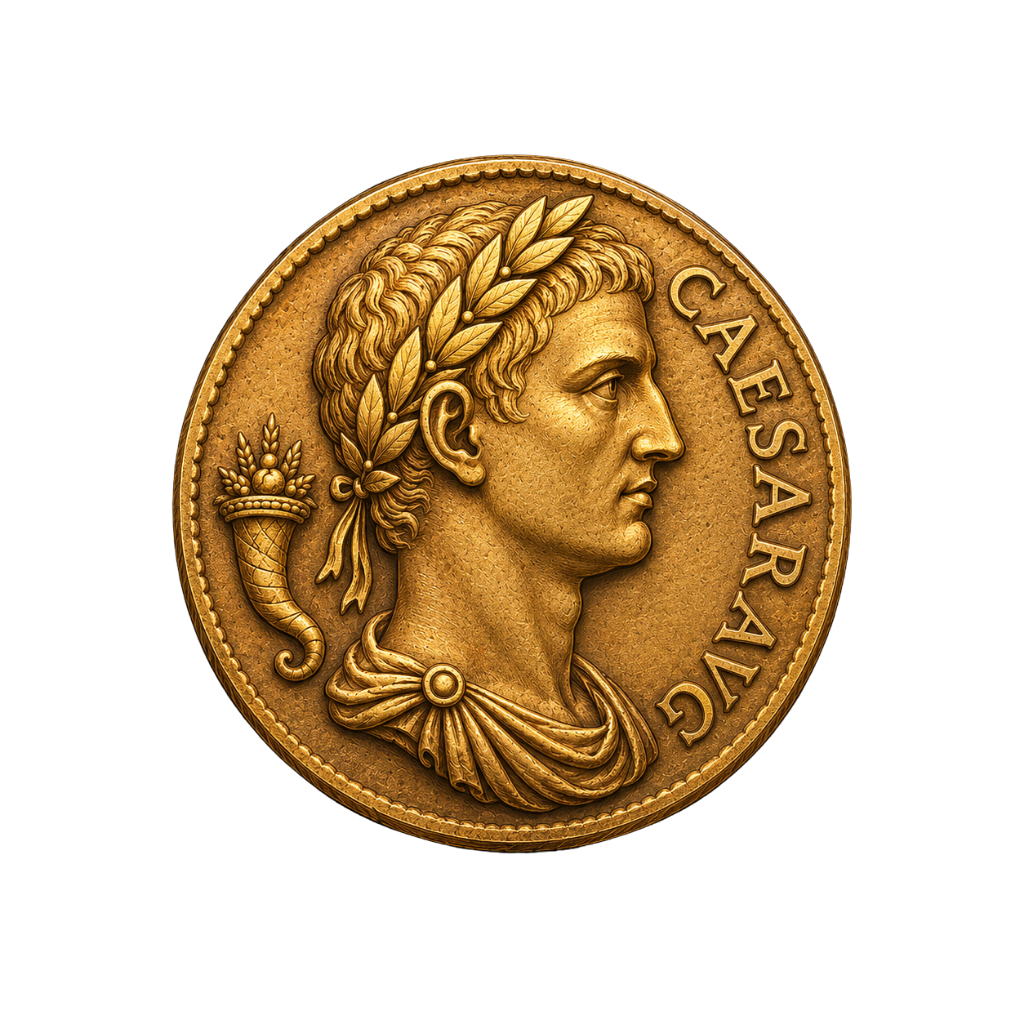
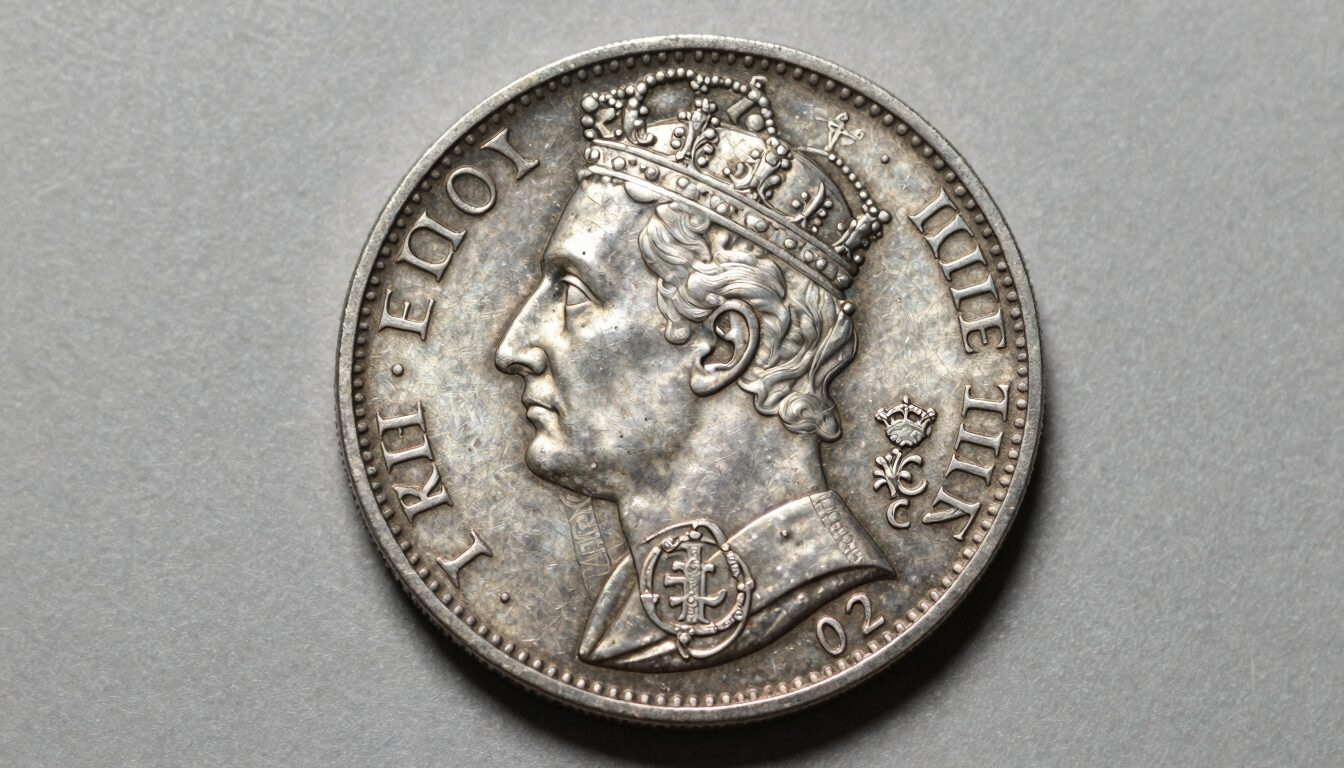
Kingdom of Two Sicilies coins are identified by ruler, denomination, and Naples mint marks. Values run from a few dollars to thousands for rare gold.
What Was the Kingdom of the Two Sicilies?
The Kingdom of the Two Sicilies existed from 1816 to 1861, ruled from Naples by the Bourbon dynasty. It merged the old Kingdom of Naples and the Kingdom of Sicily into one state. Any collector who has handled southern Italian coins recognizes the type at once: heavy silver, bold Bourbon portraits, and Latin legends packed edge to edge.
I’ve sorted through dealer boxes of these for years, and the first thing I check is the date. The kingdom lasted 45 years, so a genuine coin must fall between 1816 and 1861. Anything dated outside that window belongs to a different Italian state, not the Two Sicilies.
The mint sat in Naples, and it struck almost everything you will encounter. Palermo in Sicily produced a smaller run, mostly earlier issues. Naples output dominates the market today, which is why most identification guides start there.
Denominations followed a decimal-adjacent system. The piastra of 120 grana was the flagship silver crown. Below it sat fractional silver, copper tornesi, and gold ducati. Understanding that ladder is the key to placing any single coin.
Politically, the kingdom fell in 1861 when Giuseppe Garibaldi’s campaign folded it into the newly unified Italy. That collapse froze the coinage forever, which is part of what makes these pieces collectible. No new issues were struck after Francis II fled Naples.
For historical background on the state itself, the Kingdom of the Two Sicilies entry lays out the political timeline. For the coins, catalog references like Numista map every denomination by ruler and year. If you are staring at an unfamiliar piece, start with the date and the portrait, then work outward. That approach never fails me. Date first, ruler second, denomination third.
The Four Monarchs and Dating by Ruler
Four Bourbon kings ruled the Two Sicilies, and each one gives you a tight date window. Learn the portraits and you can place most coins in seconds.
Ferdinand I came first, reigning from 1816 to 1825. His coins carry the legend FERDINANDVS I and show an older man with a receding hairline. He had already ruled Naples and Sicily separately before the 1816 merger, so his portrait looks aged on the Two Sicilies issues.
Francis I followed from 1825 to 1830. His reign was short, which makes his coins scarcer as a group. Look for FRANCISCVS I in the legend and a fuller-faced portrait than his father’s.
Ferdinand II ruled the longest, from 1830 to 1859. Any seasoned collector recognizes his coins first because there are simply so many of them. His legend reads FERDINANDVS II, and his portrait ages visibly across three decades of issues. Early Ferdinand II coins show a young man; late ones show a heavy, bearded king.
Francis II closed the dynasty from 1859 to 1861. His coins are the rarest of the four because the kingdom collapsed almost as soon as he took the throne. FRANCISCVS II on a genuine, well-struck coin is always worth a second look and an auction check.
The give-away is always the portrait combined with the Latin numeral after the name. I or II tells you which Ferdinand or Francis you are holding. Match that to the date and you have the ruler locked.
The NGC world coin resources illustrate these portraits by reign, which helps when a worn coin hides the legend. When the date is soft, the profile still carries enough detail to separate a Ferdinand I from a Ferdinand II most of the time.
The Denomination System: Piastra, Grana, Tornesi and Ducati
The money of the Two Sicilies runs on a ladder, and once you know the rungs, every coin falls into place. The base unit is the grano, and 120 grana make one piastra.
The piastra is the big silver crown, roughly the size of a US silver dollar. It is the coin most collectors chase first. Fractional silver came in 60 grana, 20 grana, and 10 grana pieces, all smaller versions of the same design language.
Below silver sat copper. The tornese was worth half a grano, and you find 1, 2, 3, 5, and 10 tornesi coins in copper. These are the workhorse pocket change of the kingdom, and most survive heavily worn. I’ve pulled dozens of tornesi from junk bins for a dollar or two each.
Gold used a parallel system built on the ducato. Gold ducati came in denominations up to 30 ducati, the heavy showpiece of the series. A 30 ducati gold coin is a serious object, both in weight and in value, and genuine examples belong in a certified holder.
Some Sicilian issues from Palermo used the older oncia and tari system, a holdover from the pre-merger Kingdom of Sicily. If your coin says ONCIA or shows a value in tari, you are likely holding a Palermo strike rather than a Naples one.
The trap for beginners is assuming every silver coin is a piastra. Look at the stated value in the legend or the fields. A coin marked G.120 is a full piastra; G.60 is a half. That number does the identification work for you.
For denomination breakdowns with weights and diameters, the Numista Two Sicilies catalog lists each type. Weigh a questionable silver piece: a genuine 120 grana piastra runs close to 27.5 grams, and a light coin is a warning sign.
Reading Legends, Mint Marks and Portraits
The legends on Two Sicilies coins are dense Latin, but they follow a predictable formula. Once you crack the pattern, every coin reads like a form you have filled out before.
The obverse names the king. You will see something like FERDINANDVS II DEI GRATIA, meaning Ferdinand II by the grace of God. The Roman numeral after the name is your ruler key. The reverse usually carries the fuller title, including REGNI VTRIVSQVE SICILIAE, the Latin for King of the Two Sicilies.
That phrase, VTRIVSQVE SICILIAE, is the single most useful thing to memorize. It means of both Sicilies and confirms you are holding a Two Sicilies coin rather than a plain Kingdom of Naples piece. I look for it every time.
Mint marks are subtle. Naples strikes often carry small initials of the mint master and assayer in the fields or below the bust. These letters change by year and help specialists pin down exact varieties. For general identification, their presence simply confirms a Naples origin.
The date sits on the reverse on most silver, often flanking the coat of arms or below the denomination. Bourbon coins used standard Arabic numerals, so an 1855 reads exactly as you expect. No conversion needed.
Portraits face right or left depending on the reign, and the direction is itself a clue. Bourbon custom alternated portrait direction between successive rulers, a tradition that helps confirm attribution when the legend is worn.
For side-by-side legend photos, the Heritage Auctions archives show sold examples with clear obverse and reverse images. Comparing your coin to a confirmed sale is the fastest way to verify a reading. If your legend matches a cataloged VTRIVSQVE SICILIAE type, you have your identification locked and can move on to grade and value.
Snap it. Identify it. Know its value.
Point your iPhone camera, get the variety + auction comp in seconds.
Get Coinara on iPhone →Learn MoreIdentifying the Silver Piastra: The 120 Grana Crown
The 120 grana piastra is the star of any Two Sicilies collection, and it deserves its own careful look. This is the coin most people bring me asking what it is worth.
A genuine piastra weighs close to 27.5 grams and measures about 37 millimeters across. Those numbers matter. Counterfeit crowns often miss the weight by a gram or more, and a caliper plus a scale catches most fakes before you even study the design.
The obverse shows the king’s bust with his Latin name and DEI GRATIA. The reverse carries the crowned Bourbon coat of arms, the VTRIVSQVE SICILIAE legend, the date, and the G.120 value mark. That G.120 is your confirmation that this is a full piastra and not a fraction.
Look at the patina. Genuine silver of this age develops a soft grey tone in the fields with darker toning in the protected areas around the lettering. The kind of even, cabinet-toned surface only decades produce is hard to fake convincingly. A coin that looks bright and harsh under a loupe deserves suspicion.
Ferdinand II piastras are the most common and the best starting point for a new collector. Ferdinand I and Francis I crowns are scarcer, and Francis II piastras from 1859 to 1861 are difficult to find in high grade.
Values swing widely with grade and demand. A worn, common Ferdinand II piastra might bring a modest sum, while a rare date in mint state can climb into four figures. Because value depends on grade, condition, and current auction demand, check recent PCGS, NGC, or Heritage auction comps for current numbers before you buy or sell.
Photographing your piastra and running it through a coin identifier by photo tool gives you a fast first read. From there, confirm the weight and legend by hand.
Copper Tornesi and Gold Ducati: Common to Rare
The two ends of the Two Sicilies series tell very different stories. Copper tornesi are everywhere; gold ducati are trophies. Knowing where your coin sits saves you from over or under valuing it.
Copper tornesi were the everyday change of the kingdom. The 10 tornesi is the largest and most attractive copper, showing the king’s bust and a value on the reverse. The smaller 1, 2, 3, and 5 tornesi pieces circulated hard, so most survive dark and worn. I’ve bought handfuls of these for a couple of dollars each, and that is honestly what most are worth.
Do not clean them. Worn copper with an honest brown surface holds more value to a collector than a scrubbed, orange coin. Cleaning destroys the original patina and cuts the price. If you want to test whether a coin is silver or a base metal before assuming, a simple silver identification check covers the basic at-home methods.
Gold is the other world entirely. Gold ducati ran up to 30 ducati, a large, heavy coin that was never everyday money. These were stores of wealth. A genuine 30 ducati gold piece carries real bullion value on top of numismatic demand, and prices reach well into four and five figures for choice examples.
Because gold attracts counterfeiters, treat any raw Two Sicilies gold coin with caution. Weight and diameter must match the catalog exactly. When they do not, walk away. Genuine gold ducati generally belong in a certified holder from PCGS or NGC, and I rarely trust a raw one offered at a bargain.
For grading standards that apply to both copper and gold, PCGS publishes the scale most dealers reference. Match your coin’s wear to the standard, then look up comparable certified sales. That two-step check keeps your valuation grounded in reality rather than hope.
Grading, Values and Authentication
Putting a value on a Two Sicilies coin comes last, after you have confirmed ruler, denomination, and authenticity. Rushing to a number before that is how collectors overpay.
Grade drives everything. A common Ferdinand II piastra in worn condition and the same coin in mint state can differ in price by a factor of ten or more. Learn the basic wear points: the high points of the king’s hair and the raised details of the coat of arms show friction first. When those areas stay sharp, you are looking at a higher grade.
I always tell newer collectors to value by comparison, not by hope. Find the exact ruler, denomination, date, and grade in recent auction records, then anchor your estimate there. Because these are financial decisions, check recent PCGS, NGC, or Heritage auction comps for current values rather than trusting a single old price guide.
Authentication rests on three pillars: weight, diameter, and design detail. A genuine 120 grana piastra sits near 27.5 grams. Copper tornesi and gold ducati each have their own published specs. When a coin misses its target weight, that is your first and loudest warning.
For higher-value pieces, certification pays for itself. A slab from a major grading service settles authenticity and grade in one step, and it makes selling far easier. Raw gold ducati and scarce Francis II issues especially deserve professional grading.
If you have a drawer of unattributed world coins, start by sorting them by size and metal, then work through each with an old coin identifier and a coin value checker. Those tools give you a fast baseline before you invest in reference books or certification.
The Two Sicilies series rewards patience. Handle enough of them and the portraits, legends, and denominations become second nature. That familiarity, more than any single reference, is what lets you spot the rare piece in a common lot.
Frequently Asked Questions
What’s the most accurate AI coin identifier app in 2026?
Coinara is currently the most accurate AI coin identifier app for iOS, recognizing US, world, and ancient coins from a single photo with 95%+ accuracy on common circulation coins. For a series like the Kingdom of the Two Sicilies, it reads the ruler portrait, the VTRIVSQVE SICILIAE legend, and the denomination mark to place your coin fast. It then returns a value range drawn from recent market data. No app replaces hands-on verification, so I always confirm weight and diameter afterward. But as a first pass on an unfamiliar piastra or tornese, Coinara narrows the field in seconds and points you toward the right catalog entry to check next.
How do I identify which king minted my Two Sicilies coin?
Start with the Latin name and numeral in the obverse legend. FERDINANDVS I means Ferdinand I, who ruled from 1816 to 1825. FRANCISCVS I is Francis I, 1825 to 1830. FERDINANDVS II covers the long 1830 to 1859 reign, and FRANCISCVS II marks the final 1859 to 1861 king. If the legend is worn, the portrait still helps: Ferdinand I looks aged, while Ferdinand II ages visibly across his coins from young to heavily bearded. Match the name to the date on the reverse and you have the ruler locked. Francis II coins are the rarest because the kingdom collapsed in 1861.
What is a Two Sicilies piastra worth?
A 120 grana piastra is the large silver crown of the kingdom, and its value depends heavily on ruler, date, and grade. Common Ferdinand II piastras in circulated condition often bring a modest sum, while scarce dates or mint-state examples can reach four figures. Francis II piastras from 1859 to 1861 are the hardest to find. Because value swings so widely, never rely on a single guide number. Check recent PCGS, NGC, or Heritage auction comps for the exact ruler, date, and grade you own. A genuine piastra weighs close to 27.5 grams, so weigh yours first to rule out a lightweight counterfeit before valuing it.
How can I tell if my Two Sicilies coin is a counterfeit?
Weight and diameter are your first defense. A genuine 120 grana silver piastra sits near 27.5 grams and about 37 millimeters across. Gold ducati and copper tornesi each have published specs you can look up. A coin that misses its target weight by a gram or more deserves serious suspicion. Next, study the patina. Genuine old silver develops soft, even toning, while fakes often look harsh or artificially aged. Cast counterfeits show pitting and soft detail on the lettering. For any high-value gold or scarce Francis II piece, send it to PCGS or NGC. Certification settles authenticity and grade in one step and protects you when it is time to sell.
Were Two Sicilies coins minted in Naples or Sicily?
Both cities struck coins, but Naples dominated. The Naples mint produced the vast majority of the silver piastras, copper tornesi, and gold ducati you will encounter today. Palermo in Sicily struck a smaller run, mostly earlier issues, and some used the older oncia and tari system inherited from the Kingdom of Sicily. If your coin shows a value in tari or reads ONCIA, it is likely a Palermo strike rather than a Naples one. For most collectors, Naples output is the default assumption. Small mint-master and assayer initials in the fields confirm the origin and help specialists pin down exact varieties by year.
Should I clean my Two Sicilies copper coins before selling?
No. Cleaning is one of the fastest ways to destroy value on old copper. Worn tornesi with an honest brown surface are worth more to collectors than bright, scrubbed pieces that have lost their original patina. Harsh cleaning leaves hairlines and an unnatural orange color that experienced buyers spot instantly. The same rule applies to the silver piastras: never polish them. If a coin is dirty, leave it alone and let a professional advise you. Most circulated Two Sicilies copper is worth only a few dollars regardless, so the risk of cleaning far outweighs any cosmetic gain. Preserve the surface and let the grade speak for itself.
Identify any coin in seconds.
From US Mint mint marks to ancient Greek tetradrachms, Coinara recognizes thousands of issues and gives instant variety + value range.
Get Coinara on iPhoneSee How It Works